Road trip

Lofoten Islands: A 6-Day Fishing-Village Road Trip Through Norway's Arctic Archipelago

Drive the length of the Lofoten Islands on a one-way, STAY-first road trip through Norway's most photographed fishing villages. Fly into Svolvær, pick up a car, and follow the E10 west past turquoise beaches and granite peaks to the red rorbuer of Reine, sleeping in fishermen's cabins perched over the water and hiking ridgelines that drop straight into the fjord.

Plane🚗CarFerryBoat
  • Trip dates 31 Jul – 5 Aug 2026
  • Length6 days · 5 nights
  • TransportPlane + Car + Ferry + Boat
  • Countries1 · Norway

Overview

This 6-day, 5-night itinerary threads the classic Lofoten route from east to west along the E10, the single spectacular road that ties the archipelago's islands together with bridges and tunnels. You arrive by air into Svolvær (SVJ), the lively harbour capital, spend a night beneath the Svolværgeita pinnacle, then drift south to the tiny artists' island of Henningsvær before settling for three nights in Reine — the postcard heart of Lofoten and the ideal base for the region's best hikes and fjord boat trips. The pacing is relaxed but active: short driving legs, big scenery, and at least one serious ridge hike for those who want it. Because you sleep in a rorbu (a traditional fisherman's cabin over the water) rather than chase a new hotel each night, the trip stays calm and grounded even as the landscape stays dramatic. The itinerary as written suits the late-May-to-September season of midnight sun, open trails, and boat safaris; if you would rather come for the northern lights and winter fishing, February–March is the alternative, though the driving demands far more care on ice and snow and several boat trips and hikes will not run.

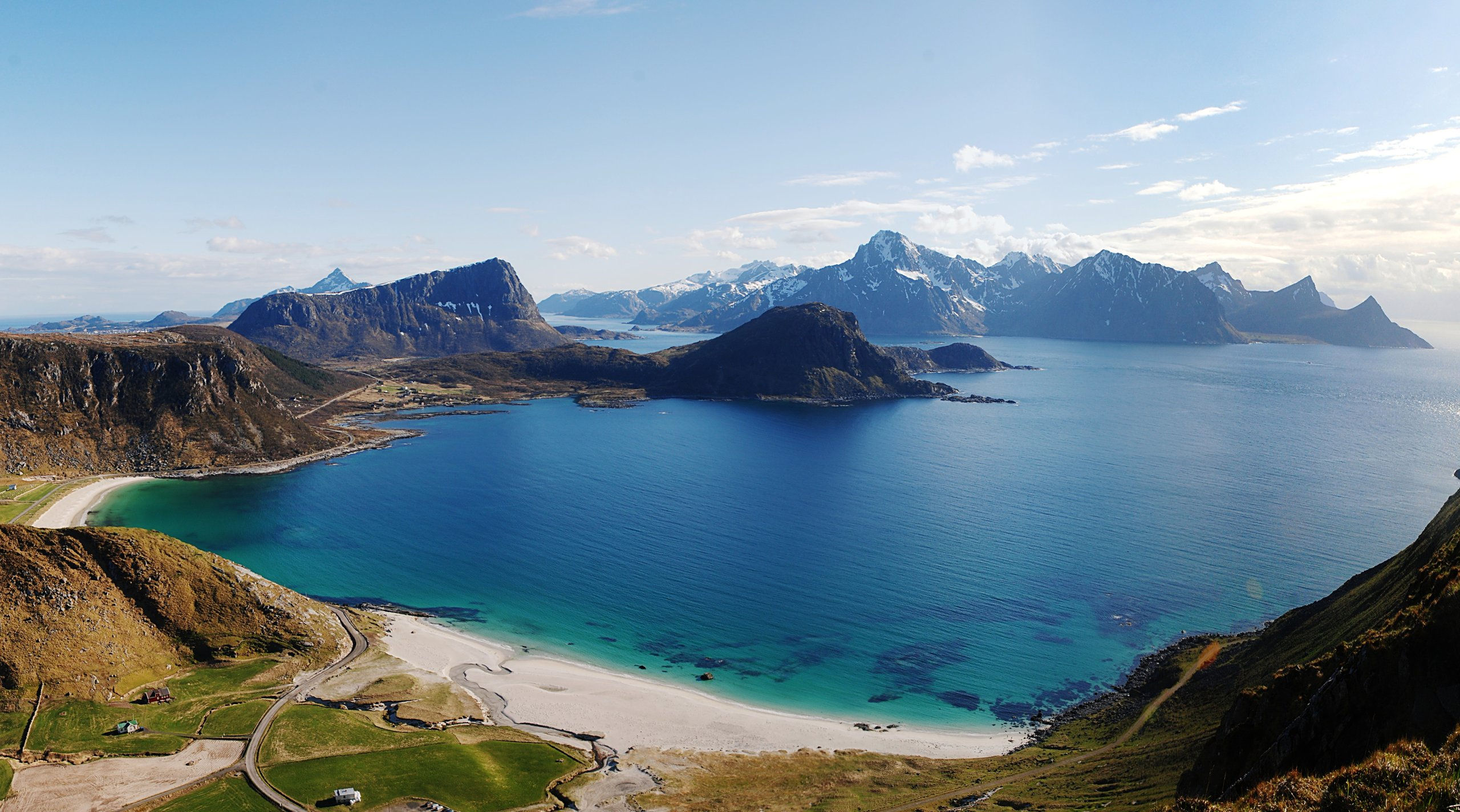
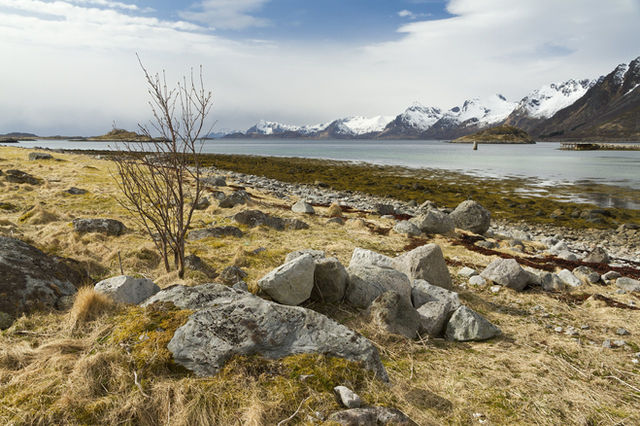
Lofoten Islands, Norway
Michele Agostini / Wikimedia Commons (CC BY-SA 2.0)

Highlights

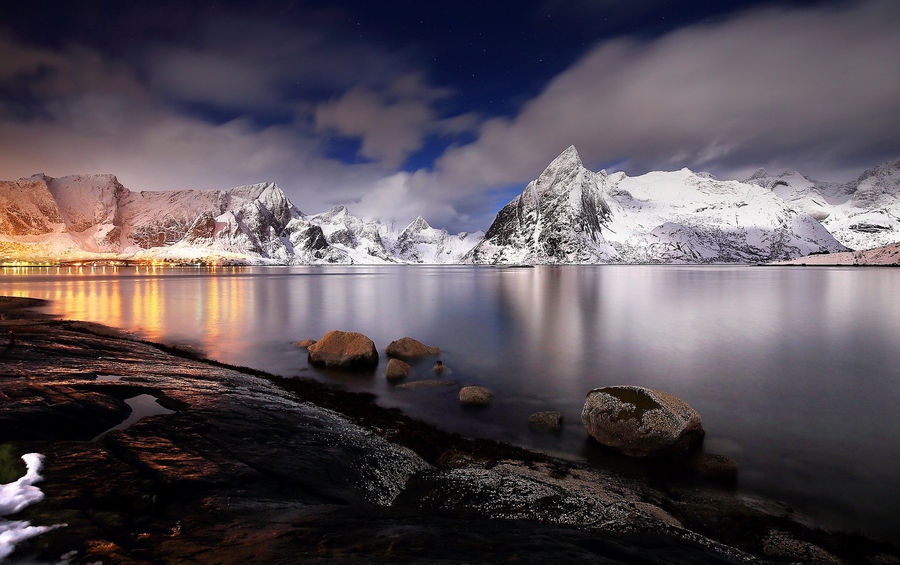
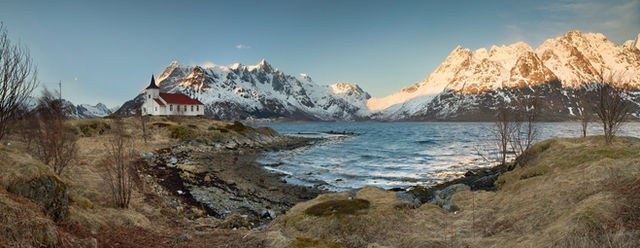
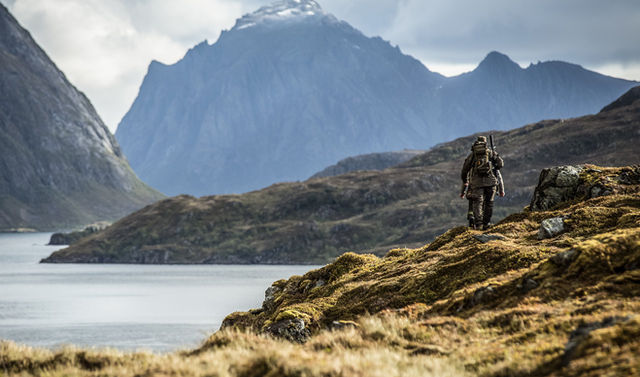
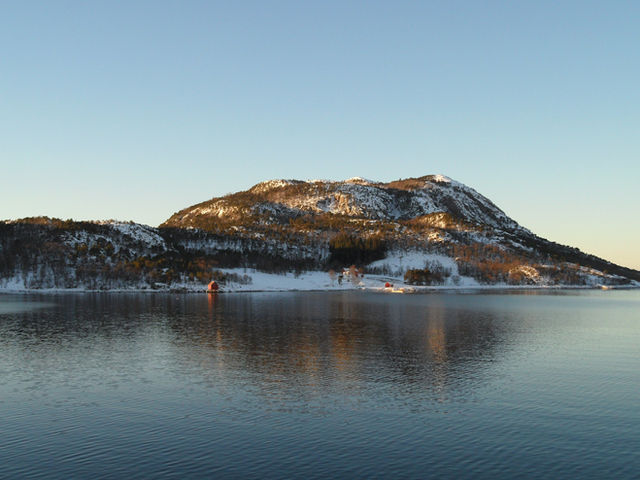
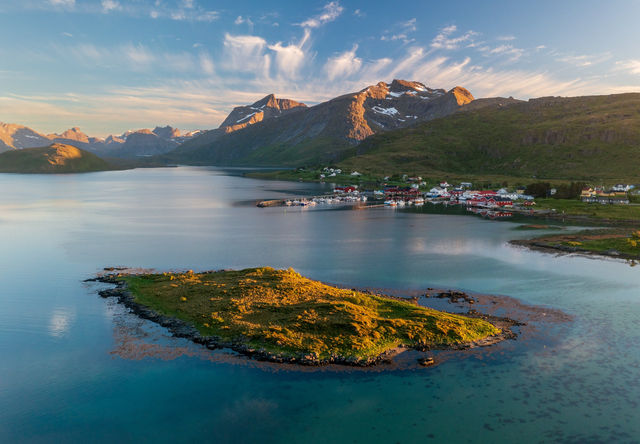
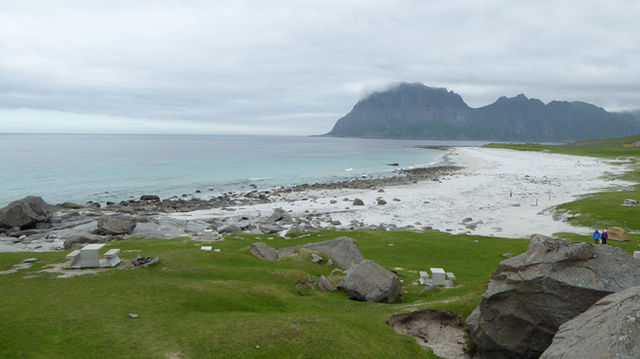
A few frames from the route.

The route

5 overnight bases, numbered in order. Tap a pin to jump to that day.

© OpenFreeMap · OSM contributors · straight-line route (not turn-by-turn)

6 days, day by day. Open any day for the morning-to-evening plan, where to eat, and where you sleep that night.

  1. Day 1 Fri 31 Jul Arrive Svolvær Base day

    Arrival in the Harbour Capital

    Morning. Fly in to Svolvær (SVJ), most likely connecting through Bodø or Oslo, and collect your rental car at the small airport just outside town.

    Afternoon. Settle into the harbour, wander the working quaysides where fishing boats unload, and look up at the Svolværgeita ("the Svolvær Goat"), the twin-horned rock pinnacle that rises sharply above the town.

    Evening. Take a slow walk around the harbour as the low Arctic light turns everything gold, then a relaxed cabin-side dinner watching the boats come in.

    Eat. Fresh Arctic cod (skrei in season) or a rich, creamy Norwegian fish soup at a harbour-front kitchen; finish with a warm cinnamon bun.

    Where to stay. A rorbu (traditional fisherman's cabin) on stilts over Svolvær's harbour — timber-clad, simply furnished, with the water lapping directly beneath the floorboards and boats bobbing outside the window.

    Optional / swaps. If you have energy after travel, a short evening stroll toward the base of the Svolværgeita gives a closer look at the climbers' pinnacle without committing to any scramble.

    Practical. Pick up your hire car with winter-capable tyres if travelling at the season's shoulders; fill the tank when you can, as fuel stations thin out toward the western villages.

    🛏 Svolvær · 1 night · 2 guests

  2. Day 2 Sat 1 Aug Svolvær → Henningsvær ~23 km Drive

    Sea Eagles and the Artists' Island

    Morning. Join a Trollfjord sea-eagle boat safari from Svolvær's harbour — a fast RIB run into the impossibly narrow Trollfjord to watch white-tailed sea eagles wheel over the water.

    Afternoon. Drive the short hop to Henningsvær (~30 min) and see the famous island football pitch ringed by ocean and rock, then visit the Kaviar Factory, a contemporary art gallery in a converted fish-roe plant.

    Evening. Linger in the harbour cafés of this climbers' and artists' village, watching the light shift over the drying racks and the granite walls that draw climbers from across the world.

    Eat. Stockfish (air-dried cod, the region's centuries-old staple) or a plate of just-landed seafood; a good coffee and a cinnamon bun is the classic Henningsvær afternoon.

    Where to stay. A rorbu among the clustered islets of Henningsvær, right on the water in the heart of the little harbour, with a snug interior and views across the moored fishing fleet.

    Optional / swaps. Swap the gallery for a rock-climbing taster session or a guided harbour paddle if you would rather be on the water and the rock than indoors.

    Practical. Henningsvær's lanes are narrow and parking is tight in high season — leave the car once and explore the compact village on foot.

    🛏 Henningsvær · 1 night · 2 guests

  3. Day 3 Sun 2 Aug Henningsvær → Reine ~69 km Drive

    West Along the E10 to Reine

    Morning. Set off west on the E10, the drive that puts Lofoten on so many postcards, winding between fjord and peak toward the far villages.

    Afternoon. Stop at the wide white-sand beaches along the way — Ramberg and Skagsanden are the classics, turquoise water against dark mountains — allowing ~2.5–3h for the drive with photo stops.

    Evening. Arrive in Reine, drop your bags in the rorbu, and take a first walk along the waterline to watch the red cabins and the Reinefjorden glow in the late light.

    Eat. Fresh cod or a hearty fish soup in the village; buy supplies at the small local shop to cook simply in the cabin, as the classic rorbu experience.

    Where to stay. A red-painted rorbu on the Reinefjorden — the iconic Lofoten cabin, standing on stilts over clear water with the jagged Reinebringen ridge framed behind it. This is the base for the next three nights.

    Optional / swaps. Detour to nearby Nusfjord, one of Norway's oldest and best-preserved fishing villages, if you would rather trade a beach stop for heritage.

    Practical. The E10 is a single main road with occasional tunnels and one-lane bridges; drive unhurried, use the marked pull-offs for photos, and never stop on the carriageway.

    🛏 Reine · 1 night · 2 guests

  4. Day 4 Mon 3 Aug Reine Base day

    The Reinebringen Ridge

    Morning. Tackle the Reinebringen hike, the ridge that delivers Lofoten's most famous view — the fjord, the cabins, and the peaks all laid out beneath you. The route climbs a steep stone "Sherpa steps" stairway built into the mountainside; it is short but demanding, and can close in poor conditions, ice, or after heavy rain, so check the local status before setting out.

    Afternoon. Recover with an easy loop around the neighbouring villages of Hamnøy and Sakrisøy — the red and ochre cabins over the water here are among the most photographed scenes in the archipelago.

    Evening. A slow cabin evening back in Reine, watching the light work across the Reinefjorden; in high summer the midnight sun keeps the sky bright well past midnight.

    Eat. Grilled or poached cod, a bowl of fish soup, and cinnamon buns for the hike; a cabin dinner of local seafood rounds off the day.

    Where to stay. The same red rorbu over the Reinefjorden — the advantage of a three-night base is returning each evening to a warm cabin without re-packing.

    Optional / swaps. If Reinebringen is closed or the weather has shut the ridge in, swap in a low, safe coastal walk around Reine and the Hamnøy bridges instead — the views are still exceptional at sea level.

    Practical. Wear proper hiking boots with grip, carry layers and waterproofs, and start early to beat both crowds and afternoon weather; the stone steps are slick when wet.

    🛏 Reine · 1 night · 2 guests

  5. Day 5 Tue 4 Aug Reine Base day

    Fjord Boat to Bunes and the Road's End at Å

    Morning. Take the Reinefjorden passenger boat across to the tiny settlement of Vindstad, then walk the well-trodden path over to Bunes beach, a vast, wild sweep of sand hemmed by sheer cliffs and open to the ocean.

    Afternoon. Back across the fjord, drive to Å (yes, a single letter) at the very end of the E10 — the road literally stops here — and explore its fishing-heritage museums, the old cod-liver-oil works, and the racks where stockfish still dries in the wind.

    Evening. A final rorbu evening in Reine; if the sky is clear in late summer, the midnight-sun light over the fjord is the memory most people carry home.

    Eat. The full Lofoten table — skrei or cod, stockfish, fish soup, and a last cinnamon bun; Å itself has a long history of the cod trade behind every dish.

    Where to stay. Your Reinefjorden rorbu for the final night — the third evening in one cabin lets the rhythm of the village settle in.

    Optional / swaps. If seas are rough and the Bunes boat does not run, spend the morning in the villages of Sørvågen and Å and the afternoon photographing Hamnøy instead.

    Practical. Check the Reinefjorden boat timetable and sailings the day before, and confirm the last return crossing — missing it means a long wait or an expensive water-taxi.

    🛏 Reine · 1 night · 2 guests

  6. Day 6 Wed 5 Aug Reine → Leknes / departure ~43 km Drive

    The Drive to Leknes and Departure

    Morning. Pack up the rorbu, take a last walk along the Reinefjorden, and start the drive back east along the E10 toward Leknes.

    Afternoon. Continue to Leknes Airport (LKN, roughly an hour from Reine), return the rental car, and check in for the flight home, most likely via Bodø.

    Evening. Connect through Bodø or Oslo on the way home, watching the islands fall away beneath the wing.

    Eat. A last shrimp or cod open sandwich and a coffee at the small airport before boarding.

    Where to stay. — (departure day; no overnight)

    Optional / swaps. If your flight is late, break the drive with a final beach stop at Skagsanden or a wander through the fishing village of Ballstad.

    Practical. Leknes is a small regional airport with limited daily departures — build in a comfortable buffer for the car return and the onward connection.

Flights

An open-jaw trip — fly into SVJ, home from LKN. Each search opens pre-filled with your travel dates and party.

Powered by the Travelpayouts flight search on /flights.

Budget

A realistic planning budget for the whole trip — beds, food, fuel, the hire car and the extras. Change your party size, dates or comfort level and it updates to match.

€3,402≈ £2,908
  • Per person€1,701
  • Per day€567
  • SeasonPeak
  • TierMid

Estimate settings editable

Party2 travellers
CategoryHow it’s estimatedEstimate
Accommodationper-person/night (3–4★, min 2 sharing, £75 floor) × people × nights × season × tier€1,220
Meals & drinksper-country food/person/day × party × days × tier€660
Activities & admissionsper-country activities/person/day × party × days€480
Fueldistance × 9 L/100km × €1.55€19
Car rentaldaily rate × 6 days (editable)€450
Tolls, parking & ferriesfixed one-off€199
eSIM / ATMfixed one-off€65
Subtotal€3,093
Contingency (10%)€309
Grand total ≈ £2,908 · €1,701 pp · €567/day€3,402

How we estimate

  • Accommodation — per-person nightly by destination, minimum two sharing, × season × tier.
  • Standard (Mid) = 3–4★+ — estimates assume our audience’s baseline: 3–4★ or better, never below a ~£75/night room floor. Premium higher; Budget lower.
  • Meals — per person, per day, by country. Fuel — from the route distance. Season — from your dates.

These are planning estimates, not quotes. Premium properties and popular tourist hubs run above the country average, especially in peak season. Where live cost data isn’t available yet, some countries use representative figures.

Eat your way across

A taste of every country you travel through — the food culture worth going out of your way for, and the signature dishes to seek out.

Norway

The world's cleanest cold water turned into salmon and cod — and a surprising national weakness for cinnamon buns.

The sea does most of the work here, in water so cold and clean the fish tastes of little but itself. On a harbour in the north you'll eat skrei — the migrating winter cod — poached and served with its own liver and roe; further south, a side of gravlaks, salmon buried in salt, sugar and dill until it turns silky, sliced thin over a sweet mustard sauce.

Inland and upland, Norway eats to keep the cold out: fårikål, mutton and cabbage stewed slow with peppercorns until the whole house smells of autumn; thin slices of cured reindeer; a heart-shaped waffle folded warm around brown, caramel-sweet brunost cheese. And for all its reputation for restraint, this is a country that stops everything mid-morning for coffee and a cinnamon bolle — the daily ritual it quietly refuses to skip.

  • gravlaks (cured salmon)
  • skrei (winter cod)
  • fårikål (mutton & cabbage)
  • brunost (brown cheese)
  • kjøttkaker (meat cakes)
  • cured reindeer
  • kanelboller (cinnamon buns)

A little history

To understand what you see today, it helps to know the past — the civilisations and empires that shaped the culture, food and architecture of the places on this route.

Norway
  • The Viking age left the sagas, the longships and the medieval wooden stave churches
  • centuries of union with Denmark then Sweden ended in full independence only in 1905
  • life clung to the coast, so the deep western fjords and Bergen's Hanseatic wharf shaped a fishing-and-trading culture
  • North Sea oil since the 1970s turned a poor fishing nation into one of the world's wealthiest

Packing

What to bring for this trip — the easy-to-forget essentials.

Clothing (for the full climate range + layers)

The Arctic coast swings quickly between sun, wind, and rain even in summer — pack a windproof, waterproof shell jacket and trousers, warm fleece or down mid-layers, and merino base layers. A hat and gloves are worth carrying year-round.

Footwear (terrain)

Proper waterproof hiking boots with real grip for the Reinebringen stone steps and the Bunes path, plus comfortable trainers for village walking and harbour cafés.

Activity gear

A small daypack, a dry bag for electronics on the boat trips, and a compact pair of binoculars for the sea eagles on the Trollfjord safari.

Sun & light

A sleep eye mask is essential for the midnight sun — in high summer it never truly gets dark, and blackout is rarely complete in a rorbu. Add sunglasses and sunscreen for the bright, reflective coastal light.

Documents / money / connectivity & adapters

Valid passport, a full driving licence for the car hire, contactless credit/debit cards (Norway is near-cashless), Type C/F European plug adapters, and an eSIM or roaming plan — signal is generally good along the E10 but patchier in the far west.

Health / first-aid

Blister pads and any personal medication for the hikes, plus motion-sickness remedies for the sea-eagle RIB and the Reinefjorden crossing.

Drone rules (sub-250g)

Where you can and can’t fly a small drone along the way — the rules change sharply from one country to the next, so check before you launch.

  • Norway
    Register as an operator at flydrone.no (an existing EASA registration is valid) — and, unusually, foreign visitors must also register their use of a camera or sensor with the National Security Authority (NSM) before flying. Rural flying is otherwise open, well clear of the 5 km airport zones. ⚠ Svalbard is almost entirely off-limits to visitor drones; national-security no-fly zones and airport buffers apply on the mainland — register your camera use with NSM and check the flydrone.no map. Rules checked: Jul 2026

National parks, protected sites and religious/heritage venues often have their own rules and permits — always check the specific site before you fly.