Road trip

Northern Lights in Tromsø: A 4-Day Arctic Winter Aurora Adventure

Chase the aurora borealis from the Arctic capital of Tromsø on this compact 4-day winter escape, based entirely in one walkable city on the edge of the polar night. Between guided minibus aurora hunts under dark northern skies, you'll ride a husky sled across frozen tundra, warm up in a Sami reindeer camp, glide up a cable car to a snow-dusted mountain ledge above the fjords, and head out on the water in search of whales — all from a single cosy harbour base.

Plane🚌BusBoat
  • Trip dates 31 Jul – 3 Aug 2026
  • Length4 days · 3 nights
  • TransportPlane + Bus + Boat
  • Countries1 · Norway

Overview

This 4-day itinerary keeps you rooted in central Tromsø, using the city as a single base for three nights of aurora chasing and three days of Arctic adventure. Tromsø sits well inside the Arctic Circle and is one of the world's most reliable and accessible places to see the northern lights, but it's important to be honest: the aurora is never guaranteed on any single night. It needs three things to line up at once — proper darkness, clear skies overhead, and enough solar activity — and no operator can promise all three. What tips the odds in your favour is time and mobility: three nights gives you several separate chances, and a good guided minibus tour will drive for hours, often crossing into the calmer, clearer inland valleys or even towards the Finnish border, to find a break in the cloud wherever the sky is best that night. Days are built around Tromsø's headline winter experiences — dog-sledding, a Sami reindeer-sledding camp, the Fjellheisen cable car, and a seasonal whale-watching or fjord boat trip — with the auroras saved for the long, dark evenings. This is a true polar-winter trip: expect short daylight hours, deep cold, snow and ice underfoot, and the need for serious thermal kit. The pacing is relaxed by day and late by night, since the best aurora hours are often well after dinner.

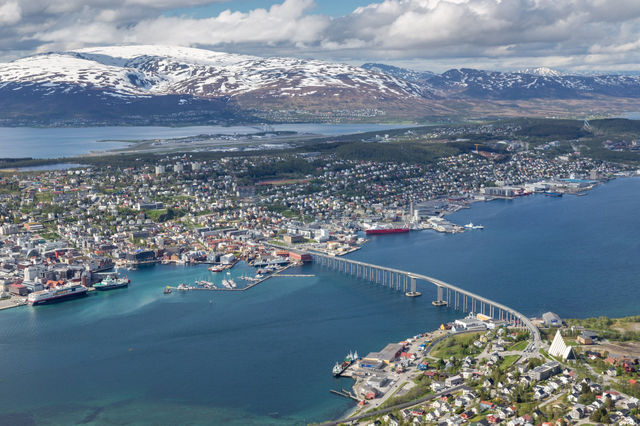
Northern Lights in Tromsø, Norway
Virtual-Pano / Wikimedia Commons (CC BY-SA 4.0)

Highlights

A few frames from the route.

The route

1 overnight bases, numbered in order. Tap a pin to jump to that day.

© OpenFreeMap · OSM contributors · straight-line route (not turn-by-turn)

4 days, day by day. Open any day for the morning-to-evening plan, where to eat, and where you sleep that night.

  1. Day 1 Fri 31 Jul Arrive Tromsø Base day

    Arrival in the Arctic and First Aurora Chase

    Morning. Fly into Tromsø (TOS), typically routing via Oslo. Take the airport bus or a short taxi into the compact city centre and settle into your central base.

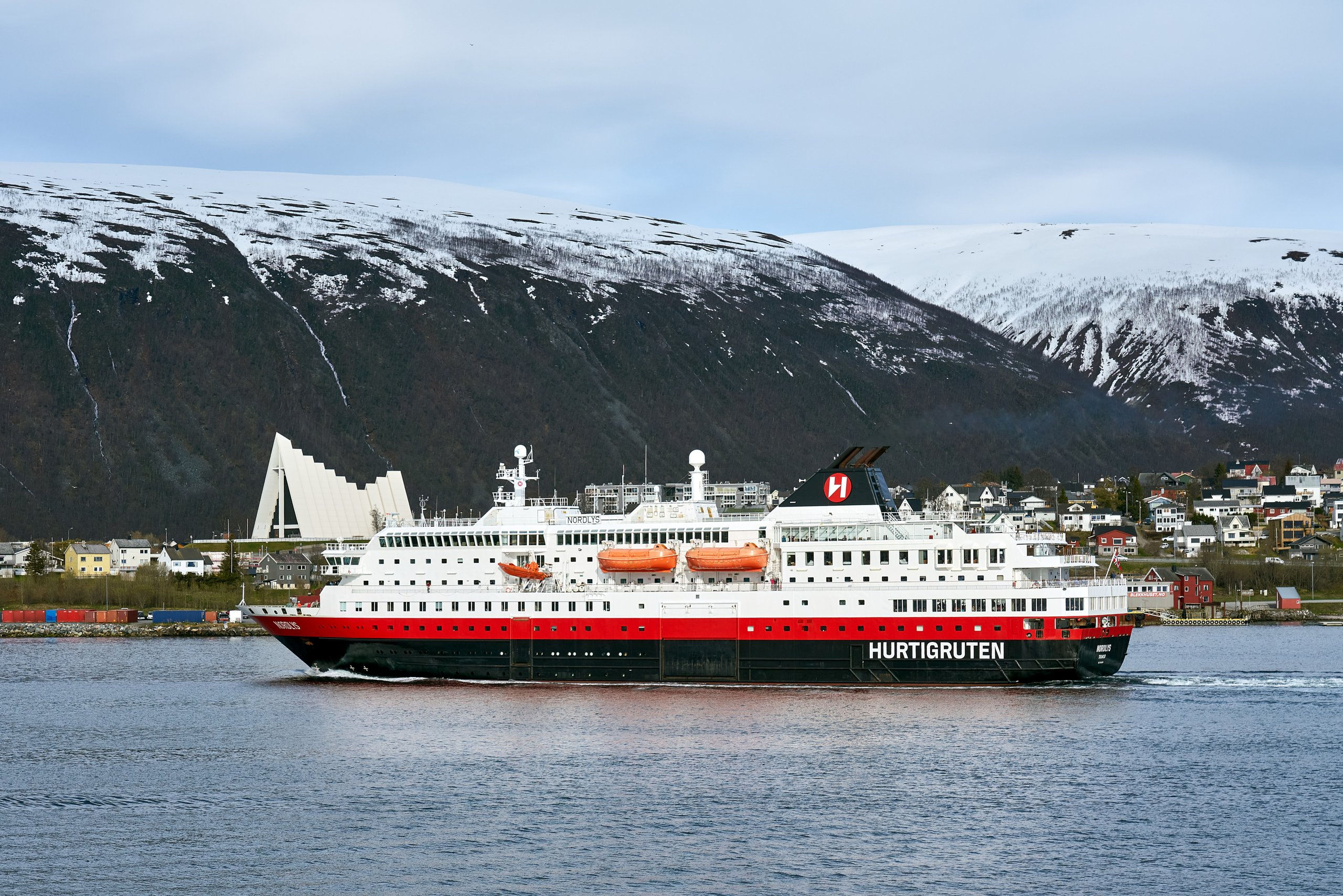
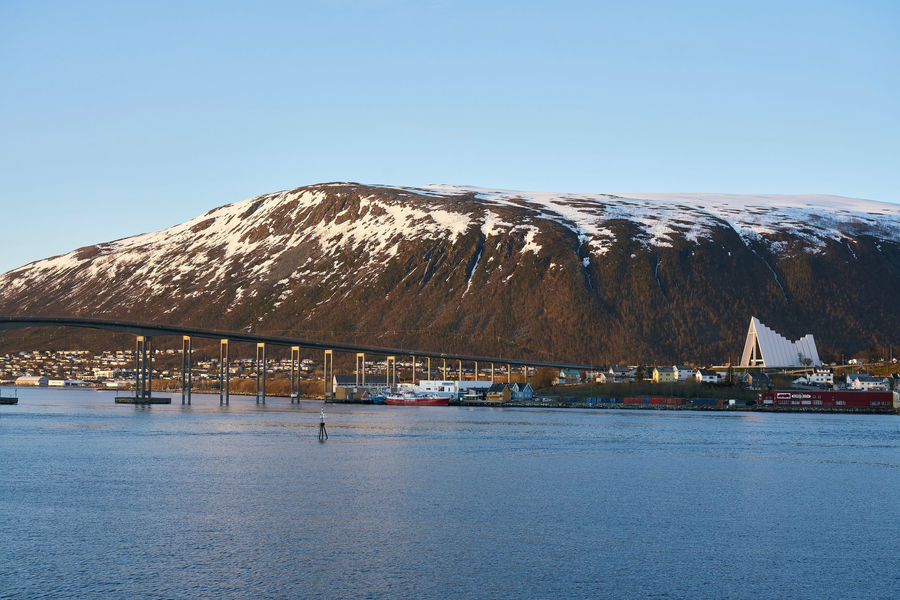
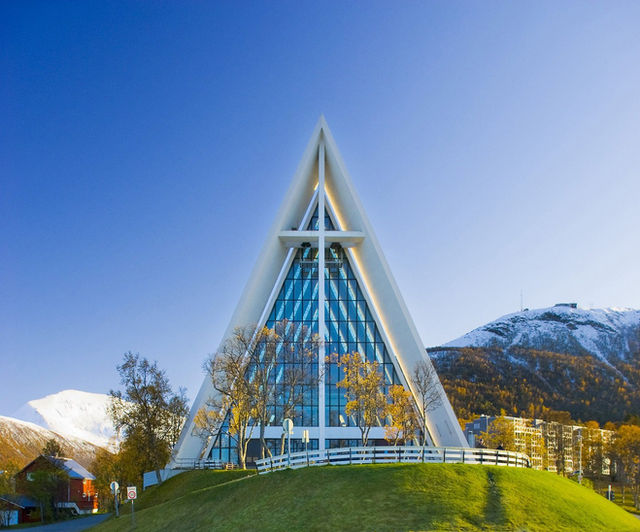
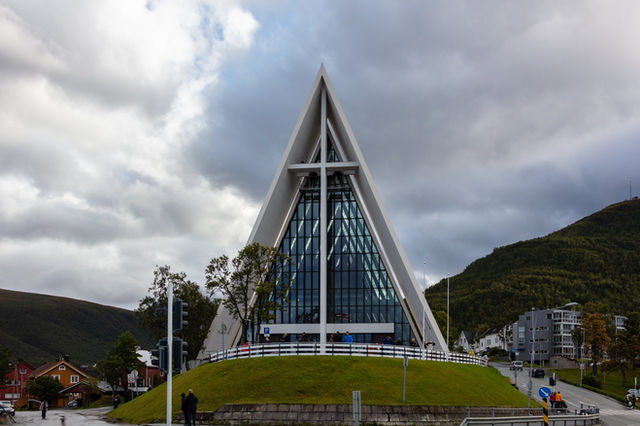
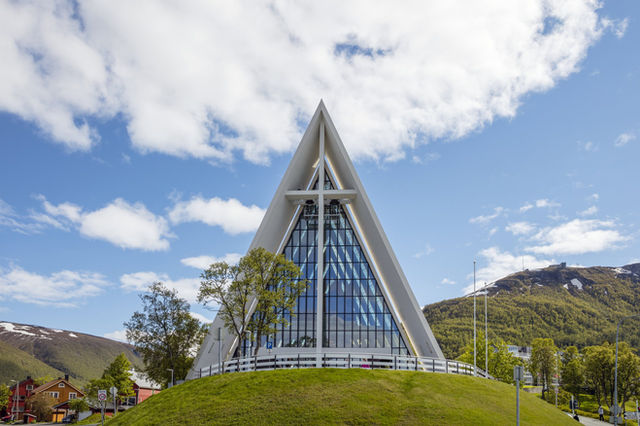
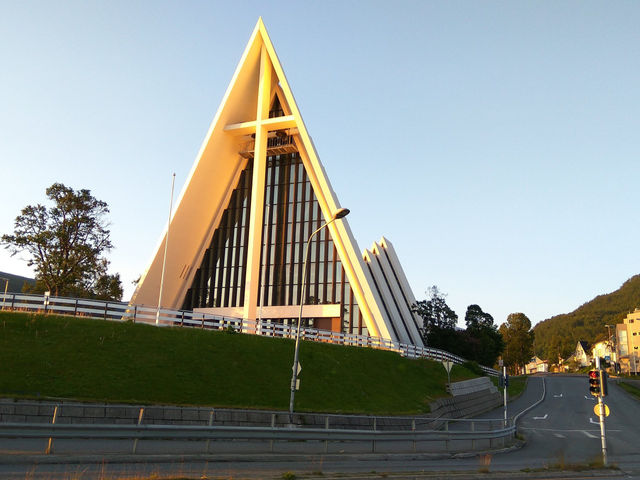
    Afternoon. Walk off the journey with a gentle orientation stroll through the small wooden old town, along the harbour, and across (or looking over to) the striking triangular Arctic Cathedral (Ishavskatedralen). Daylight is short in winter, so make the most of the pale Arctic light while it lasts.

    Evening. Join a guided minibus northern-lights tour for your first chase. A good operator watches the forecast and cloud cover and drives to wherever the sky is clearest — sometimes an hour or more inland — stopping at dark viewpoints away from town, with hot drinks and help photographing the sky.

    Eat. Warm up with a hearty Arctic supper before the tour — try Arctic cod (skrei) in season, or a rich reindeer stew, the kind of slow, warming food built for the cold and dark.

    Where to stay. In central Tromsø on the island's harbour side, within easy walking distance of the waterfront, the main street (Storgata) and tour-departure points, so you can come and go on foot in the dark and cold without needing a car.

    Optional / swaps. If you'd rather not travel far on arrival night, swap the minibus chase for a shorter aurora outing closer to the city, accepting that you're more exposed to local cloud.

    Practical. The aurora is never guaranteed on any single night — it needs darkness, clear skies and solar activity all at once. Dress in full thermal layers even for a "quick" look; you may be standing still outdoors in deep cold for a long time.

    🛏 Tromsø · 3 nights · 2 guests

  2. Day 2 Sat 1 Aug Tromsø Base day

    Huskies, a Sami Camp, and a Second Aurora Chase

    Morning. Head out for a daytime dog-sledding experience on the snow outside the city. Depending on the operator you may drive your own team of huskies or ride as a passenger, gliding through frozen forest and open tundra, usually with time afterwards to meet and cuddle the dogs.

    Afternoon. As an alternative or add-on, visit a Sami camp for reindeer-sledding, feeding the herd, and sitting around the fire in a traditional lavvo tent to hear about Sami culture and reindeer-herding life over a warm meal.

    Evening. Back out on a second guided minibus aurora chase. A different night means different skies and a fresh chance — the whole point of giving yourself three nights is that any single one can be clouded out.

    Eat. In a warm lavvo, expect traditional fare such as bidos (a Sami reindeer stew); back in town, look for reindeer, Arctic char or king crab on winter menus.

    Where to stay. In central Tromsø on the harbour side, keeping you close to tour pick-up points and to somewhere warm to retreat to between the daytime and evening outings.

    Optional / swaps. If you'd rather not do two sled experiences, pick just one (huskies or reindeer) and spend the rest of the day resting for the late aurora night, or exploring the city's museums.

    Practical. Sledding operators usually provide thermal outer suits, boots and mitts on top of your own layers — but wear serious base and mid-layers underneath, and pack hand and toe warmers.

  3. Day 3 Sun 2 Aug Tromsø Base day

    Cable-Car Peak, Whales or Fjords, and a Final Aurora Night

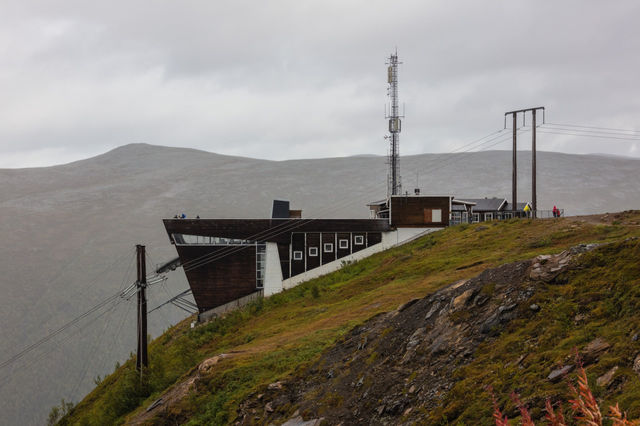
    Morning. Take the Fjellheisen cable car up to the Mount Storsteinen ledge for a sweeping panorama over the island city, the surrounding fjords and snow-covered peaks. In clear conditions this is one of the finest viewpoints in Arctic Norway — and on the right dark evening it can even be an aurora vantage point.

    Afternoon. Head out on the water. In the deep-winter season, whale-watching boats run in search of orcas and humpbacks — but be aware this is season-dependent (roughly late autumn to midwinter) and often involves a longer boat trip up the coast towards Skjervøy rather than a quick harbour cruise. Outside the whale season, or if you'd prefer a gentler day, swap in a scenic winter fjord cruise closer to the city instead.

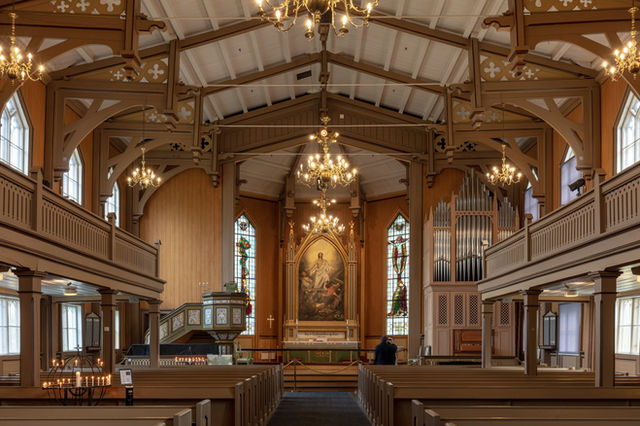
    Evening. Take your final guided minibus aurora chase — your last and best-rested chance under dark skies. If you'd rather stay in town, a concert inside the acoustically striking Arctic Cathedral is a memorable Arctic alternative.

    Eat. Celebrate the last night with Arctic specialities — king crab, skrei, or reindeer — finished with cloudberries, and a glass of the city's own Mack beer, brewed here in the far north.

    Where to stay. In central Tromsø on the harbour side, an easy walk or short bus hop from the Fjellheisen cable-car base and the harbour where boat tours depart.

    Optional / swaps. If the whale trip and a full aurora chase feel like too much cold in one day, keep the boat outing short and fjord-based, and treat the cable car as your daylight highlight.

    Practical. Winter whale trips are long and exposed on open water — dress even more warmly than for a city day, bring motion-sickness remedies, and confirm the sailing is running before you commit, as it's weather- and season-dependent.

  4. Day 4 Mon 3 Aug Tromsø Base day

    Final Arctic Morning and Departure

    Morning. Enjoy a slow Arctic breakfast — a specialty coffee and a cardamom bun — and a last wander along the harbour if your flight allows. Pick up any local treats (cloudberry jam, Arctic chocolate) before you go.

    Afternoon. Take the airport bus or a short taxi back to Tromsø Airport (TOS) and check in for your outbound flight, typically connecting home via Oslo.

    Evening. Fly south out of the Arctic, hopefully with a last aurora sighting logged over the three nights.

    Eat. A quick open-faced Norwegian sandwich or a warm bun at the terminal before boarding.

    Where to stay. In central Tromsø on the harbour side, close to the airport bus stops for an easy final transfer.

    Optional / swaps. If you have a late departure, squeeze in the Polaria Arctic aquarium or the Polar Museum for a final indoor Arctic dose out of the cold.

    Practical. Winter weather can delay Arctic flights — build in buffer time for your onward connection and keep an eye on the forecast the night before.

Flights

Fly into and home from TOS. Each search opens pre-filled with your travel dates and party.

Powered by the Travelpayouts flight search on /flights.

Budget

A realistic planning budget for the whole trip — beds, food, fuel, the hire car and the extras. Change your party size, dates or comfort level and it updates to match.

€1,893≈ £1,618
  • Per person€947
  • Per day€473
  • SeasonPeak
  • TierMid

Estimate settings editable

Party2 travellers
CategoryHow it’s estimatedEstimate
Accommodationper-person/night (3–4★, min 2 sharing, £75 floor) × people × nights × season × tier€732
Meals & drinksper-country food/person/day × party × days × tier€396
Activities & admissionsper-country activities/person/day × party × days€288
Local transportper-country trains, buses & ferries/person/day × party × days€240
eSIM / ATMfixed one-off€65
Subtotal€1,721
Contingency (10%)€172
Grand total ≈ £1,618 · €947 pp · €473/day€1,893

How we estimate

  • Accommodation — per-person nightly by destination, minimum two sharing, × season × tier.
  • Standard (Mid) = 3–4★+ — estimates assume our audience’s baseline: 3–4★ or better, never below a ~£75/night room floor. Premium higher; Budget lower.
  • Meals — per person, per day, by country. Fuel — from the route distance. Season — from your dates.

These are planning estimates, not quotes. Premium properties and popular tourist hubs run above the country average, especially in peak season. Where live cost data isn’t available yet, some countries use representative figures.

Eat your way across

A taste of every country you travel through — the food culture worth going out of your way for, and the signature dishes to seek out.

Norway

The world's cleanest cold water turned into salmon and cod — and a surprising national weakness for cinnamon buns.

The sea does most of the work here, in water so cold and clean the fish tastes of little but itself. On a harbour in the north you'll eat skrei — the migrating winter cod — poached and served with its own liver and roe; further south, a side of gravlaks, salmon buried in salt, sugar and dill until it turns silky, sliced thin over a sweet mustard sauce.

Inland and upland, Norway eats to keep the cold out: fårikål, mutton and cabbage stewed slow with peppercorns until the whole house smells of autumn; thin slices of cured reindeer; a heart-shaped waffle folded warm around brown, caramel-sweet brunost cheese. And for all its reputation for restraint, this is a country that stops everything mid-morning for coffee and a cinnamon bolle — the daily ritual it quietly refuses to skip.

  • gravlaks (cured salmon)
  • skrei (winter cod)
  • fårikål (mutton & cabbage)
  • brunost (brown cheese)
  • kjøttkaker (meat cakes)
  • cured reindeer
  • kanelboller (cinnamon buns)

A little history

To understand what you see today, it helps to know the past — the civilisations and empires that shaped the culture, food and architecture of the places on this route.

Norway
  • The Viking age left the sagas, the longships and the medieval wooden stave churches
  • centuries of union with Denmark then Sweden ended in full independence only in 1905
  • life clung to the coast, so the deep western fjords and Bergen's Hanseatic wharf shaped a fishing-and-trading culture
  • North Sea oil since the 1970s turned a poor fishing nation into one of the world's wealthiest

Packing

What to bring for this trip — the easy-to-forget essentials.

clothing (extreme-cold thermal layers)

This is a polar-winter trip — pack for standing still outdoors in deep cold for hours. Bring a proper insulated (down or synthetic) parka, windproof and waterproof shell, heavy fleece mid-layers, and multiple merino wool base layers (top and bottom). Add insulated snow trousers or salopettes for the aurora chases and boat trips.

footwear (ice and snow)

Warm, waterproof insulated winter boots with thick wool socks, plus slip-on ice grips (crampons/spikes) for icy pavements and viewpoints — Tromsø's streets and paths freeze hard in winter.

head, hands & extremities

A warm hat that covers the ears (plus a spare), a neck gaiter or balaclava, thin liner gloves worn under heavy insulated mittens (so you can briefly bare your hands for the camera), and plenty of disposable hand and toe warmers.

aurora photography

A camera capable of long exposures, spare batteries kept warm in an inside pocket (cold drains them fast), a memory card or two, and — essential — a sturdy but lightweight tripod for sharp night-sky shots. A remote or timer release helps avoid shake.

activity gear

A small daypack, a thermal flask for hot drinks, lip balm and heavy moisturiser for wind-chapped skin, and motion-sickness remedies for the winter whale or fjord boat trip.

documents / money / connectivity & adapters

Passport, ETIAS if applicable, digitised tour vouchers on your phone, contactless credit/debit cards, Type C and F European plug adapters, and a European eSIM or roaming plan.

health / first-aid

Basic first-aid and blister kit, any personal medication, high-SPF sunscreen and sunglasses for the bright low winter sun off the snow, and a moisturising balm for cold-dried skin.

Drone rules (sub-250g)

Where you can and can’t fly a small drone along the way — the rules change sharply from one country to the next, so check before you launch.

  • Norway
    Register as an operator at flydrone.no (an existing EASA registration is valid) — and, unusually, foreign visitors must also register their use of a camera or sensor with the National Security Authority (NSM) before flying. Rural flying is otherwise open, well clear of the 5 km airport zones. ⚠ Svalbard is almost entirely off-limits to visitor drones; national-security no-fly zones and airport buffers apply on the mainland — register your camera use with NSM and check the flydrone.no map. Rules checked: Jul 2026

National parks, protected sites and religious/heritage venues often have their own rules and permits — always check the specific site before you fly.