
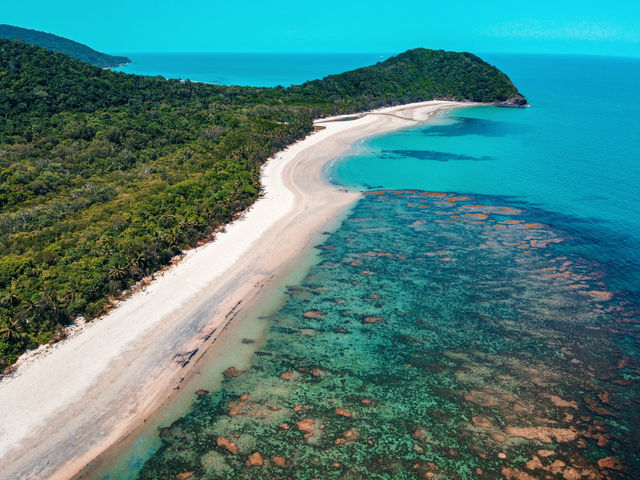
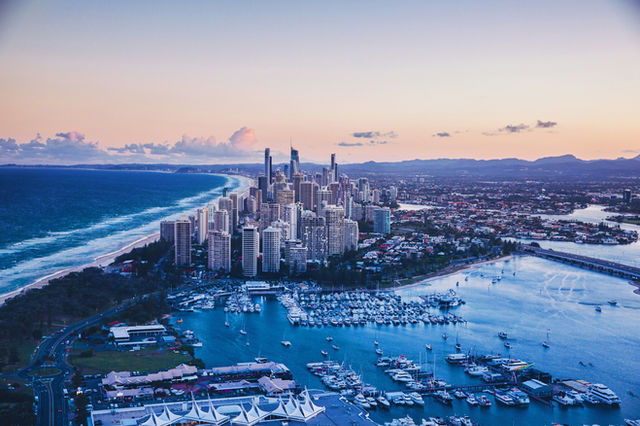
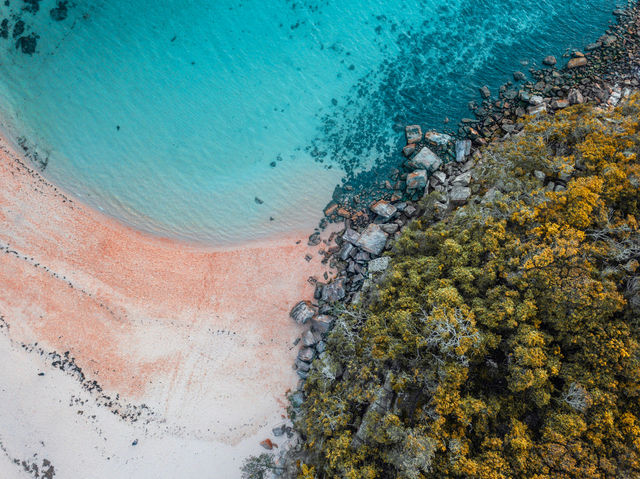
Australian Capital Territory — hero
← All destinations Country

Australian Capital Territory

The national capital — museums, galleries and cool-climate wine

  • Currency $ Australian Dollar (A$)
  • Language English
  • Best time Sep–Nov for Floriade and spring blossom; Mar–May for autumn colour. Winters are genuinely cold and frosty by Australian standards.
  • Visa eVisitor required (free)
Why visit

Why Australian Capital Territory

The national capital — museums, galleries and cool-climate wine

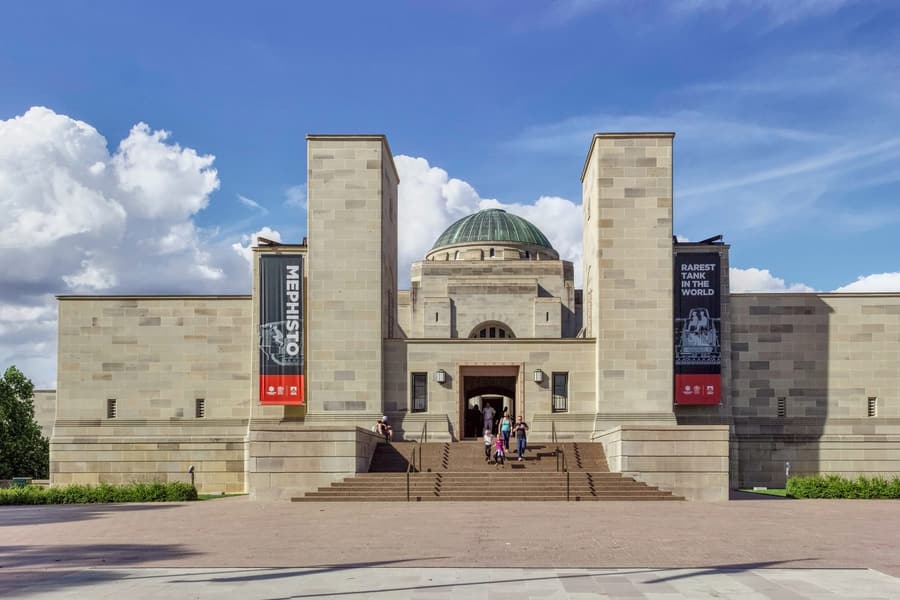
  • National Gallery, Australian War Memorial and the National Museum
  • Parliament House and the Parliamentary Triangle
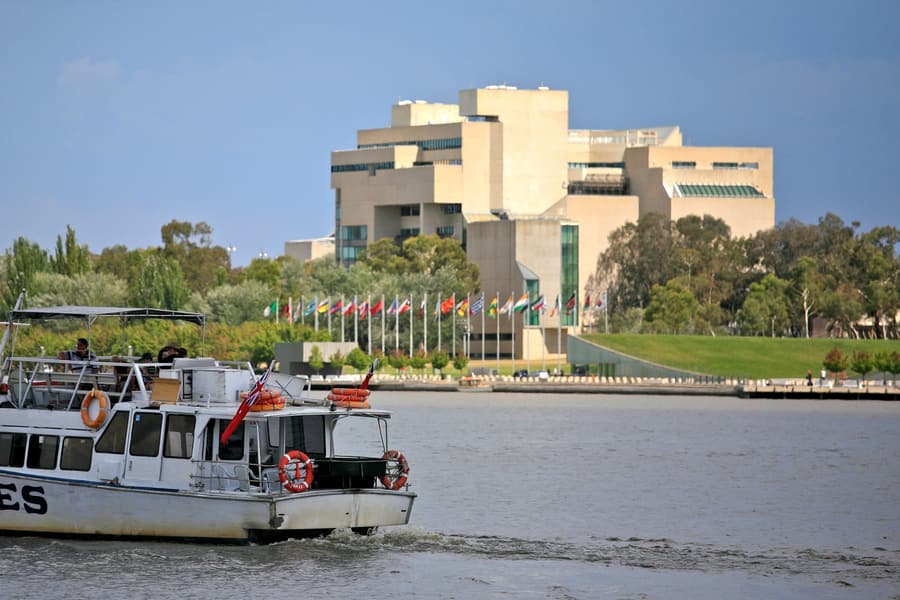
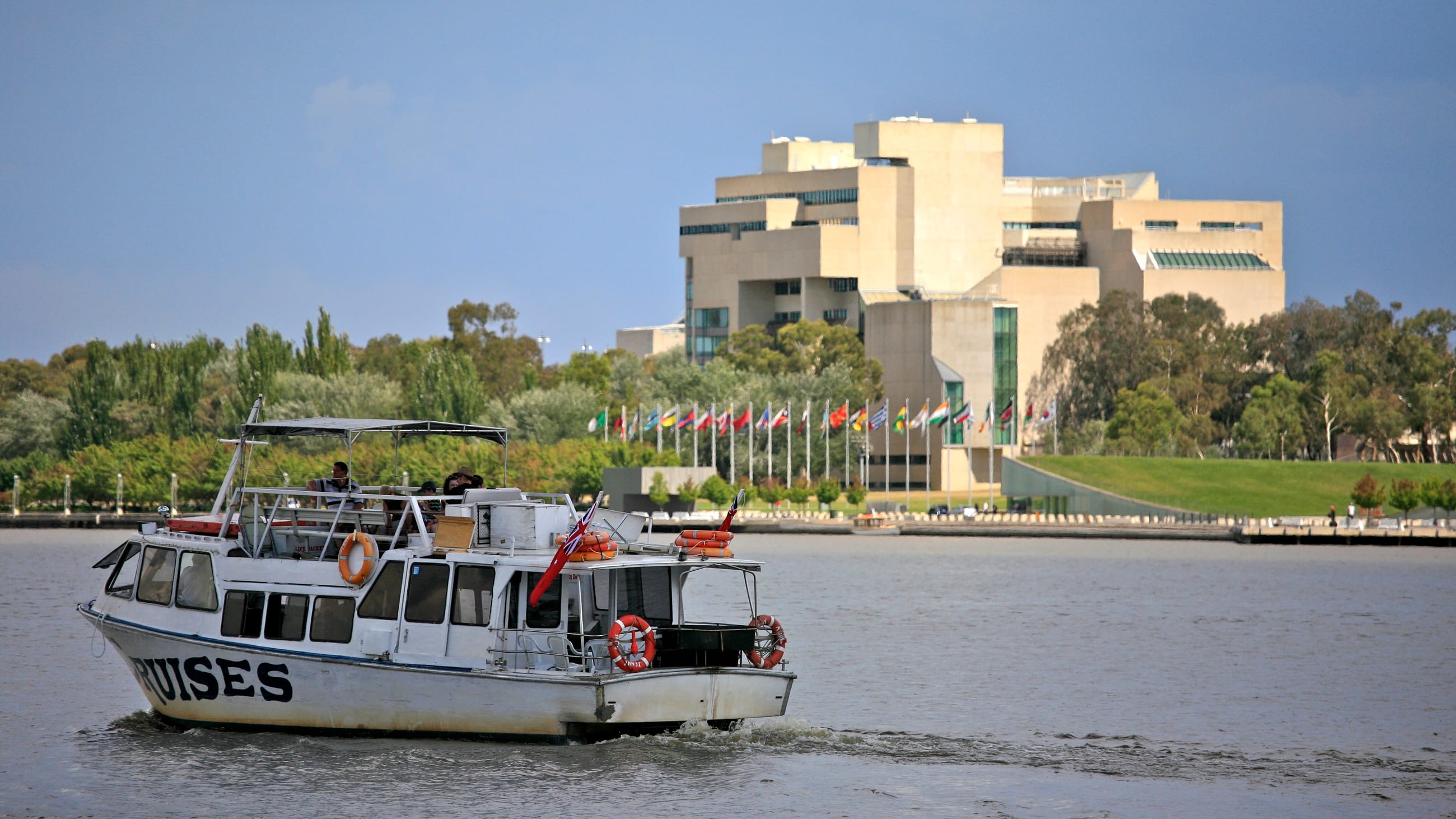
  • Lake Burley Griffin — cycling, kayaking and the Bridge to Bridge loop
  • Canberra District cool-climate wineries and farmers' markets
  • Floriade (spring) and Enlighten (autumn)
Read more

Canberra is a small, planned city that punches far above its size: the national museums and galleries are free, Parliament House is open to visitors, and the whole city rings Lake Burley Griffin. Cool-climate vineyards and farmers' markets sit on the doorstep, Namadgi National Park covers nearly half the territory, and Floriade turns the city into a flower festival each spring.

A pillar, not a footnote

Eat your way through Australian Capital Territory

The single reason many travellers come back — the food culture worth reshaping a trip around, and the dishes to seek out region by region.

Australian Capital Territory

A coffee-obsessed, sea-fed nation of immigrants — with kangaroo on the barbecue and smashed avo at brunch.

Order a flat white in Melbourne and you’ll grasp quickly that Australia takes its coffee more seriously than almost anywhere, and its brunch nearly as much — smashed avocado on toast is less a dish here than a national habit. This is a country built by immigrants, and the tables show it: a Vietnamese roll for lunch, yum cha on Sunday, a Greek bakery and a Lebanese grill on the same street, most of it eaten outdoors in a climate made for it.

The land sets the rest of the menu. Sear kangaroo over the barbecue and it eats like lean, gamey beef; further north, crocodile turns up in burgers and emu in pies. Native ingredients — macadamias, tart bush berries, peppery native seasonings — have crept out of Aboriginal kitchens and into fine dining, where ‘Mod Oz’ cooking marries Asian flavours to Western technique. And with all that coastline, the surest bet is the seafood, barely off the boat and cooked with the sun on your back.

Dishes to seek out
  • smashed avo toast
  • kangaroo (barbecued native game)
  • Modern Australian (Mod Oz) fusion
  • crocodile & emu (novelty bush meats)
  • macadamias & bush tucker
  • flat white coffee
  • Barossa & Margaret River wines
Explore

Explore Australian Capital Territory

Canberra is a small, planned city that punches far above its size: the national museums and galleries are free, Parliament House is open to visitors, and the whole city rings Lake Burley Griffin. Cool-climate vineyards and farmers' markets sit on the doorstep, Namadgi National Park covers nearly half the territory, and Floriade turns the city into a flower festival each spring.

Getting there: Canberra Airport has domestic flights from all mainland capitals; it is a 3-hour drive from Sydney and 6.5 hours from Melbourne.

Switch state or territory

Explore another state, or All for the whole country.

© OpenFreeMap · OpenMapTiles · OSM · terrain Mapterhorn

Gateway hubs

Australia.com organises each state around a gateway city “and surrounds” — fly in here and everything else is a day trip or a short drive.

Iconic destinations

4 places to build a trip around in Australian Capital Territory.

Signature drives

Self-drive journeys that start or run through this state. Day-by-day itineraries come in a later wave.

Ways to travel here

The australia.com experience themes this state delivers on.

Where to stay

Hand-checked places in Australian Capital Territory

Browse all Australian Capital Territory stays →
When to go

Weather & timing in Australian Capital Territory RIGHT NOW 5° mostly clear

Best May, Aug–Sep · Shoulder Apr, Jun, Oct

Real climate data pending — chart shows a placeholder curve.

  1. Jan / -4°
  2. Feb / -2°
  3. Mar 12° /
  4. Apr 18° /
  5. May 24° / 14°
  6. Jun 28° / 18°
  7. Jul 30° / 20°
  8. Aug 28° / 18°
  9. Sep 24° / 14°
  10. Oct 18° /
  11. Nov 12° /
  12. Dec / -2°

Best time to visit

Sep–Nov for Floriade and spring blossom; Mar–May for autumn colour. Winters are genuinely cold and frosty by Australian standards.

Best for
  • Great Barrier Reef
  • Outback
  • Beaches
  • Wildlife
At a glance
Sunshine 7 hr/day (est.)
Rain days 8 days/mo (est.)
Wettest December · 60mm
Driest June · 10mm
Part of Australia & NZ →
By season
Spring (Mar–May)

What to expect — Daytime highs average about 18°C with overnight lows near 8°C, and it stays largely dry.

What's best — May is among the best time to visit — good weather with manageable crowds. Apr also works well.

Summer (Jun–Aug)

What to expect — Daytime highs average about 29°C with overnight lows near 19°C, and it stays largely dry.

What's best — Aug is among the best time to visit — good weather with manageable crowds. Jun also works well.

Autumn (Sep–Nov)

What to expect — Daytime highs average about 18°C with overnight lows near 8°C.

What's best — Sep is among the best time to visit — good weather with manageable crowds. Oct also works well.

Winter (Dec–Feb)

What to expect — Daytime highs average about 7°C with overnight lows near -3°C.

What's best — Cold and quiet; some mountain roads and sights run reduced hours.

A little context

A little history

To read what you're looking at — the empires and eras that shaped Australian Capital Territory's food, art and streets.

Aboriginal peoples have lived here for at least 65,000 years — among the world's oldest continuous cultures
British settlement from the 1788 First Fleet began as a penal colony and pushed out from Sydney
waves of post-war immigration built the multicultural, coffee-and-brunch food scene of the cities
the six colonies federated into one nation in 1901, still shaped by the land and the coast
Before you book

Know before you go

The practical back-matter — safety, drones and the essentials, in one place.

Safety

No FCDO advisory against travel FCDO advice →

Official UK Foreign, Commonwealth & Development Office guidance is the definitive source — check it close to your travel dates.

Drone rules (sub-250g)

  • Australian Capital Territory
    About as easy as it gets: CASA has paused recreational registration indefinitely, so a tourist flying a sub-250g drone for fun needs no registration and no licence. Just fly by the standard rules — under 120m, in sight, in daylight, 30m from people, never over crowds, and 5.5km from a controlled airport. ⚠ State national parks are the exception: NSW bans drones in all its national parks outright (no permit available, fines to AUD$3,300), Victoria requires a permit, and wildlife reserves like Phillip Island are strict — check the state park authority before flying in any park. Rules checked: Jul 2026

National parks, protected sites and religious/heritage venues often have their own rules and permits — always check the specific site before you fly.

The essentials

Plug & voltage Type I · 230V
Daily budget Expensive
Region Australia and New Zealand

Photography

Images on this page are sourced from Wikimedia Commons under free licences (CC0, CC BY or CC BY-SA) and are photographs of the places named. Author, licence and source for each:

  • Lake Burley Griffin — Alex Proimos from Sydney, Australia · CC BY 2.0
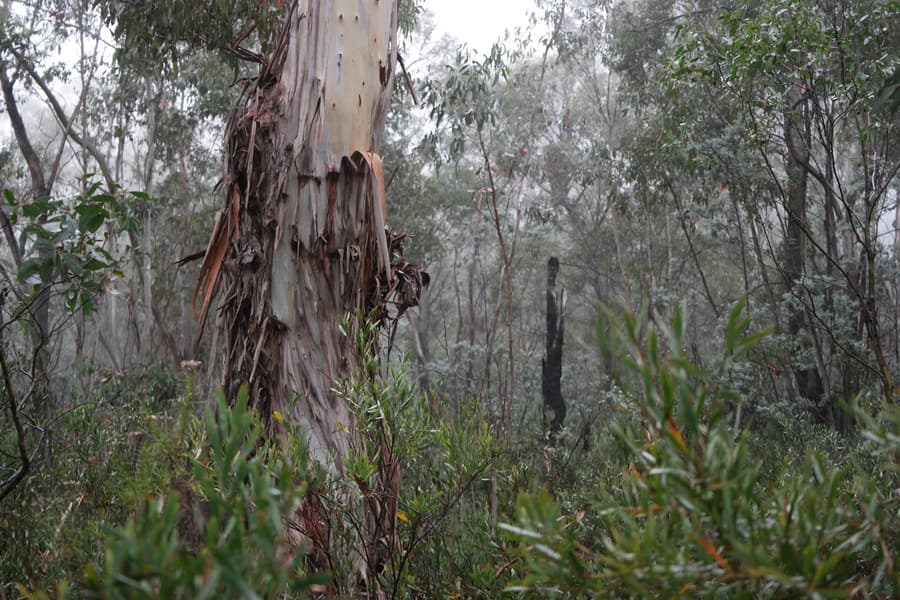
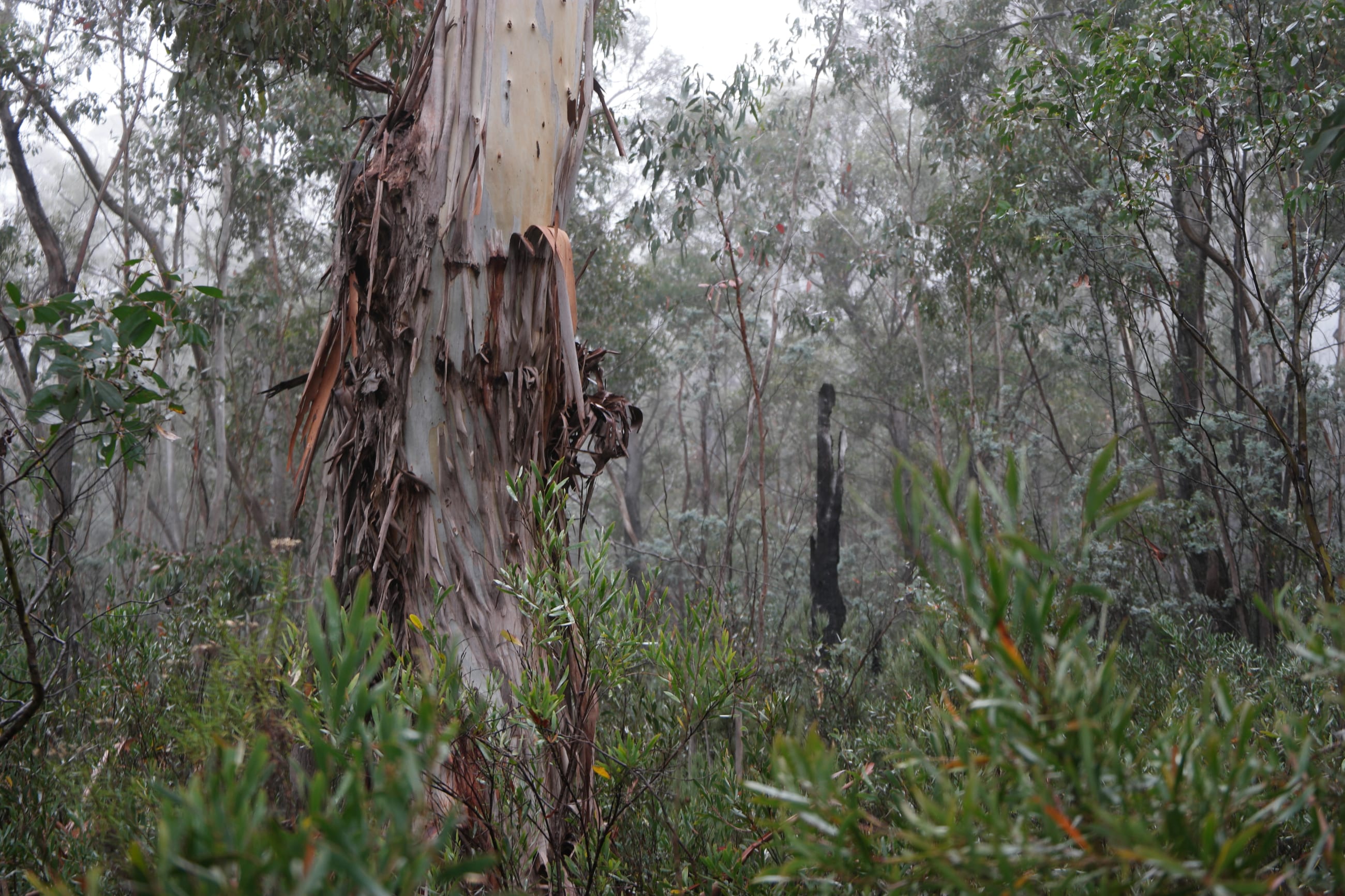
  • Namadgi National Park — Dhx1 · CC0
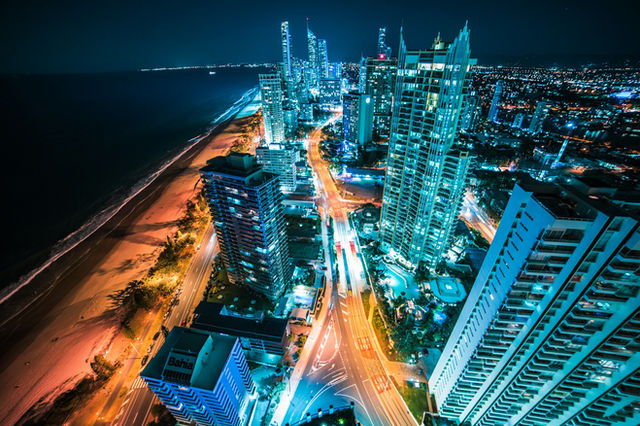
  • Canberra — Thennicke · CC BY-SA 4.0