San Salvador
A remote Bahamian Out Island where Columbus probably first stepped ashore in 1492, ringed by a coral wall that plunges into the deep only metres from the beach.
- Island
- December – April (dry season, best diving)
- ZSA
- 5–7 days (a dive week)
James St. John / Wikimedia Commons (CC BY 2.0)
About San Salvador
San Salvador is a small, remote island in the eastern Bahamas — about 260km southeast of Nassau — measuring roughly 20km north to south and 8km across, with a resident population of only around a thousand. Its interior is unusual: more than a third of the land surface is taken up by shallow, interconnected salt lakes, so from the air the island reads as a lattice of water and low scrub rather than solid ground. The main settlement is Cockburn Town on the west coast, home to the small airport, a couple of shops, a clinic, government offices and the Gerace Research Centre (a former US naval base, now a field station for geology and archaeology students). This is not a conventional tropical-holiday island. There is no town of any size, no cluster of bars or boutiques, no reliable public transport and very little casual tourism infrastructure. What San Salvador has instead is a genuine sense of remoteness, a powerful historical claim — this is widely believed to be Guanahani, the island where Columbus made his first American landfall on 12 October 1492 — and, above all, a wall. The island sits on the edge of a deep-water trench, and the fringing reef drops almost vertically into the abyss only a short distance from the beach, producing wall dives of a clarity and drama that draw divers from around the world. The overwhelming majority of visitors come on a pre-arranged dive package or an all-inclusive resort stay; independent, land-based tourism is possible but requires patience and low expectations of amenities.
Why go
The reason to make the considerable effort of getting to San Salvador is, for most people, the diving. The wall here is the real thing: a coral-encrusted drop-off that begins at 12–15 metres and falls away into thousands of metres of blue, often within a five- or ten-minute boat ride of the resort dock. Sites such as Telephone Pole, Devil's Claw, Hole in the Wall and the Cockburn Town Wall combine sheer topography, big sponges and gorgonians, resident reef sharks and eagle rays, and visibility that routinely runs to 30 metres and beyond. Even non-divers who snorkel or free-dive can appreciate how close the deep water comes to shore. The other draw is historical. Whether or not San Salvador was definitively Columbus's first landfall — the claim is contested by historians and by rival islands — it wears the story openly, with a cluster of monuments at Long Bay, the last hand-operated kerosene lighthouse in the Bahamas at Dixon Hill, and 18th-century Loyalist plantation ruins such as Watling's Castle scattered through the bush. The island also rewards birdwatchers, with the salt lakes drawing waders, herons and migratory species. San Salvador pairs poorly with a packed sightseeing itinerary but well with a slow, single-focus week — a dive trip, a nature retreat, or a pilgrimage to the edge of the map. Those wanting to combine it with more variety usually route through Nassau for a night or two on New Providence at either end.
Highlights
- Wall diving at Telephone Pole and Devil's Claw
- Columbus landfall monuments at Long Bay
- Underwater Columbus monument off Long Bay
- Climbing hand-operated Dixon Hill Lighthouse
- Watling's Castle plantation ruins
- Birdlife on the interior salt lakes
Food & drink
Dining on San Salvador is limited and firmly Bahamian, built around what comes off the boats and what can be shipped in. The staple is conch — served as cracked conch (battered and fried), in conch fritters, or as fresh conch salad diced with lime, onion and pepper — alongside fresh reef fish, grouper and, in season, spiny rock lobster (Caribbean crawfish). Peas and rice, johnnycake, fried plantain and coleslaw are the usual accompaniments, and the local beer is Kalik, the Bahamian lager, often joined by Sands and by rum-based drinks. Away from the resorts, eating out means a small number of local restaurants and bars around Cockburn Town, several of which keep irregular hours and may need a call ahead; the pace is slow and the menu depends on the day's catch and the last supply boat. The resorts run their own kitchens — Club Med as an all-inclusive with buffet and themed dining, Riding Rock with a straightforward restaurant and bar serving divers. Self-catering is possible from the island's small shops, but selection is narrow and prices are high because almost everything is imported, so bring any specialist items you cannot do without. This is a place to eat simply and locally rather than to seek variety.
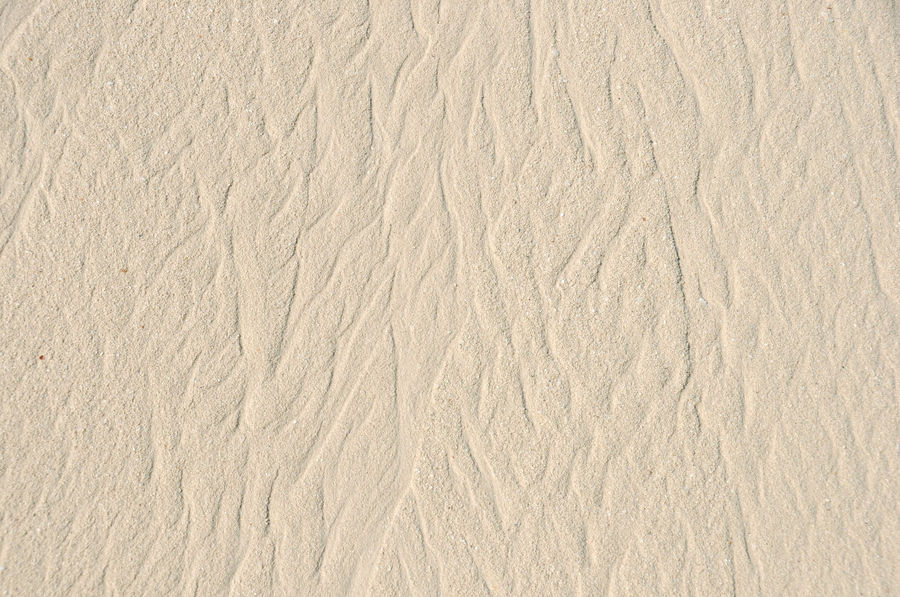
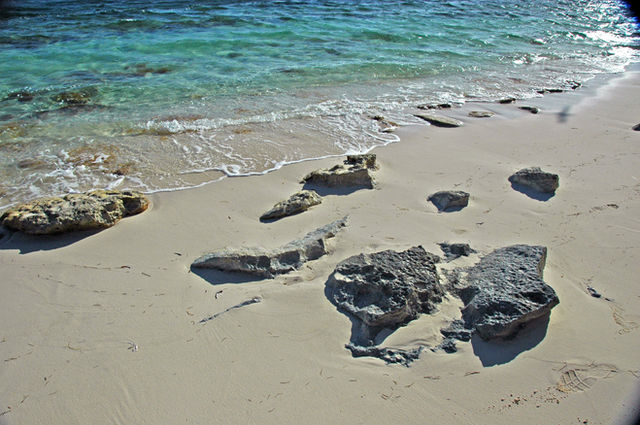
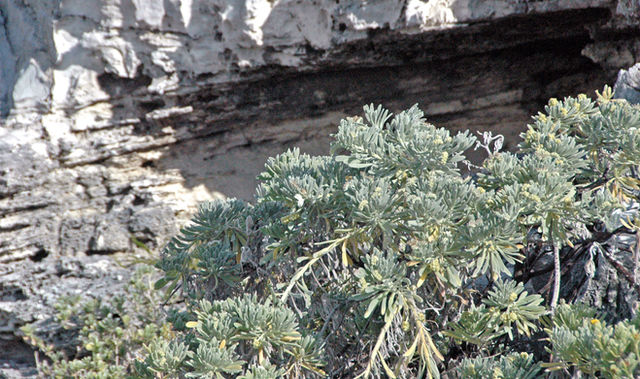
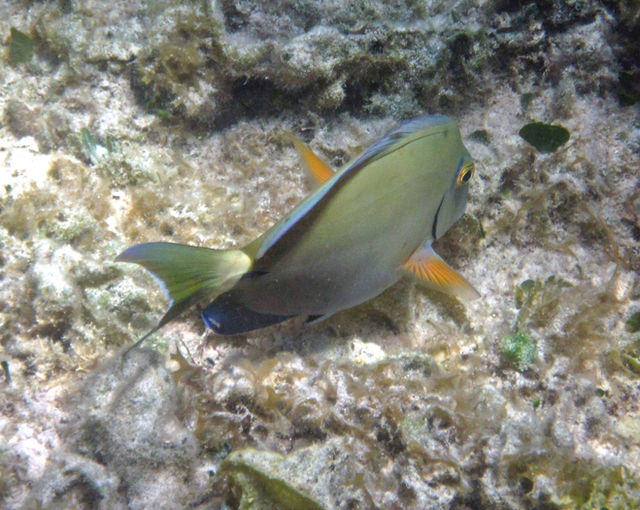
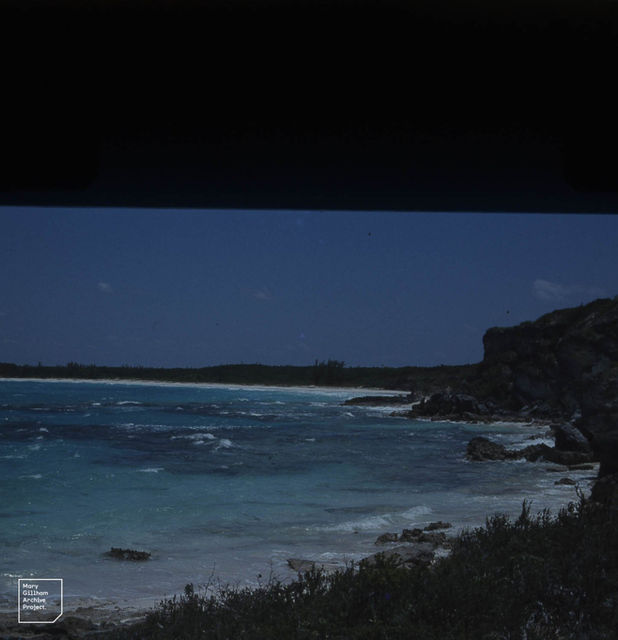
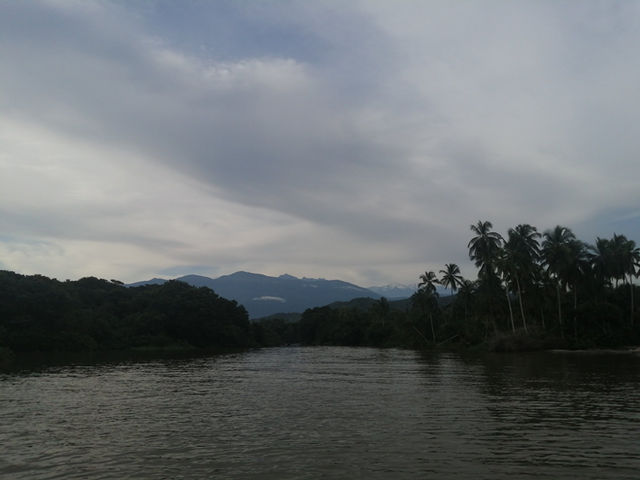
San Salvador in photos
Where you'll stay in San Salvador
Live map of hotels and villas around San Salvador — powered by Stay22. Pan, zoom and compare live prices to pick your base.
Hotels & rentals around San Salvador
Pan, zoom and compare live prices — every stay in one map.
Getting around San Salvador
San Salvador is small and its main road is a single loop of roughly 60km encircling the island, mostly quiet and easy to drive. There is no meaningful public transport, no ride-hailing and only informal taxi service, so independent visitors generally hire a car — usually arranged through their accommodation or a local operator, as there is no large rental depot. A vehicle makes it straightforward to reach the Long Bay Columbus monuments, Dixon Hill Lighthouse in the northeast, the plantation ruins and the various salt-lake viewpoints in a day or two. Roads are lightly trafficked but surfaces vary and there is little in the way of signage, fuel stations or roadside assistance, so fill up when you can and carry water. Bicycles are a pleasant option for short distances near Cockburn Town given the flat terrain and low traffic. For divers, movement is mostly by boat: the dive operators run the short hops out to the wall, and there is no need for guests to arrange their own water transport. If you are staying at a single resort and diving daily, you may find you barely need a car at all.
There is no scheduled public transport on San Salvador — no bus network, no jitney service and no fixed timetable of any kind. Getting around depends on a hire car, a lift from your resort, an informally arranged taxi, or a bicycle. Because the island is tiny and the population small, transport is very much a case of asking your accommodation to help; drivers can usually be found for airport transfers and the occasional sightseeing run, but fares are negotiated rather than metered and should be agreed in advance. Do not expect to be able to flag down transport on the road. Divers are moved to and from the dive sites by their operator's boats as part of the package, which for many visitors removes the transport question entirely. Anyone planning to explore the monuments, lighthouse and lakes independently should assume they need their own vehicle for the duration.
Insider tips
Time your trip to the dry-season window (December to April) not only for the weather but because that is when the dive operations are in full swing and conditions on the wall are most reliable. Climb the Dixon Hill Lighthouse: it is the last hand-operated, kerosene-lit lighthouse in the Bahamas, and if the keeper is on duty you can usually go up the tower for a small tip and a genuinely memorable view over the island's lakes and reefs — call ahead or ask your accommodation about timing. The Long Bay monument cluster is best visited in the softer light of early morning or late afternoon; the underwater Columbus monument just offshore is a snorkel or easy dive if you can arrange it. Hire a car for at least a day or two even on a dive package — the loop road, the plantation ruins at Watling's Castle and the salt lakes reward independent exploration, and the island is small enough to see the highlights in a day. Bring cash and essentials from Nassau: the island's shops are small, stock is limited and prices are high, and ATMs and card acceptance are not to be relied upon. Finally, pack any specialist dive kit, spares and medications you need — replacements are hard to find this far out.
Frequently asked
While you're there
- 26 DEC Cultural & Traditions See the event →
Explore the area
San Salvador · Around the island · 1 island
Local attractions & tours
Skip-the-line tickets and small-group tours in San Salvador — compare across our partners.
We're still curating hand-picked tickets and tours for San Salvador. In the meantime, the map above and the nearby cities are a great place to start.
When to visit San Salvador
December – April (dry season, best diving)
San Salvador has a warm, subtropical maritime climate with two broad seasons. The dry season, roughly December to April, is the prime window: daytime temperatures of about 24–28°C, lower humidity, calmer and clearer water, and the settled conditions that make the wall diving so reliable — this is when most divers come, and when the island is at its best. The wet and warmer season runs from about May to November, with higher humidity, temperatures into the low thirties, and a greater chance of afternoon showers and sea breezes. Crucially, this overlaps with the Atlantic hurricane season, which officially runs 1 June to 30 November and peaks in August and September; while direct hits are not annual, the risk of storms and disruption is real, and some operators reduce or suspend activity around the peak. Sea temperatures are pleasant year-round, warmest in late summer, and the island's exposed Atlantic position means it can be breezy. For the combination of the best diving conditions, the lowest storm risk and the most comfortable air, aim for the December-to-April window; if travelling in the hurricane months, watch forecasts closely and consider travel insurance that covers weather disruption.
Know before you go
Safety
San Salvador is a quiet, low-crime island where the main risks are practical rather than personal. The single biggest consideration is medical remoteness: there is only a small clinic on the island and no hyperbaric chamber, so a serious diving injury or decompression illness requires evacuation by air to Nassau or beyond. Divers should carry appropriate insurance that explicitly covers diving and emergency evacuation (DAN or equivalent), dive conservatively, respect surface intervals and no-fly times before departure, and never dive beyond their training on the deep walls, where the drop-off is genuine and the bottom is far below recreational limits. Strong currents and depth mean the wall is not the place to push limits. On land, drive cautiously on unlit, unsignposted roads, watch for potholes and roaming animals, and carry water and fuel as services are sparse. The subtropical sun is strong and shade is limited, so sun protection and hydration matter. Bring any regular medications with you, as the island pharmacy stock is minimal. General crime against visitors is rare, but normal common sense with valuables applies. Mobile coverage and internet can be patchy, so tell someone your plans if exploring the remoter tracks and lakes alone.
Culture & etiquette
San Salvador is a small, church-going Bahamian community, predominantly Christian, and daily life is unhurried and neighbourly. Visitors are generally welcomed warmly, and a friendly greeting — a "good morning" or "good afternoon" before getting to the point — goes a long way; brusqueness reads as rude. Dress is casual, but beachwear belongs at the beach and the resort: cover up in the settlement, in shops and especially if attending a church service, to which visitors are often made welcome. The pace of everything, from meals to transport to shop opening, is slow by design, and patience is expected; pushing for speed rarely helps and can cause offence. Tipping is customary in the American style at restaurants and for guides and dive staff (around 15%), and dive crews in particular rely on it. English is the language. As on all the Out Islands, respect for the environment is part of the etiquette — do not touch or take coral, shells or marine life, follow your dive guide's conservation briefing, and take litter away with you, as waste handling on a small remote island is limited.
Daily budget
£150/day mid-range on a dive package (independent budget £90, Club Med all-inclusive £300+; almost everything is imported and priced accordingly)
Emergency numbers
911 or 919 (police, fire, ambulance); BASRA marine rescue on VHF Ch 16 / +1 242-322-3877
Getting there
San Salvador Airport (ZSA), also called Cockburn Town Airport, sits just outside the settlement on the west coast, a short drive from both Riding Rock and Club Med. There are no direct flights from the UK. The standard routing from London is a flight to Nassau (LPIA) — via a US hub such as Miami, or with British Airways to Nassau — followed by a Bahamasair connection to San Salvador. Bahamasair operates the scheduled inter-island service from Nassau, typically flying most days on ATR turboprop aircraft with a flight time of about an hour; frequencies are modest, so build in slack around the timetable. Bahamasair has also run a seasonal non-stop from Miami. Beyond scheduled service, a significant share of arrivals come on charter or package flights arranged through Club Med and dive operators, which sometimes connect the island directly to North American or European gateways without going through Nassau. Because connections are limited and can be disrupted by weather or aircraft availability, avoid tight same-day international connections where possible, and be prepared for the occasional schedule change. Confirm your inbound and outbound legs directly with the airline or your package operator close to departure.
- San Salvador Airport / Cockburn Town (ZSA — the island gateway, Bahamasair from Nassau)
- Lynden Pindling International, Nassau (NAS — main Bahamas hub and connection point)
Ready to book your trip?
Flights, airport transfers and car hire to ZSA — search and compare without leaving the page.
More trip extras
Parking, holiday extras, and more — coming soon.
We're lining up parking, holiday extras and activities you'll be able to add to any trip from here.