← Brazil
BRAZIL · CITY

Ouro Preto

Brazil's baroque masterpiece — a steep gold-rush town of golden churches and Aleijadinho's sculpture.

  • City
  • April to September — the drier season; mild mountain climate
  • ~approx 1–2 days
  • Baroque Gold-Rush Town
  • Aleijadinho Churches
  • Steep Cobbled Hills
  • Minas Heritage

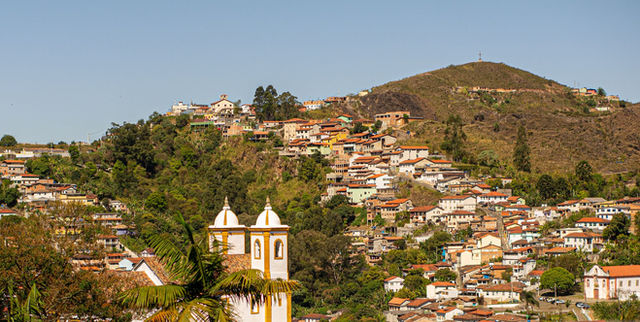
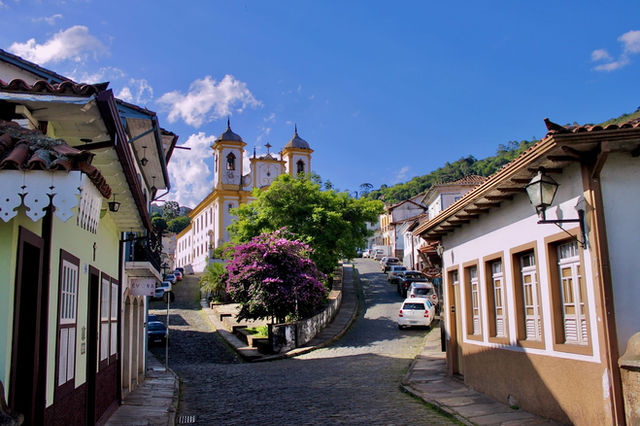
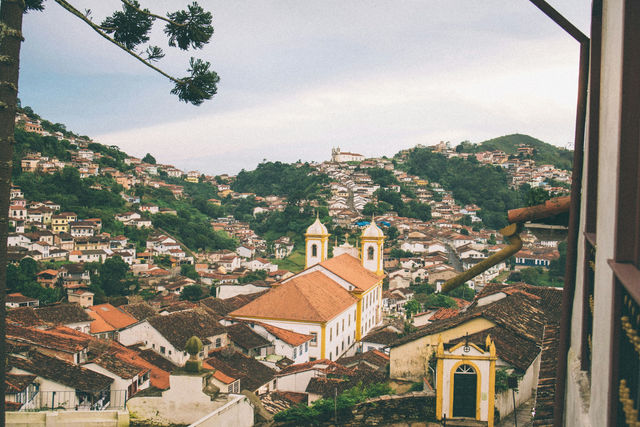
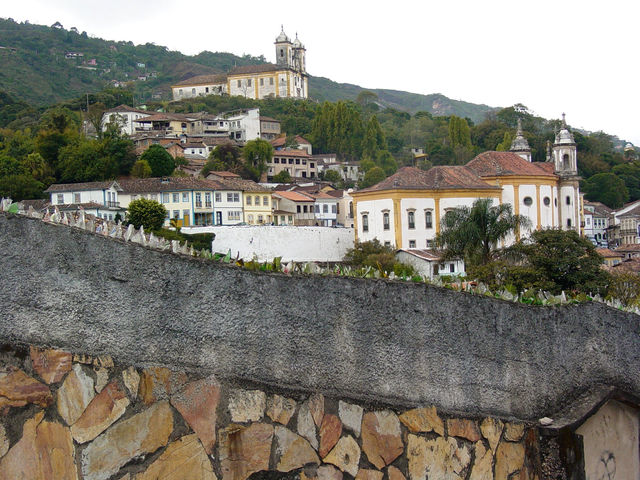
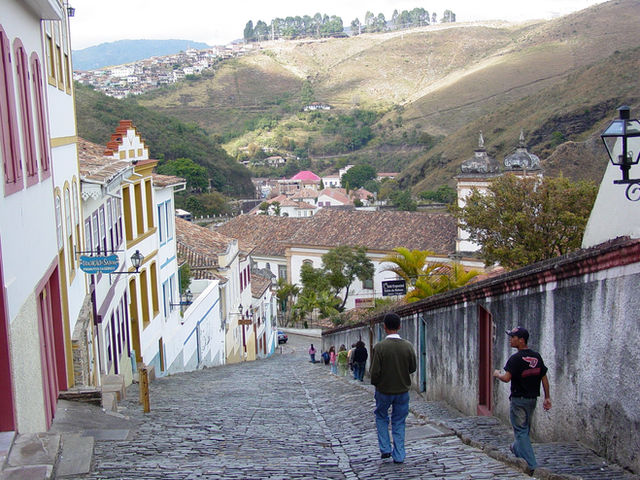
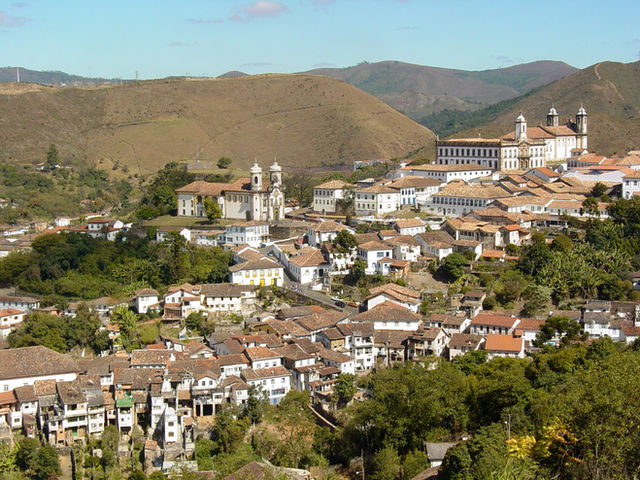
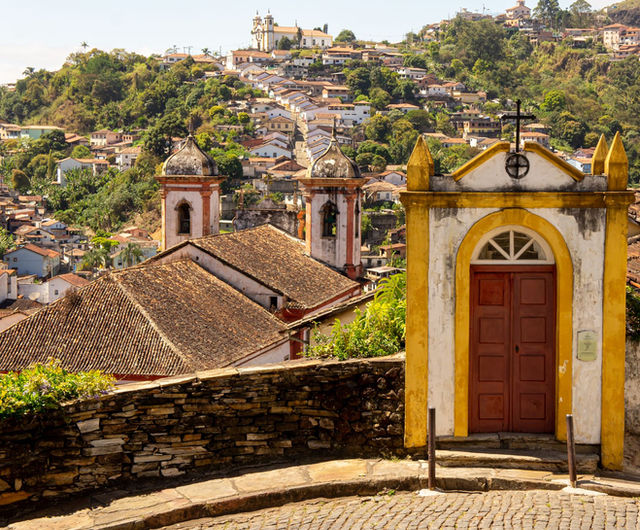
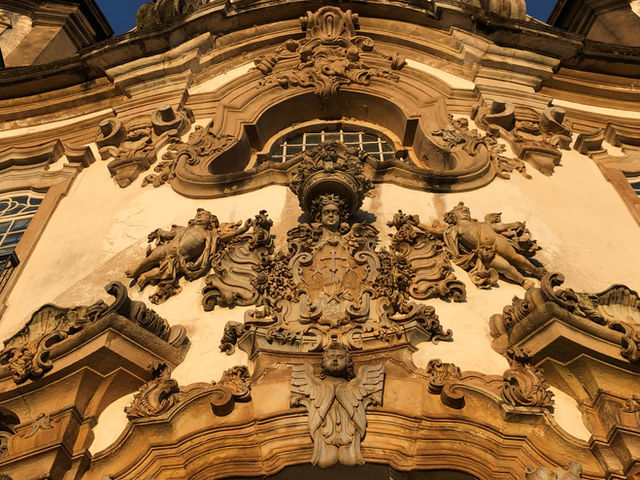
Whitewashed Baroque churches with soapstone portals crowning a tumble of red-roofed houses on impossibly steep cobbled streets, the gold of an altar glowing in the dim, and the hills that gave up the ore that built it all.

Ouro Preto is the jewel of the Brazilian gold rush — a UNESCO town of steep cobbled hills in the mountains of Minas Gerais, crammed with gilded Baroque churches (many by the master Aleijadinho), a cradle of Brazilian independence, and a lively student town rich in mining history.

Type
town
Ideal length
~approx 1–2 days
Getting around
on foot — very steep and cobbled
Neighbourhoods
3 areas
Best season / months
April to September — the drier season; mild mountain climate
Language
Portuguese (some English)
Currency
Brazilian real (R$)
Budget level
moderate — affordable
Good for
  • Art and Baroque architecture
  • History
  • Students and culture
  • Minas food
▸ Discover

About Ouro Preto

Ouro Preto ("Black Gold") sits high in the Serra do Espinhaço mountains of Minas Gerais, in southeastern Brazil. In the 18th century, the gold discovered here sparked a rush that made it one of the richest towns in the Americas — wealth that went into an astonishing concentration of Baroque and Rococo churches, palaces and fountains, many carved by the crippled genius Aleijadinho and painted by Mestre Ataíde. That legacy — a steep, cobbled townscape of white churches and red roofs on the hillsides — earned it UNESCO status as one of the finest Baroque ensembles in the world. It was also the cradle of the Inconfidência, an early independence movement. Today it's a beautiful, hilly heritage town and a lively university city.

Why go

Ouro Preto is the greatest surviving Baroque town in the Americas — a UNESCO masterpiece where gold-rush wealth built a dazzling ensemble of churches, above all the works of Aleijadinho, Brazil's master Baroque sculptor, set on dramatic, steep cobbled hills. It's a place of art, history (the cradle of Brazilian independence), and mining heritage (you can tour old gold mines), with a lively student culture, soapstone crafts and the hearty food of Minas Gerais. Beautiful, atmospheric and deeply historic, it's an essential Brazilian destination for lovers of art and heritage.

Don't miss

  • The Church of São Francisco de Assis — Aleijadinho's masterpiece
  • The gilded Baroque churches — Nossa Senhora do Pilar and more
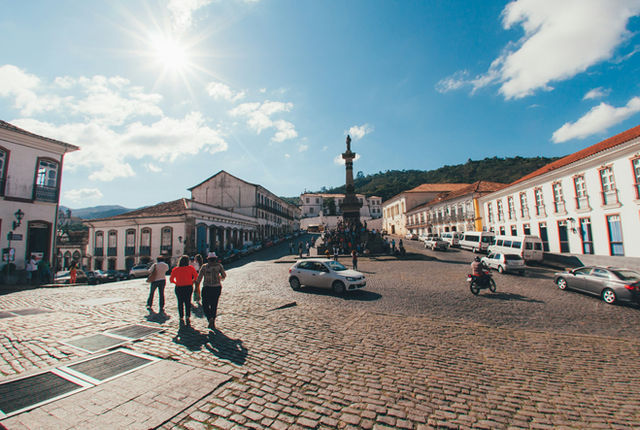
  • Praça Tiradentes — the historic main square
  • The steep cobbled hills — the Baroque townscape
  • The gold mines — the mining heritage

Signature experiences

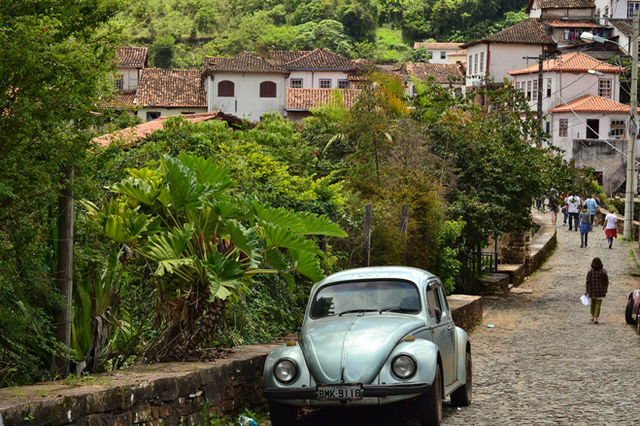
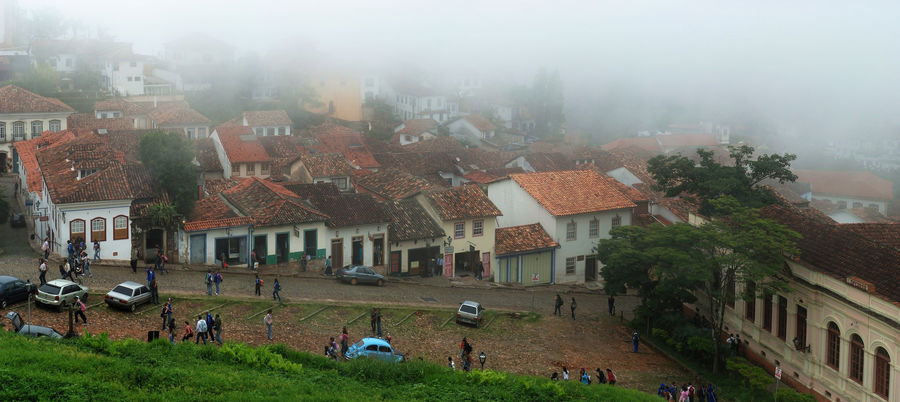
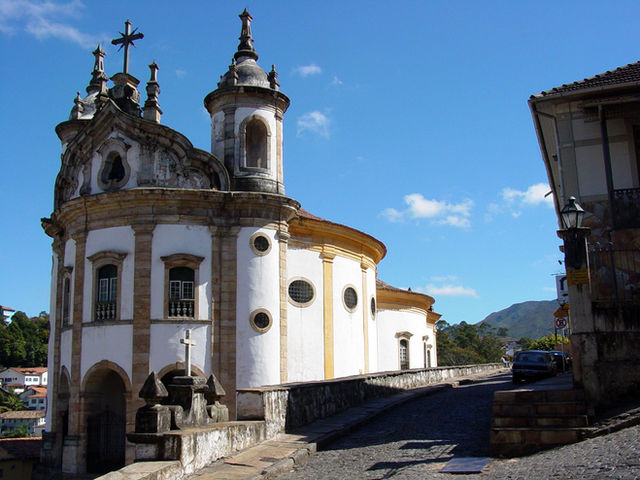
Aleijadinho and the Baroque churches — Ouro Preto's glory is its churches, and the genius behind many of them is Aleijadinho — Antônio Francisco Lisboa, the mixed-race son of a builder who, despite a crippling disease, became Brazil's greatest Baroque sculptor. His masterpiece is the Church of São Francisco de Assis, its curved soapstone façade and carved portal, and its interior painted by Mestre Ataíde, a high point of Brazilian art. Nearby, Nossa Senhora do Pilar drips with gold. Touring the churches — the carving, the gold, the painted ceilings — is the essential experience, and a wonder of the New World Baroque. **The steep cobbled town** — Ouro Preto is a joy (and a workout) to explore — its whitewashed churches and red-roofed houses tumble down absurdly steep cobbled hills, opening onto squares, fountains and viewpoints, with the mountains all around. There's no flat route; the pleasure is climbing and descending the lanes, church to church, view to view. Praça Tiradentes crowns the hill; the churches and old mansions fill the slopes. Wear good shoes, take it slowly, and let the Baroque townscape unfold — it's beautiful from every angle. **History and the mines** — Ouro Preto's gold built it, and its history is dramatic. This was the stage of the Inconfidência Mineira, an 18th-century independence conspiracy whose martyr, Tiradentes, is a national hero (the main square and museum tell the story). And the gold itself can be traced underground — several old mines offer tours into the tunnels where the ore (and the enslaved labour that dug it) built the town's wealth. Between the independence history at the Inconfidência Museum and a descent into a gold mine, the town's rich, complicated past comes alive. **Minas food, cachaça and student life** — Ouro Preto is in Minas Gerais, home to one of Brazil's best-loved cuisines — pão de queijo (cheese bread), feijão tropeiro (beans with cassava flour and pork), frango com quiabo (chicken with okra), tutu de feijão, the famous queijo minas cheese, and doce de leite, all hearty and comforting, best in a traditional restaurant cooked on a wood stove. Minas is also cachaça country. And Ouro Preto is a lively university town, its old mansions home to student "republics," giving it a youthful energy and a good nightlife. Eat a Minas feast, sip a cachaça, and enjoy the student buzz.

Neighbourhoods

Ouro Preto neighbourhood by neighbourhood — the character of each and who it suits.

  • The Historic Centre

    The heart of the town around Praça Tiradentes, high on the hill — the main square, museums, palaces and shops, with the cobbled streets dropping steeply away to the churches. The monumental core.

    Why go
    Praça Tiradentes, the museums and the main-square life.
    Best for
    Sightseeingmuseumscafésorientation
    Known for
    Praça Tiradentes and the Inconfidência Museum, the old governor's palace (now the School of Mines and its mineral museum), the Tiradentes monument, and the shops and student life.
  • The Baroque Churches and Hills

    The steep slopes falling from the centre, studded with the gilded Baroque churches and the red-roofed houses — Aleijadinho country. The art-and-architecture heart.

    Why go
    The churches — above all São Francisco de Assis — and the hillside townscape.
    Best for
    The churchesartphotographysteep walks
    Known for
    The Church of São Francisco de Assis (Aleijadinho's masterpiece), the gold-drenched Nossa Senhora do Pilar, the many other Baroque churches on the hills, the soapstone portals and the fountains.
  • The Mines and Surroundings

    The old gold workings and the mountain country around the town — tourable mines, viewpoints, and the road to nearby Mariana and the Aleijadinho prophets at Congonhas. The mining-and-mountain hinterland.

    Why go
    The gold mines, the viewpoints, and the nearby heritage towns.
    Best for
    Mine toursviewpointsday trips
    Known for
    The tourable gold mines (Mina do Chico Rei and others), the mountain viewpoints over the town, and the nearby heritage of Mariana and the twelve prophets of Congonhas.

Views & hidden gems

Best views

  • São Francisco de Assis church and its soapstone façade
  • The red-roofed town and churches from a hillside viewpoint
  • The gold interior of Nossa Senhora do Pilar
  • The steep cobbled streets and fountains

Hidden gems

  • Aleijadinho's carved details and Mestre Ataíde's painted ceilings
  • A gold-mine tour into the old tunnels
  • The soapstone (pedra-sabão) craft workshops
  • The Inconfidência Museum and the independence story
  • The nearby prophets of Congonhas and the town of Mariana

Food & drink

Ouro Preto eats Minas Gerais — one of Brazil's most beloved comfort cuisines. The staples are pão de queijo (chewy cheese-bread balls), feijão tropeiro (beans with toasted cassava flour, pork and egg), frango com quiabo (chicken with okra), tutu de feijão (mashed beans), the mild queijo minas cheese, and doce de leite and goiabada for sweet. Much is cooked on a wood-fired stove (fogão a lenha) in traditional restaurants. Minas is cachaça country, so sip a good one, or a cachaça-and-lime batida. Eat a hearty Minas plate, and finish with cheese and guava paste ("Romeu e Julieta").

  • Feijão tropeiro — beans with toasted cassava flour, pork and egg
  • Pão de queijo — chewy cheese-bread balls
  • Frango com quiabo — chicken stewed with okra
  • Tutu de feijão — mashed beans with cassava flour and pork
  • Queijo minas with goiabada ("Romeu e Julieta") — cheese and guava paste
  • Cachaça and doce de leite — the local spirit and the sweet
Dietary notes

Vegetarians manage with pão de queijo, cheese, beans, rice, vegetable dishes and the abundant cheese-and-sweet options, though pork runs through much Minas cooking — ask. Vegan is harder outside a modern spot. Halal and kosher are effectively unavailable. Gluten-free is helped by pão de queijo (made with cassava/tapioca flour, usually gluten-free) and rice-and-bean dishes, but confirm. The mountain climate is mild — the hearty food suits the cool evenings.

Ouro Preto in photos

▸ Where you'll stay

Where you'll stay in Ouro Preto

Stay in or near the historic centre to walk (steeply) to Praça Tiradentes and the churches — Ouro Preto has charming pousadas in colonial and Baroque houses, some in restored mansions with town views, atmospheric if hilly. Book ahead for the huge student festivals and Semana Santa (Holy Week), when the town fills. It's a compact, steep, affordable town best on foot (wear good shoes). The old town is the natural, characterful base.

  • Budget
    Near the centre / student areas hostels and budget pousadas, cheap and central.
  • Mid-range
    The historic centre charming pousadas in colonial houses near the churches.
  • Luxury
    The best restored-mansion pousadas high-end colonial stays with town views, the top of a modest range.
Stay

Hotels & rentals around Ouro Preto

Pan, zoom and compare live prices — every stay in one map.

▸ Getting around

Getting around Ouro Preto

The town is compact but extremely steep and cobbled — everything is on foot, up and down the hills (wear proper shoes and pace yourself). Taxis help with the steepest hops and arrivals; a car is a liability on the narrow, vertiginous streets. The mines and nearby towns need a car or tour.

The historic centre and the church-studded hills are all a short (very steep) walk apart (~approx); the mines and nearby heritage towns are drives out — plan those with a car or tour.

▸ Plan your days

Suggested itineraries

Ready-made day plans for Ouro Preto — from a single day to a long weekend.

One day

Start at Praça Tiradentes and the Inconfidência Museum for the independence story, then descend to the Church of São Francisco de Assis for Aleijadinho's masterpiece and Mestre Ataíde's ceiling, and on to the gold-drenched Nossa Senhora do Pilar. Have a hearty Minas lunch (feijão tropeiro), tour a gold mine in the afternoon, and wander the steep cobbled streets and viewpoints. End with a cachaça and the student nightlife.

Two days

With an overnight, go deeper and wider. Give more time to the other Baroque churches and the soapstone workshops, enjoy the town at dawn and dusk, and take a trip to nearby Mariana (another Baroque town) or the twelve prophets of Aleijadinho at Congonhas. Round off with a Minas feast and the mountain views.

▸ What you'll do

Insider tips

  • Give São Francisco de Assis and Aleijadinho's work proper time — it's the high point of Brazilian Baroque.
  • Wear good shoes — the town is brutally steep and cobbled, and slippery when wet.
  • Eat a Minas feast cooked on a wood stove, and try a good cachaça.
  • Combine Ouro Preto with nearby Mariana and the Aleijadinho prophets at Congonhas.
What's on

While you're there

05
FEB
Rio Carnival 2027
Rua Tomás Rabelo 12, Cidade Nova, Rio de Janeiro - Rio de Janeiro, 20210, Brazil · carnival
Build a trip around it →
Explore

Explore the area

© OpenFreeMap · OSM · terrain Mapterhorn
Do

Local attractions & tours

Skip-the-line tickets and small-group tours in Ouro Preto — compare across our partners.

We're still curating hand-picked tickets and tours for Ouro Preto. In the meantime, the map above and the nearby cities are a great place to start.

▸ Budget

What it costs in Ouro Preto

Backpacker
roughly €25–50 a day.
Mid-range
roughly €55–110 a day.
Luxury
€180 a day and up.
Cash vs card
Carry reais for small eateries, the market and entries; cards and Pix (mobile pay) work widely in shops and restaurants.
Tipping
Tipping is modest — a service charge (around 10%) is often added to restaurant bills; small change for help.
▸ When you'll go

When to visit Ouro Preto

April to September — the drier season; mild mountain climate

Spring

What to expect — Mild and warming, the mountains greening, the drier season easing toward the summer rains; pleasant mountain days and cool nights. Comfortable.

What's best — Comfortable weather for the steep town and the churches, green surroundings, and fewer crowds — a lovely, quiet season; the mountain air is mild.

Summer

What to expect — The wet season (roughly November to March), warm and humid with afternoon rain and mountain mist; the town green and atmospheric. Showery.

What's best — Green, misty mountains, dramatic light on the Baroque town, and the summer festivities — but expect afternoon rain and slippery cobbles, so carry rain gear and good shoes.

Autumn

What to expect — The rains easing into the drier, cooler season by around April, with clear mountain days and cool nights. One of the best times.

What's best — Clear skies, comfortable days for the churches and the steep streets, and the drought-free light on the Baroque town — a rewarding window; Semana Santa (Holy Week) is spectacular here.

Winter

What to expect — The dry season (roughly May to September) — sunny, clear mountain days and cold nights (it can be genuinely chilly at this altitude). The best and clearest time.

What's best — The clearest weather for the churches, the views and the mines, comfortable sunny days, and the mountain atmosphere — the ideal season; pack a warm layer for the cold nights.

▸ Know before you go

Know before you go

Honest swaps

Skip a rushed church stop → give São Francisco de Assis and Aleijadinho's carving the time they deserve.

Skip a tourist-menu meal → eat a proper Minas feast (feijão tropeiro, frango com quiabo) cooked on a wood stove.

Skip the churches only → go underground on a gold-mine tour for the town's mining story.

Skip flat expectations → Ouro Preto is brutally steep and cobbled; wear good shoes and take it slowly.

Crowds & timing

Semana Santa (Holy Week) and the big student festivals pack the town — book far ahead; otherwise it's busy at weekends.

The churches have set hours (some close on certain days) — check before planning, and note many charge a small entry.

Local rules & etiquette

The town is extremely steep and cobbled — wear proper shoes and pace the climbs (and mind slippery cobbles when wet).

Dress respectfully inside the churches, and note photography is often restricted (to protect the art).

Respect the student "republics" as homes, and take normal city care after dark.

Money

Carry reais for small eateries and entries; cards and Pix work widely; use bank ATMs.

Many churches charge a small cash entry — carry change.

After dark

The student republics and the bars around the centre keep a lively, youthful nightlife going in term time.

Ouro Preto has a genuine student night scene — but take normal care on the dark, steep streets.

The lit Baroque churches and the town on the hills at night are lovely.

▸ Ready to book your trip?

Getting there

Ouro Preto has no airport; Belo Horizonte (CNF) is the gateway, around two hours away by road, with buses and cars reaching the town; the bus station is a steep walk or taxi from the centre. Ouro Preto has no airport; Belo Horizonte is the gateway — its Confins airport (CNF) is about two and a half hours away by road (nearer two hours from the city itself), with buses and cars reaching the town; the bus station is a steep walk or taxi from the centre.

Book

Ready to book your trip?

Flights, airport transfers and car hire — search and compare without leaving the page.

▸ Trip extras
Book

More trip extras

Parking, holiday extras, and more — coming soon.

Coming soon

We're lining up parking, holiday extras and activities you'll be able to add to any trip from here.