← Brazil
BRAZIL · CITY

Salvador

The pulsing Afro-Brazilian soul of Brazil — a colourful colonial old town alive with music, faith and food.

  • City
  • September to March — warmer and drier; hot and tropical year-round
  • ~approx 2 days
  • Afro-Brazilian Heart
  • Colourful Pelourinho
  • Baroque Gold Churches
  • Bahian Rhythm

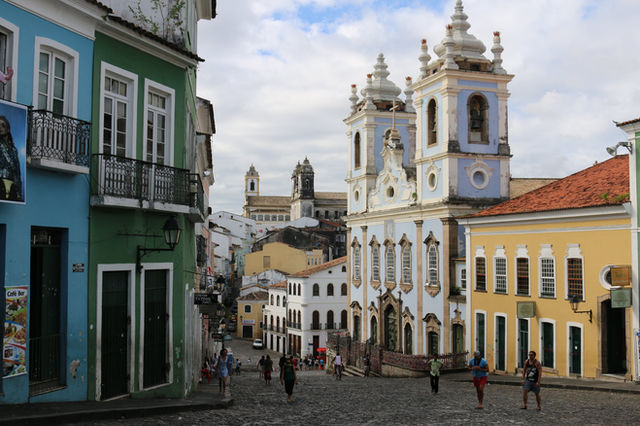
A cobbled square of houses in mango, lime and cobalt ringing with drums, the blinding gilt interior of a Baroque church, and the smell of acarajé frying in palm oil as a capoeira circle spins on the corner.

Salvador is the soul of Afro-Brazil — Brazil's first capital, a UNESCO city of candy-coloured colonial streets and gold-drenched churches on a bluff above a great bay, pulsing with capoeira, candomblé, drumming and the dendê-rich food of Bahia.

Type
metropolis
Ideal length
~approx 2 days
Getting around
on foot in the Pelourinho; taxis and ride-hailing beyond
Neighbourhoods
4 areas
Best season / months
September to March — warmer and drier; hot and tropical year-round
Language
Portuguese (some English in tourist spots)
Currency
Brazilian real (R$)
Budget level
moderate — affordable
Good for
  • Culture
  • Afro-Brazilian heritage
  • Music
  • Beaches
  • Food
▸ Discover

About Salvador

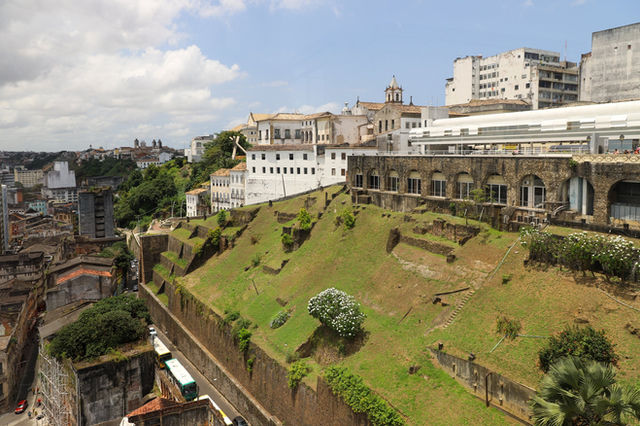
Salvador (Salvador da Bahia) sprawls on a peninsula above the vast Bay of All Saints (Baía de Todos os Santos), on Brazil's northeast coast. Brazil's first capital and a great slave port, it became the heartland of Afro-Brazilian culture, and that heritage — in its religion (candomblé), its martial-art-dance (capoeira), its drumming and music, and its food — is the city's beating heart. The old town splits into a clifftop Cidade Alta, holding the colourful UNESCO Pelourinho and its Baroque churches, and a lower Cidade Baixa by the port, linked by the landmark Lacerda elevator. Beyond spread beaches, the bay and a huge modern city. Vivid, musical and complex, Salvador is Brazil at its most soulful — and demands some street-smarts.

Why go

Salvador is one of the most culturally rich cities in the Americas — the capital of Afro-Brazilian heritage, its UNESCO Pelourinho a photogenic maze of colourful colonial houses and staggeringly gilded Baroque churches, alive with capoeira, drumming, candomblé and Bahian food. It has the drama of the bay and the Lacerda elevator, city beaches, one of the world's greatest Carnivals, and a deep, joyful musical culture. It's intense, colourful and soulful (and requires care with safety), but for atmosphere and Afro-Brazilian culture, nowhere in Brazil comes close.

Don't miss

  • The Pelourinho — the colourful colonial old town
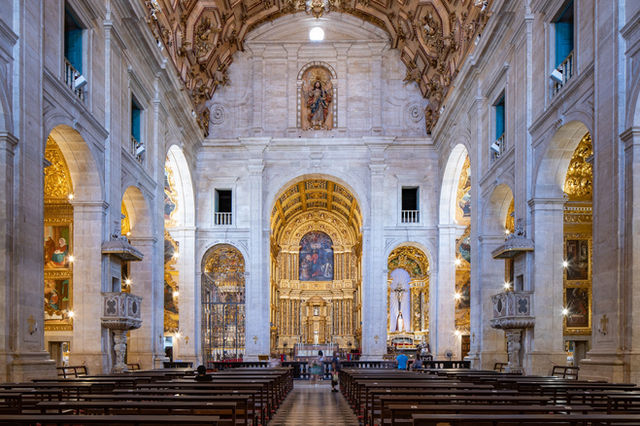
  • The Church of São Francisco — the gold-drenched Baroque interior
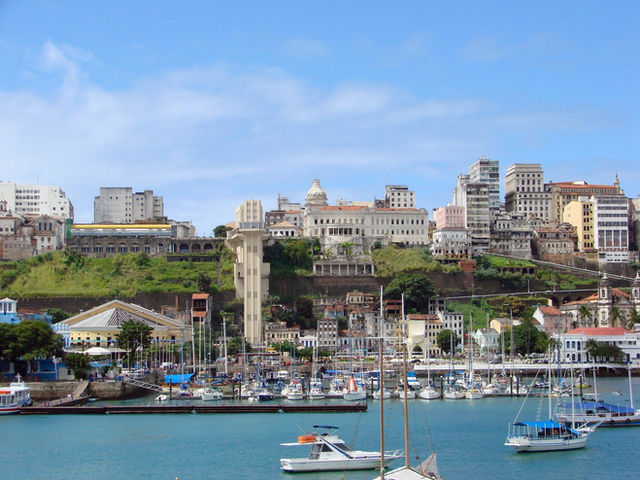
  • The Elevador Lacerda — the landmark upper-to-lower-town lift
  • Bahian food and capoeira — acarajé, moqueca, the roda
  • The Bay of All Saints and the beaches — Barra and beyond

Signature experiences

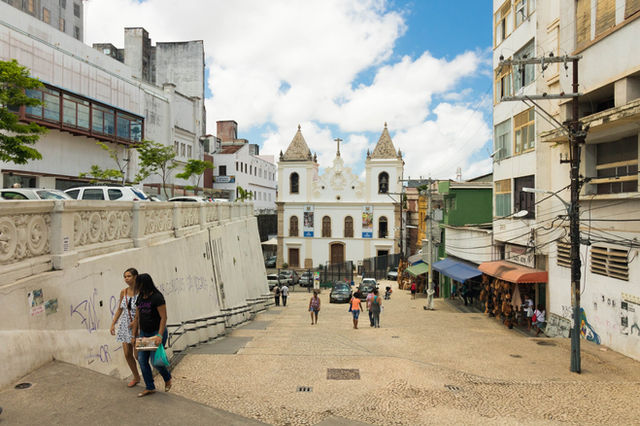
The Pelourinho and the Baroque churches — Salvador's postcard heart is the Pelourinho, the UNESCO old town on the clifftop — a maze of steep cobbled streets and squares lined with colourful colonial houses in every hue, alive with drumming groups, capoeira circles, craft shops and music. Its churches are astonishing: the Church and Convent of São Francisco has one of the most lavishly gilded Baroque interiors in the world, a blaze of gold carving. Wander the coloured streets, step into the gold churches, and feel the layered history — colonial, African, devotional — of Brazil's first capital. **Afro-Brazilian culture** — Salvador is the heartland of Afro-Brazilian heritage, and its culture is everywhere and alive — the whirling martial-art-dance of capoeira in the squares; the thunder of samba-reggae drumming groups like Olodum; the religion of candomblé, with its orixás and rituals; and the white-lace dress and jewellery of the Baianas. Watch a capoeira roda, catch a drumming rehearsal, learn about candomblé at the museums or a terreiro, and you touch the African soul of Brazil. It's the deepest, most powerful thing about the city. **Bahian food** — Bahian cuisine is one of Brazil's greatest, rich with African roots and dendê (red palm oil). The street icon is acarajé — a black-eyed-pea fritter, fried in dendê and split and stuffed with vatapá, shrimp and salad, sold by the white-clad Baianas; the set-piece is moqueca, a fragrant seafood stew of coconut milk, dendê and coriander; and there's vatapá, caruru, bobó de camarão and cocada sweets. Eat an acarajé on the street, a moqueca in a restaurant, and drink a caipirinha; the food is a highlight and an education. **The bay, beaches and Carnival** — Salvador sits on the huge Bay of All Saints, and the water is central — the Lacerda elevator drops you to the bay-front lower town and the Mercado Modelo, and boats cross to the bay islands. On the ocean side, the Barra beaches and the lighthouse, and the Atlantic beaches beyond, are the city's playground and sunset spots. And Salvador throws one of the world's biggest Carnivals — a street party of trios elétricos (music trucks), blocos and millions of revellers. Between the bay, the beaches and the rhythm, the city's joyful energy is irresistible.

Neighbourhoods

Salvador neighbourhood by neighbourhood — the character of each and who it suits.

  • The Pelourinho and Cidade Alta

    The colourful clifftop old town — the UNESCO Pelourinho's cobbled streets of pastel colonial houses, gilded churches, squares and museums, alive with drumming, capoeira and music. The historic, cultural heart.

    Why go
    The colourful streets, the Baroque churches and the Afro-Brazilian culture.
    Best for
    Sightseeingchurchesmusicculture
    Known for
    The Pelourinho's coloured houses and Largo do Pelourinho, the gold Church of São Francisco and the cathedral, the Terreiro de Jesus, the Afro-Brazilian and city museums, and the capoeira and drumming (Olodum).
  • The Cidade Baixa and the Bay

    The lower town by the port and the Bay of All Saints — the Mercado Modelo, the waterfront, the foot of the Lacerda elevator, and the boats to the bay islands. The maritime, commercial lower city.

    Why go
    The Mercado Modelo, the bay waterfront and the elevator.
    Best for
    Marketsthe bayboatsthe elevator
    Known for
    The Elevador Lacerda linking upper and lower town, the Mercado Modelo crafts market, the port and bay waterfront, the São Marcelo fort in the harbour, and the boats to the bay islands.
  • Barra and the Beaches

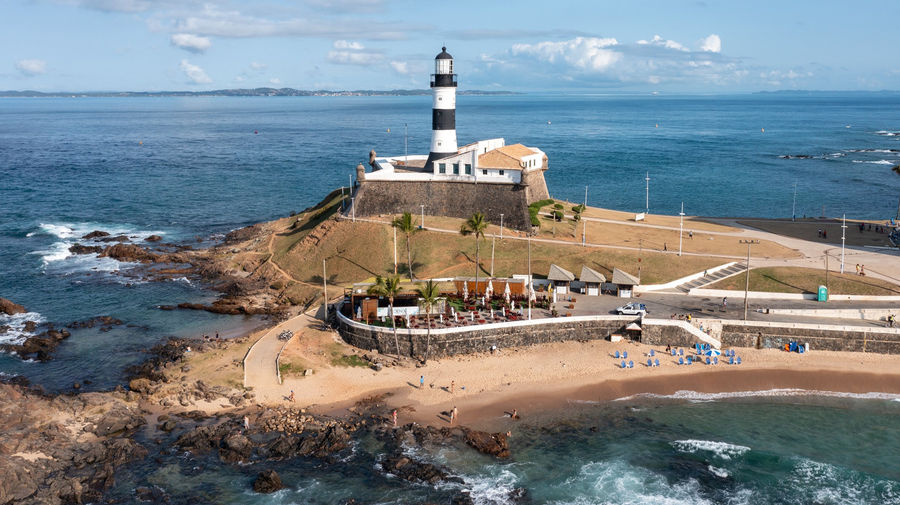
    The coastal district at the peninsula's tip and beyond — the Barra beaches, the famous lighthouse (Farol da Barra), and the strings of city beaches along the Atlantic. The sun-and-sea zone.

    Why go
    The beaches, the lighthouse and the seafront.
    Best for
    Beachesswimmingsunsetsseafront dining
    Known for
    The Farol da Barra lighthouse and its bay-meets-ocean point, the Porto da Barra and Barra beaches, the seafront promenade, and the Atlantic beaches stretching north.
  • The Itapagipe Peninsula (Bonfim)

    The peninsula northwest of the centre, home to the Bonfim church — Salvador's most beloved shrine, famous for its colourful wish-ribbons — and the everyday city and bay shore. The devotional, local edge.

    Why go
    The Bonfim church and its ribbons, and local Bahian life.
    Best for
    The Bonfim churchribbonslocal life
    Known for
    The Igreja do Bonfim and its coloured fitas (wish-ribbons), the votive room, the bayside neighbourhoods, and the everyday Bahian life away from the tourist centre.

Views & hidden gems

Best views

  • The Pelourinho's colourful cobbled streets and Largo
  • The gold interior of the Church of São Francisco
  • The Bay of All Saints from the Elevador Lacerda
  • The Farol da Barra lighthouse at sunset

Hidden gems

  • The Bonfim church and its coloured wish-ribbons (fitas)
  • A capoeira roda or an Olodum drumming rehearsal
  • The Afro-Brazilian Museum in the Pelourinho
  • An acarajé from a Baiana on the street
  • A boat trip on the Bay of All Saints to Itaparica island

Food & drink

Salvador eats Bahian — one of Brazil's richest cuisines, African-rooted and heavy on dendê (red palm oil) and coconut. The street star is acarajé (a dendê-fried black-eyed-pea fritter stuffed with vatapá, dried shrimp and salad), sold by the white-clad Baianas; the restaurant set-piece is moqueca (a coconut-and-dendê seafood stew); and there's vatapá, caruru, bobó de camarão and, sweet, cocada and quindim. Drink a caipirinha, a cold beer, or fresh tropical juices. Eat acarajé on the street, moqueca in a restaurant, and take it easy on the rich dendê at first.

  • Acarajé — a dendê-fried bean fritter stuffed with vatapá and shrimp
  • Moqueca — a coconut-and-palm-oil seafood stew
  • Vatapá and caruru — creamy dendê-and-shrimp side dishes
  • Bobó de camarão — shrimp in a cassava-and-coconut cream
  • Cocada and quindim — coconut and egg-yolk sweets
  • Caipirinha and cold beer — the local drinks
Dietary notes

Vegetarians manage with vatapá/caruru (often have dried shrimp — ask), acarajé (dendê and sometimes shrimp — ask for abará or plain), beans, rice, salads and tropical fruit, though seafood and dendê are central — ask. Vegan is workable with care (dendê is plant-based, but shrimp is common). Halal and kosher are limited. Gluten-free is manageable with rice, beans, moqueca and dendê dishes (often wheat-free), but confirm.

Salvador in photos

▸ Where you'll stay

Where you'll stay in Salvador

Stay in or near the Pelourinho for the culture and the sights, in a boutique hotel or pousada in the colourful old town (lively but take care after dark). Barra and the beach districts are safer-feeling and handy for the sea. Take Salvador's real safety concerns seriously — stay in the tourist areas, keep valuables minimal, and use taxis at night. The Pelourinho is the cultural base; Barra the beachy one. Book far ahead for Carnival.

  • Budget
    Pelourinho / Barra hostels and budget pousadas near the sights or the beach.
  • Mid-range
    The Pelourinho / Barra boutique pousadas and hotels in the old town or by the sea.
  • Luxury
    The best boutique old-town or beach hotels high-end restored houses or seafront hotels.
Stay

Hotels & rentals around Salvador

Pan, zoom and compare live prices — every stay in one map.

▸ Getting around

Getting around Salvador

The Pelourinho is compact and walkable (by day); the Lacerda elevator links it to the lower town. Taxis, ride-hailing and a metro cover the sprawling city and the beaches; a car isn't needed and traffic is heavy. Use taxis/apps at night for safety.

The Pelourinho and the Cidade Baixa are linked by the elevator (~approx); Barra, the beaches and Bonfim are taxi or ride-hail rides across the city — plan those with a taxi or app, especially after dark.

▸ Plan your days

Suggested itineraries

Ready-made day plans for Salvador — from a single day to a long weekend.

One day

Spend the morning in the Pelourinho — the colourful streets, the gold Church of São Francisco, the cathedral and the Afro-Brazilian Museum — with a capoeira circle and drumming along the way. Ride the Lacerda elevator down to the Mercado Modelo and the bay waterfront, have a moqueca lunch, and spend the afternoon at Barra beach and the lighthouse for a swim and sunset. Return to the Pelourinho for an evening of music (a Tuesday night if you can), taking care after dark.

Two days

Give day two to the bay, the beaches and the deeper culture. Take a boat trip on the Bay of All Saints to Itaparica island, visit the Bonfim church and its wish-ribbons, and explore more of the beaches and the food. Learn about candomblé and capoeira, and enjoy the music. With more time, the beaches and coast north of the city, or the bay towns, are options.

▸ What you'll do

Insider tips

  • See the Pelourinho and the gold São Francisco church, and catch capoeira and Olodum drumming for the living culture.
  • Eat an acarajé from a Baiana and a moqueca — Bahian food is a highlight.
  • Take Salvador's safety seriously — stay low-key, keep valuables minimal, and use taxis at night.
  • Ride the Lacerda elevator to the bay-front lower town and the Mercado Modelo.
What's on

While you're there

05
FEB
Rio Carnival 2027
Rua Tomás Rabelo 12, Cidade Nova, Rio de Janeiro - Rio de Janeiro, 20210, Brazil · carnival
Build a trip around it →
Explore

Explore the area

© OpenFreeMap · OSM · terrain Mapterhorn
Do

Local attractions & tours

Skip-the-line tickets and small-group tours in Salvador — compare across our partners.

We're still curating hand-picked tickets and tours for Salvador. In the meantime, the map above and the nearby cities are a great place to start.

▸ Budget

What it costs in Salvador

Backpacker
roughly €25–50 a day.
Mid-range
roughly €55–110 a day.
Luxury
€200 a day and up.
Cash vs card
Carry reais for street food, taxis, markets and the Baianas; cards and Pix (mobile pay) work widely in shops and restaurants.
Tipping
Tipping is modest — a service charge (around 10%) is often added to restaurant bills; small change for help.
▸ When you'll go

When to visit Salvador

September to March — warmer and drier; hot and tropical year-round

Spring

What to expect — Warm and increasingly humid, the drier stretch of the year in parts, with warm seas; tropical throughout. Warm and pleasant.

What's best — Warm, often drier weather for the old town and the beaches, warm seas, and the build-up to the summer festivals — a good window; it's hot year-round.

Summer

What to expect — Hot and humid (the Southern-Hemisphere summer, December to February), the peak beach-and-festival season, with Carnival and huge crowds; warm rain possible. Steamy and lively.

What's best — Carnival — one of the world's biggest street parties — plus New Year, the beaches and the music in full swing; but it's crowded, pricey and intense, so book far ahead.

Autumn

What to expect — Warm and often the wettest months in Salvador (around April–July the rains are heavier), with showers and humidity; the sea warm. Warm and rainy.

What's best — Warm seas, lower crowds and prices, and the lush green — but it can be the rainiest, so plan around showers; the drier months are more comfortable.

Winter

What to expect — Warm still (this is the tropics), but often the wetter, cloudier stretch (around June–August); pleasant when dry, showery when not. Mild-tropical.

What's best — Fewer crowds and warm days between showers, and the June festival season (São João) with its music and food — a lively, quieter window; carry rain gear.

▸ Know before you go

Know before you go

Honest swaps

Skip a beach-resort-only trip → the Pelourinho and Afro-Brazilian culture are the real Salvador.

Skip a tourist-menu meal → eat an acarajé from a Baiana and a moqueca in a Bahian restaurant.

Skip flashing valuables → Salvador has real street-crime concerns; stay smart and low-key.

Skip only the churches → catch a capoeira roda or an Olodum drumming rehearsal for the living culture.

Crowds & timing

Carnival (usually February/March) and the summer pack the city and push prices up — book far ahead, or come another time for a calmer visit.

The Pelourinho is best and busiest by day; take extra care in the old town and the lower town after dark.

Local rules & etiquette

Take safety seriously — Salvador has significant petty and violent crime in places; stay in the tourist areas, keep valuables minimal and out of sight, avoid quiet streets and the lower town at night, and use taxis or ride-hailing.

Respect candomblé and Afro-Brazilian religious sites and practices; ask before photographing rituals and the Baianas (a small purchase or tip is polite).

Dress light for the heat, but modestly inside the churches.

Money

Carry reais for street food, taxis and markets; cards and Pix work widely; use bank ATMs in secure spots and keep cash discreet.

Agree taxi fares or use ride-hailing apps, especially at night.

After dark

The Pelourinho has music, bars and cultural shows (Tuesday nights are famous), and Barra and the coast have beach bars and nightlife.

Salvador's nightlife and music are joyful and central to the city — but take real safety care after dark, stick to busy areas and use taxis.

Carnival, of course, is a nonstop street party.

▸ Ready to book your trip?

Getting there

Salvador's airport (SSA) is north of the city, around 30–40 minutes from the centre by taxi or ride-hailing, with domestic and some international flights.

Book

Ready to book your trip?

Flights, airport transfers and car hire — search and compare without leaving the page.

▸ Trip extras
Book

More trip extras

Parking, holiday extras, and more — coming soon.

Coming soon

We're lining up parking, holiday extras and activities you'll be able to add to any trip from here.