Prague
A Gothic-Baroque fairytale on the Vltava — medieval castle, cobbled old town, absurdly good beer and a cultural depth that goes far beyond the stag-party reputation.
- The best time to visit is Jun–Sep, when the weather is mildest with fewer rainy days.
- PRG
- 3–4 days
Why go
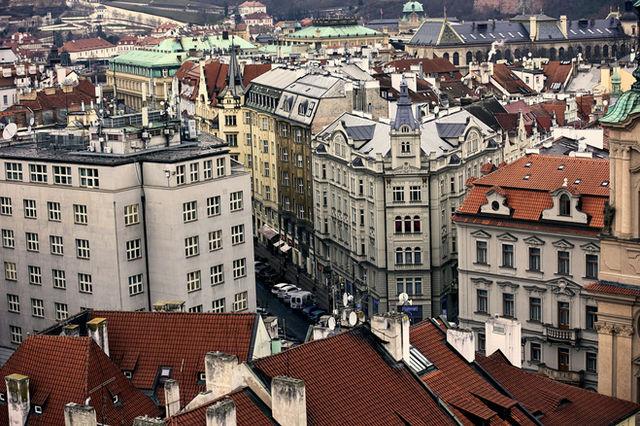
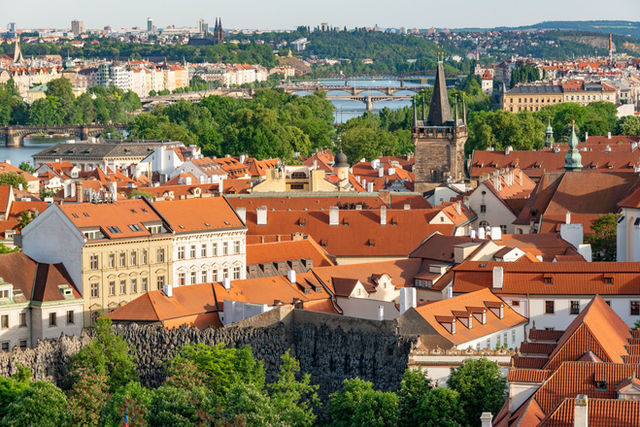
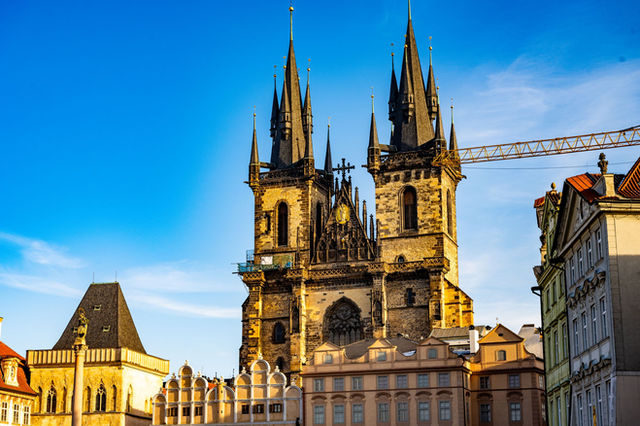
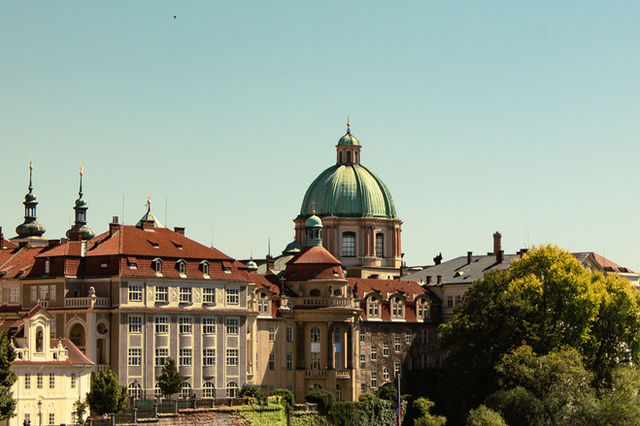
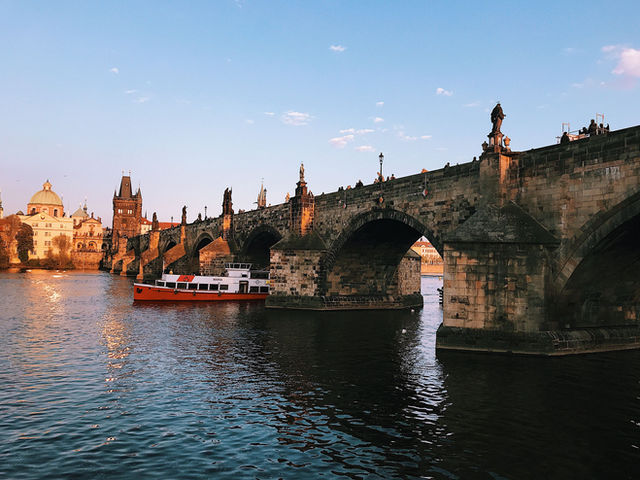
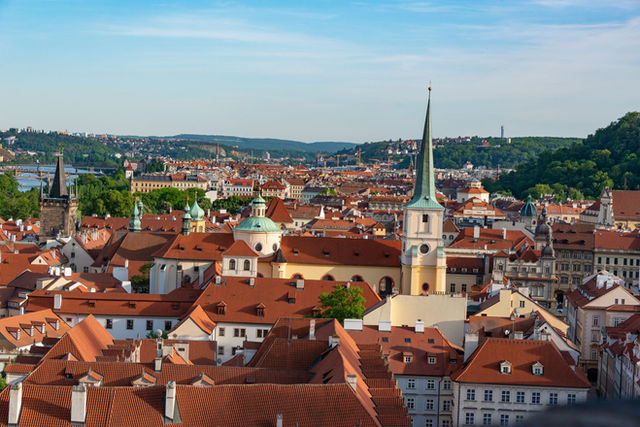
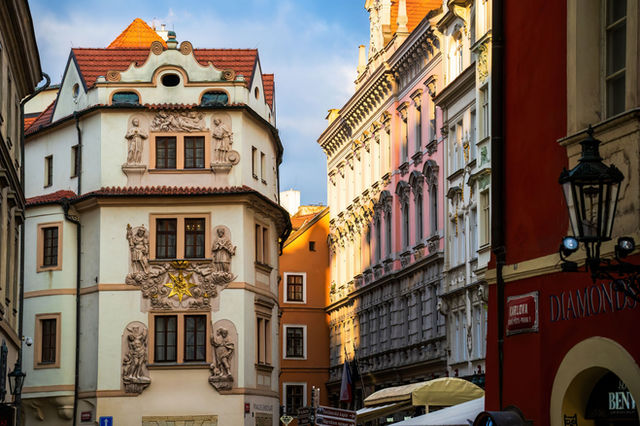
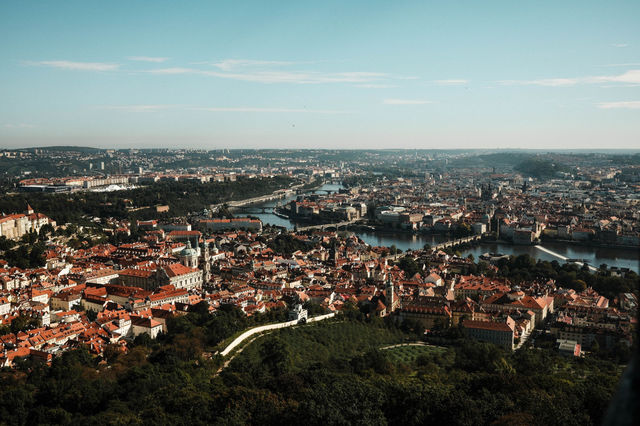
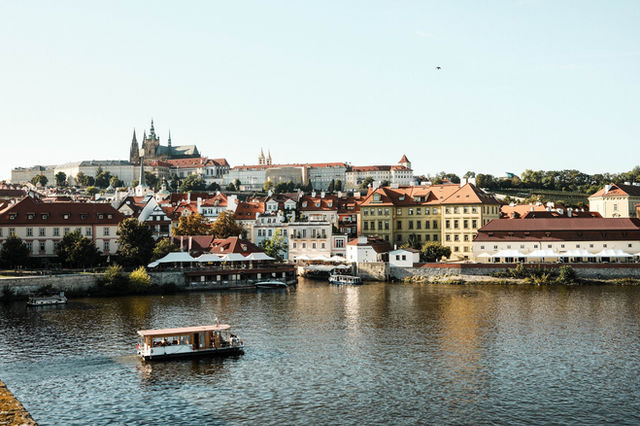
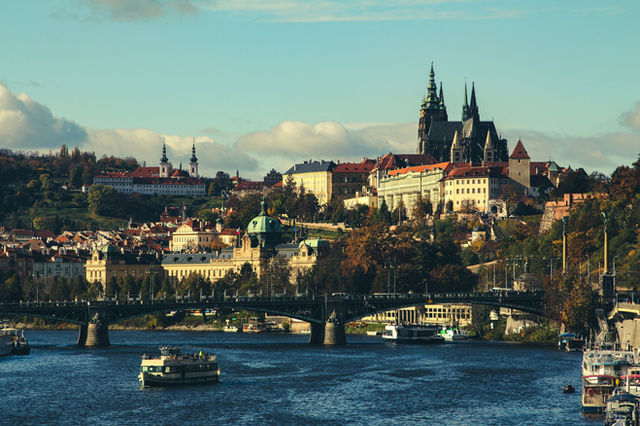
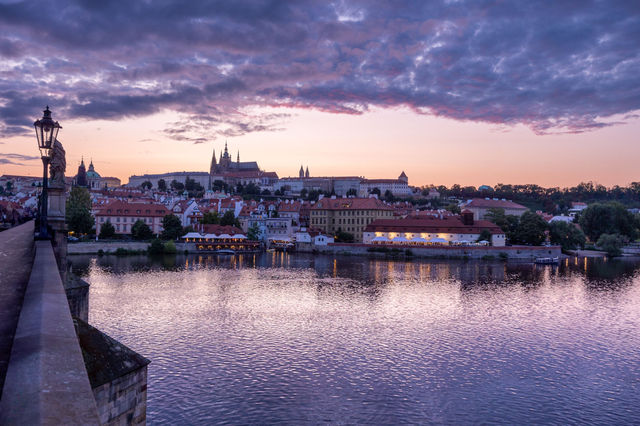
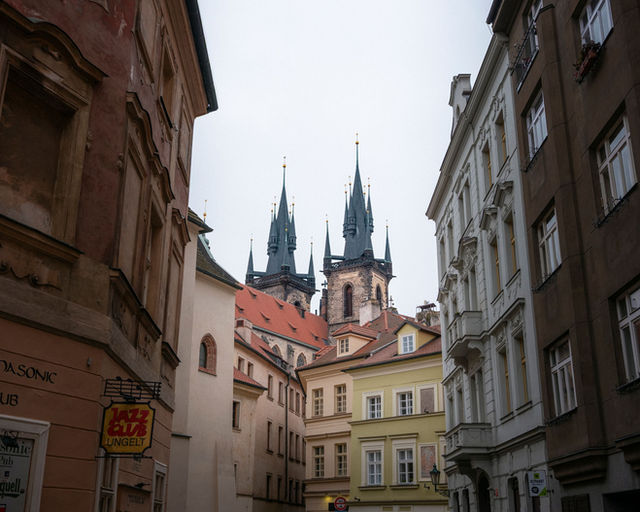
Prague's primary draw is its extraordinary architectural coherence — walking through Staré Město (Old Town) or crossing Charles Bridge at dawn feels genuinely medieval, the kind of place that makes you understand why so many filmmakers use it as a stand-in for historical Europe. Beyond the fairy-tale visuals, Prague rewards the curious: the Jewish Quarter (Josefov) with its six surviving synagogues and the Old Jewish Cemetery is one of the most moving heritage sites in Central Europe; the Vltava river cruise puts the city in geographic context; and the neighbourhood of Vinohrady offers a sophisticated, local-facing side of the city that most day-trippers never reach. Budget travellers will love the value — excellent accommodation, world-class museums and outstanding beer at prices that are still significantly below Western European capitals. Go in spring or autumn for clear skies, comfortable temperatures and manageable crowds.
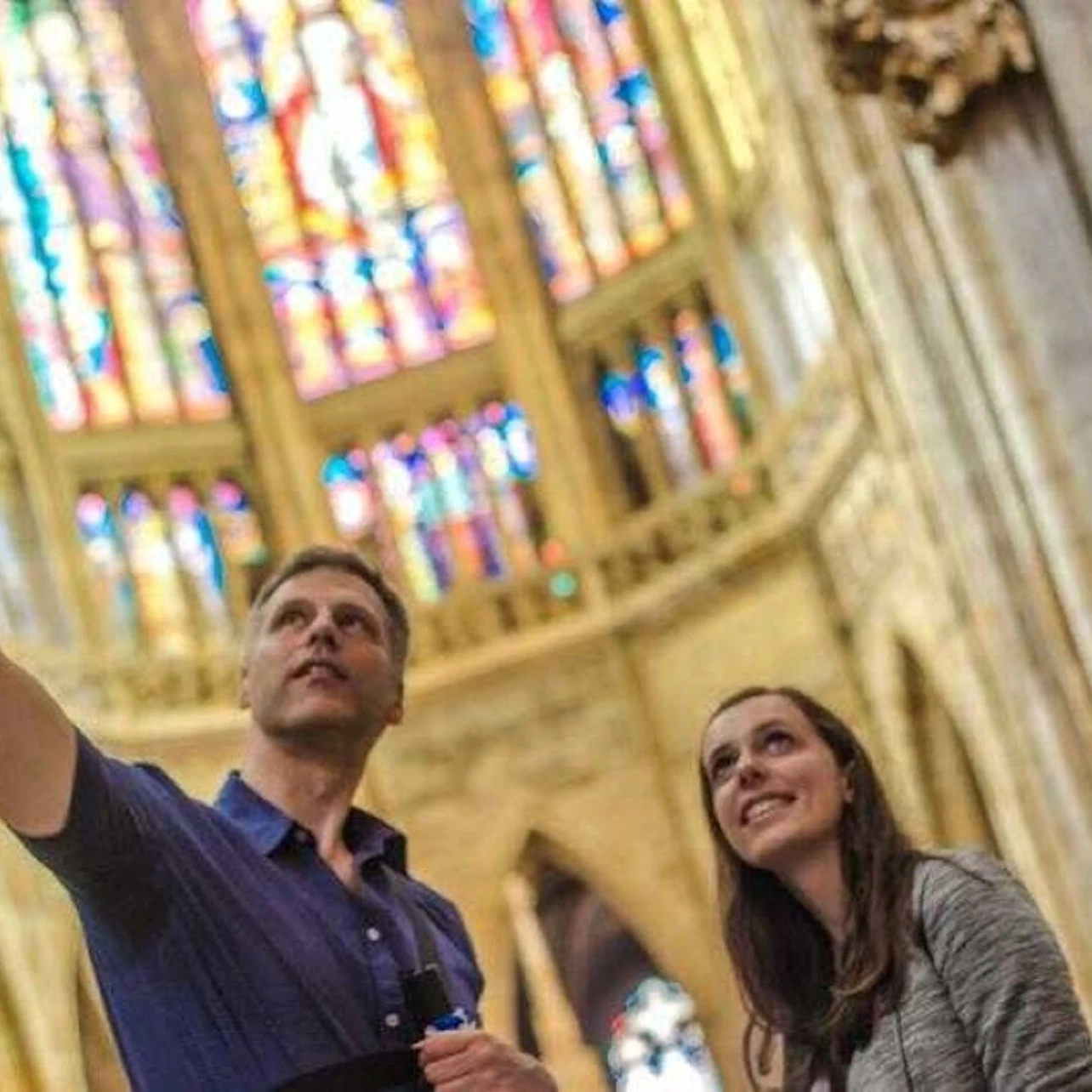
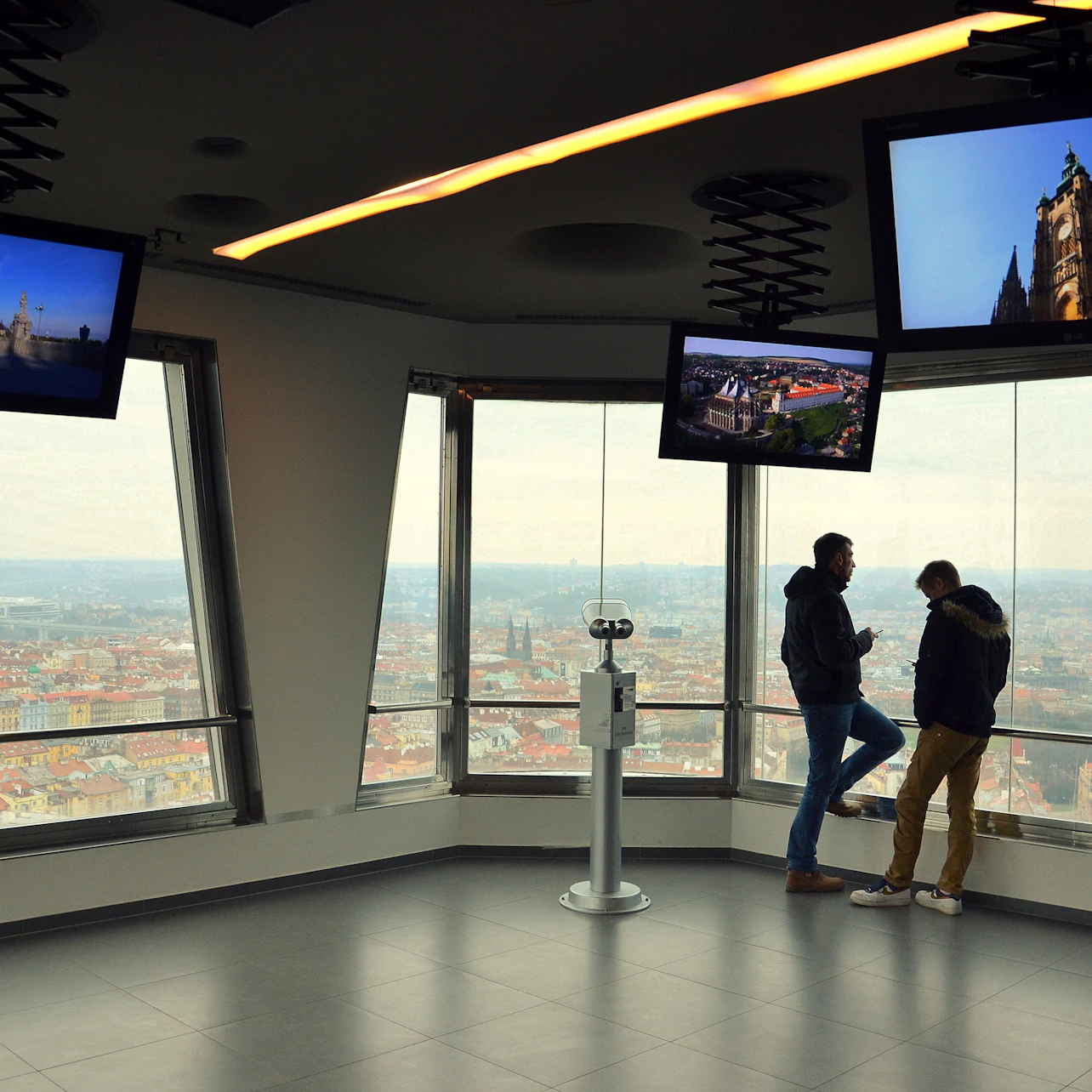
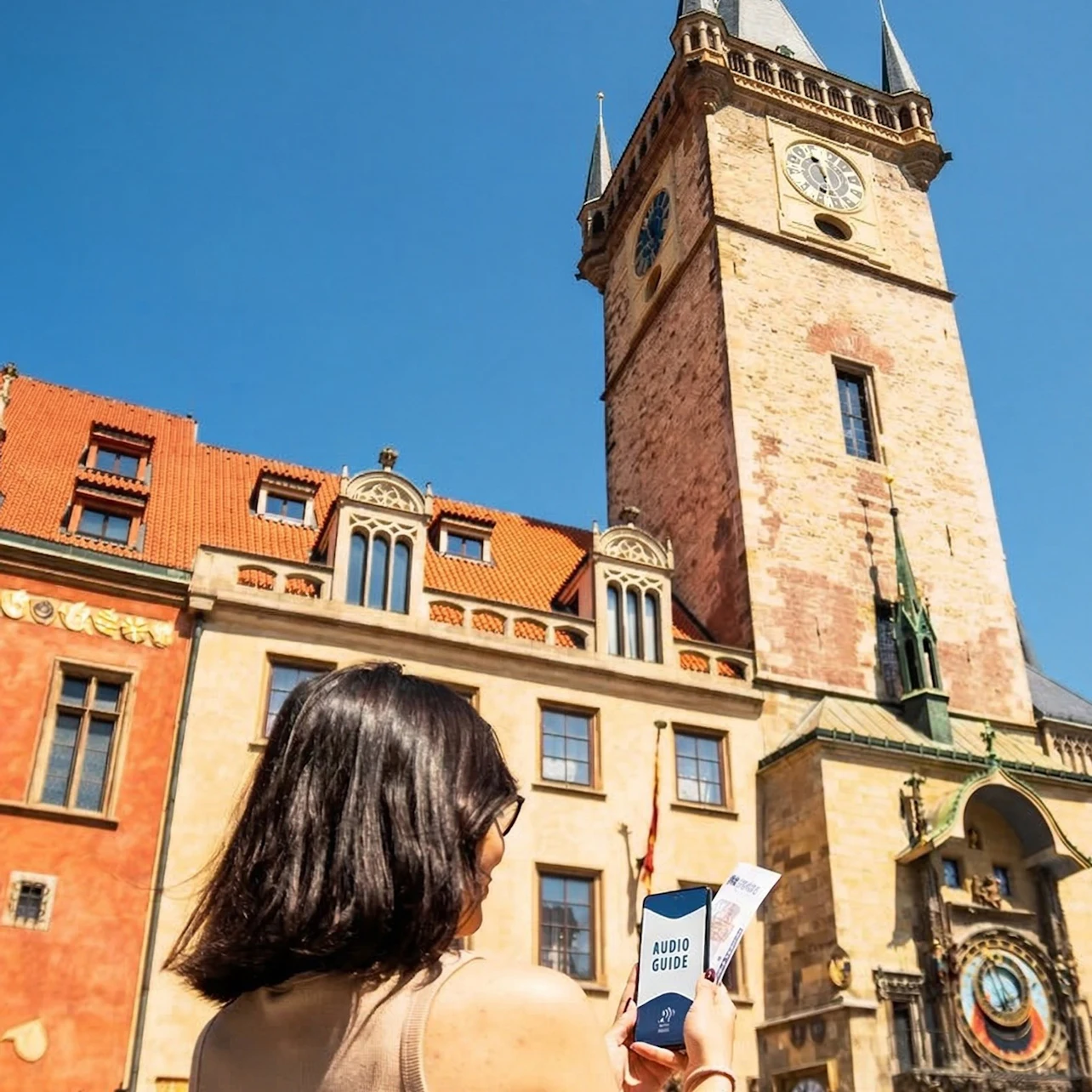
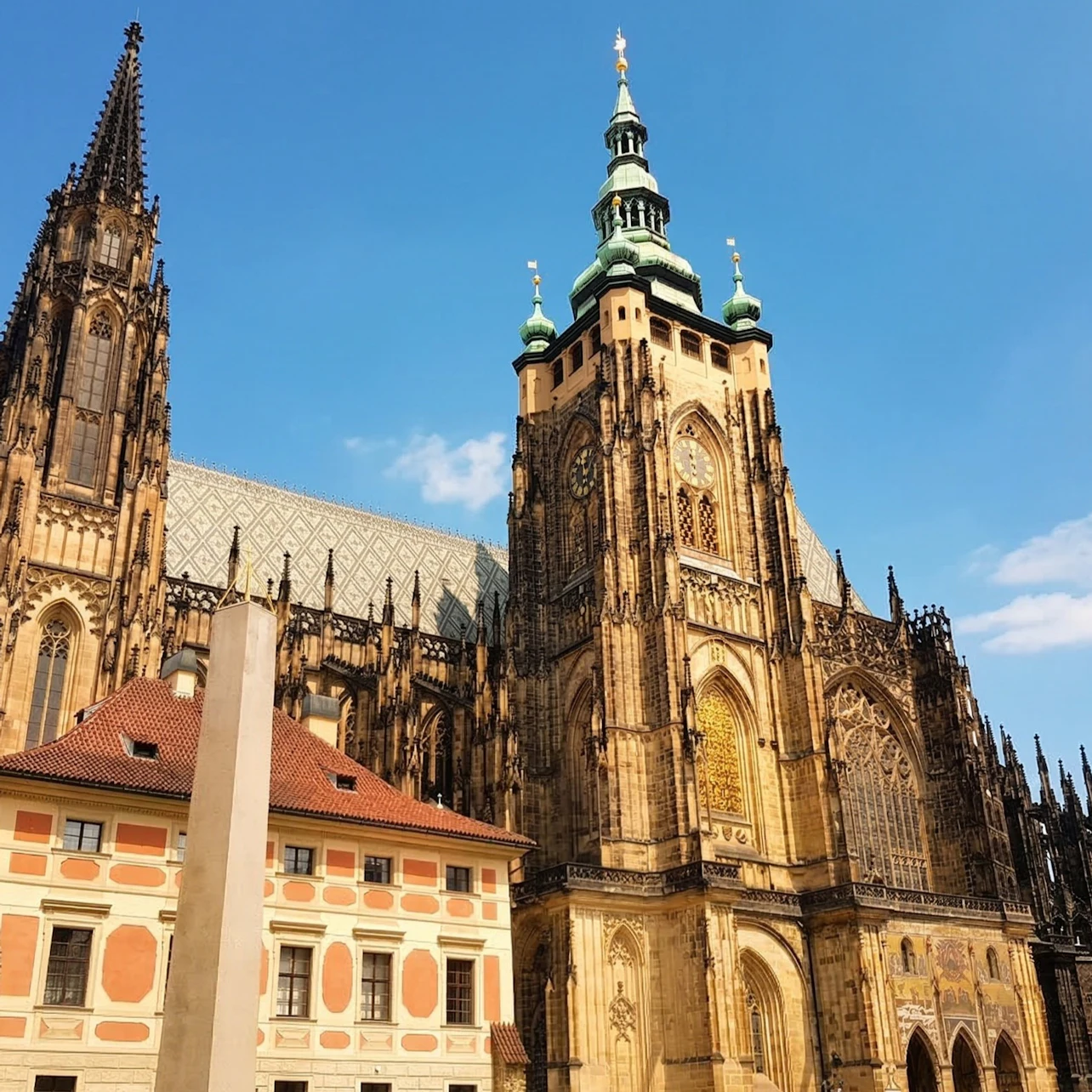
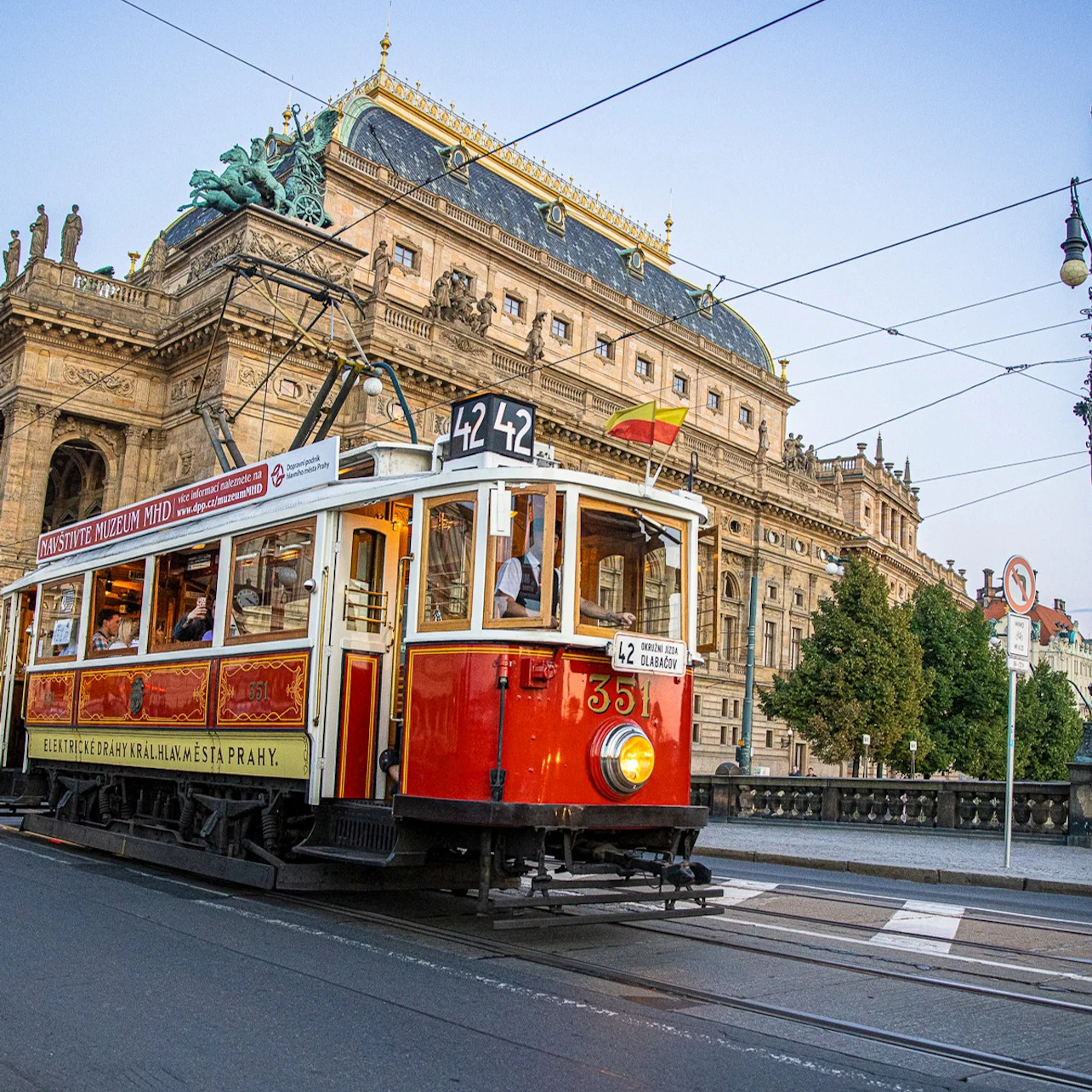
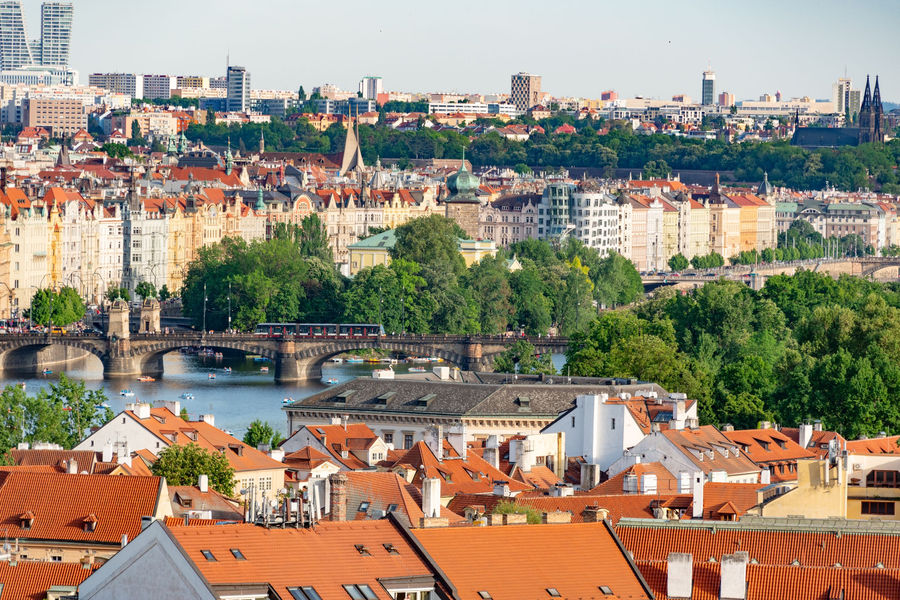
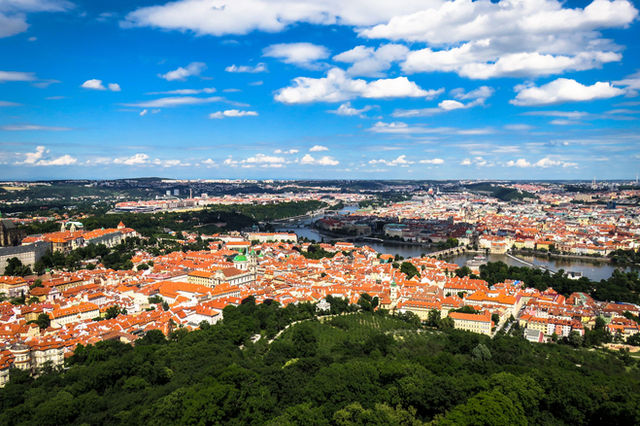
Prague in photos
Neighbourhoods
Neighbourhood-by-neighbourhood guides to Prague are on the way.
Where you'll stay in Prague
Live map of hotels and villas around Prague — powered by Stay22. Pan, zoom and compare live prices to pick your base.
Hotels & rentals around Prague
Pan, zoom and compare live prices — every stay in one map.
Getting around Prague
Prague's public transport network — trams, metro and buses — is excellent, cheap and covers almost everywhere a tourist needs to go. The single most useful piece of kit is a 24-hour or 3-day ticket (available from yellow machines in metro stations and major tram stops, or via the PID Lítačka app); validate on board the tram or bus and at the metro turnstile. Three metro lines (A green, B yellow, C red) connect the main hubs; the Line A runs from the airport connection directly through the city centre. Trams are the most pleasant way to navigate above ground — line 22 is a classic tourist route through the castle district. The historic core (Old Town Square, Charles Bridge, Wenceslas Square) is very walkable; the castle hill is a steep but rewarding climb. Taxis should have metered fares; the Bolt and Uber apps both operate in Prague and are generally cheaper and more reliable than street taxis.
Prague Integrated Transport (PID) operates an integrated metro, tram and bus network on a single-ticket/zone system. Buy a 30-minute single (short-trip ticket) or a 90-minute transfer ticket for flexibility, or a 24-hour (110 CZK) or 3-day (310 CZK) pass — all available at yellow PID machines in metro stations and some tram stops, from ticket offices, or via the PID Lítačka mobile app. Validate on the tram/bus reader immediately on boarding, and at the metro turnstile. Metro Line A (green) serves the main tourist strip from Nádraží Veleslavín (airport bus) via Hradčanská (Castle), Malostranská, Staroměstská (Old Town) and Můstek. Trams run 24 hours (night trams every 30–40 min from midnight); metro from 05:00–midnight. Night tram 91 circles the inner city and is useful for late returns.
Insider tips
Charles Bridge is mobbed from 08:00 onwards in peak season — walk it at 06:00–07:00 for the experience it should be: dawn light on the statues, river mist, and almost no one else. The Prague Castle complex requires a full half-day and involves more walking than most visitors expect — wear comfortable shoes. Vyšehrad (the alternative castle, south of the centre) is free to enter and almost tourist-free, with better views across the river valley than the popular viewpoints. For the best beer at the lowest price, walk five minutes from any tourist street: a half-litre of excellent lager for under £1 is standard in Žižkov. The Mucha Museum (Art Nouveau painter Alfons Mucha) is small, affordable and far less crowded than the castle — one of the most underrated art experiences in Central Europe.
Frequently asked
While you're there
Explore the area
Local attractions & tours
Skip-the-line tickets and small-group tours in Prague — compare across our partners.
Not seeing offers? Try or — some destinations have thinner inventory on Tiqets.
Day cruises, catamarans and multi-hour excursions — we're wiring up Viator next.
Not seeing offers? Try or — some destinations have thinner inventory on Viator.
Small-group and local-host experiences — GetYourGuide is on the way.
Not seeing offers? Try or — some destinations have thinner inventory on GetYourGuide.
Best time to visit Prague
The best time to visit is Jun–Sep, when the weather is mildest with fewer rainy days.
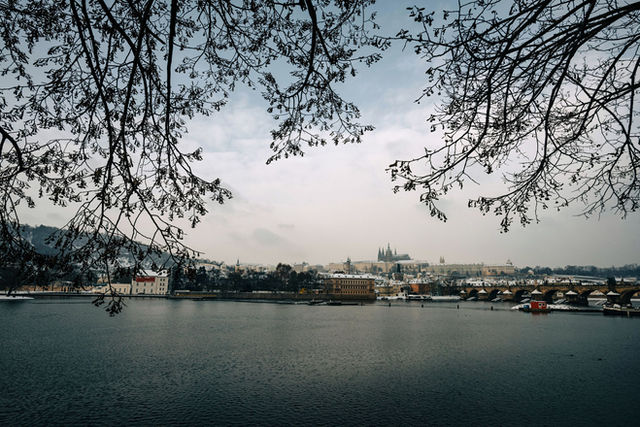
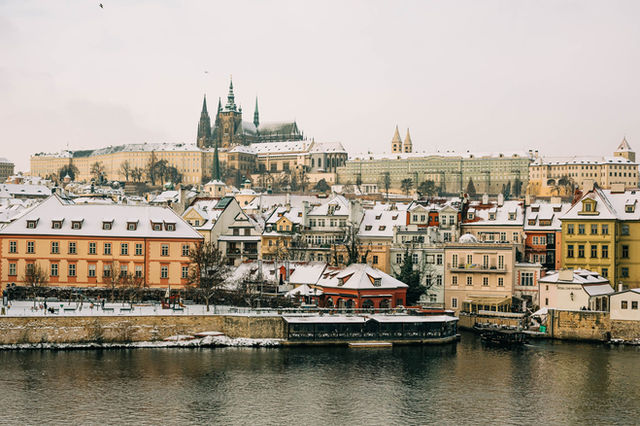
Prague has a continental climate — warm summers, cold winters and distinct seasons in between. The most visited months are May–June and September–October: temperatures of 17–23°C, long evenings and the city at its most vivid. July–August is warm (24–28°C peak) and crowded, with long queues at the castle and major sites. Christmas in Prague (late November to early January) is magical — the Old Town Square markets are among Central Europe's finest, the mulled wine is excellent and the city is atmospheric if chilly (−2 to 5°C). Winter (January–February) is the quietest and cheapest time to visit, with possible light snow adding to the fairy-tale effect; dress warmly. Spring (March–April) can be unpredictable — cool showers followed by warm sun — but the tulips in the castle gardens are worth it.
Getting there
Václav Havel Airport Prague (PRG) is 17km west of the city centre, served by direct flights from most major European cities. Low-cost carriers (Ryanair, easyJet, Wizz Air) offer competitive fares from the UK and across Europe; British Airways, Czech Airlines and others fly from Heathrow. From the airport, Bus 119 connects to Nádraží Veleslavín metro station (Line A, green), from where the centre is 15–20 minutes; the journey costs a standard transit fare. Airport express bus AE runs directly to the Main Railway Station. Taxis and ride-share are available; the fare to the centre should be around 600–700 CZK. Prague is well connected by train (via Germany and Austria from the west) and coach (FlixBus from Berlin, Vienna, Bratislava, Budapest) — the central Florenc bus terminal and main railway station are both on the metro network.
- Brno–Tuřany Airport (BRQ)
Ready to book your trip?
Flights, airport transfers and car hire to PRG — search and compare without leaving the page.
More trip extras
Parking, holiday extras, and more — coming soon.
We're lining up parking, holiday extras and activities you'll be able to add to any trip from here.