Alsace
- Region
- May, June, September, October, December
- ~approx 5–7 days
- Fairytale Timber-Framed Towns
- Hillside Vineyards
- Medieval Castles
- Borderland Gastronomy
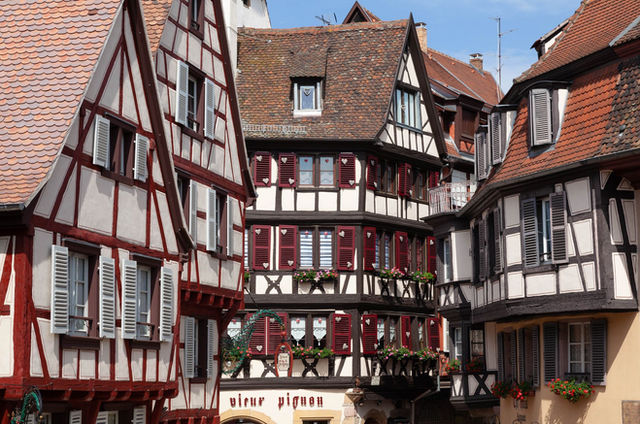
Stork nests sit high atop brightly painted timber-framed rooftops as the morning sun cuts through the mists rising over rows of green vines below a medieval mountain fortress.
A captivating border region in northeastern France where steep, vineyard-draped slopes meet the Rhine plain, blending distinct French elegance with rich Germanic heritage.
- Type
- region
- Ideal length
- ~approx 5–7 days
- Day-trip radius
- ~approx 30–45 min
- Sub-zones
- 4 areas
- Best season / months
- May, June, September, October, December
- Any traveller
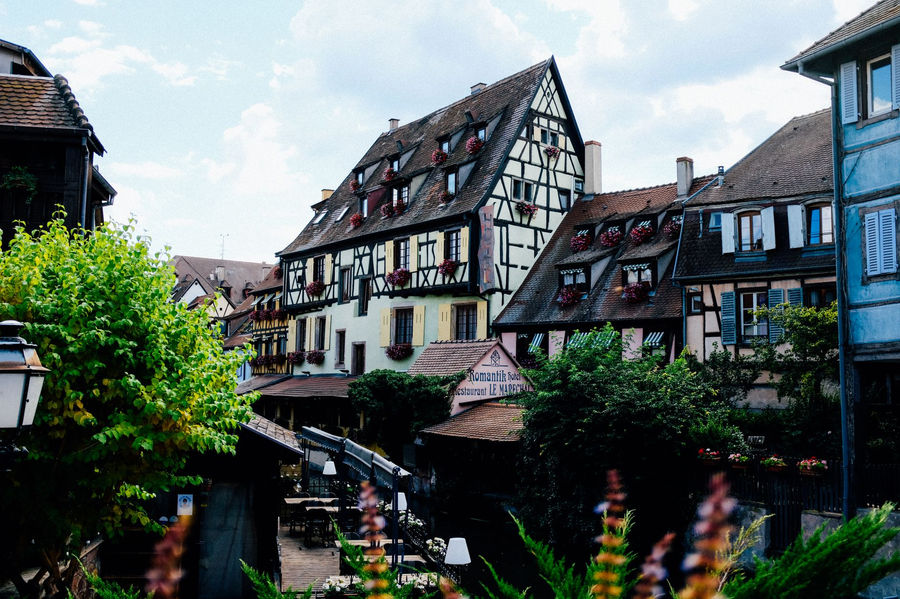
- Fairytale architecture
- Wine culture
- Cycling
- Winter festivals
About Alsace
Positioned on the eastern frontier of France, Alsace is geographically defined by the north-south axis of the Ill and Rhine rivers to the east and the rugged, pine-clad crests of the Vosges Mountains to the west. This narrow strip of land forms a highly sheltered valley, creating a unique microclimate that has nurtured generations of agricultural and viticultural abundance. Bound by a turbulent history of shifting borders, the region exhibits a seamless fusion of cultural identities, visible in its dual-language village names, fortress architecture, and unique culinary style.
Why go
It offers the ultimate European fairytale setting, effortlessly matching highly preserved medieval architecture and centuries-old wine routes with extensive valley cycling trails and world-renowned winter market traditions.
Don't miss
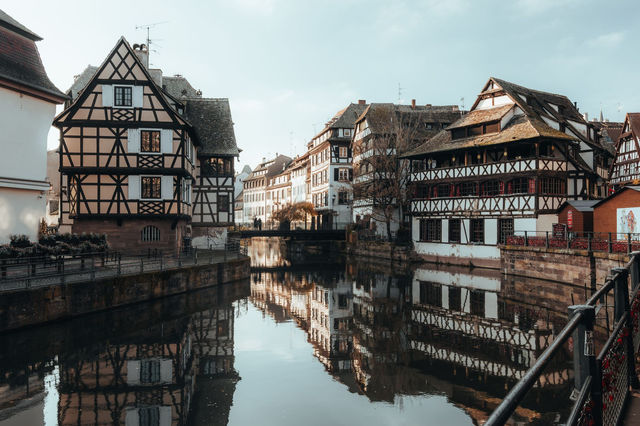
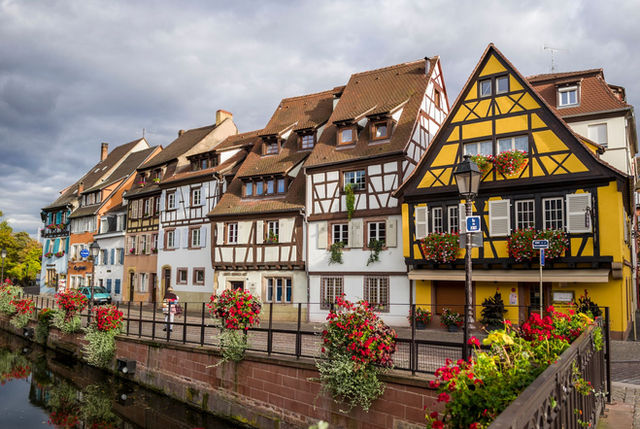
- La Petite France — Wandering timber-framed canals in historic Strasbourg
- Château du Haut-Koenigsbourg — Gazing from a monumental mountain fortress
- Unterlinden Museum — Viewing renaissance masterworks inside a Colmar convent
- Route des Vins — Driving the legendary path of hillside vineyards
- Ecomusée d'Alsace — Exploring a living open-air museum of regional heritage
Signature experiences
Cycling the vineyard greenways — Pedaling along the dedicated bicycle paths that weave through the foothills offers an intimate connection to the landscape. The routes trace old railway lines and dirt paths through the vines, guiding you safely away from traffic, under medieval defensive arches, and directly into the central squares of quiet winemaking hamlets.
Conquering the mountain fortresses — Winding up the forested slopes of the western hills leads to a network of spectacular stone fortresses. Walking through these high-altitude ramparts reveals centuries of borderland defense history, offering panoramic views that stretch across the wide river plain all the way to distant mountain horizons.
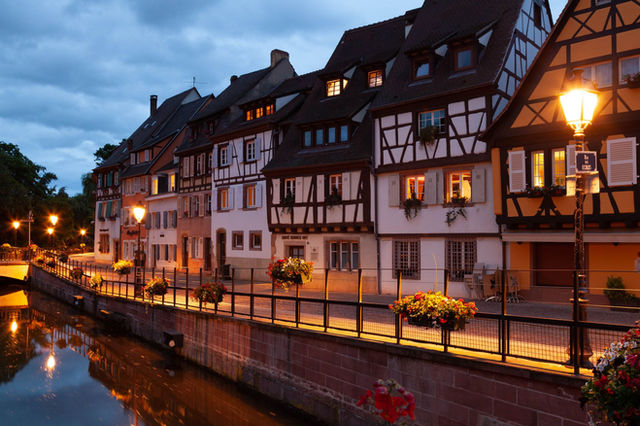
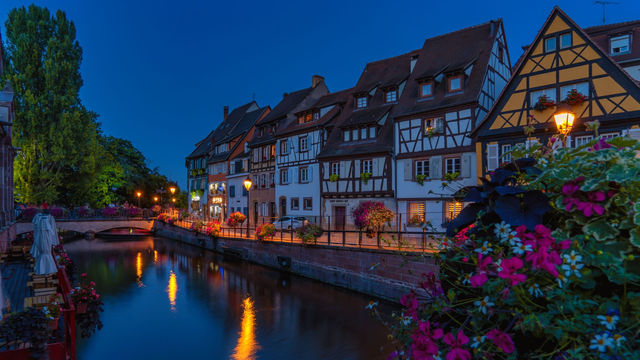
Navigating the urban canals — Boarding a flat-bottomed boat to glide through the historic quarters of the river cities provides a unique look at old-world merchant trade. The waterways wind past old tanners' quarters and beneath covered wooden bridges draped heavily in summer blooms, allowing you to experience the historic city center from the water.
Immersing in winter market traditions — Experiencing the dramatic transformation of the region late in the year reveals a deep, centuries-old seasonal heritage. The cobblestone village squares fill with glowing wooden chalets, where the air is thick with the scent of hot spiced wine, gingerbread, and roasting chestnuts, turning the cold months into a warm community celebration.
Where to base yourself
The sub-zones of Alsace — where each cluster sits and who it suits.
-
Strasbourg
Serving as the grand regional and European capital in the north, this cosmopolitan city is centered around a massive island river loop. Its architectural fabric blends soaring pink-sandstone Gothic structures with winding canals and sprawling imperial 19th-century German neighborhoods.
-
Sélestat
Positioned in the heart of the central plains, this historic humanistic center bridges the gap between major cities. The surrounding countryside rises sharply into the central Vosges foothills, providing immediate access to dense pine woodlands and imposing clifftop castle ruins.
-
Colmar
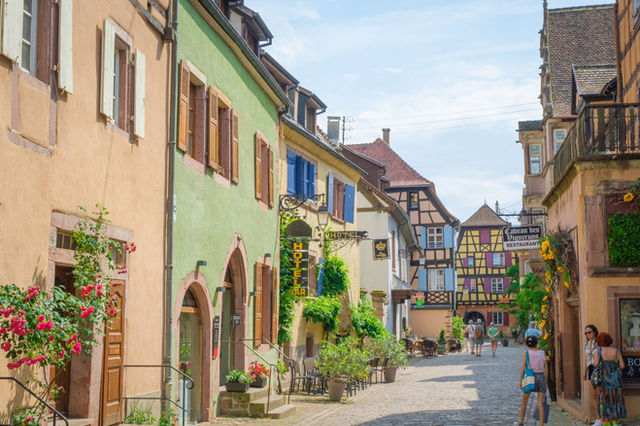
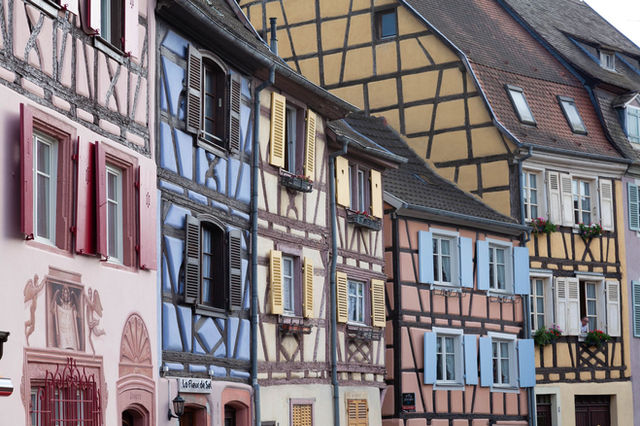
Tucked further south along the base of the mountains, this remarkably preserved town features an exceptionally dense concentration of brightly painted, wood-beamed houses. It serves as the historic capital of the regional wine trade, anchoring a tightly clustered chain of pristine fortified winemaking hamlets like Riquewihr and Kaysersberg.
-
Mulhouse
Located at the southern terminus of the regional axis near the Swiss border, this city is defined by a deep and proud industrial history. The surrounding sub-zone transitions into the rolling green hills of the Sundgau district, characterized by traditional carp-pond valleys and rustic pastoral landscapes.
Food & drink
The culinary identity of Alsace is deeply unique, blending the hearty, robust comfort traditions of Germanic cooking with the refined techniques of French gastronomy. Heavy reliance on cured meats, slow-fermented cabbage, and rich mountain cheeses defines the rustic tavern dining rooms, while local bakeries fill the air with the scent of spiced breads and sweet brioches. The region's sun-drenched limestone slopes produce highly distinct, aromatic single-varietal white wines and light reds that pair beautifully with the rich, local fare.
- Choucroute Garnie — A mountain-style platter of hot sauerkraut topped with traditional cured sausages, pork knuckles, and boiled potatoes.
- Riesling d'Alsace — A bone-dry, aromatic white wine featuring intense mineral notes and sharp acidity.
- Tarte Flambée — A thin, crispy flatbread topped with rich crème fraîche, smoky bacon lardons, and thinly sliced white onions.
- Gewürztraminer — A highly expressive, full-bodied white wine with distinct notes of lychee and exotic spices.
- Baeckeoffe — A slow-cooked stew of marinated beef, pork, and lamb layered with potatoes inside a traditional ceramic dish.
- Munster Cheese — A pungent, creamy, washed-rind mountain cheese traditionally served with caraway seeds.
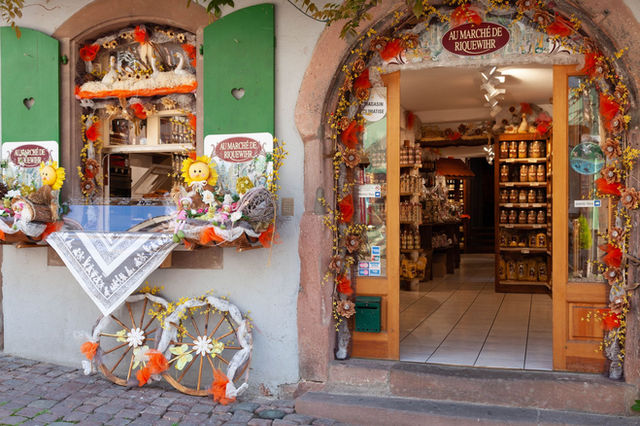
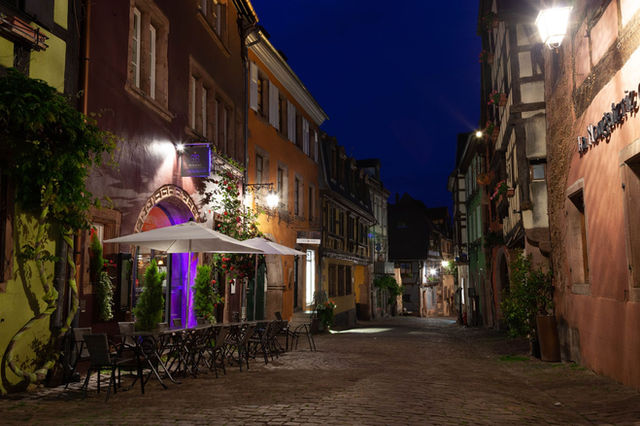
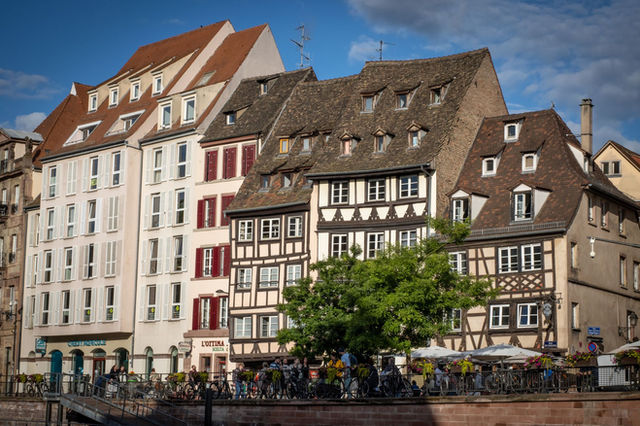
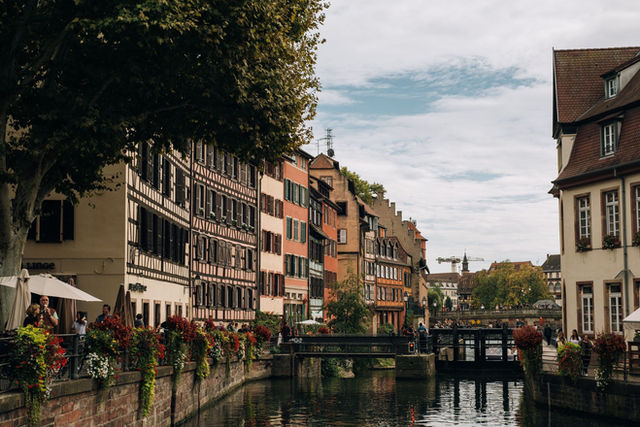
Alsace in photos
Where you'll stay in Alsace
Base in Strasbourg if you want a grand, architectural city with exceptional high-speed train connectivity, making it easy to do day trips without a car, though city center parking can be highly complex. Choose Colmar for a highly atmospheric, central base that shortens your driving or cycling times to the most famous winemaking villages and the central mountain valleys. Opt for Sélestat if you prefer a quieter, less crowded central hub with immediate access to mountain hiking trails and clifftop fortresses. If your priority is exploring world-class technical museums and the rolling country paths of the far south, Mulhouse provides an excellent base with direct links to neighboring international border regions.
Hotels & rentals around Alsace
Pan, zoom and compare live prices — every stay in one map.
Getting around Alsace
The regional TER train line runs efficiently along the main north-south valley corridor, making it incredibly simple to travel between the primary cities without a vehicle. Extensive networks of well-paved greenways and canal towpaths provide excellent long-distance cycling routes, while regional buses link urban hubs to select outlying villages. However, exploring the deep mountain valleys and the most remote castle ruins effectively requires a vehicle.
Traveling from Strasbourg south to Sélestat and Colmar is straightforward via the direct regional rail line, taking ~approx 20 to 30 minutes between stations. Moving from Colmar further south to Mulhouse connects smoothly via the same main rail axis or the regional highway in ~approx 30 minutes. Reaching the remote mountain villages and high-altitude hiking paths from any of the rail anchors is best managed by car or seasonal shuttle buses, winding through the foothills with travel times of ~approx 20–40 minutes.
Insider tips
- Validate your train ticket at the yellow machines on the station platform before boarding the regional TER trains to avoid heavy on-board fines.
- Pre-book entry slots for popular enclosed sights like the Haut-Koenigsbourg fortress well in advance during the peak summer and winter market months.
- Arrive at popular fairytale villages before ~approx 9:30 AM during December, as the immense winter market crowds mean perimeter parking options disappear instantly.
- Be aware that many rural winemaking cellars and village restaurants close completely on Mondays and Tuesdays, requiring careful meal planning when exploring the countryside.
- Keep a close eye on the local seasonal calendar; the annual wine festivals can completely close off through-traffic in key valley towns.
While you're there
-
 3 OCT Cultural & Traditions See the event →
Explore the area
Local attractions & tours
Skip-the-line tickets and small-group tours in Alsace — compare across our partners.
We're still curating hand-picked tickets and tours for Alsace. In the meantime, the map above and the nearby cities are a great place to start.
Trips in Alsace
Day-by-day itineraries that take in Alsace — routes, timings and what to book.
-
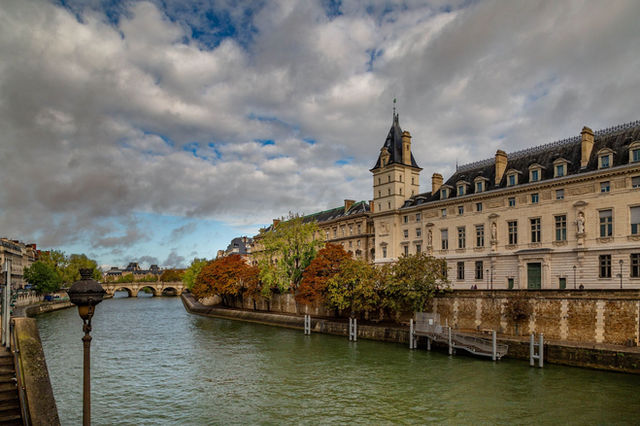 3 Nights
 4 Days in Paris
The essential Paris — landmarks, museums and Montmartre — at an unhurried family pace.
Price on enquiry
View trip -
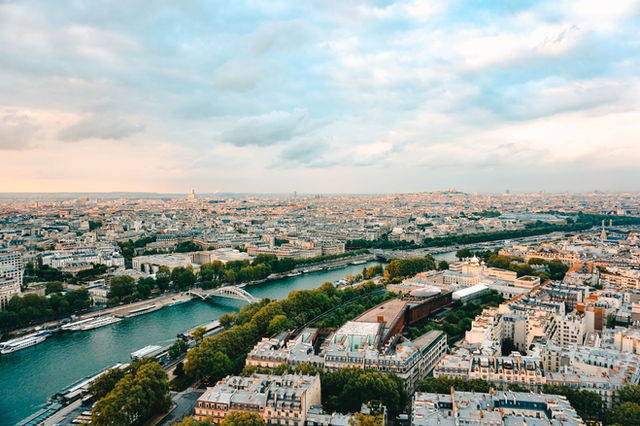 6 Nights
 7 Days in France: Paris, Provence & the Riviera Itinerary (2026)
Three faces of France in a week without a car — three nights in Paris, two in Avignon for the Pont du Gard and the Luberon, then the TGV down to Nice for a Riviera finish with Villefranche, Èze and Monaco within reach.
Price on enquiry
View trip -
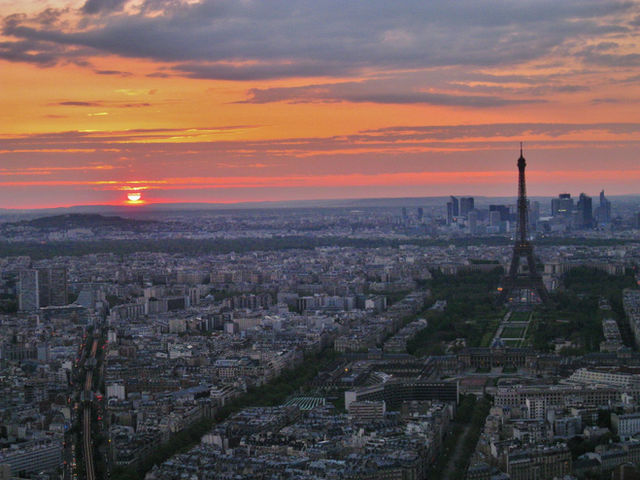 3 Nights
 The Essential Paris Family Stopover: Cobblestones, Catacombs, and Vintage Cars
Discover the timeless magic of the French capital on an active, family-focused 4-day city exploration. From the bustling avenues of the Latin Quarter to the mysterious depths of the Catacombs and an open-top vintage car cruise, this car-free route reveals Paris from entirely unique perspectives.
Price on enquiry
View trip -
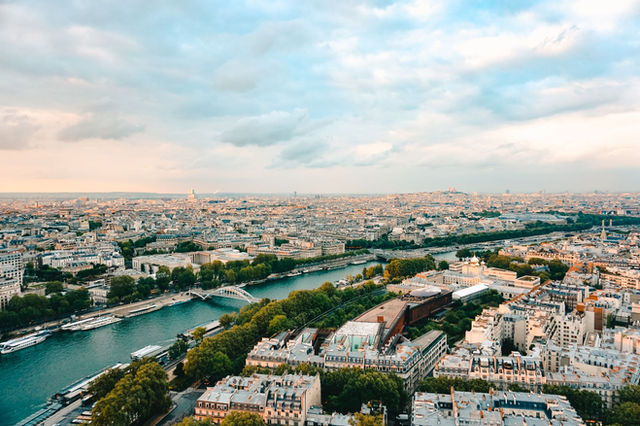 13 Nights
 The High-Speed Grand Tour: A 14-Day Car-Free Journey Across France
Experience a sweeping cultural journey through France entirely by rail, connecting the iconic avenues of Paris to the sun-drenched coast of the Riviera. This masterfully timed itinerary links world-class wine regions, historic river valleys, and Roman heritage without the need for a rental car.
Price on enquiry
View trip
When to visit Alsace
May, June, September, October, December
Spring
What to expect — Storks return to nest on historic village roofs, and fields burst into early green growth while mountain snows melt away. The weather is highly variable, blending crisp morning breezes with warm, sunny afternoons, and the crowds remain small and manageable before the summer surge.
What's best — Exploring popular village streets and historic castles comfortably without the mid-summer congestion.
Summer
What to expect — The landscape reaches its peak agricultural vibrancy, with lush vine canopies under long, warm sunny days and flower boxes overflowing on every timbered bridge. Popular wine towns see a large influx of global travelers, making advanced reservations for dining essential, while outdoor café terraces operate at maximum capacity.
What's best — Enjoying long daylight hours for vineyard hiking, outdoor wine festivals, and warm evening terrace dining.
Autumn
What to expect — The hillsides transform into a sea of gold and amber as the highly anticipated annual grape harvest begins. The atmosphere is charged with energetic local activity around the presses, though morning mists become more common and temperatures drop noticeably later in the season.
What's best — Experiencing the electric energy of the grape harvest and witnessing the stunning golden vineyard foliage.
Winter
What to expect — The region experiences a major festive surge late in the year as world-famous holiday markets take over the historic centers, bringing cold but crisp air and heavy crowds. Following the turn of the year, a deep quiet settles over the countryside, with snow covering the peaks and many rural tasting rooms closing down.
What's best — Soaking up the magical, light-filled atmosphere of the winter markets before enjoying a cozy evening of hearty comfort foods.
Know before you go
Getting around
The Route des Vins links Colmar, Riquewihr, Eguisheim and the wine villages — lovely by car or bike, but thin on public transport between the villages.
Strasbourg and Colmar sit on the main rail line and make easy car-free bases, with day tours out to the vineyards.
Crowds & timing
The Christmas markets (late November to December) are magical but packed and pricey; the wine villages are busiest in summer and at harvest.
May–June and September bring flowers or grapes with thinner crowds.
Local rules & etiquette
This is bilingual borderland — French with an Alsatian and German flavour — but a 'Bonjour' still opens every door.
Winstubs (wine taverns) keep French meal hours, so don't expect a hot dinner much before 7.
Money & booking
Cards are widely accepted; markets and small cellars may prefer cash.
Book accommodation early for December and for summer weekends — the picture-book villages have limited rooms.
Getting there
Strasbourg Airport (SXB — Strasbourg) serves as the primary regional gateway, while EuroAirport Basel-Mulhouse-Freiburg (BSL — Mulhouse) provides an exceptionally useful southern entry point shared across international borders. Gare de Strasbourg anchors the high-speed rail network, linking the region directly to Paris in ~approx 2 hours.
Ready to book your trip?
Flights, airport transfers and car hire — search and compare without leaving the page.
More trip extras
Parking, holiday extras, and more — coming soon.
We're lining up parking, holiday extras and activities you'll be able to add to any trip from here.