Auvergne-Rhône-Alpes
- Region
- January, February, June, July, August, September
- ~approx 10–14 days
- Volcanic Peaks
- Culinary Capitals
- Alpine Lakes
- Glacial Massifs
Crisply chilled alpine air meets the warmth of a rustic mountain chalet as the sun illuminates the jagged, snow-draped ridges of the Mont Blanc massif.
A colossal region of eastern and central France where the dramatic, dormant volcanic domes of the west give way to dynamic river metropolises and the highest alpine peaks in Europe.
- Type
- region
- Ideal length
- ~approx 10–14 days
- Day-trip radius
- ~approx 60–90 min
- Sub-zones
- 4 areas
- Best season / months
- January, February, June, July, August, September
- Any traveller
- Alpine hiking
- Skiing
- Gastronomy
- Outdoor adventure
About Auvergne-Rhône-Alpes
Auvergne-Rhône-Alpes is a vast, geographically diverse territory spanning from the ancient, eroded volcanic cones of the Massif Central to the jagged, glacial valleys of the high Alps. It is anchored structurally by the broad Rhône River valley, which cuts north-south through the center, serving as a historic conduit of trade and culture. The region is bound together by its dramatic outdoor landscapes, world-renowned culinary heritage, and an architectural journey that spans from ancient Roman theaters to high-altitude mountain hamlets.
Why go
It offers Europe’s ultimate year-round adventure playground, matching premier alpine skiing and high-altitude summer hiking with world-class gastronomy and dramatic volcanic parklands.
Don't miss
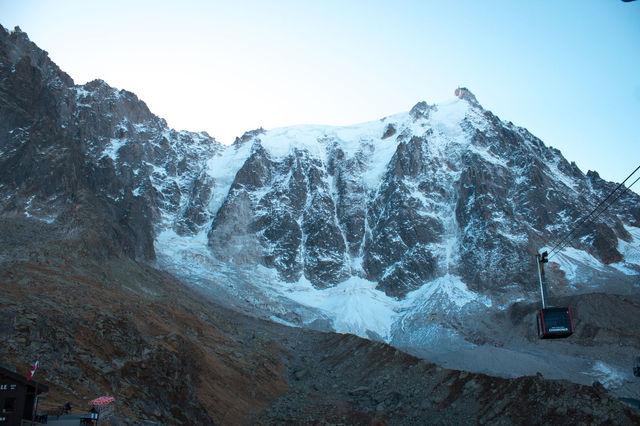
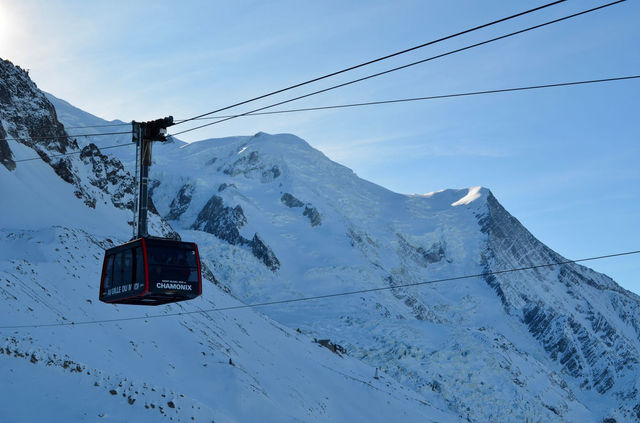
- Aiguille du Midi — Ascending by cable car to alpine ice fields
- Vieux Lyon — Wandering Renaissance courtyards and hidden passageways
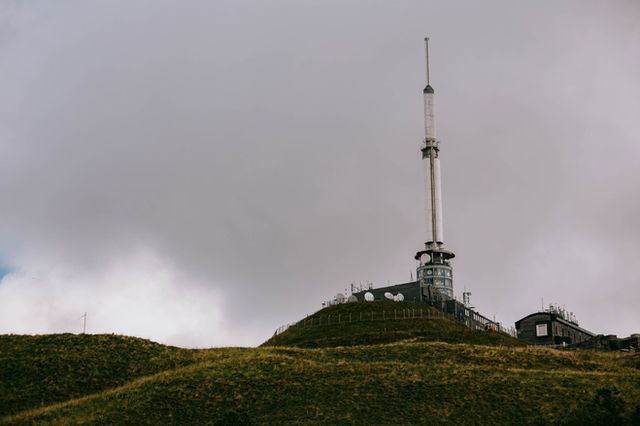
- Puy de Dôme — Panoramic views over a chain of dormant craters
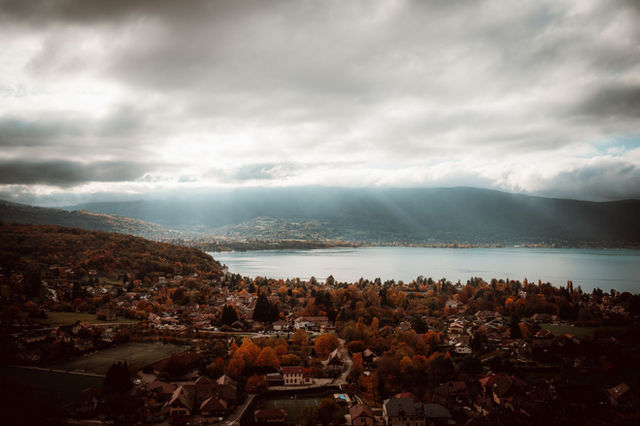
- Lake Annecy — Boating across crystalline water framed by mountain peaks
- Palais Idéal du Facteur Cheval — Marveling at an extraordinary, hand-built stone palace
Signature experiences
Summoning adventure on high-altitude cable cars — Ascending into the high alpine realm via engineering marvels provides a safe but thrilling confrontation with the eternal snows. You can glide over deep glacial crevasses and sheer granite walls, stepping out onto panoramic viewing platforms that hang directly over dizzying drops to witness mountaineers tackling the roof of Europe.
Navigating the urban traboules — Exploring the historic quarters of the central river metropolis reveals a secret architectural network used for centuries by silk weavers and resistance fighters. Slipping through unmarked doorways leads you into hidden Renaissance courtyards, spiral stone staircases, and covered passageways that cut directly through apartment buildings to connect parallel streets.
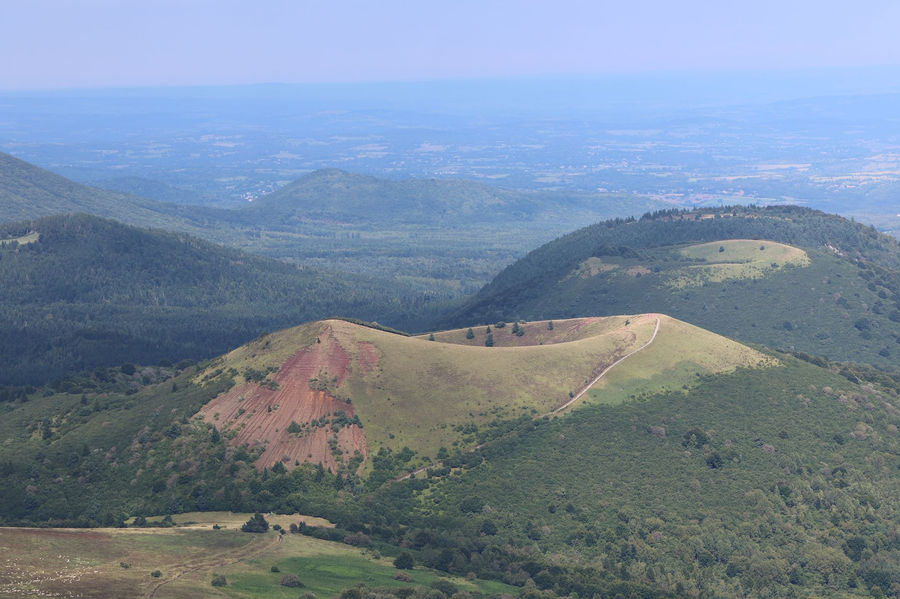
Hiking the sleeping craters — Walking along the grassy ridges of the western volcanic chain offers an encounter with an ancient, primeval landscape. Well-maintained trails lead up and over the rim of perfectly symmetrical, dormant volcanic cones, providing panoramic views across a green sea of craters that stretch toward the horizon.
Embarking on the alpine cheese trail — Journeying through the high summer pastures reveals the deep connection between the mountain terrain and local culinary traditions. You can follow winding roads to traditional alpine chalets where copper vats are used to transform raw milk from mountain cattle into massive, fragrant wheels of cheese that define the region's hearty winter cuisine.
Where to base yourself
The sub-zones of Auvergne-Rhône-Alpes — where each cluster sits and who it suits.
-
Clermont-Ferrand
Situated in the rugged western reaches of the region, this historic city is uniquely constructed from dark, volcanic stone and stands as the gateway to the Chaîne des Puys. The surrounding sub-zone is a sprawling expanse of emerald, dormant volcanic craters, deep lakes, and traditional spa towns like Vichy nestled in the valley folds.
-
Lyon
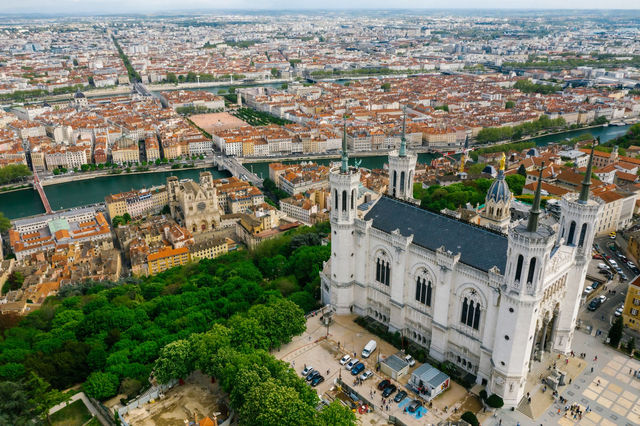
Positioned at the geographic center of the region where the Saône and Rhône rivers meet, this vibrant metropolis is a global beacon of food and history. Its heart is packed with steep Roman ruins, Renaissance alleyways, and grand 19th-century boulevards that extend north toward the rolling vineyard hills of Beaujolais.
-
Annecy
Located in the prealpine foothills to the east, this alpine lakeside town is famously threaded with picturesque canals and flower-lined stone bridges. The sub-zone is defined by a massive, crystal-clear body of water framed tightly by dramatic limestone cliffs, offering a transition from gentle lakeside life to rugged mountain sports.
-
Chamonix
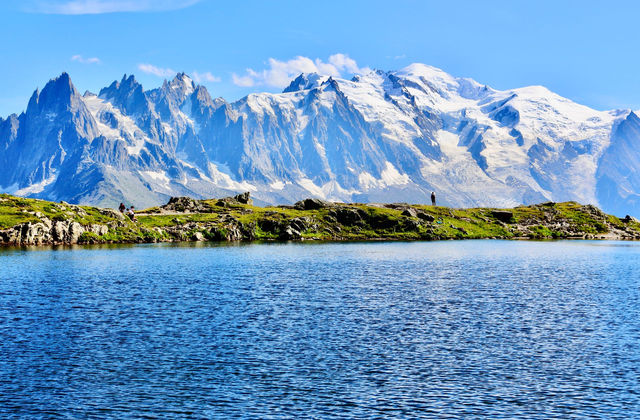
Tucked into a deep, glacial valley at the far eastern edge of the region beneath the towering shadow of Mont Blanc, this historic alpine outpost is the cradle of mountaineering. The sub-zone is characterized by sheer granite needles, massive crawling glaciers, and extreme high-altitude terrain that borders both Switzerland and Italy.
Food & drink
The gastronomy of Auvergne-Rhône-Alpes is arguably the most celebrated in France, uniquely bridging the hearty, rustic comfort foods of the mountains and volcanic farms with the refined culinary arts of the central river plains. The western volcanic zones rely on rich cheeses, cured meats, and volcanic soils that nurture unique lentil varieties, while the central valleys feature world-famous bistros serving complex offal dishes and poultry. The region’s diverse terroirs also produce exceptional wines, from the light, fruit-forward reds of the northern hills to crisp alpine whites perfect for pairing with molten cheese specialties.
- Truffade — A comforting dish of thinly sliced potatoes slow-cooked with garlic and melted fresh Tomme cheese.
- Quenelle de Brochet — A delicate, fluffy dumpling of creamed pike fish baked in a rich, savory crayfish sauce.
- Fondue Savoyarde — A communal pot of melted local alpine cheeses infused with garlic and white wine, meant for dipping crusty bread.
- Beaujolais — A light, vibrant red wine produced from Gamay grapes in the rolling hills north of the central metropolis.
- Côtes du Rhône — A robust, peppery red wine blend tracking the sun-drenched vineyards along the main southern river axis.
- Saucisson de Lyon — A high-quality, traditional cured pork sausage often studded with pistachios or truffles.
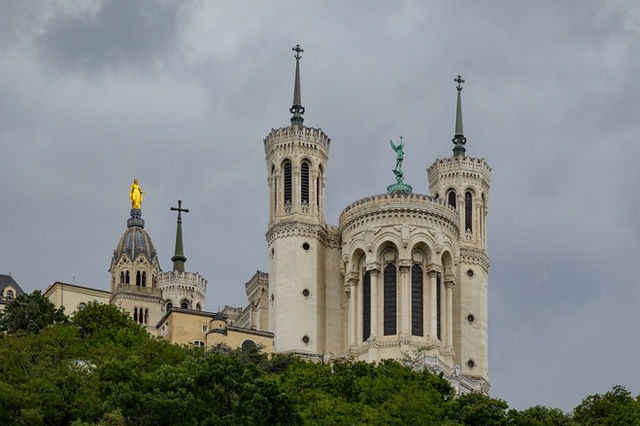
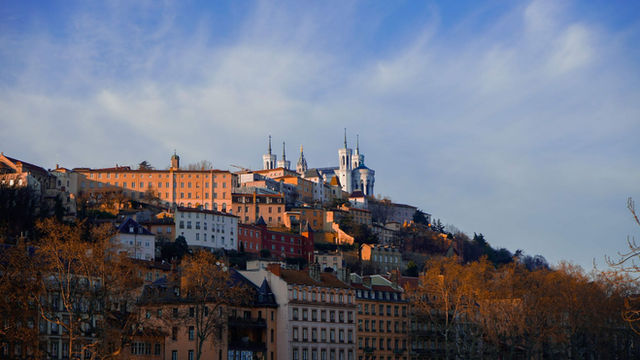
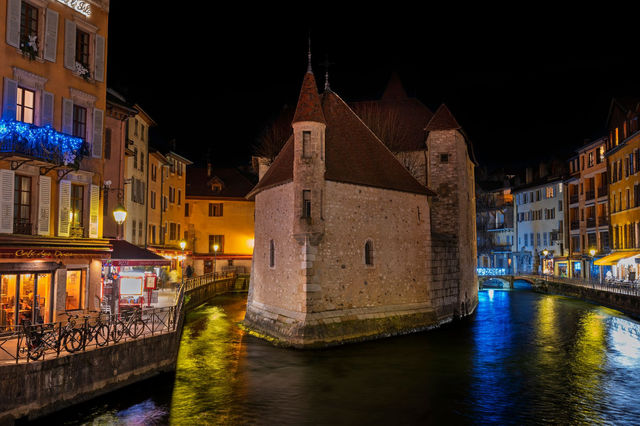
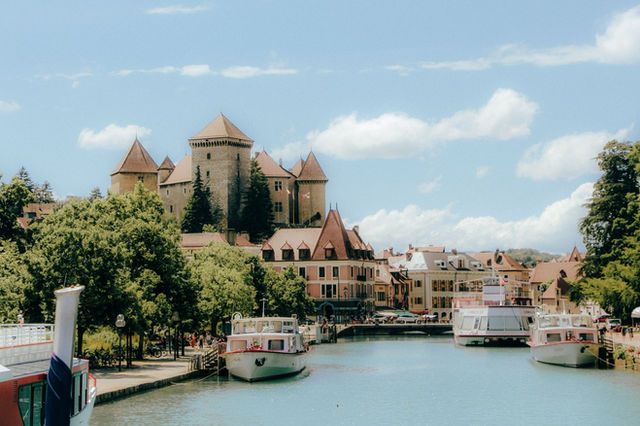
Auvergne-Rhône-Alpes in photos
Where you'll stay in Auvergne-Rhône-Alpes
Base in Lyon for an exceptional urban hub with unmatched rail connectivity, allowing you to venture out to lakeside towns or vineyards without a vehicle, though city parking can be highly complex. Choose Annecy for a stunning, alpine lakeside setting that bridges the gap between urban amenities and high-mountain drives, keeping in mind that it gets highly congested in summer. For a holiday entirely dedicated to high-altitude winter skiing or dramatic summer mountaineering, Chamonix provides the ultimate base, though its position in the far eastern valley increases travel times to western sights. Opt for Clermont-Ferrand if your priority is exploring quiet volcanic parks, ancient hiking trails, and uncrowded countryside roads far from the main tourist flows.
Hotels & rentals around Auvergne-Rhône-Alpes
Pan, zoom and compare live prices — every stay in one map.
Getting around Auvergne-Rhône-Alpes
An exceptionally robust regional train network (TER) seamlessly links major urban hubs and alpine gateways like Lyon, Annecy, and Grenoble. Efficient mountain bus lines run routes from rail stations to major ski resorts, while extensive cable cars and funiculars provide crucial vertical transit in the mountains. Well-marked long-distance cycling routes, like the ViaRhôna, track the main river corridors for active travelers.
Traveling between Clermont-Ferrand and Lyon is easiest by car or regional train across the Massif Central foothills in ~approx 2 hours. Moving eastward from Lyon to Annecy is smoothly managed via direct TER trains or regional highways in ~approx 90 minutes. Reaching Chamonix from Annecy is best done by car or dedicated alpine bus loops, winding through spectacular mountain valleys in ~approx 70 minutes, as direct rail transit requires slower, multi-leg mountain lines.
Insider tips
- Check mountain pass road closures carefully when driving in late autumn or early spring, as high-altitude routes can remain blocked by snow for months.
- Pre-book your time slots for major high-altitude cable cars like the Aiguille du Midi weeks in advance during summer and winter peaks to avoid multi-hour lines.
- Avoid driving cars into the historic center of Lyon; utilize the efficient perimeter park-and-ride metro stations to save significant time and stress.
- Be aware that mountain weather can change dramatically in minutes; always pack warm, windproof layers even when starting a summer hike under clear skies.
- Keep a close eye on the local schedule for cattle migrations if visiting in early autumn, as herds can completely block rural mountain roads.
While you're there
-
 3 OCT Cultural & Traditions See the event →
Explore the area
Local attractions & tours
Skip-the-line tickets and small-group tours in Auvergne-Rhône-Alpes — compare across our partners.
We're still curating hand-picked tickets and tours for Auvergne-Rhône-Alpes. In the meantime, the map above and the nearby cities are a great place to start.
Trips in Auvergne-Rhône-Alpes
Day-by-day itineraries that take in Auvergne-Rhône-Alpes — routes, timings and what to book.
-
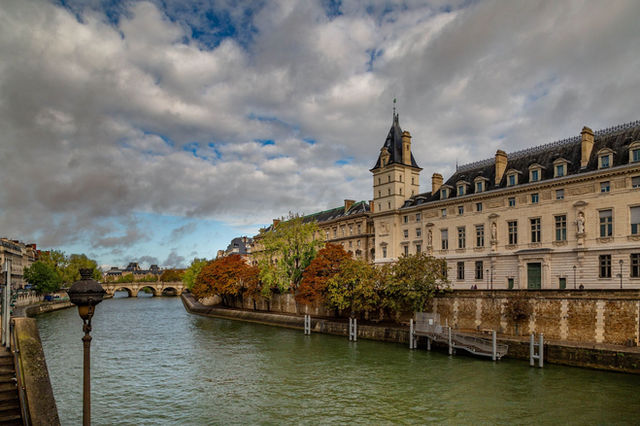 3 Nights
 4 Days in Paris
The essential Paris — landmarks, museums and Montmartre — at an unhurried family pace.
Price on enquiry
View trip -
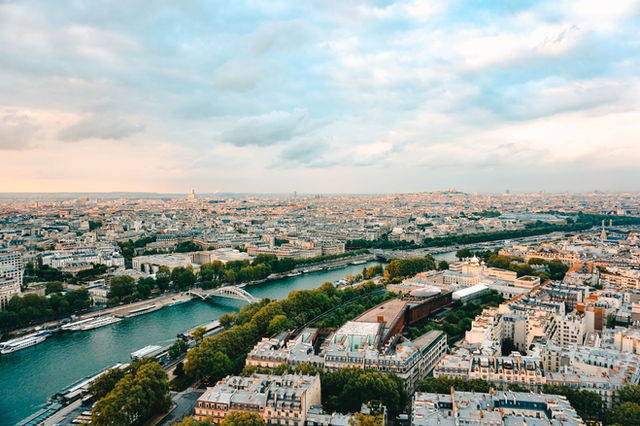 6 Nights
 7 Days in France: Paris, Provence & the Riviera Itinerary (2026)
Three faces of France in a week without a car — three nights in Paris, two in Avignon for the Pont du Gard and the Luberon, then the TGV down to Nice for a Riviera finish with Villefranche, Èze and Monaco within reach.
Price on enquiry
View trip -
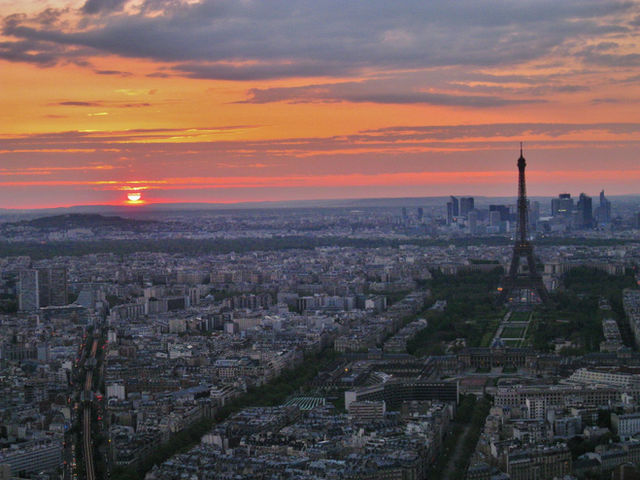 3 Nights
 The Essential Paris Family Stopover: Cobblestones, Catacombs, and Vintage Cars
Discover the timeless magic of the French capital on an active, family-focused 4-day city exploration. From the bustling avenues of the Latin Quarter to the mysterious depths of the Catacombs and an open-top vintage car cruise, this car-free route reveals Paris from entirely unique perspectives.
Price on enquiry
View trip -
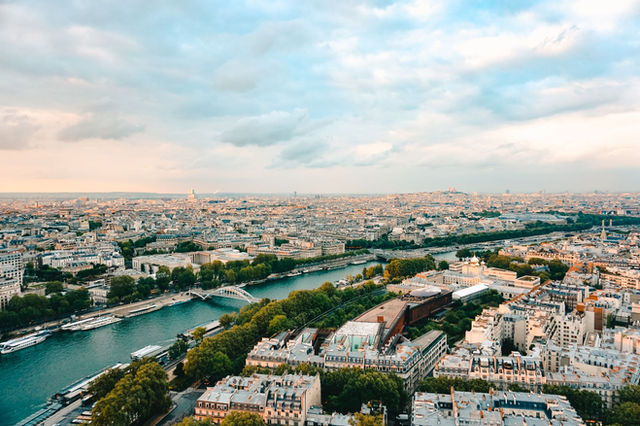 13 Nights
 The High-Speed Grand Tour: A 14-Day Car-Free Journey Across France
Experience a sweeping cultural journey through France entirely by rail, connecting the iconic avenues of Paris to the sun-drenched coast of the Riviera. This masterfully timed itinerary links world-class wine regions, historic river valleys, and Roman heritage without the need for a rental car.
Price on enquiry
View trip
When to visit Auvergne-Rhône-Alpes
January, February, June, July, August, September
Spring
What to expect — Snow melt feeds rushing mountain torrents and fills alpine lakes, while wild crocuses carpet the high pastures and city terraces come alive. The weather is highly variable, bringing a mix of crisp alpine breezes, sudden showers, and beautifully clear sunny days, while ski resorts transition to summer hiking schedules.
What's best — Catching the dramatic contrast of green valley floors against brilliant snow-capped peaks with minimal tourist crowds.
Summer
What to expect — High mountain passes clear completely, opening up the entire alpine and volcanic trail network for hikers and mountaineers. The weather is generally warm and sunny, prompting swimming in alpine lakes, though popular lakeside towns and high-altitude cable cars see peak global crowds and require advanced planning.
What's best — Accessing the highest alpine trails, enjoying water sports on crystal-clear lakes, and experiencing vibrant outdoor alpine festivals.
Autumn
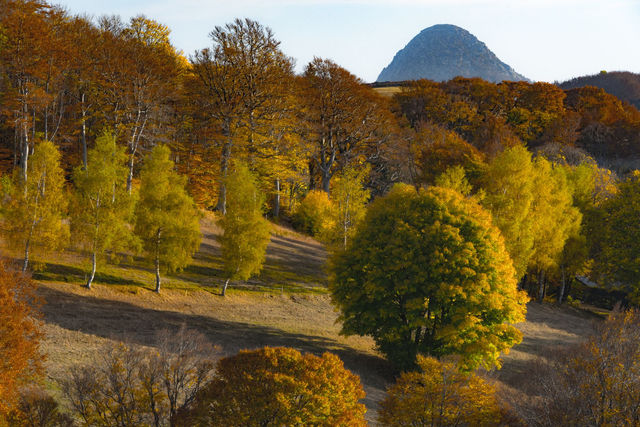
What to expect — Vineyard slopes turn brilliant shades of gold and amber as the grape harvest begins, while a peaceful quiet returns to the mountain lakes. Temperatures drop steadily, introducing crisp morning mists into the valleys and the first light dustings of snow on the high peaks.
What's best — Photographing the stunning autumnal foliage across the valleys and tasting fresh forest mushrooms, chestnuts, and game.
Winter
What to expect — The region transforms into a world-famous winter sports wonderland, with heavy snow blankets covering the peaks and ski resorts operating at full capacity. Mountain valleys hum with festive energy and aprés-ski culture, while the central cities host vibrant winter markets and cozy fireside bistros.
What's best — World-class skiing, snowboarding, and snowshoeing, followed by indulgent evenings of molten mountain cheese dishes next to roaring fires.
Know before you go
Getting around
A car suits the Auvergne volcanoes and the Alpine valleys, though winter mountain roads need care and sometimes snow chains.
Lyon, Grenoble, Annecy and Chamonix are on the rail network, and resort buses and gondolas cover the ski areas without a car.
Crowds & timing
There are two peaks: the winter ski season (roughly December to April) and July–August for hiking, lakes and Lyon's summer culture. The shoulder months are quiet, and some resorts partly close.
Book well ahead for the school-holiday ski weeks.
Local rules & etiquette
In the mountains, check the weather and trail conditions and respect closures — conditions change fast at altitude.
Lyon is a serious food city; its bouchons keep strict lunch and dinner hours, so reserve and turn up on time.
Money & booking
Cards work throughout; carry cash for mountain refuges and small markets.
Lyon and Grenoble have low-emission zones that require a Crit'Air windscreen sticker to drive in, so order one before you go. Book ski passes and popular Lyon bouchons ahead.
Getting there
Lyon-Saint Exupéry Airport (LYS — Lyon) is the primary international gateway, offering excellent rail and highway access across the central plains. Geneva Airport (GVA — Geneva), though just across the Swiss border, serves as a major practical entry point for accessing the eastern alpine valleys. Gare de Lyon-Part-Dieu functions as the principal high-speed rail hub, connecting the region to Paris in ~approx 2 hours.
Ready to book your trip?
Flights, airport transfers and car hire — search and compare without leaving the page.
More trip extras
Parking, holiday extras, and more — coming soon.
We're lining up parking, holiday extras and activities you'll be able to add to any trip from here.