Brittany
France's wild Celtic corner — rugged pink-granite coast, walled ports, standing stones and buckwheat crêpes with cider.
- Region
- June, July, August, September
- ~approx 7–10 days
- Windswept Capes
- Celtic Heritage
- Granite Citadels
- Oyster Estuaries
The crash of the Atlantic tide echoes against pink granite cliffs as the scent of woodsmoke and sweet buckwheat crepes drifts through a cobblestone harbor town.
A rugged, ocean-bound peninsula in northwestern France where dramatic rocky cliffs and pristine estuaries frame ancient stone towns deeply rooted in Celtic lore.
- Type
- region
- Ideal length
- ~approx 7–10 days
- Day-trip radius
- ~approx 45–60 min
- Sub-zones
- 4 areas
- Best season / months
- June, July, August, September
- Any traveller
- Coastal landscapes
- Maritime heritage
- Seafood
- Walking
About Brittany
Spanning the massive northwest peninsula of France, Brittany—known locally as Bretagne—is a land defined entirely by its relationship with the sea. The region's geography is characterized by its jagged coastline, which shifts dynamically from the extreme tidal bays and emerald coves of the north to the raw, weather-beaten Atlantic cliffs of the far west and the sheltered, island-studded gulfs of the south. Inland, the territory moves into a mysterious interior of ancient oak woodlands, rolling heaths, and dark granite ridges. It hangs together through a deeply distinct cultural heritage, preserved Breton language traditions, and an architectural footprint built almost entirely from enduring local stone.
Why go
It offers a raw, maritime escape unlike anywhere else in France, seamlessly combining wild coastal hiking paths and ancient megalithic stone circles with fortified corsair citadels and a legendary seafood-driven culinary heritage.
Don't miss
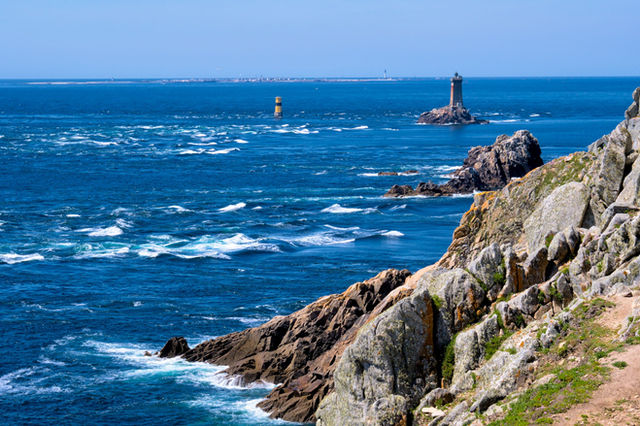
- Pointe du Raz — Standing on Europe's windswept western edge
- Alignements de Carnac — Wandering vast lines of prehistoric monoliths
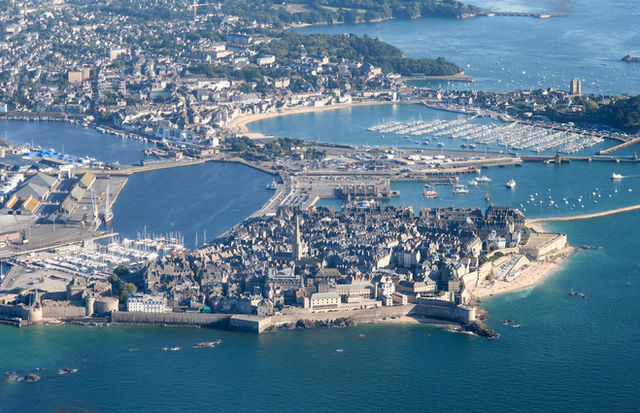
- Intra-Muros of Saint-Malo — Walking massive granite walls above the sea
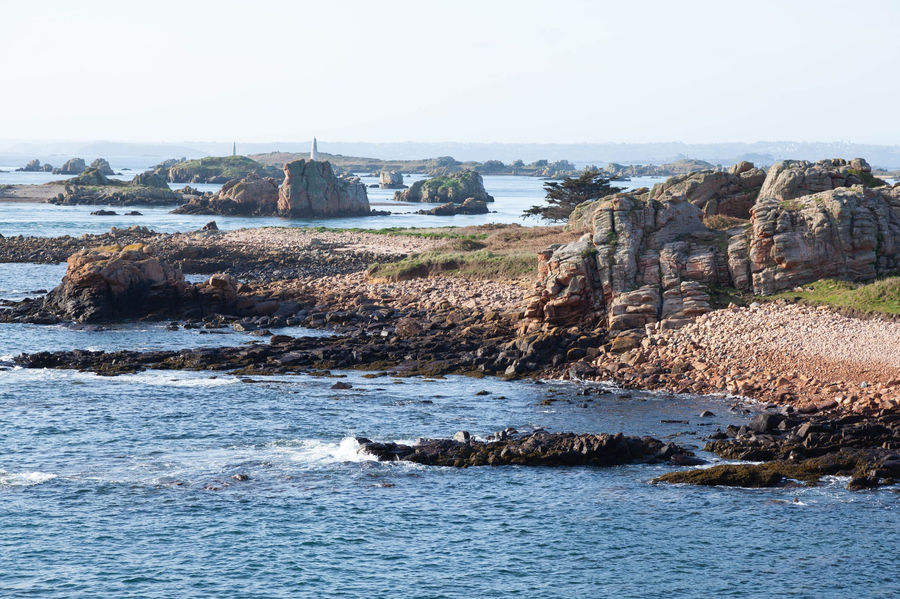
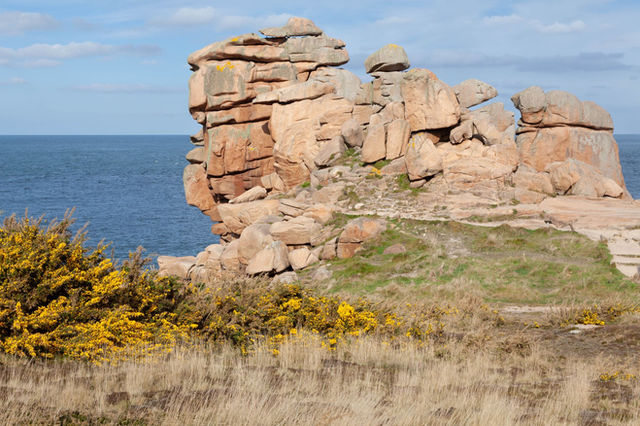
- Côte de Granit Rose — Marveling at unusual blush-colored rock formations
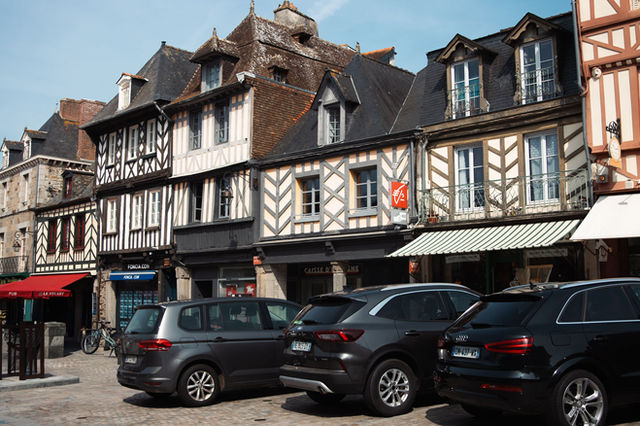
- Concarneau Walled Town — Exploring a historic fortified island harbor
Signature experiences
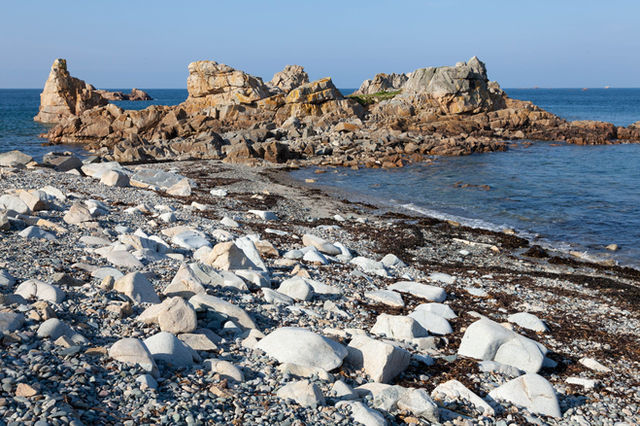
Hiking the customs footpaths — Walking the legendary trail that traces the entire perimeter of the peninsula provides a raw encounter with the maritime landscape. Originally carved out by customs officers to spot smugglers, the path leads you along the edge of sheer granite cliffs, through fields of bright yellow gorse, and down into isolated sandy coves where you can watch the powerful Atlantic swells crash against the rocks.
Sailing the island-dotted gulfs — Boarding a traditional wooden sailboat or passenger ferry to navigate the sheltered bays reveals a peaceful, maritime lifestyle. The calm inner waters are peppered with dozens of small, green islands, allowing you to slip past quiet oyster farms, spot migrating seabirds, and disembark on car-free land masses perfect for slow exploration on foot.
Decoding prehistoric monoliths — Wandering through the misty morning fields of the south brings you face-to-face with monuments that predate historical records. Walking alongside endless rows of massive, moss-covered standing stones and stone burial chambers erected thousands of years ago allows you to experience the deep, mysterious ancient history embedded into the landscape.
Feasting at the harbor markets — Immersing yourself in the lively atmosphere of a morning port market is essential for understanding local life. Stalls under the open air are piled high with freshly harvested oysters, briny mussels, and crabs straight from the boats, alongside tables of rich, buttery pastries, offering a true taste of ocean-driven abundance.
Where to base yourself
The sub-zones of Brittany — where each cluster sits and who it suits.
-
Saint-Malo
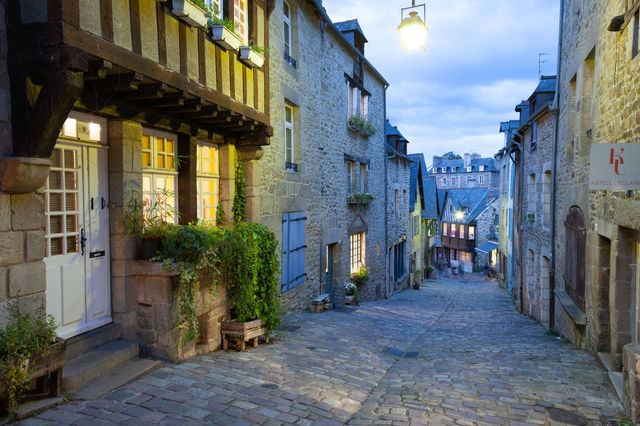
Positioned on the northeast coast, this formidable granite stronghold stands entirely enclosed by massive ramparts that face the extreme tidal shifts of the English Channel. The surrounding area features deep river estuaries and hidden emerald coves, extending inland toward the historic riverside town of Dinan.
-
Perros-Guirec
Situated along the central northern coast, this area is defined by its spectacular, weather-beaten blush stone formations that glow brilliantly at sunset. The sub-zone includes quiet fishing harbors, coastal pine paths, and the offshore bird sanctuaries of the Seven Islands archipelago.
-
Quimper
Tucked into the far rugged west, this cultural hub serves as the ancient capital of the Finistère district, a name translating literally to the end of the earth. The area features deep river inlets, windswept Atlantic capes, and a landscape steeped in Breton language traditions and hand-painted pottery crafts.
-
Vannes
Located on the protected southern coast, this walled medieval city features an exceptionally preserved core opening onto a vast, island-studded inland sea. The sub-zone enjoys a milder microclimate, sprawling pine woodlands, and the greatest concentration of prehistoric stone alignments in Europe.
Food & drink
The food identity of Brittany rejects typical French wine culture to celebrate the bounty of its vast ocean borders and pastoral farmlands. Freshly caught seafood, particularly oysters from deep estuaries and lobsters from the rocky capes, dominates the coastal menus, while inland areas focus on comforting, butter-rich dishes. Instead of wine, meals are universally paired with crisp, naturally fermented apple ciders served in traditional ceramic bowls, while local bakeries turn out decadent pastries using heavily salted regional butter.
- Galette de Sarrasin — A savory, thin buckwheat crepe traditionally folded around melted cheese, egg, and ham.
- Cidre de Bretagne — A crisp, effervescent apple cider with varying levels of sweetness, served in ceramic bowls.
- Huîtres de Cancale — World-renowned, briny oysters harvested directly from the nutrient-rich tidal beds of the northern coast.
- Kouign-Amann — A dense, multi-layered cake made with laminated dough, caramelized sugar, and an abundance of salted butter.
- Cotriade — A traditional, hearty maritime fish stew cooked with local catches, potatoes, onions, and garlic.
- Chouchen — A historic, sweet Breton mead fermented from wild honey and apple juice.
Brittany in photos
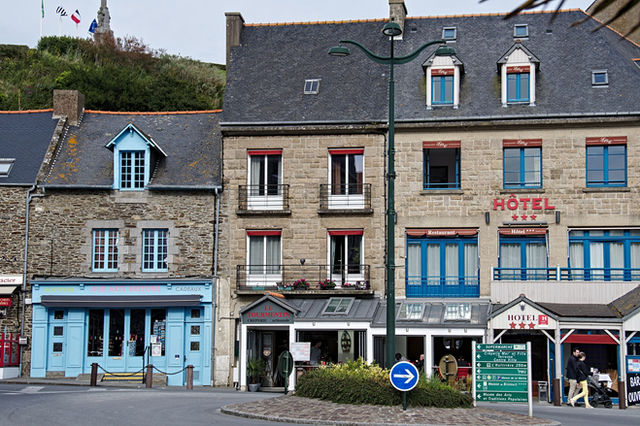
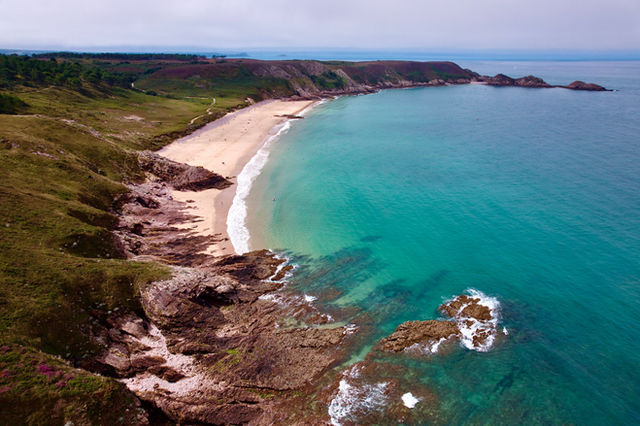
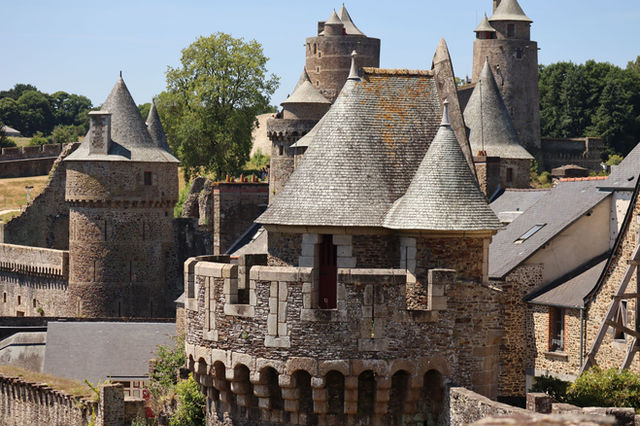
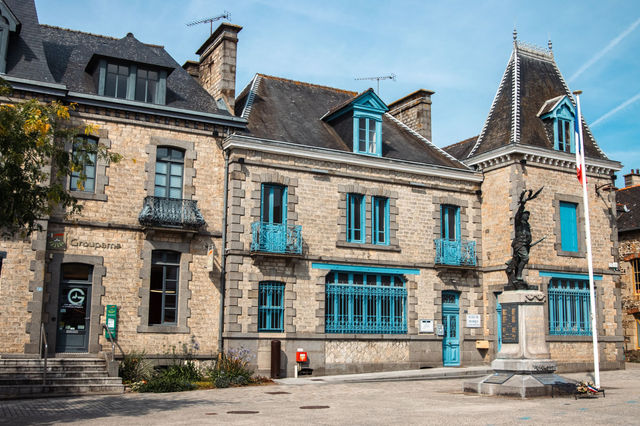
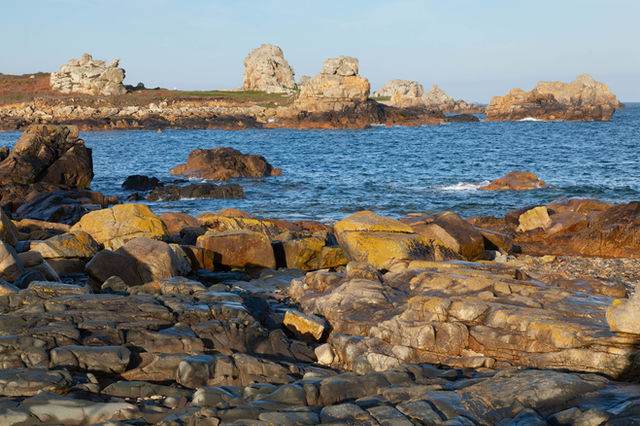
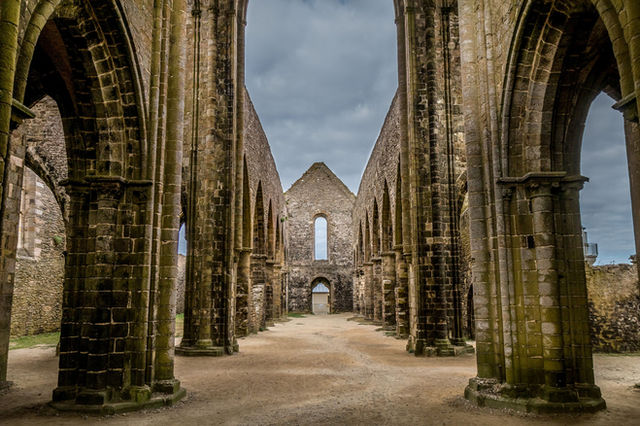
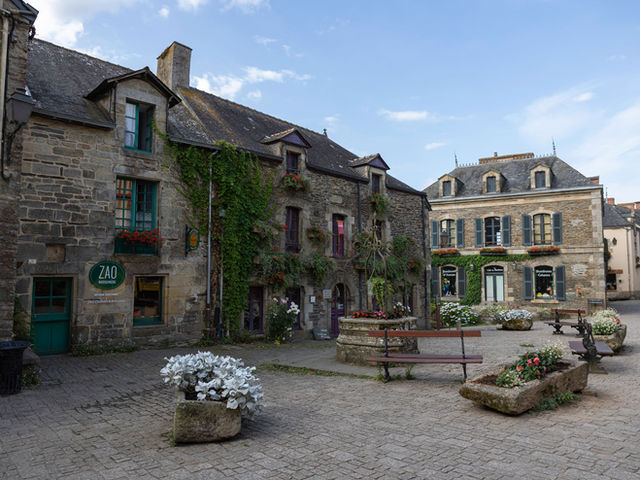
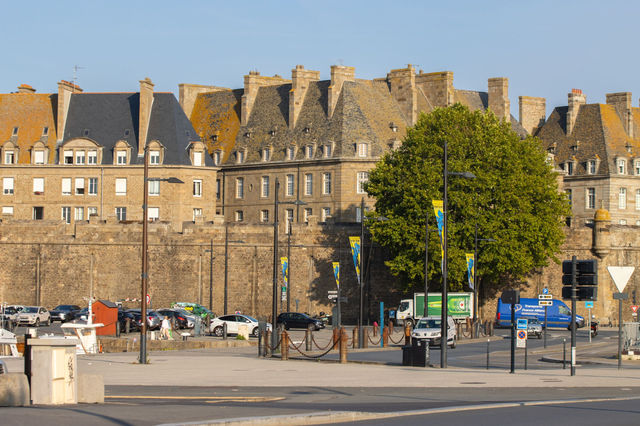
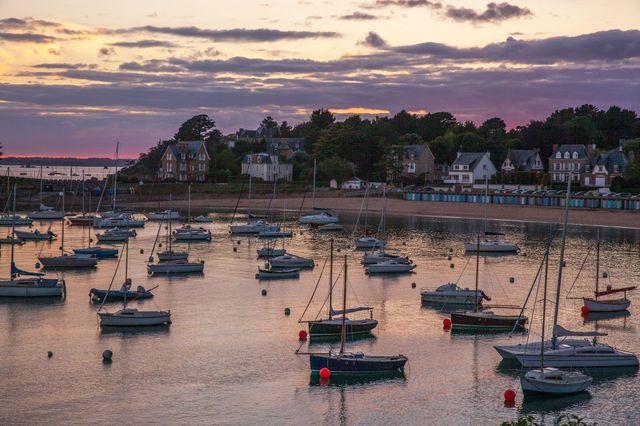
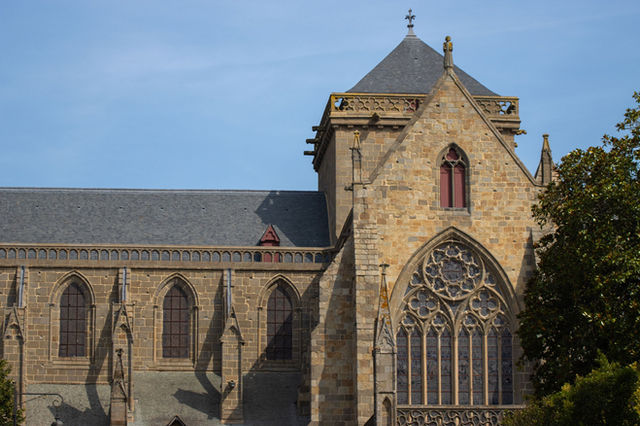
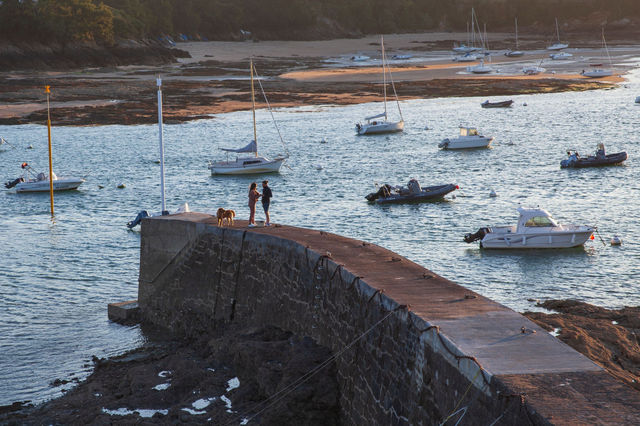
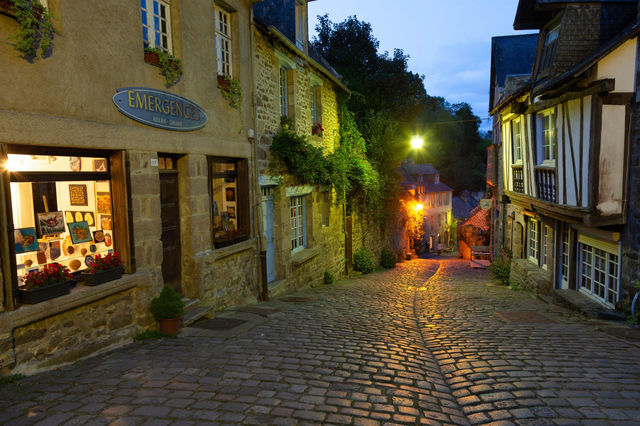
Where you'll stay in Brittany
Because the peninsula is so spread out, a split base between the north and south coasts is highly recommended. Base in Saint-Malo for an immersive coastal experience with strong rail connections and immediate access to northern fortresses, noting that old town traffic can be highly congested. Choose Vannes if your priority is exploring the prehistoric standing stones, calm inland gulfs, and milder southern beaches, though it sits further away from the dramatic western capes. For exploring the deep Celtic heritage and stormy cliffs of the western edge, Quimper provides an atmospheric, culturally rich town center, while Perros-Guirec offers a quieter, nature-focused retreat along the natural wonders of the northern coastline.
Hotels & rentals around Brittany
Pan, zoom and compare live prices — every stay in one map.
Getting around Brittany
The regional TER rail network runs efficiently across the interior to link major hubs like Rennes, Brest, Quimper, and Vannes. Local bus networks connect larger stations to coastal ports, though their schedules drop significantly in frequency outside of the summer peak. Well-marked long-distance walking trails and cycling routes trace the entire shoreline for active travelers, but a rental car remains effectively mandatory for exploring the remote capes and hidden archaeological sites.
Traveling from Saint-Malo west to Perros-Guirec is best managed by car via the northern coastal routes in ~approx 90 minutes. Moving from the north coast down to the western hub of Quimper requires winding through the interior hills or taking regional rail transfers via major junction stations. The southern stretch from Quimper east to Vannes connects smoothly via both the main southern highway and the regional rail line, taking ~approx 60 minutes from center to center.
Insider tips
- Always pack a high-quality windproof and waterproof outer layer regardless of the season, as the peninsula's maritime climate can bring sudden rain that clears to bright sun within minutes.
- Check the local tide charts daily before setting out on coastal walks, as the region experiences some of Europe's most extreme tidal shifts, which can submerge paths with surprising speed.
- Pre-book your tickets for popular island passenger ferries well in advance during the summer months, as daily limits on vessel capacities mean spaces fill up quickly.
- Avoid bringing large rental vehicles into the core of old walled towns like Saint-Malo; look for designated perimeter parking lots outside the stone ramparts to save time.
While you're there
-
 3 OCT Cultural & Traditions See the event →
Explore the area
Local attractions & tours
Skip-the-line tickets and small-group tours in Brittany — compare across our partners.
We're still curating hand-picked tickets and tours for Brittany. In the meantime, the map above and the nearby cities are a great place to start.
Trips in Brittany
Day-by-day itineraries that take in Brittany — routes, timings and what to book.
-
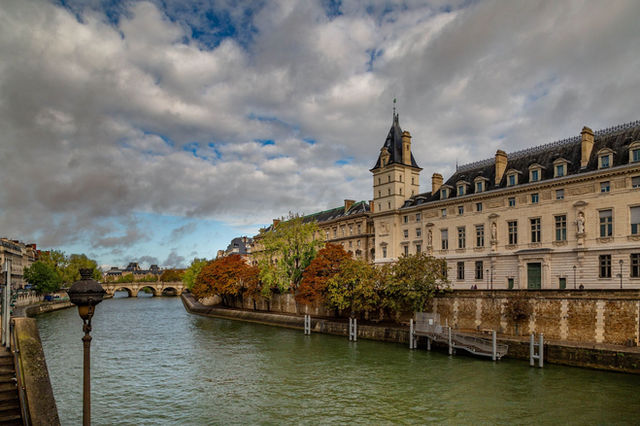 3 Nights
 4 Days in Paris
The essential Paris — landmarks, museums and Montmartre — at an unhurried family pace.
Price on enquiry
View trip -
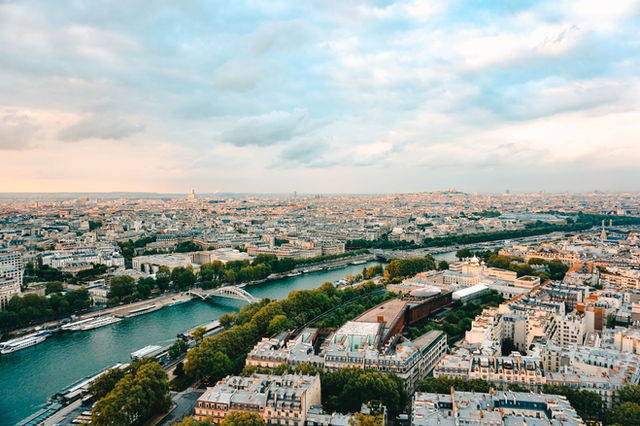 6 Nights
 7 Days in France: Paris, Provence & the Riviera Itinerary (2026)
Three faces of France in a week without a car — three nights in Paris, two in Avignon for the Pont du Gard and the Luberon, then the TGV down to Nice for a Riviera finish with Villefranche, Èze and Monaco within reach.
Price on enquiry
View trip -
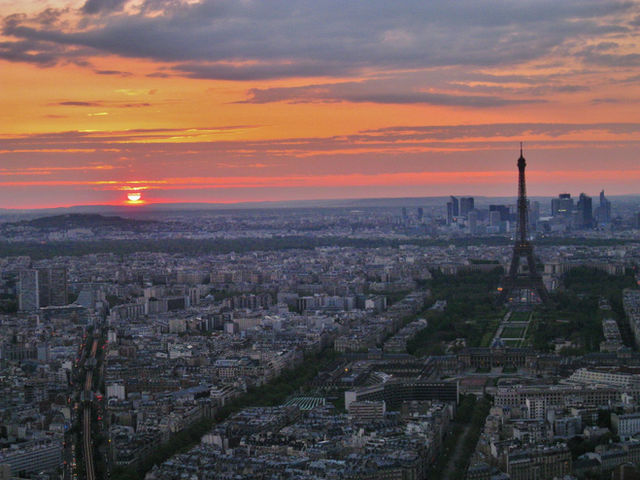 3 Nights
 The Essential Paris Family Stopover: Cobblestones, Catacombs, and Vintage Cars
Discover the timeless magic of the French capital on an active, family-focused 4-day city exploration. From the bustling avenues of the Latin Quarter to the mysterious depths of the Catacombs and an open-top vintage car cruise, this car-free route reveals Paris from entirely unique perspectives.
Price on enquiry
View trip -
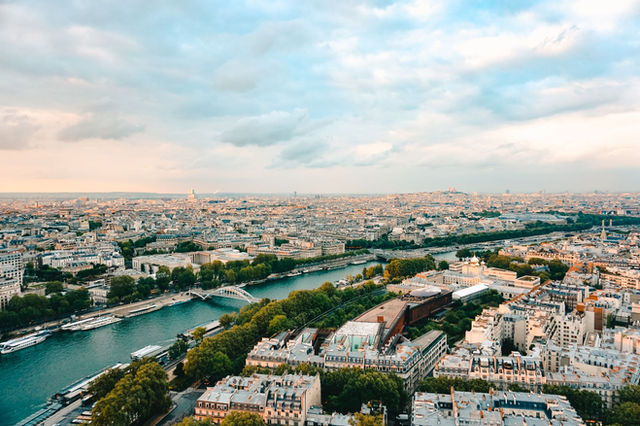 13 Nights
 The High-Speed Grand Tour: A 14-Day Car-Free Journey Across France
Experience a sweeping cultural journey through France entirely by rail, connecting the iconic avenues of Paris to the sun-drenched coast of the Riviera. This masterfully timed itinerary links world-class wine regions, historic river valleys, and Roman heritage without the need for a rental car.
Price on enquiry
View trip
When to visit Brittany
June, July, August, September
Spring
What to expect — Coastal cliffs turn bright yellow with blooming gorse, and maritime bird colonies fill the offshore islands with activity. The weather is famously unpredictable, bringing a mix of crisp morning mists, passing ocean showers, and clear sunny skies, while major historic ports remain free from summer tourist rushes.
What's best — Exploring popular fortress walls and hiking coastal trails comfortably before the mid-summer crowds arrive.
Summer
What to expect — The endless sandy beaches come alive with swimmers, surf schools, and fully operational island ferry routes. The weather is generally mild and pleasant, avoiding the intense heat of the south, which draws global travelers that fill coastal roads and require advanced bookings for popular sites.
What's best — Indulging in long daylight hours for coastal walking, dining outdoors on fresh seafood, and experiencing lively local Celtic festivals.
Autumn
What to expect — Summer crowds drop away quickly, leaving quiet village squares and solitary walking paths along the cliffs. The landscape shifts to amber tones and the ocean winds begin to strengthen, bringing a higher chance of dramatic Atlantic rain showers later in the season.
What's best — Walking along empty, windswept beaches and witnessing the powerful energy of early seasonal ocean storms from safe clifftop viewpoints.
Winter
What to expect — A profound maritime quiet settles over the coast as many seaside shops, surf schools, and rural restaurants close for the season. Biting ocean winds and winter gales bring spectacular, crashing waves to the western capes, while historic granite cities remain fully active with comforting woodsmoke and local food halls.
What's best — Witnessing the raw, untamed power of the Atlantic Ocean and having monumental prehistoric sites entirely to yourself.
Know before you go
Getting around
A car reaches the wild capes, the pink-granite coast and the megaliths at Carnac, which buses barely serve.
Saint-Malo, Rennes, Quimper and Brest are on the rail network and make solid car-free bases for the main towns.
Crowds & timing
July and August are the busy, festival-filled peak, and the warmest the sea gets; the shoulder months are quieter, but the weather is famously changeable year-round, so pack for rain in any season.
Check tide times — they are huge here and reshape the beaches, causeways and coastal walks.
Local rules & etiquette
Brittany is proudly Celtic, with bilingual Breton signage, but a friendly 'Bonjour' still goes a long way.
Crêperies and seafood spots keep French meal hours, so aim for lunch by about 1 and dinner from 7.
Money & booking
Cards work in towns; carry cash for small crêperies, markets and island crossings.
Book island ferries such as Belle-Île and Bréhat, and summer seafood tables, ahead.
Getting there
Nantes Atlantique Airport (NTE — Nantes) serves as the most practical international gateway to the south, while Charles de Gaulle Airport (CDG — Paris) provides comprehensive global connections with direct rail links heading west. Gare de Rennes functions as the central high-speed rail hub, connecting the gateway of the peninsula to central Paris via fast lines.
Ready to book your trip?
Flights, airport transfers and car hire — search and compare without leaving the page.
More trip extras
Parking, holiday extras, and more — coming soon.
We're lining up parking, holiday extras and activities you'll be able to add to any trip from here.