Burgundy
France's grand wine country — legendary vineyards, honey-stone villages, mustard, and some of the finest food in the land.
- Region
- May, June, September, October
- ~approx 5–8 days
- Grand Crus
- Ducal History
- Historic Canals
- Romanesque Abbeys
The gentle clinking of wine glasses echoes through a damp, vaulted stone cellar as the golden afternoon light illuminates the glazed tile roofs of a historic town nearby.
A legendary region of eastern France where prestigious emerald vineyards drape over rolling limestone slopes, interspersed with grand ducal capitals and medieval monastic complexes.
- Type
- region
- Ideal length
- ~approx 5–8 days
- Day-trip radius
- ~approx 45–60 min
- Sub-zones
- 4 areas
- Best season / months
- May, June, September, October
- Any traveller
- Slow travel
- Wine
- Gastronomy
- Cycling
About Burgundy
Burgundy, known locally as Bourgogne, is a land defined by its rolling limestone topography, winding canal networks, and world-renowned agricultural terroirs. It transitions from the peaceful Yonne river valley in the north down the prominent limestone escarpment of the Côte d'Or, stretching southward along the broad Saône River basin. This region hangs together through a deeply rooted pastoral identity, an exceptional legacy of Romanesque and Gothic church architecture, and a centuries-old classification of its microscopic vineyard parcels.
Why go
It offers the ultimate destination for slow-paced exploration of culinary arts, offering an unmatched combination of prestigious wine estates, expansive canal cycling routes, and pristine medieval heritage.
Don't miss
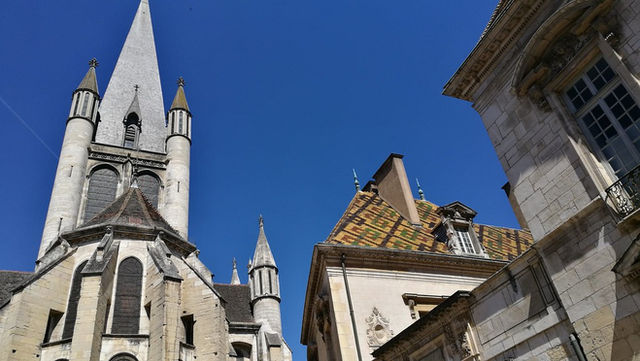
- Hospices de Beaune — Admiring brilliant geometric glazed tile roofs
- Abbaye de Fontenay — Wandering a serene, preserved Cistercian monastery
- Palais des Ducs de Bourgogne — Exploring the grand capital of powerful dukes
- Route des Grands Crus — Driving the legendary path of elite vineyards
- Vézelay Basilica — Climbing the sacred hill to historic Romanesque architecture
Signature experiences
Cycling the vineyard tracks — Pedaling along the dedicated cycling paths that meander through the vines offers an immersive connection to the landscape. The trails lead you safely away from main roads, guiding you directly through historic stone portals, past ancient stone walls enclosing elite grape plots, and straight into the hearts of quiet wine-producing villages.
Cruising the historic canals — Navigating the tranquil waterways by boat or walking along the old towpaths reveals a slower, deeply peaceful side of the countryside. The historic canals cut through lush pastures and forested valleys, offering a rhythmic journey punctuated by historic stone locks, quiet waterside villages, and panoramic views of distant hills.
Exploring the monastic trail — Walking through the massive stone halls of well-preserved abbeys reveals the profound spiritual and economic impact of medieval monastic orders. You can stand beneath soaring Romanesque arches, wander through serene cloisters, and explore old industrial scriptoriums and mills that shaped European history and agriculture.
Tasting in the vaulted cellars — Stepping down into cool, candlelit limestone cellars beneath historic towns provides a sensory education in local heritage. Listening to winemakers explain the subtle soil differences of microscopic plots while sampling from oak barrels connects you directly to centuries of agricultural tradition.
Where to base yourself
The sub-zones of Burgundy — where each cluster sits and who it suits.
-
Auxerre
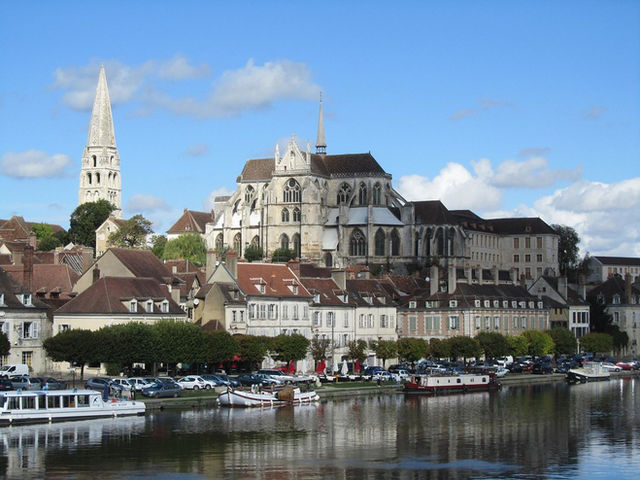
Positioned in the rolling green hills of northern Burgundy along the banks of the Yonne River, this historic city features a striking skyline of soaring church spires. The surrounding sub-zone is celebrated for its pristine white-wine terroirs and sits close to the iconic medieval hilltop village of Vézelay and the crisp vineyards of Chablis.
-
Dijon
As the majestic historic capital of the region, this vibrant city boasts grand stone palaces, elegant aristocratic townhouses, and rich culinary traditions. It anchors the northern terminus of the legendary wine slopes and features a thriving, highly walkable center packed with museums and traditional covered food halls.
-
Beaune
Located directly south of Dijon along the base of the prominent limestone escarpment, this fortified town serves as the undisputed historic heart of the wine trade. Enclosed by medieval ramparts, its cobblestone streets are built directly over a vast network of ancient wine cellars, surrounded immediately by the most prestigious vineyard slopes in the region.
-
Mâcon
Sitting at the southern gateway of the region along the wide Saône River, this town exudes a distinctly warmer, Mediterranean-influenced atmosphere with pastel-colored buildings. The sub-zone transitions into dramatic limestone cliffs, rolling pastoral valleys, and the historic Romanesque monastic landscapes of Cluny.
Food & drink
The gastronomy of Burgundy is legendary for its rich, slow-cooked comfort dishes that heavily feature local red wines, premium beef, and wild mushrooms. It is a cuisine built on the bounty of lush pastures and forested hills, where meals are treated as an art form and meticulously paired with the region's single-varietal Pinot Noir and Chardonnay wines. Traditional covered markets and village shops celebrate foundational ingredients like stone-ground mustards, local blackcurrants, and exceptionally creamy cow's milk cheeses.
- Boeuf Bourguignon — A rich, slow-simmered beef stew braised in red wine with pearl onions, mushrooms, and bacon.
- Coq au Vin — Tender chicken slowly braised in red Burgundy wine, lardons, and aromatic herbs.
- Escargots de Bourgogne — Land snails baked in their shells with an abundance of garlic, parsley, and butter.
- Époisses de Bourgogne — A pungent, creamy, wash-rind cow's milk cheese infused with Marc de Bourgogne brandy.
- Chablis — A crisp, bone-dry white wine renowned for its flinty, mineral characteristics.
- Gevrey-Chambertin — A prestigious, structured red wine displaying deep berry notes and exceptional aging potential.
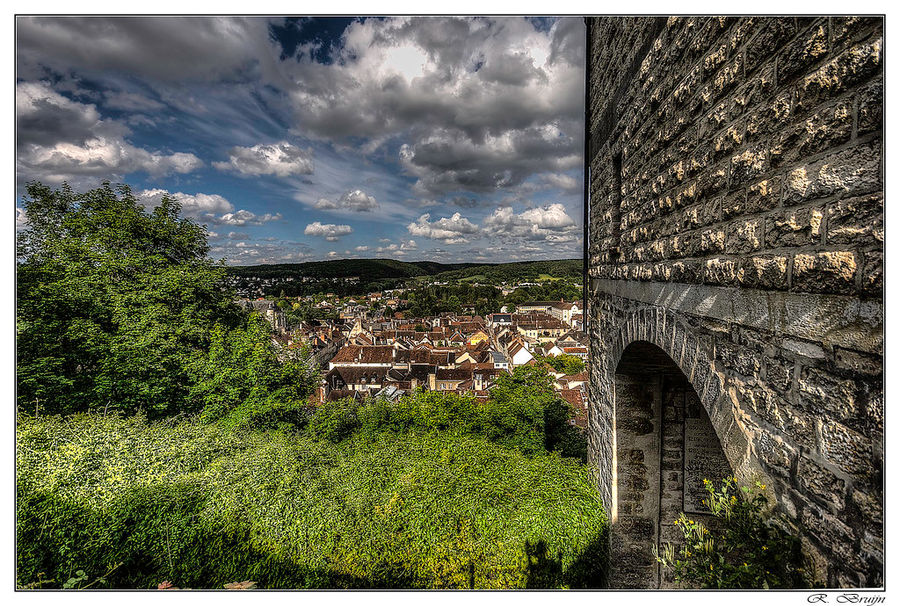
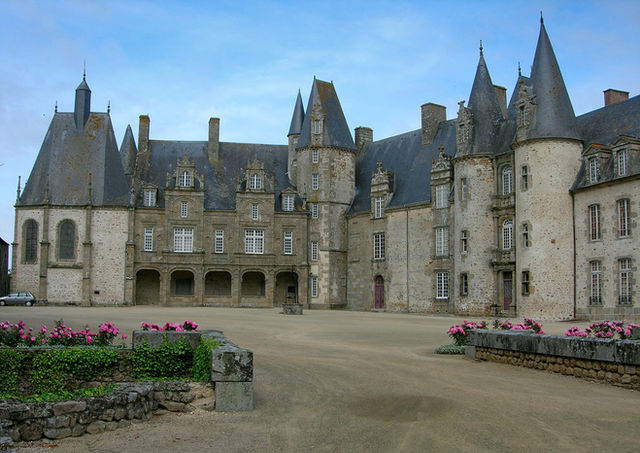
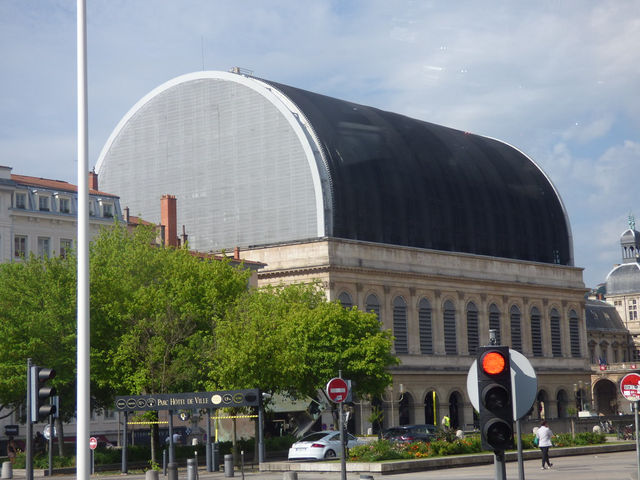
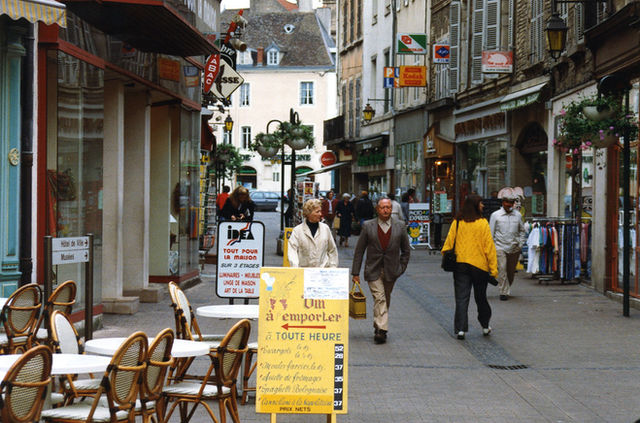
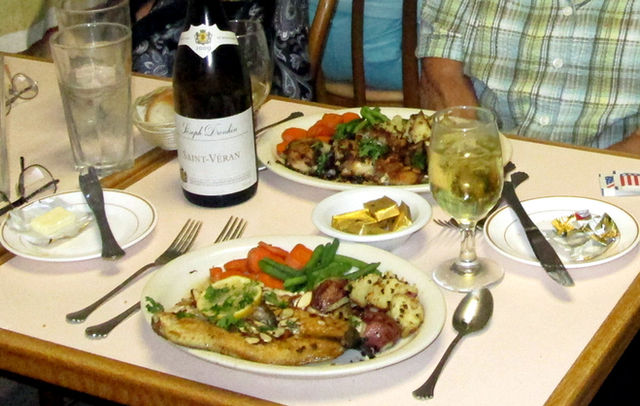
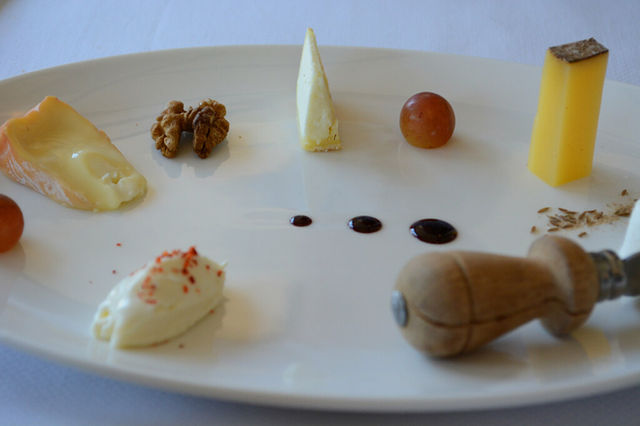
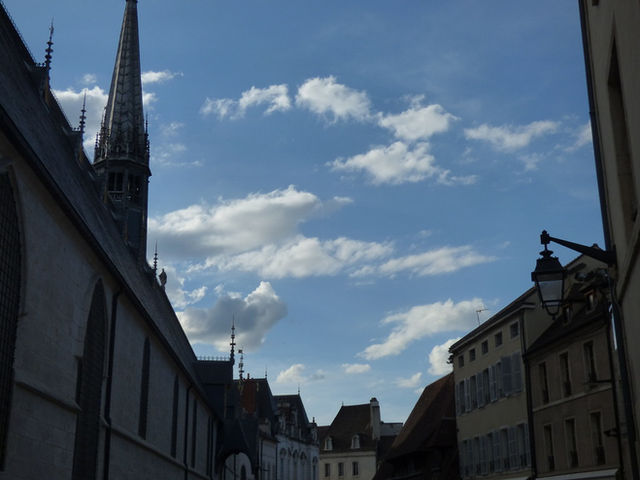
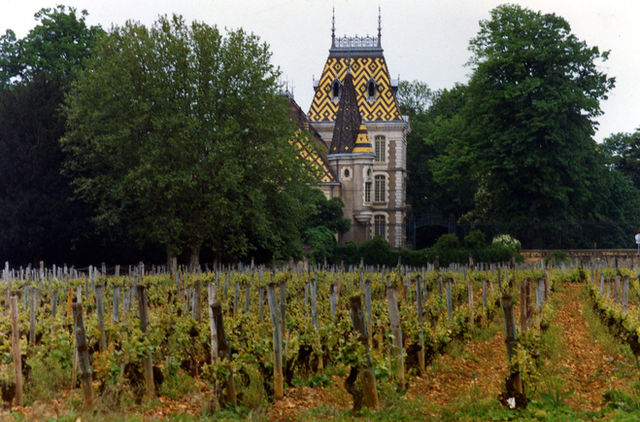
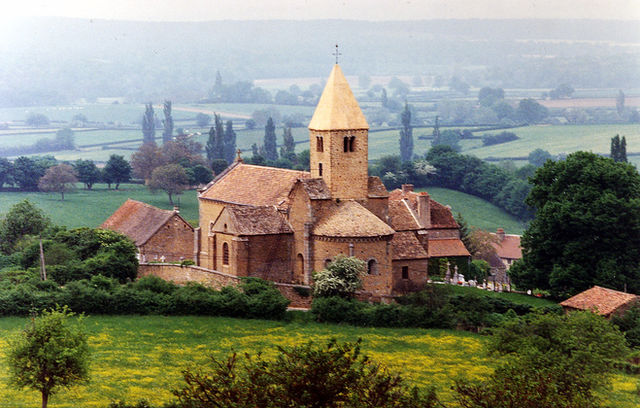
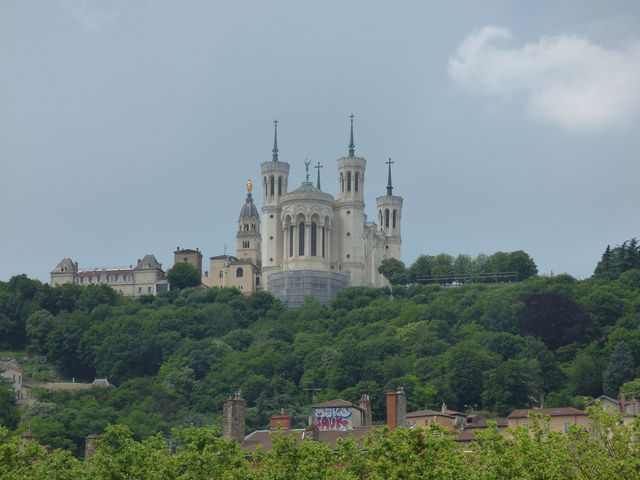
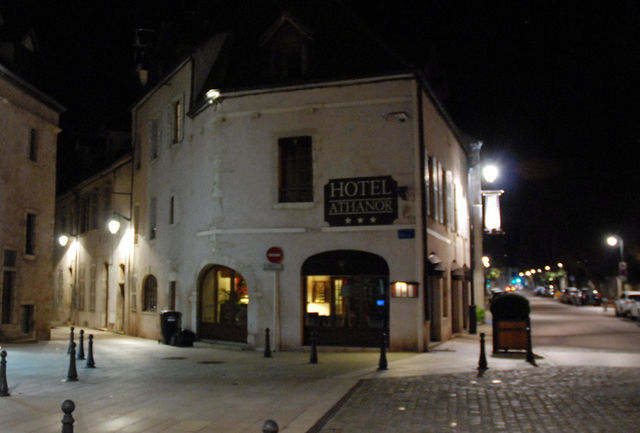
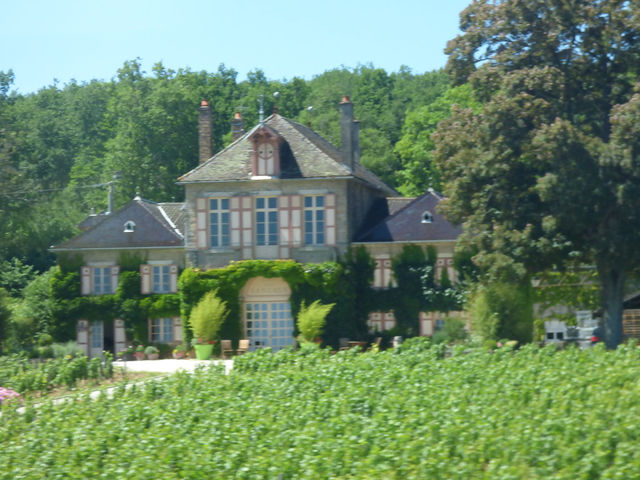
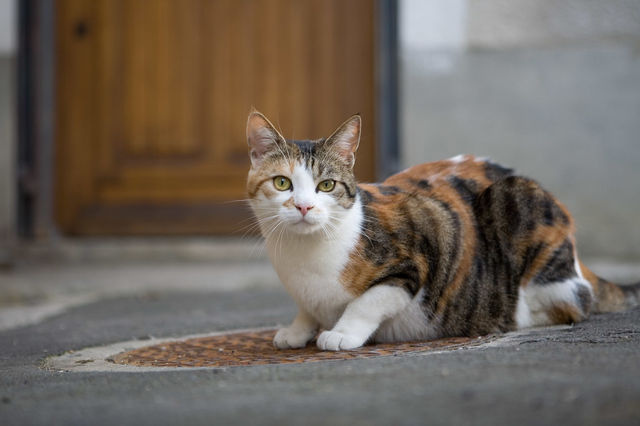
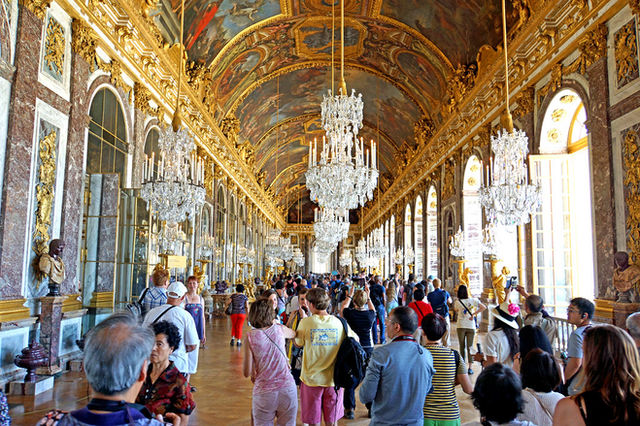
Burgundy in photos
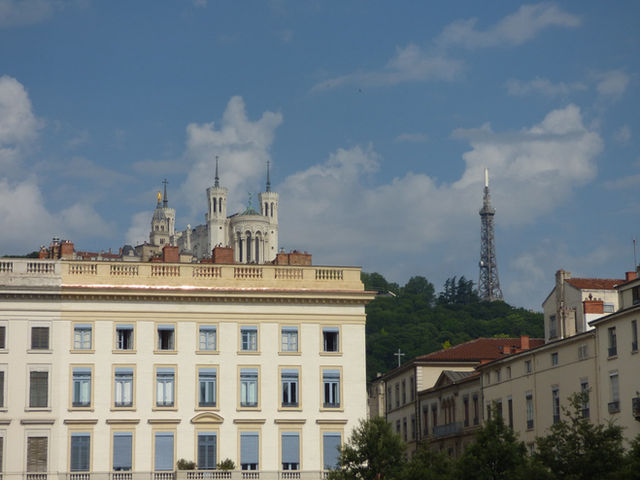
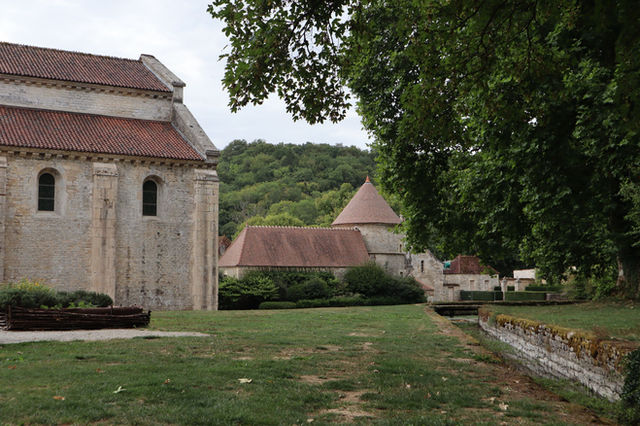
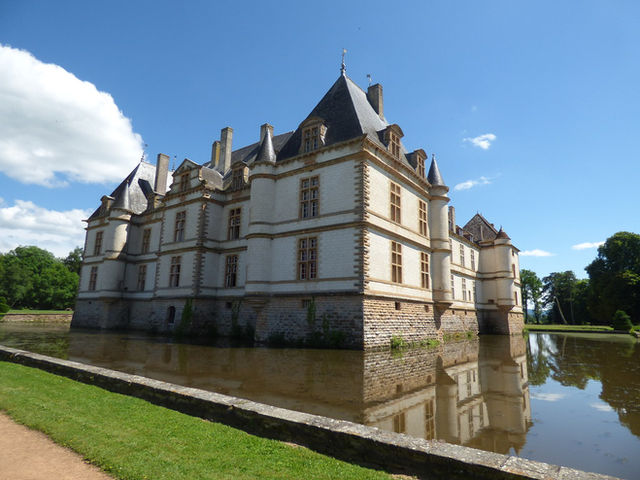
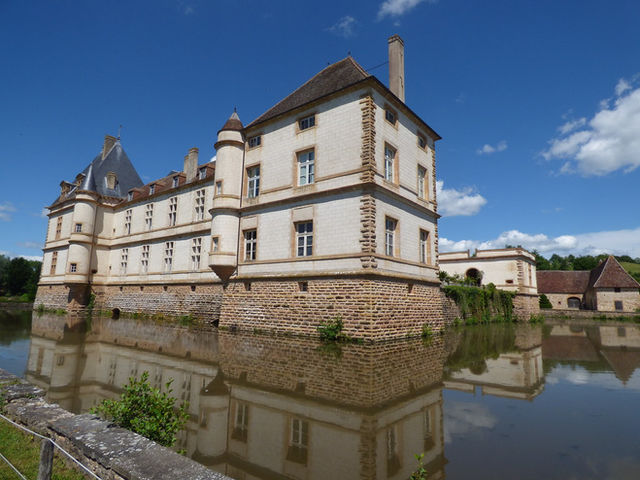
Where you'll stay in Burgundy
For a first-time visitor focused primarily on the iconic wine heritage, Beaune is the premier base, offering a highly walkable historic center and the shortest driving distances to the most famous vineyard tracks. If you prefer a larger, sophisticated city with a wealth of museums, grand architecture, and high-speed rail access, Dijon provides an excellent northern hub, though navigating city traffic to reach the southern valleys requires extra time. To focus on crisp white wines and tranquil river scenery with shorter drives from Paris, Auxerre makes an ideal northern anchor. For exploring historic abbeys, dramatic limestone cliffs, and a more relaxed southern pace, Mâcon provides an excellent riverside base near the border of the Rhône valley.
Hotels & rentals around Burgundy
Pan, zoom and compare live prices — every stay in one map.
Getting around Burgundy
The regional TER train line runs efficiently along the main north-south valley axis, making it incredibly easy to hop between Dijon, Beaune, and Mâcon without a vehicle. Extensive, well-paved greenways and canal towpaths provide a spectacular network for long-distance cycling routes between historic towns, while local regional buses connect larger cities to select outlying villages.
Traveling between Dijon and Beaune is incredibly simple via the regional TER train line, taking ~approx 20 minutes from station to station. Moving from the northern hub of Auxerre down to the central wine slopes around Dijon or Beaune is most efficiently done by car via the regional highways, as direct passenger rail routes require winding transfers through secondary lines. The southern stretch from Beaune down to Mâcon connects smoothly via both the main north-south highway and the local rail line, providing scenic views of the changing valley landscape.
Insider tips
- Do not expect to drop into prestigious wine estates without an appointment; most top-tier cellars require pre-booked slots months in advance to secure a tasting.
- Be aware that many rural restaurants and village shops close entirely on Sundays and Mondays, requiring careful meal planning when exploring the countryside.
- Plan your village market visits to arrive before ~approx 9:00 AM, as local parking options near the historic squares disappear instantly on market days.
- Keep a close eye on the calendar for major autumn wine auctions, which can cause accommodation prices to spike and fully book out entire sub-zones.
While you're there
-
 3 OCT Cultural & Traditions See the event →
Explore the area
Local attractions & tours
Skip-the-line tickets and small-group tours in Burgundy — compare across our partners.
We're still curating hand-picked tickets and tours for Burgundy. In the meantime, the map above and the nearby cities are a great place to start.
Trips in Burgundy
Day-by-day itineraries that take in Burgundy — routes, timings and what to book.
-
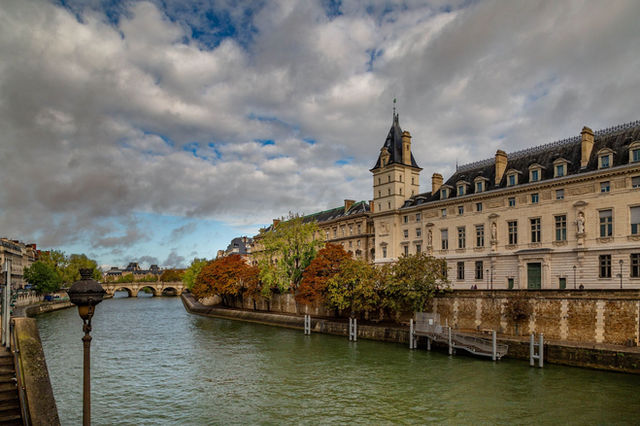 3 Nights
 4 Days in Paris
The essential Paris — landmarks, museums and Montmartre — at an unhurried family pace.
Price on enquiry
View trip -
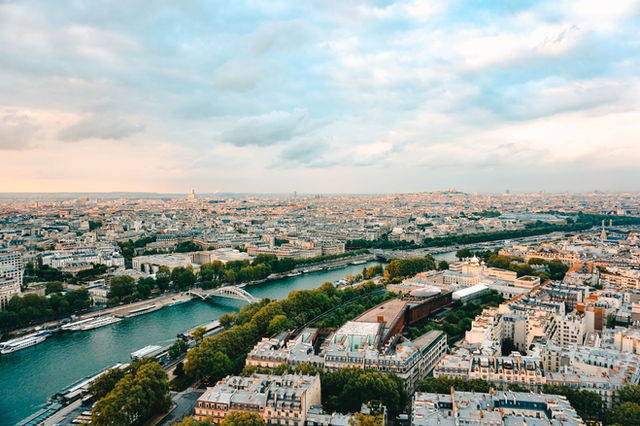 6 Nights
 7 Days in France: Paris, Provence & the Riviera Itinerary (2026)
Three faces of France in a week without a car — three nights in Paris, two in Avignon for the Pont du Gard and the Luberon, then the TGV down to Nice for a Riviera finish with Villefranche, Èze and Monaco within reach.
Price on enquiry
View trip -
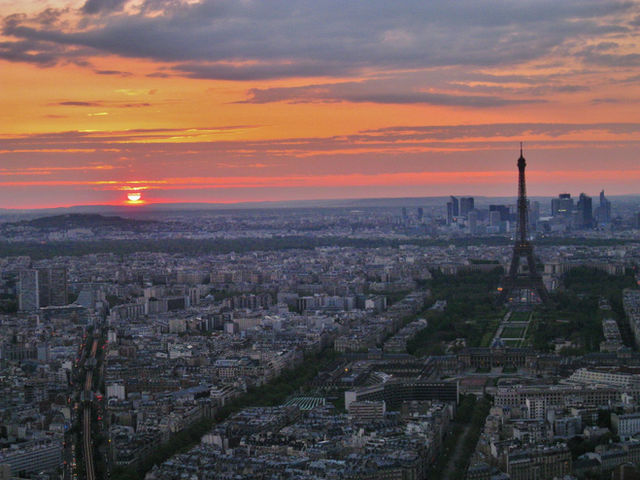 3 Nights
 The Essential Paris Family Stopover: Cobblestones, Catacombs, and Vintage Cars
Discover the timeless magic of the French capital on an active, family-focused 4-day city exploration. From the bustling avenues of the Latin Quarter to the mysterious depths of the Catacombs and an open-top vintage car cruise, this car-free route reveals Paris from entirely unique perspectives.
Price on enquiry
View trip -
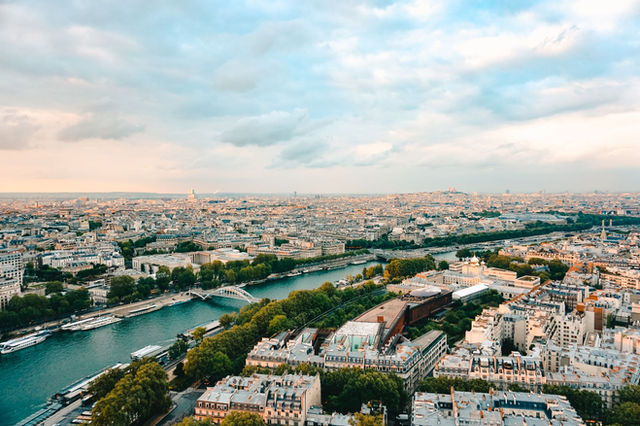 13 Nights
 The High-Speed Grand Tour: A 14-Day Car-Free Journey Across France
Experience a sweeping cultural journey through France entirely by rail, connecting the iconic avenues of Paris to the sun-drenched coast of the Riviera. This masterfully timed itinerary links world-class wine regions, historic river valleys, and Roman heritage without the need for a rental car.
Price on enquiry
View trip
When to visit Burgundy
May, June, September, October
Spring
What to expect — Budbreak brings a delicate green hue to the winter-worn vineyard slopes while wildflowers bloom along the canal paths. The weather transitions from brisk mornings to pleasantly warm afternoons, and while historic towns remain blissfully uncrowded, some rural wine estates operate on limited seasonal schedules early in the season.
What's best — Enjoying comfortable outdoor exploring conditions, touring popular monuments without lines, and catching crisp, bright morning light across the valleys.
Summer
What to expect — The region hits its peak agricultural vibrancy with lush, full grape canopies covering the hillsides under long, warm sunny days. Popular wine towns and historic abbeys see a large influx of global travelers, making advanced reservations essential for dining and tastings, while local canal boats and outdoor café terraces operate at maximum capacity.
What's best — Indulging in long daylight hours for cycling, enjoying vibrant open-air evening markets, and dining outside beneath historic stone arches.
Autumn
What to expect — The hillsides transform into a spectacular sea of crimson and gold as the highly anticipated annual grape harvest begins. The atmosphere is charged with energetic local activity around the presses, though morning mists become more common, temperatures drop noticeably, and popular wine towns fill up rapidly with seasonal visitors.
What's best — Experiencing the electric energy of the grape harvest, witnessing the stunning golden vineyard foliage, and savoring fresh truffles and mushrooms.
Winter
What to expect — A deep, peaceful quiet falls over the rural valleys as the vines are meticulously pruned by local farmers against a backdrop of frosty mornings. Many countryside restaurants, canal boat rentals, and smaller village shops close down entirely for the season, but the primary cities remain fully alive with festive holiday markets and comforting fireside dining.
What's best — Experiencing famous wine towns completely free of crowds, securing exclusive attention in historic tasting cellars, and enjoying hearty local stews next to roaring fireplaces.
Know before you go
Getting around
A car suits the Côte d'Or wine road between Beaune and Dijon and the canal country; the villages are close together but poorly linked by bus.
Dijon and Beaune sit on the TGV and TER line from Paris and make walkable bases, with tours out to the vineyards.
Crowds & timing
September's harvest and the November wine-auction weekend in Beaune are busy and pricey; summer is warm and green.
Spring and early autumn are the sweet spot for cycling the vineyards.
Local rules & etiquette
Tastings at domaines are often by appointment rather than walk-in, so plan the day around booked slots.
Standard French meal hours apply, and Beaune's best restaurants book out at weekends.
Money & booking
Cards are accepted widely; carry some cash for small growers and markets.
Book cellar visits and Hospices de Beaune tickets ahead, and don't drink and drive the wine road — hire a driver or cycle it.
Getting there
Charles de Gaulle Airport (CDG — Paris) and Orly Airport (ORY — Paris) serve as the most practical international gateways, offering seamless train connections or car rentals heading directly southeast. Lyon-Saint Exupéry Airport (LYS — Lyon) provides a highly useful southern gateway for entering the region via the Saône corridor. Gare de Dijon-Ville anchors the high-speed rail network, linking the regional capital to central Paris in ~approx 90 minutes.
Ready to book your trip?
Flights, airport transfers and car hire — search and compare without leaving the page.
More trip extras
Parking, holiday extras, and more — coming soon.
We're lining up parking, holiday extras and activities you'll be able to add to any trip from here.