Cannes
- City
- May, June, and September
- ~approx 2–3 days
- Sun-Drenched Promenades
- Superyacht Harbours
- Old-Town Citadels
Champagne corks pop along the waterfront boulevard while everyday shoppers barter over fresh sea bass under the morning market canopy.
A coastal resort split by a limestone ridge, Cannes balances film-festival flash with the salty grit of an old fishing port.
- Type
- city
- Ideal length
- ~approx 2–3 days
- Getting around
- walking + local buses
- Neighbourhoods
- 3 areas
- Best season / months
- May, June, and September
- Any traveller · Luxury · History · Beaches
About Cannes
Cannes hugs the crescent curve of the Gulf of Napoule on the French Riviera. The city splits between the flat sweep of the beachfront and the steep mound of Le Suquet. The grid of the central flats holds the commercial tracks and train links, while the waterfront belongs to the palm trees of La Croisette. Off the coast, the car-free Lérins Islands shield the bay, all connected by local buses and regional rail lines.
Why go
It delivers premier cinematic spectacle alongside a dense, walkable old quarter that preserves its native Provençal character when you step away from the luxury hotels.
Don't miss
- Palais des Festivals et des Congrès — step onto the red-carpet stairs
- Boulevard de la Croisette — stroll the famous palm-lined promenade
- Le Suquet — climb the steep old quarter lanes
- Île Sainte-Marguerite — escape to the pine-forested fortress island
- Marché Forville — browse the covered daily food market
Signature experiences
Red carpet steps and seaside promenades — Walk the length of the Boulevard de la Croisette to view the grand hotel architecture and luxury boutiques. Stop by the Palais des Festivals et des Congrès to stand on the red-carpeted steps where film stars pose, before strolling the public sand flats.
Market grazing under the concrete canopy — Arrive early at Marché Forville to dive into local food culture. Squeeze past vegetable vendors to sample regional olive tapenades, local socca flatbread, and fresh cheeses straight from the producers.
Island escapes and fortress walks — Board the local ferry from the old harbour to reach Île Sainte-Marguerite. Trace the pine-shaded earthen paths up to the historic Fort Royal, where the Man in the Iron Mask was held captive.
Neighbourhoods
Cannes neighbourhood by neighbourhood — the character of each and who it suits.
-
Le Suquet
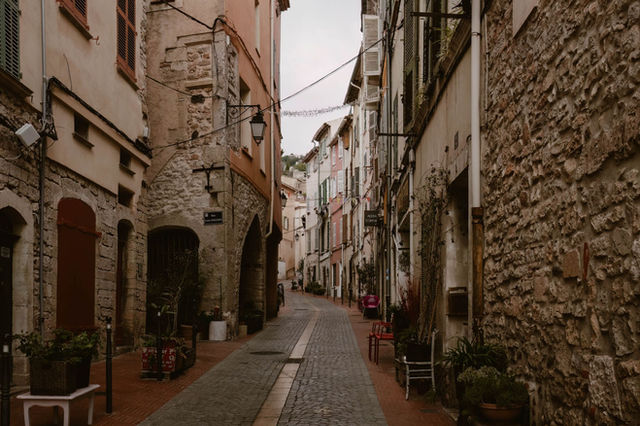
The original fishing village clings to a steep limestone ridge overlooking the harbour. Winding stone alleys, hanging laundry, and old masonry steps replace the luxury storefronts of the lower town. It feels old and domestic, especially when the morning sun lights the stone walls.
-
La Croisette
This flat beachfront strip contours along the main sand bay, lined with grand hotels and high-end boutiques. It runs on heavy sunglasses, designer fashion, and sports cars rolling beneath palm trees.
-
La Banane
Tucked between the railway tracks and the sea promenade, this dense grid functions as the commercial engine of the city. It mixes everyday French retail lanes, terrace bistros, and residential apartment blocks where locals live.
Views & hidden gems
Best views
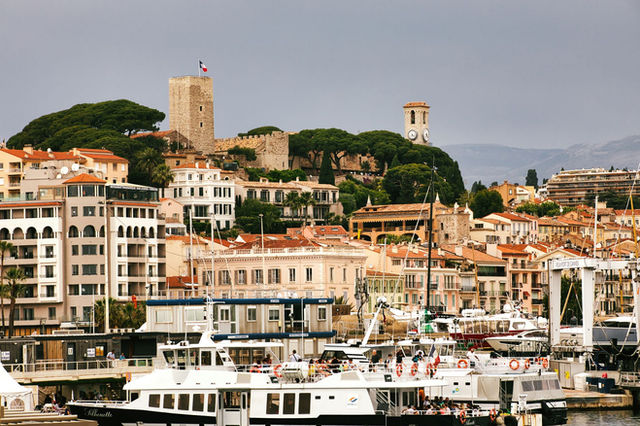
- Le Suquet clock tower terrace — the high viewpoint framing the harbour yachts and the sweep of the bay
- Plage du Midi — the western beach stretch looking back at the old town mound
- Fort Royal ramparts — the island walls looking across the water to the mainland peaks
Hidden gems
- Rue Meynadier — a narrow pedestrian lane packed with traditional cheese shops and spice merchants
- Square Mérimée — a small plaza tucked away behind the main festival hall where locals play petanque
- Pointe Croisette jetty — the quiet eastern stone pier where local fishermen gather away from the tourists
Food & drink
The food scene balances high-end hotel dining and rustic Mediterranean cooking, driven by olive oil, garlic, and fresh catch from the gulf. The narrow taverns lining Rue Saint-Antoine in Le Suquet host traditional family kitchens, far removed from the overpriced tourist menus on the main waterfront. Drinking centers on pale Provence rosés and anise-flavored pastis, poured across outdoor tables as the evening air cools.
- Socca — a savory chickpea flatbread baked in wood ovens and seasoned with black pepper
- Bouillabaisse — a rich fish stew flavored with saffron and garlic mayonnaise
- Pissaladière — a thick tart topped with caramelized onions, anchovies, and black olives
- Pastis — the anise-flavored regional aperitif served with ice water
- Tarte Tropézienne — a sweet brioche cake filled with vanilla cream
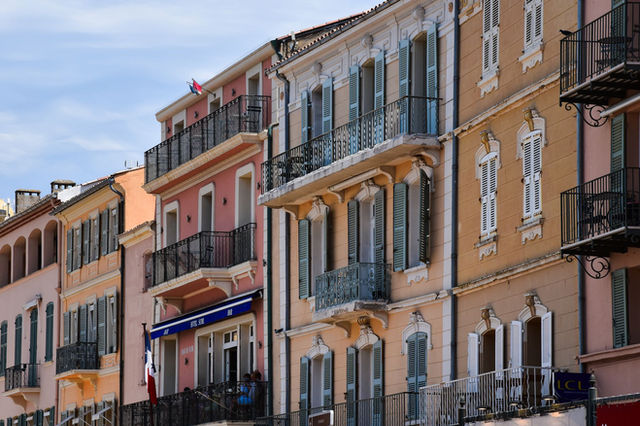
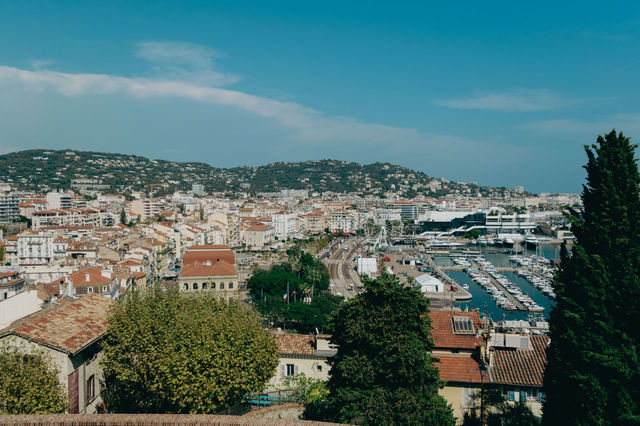
Cannes in photos
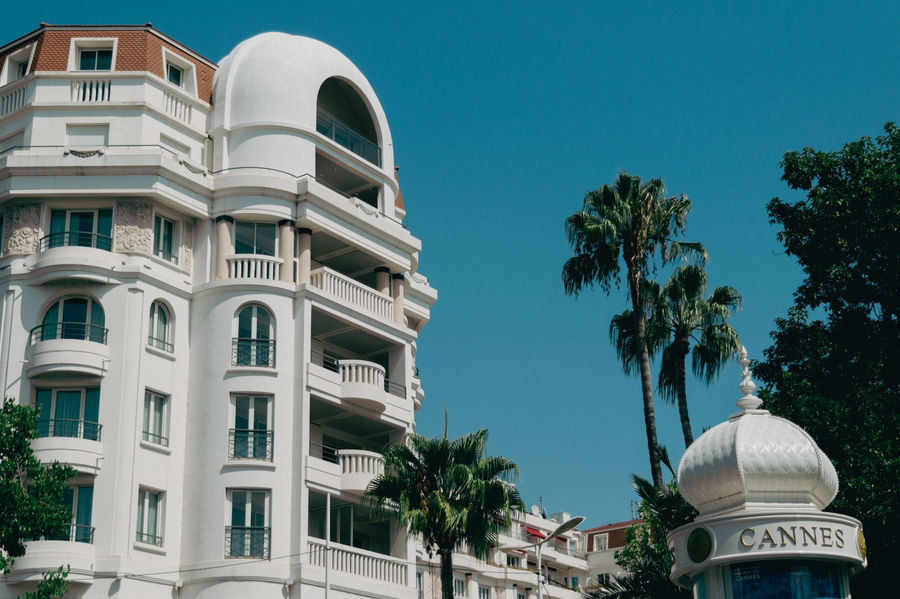
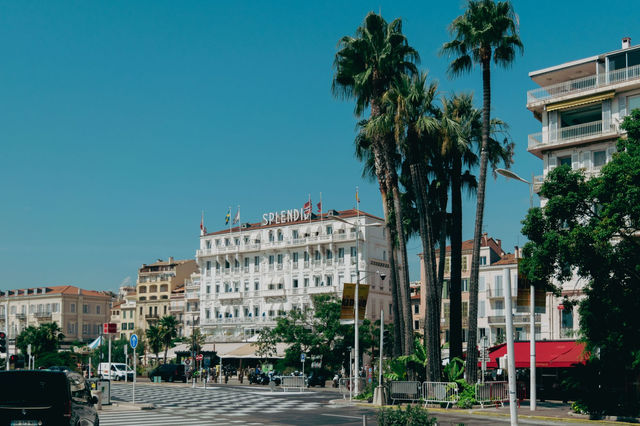
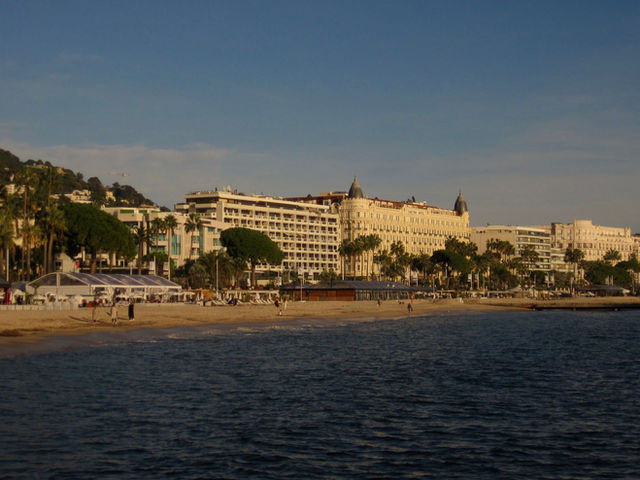
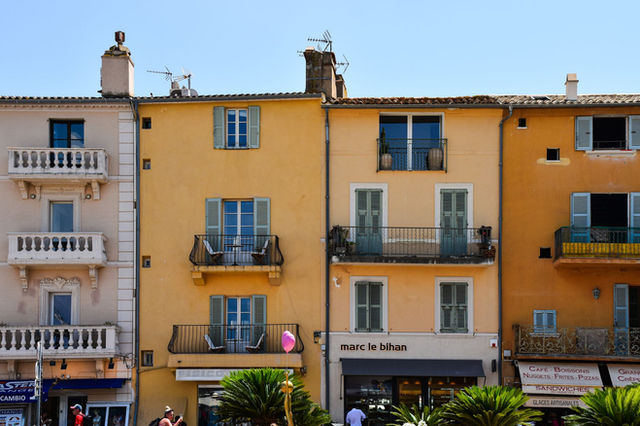
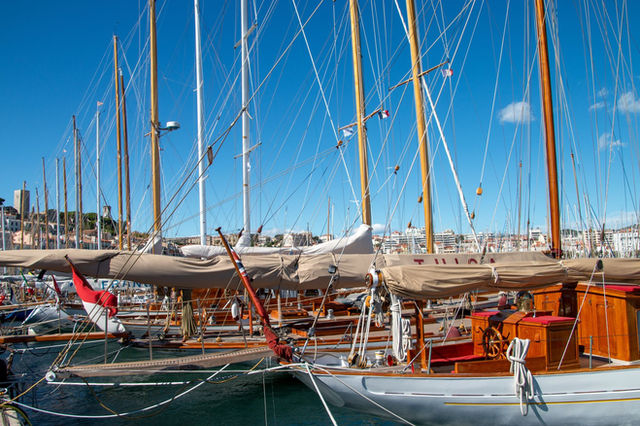
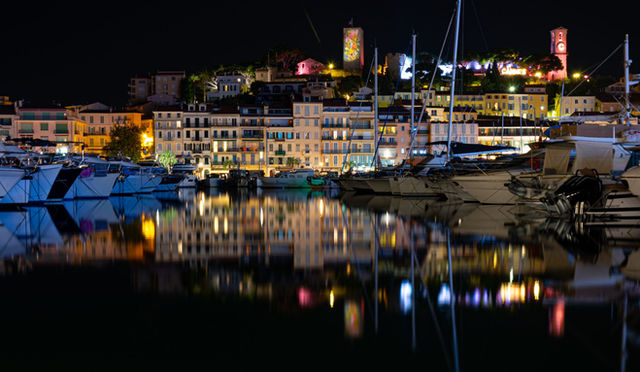
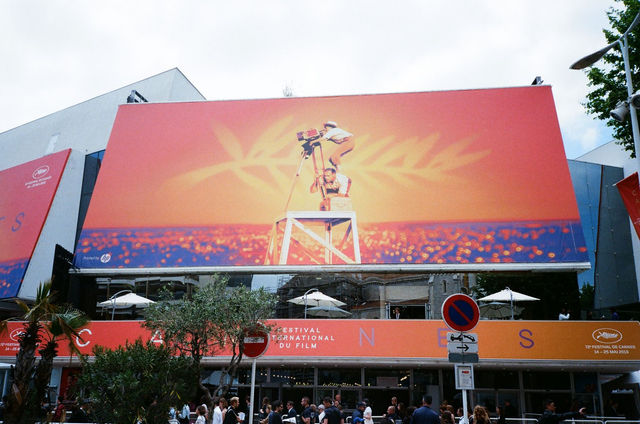
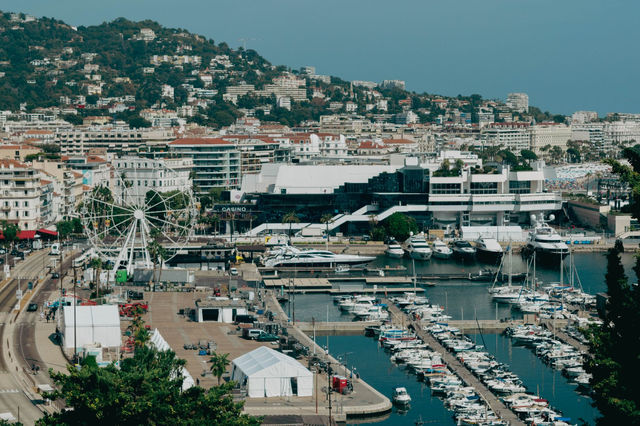
Where you'll stay in Cannes
Base yourself in Le Suquet if you want historic character out your door and do not mind steep climbs, though you will trade off easy parking options. Choose a spot in La Banane for direct access to the train station, lower prices, and casual evening cafés. Avoid staying right on Boulevard de la Croisette unless a luxury budget demands it, as the premium rates cover flash rather than local character.
Hotels & rentals around Cannes
Pan, zoom and compare live prices — every stay in one map.
Getting around Cannes
The city core is dense and highly walkable; you can cross the main front on foot in ~approx 20 min. The local Palm Bus network handles longer routes, and a car is an absolute liability due to narrow one-way loops and expensive garages.
Walk west along Quai Saint-Pierre to move from the festival hall to the base of Le Suquet in ~approx 10 min.
Insider tips
- The local Palm Bus network runs an electric shuttle called the City Palm that loops the center for a very low fee, saving you a hot walk.
- Many traditional restaurants in Le Suquet require dinner reservations days ahead during convention weeks; plan your meals to avoid falling into bad tourist traps.
While you're there
-
 3 OCT Cultural & Traditions See the event →
Explore the area
Local attractions & tours
Skip-the-line tickets and small-group tours in Cannes — compare across our partners.
We're still curating hand-picked tickets and tours for Cannes. In the meantime, the map above and the nearby cities are a great place to start.
Trips in Cannes
Day-by-day itineraries that take in Cannes — routes, timings and what to book.
-
 6 Nights
 7 Days in France: Paris, Provence & the Riviera Itinerary (2026)
Three faces of France in a week without a car — three nights in Paris, two in Avignon for the Pont du Gard and the Luberon, then the TGV down to Nice for a Riviera finish with Villefranche, Èze and Monaco within reach.
Price on enquiry
View trip -
 13 Nights
 The High-Speed Grand Tour: A 14-Day Car-Free Journey Across France
Experience a sweeping cultural journey through France entirely by rail, connecting the iconic avenues of Paris to the sun-drenched coast of the Riviera. This masterfully timed itinerary links world-class wine regions, historic river valleys, and Roman heritage without the need for a rental car.
Price on enquiry
View trip
When to visit Cannes
May, June, and September
Spring
What to expect — Flowers bloom along the terraces and the air feels clean, though the massive film festival in May chokes the city completely, closing public areas and skyrocketing room rates. If you lack industry passes, skip mid-May entirely and swap it for a quiet April visit.
What's best — Catching the first warm beach days before the summer rush builds.
Summer
What to expect — Sun bakes the sand coves, the water turns warm, and international crowds fill the promenade bottlenecks. It gets intensely hot and crowded; if you struggle with packed streets, swap August for a late September visit instead.
What's best — Sucking down cold drinks at beach shacks late into the twilight hours.
Autumn
What to expect — The heavy summer heat breaks into golden afternoons and cool nights, while yacht shows bring corporate crowds to the docks. Tourism drops off significantly by late October, meaning open tables at local bistros.
What's best — Walking the old town lanes in absolute peace, free from the summer swarms.
Winter
What to expect — A crisp wind sweeps off the sea, smaller beach stands close down for the season, and early dark lends a quiet mood to the stone harbor.
What's best — Witnessing the raw beauty of the Mediterranean coast shared entirely with local residents under sharp blue skies.
Know before you go
Honest swaps
Skip the overpriced private beach clubs on La Croisette → grab a towel and head to the free public sands of Plage du Midi for the same sun and better sunset views.
Skip the expensive tourist boat cruise → take the public ferry to Île Sainte-Marguerite for a cheap water journey and open island trails.
Crowds & timing
The area around the festival hall turns into a total bottleneck during event weeks. Dodge the crowd squeeze by exploring the covered food markets early in the morning, saving the quiet island paths for the peak afternoon hours.
Local rules & etiquette
Walking through the town streets wearing only swimwear will result in a sharp lecture or a police fine; throw a shirt on when leaving the sand. Respect the quiet of the steep residential lanes in Le Suquet after dark.
Money
Card payment is standard everywhere, but keep coins handy for the small stalls inside Marché Forville. Avoid the unbranded ATMs clustered right near the tourist piers to escape high transaction fees.
After dark
Nightlife fragments by style: the luxury lounges along La Croisette run on expensive cocktails, while the bars around Le Suquet favor casual beers and wine conversations until late.
Getting there
Fly into Nice Côte d'Azur Airport (NCE), then take the direct regional train from Nice Saint-Augustin station to Gare de Cannes (~approx 35 min). The station sits right in the central flats.
Ready to book your trip?
Flights, airport transfers and car hire — search and compare without leaving the page.
More trip extras
Parking, holiday extras, and more — coming soon.
We're lining up parking, holiday extras and activities you'll be able to add to any trip from here.