Champagne
- Region
- May, June, September, October
- ~approx 4–6 days
- Prestige Cellars
- Chalk Tunnels
- Rolling Vineyards
- Gothic Heritage
The echo of a celebratory pop resonates through a candlelit limestone vault, just a short walk from sun-drenched paths winding over endless rows of maturing grapes.
A world-renowned region in northeastern France where rolling hillsides wrapped in premier vineyards hide vast, subterranean chalk networks dedicated to the world's finest sparkling wines.
- Type
- region
- Ideal length
- ~approx 4–6 days
- Day-trip radius
- ~approx 30–60 min
- Sub-zones
- 4 areas
- Best season / months
- May, June, September, October
- Any traveller
- Wine tasting
- Historic architecture
- Slow travel
- Gastronomy
About Champagne
Champagne spans the historic plains and river valleys of northeastern France, centered primarily around the winding course of the Marne River and the prominent forested plateau of the Reims Mountain. The geography is defined by its deep limestone and chalk soils, which provide a unique agricultural landscape of gently undulating hills entirely draped in meticulously managed vineyards. The region hangs together through its singular focus on the creation of its world-famous effervescent wine, a medieval legacy of royal coronations, and a network of historic trading towns that showcase both grand classicism and intricate timber-framed architecture.
Why go
It stands as the global birthplace of sparkling wine culture, offering a rare look into miles of UNESCO-listed underground tunnels, elite neoclassical wine estates, and monumental Gothic cathedrals.
Don't miss
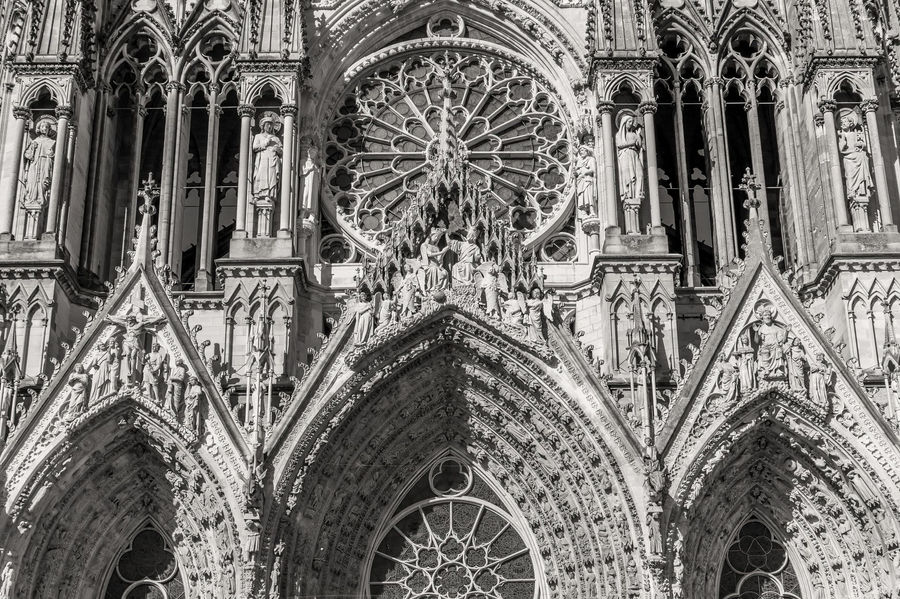
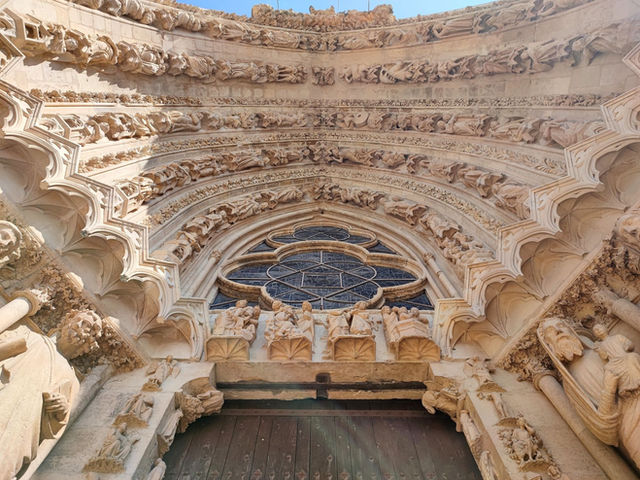
- Reims Cathedral — Standing beneath soaring Gothic coronation architecture
- Avenue de Champagne — Walking past legendary subterranean wine palaces
- Hautvillers — Wandering the historic cradle of sparkling wine
- Phare de Verzenay — Gazing from a lighthouse amid vineyard hills
- Troyes Old Town — Exploring a maze of medieval timbered streets
Signature experiences
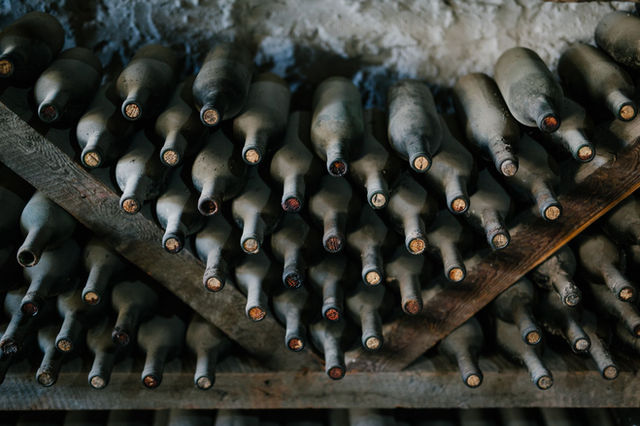
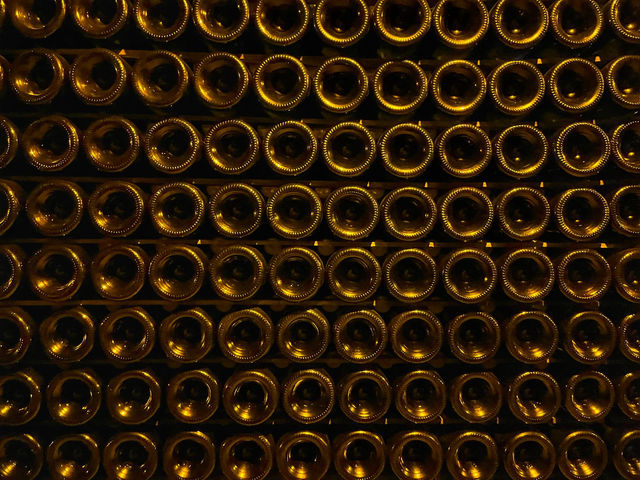
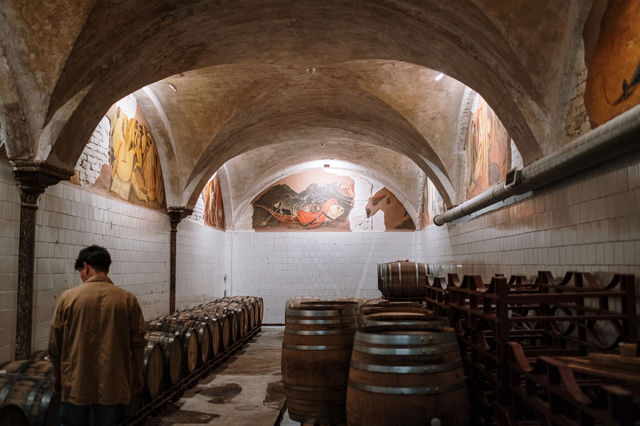
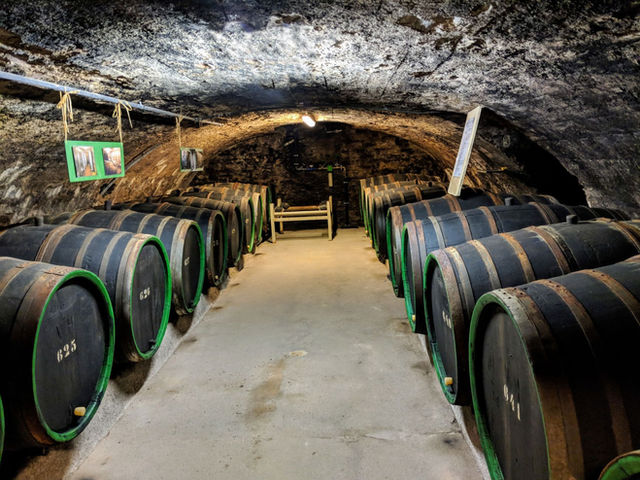
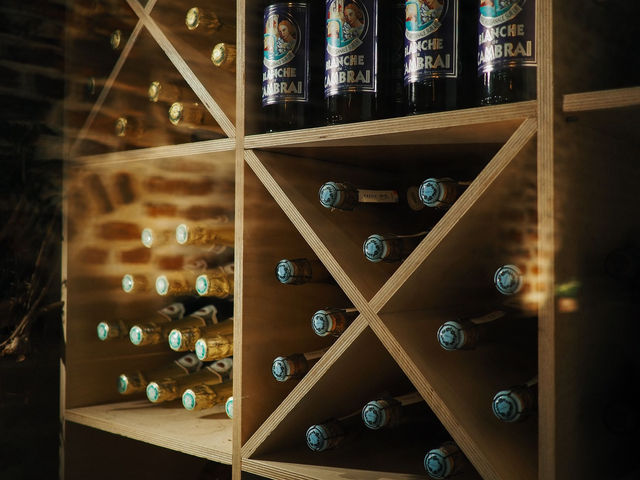
Descending into Roman chalk pits — Stepping deep underground into the cool, dark vaults hand-carved by Romans centuries ago reveals the hidden foundation of the local wine trade. Walking past endless walls of neatly stacked bottles while cellar masters explain the delicate aging process helps you understand how these damp, chalky quarries create the pristine conditions required for elite sparkling wine production.
Driving the scenic vineyard loops — Winding through the narrow countryside roads that hug the hillsides provides an intimate look at rural viticulture. The scenic routes lead you up onto high panoramic ridges, through pristine stone villages where every home belongs to a local grower, and past unique landmarks like historic lighthouses rising unexpectedly out of a vast sea of green vines.
Exploring medieval timbered quarters — Wandering through the ancient merchant centers of the south takes you far beyond the world of grand estates into an older architectural era. You can stroll past tilting, multi-colored half-timbered houses that nearly touch across narrow alleys, browse traditional craft workshops, and marvel at gothic stained-glass windows that have illuminated these stone churches for centuries.
Tracking the royal coronation trail — Standing inside the monumental stone halls where French monarchs were crowned for over a millennium connects you directly to the political birthplace of the nation. Exploring these soaring structures allows you to trace how medieval kings used magnificent architecture, intricate stone carvings, and sacred rituals to cement their rule over the surrounding kingdom.
Where to base yourself
The sub-zones of Champagne — where each cluster sits and who it suits.
-
Reims
Serving as the grand northern anchor of the region, this majestic city features an elegant blend of classical Roman remnants and imposing Gothic architecture. Deep beneath its surface lies a vast subterranean network of ancient chalk quarries that safeguard millions of maturing bottles for the world's most prestigious wine houses.
-
Épernay
Located just south of the Reims Mountain along the peaceful banks of the Marne River, this compact town functions as the intense commercial heart of the wine country. Its principal avenue is lined with opulent 19th-century palaces built by elite producers, sitting directly above a labyrinth of deep limestone tunnels carved into the bedrock.
-
Châlons-en-Champagne
Positioned further east along the Marne River plain, this historic river town is interlaced with scenic canals, historic stone bridges, and grand religious monuments. It offers a much slower, uncrowded atmosphere that highlights the region's flat-water geography and peaceful riverside architecture.
-
Troyes
Situated at the southern tip of the regional axis within the Aube department, this vibrant town features an exceptionally preserved medieval core shaped like a champagne cork. Its streets are a labyrinth of brightly painted, half-timbered merchant houses, stone churches, and rich textile heritages.
Food & drink
The gastronomy of Champagne is elegant and comforting, designed historically to complement the crisp acidity and effervescence of its celebrated sparkling wines. Menus rely heavily on freshwater fish from the river valleys, premium poultry, and wild game harvested from the forested plateaus of the interior. Rich dairy farmlands yield exceptionally creamy cheeses that balance the sharp bubbles of local bottles, while historic town bakeries turn out delicate pink biscuits meant for dipping. Southern districts showcase robust charcuterie traditions, matching the heavier, still wines produced along the warmer slopes.
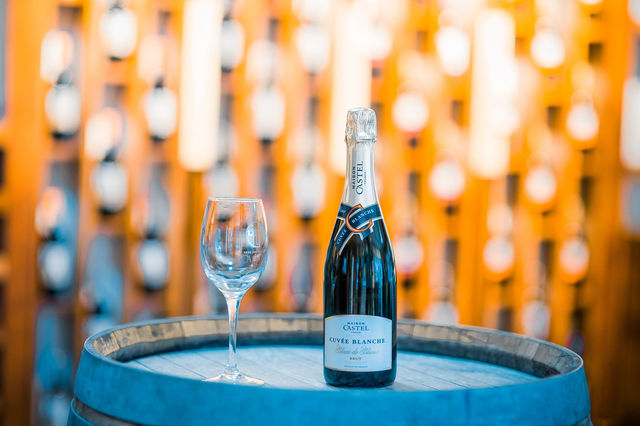
- Champagne Brut — A crisp, complex sparkling wine featuring fine bubbles and notes of green apple and toasted brioche.
- Biscuits Roses de Reims — Light, vanilla-flavored pink biscuits baked twice to stay crispy when dipped into a wine glass.
- Chaource — A creamy, soft cow's milk cheese with a white rind displaying a delicate, slightly salty nuttiness.
- Andouillette de Troyes — A traditional, highly seasoned chitterling pork sausage prepared according to strict ancestral methods.
- Ratafia de Champagne — A sweet, fortified grape spirit traditionally served chilled as a rich countryside aperitif.
- Potée Champenoise — A hearty, slow-cooked country stew packed with smoked pork, cabbage, potatoes, and local root vegetables.
Champagne in photos
Where you'll stay in Champagne
Base in Reims if you prefer a grand architectural city with seamless high-speed train links to Paris, allowing you to walk directly to major wine houses and fine dining without needing a vehicle. Choose Épernay if you want a smaller, highly concentrated base where you can transition instantly from elite avenue estates to rolling hillside vineyard loops. Opt for Troyes if your goal is an immersive medieval atmosphere and you wish to explore the lesser-known, highly scenic wine valleys of the southern department. For a much quieter, off-the-beaten-path waterfront experience away from the main tourist hubs, Châlons-en-Champagne provides a peaceful river setting.
Hotels & rentals around Champagne
Pan, zoom and compare live prices — every stay in one map.
Getting around Champagne
The regional TER rail network is highly efficient for traveling between the primary anchors of Reims, Épernay, and Châlons-en-Champagne. Local buses connect larger hubs to select surrounding villages, and well-marked cycle routes run directly along the Marne River canal towpaths. However, a car or a guided vehicle tour is effectively required to explore the remote vineyard ridges and southern valleys.
Traveling from Reims south to Épernay is straightforward via a direct regional TER train or a scenic drive across the Reims Mountain in ~approx 30 minutes. Moving from Épernay east to Châlons-en-Champagne connects smoothly via regional highways or local rail routes in ~approx 25 minutes. Heading from the central hubs down to the southern medieval outpost of Troyes requires a car via the regional highways or a multi-leg train connection through outer hubs, taking ~approx 75 minutes.
Insider tips
- Do not expect to secure walk-in tastings at the prestigious historic wine houses; cellars operate strictly by pre-booked timed reservations that frequently sell out months in advance.
- Always bring a warm, protective outer layer even when visiting in peak summer, as the deep underground chalk quarries maintain a constant, chilly temperature year-round.
- Plan your village driving loops carefully during the autumn harvest weeks, as slow-moving grape tractors can completely clog narrow country lanes and cause transit delays.
- Check the local market schedules if visiting Troyes or Reims, as parking options vanish instantly near the historic cores on morning market days.
While you're there
-
 3 OCT Cultural & Traditions See the event →
Explore the area
Local attractions & tours
Skip-the-line tickets and small-group tours in Champagne — compare across our partners.
We're still curating hand-picked tickets and tours for Champagne. In the meantime, the map above and the nearby cities are a great place to start.
Trips in Champagne
Day-by-day itineraries that take in Champagne — routes, timings and what to book.
-
 3 Nights
 4 Days in Paris
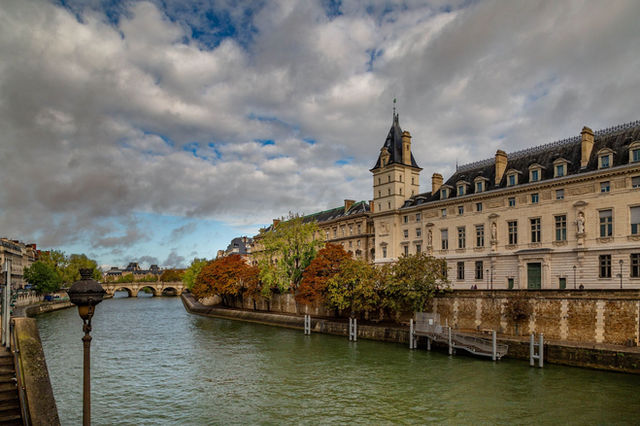
The essential Paris — landmarks, museums and Montmartre — at an unhurried family pace.
Price on enquiry
View trip -
 6 Nights
 7 Days in France: Paris, Provence & the Riviera Itinerary (2026)
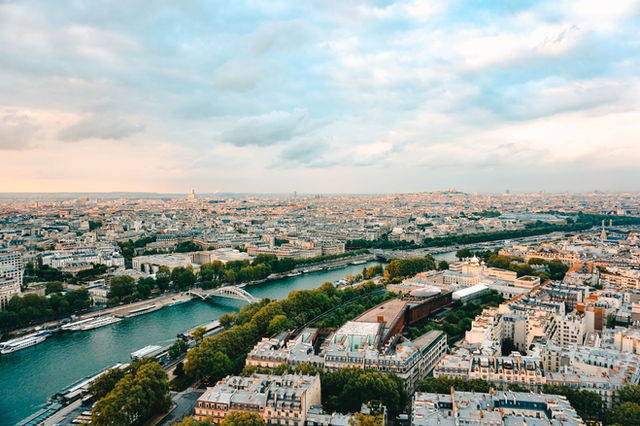
Three faces of France in a week without a car — three nights in Paris, two in Avignon for the Pont du Gard and the Luberon, then the TGV down to Nice for a Riviera finish with Villefranche, Èze and Monaco within reach.
Price on enquiry
View trip -
 3 Nights
 The Essential Paris Family Stopover: Cobblestones, Catacombs, and Vintage Cars
Discover the timeless magic of the French capital on an active, family-focused 4-day city exploration. From the bustling avenues of the Latin Quarter to the mysterious depths of the Catacombs and an open-top vintage car cruise, this car-free route reveals Paris from entirely unique perspectives.
Price on enquiry
View trip -
 13 Nights
 The High-Speed Grand Tour: A 14-Day Car-Free Journey Across France
Experience a sweeping cultural journey through France entirely by rail, connecting the iconic avenues of Paris to the sun-drenched coast of the Riviera. This masterfully timed itinerary links world-class wine regions, historic river valleys, and Roman heritage without the need for a rental car.
Price on enquiry
View trip
When to visit Champagne
May, June, September, October
Spring
What to expect — Budbreak paints the winter hillsides in a delicate shade of light green, and formal town gardens begin to burst into bloom. The weather is crisp and highly changeable, bringing a mix of bright sunny afternoons and passing showers, while the main wine houses open up fully before the peak summer crowds hit the tasting rooms.
What's best — Catching the historic towns and countryside loops at their quietest, allowing for intimate cellar tours and uncrowded architectural walks.
Summer
What to expect — The landscape reaches its maximum quality of lushness as full green canopies blanket the undulating hillsides under long, warm days. Global travelers fill the tasting rooms and historic cathedrals, making advanced bookings mandatory for all major estates, while local river paths and outdoor terraces operate at full capacity.
What's best — Enjoying long daylight hours for vineyard cycling tours, vibrant outdoor summer festivals, and dining late on warm outdoor terraces.
Autumn
What to expect — The entire region turns electric as the highly anticipated annual grape harvest brings intense local activity to the fields and villages. The foliage transforms into a spectacular sea of gold and deep crimson, though temperatures drop steadily and morning mists become common in the river valleys.
What's best — Experiencing the energetic buzz of the harvest season, witnessing the stunning golden vineyard views, and sampling fresh seasonal forest mushrooms.
Winter
What to expect — A peaceful quiet settles over the frosty hillsides as winemakers retreat inside to focus on the delicate blending process. The weather turns cold and brisk, but the major cities stay fully alive late in the year with vibrant holiday markets, twinkling light displays, and cozy fireside dining rooms.
What's best — Soaking up the magical atmosphere of the winter holiday markets before escaping the cold into a warm cellar for a private tasting.
Know before you go
Getting around
Reims and Épernay are about 45 minutes apart and easy by TER train or car; the big Champagne houses cluster in both towns and along Épernay's Avenue de Champagne.
A car, or a booked minibus tour, helps for the smaller grower-producers out in the villages, which have no rail link.
Crowds & timing
Cellars are busiest in summer and around the September harvest; spring and early autumn are quieter and the vines look their best.
Some houses close over the winter holidays and on certain Mondays — check ahead.
Local rules & etiquette
Cellar visits are guided and timed, so turn up a few minutes early. The deep chalk cellars stay cold year-round — bring a layer even in summer.
Don't drink and drive: use the train between Reims and Épernay, or a driver, if you're tasting seriously.
Money & booking
Book house tours and tastings in advance — the grandes marques sell out, and small growers often receive visitors by appointment only.
Cards are standard, and tastings are paid, so there's rarely a need for much cash.
Getting there
Charles de Gaulle Airport (CDG — Paris) and Orly Airport (ORY — Paris) serve as the primary international gateways, both offering direct vehicle rentals and seamless rail connections heading directly east. Gare de Reims and Gare de Champagne-Ardenne TGV are the principal rail hubs, connecting the region to central Paris via high-speed rail lines.
Ready to book your trip?
Flights, airport transfers and car hire — search and compare without leaving the page.
More trip extras
Parking, holiday extras, and more — coming soon.
We're lining up parking, holiday extras and activities you'll be able to add to any trip from here.