French Riviera
The Côte d'Azur's glamour coast — sparkling Mediterranean, palm-lined promenades and the jet-set glitter of Nice, Cannes and Monaco.
- Region
- May, June, September, October
- ~approx 7–10 days
- Azure Waters
- Glamorous Promenades
- Hilltop Villages
- Art-Infused Coasts
The scent of warm pine and sea salt fills the air as you look down from a high cliffside corniche onto superyachts bobbing in sheltered, emerald-tinted coves.
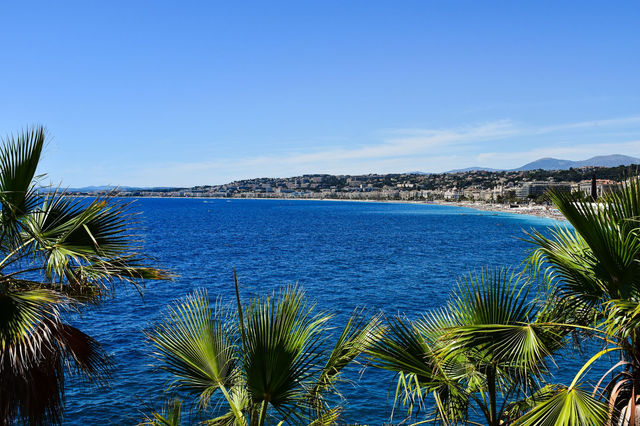
A sun-drenched stretch of the Mediterranean coast where dramatic alpine foothills plunge into brilliant blue waters, blending old-world European elegance with timeless seaside allure.
- Type
- region
- Ideal length
- ~approx 7–10 days
- Day-trip radius
- ~approx 30–60 min
- Sub-zones
- 5 areas
- Best season / months
- May, June, September, October
- Any traveller
- Coastal landscapes
- Art history
- Luxury
- Culture
About French Riviera
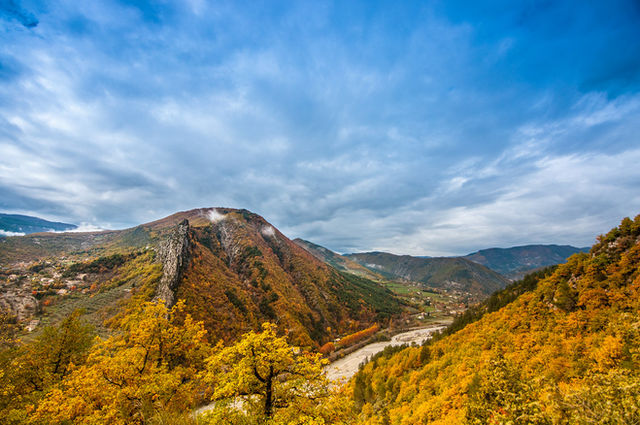
The French Riviera, traditionally known as the Côte d'Azur, spans the southeastern coast of France, stretching from the rugged massifs in the west to the Italian border in the east. The region is structurally defined by its striking topography, where the Maritime Alps meet the Mediterranean Sea to create a protected microclimate. Its landscape shifts dynamically from bustling resort cities and sandy beaches to steep, rocky cliffs and ancient perched villages that cling to the hillsides just a short distance inland.
Why go
It offers the ultimate Mediterranean coastal experience, seamlessly combining world-class modern art collections, historic maritime fortifications, and dramatic natural scenery with an unparalleled legacy of cinematic glamour.
Don't miss
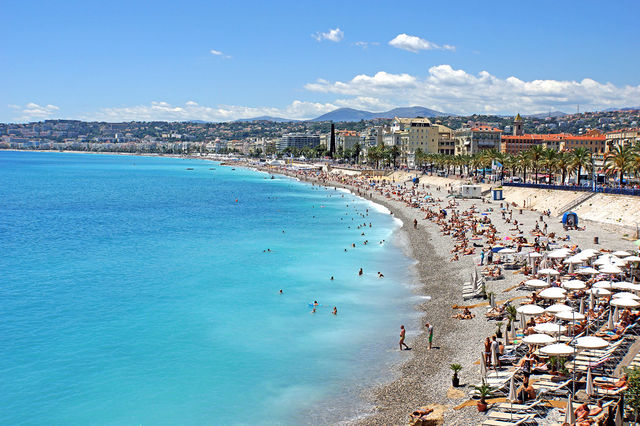
- Promenade des Anglais — Strolling the iconic seafront curve in Nice
- Villa Ephrussi de Rothschild — Exploring magnificent themed gardens on Cap Ferrat
- Musée Picasso — Viewing masterworks inside a historic Antibes fortress
- Îles de Lérins — Escaping to peaceful pine-scented islands off Cannes
- Sentier du Littoral — Hiking rugged, cliffside Mediterranean coastal paths
Signature experiences
Cruising the three corniches — Winding your way along the three parallel cliffside highways between Nice and the eastern border offers some of Europe's most spectacular driving. Each route sits at a different elevation, delivering distinct perspectives of medieval villages like Èze perched precariously overhead, sheer drops into the Mediterranean, and panoramic views over peninsulas stretching into the deep blue water.
Hopping the coastal rail line — Embracing the local train line allows you to skip coastal traffic entirely while darting from town to town. The tracks hug the shoreline, offering window views of hidden coves and public beaches, dropping you directly into the centers of historic ports, and making it effortless to visit multiple sub-zones in a single afternoon.
Exploring the artistic trail — Following the footsteps of 20th-century masters reveals why the region's luminous light captivated painters for decades. You can wander through world-class collections dedicated to individual artists, visiting stone chapels decorated by modern painters and exploring hilltop bastions that served as seaside studios.
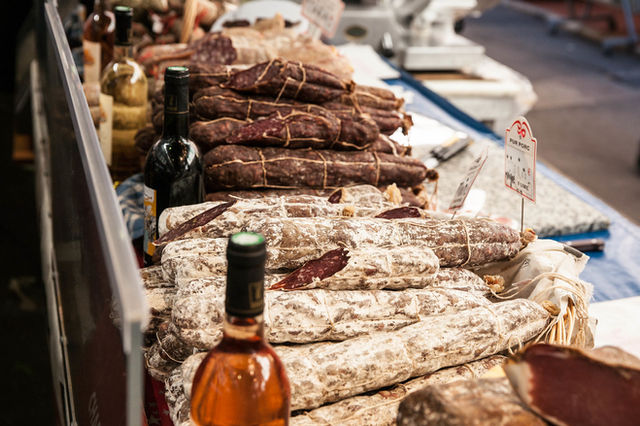
Immersing in the daily markets — Diving into the sensory overload of the region's morning markets is essential for understanding local life. Beneath striped awnings, tables groan under the weight of fresh olives, local goat cheeses, sun-ripened produce, and fragrant bundles of lavender, offering a vivid snapshot of seasonal Mediterranean abundance.
Where to base yourself
The sub-zones of French Riviera — where each cluster sits and who it suits.
-
Saint-Tropez
Situated at the western edge of the Riviera on a picturesque peninsula, this former fishing village retains its provincial charm beneath a layer of high-end glitz. The historic center features pastel-hued buildings and a lively harbor front, while the famous sprawling sandy beaches sit just south around the bay.
-
Cannes
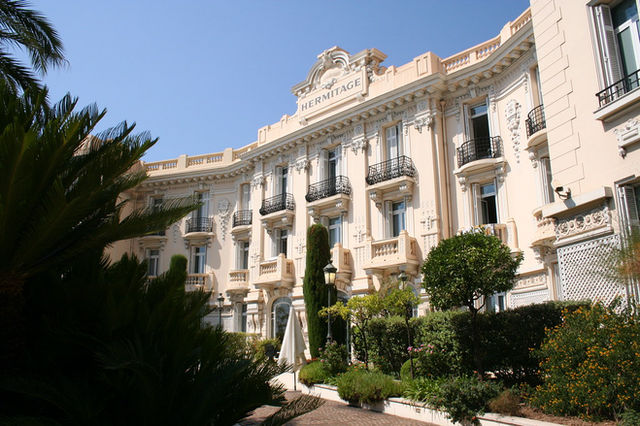
Famed for its international film festival, this bustling city combines high-end retail, grand Belle Époque hotels, and sandy coastlines. It serves as a gateway to peaceful offshore islands and sits near the dramatic red rocks of the Esterel Massif.
-
Antibes
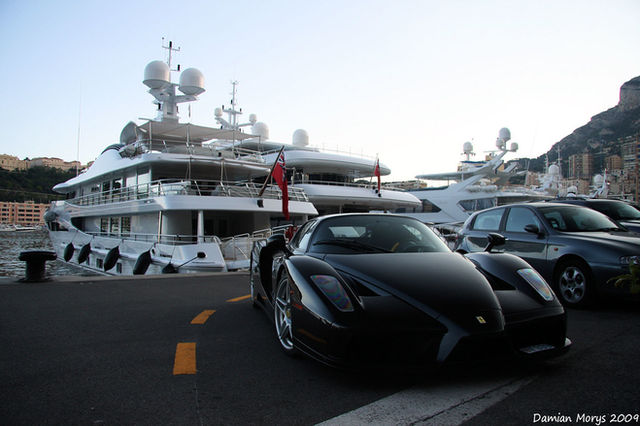
Positioned on a prominent cape between Cannes and Nice, this historic port town is enclosed by 16th-century ramparts. It balances a deep maritime history, exemplified by its mega-yacht harbor, with a relaxed, artistic atmosphere and winding cobblestone streets.
-
Nice
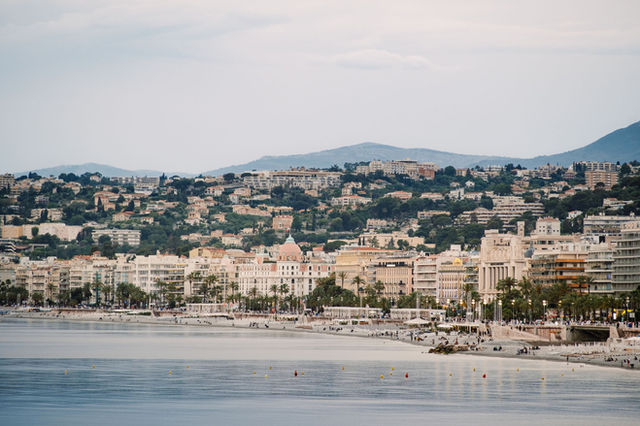
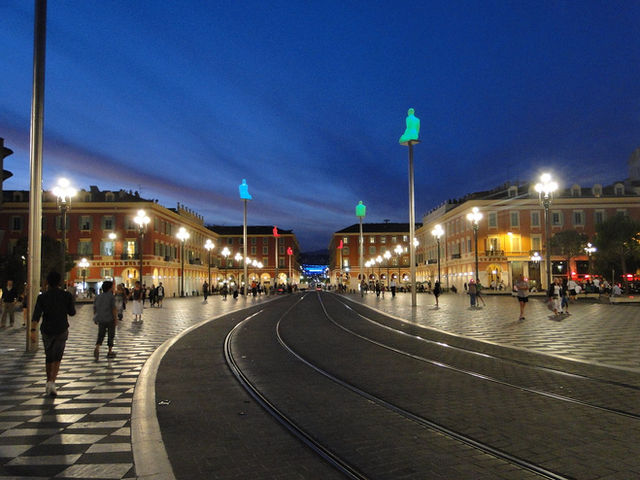
The vibrant capital of the region, this sprawling city centers around a grand crescent bay and a labyrinthine, Italianate old town. It offers a dense concentration of world-class art museums, bustling food markets, and a lively, year-round local culture.
-
Menton
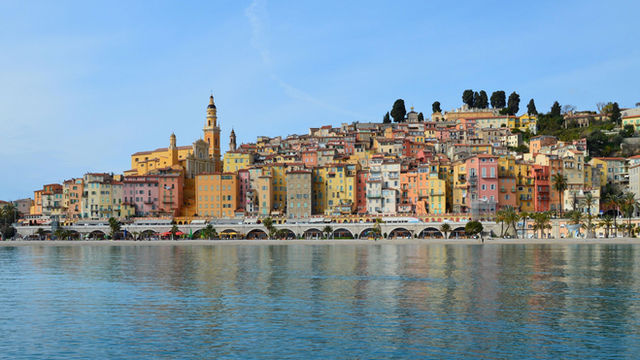
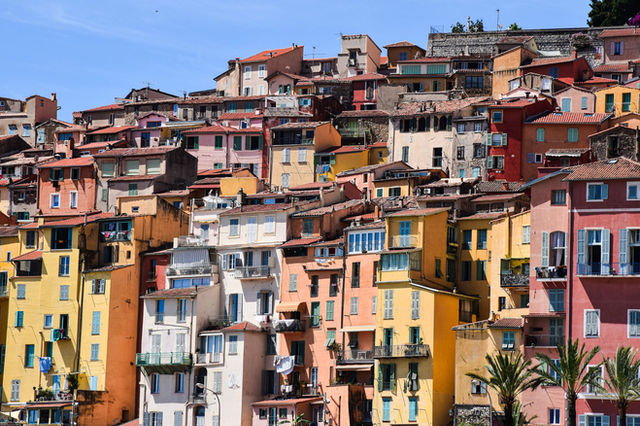
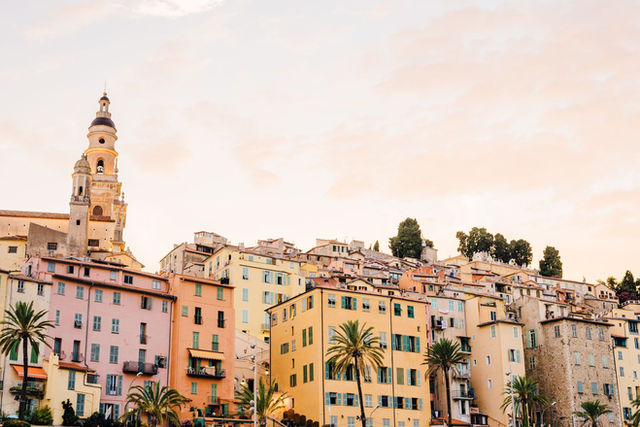
Tucked against the Italian border at the easternmost edge of the French coast, this town enjoys a remarkably warm microclimate that nurtures lush exotic gardens. Its steep, brightly painted old town cascades directly down to calm waters, offering a distinct Italian-French cultural blend.
Food & drink
The cuisine of the French Riviera is deeply Mediterranean, showing heavy Italian influences due to its geographical and historical ties. Olive oil, garlic, fresh tomatoes, and wild herbs form the backbone of local cooking, alongside fresh seafood caught right off the coast. Local vineyards tucked into the hillsides produce crisp, pale rosés and aromatic whites that perfectly complement the sunny climate, while bustling city markets showcase a rich tradition of street food meant to be eaten on the move.
- Socca — A savory, crispy chickpea flour pancake baked in wood-fired ovens.
- Salade Niçoise — A refreshing combination of fresh vegetables, hard-boiled eggs, anchovies or tuna, and local olives.
- Pissaladière — A thick tart topped with caramelized onions, anchovies, and black olives.
- Bouillabaisse — A rich, aromatic fish stew infused with saffron, garlic, and Mediterranean herbs.
- Côtes de Provence Rosé — A crisp, dry, and pale pink wine that defines the region's vineyards.
- Pan Bagnat — A hearty round sandwich packed with the ingredients of a Niçoise salad and drenched in olive oil.
French Riviera in photos
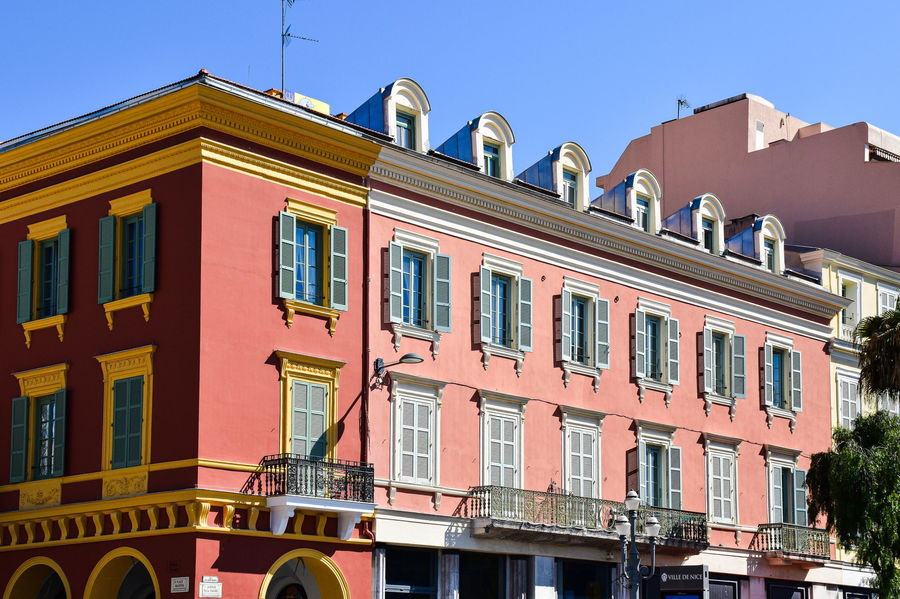
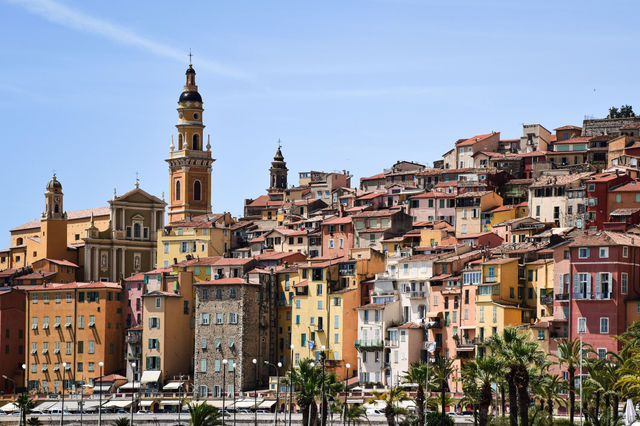
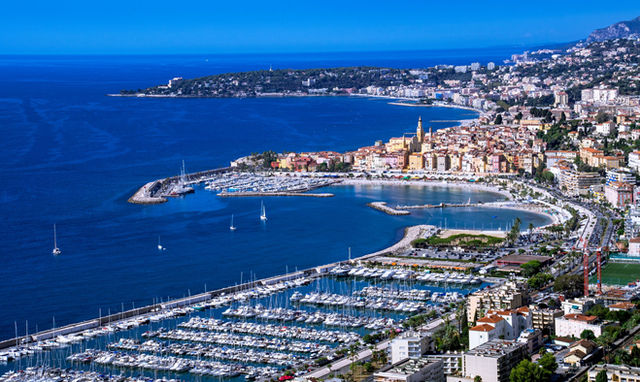
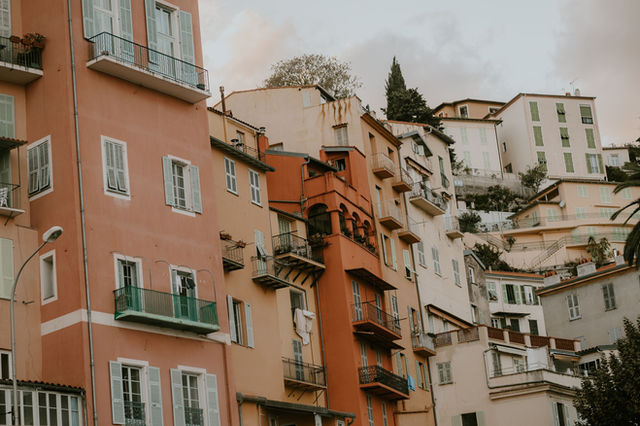
Where you'll stay in French Riviera
For maximum connectivity without a car, Nice is the premier base, offering direct access to the main rail line and a vast array of dining options. If you prefer a more compact, walkable town with a strong historic feel, Antibes provides an excellent central location with shorter travel times to both the east and west. For a holiday focused heavily on glamour and upscale dining, Cannes offers a central position, though it can feel highly commercialized. Those seeking isolated beach relaxation should opt for Saint-Tropez, keeping in mind that its lack of a rail link means navigating heavy road congestion to explore elsewhere. For a quieter, slower-paced retreat near the border, Menton provides an ideal, garden-filled setting, though it increases travel times to western sights.
Hotels & rentals around French Riviera
Pan, zoom and compare live prices — every stay in one map.
Getting around French Riviera
The regional train network, known as the TER line, runs directly along the coastline from the Italian border all the way to the western reaches, making it the most efficient way to travel between coastal towns without dealing with traffic. Local bus networks connect the coastal hubs to the steep hilltop villages inland, while seasonal passenger ferries link major ports and offshore islands.
Nice, Cannes, Antibes, and Menton are all connected directly via the coastal TER train line, allowing quick hops between them. Traveling to Saint-Tropez from the other sub-zones is best achieved by seasonal ferry from Cannes or Nice to bypass the heavy road traffic on the peninsula, or by car via the coastal highways if travelling out of season.
Insider tips
- Avoid driving the coastal roads during peak summer mornings and evenings, as traffic frequently grinds to a complete halt; use the regional train instead.
- Pre-book entry tickets for major art museums and high-profile historic properties well in advance, especially during the busy spring and summer months, to avoid long queues.
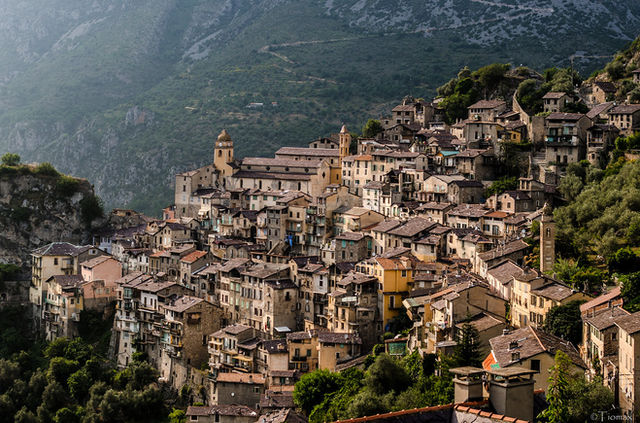
- When visiting the hilltop villages like Èze, arrive in the early morning or late afternoon to experience the stone alleys before tour buses fill the narrow spaces.
- Keep a close eye on the local festival calendar; a major international event can completely close off parts of Cannes or Monaco, altering transit times drastically.
- Always validate your train ticket at the yellow machines on the platform before boarding the regional TER trains to avoid hefty on-board fines.
While you're there
-
 3 OCT Cultural & Traditions See the event →
Explore the area
Local attractions & tours
Skip-the-line tickets and small-group tours in French Riviera — compare across our partners.
We're still curating hand-picked tickets and tours for French Riviera. In the meantime, the map above and the nearby cities are a great place to start.
Trips in French Riviera
Day-by-day itineraries that take in French Riviera — routes, timings and what to book.
-
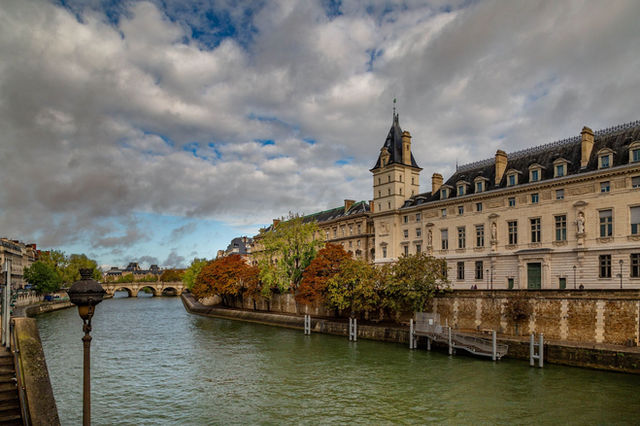 3 Nights
 4 Days in Paris
The essential Paris — landmarks, museums and Montmartre — at an unhurried family pace.
Price on enquiry
View trip -
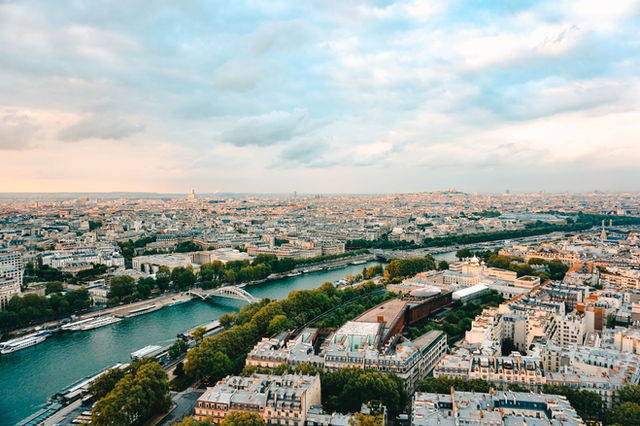 6 Nights
 7 Days in France: Paris, Provence & the Riviera Itinerary (2026)
Three faces of France in a week without a car — three nights in Paris, two in Avignon for the Pont du Gard and the Luberon, then the TGV down to Nice for a Riviera finish with Villefranche, Èze and Monaco within reach.
Price on enquiry
View trip -
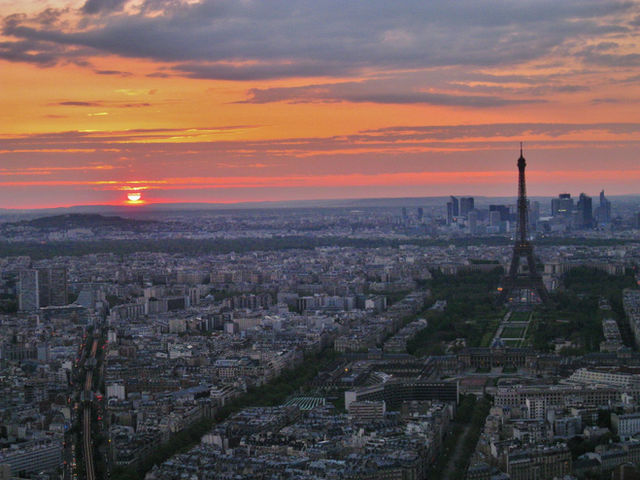 3 Nights
 The Essential Paris Family Stopover: Cobblestones, Catacombs, and Vintage Cars
Discover the timeless magic of the French capital on an active, family-focused 4-day city exploration. From the bustling avenues of the Latin Quarter to the mysterious depths of the Catacombs and an open-top vintage car cruise, this car-free route reveals Paris from entirely unique perspectives.
Price on enquiry
View trip -
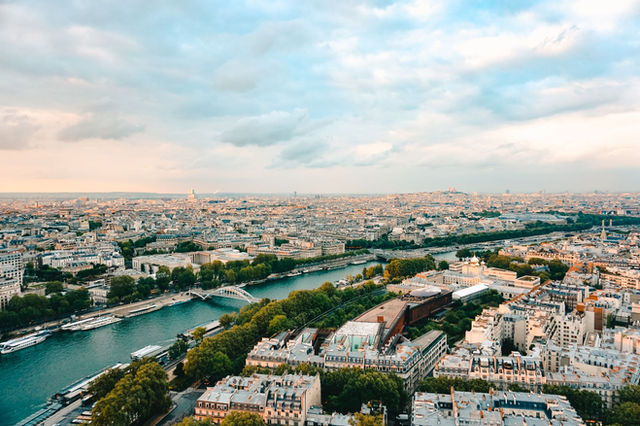 13 Nights
 The High-Speed Grand Tour: A 14-Day Car-Free Journey Across France
Experience a sweeping cultural journey through France entirely by rail, connecting the iconic avenues of Paris to the sun-drenched coast of the Riviera. This masterfully timed itinerary links world-class wine regions, historic river valleys, and Roman heritage without the need for a rental car.
Price on enquiry
View trip
When to visit French Riviera
May, June, September, October
Spring
What to expect — The landscape bursts into bloom with wild herbs and flowers, while the coastal cities throw off their winter quiet. Crowds are manageable, though major global events late in the season bring a massive influx of visitors to specific areas, causing accommodations to fill up quickly.
What's best — Enjoying comfortable outdoor exploring conditions, bright sunny days, and the sight of snow-capped mountains framing the blue sea.
Summer
What to expect — The region hits its peak energy with lively beach clubs, packed promenades, and bustling nightlife. The weather is consistently warm and dry, drawing global crowds that lead to heavy traffic on coastal roads and busy public transport, while all seasonal ferry routes and beachside businesses operate at full capacity.
What's best — Indulging in warm sea temperatures for swimming, long balmy evenings dining outdoors, and a vibrant coastal atmosphere.
Autumn
What to expect — The sea remains warm enough for swimming early in the season, while summer crowds thin out significantly. The weather transitions to cooler, crisper days with a higher chance of rainfall later on, and some seasonal beach establishments begin closing down by late autumn.
What's best — Witnessing golden autumn light across the hillsides, enjoying quieter historic towns, and experiencing the local grape harvest.
Winter
What to expect — The coastal cities experience a peaceful lull, with crisp, clear sunny days interspersed with cooler, rainy spells. While some seaside resorts and mountain paths close for the season, the major cities remain fully alive with winter festivals, local markets, and uncrowded museums.
What's best — Experiencing the vibrant winter citrus and carnival festivals, enjoying crowd-free cultural sights, and soaking up mild coastal sunshine while the rest of Europe freezes.
Know before you go
Getting around
The coastal TER train linking Nice, Cannes, Antibes and Monaco is cheap, scenic and dodges the notorious summer traffic and parking.
A car helps only for the hilltop villages inland such as Èze and Saint-Paul-de-Vence; on the coast itself it is often a liability.
Crowds & timing
July and August, and event weeks like the Cannes Film Festival in May and the Monaco Grand Prix, are peak-priced and packed.
Late spring and September stay warm enough to swim with far thinner crowds.
Local rules & etiquette
Many beaches are private and paid, with loungers; look for the free 'plage publique' stretches in between.
Resort dress is casual by day, but Monaco's casino and smarter venues enforce dress codes.
Money & booking
Cards are standard everywhere; Monaco uses the euro too, despite not being part of France.
Book sea-view tables and beach clubs ahead in summer, and lean on the train rather than hunting for parking.
Getting there
Nice Côte d'Azur Airport (NCE) serves as the primary international gateway, centrally located right on the coast with direct tram links to the city center and easy access to both eastern and western destinations. Gare de Nice-Ville serves as the principal rail hub, connecting the region to high-speed national lines from Paris and international routes from Italy.
Ready to book your trip?
Flights, airport transfers and car hire — search and compare without leaving the page.
More trip extras
Parking, holiday extras, and more — coming soon.
We're lining up parking, holiday extras and activities you'll be able to add to any trip from here.