Île-de-France
- Region
- May, June, September, October
- ~approx 4–6 days
- Royal Palaces
- Medieval Ramparts
- Impressionist Valleys
- Shaded Forests
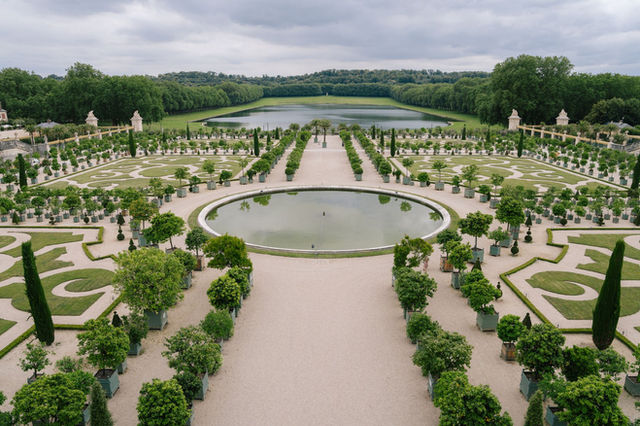
The sun dips below the manicured horizon of a grand geometric garden, illuminating the golden gates of a palace that once ruled the western world.
The historic heartland surrounding the French capital, where monumental royal domains, ancient hunting forests, and slow-flowing river loops form a rich protective ring of cultural heritage.
- Type
- region
- Ideal length
- ~approx 4–6 days
- Day-trip radius
- ~approx 30–60 min
- Sub-zones
- 5 areas
- Best season / months
- May, June, September, October
- Any traveller
- Royal history
- Architecture
- Slow travel
- Gardens
About Île-de-France
Île-de-France occupies the central basin of northern France, a landscape carved out by the winding loops of the Seine River and its tributaries, the Marne and the Oise. Dense, ancient woodlands like the forests of Fontainebleau and Rambouillet encircle the region, buffering the metropolitan center from vast, rolling agricultural plains. The territory hangs together through a profound architectural and historical legacy, serving as the birthplace of Gothic architecture and the playground of centuries of French monarchs who constructed an unmatched constellation of châteaux and estates just beyond the capital's boundaries.
Why go
It provides a spectacular journey through centuries of absolute monarchy, impressionist art history, and medieval trade, all interconnected by an exceptional regional rail network radiating out from Paris.
Don't miss
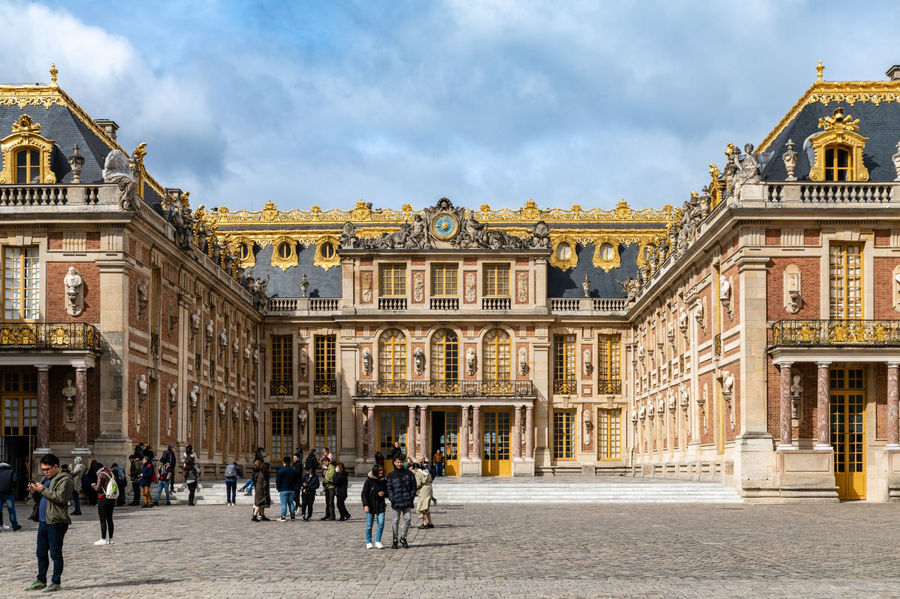
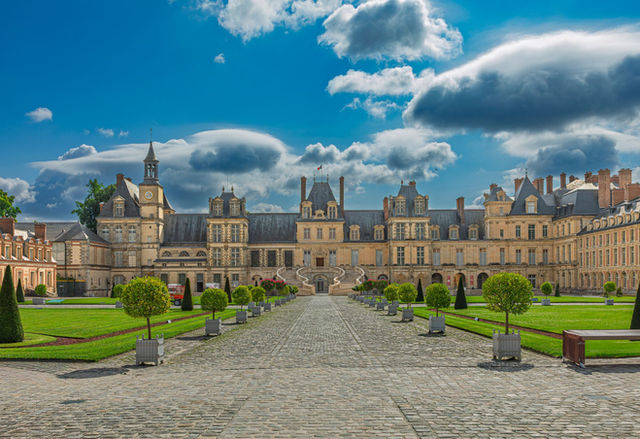
- Château de Versailles — Walking the magnificent Hall of Mirrors
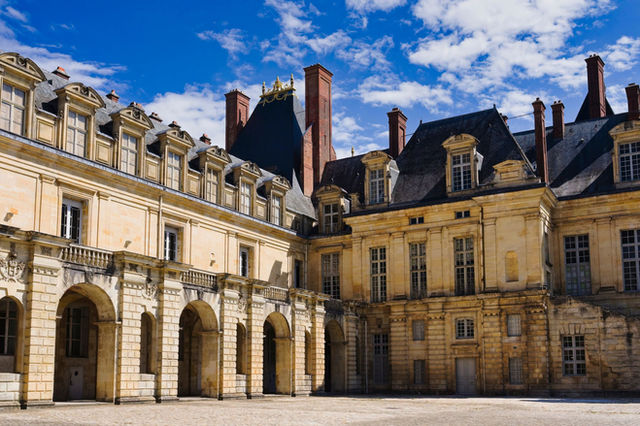
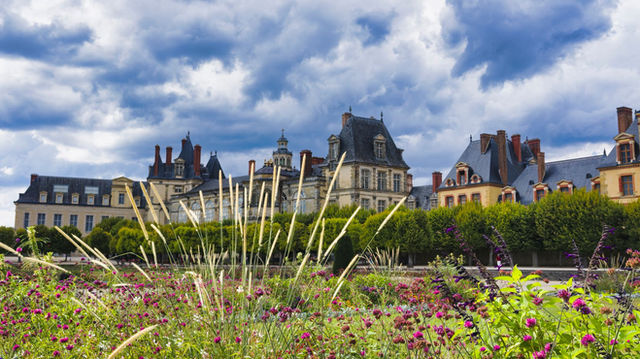
- Château de Fontainebleau — Exploring centuries of royal hunting history
- Provins Remparts — Tracing massive medieval stone fortifications
- Musée de l'Air et de l'Espace — Discovering historic aviation inside Le Bourget
- Château de Vaux-le-Vicomte — Admiring the inspiration for Versailles gardens
Signature experiences
Palace-hopping by rail or car — Exploring the grand loop of royal residences reveals the shifting architectural tastes and political ambitions of the French state. You can move from the medieval hunting lodges of Fontainebleau to the baroque symmetry of Vaux-le-Vicomte and the absolute scale of Versailles, tracing how kings and courtiers used stone and landscape to project absolute power.
Walking the impressionist valleys — Following the trails of 19th-century painters connects you directly to the landscapes that birthed modern art. Walking along the quiet banks of the Oise or through the wheat fields of the north allows you to stand in the exact locations where easels were pitched, matching real stone churches and river loops to iconic post-impressionist masterpieces.
Hiking the sandstone forests — Venturing into the vast ancient woodlands surrounding the sub-zones reveals an unexpected wilderness of massive sandstone boulders and sandy tracks. These former royal hunting grounds now serve as a prime outdoor playground, where you can hike through dense pine and oak groves, tackle world-famous bouldering circuits, and spot local wildlife.
Stepping into medieval trade history — Transporting yourself to the fortified border towns offers a dramatic contrast to the region's baroque palace culture. Walking along massive stone ramparts and exploring deep underground vaulted cellars reveals the economic power of the medieval fairs that once drew traders from across Europe to exchange goods under the protection of local counts.
Where to base yourself
The sub-zones of Île-de-France — where each cluster sits and who it suits.
-
Provins
Located at the far eastern edge of the region, this UNESCO-listed town stands as a remarkably preserved example of a medieval trade-fair capital. Its imposing stone ramparts, monumental towers, and timbered houses transport visitors back to the 12th and 13th centuries.
-
Melun
Straddling the Seine River in the southeastern sector, this ancient town is the direct gateway to the vast, boulder-strewn Fontainebleau Forest. The surrounding sub-zone boasts two of the most spectacular royal and aristocratic estates in France, nestled within rolling farmlands.
-
Versailles
Situated southwest of Paris, this affluent city was planned entirely to support the grandest court in European history. Beyond the monumental palace gates, the town features wide, tree-lined avenues, historic antique districts, and a massive royal kitchen garden.
-
Saint-Germain-en-Laye
Perched on a high terrace overlooking a loop of the Seine River in the western suburbs, this historic town was the birthplace of numerous French kings. It retains a sophisticated, royal atmosphere with a massive renaissance château, a sweeping forest park, and a historic center filled with boutique shops.
-
Auvers-sur-Oise
Tucked away in the northern valley of the Oise River, this picturesque village remains an evocative sanctuary of the impressionist movement. The landscape of rolling wheat fields, stone churches, and riverbanks looks remarkably unchanged from the canvases painted here during the late 19th century.
Food & drink
Île-de-France functions historically as the culinary crossroads of the nation, drawing the finest produce from surrounding agricultural plains to satisfy royal courts and city markets. The fertile soils produce exceptionally rich, creamy cheeses, crisp heirloom vegetables, and sweet fruits from old palace orchards. Local brasseries and countryside inns celebrate simple but classic bistronomy, utilizing traditional mustard varieties, stone-baked breads, and local honey harvested from forest hives, all washed down with regional ciders or wines from historic hillside plots.
- Brie de Meaux — A rich, buttery, and soft cow's milk cheese with a white rind from the eastern pastures.
- Pot-au-Feu — A comforting, slow-simmered beef stew cooked with root vegetables and marrow bones.
- Moutarde de Meaux — A grainy, aromatic mustard traditionally sealed in stoneware jars.
- Tarte Bourdaloue — A classic Parisian pear tart layered with sweet almond cream and flaky pastry.
- Coulommiers — A thick, creamy, and slightly nutty soft cheese closely related to Brie.
- Menthe de Milly-la-Forêt — Highly fragrant, traditional peppermint used in local infusions and syrups.
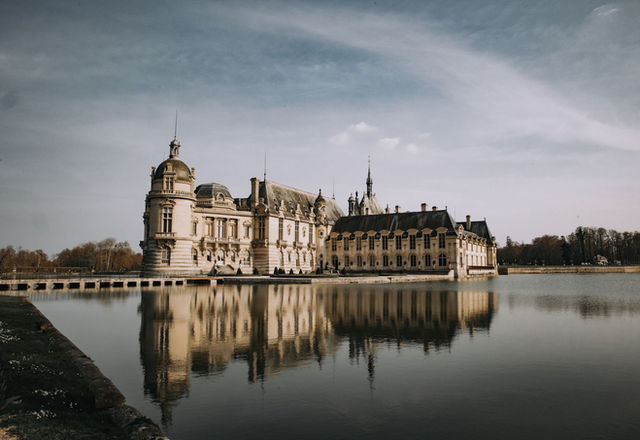
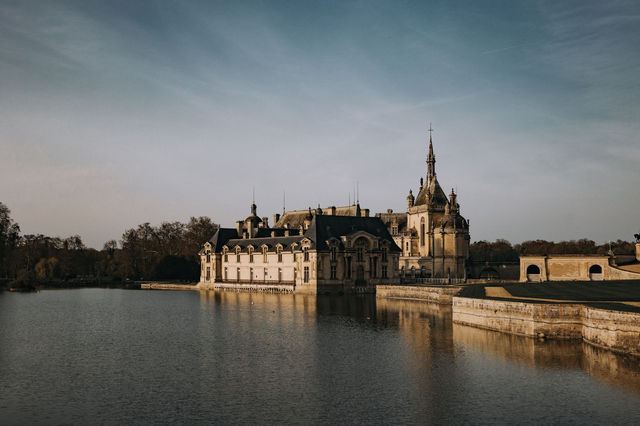
Île-de-France in photos
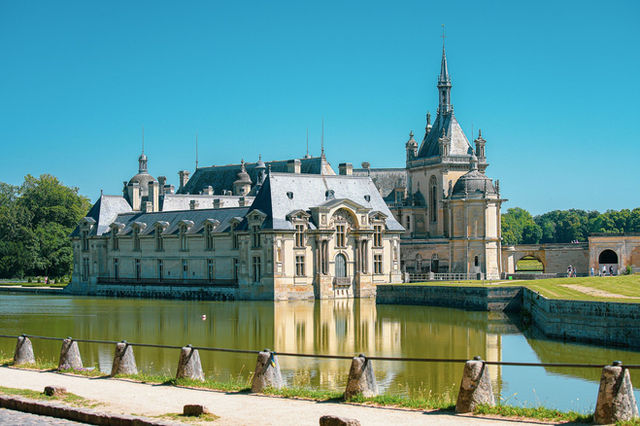
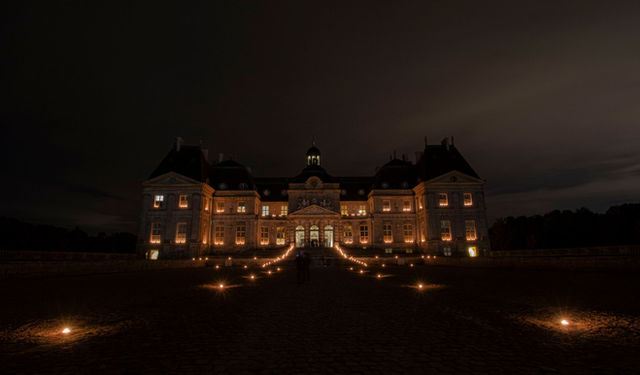
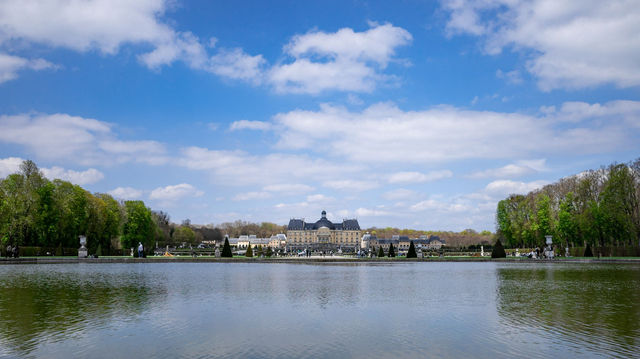
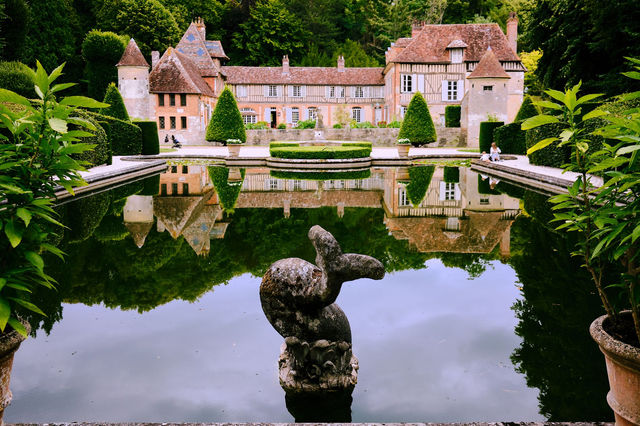
Where you'll stay in Île-de-France
If your travel goal centers on effortless regional exploration using public transit, basing in a central transport hub like Versailles provides immediate, multi-line rail access to both central Paris and the western châteaux. For those prioritizing nature walks, rock climbing, and deep historical estates, basing in Melun or near Fontainebleau offers a peaceful green retreat with direct access to massive forest trails, though a rental car becomes much more useful for crossing between southern valleys. Choose Provins for a highly atmospheric, budget-friendly immersion into medieval architecture at the cost of longer travel times to western sights. If an upscale, village-like atmosphere with panoramic river views and high-frequency train links to the capital is preferred, Saint-Germain-en-Laye makes a sophisticated western anchor.
Hotels & rentals around Île-de-France
Pan, zoom and compare live prices — every stay in one map.
Getting around Île-de-France
An exceptionally dense public transport system composed of RER express trains, Transilien regional rail lines, and local buses radiates out from the center to cover nearly every town. Well-paved long-distance cycling paths like the Véloscénie connect central hubs to southwestern sub-zones through parklands, making a car entirely unnecessary for the majority of routes.
Traveling from central Paris or Versailles to Saint-Germain-en-Laye is simple via the RER A or regional rail loops in ~approx 30 minutes. Moving from the western zone of Versailles to the southeastern forests of Melun and Fontainebleau is most efficiently managed via the Transilien Line N and R networks or by car via the southern outer ring highways in ~approx 60 minutes. Reaching the far eastern medieval outpost of Provins requires taking a direct Transilien Line P train from Gare de l'Est, taking ~approx 80 minutes, while the northern impressionist valley of Auvers-sur-Oise connects via Transilien Line H routes.
Insider tips
- Always pre-book a timed entry ticket online for the Palace of Versailles, as turning up without a reservation can mean waiting in multi-hour queues or being denied entry entirely.
- Purchase a regional Navigo transit pass if you plan to travel extensively by train, as it covers all five transit zones including remote sub-zones like Provins and Fontainebleau at a flat rate.
- Avoid traveling on the regional RER lines during morning and evening rush hours (~approx 8:00–9:30 AM and 5:30–7:00 PM) when trains are intensely packed with commuters.
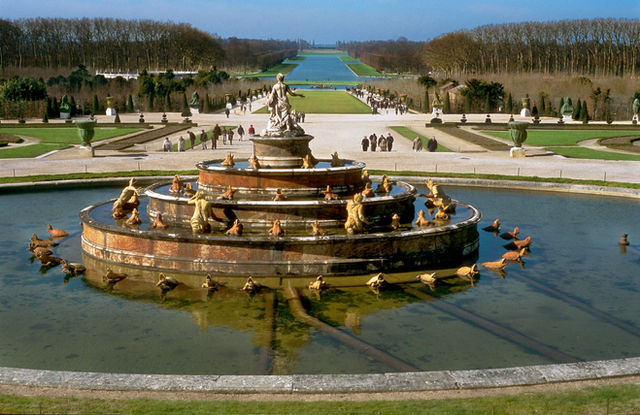
- Check the specific schedule for the musical fountain shows at Versailles; on show days, access to the formal gardens requires a separate paid ticket.
- Download the official regional rail transit app to monitor live track updates and scheduled maintenance closures, which frequently occur on weekends.
While you're there
-
 3 OCT Cultural & Traditions See the event →
Explore the area
Local attractions & tours
Skip-the-line tickets and small-group tours in Île-de-France — compare across our partners.
We're still curating hand-picked tickets and tours for Île-de-France. In the meantime, the map above and the nearby cities are a great place to start.
Trips in Île-de-France
Day-by-day itineraries that take in Île-de-France — routes, timings and what to book.
-
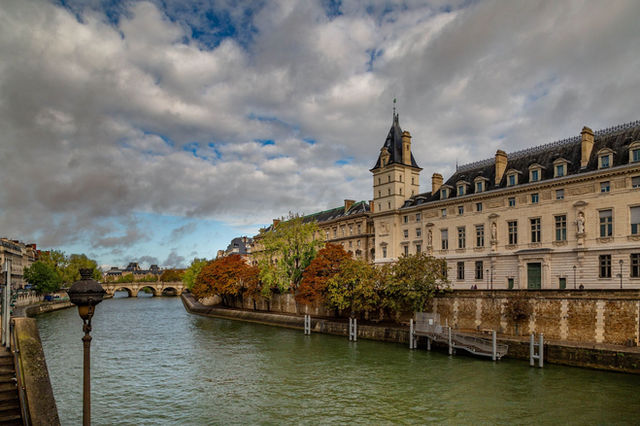 3 Nights
 4 Days in Paris
The essential Paris — landmarks, museums and Montmartre — at an unhurried family pace.
Price on enquiry
View trip -
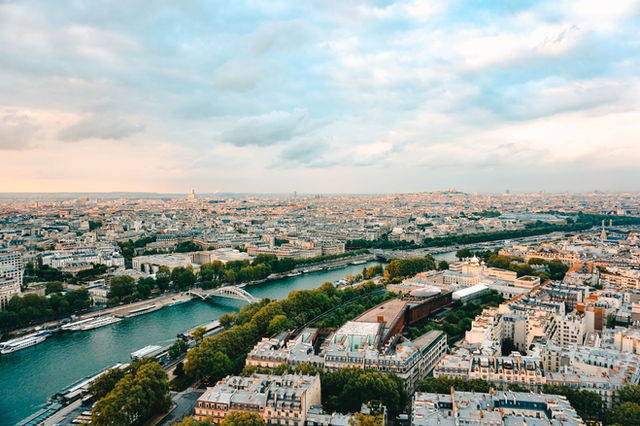 6 Nights
 7 Days in France: Paris, Provence & the Riviera Itinerary (2026)
Three faces of France in a week without a car — three nights in Paris, two in Avignon for the Pont du Gard and the Luberon, then the TGV down to Nice for a Riviera finish with Villefranche, Èze and Monaco within reach.
Price on enquiry
View trip -
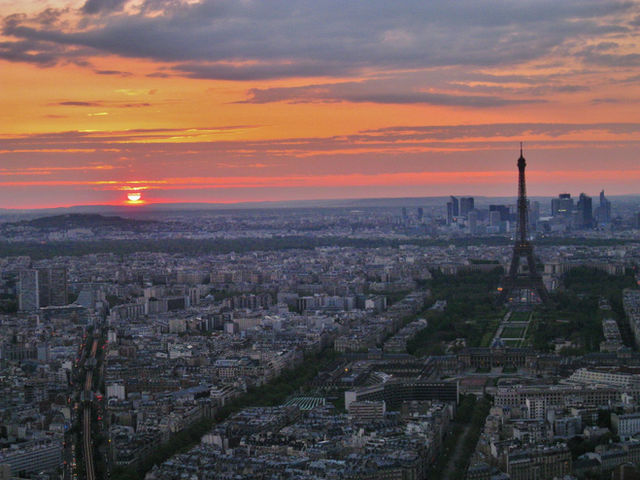 3 Nights
 The Essential Paris Family Stopover: Cobblestones, Catacombs, and Vintage Cars
Discover the timeless magic of the French capital on an active, family-focused 4-day city exploration. From the bustling avenues of the Latin Quarter to the mysterious depths of the Catacombs and an open-top vintage car cruise, this car-free route reveals Paris from entirely unique perspectives.
Price on enquiry
View trip -
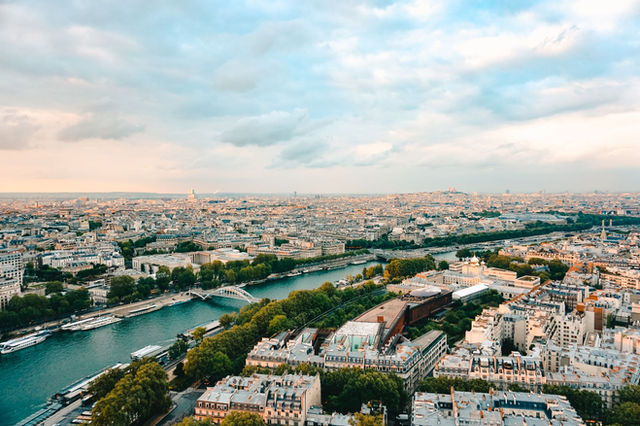 13 Nights
 The High-Speed Grand Tour: A 14-Day Car-Free Journey Across France
Experience a sweeping cultural journey through France entirely by rail, connecting the iconic avenues of Paris to the sun-drenched coast of the Riviera. This masterfully timed itinerary links world-class wine regions, historic river valleys, and Roman heritage without the need for a rental car.
Price on enquiry
View trip
When to visit Île-de-France
May, June, September, October
Spring
What to expect — Grand formal gardens burst into life with intricate tulip displays, and palace fountains begin their musical weekend displays. Weather switches between bright, crisp sunny days and sudden April showers, while major châteaux see manageable crowds before the peak summer influx.
What's best — Walking through magnificent palace grounds in peak bloom and enjoying comfortable city exploring conditions.
Summer
What to expect — Long, sunny days provide ample time for outdoor exploration, and local river banks fill with pop-up cafés. Global crowds peak across all major monuments, creating long security queues, while forest trails offer welcome shaded relief from the afternoon sun.
What's best — Witnessing spectacular evening light shows on palace facades and experiencing fully open outdoor garden concerts.
Autumn
What to expect — The massive national forests transform into a spectacular sea of orange, bronze, and gold, attracting local mushroom foragers. Crowds drop off noticeably after the school holidays, though the weather turns crisper and cloudier with an increased chance of rainfall by late autumn.
What's best — Walking through golden-hued palace parks and enjoying peaceful, crowd-free museum halls.
Winter
What to expect — A quiet, reflective atmosphere settles over the grand estates, which look exceptionally majestic when dusted with frost or light snow. While formal gardens are stripped bare and night falls early, historic towns host festive holiday markets, and indoor museum spaces remain fully heated and operational.
What's best — Experiencing the absolute scale of royal galleries without tourist crowds and warming up with rich local stews in cozy countryside inns.
Know before you go
Getting around
This is greater Paris — use the Métro, RER and Transilien trains rather than a car; a contactless Navigo pass or your phone covers the whole network, including the airports.
Versailles, Fontainebleau, Giverny and Disneyland Paris are all reachable by RER or SNCF train from the centre.
Crowds & timing
Versailles and the headline sights are busiest at midday in summer and on weekends; go at opening or in late afternoon.
Many Paris museums close one weekday — the Louvre on Tuesdays, the Orsay on Mondays — so plan the week around it.
Local rules & etiquette
Say 'Bonjour' before asking anything in a shop or café. Keep bags zipped and to the front on Line 1 and the airport RER lines, the known pickpocket routes.
Stand on the right on escalators and let passengers off before you board.
Money & booking
Card and contactless work almost everywhere, including transport barriers; paper tickets are being phased out, so load a Navigo Easy pass or use your phone.
Book Versailles and the major museums with timed entry online to skip the worst queues.
Getting there
Charles de Gaulle Airport (CDG — Paris) north of the center and Orly Airport (ORY — Paris) to the south serve as the primary international gateways, both directly integrated into the regional express rail network. Major central rail terminals including Gare du Nord, Gare de Lyon, and Gare de Montparnasse connect the region to high-speed national lines and international Eurostar routes.
Ready to book your trip?
Flights, airport transfers and car hire — search and compare without leaving the page.
More trip extras
Parking, holiday extras, and more — coming soon.
We're lining up parking, holiday extras and activities you'll be able to add to any trip from here.