The 'Garden of France' — a river valley strung with Renaissance châteaux, manicured gardens and crisp white wines.
Region
April to June, and September to October
~approx 5–7 days
Renaissance Châteaux
Chenin & Cabernet Franc
Slow River Towns
Loire à Vélo
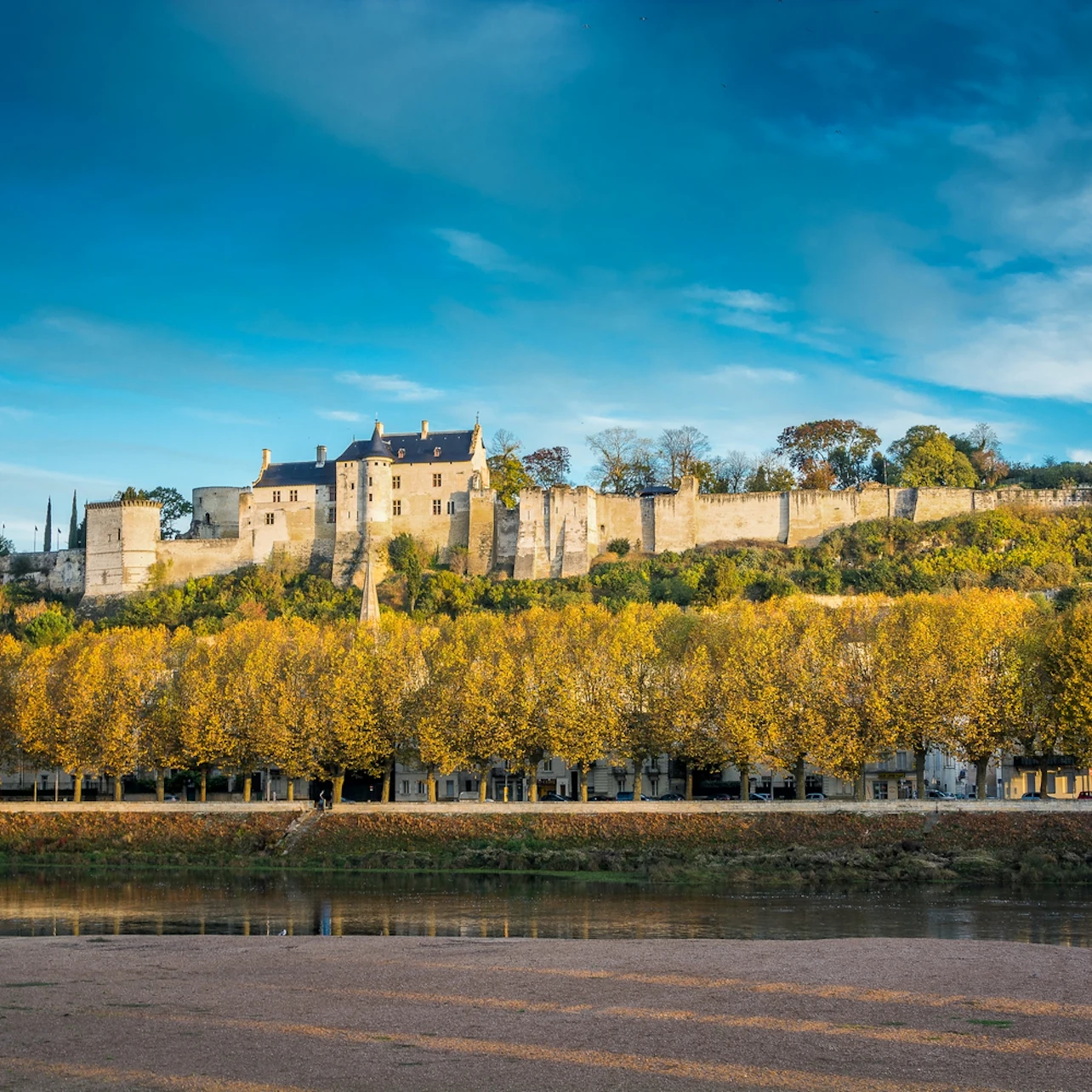
Morning mist lifts off the water and a pale limestone château comes up on the far bank, its towers doubled in the current.
France's longest river runs slow and wide through a string of Renaissance châteaux, walled gardens and tufa-stone towns. You explore it the unhurried way — by car, by bike, or a train along the valley floor.
Type
region
Ideal length
~approx 5–7 days
Day-trip radius
~approx 45–60 min between the main château towns
Sub-zones
4 areas
Best season / months
April to June, and September to October
Good for
Couples
Families
Slow travel
Wine
Cycling
▸ Discover
About Loire Valley
The Loire Valley follows the river across the middle of France, flowing east to west toward the Atlantic. The classic château stretch — the part UNESCO lists — runs roughly from Orléans down to Angers, with the tributary Cher, Indre and Vienne feeding in from the south. Soft tufa limestone gave the region both its bright château walls and the cave cellars dug behind them. The towns sit close together along the banks, so you move between them in short hops rather than long hauls, and the land stays flat enough to cycle.
Why go
Nowhere else packs this many Renaissance châteaux into one river valley, and you can pair them with serious, unfussy wine — Vouvray, Chinon, Saumur — across short, easy distances. It rewards a slow pace.
Don't miss
Château de Chambord — Renaissance hunting palace, double-helix staircase
Château de Chenonceau — arched gallery spanning the Cher
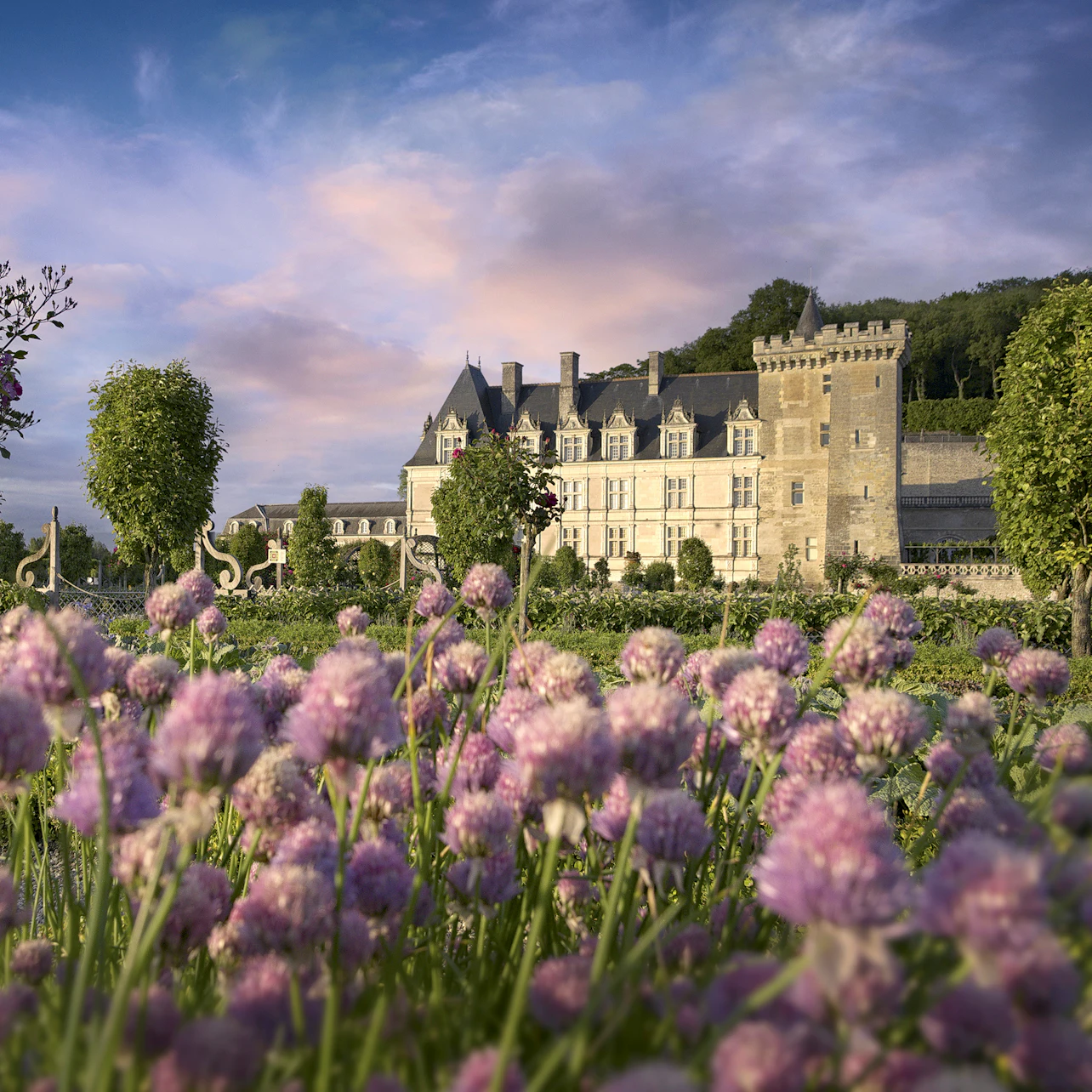
Château de Villandry — geometric Renaissance kitchen gardens
Château-hopping by car — The estates cluster in loose groups along the river, so a day is best built around two — a grand morning palace, then a smaller or garden-led one after lunch. Driving lets you follow the quiet levee roads between them and stop at the viewpoints that the train and the tour coaches skip.
Cycling the Loire à Vélo — A signed, mostly flat cycle route runs the length of the valley beside the river, linking town to town and château to château. You can ride a single stretch — say between two neighbouring estates — with bikes hired at one end and dropped at the other, rolling past vineyards and sandbars instead of sitting in a car park queue.
Troglodyte cave cellars — The same soft tufa that built the châteaux left the cliffs behind them honeycombed with caves, now used to age Vouvray and Saumur wines at a steady cool temperature. Going down into one for a tasting is the region's most particular experience, and some caves double as mushroom farms or cave-dwelling villages you can walk through.
Gardens and the river itself — Beyond the buildings, the valley is a garden region: the clipped parterres at Villandry, the international garden festival at Chaumont, and the wide, braided river with its islands and sandbanks. An hour on the water in a traditional flat-bottomed Loire boat shows you the châteaux from the angle they were built to be seen from.
Where to base yourself
The sub-zones of Loire Valley — where each cluster sits and who it suits.
Orléans
The eastern gateway to the valley, where the Loire makes its big bend and the flat, wooded Sologne spreads out to the south. It is a working cathedral city tied to Joan of Arc rather than a château showpiece, so it feels more lived-in than touristed.
Why go
For the eastern châteaux and the quiet forest-and-lake country of the Sologne on the doorstep.
Known for
Sainte-Croix cathedral, the Joan of Arc old town, and the game-and-lake landscapes of the Sologne.
Blois
A steep-streeted town built up from the river around a royal château that stacks four periods of French architecture in one courtyard. It sits at the centre of the grandest cluster of estates, so the biggest names are all a short drive away.
Why go
For the heavyweight châteaux — this is the base for the eastern showstoppers.
Known for
The Château Royal de Blois in town, the vast Château de Chambord and Château de Cheverny north and east, and the garden festival at Chaumont-sur-Loire.
Tours
The capital of the old Touraine and the practical heart of the valley — a real city with a medieval quarter, a fast train link and good food markets. It makes the most connected base if you would rather not drive everywhere.
Why go
For the central châteaux, the Vouvray vineyards, and a proper city to come back to each evening.
Known for
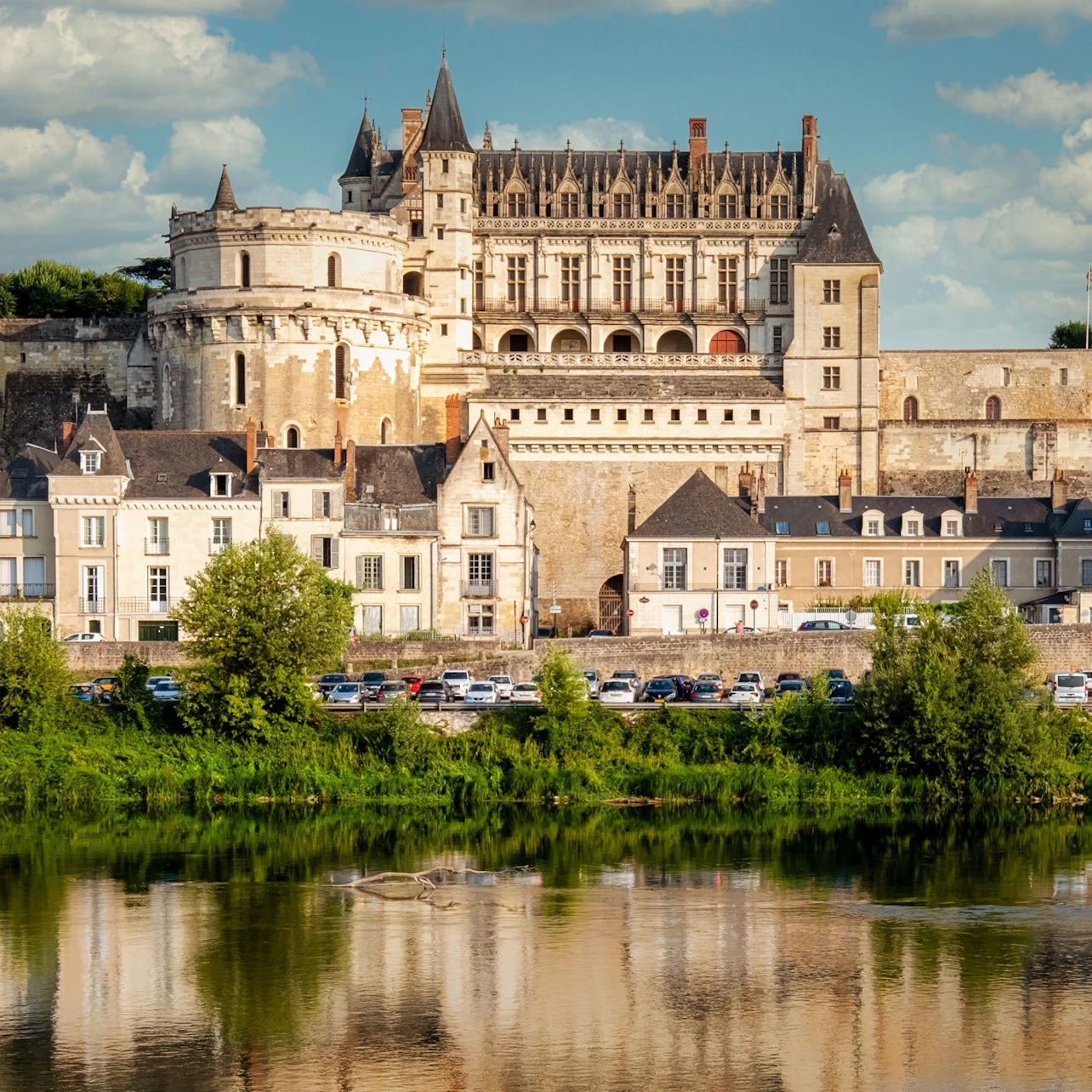
Château de Chenonceau over the Cher, the gardens of Château de Villandry, Château royal d'Amboise and Leonardo da Vinci's Clos Lucé, and the Vouvray wine slopes.
Saumur
The western, Anjou end of the valley, where the tufa turns to pale cliffs riddled with cave cellars and the wine goes sparkling. Quieter and more workaday than Touraine, with a cavalry-school town at its centre and abbeys and fortresses nearby.
Why go
For sparkling Saumur, the cave cellars, and the western fortresses without the peak-season crush.
Known for
The hilltop Château de Saumur, the troglodyte wine cellars and cave villages, the fortress of Chinon on the Vienne, and Fontevraud Abbey.
Food & drink
The Loire cooks simply from good river and farm ingredients — freshwater fish, pork, goat cheese, orchard fruit — and drinks better than its modest reputation suggests. Potted pork (rillettes and rillons) turns up in every charcuterie; ash-rinded goat cheese comes from the Touraine hills; and the markets fill with asparagus in spring and plums and pears in autumn. The wine maps neatly onto the geography: dry and off-dry Chenin Blanc at Vouvray and Montlouis, red Cabernet Franc at Chinon and Bourgueil, and sparkling wine around Saumur.
Rillettes de Tours — coarse, slow-cooked potted pork, spread cold on bread
Sainte-Maure de Touraine — ash-coated goat cheese cylinder with a straw through the middle
Tarte Tatin — upside-down caramelised apple tart, from the Sologne
Vouvray — Chenin Blanc from dry to sweet to sparkling
Chinon — aromatic Cabernet Franc red from the Vienne slopes
Crémant de Loire — the region's traditional-method sparkling wine
For a first, comprehensive trip, base around Tours or Amboise in the centre: the drives to the headline châteaux stay short and the rail link makes a car optional. If the eastern giants — Chambord, Cheverny, Chaumont — are the priority, Blois puts them closest. Choose Saumur or Chinon in the west for wine, caves and a quieter feel, accepting more driving if you also want the far-eastern estates. Wherever you land, a riverside or old-town base beats a ring-road one — you want to walk to dinner.
Stay
Hotels & rentals around Loire Valley
Pan, zoom and compare live prices — every stay in one map.
▸ Getting around
Getting around Loire Valley
A regional TER line runs the valley floor, linking Orléans, Blois, Amboise, Tours, Saumur and Angers, so the town-centre châteaux are reachable by rail. The Loire à Vélo cycle route is fully signed with bike hire and one-way drop-offs. But the rural estates — Chambord, Chenonceau, Villandry — usually need a car, bike, taxi or seasonal shuttle from the nearest station.
Moving east–west between Blois, Tours and Saumur is straightforward by the valley train or the parallel levee roads. Reaching the Sologne or the eastern hunting estates from the centre is ~approx 1 hour by car; allow a full day if you are joining it up by bike.
▸ What you'll do
Insider tips
The châteaux run east to west along the river — cluster your visits by area and move downstream rather than criss-crossing, or you will waste a day backtracking.
A car earns its keep here; the valley train links the towns well but most estates sit a taxi or bike ride from their nearest station. Chambord in particular has no station of its own.
Do not try more than two big châteaux in a day. The estates and their grounds are large, and "château fatigue" is real — pair one palace with a tasting, a garden or a bike leg instead.
Pre-book timed entry for Chambord and Chenonceau in peak summer to skip the exposed queues.
Three faces of France in a week without a car — three nights in Paris, two in Avignon for the Pont du Gard and the Luberon, then the TGV down to Nice for a Riviera finish with Villefranche, Èze and Monaco within reach.
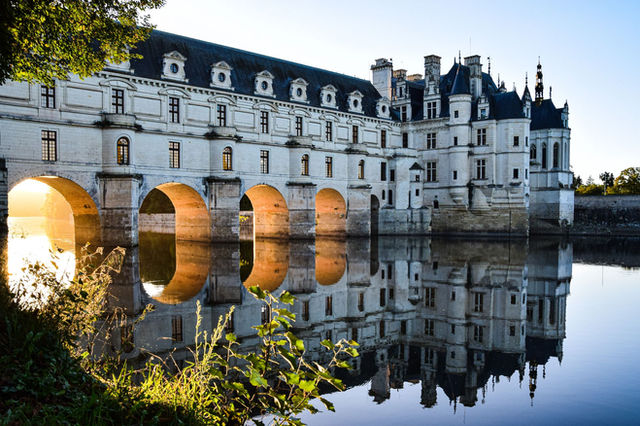
Uncover the architectural marvels, legendary vineyards, and scenic waterways of France's Valley of the Kings. This regional self-drive deep-dive pairs the grandest Renaissance châteaux with garden festivals, riverside towns, troglodyte wine caves, and easy cycling along the Loire.
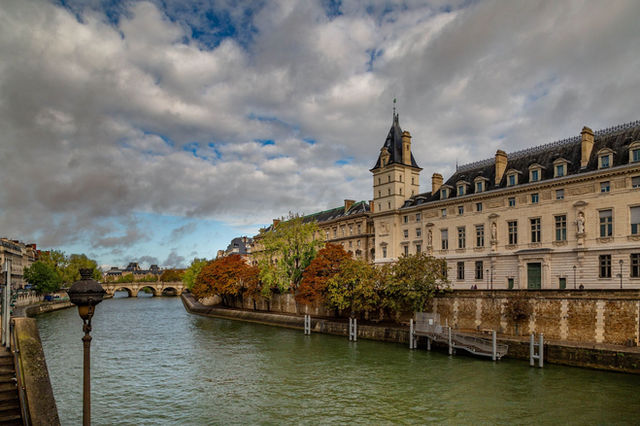
Discover the timeless magic of the French capital on an active, family-focused 4-day city exploration. From the bustling avenues of the Latin Quarter to the mysterious depths of the Catacombs and an open-top vintage car cruise, this car-free route reveals Paris from entirely unique perspectives.
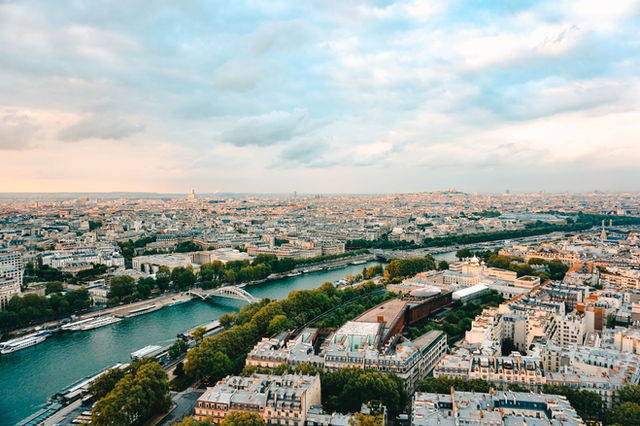
Experience a sweeping cultural journey through France entirely by rail, connecting the iconic avenues of Paris to the sun-drenched coast of the Riviera. This masterfully timed itinerary links world-class wine regions, historic river valleys, and Roman heritage without the need for a rental car.
What to expect — The gardens wake up and the château season opens fully, though some smaller sites keep shorter hours before May. Weather swings between bright and showery, and crowds stay moderate outside the Easter and May holiday weekends.
What's best — The Villandry gardens filling in, local asparagus on every menu, and long interiors to yourself before summer.
Summer
What to expect — The busy stretch — the marquee châteaux draw real queues and the cycle route and riverside fill up. Warm, long days, with evening light shows projected on some château façades.
What's best — Late light for cycling and river trips, outdoor tastings, and warm evenings in the town squares. Book the big two — Chambord and Chenonceau — ahead and go early to dodge the mid-day crush.
Autumn
What to expect — The vineyards turn and the harvest brings the cellars to life, while the crowds thin after the school holidays. Cooler, often clear mornings; some smaller sites start trimming hours by November.
What's best — New-season wine, game and mushrooms on the menus, and gold light on the tufa — the connoisseur's season.
Winter
What to expect — The quiet months. Several smaller châteaux and cave cellars close or drop to weekend-only hours, and river mornings can be grey and cold. The big estates stay open and near-empty.
What's best — Chambord almost to yourself, festive dressing in some châteaux around the holidays, and a fire in a country inn after a short, sharp walk.
▸ Know before you go
Know before you go
Getting around
The châteaux run east–west along the river, so cluster visits by area and move downstream rather than criss-crossing. A car earns its keep, as many estates sit well outside their nearest station.
The valley TER links Orléans, Blois, Amboise, Tours and Saumur, and the flat Loire à Vélo route connects the towns by bike.
Crowds & timing
Chambord and Chenonceau draw real summer queues; go early or late in the day and pre-book timed entry in peak season.
Spring gardens and the autumn harvest are the loveliest, quieter windows; some smaller châteaux cut their hours or close in winter, so check before you travel.
Local rules & etiquette
Don't attempt more than two big châteaux in a day — 'château fatigue' is real; pair one palace with a garden, a tasting or a bike leg.
Standard French meal times apply, so plan lunch rather than assuming all-day food.
Money & booking
Cards are standard; keep a little cash for cave-cellar tastings and village markets.
Book Chambord and Chenonceau tickets and popular tastings ahead in summer to skip the exposed queues.
▸ Ready to book your trip?
Getting there
There is no major international airport in the valley itself. Most travellers fly into Paris — Charles de Gaulle (CDG) or Orly (ORY) — and come down by train or road, ~approx 2–3 hours. Nantes Atlantique (NTE) works as a western gateway; Tours Val de Loire (TUF) handles a small number of low-cost flights. The TGV reaches Tours at Saint-Pierre-des-Corps in ~approx 1 hour from Paris-Montparnasse, and Angers on the same line — both good places to pick up a car. Slower Intercités trains from Paris-Austerlitz call at Orléans, Blois and Amboise.
Book
Ready to book your trip?
Flights, airport transfers and car hire — search and compare without leaving the page.
▸ Trip extras
Book
More trip extras
Parking, holiday extras, and more — coming soon.
Coming soon
We're lining up parking, holiday extras and activities you'll be able to add to any trip from here.
 © Tiqets


 3 OCT Cultural & Traditions See the event →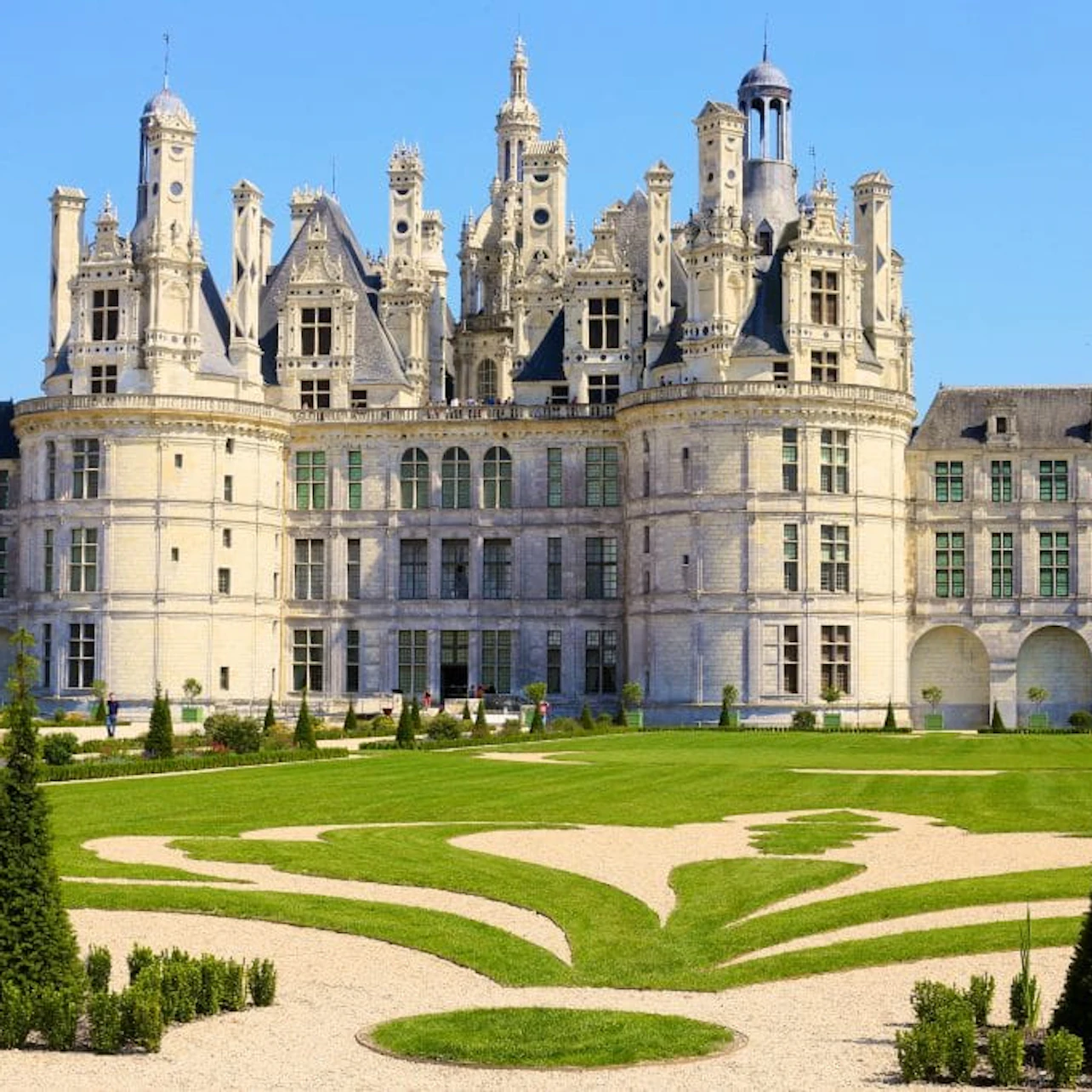


 © Tiqets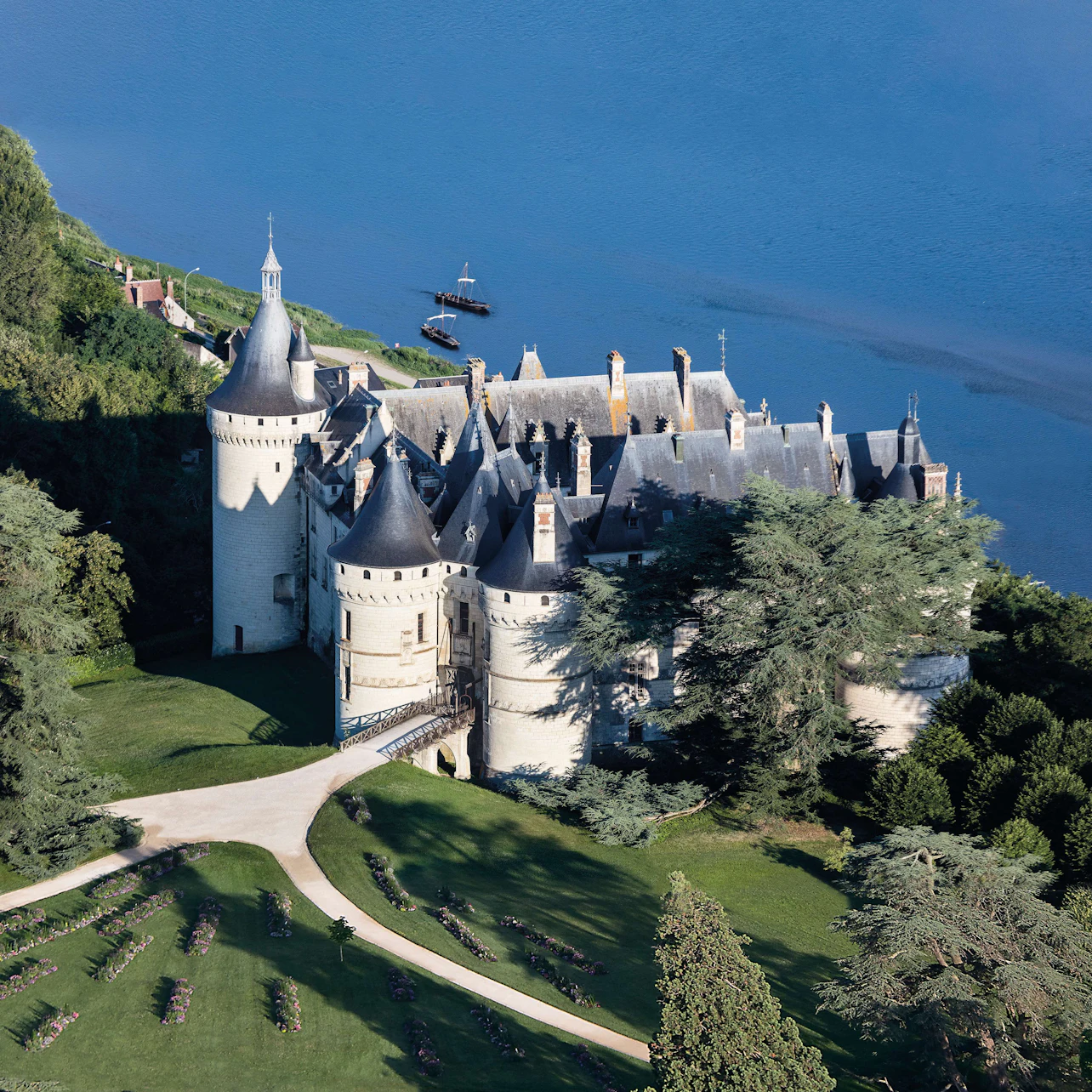


 © Photo by Edouard CHASSAIGNE on Pexels
  3 Nights
  6 Nights
  7 Nights
  3 Nights
  13 Nights