Normandy
- Region
- June, July, August, September
- ~approx 5–7 days
- Timbered Cities
- Coastal Cliffs
- D-Day Memorials
- Cider Orchards
The maritime wind sweeps across soaring limestone arches as the rhythmic scent of sea salt mixes with woodsmoke from a half-timbered village nestled in the valley below.
A historic northwestern region of France defined by its chalk-white maritime cliffs, pastoral farmlands, and profound historical legacies spanning from William the Conqueror to the beaches of World War II.
- Type
- region
- Ideal length
- ~approx 5–7 days
- Day-trip radius
- ~approx 45–60 min
- Sub-zones
- 4 areas
- Best season / months
- June, July, August, September
- Any traveller
- Heritage history
- Coastal landscapes
- Gastronomy
- Road trips
About Normandy
Normandy stretches along the English Channel in northwestern France, defined by a dramatic coastline that moves from the towering white walls of the Alabaster Coast to the sandy expanses of the landing beaches and the extreme tidal bays of the west. Inland, the geography transforms into the lush, rolling hills of the Bocage, dotted with traditional dairy pastures, apple orchards, and meandering river loops like the Seine. The region hangs together through its deep Norse heritage, maritime legacy, and a prominent place in European military and artistic history.
Why go
It offers an emotionally resonant and visually striking journey through Western history, pairing iconic tidal monuments and deeply moving wartime memorials with the pastoral pleasures of historic cider paths and impressionist landscapes.
Don't miss
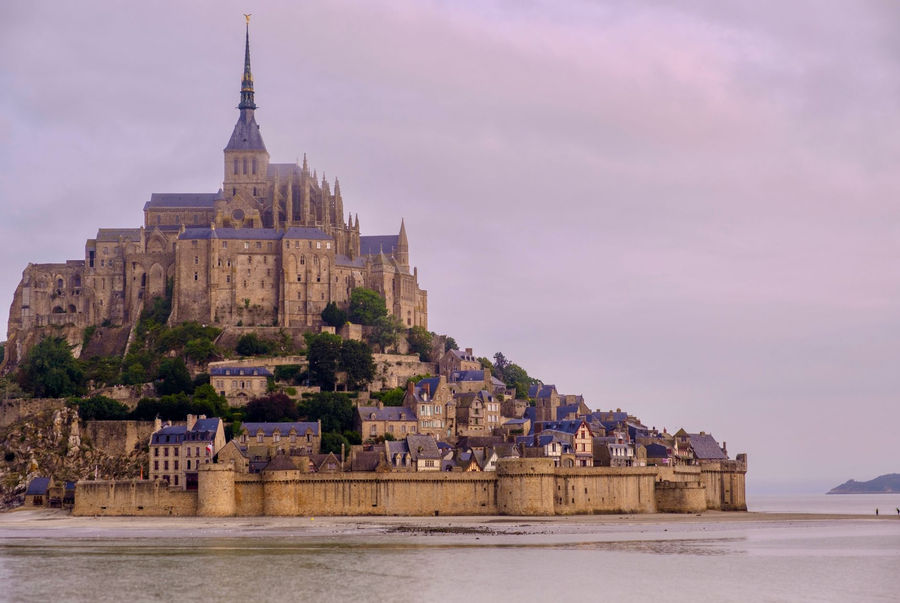
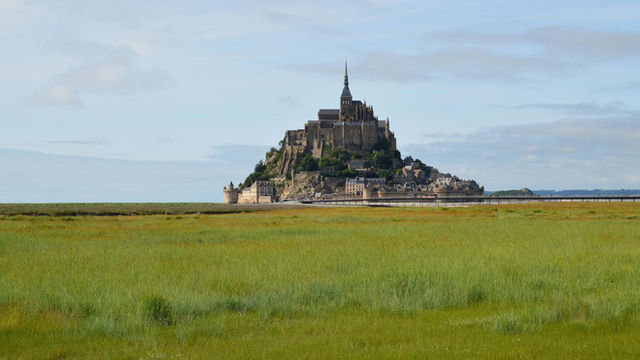
- Mont-Saint-Michel — Watching the tide encircle a medieval abbey
- Omaha Beach — Standing on historic, somber D-Day sands
- Tapisserie de Bayeux — Viewing the epic medieval embroidery masterpiece
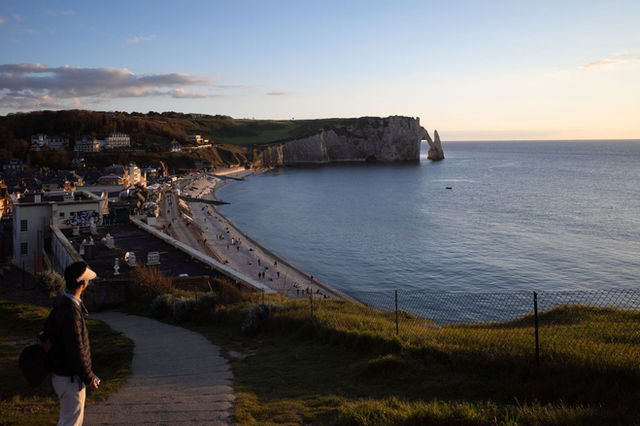
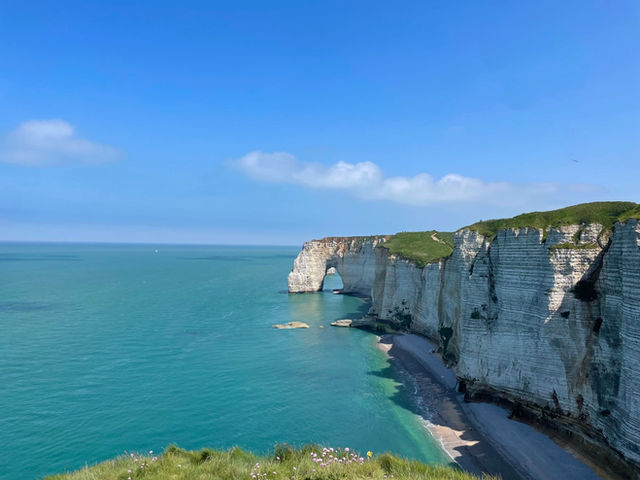
- Falaise d'Étretat — Gazing at monumental natural chalk arches
- Vieux Rouen — Wandering cobblestone alleys among Gothic spires
Signature experiences
Walking the beaches of remembrance — Standing on the wide, quiet stretches of the northern sand dunes offers a deeply moving encounter with modern history. Walking through the preserved clifftop bunkers, shell craters, and quiet military cemeteries provides a somber, evocative understanding of the monumental Allied landings that reshaped the modern world.
Chasing the impressionist coastline — Tracing the high chalk cliffs and old fishing ports reveals why this luminous maritime light captivated 19th-century painters. You can look down from the soaring natural rock arches of the Alabaster Coast or stroll along slate-fronted harbors, matching the real landscapes to the iconic canvases on display in regional museums.
Driving the cider and cheese routes — Winding your way through the narrow lanes of the interior valleys leads you through a pastoral landscape of timbered farms and deep green pastures. Stopping at traditional countryside estates allows you to witness generations of agricultural heritage, sampling naturally fermented ciders and pungent cheeses right where they are produced.
Witnessing the monumental tides — Observing the dramatic shifts within the southwestern bays reveals the raw power of the maritime environment. Watching the ocean pull back completely to expose miles of sandy flats before rushing back to turn a medieval hill into an isolated island fortress is one of the most spectacular natural sights in Europe.
Where to base yourself
The sub-zones of Normandy — where each cluster sits and who it suits.
-
Rouen
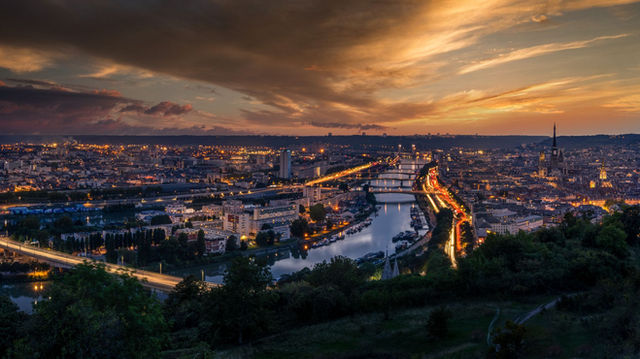
Sitting on a sweeping loop of the Seine River in the east, this historic capital is a masterpiece of Gothic architecture and medieval half-timbered structures. The surrounding zone extends out into the lush river valley and toward the dramatic chalk cliffs of the northern coast, including neighboring fishing ports like Dieppe.
-
Honfleur
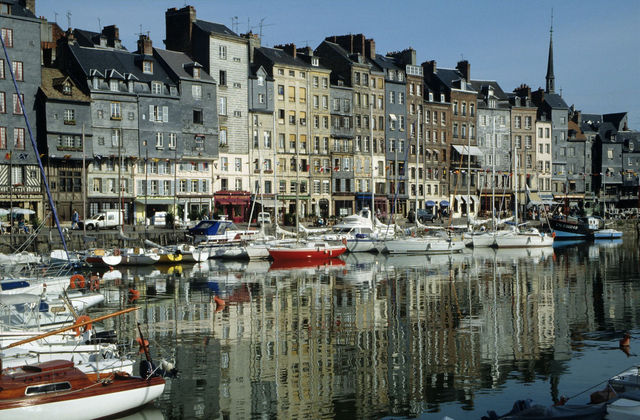
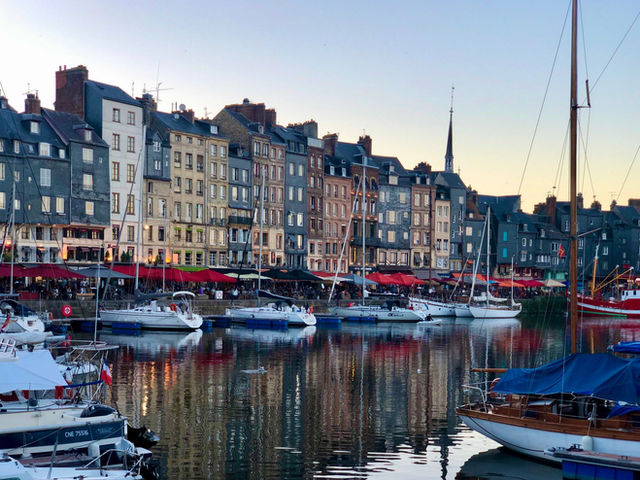
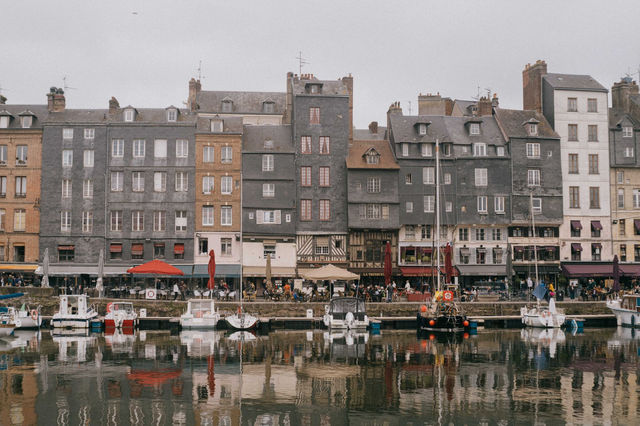
Located at the mouth of the Seine Estuary where the river meets the sea, this historic maritime port centers around a highly preserved slate-fronted harbor. The sub-zone bridges the artistic cradle of impressionism with the upscale Belle Époque seaside resorts of Deauville and Trouville along the Flowered Coast.
-
Bayeux
Nestled in the central lowlands just a short distance inland from the English Channel, this remarkably intact medieval town escaped destruction during the mid-20th century conflicts. It functions as the primary geographic anchor for the wide, sandy coastlines that witnessed the historic Allied landings.
-
Avranches
Positioned in the far southwestern corner of the region on a high granite hill, this historic town looks directly out across a vast, shifting marine bay. The sub-zone is completely dominated by the dramatic topography of the border zone, acting as the ultimate gateway to the iconic tidal island abbey.
Food & drink
The cuisine of Normandy celebrates the exceptional abundance of its rich dairy pastures and deep cold-water coasts, completely swapping out typical French wine traditions for apple orchards. Rich butter, heavy cream, and remarkably pungent cheeses form the foundation of local comfort cooking, while coastal ports harvest an endless supply of fresh oysters, scallops, and mussels. Instead of grapes, the regional terroirs are dedicated to apples, producing naturally sparkling ciders, crisp pear perries, and potent fruit brandies distilled in countryside estates.
- Camembert de Normandie — A rich, earthy, and exceptionally creamy cow's milk cheese with a soft rind.
- Cidre de Normandie — A crisp, naturally effervescent apple cider traditionally served in ceramic bowls.
- Calvados — A smooth, oak-aged apple brandy distilled from fermented local cider.
- Marmite Dieppoise — A rich, creamy seafood stew packed with local catches, scallops, and mussels.
- Teurgoule — A traditional, slow-baked rice pudding infused with cinnamon, milk, and cream.
- Coquilles Saint-Jacques — Freshly harvested wild sea scallops prized for their sweet flavor and tender texture.
Normandy in photos
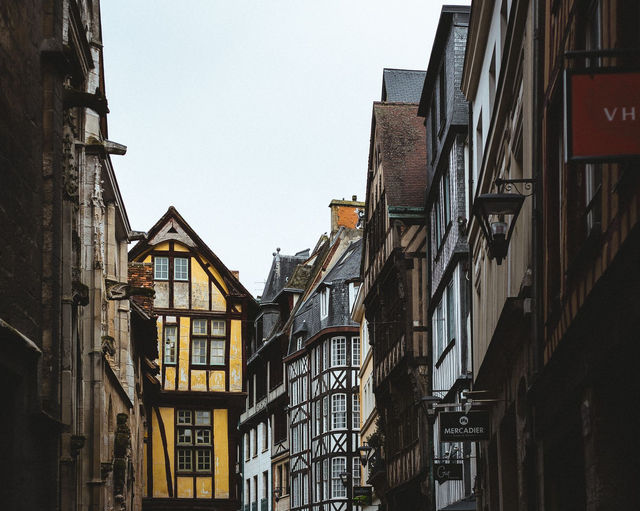
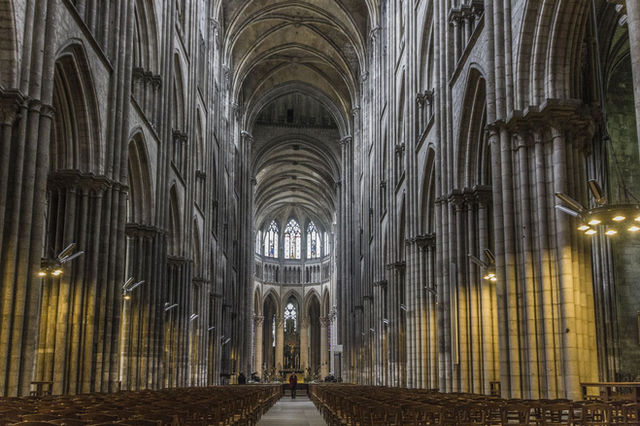
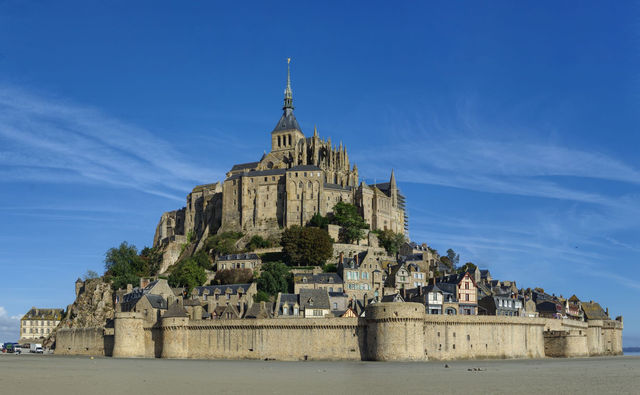
Where you'll stay in Normandy
For a comprehensive tour focused on the historic landing beaches and central sights, Bayeux is the premier base, offering a highly walkable medieval core and short drive times to coastal memorials. If your priority is exploring the dramatic chalk cliffs, impressionist ports, and the Seine valley, Honfleur or Rouen provides an excellent eastern anchor, though driving within the old centers can be slow. Those seeking early-morning access to the tidal island abbey in the southwest should opt for Avranches, keeping in mind that it increases travel times to the eastern sights. Splitting a trip between an eastern port like Honfleur and a central town like Bayeux provides the most efficient coverage of the region.
Hotels & rentals around Normandy
Pan, zoom and compare live prices — every stay in one map.
Getting around Normandy
The regional TER rail lines connect major cities like Rouen, Caen, and Bayeux efficiently along the main valley corridor. Intercity coach networks run routes to popular coastal spots, though frequencies drop outside of summer, and cross-channel passenger ferries connect ports like Cherbourg to international routes.
Traveling from Rouen west to Honfleur is straightforward via regional highways or express coaches in ~approx 60 minutes. Moving from Honfleur west to Bayeux is best managed by car or a local train connection via Caen, taking ~approx 50 minutes. The southwestern stretch from Bayeux down to Avranches connects smoothly via regional highways or multi-leg rail routes, winding through the rolling hills in ~approx 75 minutes.
Insider tips
- Always carry a waterproof outer layer regardless of the season, as the maritime climate can bring sudden rain showers that clear into bright sunshine within minutes.
- Check the local tide charts daily when visiting southwestern bays, as the extreme tidal shifts can cut off coastal walking paths with surprising speed.
- Pre-book entry slots for major historic sights like the Bayeux Tapestry or specific landing museums during summer to avoid waiting in long outdoor lines.
- Avoid trying to drive a rental vehicle directly into the core of old ports like Honfleur during summer weekends; utilize designated perimeter parking lots to save time and stress.
While you're there
-
 3 OCT Cultural & Traditions See the event →
Explore the area
Local attractions & tours
Skip-the-line tickets and small-group tours in Normandy — compare across our partners.
We're still curating hand-picked tickets and tours for Normandy. In the meantime, the map above and the nearby cities are a great place to start.
Trips in Normandy
Day-by-day itineraries that take in Normandy — routes, timings and what to book.
-
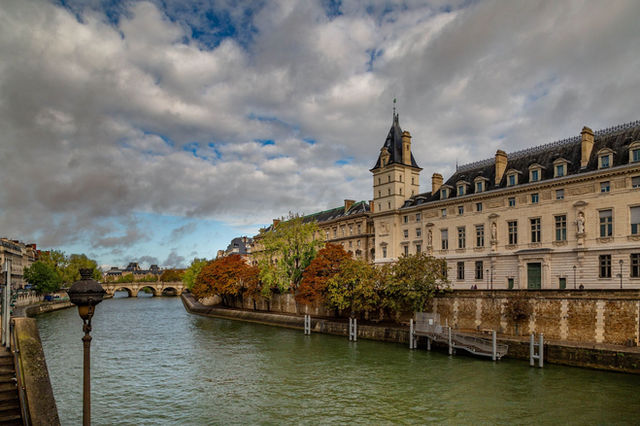 3 Nights
 4 Days in Paris
The essential Paris — landmarks, museums and Montmartre — at an unhurried family pace.
Price on enquiry
View trip -
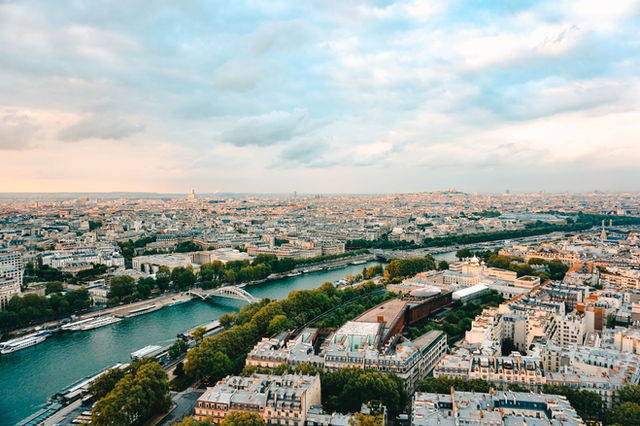 6 Nights
 7 Days in France: Paris, Provence & the Riviera Itinerary (2026)
Three faces of France in a week without a car — three nights in Paris, two in Avignon for the Pont du Gard and the Luberon, then the TGV down to Nice for a Riviera finish with Villefranche, Èze and Monaco within reach.
Price on enquiry
View trip -
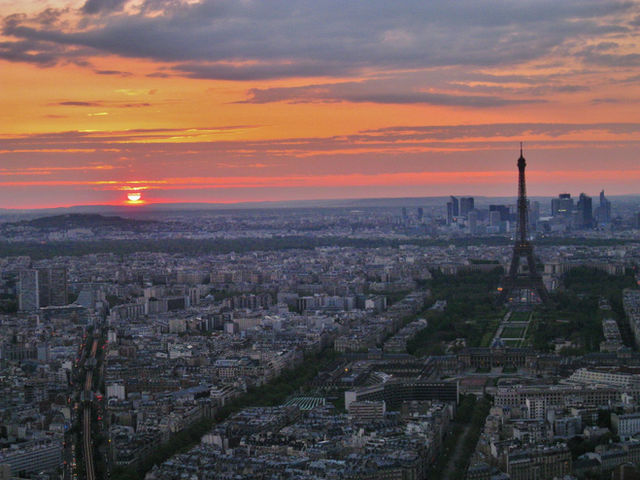 3 Nights
 The Essential Paris Family Stopover: Cobblestones, Catacombs, and Vintage Cars
Discover the timeless magic of the French capital on an active, family-focused 4-day city exploration. From the bustling avenues of the Latin Quarter to the mysterious depths of the Catacombs and an open-top vintage car cruise, this car-free route reveals Paris from entirely unique perspectives.
Price on enquiry
View trip -
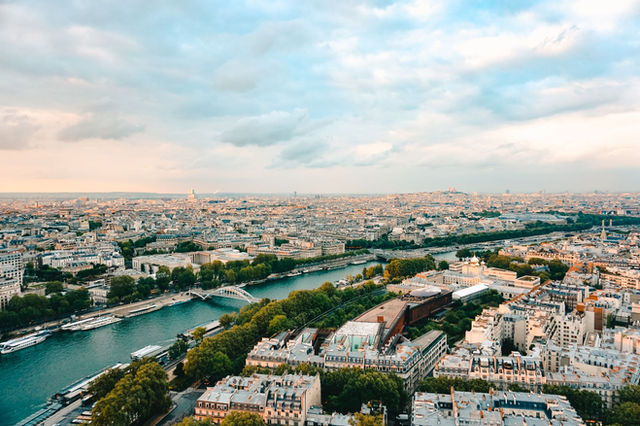 13 Nights
 The High-Speed Grand Tour: A 14-Day Car-Free Journey Across France
Experience a sweeping cultural journey through France entirely by rail, connecting the iconic avenues of Paris to the sun-drenched coast of the Riviera. This masterfully timed itinerary links world-class wine regions, historic river valleys, and Roman heritage without the need for a rental car.
Price on enquiry
View trip
When to visit Normandy
June, July, August, September
Spring
What to expect — Apple orchards burst into white and pink blossoms across the valleys, and fields turn a vibrant green under highly changeable maritime skies. Crowds are thin and manageable at major monuments, though sudden rain showers are common and early season days can feel quite brisk.
What's best — Catching the countryside in full bloom and exploring popular historic ports and museums comfortably before the summer rush.
Summer
What to expect — The region hums with life as seaside boardwalks fill with vacationers and seasonal coastal transport operates at maximum capacity. The weather is generally mild and pleasant, drawing peak global crowds to sites like Mont-Saint-Michel and Omaha Beach, which results in busy parking lots and heavy traffic on coastal roads.
What's best — Long daylight hours for clifftop hiking, warm evenings for outdoor seafood dining, and catching spectacular sunsets over the ocean.
Autumn
What to expect — Summer crowds dissipate rapidly, leaving a peaceful atmosphere along the coastal paths and quiet village squares. The landscape shifts to rich amber hues and the annual apple harvest begins in the orchards, though the weather turns cooler and windier with a higher chance of coastal gales later in the season.
What's best — Experiencing the traditional cider-pressing season, walking empty windswept beaches, and witnessing dramatic autumn light across the cliffs.
Winter
What to expect — A profound maritime quiet settles over the coast as many seaside shops, creperies, and rural museums close for the winter months. Biting ocean winds bring dramatic waves to the cliffs and the air feels damp and cold, but historic cities remain fully alive with comforting woodsmoke and local food markets.
What's best — Experiencing the raw, solitary majesty of historic monuments like Mont-Saint-Michel entirely to yourself without another soul in sight.
Know before you go
Getting around
A car is by far the easiest way to link the D-Day beaches, Bayeux, Honfleur and Mont-Saint-Michel — they are spread out and rural bus links are thin.
Trains from Paris (Gare Saint-Lazare) reach Rouen, Caen and Bayeux, good bases if you'd rather day-trip by tour or taxi from there.
Crowds & timing
Early June is busy around the D-Day anniversary; July and August fill the coast and Mont-Saint-Michel. Late spring and September are calmer and mild.
Check the tide times before Mont-Saint-Michel — the bay floods fast and the shuttle and causeway timings revolve around them.
Local rules & etiquette
Say 'Bonjour' on entering shops and greet before asking directions. Many restaurants serve lunch only around 12–2 and dinner from about 7, with little in between.
The war cemeteries and memorials are places of remembrance — dress and behave accordingly.
Money & booking
Cards work almost everywhere; carry a little cash for village markets and cider farms.
Book D-Day guided tours and Mont-Saint-Michel abbey slots ahead in summer, and reserve a coastal table on peak weekends.
Getting there
Charles de Gaulle Airport (CDG — Paris) and Orly Airport (ORY — Paris) serve as the most practical international gateways, offering direct vehicle rentals and rail links heading west. Gare de Rouen-Rive-Droite and Gare de Caen serve as the principal rail hubs connecting the region directly to Paris.
Ready to book your trip?
Flights, airport transfers and car hire — search and compare without leaving the page.
More trip extras
Parking, holiday extras, and more — coming soon.
We're lining up parking, holiday extras and activities you'll be able to add to any trip from here.