Nouvelle-Aquitaine
- Region
- May, June, September, October
- ~approx 10–14 days
- Oceanic Coastlines
- Legendary Vineyards
- Prehistoric Valleys
- Basque Culture
Atlantic breezes carry the scent of pine forests and fresh oysters as the sun sinks behind a mountain-sized sand dune, painting the endless ocean horizon in brilliant gold.
A vast and diverse region of southwestern France where windswept Atlantic surf beaches and colossal sand dunes meet prestigious wine estates and the castle-lined river canyons of the interior.
- Type
- region
- Ideal length
- ~approx 10–14 days
- Day-trip radius
- ~approx 60–90 min
- Sub-zones
- 4 areas
- Best season / months
- May, June, September, October
- Any traveller
- Coastal road trips
- Wine tasting
- Gastronomy
- Prehistoric heritage
About Nouvelle-Aquitaine
Nouvelle-Aquitaine is France's largest administrative region, a sprawling territory defined by its varied landscapes that range from the marshy lowlands and sandy islands of the northern Charente coast to the dense pine forests of the Landes and the dramatic limestone cliffs of the interior. It is structurally bound together by major river systems like the Garonne and the Dordogne, which feed into the massive Gironde Estuary before flowing out to the Atlantic Ocean. This vast geography creates a rich tapestry of agricultural abundance, legendary viticulture, and distinct regional heritages that range from medieval monastic strongholds to unique, cross-border traditions in the far mountainous south.
Why go
It offers an incredibly varied landscape that allows you to shift effortlessly from tasting premier cru wines in neoclassical châteaux to exploring prehistoric painted caves and surfing world-class Atlantic breaks.
Don't miss
- Dune of Pilat — Climbing Europe's tallest coastal sand dune
- Lascaux IV — Witnessing breathtaking prehistoric cave art replicas
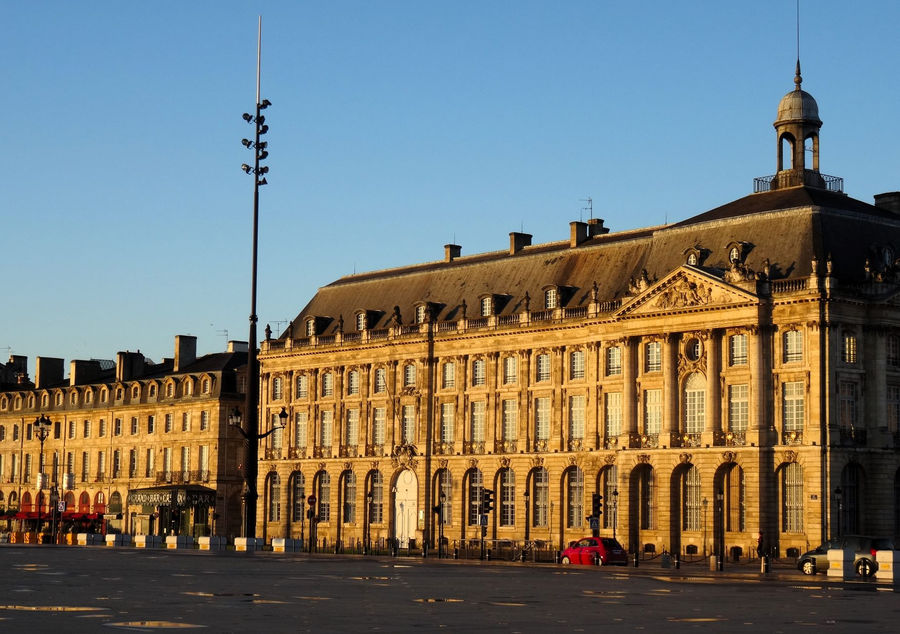
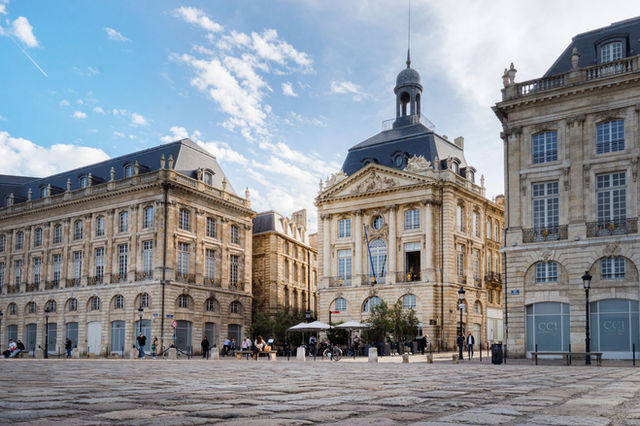
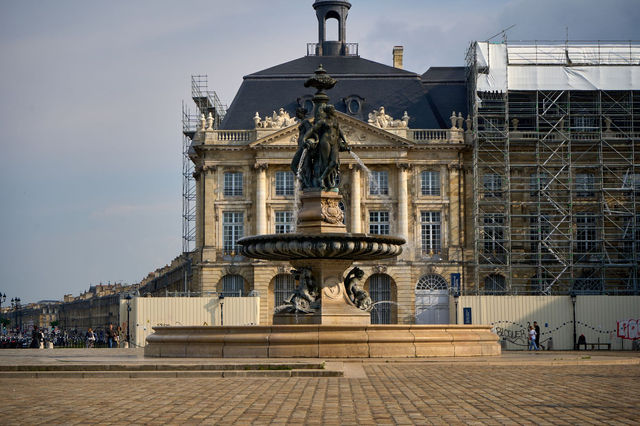
- Place de la Bourse — Admiring the world's largest reflective water pool
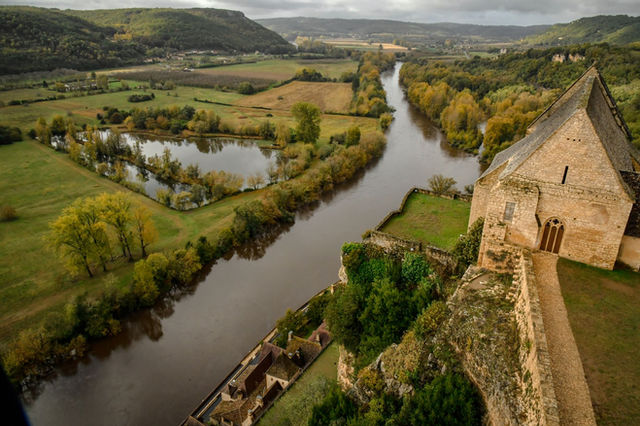
- Château de Beynac — Gazing over the winding Dordogne River valley
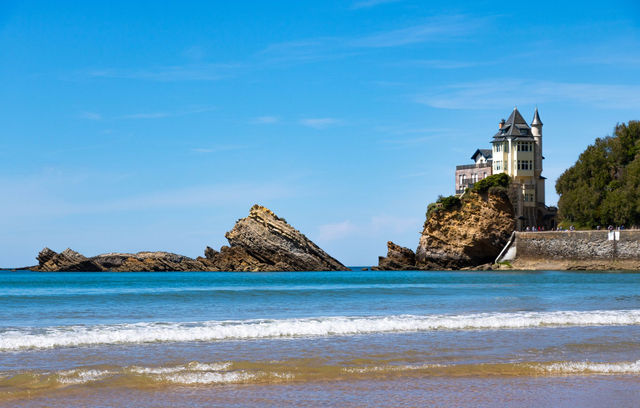
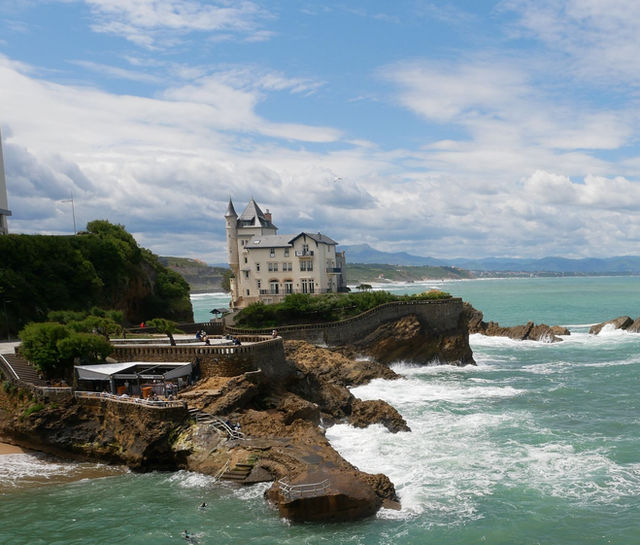
- Rocher de la Vierge — Walking the iconic clifftop Biarritz footbridge
Signature experiences
Wine-tasting through historic appellations — Driving or cycling through the prestigious vineyard routes reveals a landscape meticulously manicured for centuries to produce elite vintages. You can wander through gravel-rich soils, visit grand neoclassical châteaux, and step down into ancient stone cellars where passionate winemakers explain how the region's diverse soils define the character of every bottle.
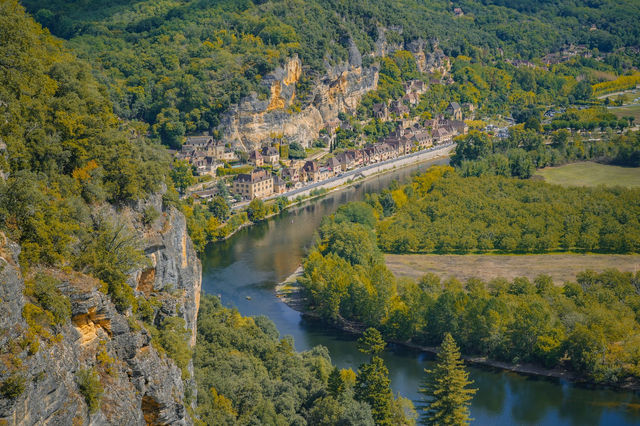
Canoeing beneath medieval fortresses — Paddling down the calm, winding waters of the Dordogne River provides a dramatic perspective on medieval history. The river route cuts through soaring limestone cliffs, gliding past lush riverbeds and directly underneath towering stone castles that once guarded opposing sides during ancient conflicts, allowing you to pull your boat ashore at quiet shingle beaches for riverside picnics.
Conquering the coastal dunes and pines — Exploring the massive landscapes of the silver coast reveals an incredible intersection of natural ecosystems. Climbing the soft sand trails of Europe's largest dune delivers panoramic views of a vast ocean of maritime pine trees on one side and the swirling waters of a tidal bay on the other, before you descend into shaded forest paths perfect for long-distance cycling.
Immersing in Basque market traditions — Diving into the vibrant covered food halls of the south provides an immediate introduction to a unique, cross-border cultural identity. Stalls are packed with intensely red peppers, specialty cured hams, and fresh catches from the Bay of Biscay, creating an energetic sensory experience where you can sample traditional regional treats while listening to the distinct rhythms of local life.
Where to base yourself
The sub-zones of Nouvelle-Aquitaine — where each cluster sits and who it suits.
-
La Rochelle
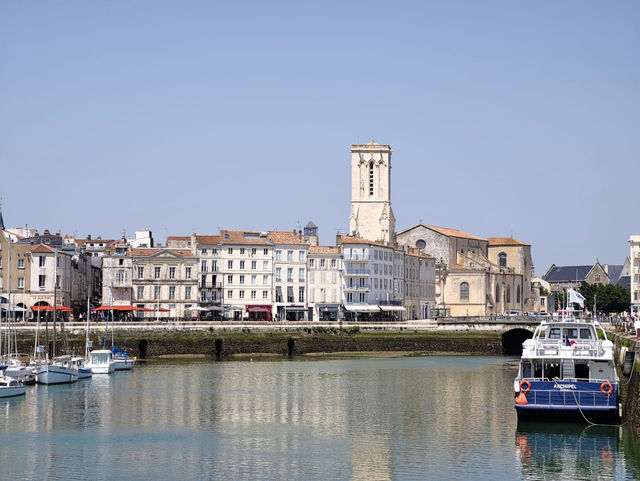
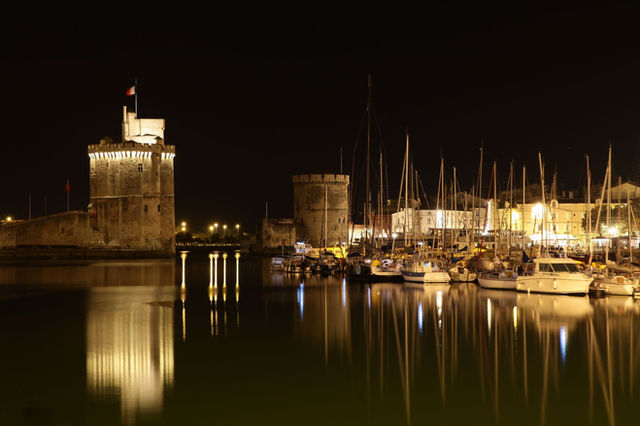
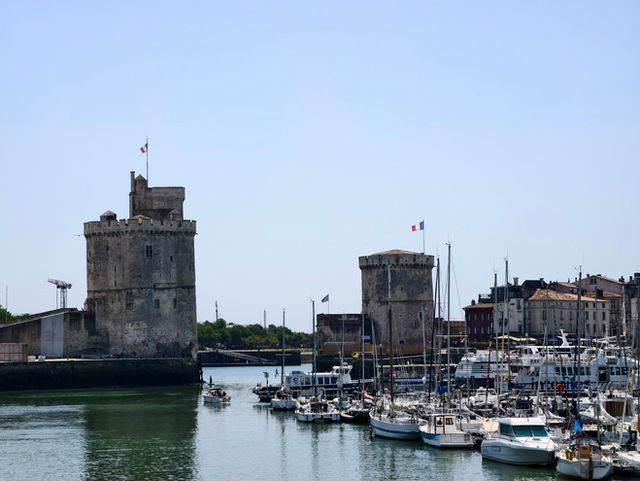
A historic Atlantic port city defined by its fortified medieval gateway towers, limestone arcaded streets, and deep seafaring heritage. The sub-zone extends across a scenic bridge to the flat, pine-fringed salt marshes and cycling trails of the Île de Ré, while the peaceful waterways of the Marais Poitevin wetland sit just inland.
-
Sarlat-la-Canéda
Tucked deep into the black oak forests and limestone valleys of the interior east, this exceptionally preserved golden-stone medieval town is a global capital of prehistory and gastronomy. The surrounding landscape is defined by sheer cliffs dropping into the Dordogne River, dotted with imposing clifftop fortresses and ancient cave systems.
-
Bordeaux
A magnificent, neoclassical metropolis curving along the Garonne River, celebrated as the undisputed capital of the global wine trade. It serves as the gateway to iconic wine appellations like Saint-Émilion and Médoc, while sitting just inland from the massive pine forests and colossal coastal sand dunes of the Arcachon Bay.
-
Biarritz
Situated in the far southwestern corner against the Spanish border, this elegant imperial resort town is framed by the powerful swells of the Atlantic and the silhouette of the Pyrenees mountains. It seamlessly blends grand Belle Époque architecture with a laid-back, world-famous surf culture and distinct Basque traditions.
Food & drink
The culinary identity of Nouvelle-Aquitaine is exceptionally vast, mirroring its sweeping geography by balancing the rich, hearty fare of the interior forests with the pristine seafood of the Atlantic coast. Rich duck confit, truffles, and wild porcini mushrooms dominate the tables of the river valleys, while coastal bays harvest world-class oysters served simple with fresh lemon. The region's vineyards produce the benchmark for fine red blends on earth, alongside sweet golden dessert wines, crisp coastal whites, and potent regional wine spirits aged in local oak barrels.
- Bordeaux Red Blend — Prestigious, structured wines primarily combining Cabernet Sauvignon and Merlot grapes.
- Huîtres d'Arcachon — Crisp, briny oysters harvested directly from the tidal beds of the local coastal bay.
- Confit de Canard — Rich duck legs slow-cooked and preserved in their own fat until beautifully tender.
- Gâteau Basque — A traditional golden tart filled with rich pastry cream or black cherry preserves.
- Saint-Émilion Grand Cru — Robust, elegant red wines from the historic, limestone-rich soils of the medieval village.
- Jambon de Bayonne — A delicate, dry-cured ham salted with traditional spring salt and air-dried for months.
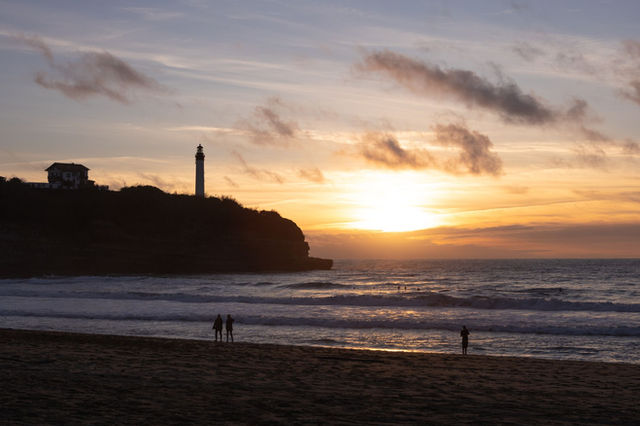
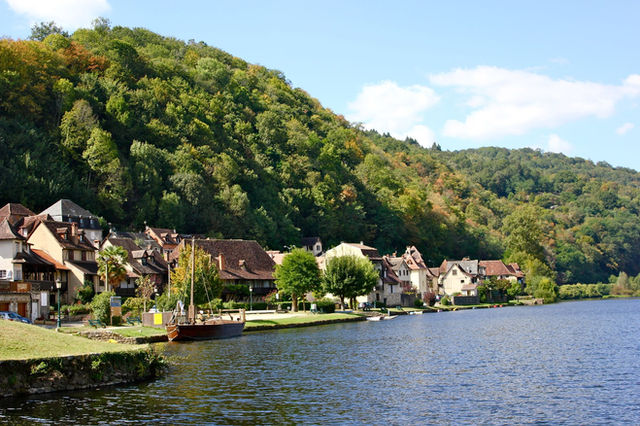
Nouvelle-Aquitaine in photos
Where you'll stay in Nouvelle-Aquitaine
Because this region is exceptionally vast, a single base is impractical; a split stay between an urban center and a rural valley yields the best experience. Base in Bordeaux for a highly connected urban hub that allows you to visit famous wine estates and the coastal sand dunes via quick regional train hops, though city driving requires navigating complex traffic networks. Choose Sarlat-la-Canéda if your goal is an immersive, slow-paced countryside holiday focused on exploring medieval castles and prehistoric caves by car. For beach lovers and surfers seeking a distinct cultural identity, Biarritz provides a dramatic coastal base, though its position in the far south increases travel times to northern sights. Opt for La Rochelle for a relaxed coastal experience focused on island cycling and fresh seafood, away from the busier metropolitan zones.
Hotels & rentals around Nouvelle-Aquitaine
Pan, zoom and compare live prices — every stay in one map.
Getting around Nouvelle-Aquitaine
The regional TER train network is highly efficient for traveling between major urban centers along the western corridor, including La Rochelle, Bordeaux, and Biarritz. Well-maintained intercity coach networks connect larger inland towns, and extensive long-distance cycling routes like the Vélodyssée run directly down the Atlantic coast through the pine forests. However, a rental car remains effectively mandatory for exploring the remote villages, castles, and cave sites of the interior Dordogne valley.
Traveling from La Rochelle south to Bordeaux is straightforward via direct regional trains or highways in ~approx 2 hours. Moving inland from Bordeaux east to Sarlat-la-Canéda is best managed by car or a local train along the river valley, taking ~approx 2.5 hours. Heading from Bordeaux down to the southern surf coast of Biarritz connects smoothly via high-speed rail lines or the coastal highway through the Landes forest, with travel times of ~approx 2 hours.
Insider tips
- Do not attempt to visit premier Bordeaux wine châteaux without an appointment; top estates operate strictly by pre-booked reservation and do not allow walk-ins.
- Pre-book your entry slots for the Lascaux cave replicas weeks in advance during the summer months, as daily caps on visitor numbers mean tickets sell out quickly.
- Pay close attention to the parking regulations when visiting the historic center of Sarlat-la-Canéda on Saturdays, as the massive market completely takes over local streets.
- Watch the ocean flags and safety instructions carefully when swimming on the Atlantic coast, as powerful rip currents can change beach conditions with surprising speed.
While you're there
-
 3 OCT Cultural & Traditions See the event →
Explore the area
Local attractions & tours
Skip-the-line tickets and small-group tours in Nouvelle-Aquitaine — compare across our partners.
We're still curating hand-picked tickets and tours for Nouvelle-Aquitaine. In the meantime, the map above and the nearby cities are a great place to start.
Trips in Nouvelle-Aquitaine
Day-by-day itineraries that take in Nouvelle-Aquitaine — routes, timings and what to book.
-
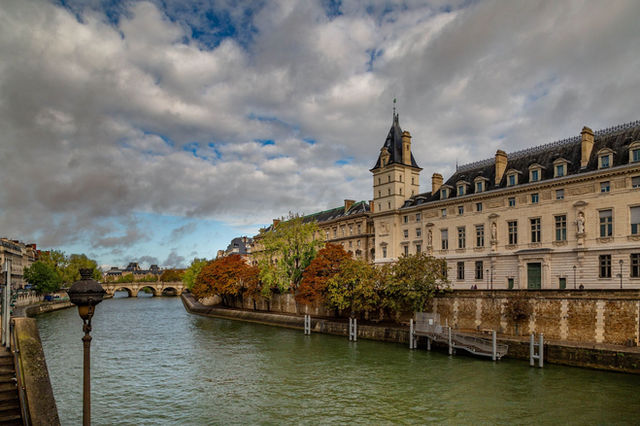 3 Nights
 4 Days in Paris
The essential Paris — landmarks, museums and Montmartre — at an unhurried family pace.
Price on enquiry
View trip -
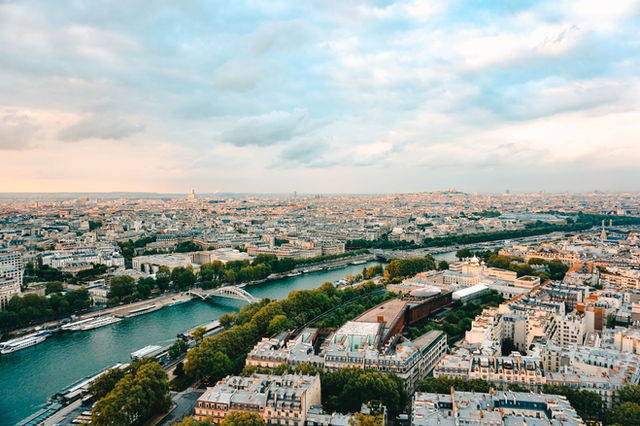 6 Nights
 7 Days in France: Paris, Provence & the Riviera Itinerary (2026)
Three faces of France in a week without a car — three nights in Paris, two in Avignon for the Pont du Gard and the Luberon, then the TGV down to Nice for a Riviera finish with Villefranche, Èze and Monaco within reach.
Price on enquiry
View trip -
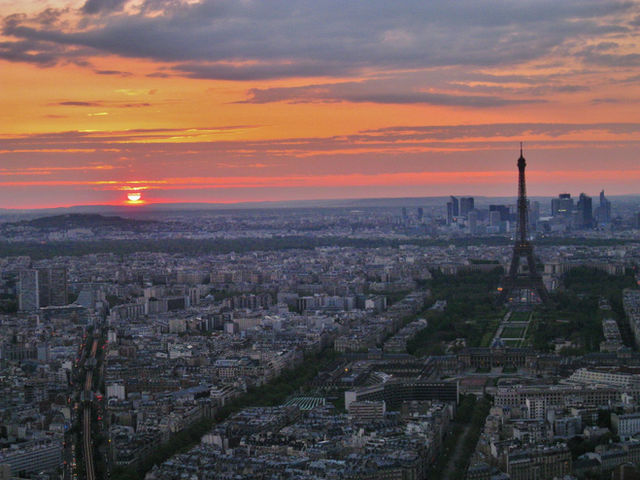 3 Nights
 The Essential Paris Family Stopover: Cobblestones, Catacombs, and Vintage Cars
Discover the timeless magic of the French capital on an active, family-focused 4-day city exploration. From the bustling avenues of the Latin Quarter to the mysterious depths of the Catacombs and an open-top vintage car cruise, this car-free route reveals Paris from entirely unique perspectives.
Price on enquiry
View trip -
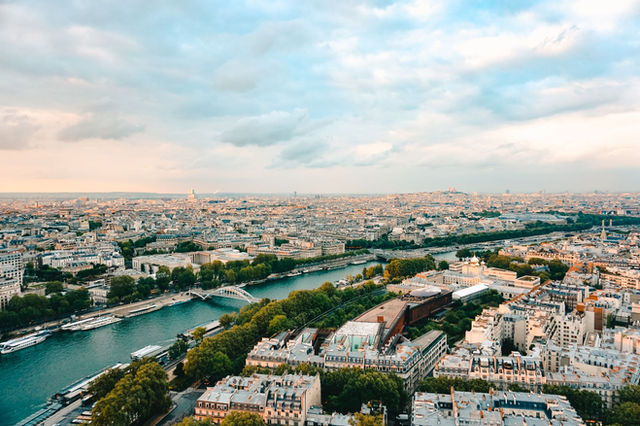 13 Nights
 The High-Speed Grand Tour: A 14-Day Car-Free Journey Across France
Experience a sweeping cultural journey through France entirely by rail, connecting the iconic avenues of Paris to the sun-drenched coast of the Riviera. This masterfully timed itinerary links world-class wine regions, historic river valleys, and Roman heritage without the need for a rental car.
Price on enquiry
View trip
When to visit Nouvelle-Aquitaine
May, June, September, October
Spring
What to expect — Inland valleys burst into vibrant green foliage, and coastal marshes fill with nesting birdlife as the winter quiet clears. The weather is highly dynamic, offering a mix of bright sunny days and passing oceanic showers, while major historic châteaux and cave sites open their doors fully with minimal tourist lines.
What's best — Enjoying comfortable outdoor exploring conditions for valley hiking and city walking before the summer crowds arrive.
Summer
What to expect — The endless Atlantic beaches hit their peak energy with surf schools, lively seaside boardwalks, and fully operational ferry routes. The weather is consistently warm and sunny, bringing massive crowds to the coastal resorts and medieval villages, which leads to heavy traffic on rural roads and requires advanced booking for all major sights.
What's best — Long daylight hours for ocean swimming, balmy outdoor terrace dining, and lively evening night markets across the villages.
Autumn
What to expect — The atmosphere shifts to intense local activity as the legendary wine harvest begins across the vineyard estates. Summer crowds drop away significantly, leaving quiet beaches and peaceful forest trails, though the weather turns cooler and crisp with a higher chance of coastal Atlantic storms late in the season.
What's best — Witnessing the spectacular golden vineyard foliage, tasting fresh forest truffles, and experiencing the electric energy of the grape harvest.
Winter
What to expect — A profound stillness settles over the Atlantic resorts and interior valleys as many rural guesthouses, cave sites, and beachside restaurants close down for the season. The weather can feel quite raw, damp, and windswept along the coast, but the historic cities remain fully alive with cozy bistros and uncrowded museums.
What's best — Having magnificent medieval streets and monumental city squares entirely to yourself while enjoying hearty, slow-cooked country stews.
Know before you go
Getting around
This is France's largest region, so a car is near-essential to join Bordeaux's vineyards, the Dordogne valley and the Basque coast, which are hours apart.
Bordeaux, Biarritz and Poitiers sit on the TGV line and work as rail bases for exploring one area at a time.
Crowds & timing
The Atlantic beaches and the Dordogne fill in July and August, and the Biarritz surf coast is liveliest then too.
May–June and September bring warm weather, the wine harvest and far thinner crowds — the pick of the year.
Local rules & etiquette
Bordeaux château visits are usually by appointment, and the Basque Country has its own language and strong local identity, so a greeting in French still opens doors.
Atlantic surf beaches can have strong currents — swim between the flags where lifeguards patrol.
Money & booking
Cards are standard; carry cash for village markets and small producers.
Book wine-château tours, popular Dordogne sights and summer coastal stays well ahead.
Getting there
Bordeaux-Mérignac Airport (BOD — Bordeaux) is the primary international gateway, offering comprehensive global connections and direct shuttle links to the central rail hub. Biarritz Pays Basque Airport (BIQ — Biarritz) serves as a key secondary gateway for entering the southern Basque coast. Gare de Bordeaux-Saint-Jean is the principal rail hub, connecting the region to central Paris via high-speed lines in ~approx 2 hours.
Ready to book your trip?
Flights, airport transfers and car hire — search and compare without leaving the page.
More trip extras
Parking, holiday extras, and more — coming soon.
We're lining up parking, holiday extras and activities you'll be able to add to any trip from here.