Provence
Southern France distilled — lavender fields, hilltop villages, Roman ruins and the golden light that entranced the painters.
- Region
- May, June, September, October
- ~approx 7–10 days
- Lavender Fields
- Sun-Drenched Villages
- Roman Antiquity
- Olive Groves
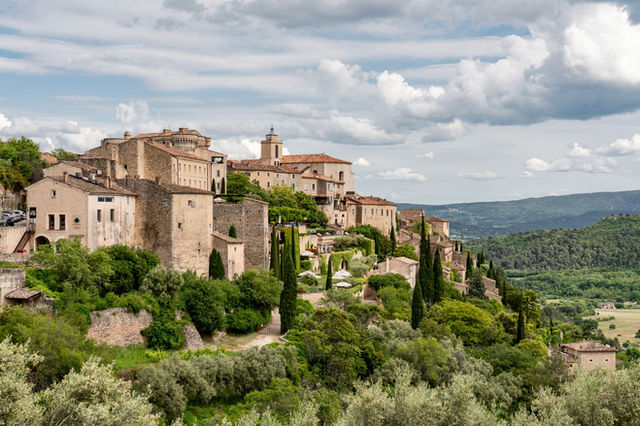
The gentle hum of cicadas fills the warm air as you look out over a sea of vibrant purple lavender, framed by the pale stone of a centuries-old hilltop hamlet.
A captivating region of southeastern France where ancient Roman monuments rub shoulders with limestone crests, sweeping vineyards, and timeless stone villages bathed in an extraordinary, luminous light.
- Type
- region
- Ideal length
- ~approx 7–10 days
- Day-trip radius
- ~approx 45–60 min
- Sub-zones
- 4 areas
- Best season / months
- May, June, September, October
- Any traveller
- Slow travel
- History
- Wine
- Photography
About Provence
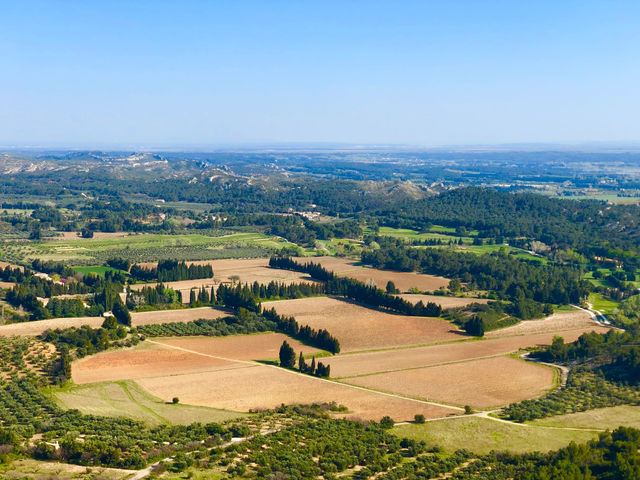
Provence is a geographically diverse region shaped by the broad Rhône River valley to the west, the rugged limestone ridges of the Luberon and Alpilles massifs in its center, and the dramatic foothills of the Alps rising toward the east. It is held together by a shared Mediterranean heritage, traditional agricultural landscapes, and an architectural footprint that stretches from classical antiquity to medieval papal strongholds. The landscape dynamically transitions from fertile river plains packed with orchards and vineyards to dramatic river canyons and steep, rocky perches where ancient villages cling to the hillsides.
Why go
It offers the quintessential experience of rural French life, seamlessly blending remarkably preserved Roman architecture and world-class modern art trails with the sensory pleasures of traditional open-air markets and iconic countryside scenery.
Don't miss
- Pont du Gard — Marveling at the monumental Roman aqueduct
- Palais des Papes — Exploring the world’s largest Gothic palace
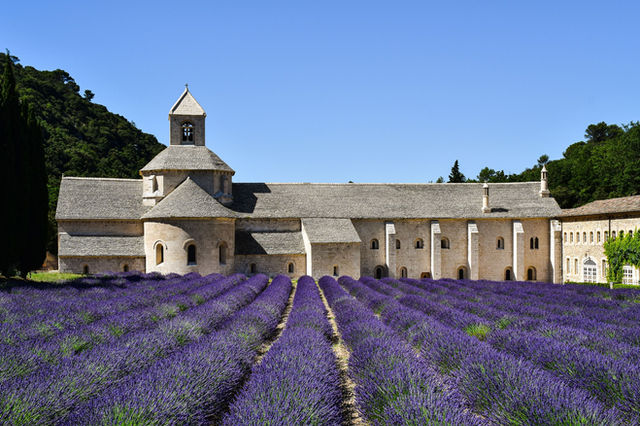
- Abbaye de Sénanque — Photographing lavender fields framing medieval stone
- Carrières des Lumières — Watching immersive art inside limestone quarries
- Gorges du Verdon — Kayaking through Europe’s deepest river canyon
Signature experiences
Road-tripping the perched villages — Winding through the narrow, twisting roads of the countryside reveals ancient stone hamlets clinging precariously to rocky ridges. Driving at your own pace allows you to hop between valleys, stopping to explore medieval ruins, wander through narrow alleys, and look out over panoramic vistas of olive groves and vineyards stretching below.
Tracking the Roman empire — Walking through the region provides a direct connection to classical antiquity through remarkably intact monuments built thousands of years ago. You can step inside massive arenas where gladiators once fought, stand beneath monumental triumphal arches, and marvel at soaring stone aqueducts that still dominate the modern landscape.
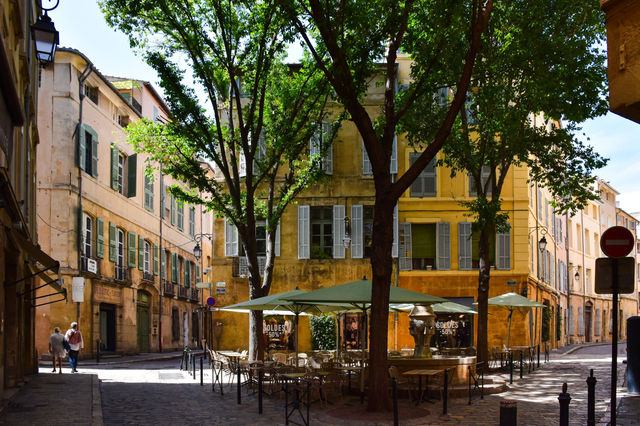
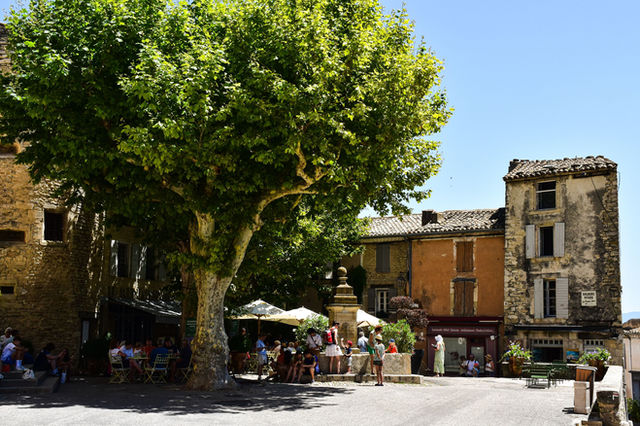
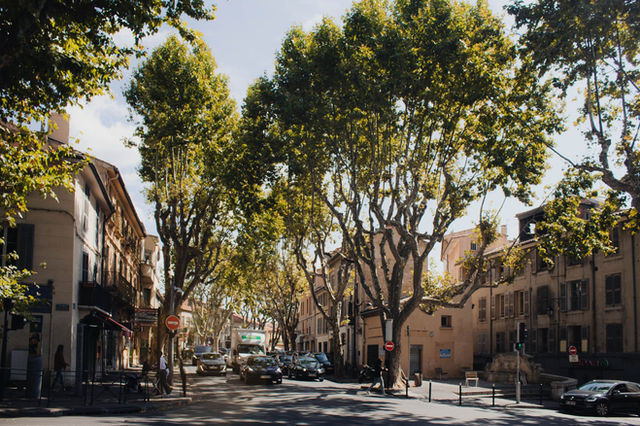
Savoring the market ritual — Joining the morning buzz at a weekly village market is the definitive way to experience local life. Under the shade of ancient plane trees, stalls are piled high with aromatic wheels of goat cheese, cured meats, sun-ripened tomatoes, and bundles of dried herbs, transforming simple shopping into a celebration of Mediterranean flavors.
Chasing the artistic light — Walking the paths of legendary painters helps you understand why the intense, luminous light of the south inspired a revolution in modern art. You can visit preserved painting studios, stand in the exact landscape spots captured on iconic canvases, and explore contemporary art centers carved directly into the hearts of old stone quarries.
Where to base yourself
The sub-zones of Provence — where each cluster sits and who it suits.
-
Avignon
Sitting on the eastern bank of the broad Rhône River, this fortified historic city served as the majestic seat of papal power during the 14th century. Enclosed by remarkably intact medieval stone ramparts, its center is a labyrinth of cobblestone streets, grand Gothic architecture, and lively public squares that face the neighboring historic town of Villeneuve-lès-Avignon across the water.
-
Arles
Located south of Avignon where the Rhône River splits to meet the sea, this ancient city features sun-bleached Roman monuments seamlessly integrated into a vibrant town center. The area serves as the gateway to the wild saltwater wetlands of the Camargue delta to the south and the jagged limestone peaks of the Alpilles hills to the northeast.
-
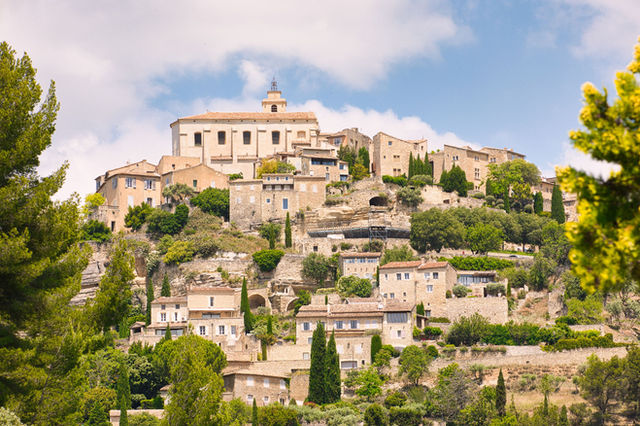
Gordes
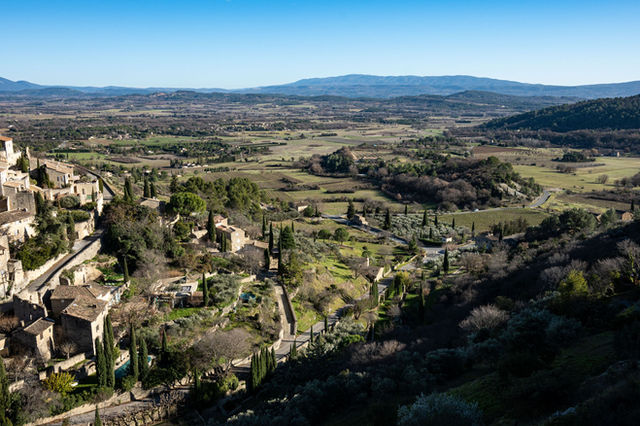
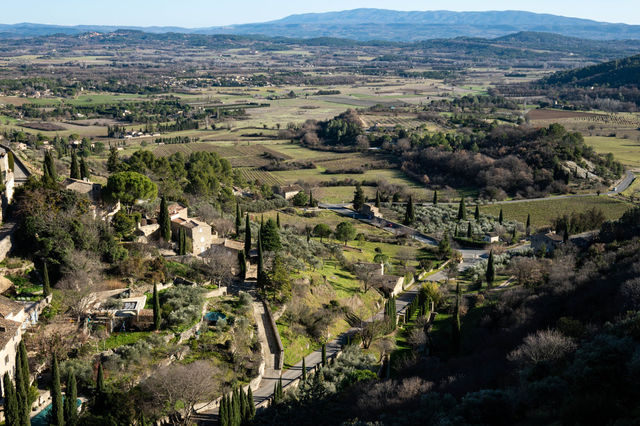
Perched dramatically on the southern slopes of the Vaucluse mountains, this iconic stone village overlooks the sweeping agricultural plains of the Luberon valley. The surrounding sub-zone is defined by dry-stone architecture, ancient olive groves, and a network of neighboring hilltop hamlets like Roussillon and Ménerbes that sit across the valley floor.
-
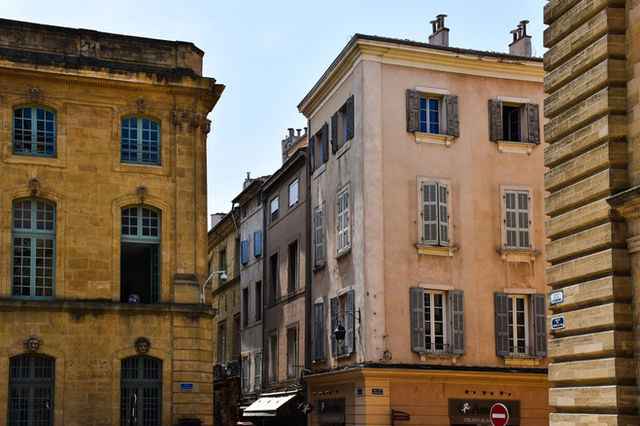
Aix-en-Provence
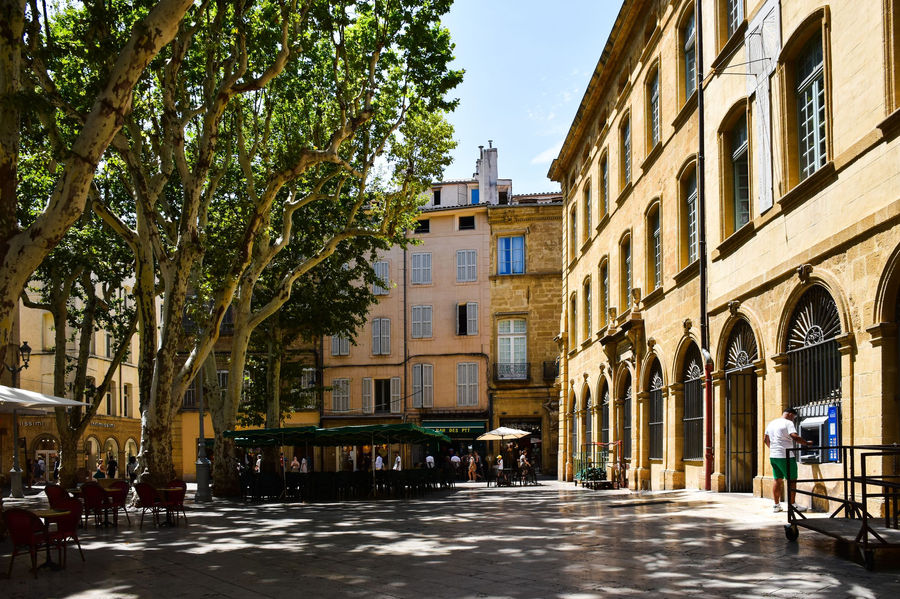
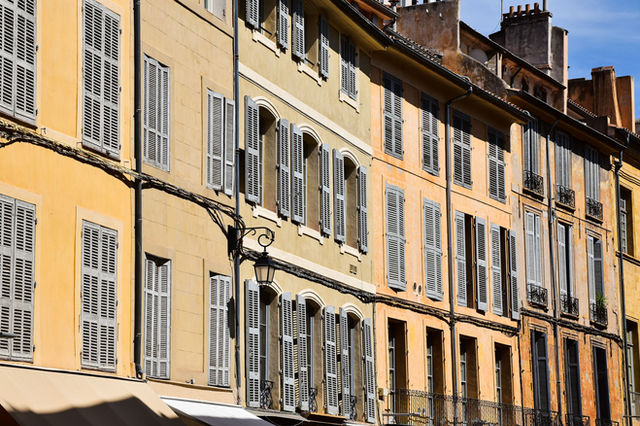
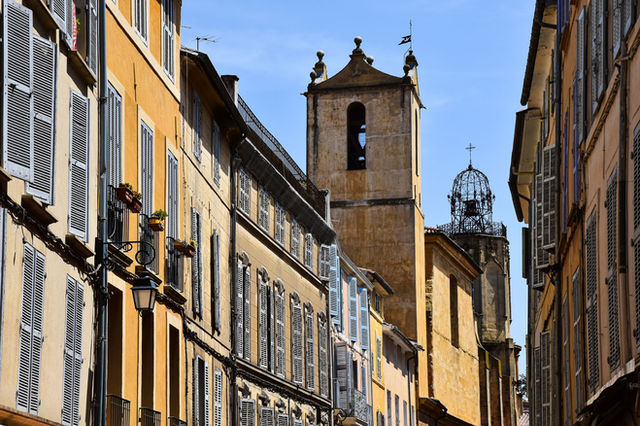
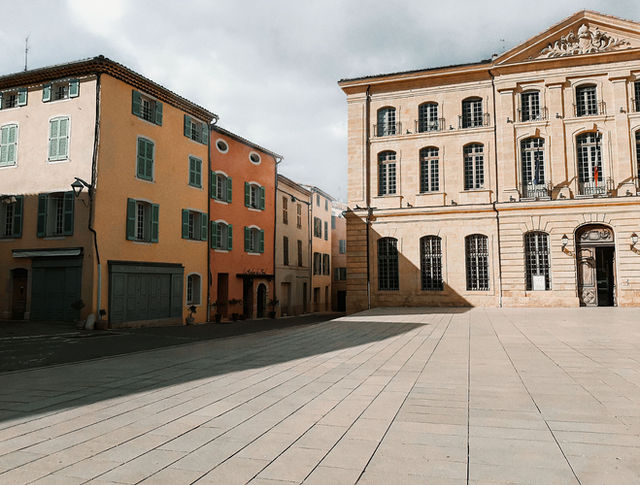
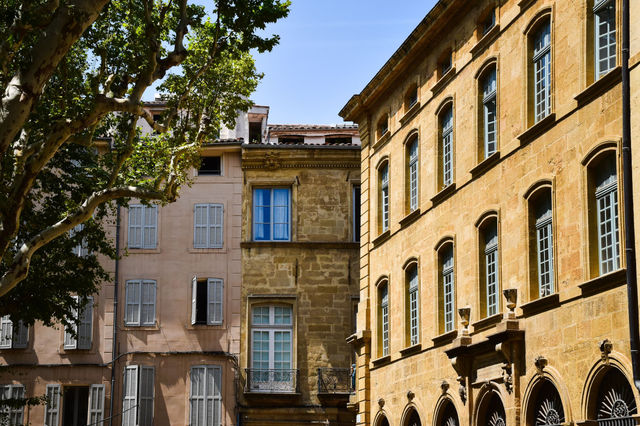
Positioned southeast of the Luberon hills, this elegant city functions as the historic cultural capital of the region. It is characterized by grand 17th-century boulevards, moss-covered stone fountains, and aristocratic townhouses, all sitting in the geographic shadow of the prominent Montagne Sainte-Victoire ridge rising to the east.
Food & drink
The culinary identity of Provence is defined by the simplicity of sun-drenched ingredients, relying heavily on olive oil, garlic, fresh tomatoes, and wild herbs gathered from the hillsides. Markets showcase an abundance of fresh produce, goat cheeses, and cured meats, while coastal influences slide up the river valleys. The region's sun-baked terroirs produce world-renowned dry rosés, bold and peppery reds from mountain foothills, and complex whites that pair beautifully with traditional, slow-cooked stews.
- Daube Provençale — A rich, slow-cooked beef stew braised in red wine with garlic and herbs.
- Tapenade — A savory paste made from crushed black olives, capers, anchovies, and olive oil.
- Ratatouille — A classic stew of simmered summer vegetables including eggplant, zucchini, peppers, and tomatoes.
- Côtes de Provence — A crisp, refreshing, and pale-hued rosé wine synonymous with summer dining.
- Châteauneuf-du-Pape — A prestigious, full-bodied red wine known for its complex structure and dark fruit notes.
- Calissons d'Aix — A traditional sweet confection made from candied melons, almonds, and royal icing.
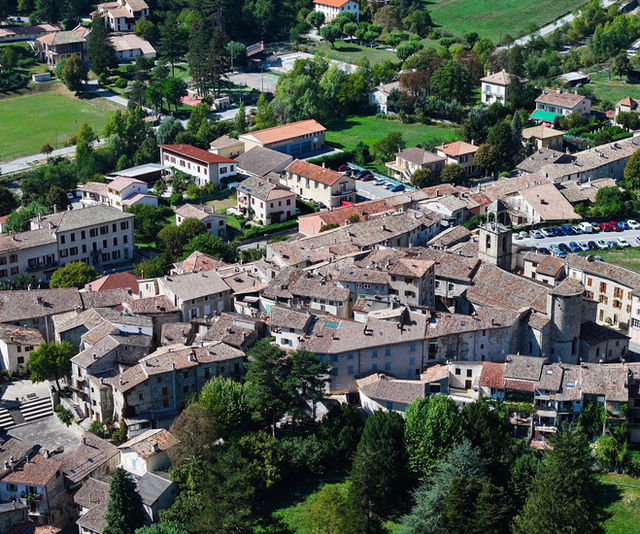
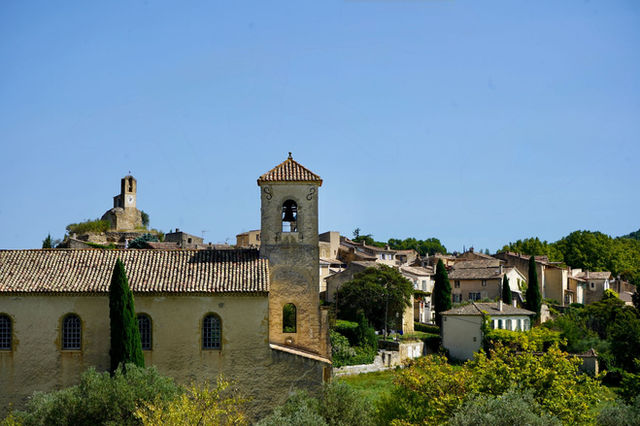
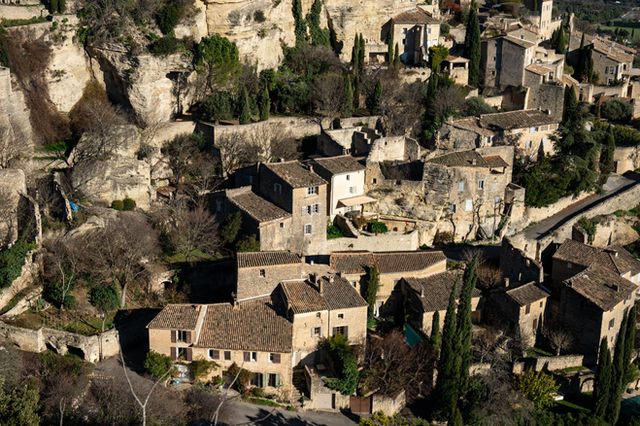
Provence in photos
Where you'll stay in Provence
Base in Avignon if you want a central urban hub with excellent high-speed train connectivity, making it easy to do day trips without a car, though city driving and parking can be stressful. Opt for a village in the Luberon valley, like Gordes, if you want a quintessential, scenic countryside experience with short drives to perched villages, keeping in mind that a rental car is mandatory and winding roads increase travel times. Choose Arles if your focus is evenly split between Roman history, the wild Camargue wetlands, and the Alpilles hills. If you prefer an elegant, walkable city filled with cafe culture and excellent regional bus routes to nearby mountain trails, Aix-en-Provence provides a sophisticated southern base.
Hotels & rentals around Provence
Pan, zoom and compare live prices — every stay in one map.
Getting around Provence
Regional TER train lines efficiently link major urban hubs like Avignon, Arles, and Marseille along the main valley corridor. Regional coach buses branch out from these rail stations to connect larger inland towns, though links to remote hilltop villages are highly infrequent. Well-marked regional cycling routes trace old railway lines and agricultural valleys for active travel.
Traveling between Avignon and Arles is simplest via the regional TER train line, taking ~approx 20 minutes between city centers. Reaching Gordes and the wider Luberon valley from Avignon or Aix-en-Provence effectively requires a rental car, as passenger rail tracks do not penetrate the central mountain massifs. Aix-en-Provence connects to Avignon via regional highways or high-speed rail loops with a travel time of ~approx 1 hour.
Insider tips
- Master the timing of the Mistral wind, a biting northern breeze that can sweep down the Rhône Valley at any time of year, making outdoor layers necessary even on clear days.
- Pre-book tickets for popular enclosed attractions like the Carrières des Lumières well in advance during summer to avoid long ticket lines under the sun.
- Arrive at village market sites before ~approx 9:00 AM, as parking lots fill up entirely and local traffic wardens strictly enforce towing zones.
- Avoid driving large rental cars into the ancient cores of perched villages, as streets frequently narrow to the width of a single vehicle with sharp stone walls.
While you're there
-
 3 OCT Cultural & Traditions See the event →
Explore the area
Local attractions & tours
Skip-the-line tickets and small-group tours in Provence — compare across our partners.
We're still curating hand-picked tickets and tours for Provence. In the meantime, the map above and the nearby cities are a great place to start.
Trips in Provence
Day-by-day itineraries that take in Provence — routes, timings and what to book.
-
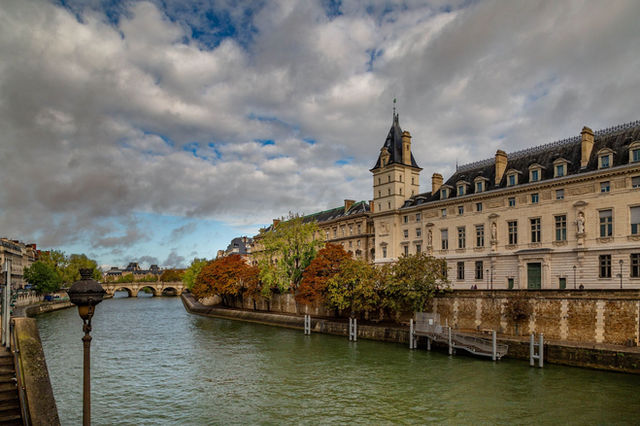 3 Nights
 4 Days in Paris
The essential Paris — landmarks, museums and Montmartre — at an unhurried family pace.
Price on enquiry
View trip -
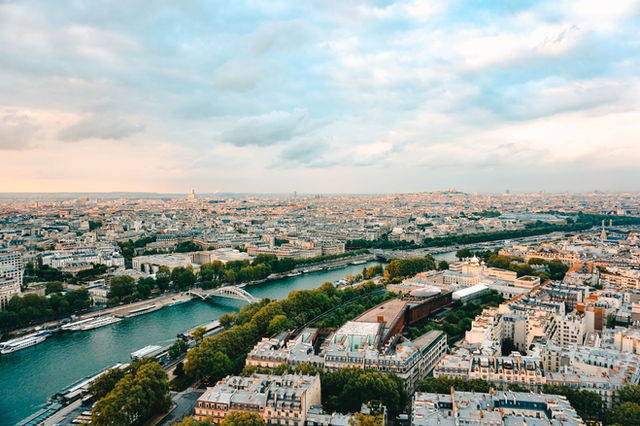 6 Nights
 7 Days in France: Paris, Provence & the Riviera Itinerary (2026)
Three faces of France in a week without a car — three nights in Paris, two in Avignon for the Pont du Gard and the Luberon, then the TGV down to Nice for a Riviera finish with Villefranche, Èze and Monaco within reach.
Price on enquiry
View trip -
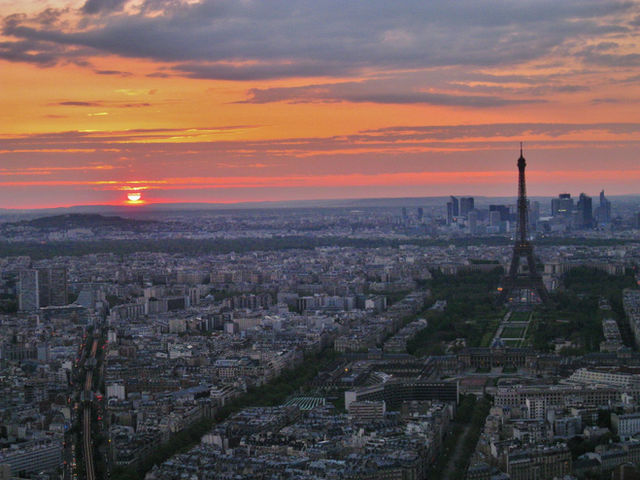 3 Nights
 The Essential Paris Family Stopover: Cobblestones, Catacombs, and Vintage Cars
Discover the timeless magic of the French capital on an active, family-focused 4-day city exploration. From the bustling avenues of the Latin Quarter to the mysterious depths of the Catacombs and an open-top vintage car cruise, this car-free route reveals Paris from entirely unique perspectives.
Price on enquiry
View trip -
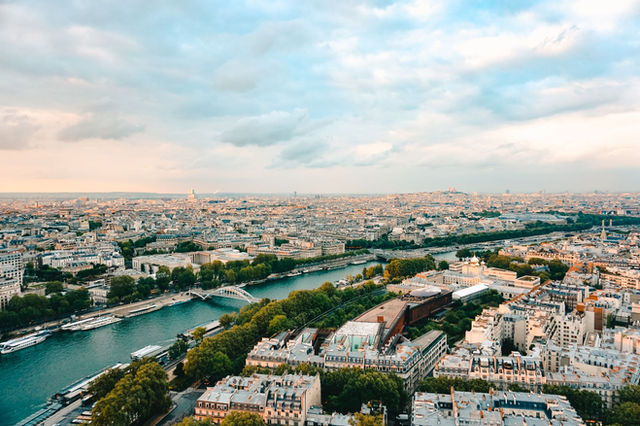 13 Nights
 The High-Speed Grand Tour: A 14-Day Car-Free Journey Across France
Experience a sweeping cultural journey through France entirely by rail, connecting the iconic avenues of Paris to the sun-drenched coast of the Riviera. This masterfully timed itinerary links world-class wine regions, historic river valleys, and Roman heritage without the need for a rental car.
Price on enquiry
View trip
When to visit Provence
May, June, September, October
Spring
What to expect — The countryside wakes up with explosions of wild poppies and cherry blossoms while outdoor markets fill with early seasonal produce. Towns are peaceful and uncrowded, though the notorious Mistral wind can occasionally blow through the valleys, bringing crisp, cool days despite the bright sunshine.
What's best — Walking through historic ruins and hiking valley trails comfortably before the intense summer heat sets in.
Summer
What to expect — The region experiences its most famous transformation as vibrant lavender fields bloom across the plateaus, accompanied by hot, dry days and endless blue skies. This peak travel period brings dense crowds to hilltop villages, heavy traffic along narrow rural roads, and fully booked accommodations across every valley.
What's best — Experiencing the full sensory magic of purple lavender fields, outdoor evening arts festivals, and long twilight dinners in village squares.
Autumn
What to expect — The intense summer crowds dissipate quickly, leaving a relaxed and authentic atmosphere across the villages. Days remain pleasantly warm and clear early in the season, though late autumn brings cooler breezes, changing vineyard foliage, and an increased chance of rainfall.
What's best — Witnessing the lively grape and olive harvests, enjoying cooler hiking temperatures, and photographing golden-hued vineyards.
Winter
What to expect — The region becomes quiet and deeply local as many rural restaurants, shops, and countryside accommodations close down for the season. The weather can feel quite cold and sharp when the biting Mistral wind blows from the north, but it also brings exceptionally clear, crisp sunny days to the valleys.
What's best — Having iconic sights completely to yourself, browsing traditional winter truffle markets, and experiencing authentic, tourist-free village life.
Know before you go
Getting around
A car unlocks the hilltop villages, lavender fields and the Luberon; the wider distances and sparse rural buses make it hard otherwise.
The TGV reaches Aix and Avignon fast from Paris, good rail bases with tours out to the villages and vineyards.
Crowds & timing
Lavender is the summer draw — it broadly flowers from mid-June, peaking in July on the Valensole plateau, so check the current bloom before you travel. July and August also bring heat, crowds and the dry mistral wind.
May–June and September are warm, quieter and easier going.
Local rules & etiquette
Village life runs on a long lunch — shops and sights often shut around 12–2 before reopening, and Sundays are quiet outside the markets.
Cover shoulders and knees to enter churches and abbeys.
Money & booking
Cards work in towns; bring cash for the morning markets, which are the region's real highlight.
Book lavender-season stays and popular restaurants well ahead; some hill villages have very limited parking, so arrive early.
Getting there
Marseille Provence Airport (MRS — Marseille) is the primary international gateway, centrally located to offer quick highway access to central and southern sub-zones. Nice Côte d'Azur Airport (NCE — Nice) serves as a common alternative for those entering via the eastern edge of the coast. Gare d'Avignon TGV and Gare d'Aix-en-Provence TGV are the principal high-speed rail hubs, linking the region directly to Paris in ~approx 3 hours.
Ready to book your trip?
Flights, airport transfers and car hire — search and compare without leaving the page.
More trip extras
Parking, holiday extras, and more — coming soon.
We're lining up parking, holiday extras and activities you'll be able to add to any trip from here.