Delos
Greece's holiest ancient island: the mythical birthplace of Apollo and Artemis, a UNESCO World Heritage Site and unmissable day trip from Mykonos.
- Island
- May – June, September – October
- 3–5 days (Mykonos base with Delos day trip)
Photo by tommao wang / Unsplash
About Delos
I've stood on a lot of ancient ground across Greece, but nothing quite prepares you for Delos. This small uninhabited island in the heart of the Cyclades is, quite simply, one of the most extraordinary places in the ancient Mediterranean world — and the fact that it remains virtually unchanged since antiquity makes it all the more astonishing. Delos was inscribed as a UNESCO World Heritage Site in 1990, recognised as an exceptional testimony to the ancient Greek, Hellenistic, and Roman civilisations that called it sacred for over a millennium.
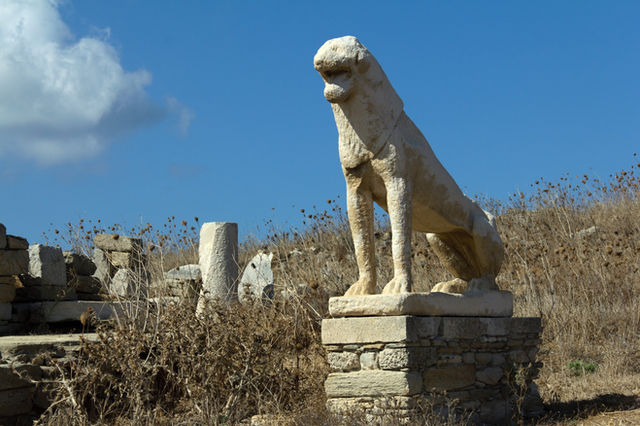
According to mythology, Delos is the birthplace of the twin gods Apollo and Artemis, which made it one of the most important religious sanctuaries in the ancient Greek world. At its peak in the 2nd and 1st centuries BCE, this tiny island was also one of the busiest commercial ports in the Mediterranean, home to an estimated 25,000 inhabitants. Today it is inhabited by no one permanently — you arrive by ferry from Mykonos, just 30 minutes away, spend a few intense and memorable hours among the marble temples, the famous lion terrace, and the sweeping mosaic floors, and return before sunset. It is that rare thing: a UNESCO site that genuinely lives up to its designation.
For families, Delos is a day trip unlike any other. Teens who might roll their eyes at a conventional history lesson tend to go quiet when they're standing amid 3,000-year-old ruins on a island with not a single souvenir shop in sight. I always recommend building a full day around the Delos excursion — combine it with a relaxed morning on Mykonos and an evening by the harbour — and you'll have one of the best travel days of your Greek holiday.
Highlights
- The Terrace of the Lions
- House of the Dolphins mosaics
- Temple of Apollo and sacred way
- The ancient theatre
- Mount Kynthos viewpoint
- The day boat from Mykonos
Food & drink
Traditional dishes
Mykonos and the broader Cyclades have a distinctive food tradition that differs from mainland Greek cooking. Kopanisti — a pungent, spicy fermented cheese — is the island's most famous product and appears on almost every taverna menu, typically served with bread as a starter. Louza is a dried and spiced cured meat, also very local. Fresh grilled fish and octopus, Greek salad made with proper Cycladic tomatoes in season, and simple chargrilled meat at family-run tavernas are all excellent and affordable. Teens who eat fish and seafood tend to discover they love it here — the quality is genuinely a step above what most families encounter at home.
Where to eat
The best-value family eating on Mykonos is at the traditional tavernas around the quieter side of the Chora harbour and in the villages of Ano Mera (the inland village, about 8 km from town) where locals eat. Beachside tavernas at Ornos, Agios Sostis, and Kalafatis offer good fresh fish in a relaxed setting without the premium of the glamour-facing restaurants. Avoid the most tourist-facing spots on the main Little Venice waterfront at peak times — food quality drops and prices climb steeply. On the Delos side: there is no food or drink available on the island itself, so eat well before you board.
Drinks and coffee
Greek coffee culture is strong throughout the islands — a mid-morning freddo espresso (cold espresso over ice, the Cycladic summer standard) at a harbour café before catching the Delos ferry is a small ritual I look forward to every time. Local Cycladic wine — particularly dry white wines made from Assyrtiko grapes from nearby Santorini — pairs beautifully with fresh fish. Bring water onto Delos; the island is exposed, hot, and has no facilities whatsoever.
Delos in photos




Where you'll stay in Delos
<h4>Mykonos Town (Chora)</h4><p>Since Delos itself is uninhabited and has no accommodation of any kind, <strong>Mykonos Town</strong> — locally called Chora — is the natural base for the vast majority of visitors. The harbour at the foot of town is where the Delos ferries depart, which means you can walk to the boat in minutes. Family-friendly hotels in the Chora range from small boutique properties with pool terraces to larger mid-range options just outside the windmill area, and the evening atmosphere along the harbour is genuinely lovely for a post-Delos wander with teens.</p><h4>Ornos and Agios Ioannis</h4><p>These quieter beach villages on Mykonos's south coast, about 3–4 km from Chora, offer a more relaxed family base with calmer, shallow water beaches. Family-friendly hotels and apartment complexes cluster here, and the setting is far less frenetic than the town itself. The trade-off is that you'll need a taxi or local bus to reach the Delos ferry terminal at the Old Port — budget 15–20 minutes travel time each morning.</p><h4>Platis Gialos</h4><p>A longer, sandy beach on the south coast with a good spread of mid-range accommodation options. It is popular with families for its sheltered swimming, organised beach facilities, and the regular boat taxi service that connects to other south-coast beaches. Again, you'll need transport to the Old Port for the Delos ferry, but the beach setting in the evenings makes it a comfortable trade-off.</p><h4>How to choose</h4><p>If the Delos day trip is your primary reason for visiting Mykonos, stay in or very close to Chora — the convenience of a short walk to the ferry dock on a warm morning is genuinely valuable, especially with teenagers in tow. If you want beaches and a more family-relaxed pace with Delos as one activity among several, Ornos or Platis Gialos will feel more comfortable and slightly more affordable.</p>
Hotels & rentals around Delos
Pan, zoom and compare live prices — every stay in one map.
Getting around Delos
Island transport on Delos
Delos has no roads, no vehicles, and no internal transport of any kind — the entire archaeological site is explored on foot. The main path from the ferry dock loops through the key monuments and takes between 3 and 4 hours at a comfortable family pace. Wear sturdy walking shoes (not sandals or flip-flops — the ancient stone paths are uneven and the Mount Kynthos climb is rocky) and bring more water than you think you need, as there is no café or water point on the island. A site map is included with entry tickets and is well worth following.
Getting around Mykonos
Mykonos Town itself is entirely pedestrianised in the historic centre and very walkable — the harbour, windmills, Little Venice, and the main lanes are all within easy walking distance of each other. For reaching the beaches and the Old Port ferry dock from hotel areas outside Chora, the island has a reasonable local bus network (KTEL) with routes connecting Chora to the main beach areas and the airport; the main bus station in Chora has timetables posted and services run frequently in summer.
Taxis and ride-hailing
Taxis are available from the main stand near the bus station in Chora, and from the airport. During peak season, taxis can be in short supply — book ahead if you have an early morning Delos ferry departure to catch. There is no Uber or equivalent ride-hailing app on Mykonos; licensed taxis are the only option beyond buses and rental vehicles. Water taxis operate between the main southern beaches and are a fun way for families to move between beach spots during a beach afternoon.
Walking
Mykonos Town is best explored entirely on foot — the winding pedestrian lanes are part of the charm, and the town is compact enough to navigate without transport once you're based in Chora. For the Delos trip itself, realistic daily walking distances of 4–6 km on uneven ancient stone are normal; teens and adults with reasonable mobility will have no difficulty, but the site is not accessible for pushchairs or wheelchairs in its current form.
Insider tips
Delos Archaeological Site (UNESCO World Heritage Site)
This is the centrepiece of any visit to the area, and I'd argue it earns its UNESCO designation more visibly than almost any other site in Greece. The entire island of Delos is essentially one vast open-air museum: the Terrace of the Lions (five original Naxian marble lions standing guard along a sacred processional way), the Temple of Apollo, the House of Dionysus with its extraordinary mosaic floor, the ancient theatre, and the sweeping panorama from Mount Kynthos are all within walking distance. Allow a minimum of 3–4 hours on the island. Book your ferry tickets in advance during summer as the daily visitor quota can fill quickly.
Delos Archaeological Museum
Located on the island itself, this museum houses the finds excavated from Delos over more than a century of work by the French School at Athens — original statues, marble torsos, painted pottery, jewellery, and household objects that bring the ancient city to life. It is small but exceptionally well curated, and I always recommend spending 30–45 minutes here before or after the outdoor ruins. Entry is included in the site admission.
Mount Kynthos panorama
The modest summit of Kynthos (113m) sits at the heart of Delos and offers a 360-degree panorama across the Cyclades that is genuinely breathtaking on a clear day. The climb takes about 15–20 minutes on a stone path and passes the Cave of Hercules and several rock sanctuaries on the way up. Teenagers who are slightly sceptical about ancient ruins tend to perk up at the summit view — you can see Mykonos, Naxos, Paros, and Syros all at once. Wear proper shoes rather than flip-flops, as the path is uneven.
Mykonos Old Town (Chora) exploration
The whitewashed alleys of Mykonos Town are worth a proper morning wander before or after the Delos trip. The famous windmills above the harbour, the seafront cluster of colourful Little Venice houses, and the tangle of pedestrian lanes between them are exactly as photogenic as the postcards suggest. Mornings are significantly calmer than afternoons, and wandering with teens before the crowds arrive makes for a much more enjoyable experience.
Swimming at Mykonos beaches
After a full day of archaeology in the sun, a Cycladic beach afternoon is the perfect counterpoint. Agios Sostis is my favourite for families — undeveloped, calm, and beautiful without the full beach-club scene. Ornos and Kalafatis are also excellent for families with younger or less confident swimmers, offering sheltered water and easy facilities. Most beaches are accessible by local bus or the island's excellent boat-taxi service from Platis Gialos.
Mykonos Town evening harbour walk
The Mykonos harbour at dusk, when the fishing boats are back and the light turns golden on the Little Venice waterfront, is one of the great free pleasures of the Cyclades. With teenagers this works particularly well as a low-key way to finish a busy day — good fresh fish tavernas cluster at the quieter end of the harbour, away from the peak tourist strips, and you can eat well at the water's edge.
Day trip to Rhenia island
Some organised boat tours from Mykonos combine the Delos excursion with a swimming stop at neighbouring Rhenia, a completely uninhabited island just west of Delos with crystal-clear water. This makes a wonderful full-day combination for families who want archaeology in the morning and swimming in the afternoon on the same outing. Check with operators at the Old Port for combined itinerary departures.
Frequently asked
How many days do I need for a Delos trip?
Delos is a day trip, not a multi-day stay — you cannot stay overnight on the island. Most families allocate one full day: take the first morning ferry from Mykonos Old Port, spend 3–4 hours exploring the site and museum, and return on a mid-afternoon boat. The ferry crossing is 30 minutes each way. Build in a relaxed evening in Mykonos Town afterwards and you'll have a very satisfying full day. Three or four days on Mykonos as a base gives you Delos plus beaches plus the town.
Is the Delos UNESCO site worth it for teenagers?
In my experience, yes — and this is coming from someone who has watched plenty of teenagers drag their feet through lesser ancient sites. Delos is different because it is an entire uninhabited island frozen in time, not a roped-off monument in a busy city. The Terrace of the Lions, the mosaics in the houses, and the panorama from Mount Kynthos all tend to land in a way that a standard museum visit does not. It works particularly well for teens who are into mythology, history, or photography, but even reluctant historians usually leave more impressed than they expected.
Do I need to book ferry tickets in advance?
Yes, especially in July and August. The daily number of visitors to Delos is limited, and the boats fill quickly during peak summer weeks. I strongly recommend buying return ferry tickets at least a day or two ahead during peak season — tickets are available at the Old Port booth in Mykonos Town or from some hotels and online operators. In May, June, September, and October, same-day purchase is generally fine, but arriving early at the dock is still sensible.
What should I bring to Delos?
This matters more than at almost any other site I've visited. Bring at minimum 1.5 litres of water per person (more in July/August), high-factor sunscreen, a sun hat, and proper walking shoes with grip — not sandals or flip-flops. There is no café, no water point, no shade, and no shop on the island. The site paths are ancient stone and can be uneven, particularly on the Mount Kynthos climb. A small backpack is ideal. The site's own map (included with entry) is worth studying before you set off from the dock.
Can very young children visit Delos?
Technically yes, but the site is not set up for pushchairs or young children who cannot walk reliably on uneven ground. The paths through the ruins are ancient stone and not paved or level; a baby in a carrier would work, but a pushchair would be very difficult. For families with toddlers, the ferry crossing plus the heat and exposed site can be exhausting. With children aged seven or eight and up who can walk independently and follow directions, it becomes much more manageable. Teenagers get the most from the visit.
What is the best time of day to visit Delos?
Take the earliest available ferry, typically around 9:00am departure from Mykonos Old Port. This gets you onto the island before the midday heat and before the bulk of the day-trip groups arrive. By 11:00–11:30am in high summer, the island can be very crowded and very hot. Being on site for the first two hours of the morning, when the light is beautiful and the crowds are thin, makes the experience significantly better. Plan to return by early afternoon.
Is there any accommodation on Delos?
No. Delos is uninhabited and has no hotels, guesthouses, restaurants, or any form of overnight accommodation. The island closes to visitors in the late afternoon and the last ferry returns to Mykonos before sunset. All visitors must base themselves on Mykonos — the closest and most practical island, just 30 minutes by ferry from the Old Port. Some ferry operators also offer Delos as a day excursion from other Cycladic islands such as Paros or Naxos if you are island-hopping.
Explore the area
Delos · Around the island · 1 island
Local attractions & tours
Skip-the-line tickets and small-group tours in Delos — compare across our partners.
We're still curating hand-picked tickets and tours for Delos. In the meantime, the map above and the nearby cities are a great place to start.
Trips in Delos
Day-by-day itineraries that take in Delos — routes, timings and what to book.
-
 6 Nights
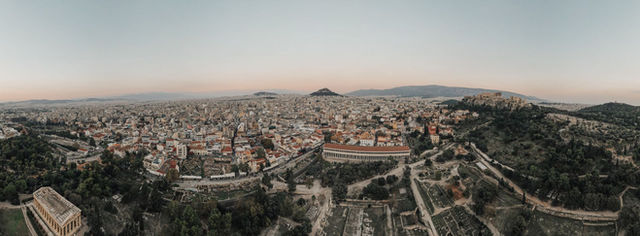
 7 Days in Greece: Athens & the Cyclades
Classical Athens paired with island-hopping to Santorini and Naxos.
Price on enquiry
View trip -
 6 Nights
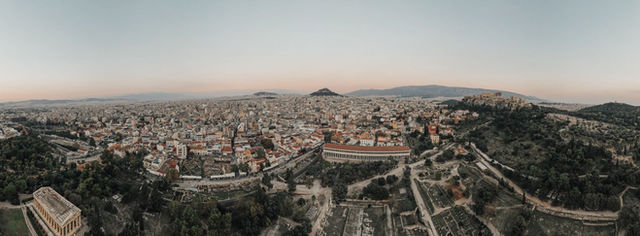
 7 Days in Greece: Athens & the Cyclades Itinerary (2026)
Two days in Athens for the Acropolis and Plaka, then a ferry into the Cyclades — Naxos for beaches and mountain villages, Santorini for the caldera — routed so you never backtrack and fly home from the islands.
Price on enquiry
View trip -
 7 Nights
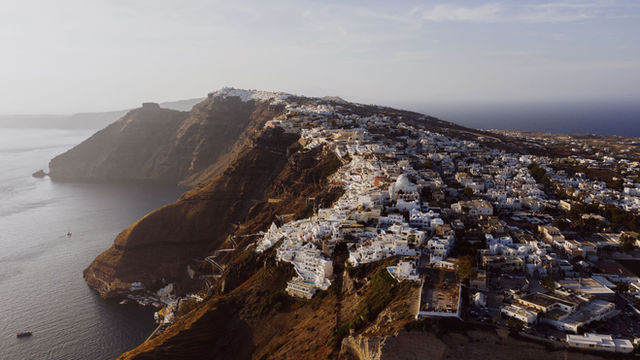
 Cyclades Island Hopping: Santorini, Naxos, and Mykonos
Experience the dramatic volcanic cliffs of Santorini, the fertile valleys and ancient trails of Naxos, and the vibrant winding streets of Mykonos. This eight-day itinerary connects three distinct Cycladic islands using local ferries, public bus networks, and a targeted local vehicle rental.
Price on enquiry
View trip
When to visit Delos
May – June, September – October
Seasons overview
Delos sits at the heart of the Cyclades and shares Mykonos's classic Aegean climate — hot, dry summers and mild, occasionally rainy winters. Summer (June–August) is the peak season: temperatures climb to 28–33°C, the Aegean blazes blue, and the ferry crossings are at their most frequent. The heat on Delos itself can be punishing in July and August, as the island is almost entirely exposed — no cafés, no shade trees, just marble and white stone reflecting the midday sun.
Spring (April–May) and early autumn (September–October) are considerably more comfortable for walking the archaeological site. Crowds are thinner, the light is softer, and temperatures in the low-to-mid 20s make exploring the ruins genuinely pleasant. Late autumn and winter see the ferries reduce to one or two sailings a week, and the island can feel dramatic and moody — but it is also far less practical for a family day trip.
Best months for families
I recommend May, September, and early October as the sweet spot for a Delos family visit. You get reliable sunshine and calm seas for the ferry crossing, comfortable temperatures for hours of outdoor walking, and meaningfully smaller crowds at the ruins. If you're visiting in July or August, aim for the first morning ferry to reach Delos before the heat peaks — and bring far more water than you think you'll need.
Know before you go
Safety
Delos is a remarkably safe destination for families. The archaeological site is well-managed by the Greek Ministry of Culture, entry is controlled, and the island's uninhabited status means there are none of the street hassle or petty crime concerns that can arise in busier tourist towns. The main practical safety note is environmental: the sun and heat on Delos are intense, and the island has zero shade and no water available. Pack sunscreen, sun hats, and at least 1.5 litres of water per person before boarding the ferry — this is not negotiable in summer. The ferry crossing can be choppy in strong Meltemi wind conditions (common July–August afternoons); families with children prone to seasickness should bring medication and aim for a morning sailing when seas are typically calmer.
For teenagers, Delos tends to be a genuinely engaging experience — the scale of what remains, the fact that you are walking through an actual ancient city rather than a reconstructed one, and the unusual atmosphere of an island with no permanent population make it feel different from a conventional museum visit. The UNESCO World Heritage designation opens good conversations about why certain places are preserved and what we owe to ancient history. Teens interested in mythology, history, or architecture will find the site particularly rewarding; even those who aren't typically engaged with history tend to respond to the lions terrace and the summit view.
Daily budget
~£120–£200/day mid-range (Mykonos; Delos admission ~£10-15 pp extra)
Getting there
By air
The gateway airport is Mykonos Airport (JMK), located approximately 3 km from Mykonos Town. From the UK, direct flights operate seasonally from London Heathrow, Gatwick, and Manchester; journey time from London is around 3.5–4 hours. Return flights from London typically range from ~£150–£450 per person depending on the season and how far in advance you book — July and August command peak pricing. A taxi from the airport to Mykonos Town takes around 10 minutes and costs in the region of ~£10–15; there is also a local bus service covering the main route.
By ferry to Delos
Delos is reached exclusively by ferry from Mykonos Old Port. The crossing takes approximately 30 minutes each way. Scheduled departures run multiple times per day in peak season (roughly 9:00–13:30 outbound; 12:00–15:00 return), with reduced frequency in shoulder season and very limited service in winter. Return tickets cost around ~£20–25 per person including site admission in some packages, though it is common to buy the ferry and site entry separately. Book ferry tickets in advance during July and August — the daily visitor quota on Delos is managed and boats fill quickly. Tickets are available at the harbour ticket booths or through operators in advance online.
By ferry from Athens
If you are travelling from Athens, Mykonos is served by high-speed and conventional ferries from Piraeus port. High-speed services (Hellenic Seaways, SeaJets) take around 3–4 hours; conventional ferries take 5–7 hours. This is a pleasant alternative to flying if you want to combine Athens with your Cyclades visit — families with teens often find the overnight ferry option (depart Athens late evening, arrive Mykonos early morning) a practical and adventure-adding way to travel.
Ready to book your trip?
Flights, airport transfers and car hire — search and compare without leaving the page.
More trip extras
Parking, holiday extras, and more — coming soon.
We're lining up parking, holiday extras and activities you'll be able to add to any trip from here.