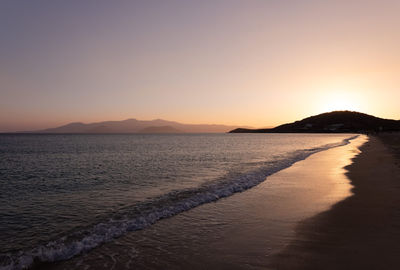
 Swimming © Jules Verne Times Two (Julesvernex2) · CC BY-SA 4.0
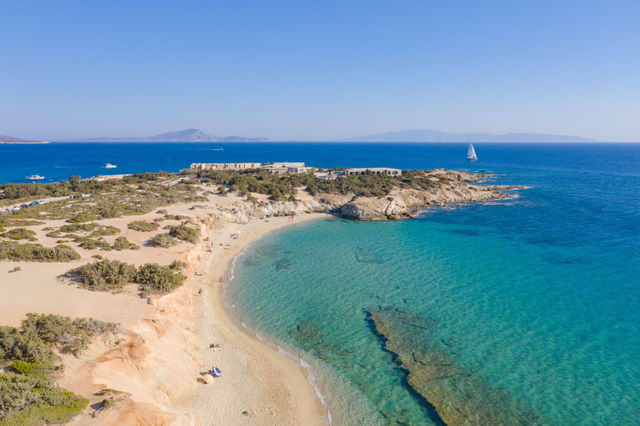
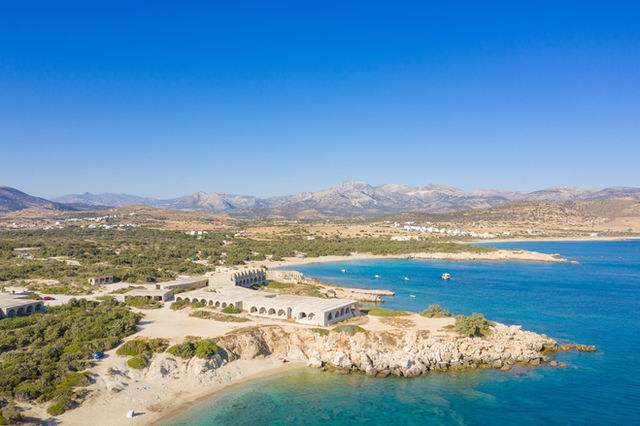
 Agios Prokopios
Naxos’s blue-flag star: powder-white sand and glassy turquoise shallows.
Best for calm family swims
The largest, greenest and best-value of the Cyclades — the marble Portara, a Venetian old town, long sandy beaches and mountain villages under the archipelago's highest peak.
Tsui / Wikimedia Commons (CC BY-SA 4.0)
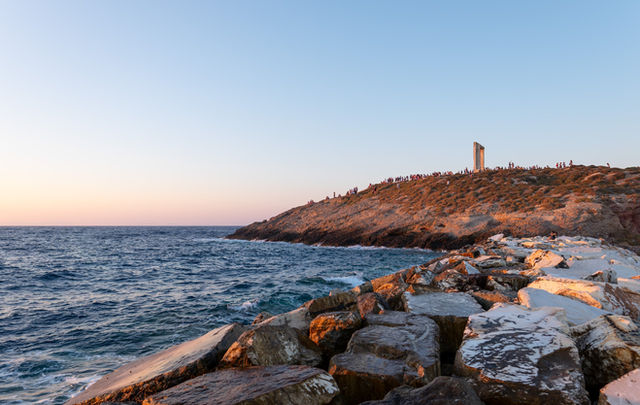
Naxos is the largest island in the Cyclades (around 430 sq km) and, unusually for the archipelago, a place that could feed itself long before tourism arrived — a fertile, mountainous island of potato fields, olive groves, citron orchards and cheese-making villages rather than a bare rock dependent on visitors. Its capital, Naxos Town (Chora), climbs from a busy harbour up to the Kastro, the walled Venetian old town built by Marco Sanudo in the 13th century, a labyrinth of marble lanes, Catholic mansions and a former Jesuit school now housing the Archaeological Museum. Guarding the harbour on the islet of Palatia is the Portara: a colossal free-standing marble doorway, all that was completed of a Temple of Apollo begun around 530 BC and never finished, framing the sunset for everyone who arrives by ferry. Beyond the town, the island splits into two characters. The west coast runs a near-continuous ribbon of pale sandy beaches — Agios Georgios, Agios Prokopios, Agia Anna, Plaka, Mikri Vigla — that are among the best in Greece and, at the exposed southern end, a magnet for windsurfers and kitesurfers. The interior rises through terraced valleys to a chain of stone mountain villages — Halki, Filoti, Apeiranthos — beneath Mount Zas (1,004m), the highest peak in the Cyclades. Naxos suits families, independent travellers and beach-and-hiking holidaymakers who want authentic Greek island life at sensible prices rather than caldera glamour.
Naxos is the island people recommend once they have done the famous Cyclades and found them expensive and crowded. It offers most of what draws visitors to the archipelago — whitewashed lanes, Aegean light, blue sea, sunsets — plus things Santorini and Mykonos cannot: genuinely excellent sandy beaches you can swim off comfortably with children, a working agricultural interior with real villages rather than resort strips, and a food culture rooted in the island's own produce. The Portara at sunset is a proper set-piece, free and uncrowded compared with Oia's castle crush. Mount Zas gives the Cyclades' best hill walk, mythologically the birthplace of Zeus. The mountain villages — Halki with its 1896 Kitron distillery, Apeiranthos paved in marble, Filoti under the peak — reward a day's driving, as do the ancient kouroi, giant unfinished marble statues abandoned in their quarries at Melanes and Apollonas. And it is affordable in a way the marquee islands are not, which makes it the natural base for a family or a longer stay. Naxos pairs easily with Paros (35 minutes by ferry, similar character), with Santorini or Mykonos for a day of contrast, or with the tiny Small Cyclades (Koufonisia, Iraklia) for real quiet.
Naxos has the richest larder in the Cyclades and the food reflects it. The island is famous for its potatoes (grown in the fertile valleys and genuinely different — sweet and firm), its cheeses, and its citron. Graviera Naxou is the star: a PDO hard cheese, mild and nutty, eaten young or aged, and found on every taverna table; look too for the softer myzithra, the sharp arseniko and the spreadable xinotyro. Meat is a bigger part of the diet than on drier islands — expect slow-cooked kid and lamb, patatato (goat or pork stewed with the local potatoes), and rooster in wine. Coastal tavernas serve the usual excellent Aegean seafood and grilled octopus. To drink, the island's own liqueur is Kitron, distilled from the leaves of the citron tree rather than the fruit, made at the Vallindras distillery in Halki since 1896 and sold in green (strong), yellow (medium) and clear (sweet) grades — a tasting there is one of the island's set-piece experiences. Eat in Naxos Town's old quarters and the harbour tavernas, in the fishing hamlet of Agia Anna, and above all in the mountain villages of Halki, Filoti and Apeiranthos, where the meat dishes and cheeses are at their best.
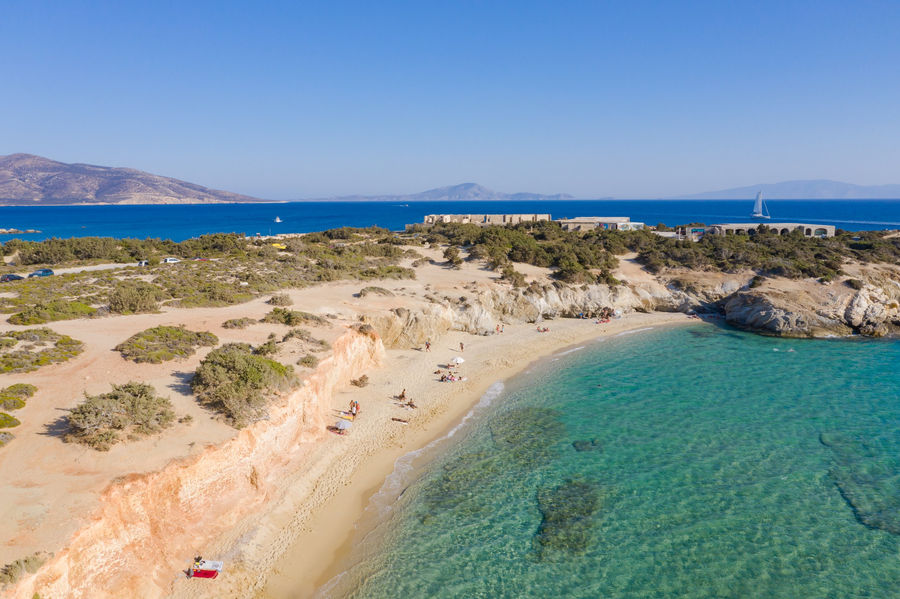
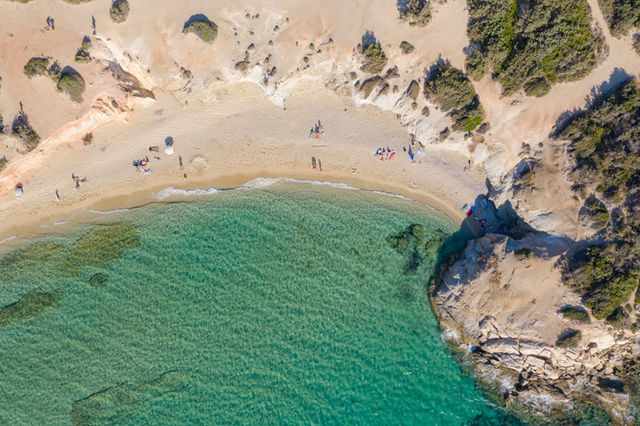
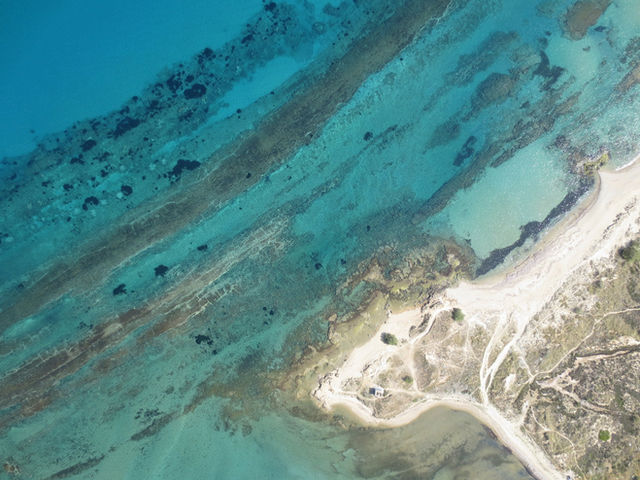

Live map of hotels and villas around Naxos — powered by Stay22. Pan, zoom and compare live prices to pick your base.
Pan, zoom and compare live prices — every stay in one map.
Naxos is large enough that a hire car transforms the trip — the mountain villages, the kouroi and the emptier southern beaches are hard to reach otherwise. Car hire is widely available and much cheaper than on Santorini or Mykonos; the main west-coast road is good, but the mountain roads are narrow, winding and steep, so drive with care. Scooters and quad bikes are hired everywhere and fine for the coast, less so for the mountains. The KTEL bus network is genuinely useful here: frequent, cheap services link Naxos Town to the west-coast beaches (Agios Prokopios, Agia Anna, Plaka) and regular runs reach the main inland villages (Halki, Filoti, Apeiranthos) and Apollonas in the far north — enough to manage a carless beach-based holiday, though the interior is easier with your own wheels. Taxis are limited in number and can be scarce at peak times; pre-book for the airport or ferry. Within Naxos Town the old quarters are walking-only. Caïque boats and organised trips run in summer to nearby beaches and to the Small Cyclades.
Public transport is the KTEL bus network, based at the terminal on the Naxos Town waterfront by the port. It is one of the better island systems in the Cyclades: buses run frequently in summer along the west coast to Agios Prokopios, Agia Anna and Plaka (short hops, several an hour in high season), and several times a day up into the mountains to Halki, Filoti, Apeiranthos and Koronos, and north to Apollonas. Fares are low — roughly €2 for the beach runs and €3–6 for the longer mountain and Apollonas routes; buy tickets from the kiosk at the terminal or on board. Timetables are posted at the terminal and online and are reasonably reliable, though mountain services thin out sharply in shoulder season and off-season. For flexibility beyond the main beach strip, most visitors combine the bus with a day or two of car hire rather than relying on buses alone.
Watch the sunset through the Portara — it is free, walkable from the harbour and far less of a scrum than Oia — but arrive before the ferry crowds and bring a bottle of local wine to the rocks of Palatia rather than paying caldera prices. For beaches, the further south you go the emptier they get: day-trippers cluster at Agios Prokopios, but Plaka, Kastraki and Alyko (with its cedar forest and small abandoned hotel favoured by street artists) stay quiet even in August. Give a full day to the interior: drive the loop up through Halki (stop for a Kitron tasting at Vallindras), Filoti and marble-paved Apeiranthos, lunching in a village where the meat and cheese are the point. Hike Mount Zas from the Aria spring above Filoti for the Cyclades' best summit view — go at dawn in summer. Seek out the two great kouroi: the 6th-century-BC giant lying in the quarry at Apollonas in the north, and the smaller, greener Melanes kouroi in an olive grove near Chora, both free and usually deserted. And eat in the mountains at least once — the island's best cooking is inland, not on the harbour.
The 6 shores actually worth the trip on Naxos — ranked, with the vibe of each and where to stay nearby. Tap a card to fly the map to it.
Swimming © Jules Verne Times Two (Julesvernex2) · CC BY-SA 4.0 Naxos’s blue-flag star: powder-white sand and glassy turquoise shallows.
Best for calm family swims
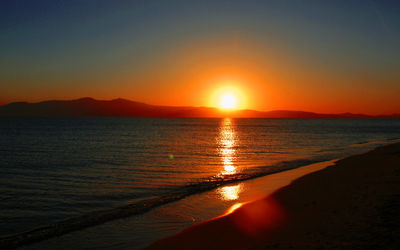 Long sandy © G Da · CC BY-SA 3.0
 Endless 4km of dune-backed sand where there’s always room to spread out.
Best for long relaxed walks
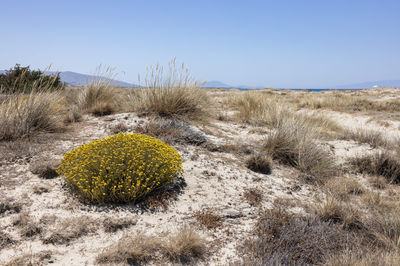 Party © Tsui · CC BY-SA 4.0
 Wind-whipped headland that’s the island’s kitesurf and beach-bar capital.
Best for kitesurfing & wind
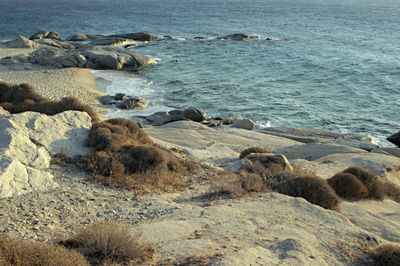 Family © Zde · CC BY-SA 4.0
 Sheltered golden sand beside a fishing port ringed with seafood tavernas.
Best for families & tavernas
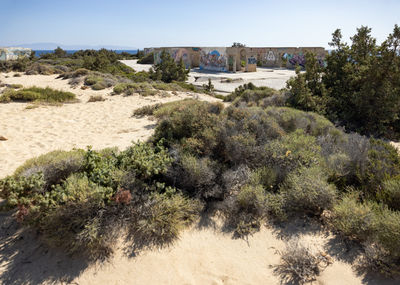 Secluded © Tsui · CC BY-SA 4.0
 Wild cedar forest, dunes and hidden coves far from the crowds.
Best for secluded cedar coves
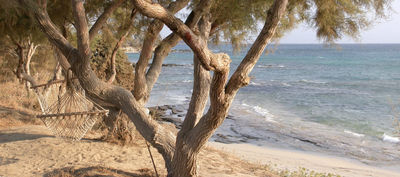 Snorkelling © Stepanps · CC BY-SA 4.0
 Long, quiet white-sand strand with crystal-clear water made for snorkelling.
Best for clear-water snorkelling
Naxos · Around the island · 1 island · 6 beaches · 1 hotels nearby
Skip-the-line tickets and small-group tours in Naxos — compare across our partners.
We're still curating hand-picked tickets and tours for Naxos. In the meantime, the map above and the nearby cities are a great place to start.
Day-by-day itineraries that take in Naxos — routes, timings and what to book.
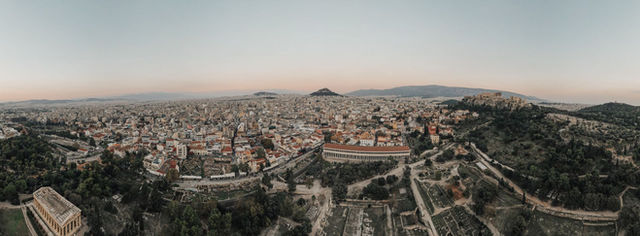 6 Nights
 Classical Athens paired with island-hopping to Santorini and Naxos.
Price on enquiry
View trip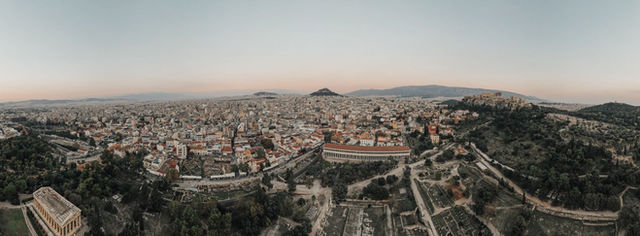 6 Nights
 Two days in Athens for the Acropolis and Plaka, then a ferry into the Cyclades — Naxos for beaches and mountain villages, Santorini for the caldera — routed so you never backtrack and fly home from the islands.
Price on enquiry
View trip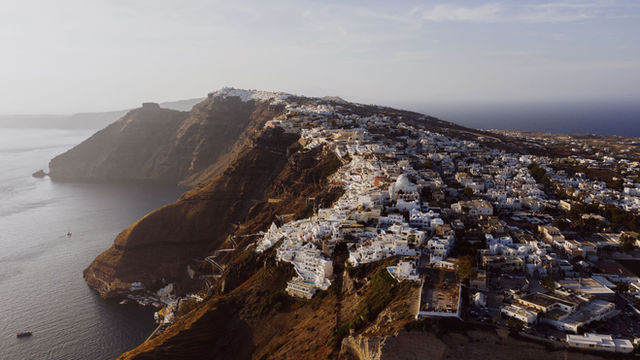 7 Nights
 Experience the dramatic volcanic cliffs of Santorini, the fertile valleys and ancient trails of Naxos, and the vibrant winding streets of Mykonos. This eight-day itinerary connects three distinct Cycladic islands using local ferries, public bus networks, and a targeted local vehicle rental.
Price on enquiry
View tripMay – October (sweet spot May – June, September)
Naxos has a classic Cycladic climate: hot, dry summers and mild, changeable winters. July and August are reliably hot (28–32°C by day) and rainless, cooled by the meltemi, the strong north wind that funnels through the Cyclades in high summer — pleasant relief on land, but it whips up the sea and the exposed west-coast beaches, which is exactly why Mikri Vigla is a windsurf and kite hub. May, June and September are the sweet spot: warm (22–28°C), the sea swimmable (it holds summer warmth well into October), the light superb and the crowds and prices far below peak. Being larger and greener than its neighbours, the interior and Mount Zas stay noticeably cooler than the coast, good for walking. October is mild and quiet with the first chance of rain; November to March is cool (12–16°C), wetter and windy, when the island turns green, many beach businesses close and life retreats to Naxos Town and the villages. Sun protection is essential in summer — Aegean UV is strong and the meltemi masks how much sun you are getting.
Naxos is a very safe island — serious crime against visitors is rare and the main risks are practical. The greatest is the road: the mountain routes to Apeiranthos, Koronos and Apollonas are narrow, steep and winding with sheer drops and few barriers, and scooter and quad accidents are the most common cause of holiday injury; drive slowly, wear a helmet and do not take an underpowered scooter into the mountains. The west-coast beaches are generally safe for swimming, shallow and family-friendly, but the same meltemi that draws the windsurfers to the southern beaches creates strong wind, chop and offshore drift on exposed days — watch children and inexperienced swimmers when it blows, and take local advice at Mikri Vigla and Plaka. The Mount Zas walk is rocky and exposed with no shade and no water on the trail; carry plenty of water, wear proper footwear and start early in summer to avoid the midday heat. Summer sun is intense. There are no significant health hazards; tap water is best treated as non-potable for drinking, and bottled water is widely sold.
Naxos is a Greek Orthodox island, though the Venetian centuries left an unusual Catholic minority in the Kastro, and both traditions are still active — the churches and monasteries are places of worship, so cover shoulders and knees and behave quietly when visiting. Village life in the interior is genuinely traditional and runs at its own pace: shops and sights may close in the afternoon, the evening volta (stroll) around the square is a real social ritual, and a little Greek and unhurried courtesy go a long way. Naxos is family-oriented and children are welcome everywhere, including tavernas late into the evening. Dress is relaxed and beachwear is fine on the coast, but cover up when walking through town or into a village. Tipping is appreciated but not obligatory — rounding up or leaving 5–10% is normal. Naxos is far less commercialised than Santorini or Mykonos, and visitors who treat the villages as living communities rather than photo backdrops are met with real warmth.
£95/day mid-range (budget £50, luxury £220+; markedly cheaper than Santorini or Mykonos)
112 (European emergency), 100 (Greek police), 199 (fire), 166 (ambulance), 108 (Hellenic Coast Guard)
Most visitors reach Naxos by ferry, not by air. Naxos Island National Airport (JNX) is small, with a short runway and no international flights; it takes domestic services only, chiefly the 40–45 minute hop from Athens (Eleftherios Venizelos) operated by Sky Express, Aegean and Olympic Air, two to four times a day year-round, plus seasonal links to Thessaloniki. From the UK there is no direct flight, so the air route means London to Athens (British Airways, easyJet, Aegean, Ryanair; ~3h45) then a connecting domestic flight. The more common and often more scenic approach is by sea. High-speed catamarans (SeaJets and others) run from Piraeus, Athens' main port, in around 3h30–4h; conventional car ferries (Blue Star Ferries) take 5–6h and are cheaper, steadier and better in rough weather. Ferries also leave from Rafina and Lavrio. Naxos is a major Cyclades hub, with frequent boats to Paros (~35 min), Mykonos, Santorini, Ios, Tinos, Amorgos and the Small Cyclades — so it slots easily into a multi-island trip. Book car-ferry vehicle space and peak-season fast-ferry seats well ahead.
Flights, airport transfers and car hire to JNX — search and compare without leaving the page.
Parking, holiday extras, and more — coming soon.
We're lining up parking, holiday extras and activities you'll be able to add to any trip from here.