← Hungary
HUNGARY · CITY

Budapest

The 'Pearl of the Danube' — a grand riverside capital of thermal baths, a soaring parliament and castle-hill views.

  • City
  • April to June and September to October — warm days, thinner crowds, comfortable for the baths
  • ~approx 3–4 days

Visions of Domino via Wikimedia Commons (CC BY 2.0)

  • Thermal Baths
  • Danube Panoramas
  • Ruin Bars
  • Grand Boulevards

Steam rising off an outdoor thermal pool at dusk, the Parliament lit up gold across black water, and a bar humming inside a crumbling courtyard where nothing quite matches.

Budapest is two old cities stitched across a river — hilly, castle-topped Buda on one bank, flat and grand Pest on the other — sitting on hot springs that feed its great bathhouses. It is grand and a little faded, and all the better for it.

Type
metropolis
Ideal length
~approx 3–4 days
Getting around
a metro, extensive trams, and a walkable Pest centre
Neighbourhoods
7 areas
Best season / months
April to June and September to October — warm days, thinner crowds, comfortable for the baths
Language
Hungarian
Currency
Hungarian forint (Ft)
Budget level
moderate — one of the better-value capitals in Europe
Good for
  • First-timers
  • Baths
  • Nightlife
  • History
  • Food
▸ Discover

About Budapest

The Danube splits Budapest down the middle. On the west bank rises Buda — the hills, the castle, the old royal quarter, quieter and residential. On the east spreads Pest — flat, dense, and where the real life of the city happens, laid out in grand nineteenth-century boulevards around the Parliament and the ring roads. Bridges tie the two halves, the Chain Bridge oldest and best known, and the whole city sits on thermal springs that have been piped into bathhouses for centuries. The metro and trams knit it together.

Budapest is home to a UNESCO World Heritage Site — Budapest, including the Banks of the Danube, the Buda Castle Quarter and Andrássy Avenue — inscribed in 1987.

Why go

Few capitals give you this much grandeur for the money, or this particular mix — soak in a steaming outdoor bath in the morning, tour a monumental Parliament in the afternoon, and drink in a ramshackle ruin bar at night. Budapest is beautiful in a worn, unpolished way, still visibly recovering its shine, and it eats and drinks well without the western-capital price tag.

Don't miss

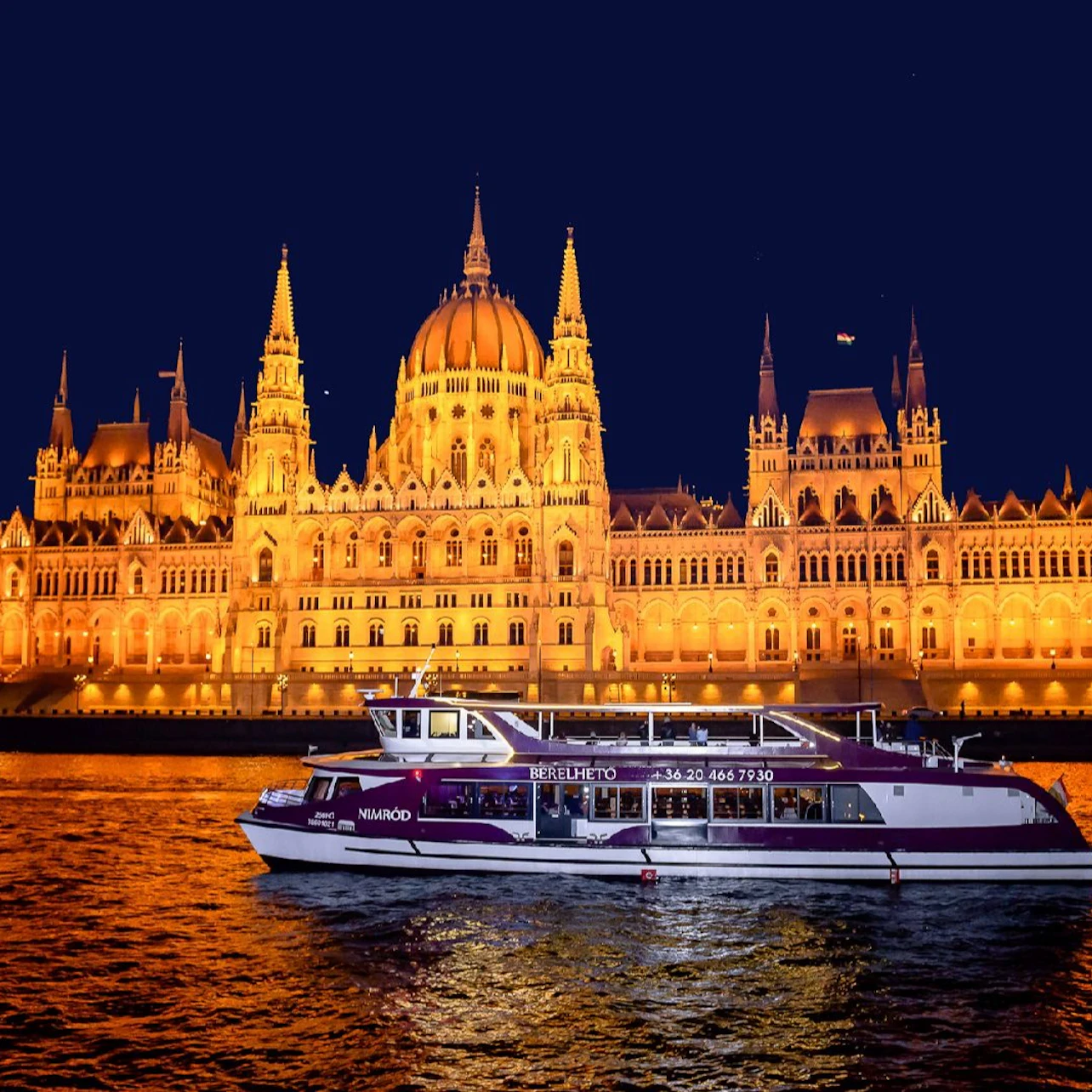
  • The Hungarian Parliament Building — the vast neo-Gothic riverfront landmark
  • The thermal baths — Széchenyi's grand outdoor pools, or Gellért's Art Nouveau halls
  • Buda Castle and the Castle District — the old royal quarter on the hill
  • Fisherman's Bastion — the fairytale terrace over the river
  • The Jewish Quarter and its ruin bars — Szimpla Kert and its imitators

Signature experiences

The baths, above all — Budapest sits on hot springs and has bathed in them for centuries. Spend a morning at Széchenyi's grand yellow outdoor pools in the City Park, where old men play chess in the steam, or soak under the stained glass at the Art Nouveau Gellért. For something older and moodier, the Turkish-era Rudas has a domed octagonal pool nearly five hundred years old. **The river and its bridges** — The Danube is the city's spine and its best show. Walk the Pest promenade past Parliament, cross the Chain Bridge to Buda, and ride the funicular up to the castle for the view back. Better still, do it after dark, when the whole riverfront lights up gold and the bridges string across the water. **Ruin bars and the night** — In the old Jewish Quarter, abandoned buildings were turned into bars full of mismatched furniture, dangling bicycles and courtyards open to the sky. Szimpla Kert started it and is now a landmark; the streets around it are wall-to-wall with the rest. It is scruffy, cheap and a genuinely Budapest invention. **Grand imperial Pest** — Walk Andrássy Avenue from the Opera House out to Heroes' Square, and you get the city's nineteenth-century swagger in one line — mansions, the old millennium metro rumbling beneath, and a monumental colonnade at the end. Cap it with the City Park and a museum or two. **Coffee and cake, the old way** — Budapest kept its grand café tradition, and a slice of Dobos torte under a chandelier is a proper afternoon. The New York Café is the gilded, over-the-top one everyone photographs; the quieter old coffee houses do the same ritual with less of a queue.

Neighbourhoods

Budapest neighbourhood by neighbourhood — the character of each and who it suits.

  • Belváros and Lipótváros

    The grand civic heart of Pest — District V — where the government buildings, the basilica and the smartest streets sit, right on the river.

    Why go
    The single densest run of Pest landmarks, all flat and walkable.
    Best for
    First-time sightseeingriverside walksgrand architecture
    Known for
    The Hungarian Parliament, St. Stephen's Basilica, the Danube Promenade with its Shoes on the Danube memorial, the Chain Bridge, and the smart shops of Váci utca.
  • Terézváros

    District VI, built around the city's grandest avenue — Budapest's answer to a Parisian boulevard, lined with mansions and the Opera House.

    Why go
    Andrássy Avenue, the Opera, and the long walk out to Heroes' Square.
    Best for
    Architectureoperacafésa grand stroll
    Known for
    Andrássy Avenue and the Hungarian State Opera House, the Oktogon junction, the House of Terror museum, and the sweep up to Heroes' Square and the City Park beyond.
  • Erzsébetváros

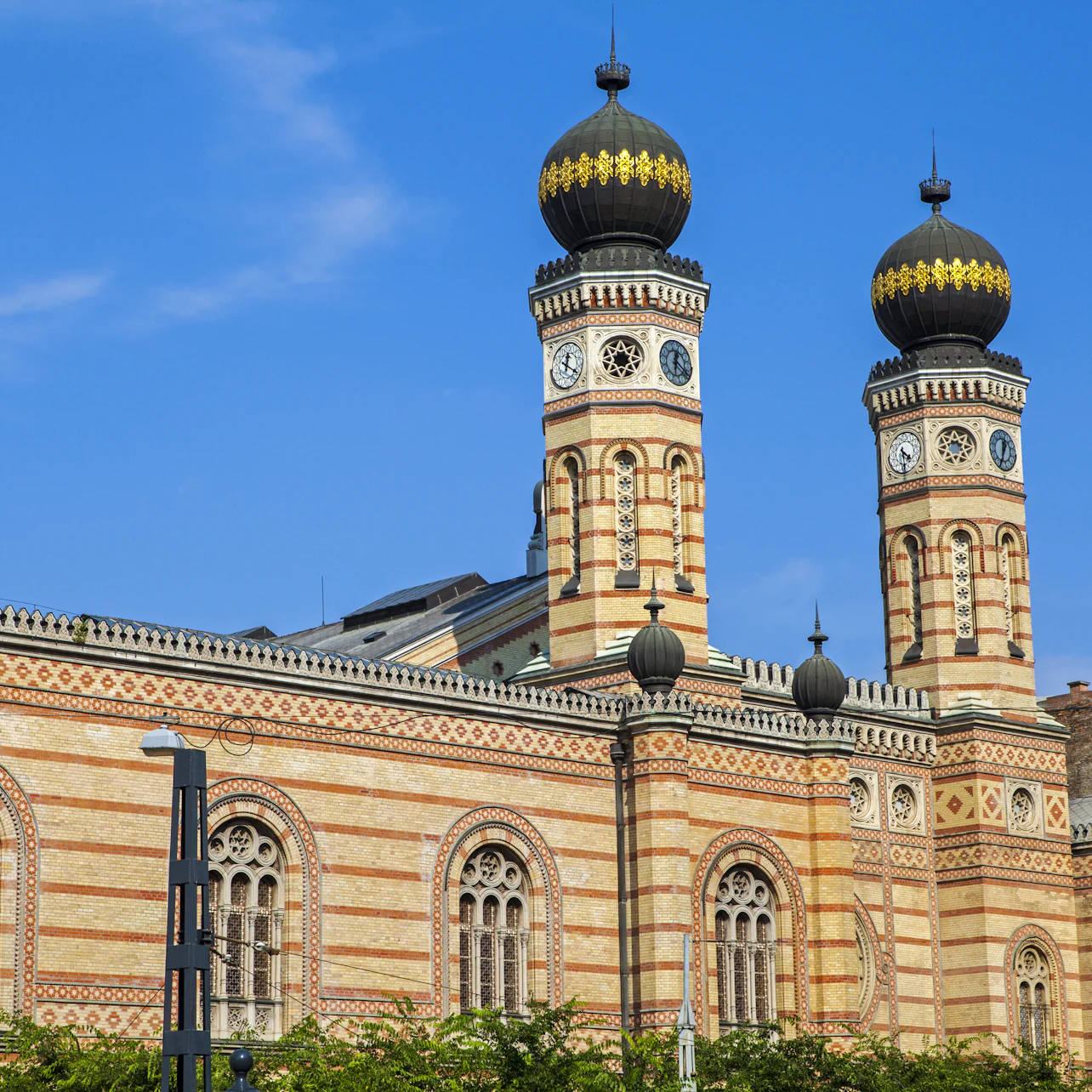
    District VII, the old Jewish Quarter — by day a dense grid of synagogues and courtyards, by night the city's loudest, most tangled nightlife.

    Why go
    The Great Synagogue, the ruin bars, and the best street food and late nights.
    Best for
    Nightlifehistorycasual eatingbar-hopping
    Known for
    The Dohány Street Great Synagogue (the largest in Europe), the ruin bars led by Szimpla Kert, the street-art courtyards, and a wall-to-wall run of bars and food spots.
  • The Castle District

    District I, up on the Buda hill — cobbled, quiet, and crowned by the old royal castle and a much-photographed neo-Romanesque terrace.

    Why go
    The castle, the bastion, and the best long view over Pest and the river.
    Best for
    Historyviewsa slower morning
    Known for
    Buda Castle and its museums, Matthias Church with its tiled roof, the Fisherman's Bastion terrace, and the funicular up from the Chain Bridge.
  • Gellért Hill and the Tabán

    The green Buda hillside south of the castle, topped by a citadel and a liberation statue, with grand baths at its foot.

    Why go
    The panorama from the top and the Art Nouveau Gellért Baths below.
    Best for
    Viewsbathsa walk with a payoff
    Known for
    The Citadella and Liberty Statue on the summit, the sweeping view across the bridges, the Gellért Baths, and the cave church cut into the hillside.
  • Városliget

    The big City Park at the far end of Andrássy, District XIV — museums, a mock castle, a boating lake, and the city's most famous baths.

    Why go
    The Széchenyi Baths and a day among the park's museums and follies.
    Best for
    Bathsfamiliesmuseumsgreen space
    Known for
    The grand Széchenyi thermal baths, Heroes' Square at the park gate, Vajdahunyad Castle by the lake, and the zoo and museums around the green.
  • Újlipótváros

    District XIII just north of Parliament — a calm, grid-planned residential quarter of cafés, delis and leafy streets, and the gateway to the river island.

    Why go
    A local, unhurried side of Pest and easy access to Margaret Island.
    Best for
    Cafésa quieter stayriverside runs
    Known for
    The tree-lined Pozsonyi út cafés, the modernist apartment blocks, and Margaret Island in the river with its gardens, running track and musical fountain.

Views & hidden gems

Best views

  • Fisherman's Bastion — the classic terrace framing Parliament across the river
  • The Citadella on Gellért Hill — the full panorama of both banks and the bridges
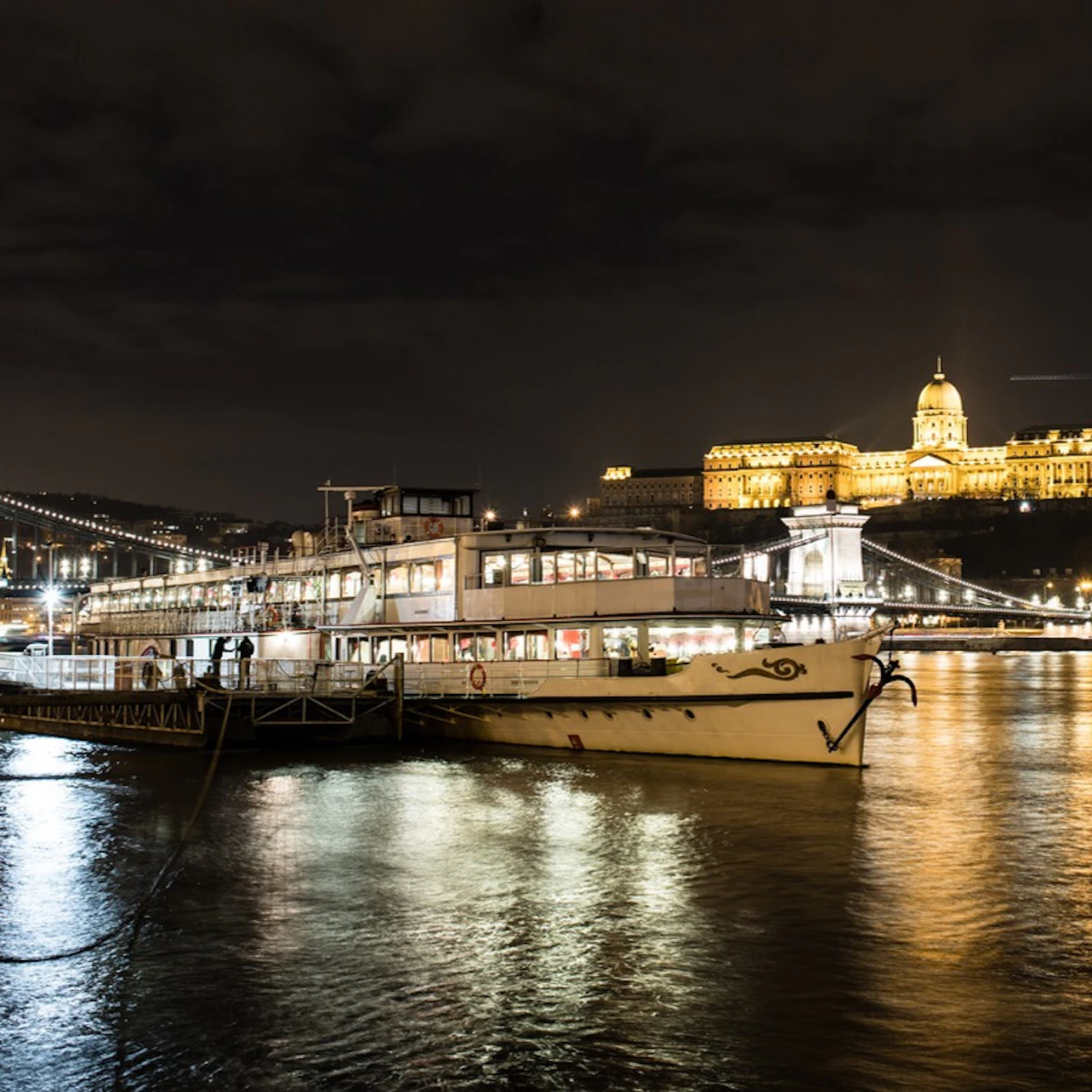
  • The Danube promenade at night — Parliament and the castle mirrored in the water
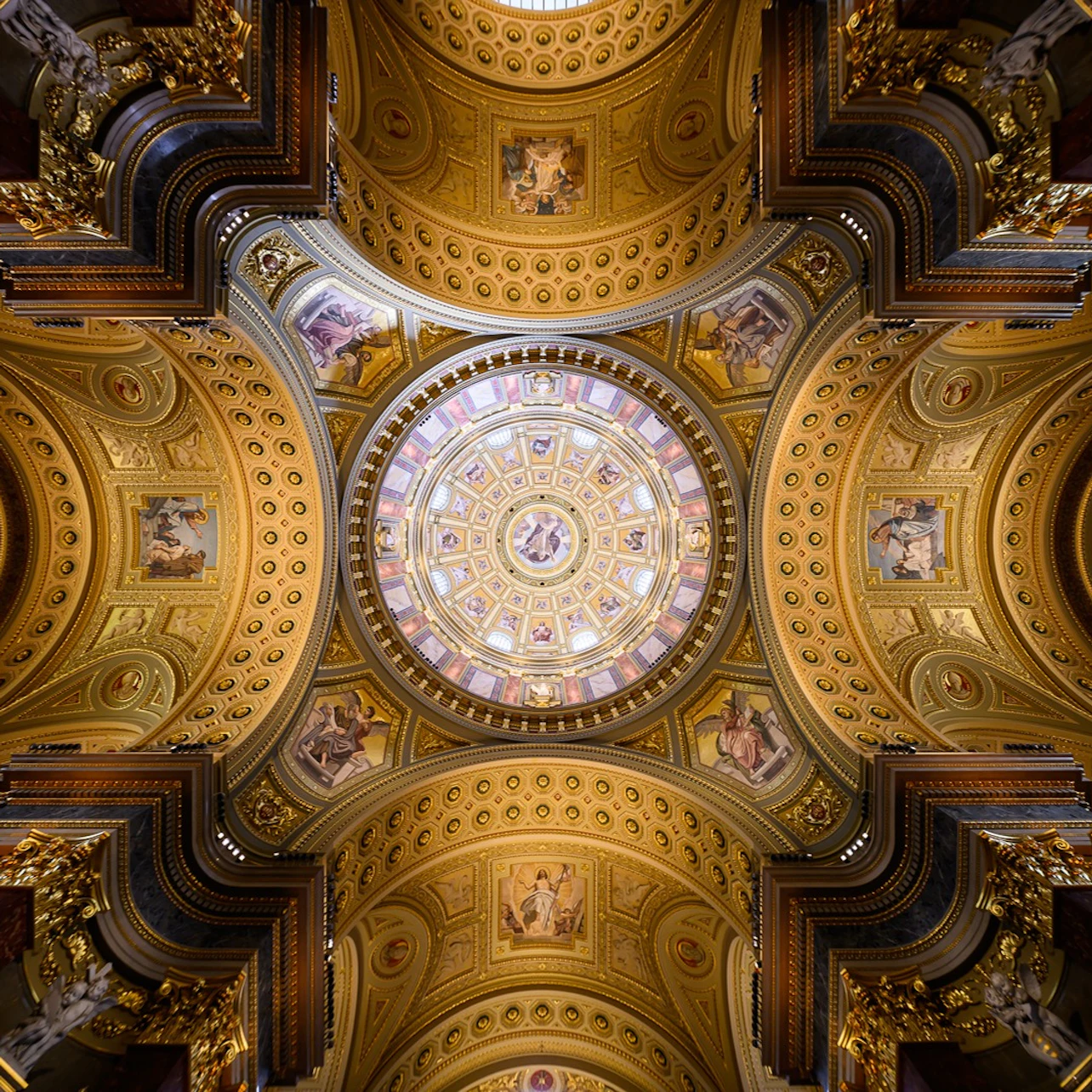
  • St. Stephen's Basilica dome — a lift-and-stairs climb to a 360° rooftop

Hidden gems

  • The Rudas Baths' rooftop pool at night — a hot soak with the city lit below
  • The old Millennium metro (M1) — the yellow line, one of the oldest underground railways in the world
  • Hospital in the Rock — a Cold War bunker and wartime hospital under the castle hill
  • The Central Market Hall's upper gallery — lángos and paprika stalls above the produce floor
  • Memento Park — the city's toppled communist statues gathered on the outskirts

Food & drink

Hungarian food is hearty, paprika-warmed and built for cold winters, and Budapest does it cheaply and well. Goulash here is a soup, not a stew, and paprika finds its way into most of the classics. The street food is a meal in itself — lángos, the deep-fried dough slathered with sour cream and cheese, and the sweet chimney cake turned over coals. Graze the Central Market Hall, drink the surprisingly good Hungarian wine (Tokaji sweet, Egri Bikavér red), and brace for a shot of pálinka fruit brandy or the bitter herbal Unicum.

  • Gulyás — the paprika beef soup, the true Hungarian goulash
  • Lángos — deep-fried dough with sour cream, cheese and garlic
  • Chicken paprikash — chicken in a rich paprika-and-cream sauce
  • Kürtőskalács — chimney cake, spit-roasted and sugar-crusted
  • Dobos torte — layered sponge under a hard caramel top
  • Pálinka — strong Hungarian fruit brandy, the welcome shot
Dietary notes

The old classics are meat-and-cream heavy, but the Jewish Quarter and the centre now have a strong vegetarian and vegan scene, from falafel to plant-based ruin-bar kitchens. Halal is easy around the District VII eating streets; kosher food and shops cluster in the old Jewish Quarter near the Great Synagogue. Gluten-free is understood in the centre's newer cafés, less so in traditional kitchens.

▸ Photos

Budapest in photos

▸ Where you'll stay

Where you'll stay in Budapest

Pest is where most visitors want to be — flat, walkable, and close to the sights, the baths and the nightlife. District V puts you among the grand landmarks and the river, at the top of the price range. Districts VI and VII give you the boulevards, the ruin bars and the best value, though the Jewish Quarter can be loud at night. Buda, across the river, is calmer and greener, good for a quiet stay near the castle but a bridge away from the action.

  • Budget
    District VII (Erzsébetváros) hostels and budget rooms in the ruin-bar quarter, lively but noisy, central and cheap.
  • Mid-range
    District VI (Terézváros) boutique hotels along and off Andrássy, walkable to everything, calmer than District VII.
  • Luxury
    District V (Belváros / Lipótváros) riverfront grand hotels by Parliament and the Chain Bridge, steps from the smart streets.
Stay

Hotels & rentals around Budapest

Pan, zoom and compare live prices — every stay in one map.

▸ Getting around

Getting around Budapest

Four metro lines cross the city, the historic yellow M1 running shallow under Andrássy Avenue. Trams fill the gaps — the 2 hugs the Pest riverbank for the best cheap sightseeing ride, and the 4 and 6 loop the grand boulevard. Pest is flat and walkable; Buda's hills mean a funicular, buses or the cog railway. Buy a travel card or day ticket and validate it.

Most Pest districts are a short walk or a couple of metro or tram stops apart (~approx). To reach Buda and the castle, take the funicular from the Chain Bridge or bus up the hill; for the City Park baths, ride the M1 to its end at Széchenyi fürdő.

▸ Plan your days

Suggested itineraries

Ready-made day plans for Budapest — from a single day to a long weekend.

One day

Start on the Pest side at Parliament and walk the promenade past the Shoes on the Danube to the Chain Bridge. Cross to Buda, ride the funicular to the Castle District for Matthias Church and the Fisherman's Bastion view, then come back for St. Stephen's Basilica and an evening soak at the Gellért or Rudas baths.

Two days

Give day two to grand Pest and the park. Walk Andrássy Avenue from the Opera House to Heroes' Square, spend the afternoon at the Széchenyi Baths in the City Park, then head into the Jewish Quarter for the Great Synagogue, street food and the ruin bars after dark.

Three days

Use day three to slow down. Wander Margaret Island in the morning, browse the Central Market Hall for lunch and paprika, and take a longer walk up Gellért Hill to the Citadella for the full two-bank panorama before a last riverside dinner.

▸ What you'll do

Insider tips

  • The baths have their own etiquette and ticketing — read up on cabins, lockers and what to bring before you go, and pick a bath that suits (Széchenyi grand and busy, Rudas older and moodier).
  • A Budapest travel card or the public-transport day tickets are cheap and cover the metro, trams and buses; the tram is often quicker than the metro along the river.
  • Taxis can overcharge tourists hailed on the street — use an app or a marked, metered company.
  • The two halves of the city are further apart than the map suggests once you factor the hills — plan Buda and Pest as separate days.
What's on

While you're there

Explore

Explore the area

© OpenFreeMap · OSM · terrain Mapterhorn
Do

Local attractions & tours

Skip-the-line tickets and small-group tours in Budapest — compare across our partners.

▸ Budget

What it costs in Budapest

Backpacker
roughly €35–55 a day.
Mid-range
roughly €90–150 a day.
Luxury
€300 a day and up.
Cash vs card
Cards work almost everywhere, but keep some forint for markets, small bars and baths. Prices are in forint — treat any menu quoting euros with suspicion.
Tipping
Around 10% is expected in sit-down restaurants; check whether a service charge is already on the bill before adding more, and hand the tip to the staff rather than leaving it on the card machine's default prompt.
▸ When you'll go

When to visit Budapest

April to June and September to October — warm days, thinner crowds, comfortable for the baths

Spring

What to expect — Cool and fresh early, warming into bright, comfortable weeks by May. The parks green up and the outdoor bath terraces reopen for the season.

What's best — Mild sightseeing weather, blossom in the City Park, and fewer crowds than summer at the baths and the castle.

Summer

What to expect — Warm to hot, sometimes stickily so, and the busiest season. The city empties a little as locals leave, but the riverside, the island and the festivals fill up.

What's best — Long evenings, open-air bars and the Sziget festival, warm nights on Margaret Island, and outdoor pools at their best. Come in June or September to dodge the peak heat.

Autumn

What to expect — Mild, golden and pleasant, with the summer crowds thinning and the wine season arriving. Comfortable for walking and long bath sessions.

What's best — Crisp air, turning leaves in the parks, new-vintage wine, and the baths especially good as the weather cools.

Winter

What to expect — Cold, grey and often below freezing, with short days. December brings Christmas markets; deep winter is quiet and cheap, and the steaming outdoor baths come into their own.

What's best — A hot outdoor soak while it snows, Christmas markets on Vörösmarty and Deák squares, and the lowest prices of the year.

▸ Know before you go

Know before you go

Honest swaps

Skip the overpriced river-cruise dinners touted on the promenade → ride the public tram 2 along the Pest embankment for the same riverfront views at the price of a ticket.

Skip the tourist-menu restaurants around Váci utca → eat in the Jewish Quarter or a market hall for better food at half the price.

Skip queuing for a photo at the New York Café → have your coffee and cake at a quieter grand café like Central or Gerbeaud.

Skip the pricey "folklore dinner shows" → catch real Roma and folk music in a Jewish-Quarter bar or a Danube-side venue instead.

Crowds & timing

Széchenyi and Gellért baths are busiest midday; go at opening or in the evening, and buy tickets online to skip the queue.

Parliament tours and the Basilica dome sell timed slots that fill fast in summer — book ahead.

Local rules & etiquette

Do not clink glasses when drinking beer — a Hungarian tradition tied to a historical grievance means locals pointedly don't.

At the baths, bring or rent flip-flops and a towel, and check whether a session needs a swim cap or a cabin ticket.

Validate your metro and tram tickets; inspectors do check and fine, and a valid ticket must be stamped.

Money

Pay in forint, not euros — shops that quote euros use a poor rate. Decline "dynamic currency conversion" and let your card charge in forint.

Skip the tourist-strip exchange kiosks; use a bank ATM and watch for skimmed independent machines near the sights.

After dark

The Jewish Quarter (District VII) is the loud, sprawling nightlife core — ruin bars, late kitchens and bar-hopping.

The riverbanks and Margaret Island run gentler, good for a summer evening walk or an outdoor drink.

Buda is residential and quiet after dark; cross back to Pest for a night out.

▸ Ready to book your trip?

Getting there

Budapest's airport is Ferenc Liszt International (BUD), southeast of the city. The 100E direct airport bus runs into Deák Ferenc tér in the centre (~approx 40 min); the 200E bus links to the M3 metro for a cheaper hop. The main long-distance rail stations are Keleti (east) and Nyugati (west), both on the metro.

Book

Ready to book your trip?

Flights, airport transfers and car hire — search and compare without leaving the page.

▸ Trip extras
Book

More trip extras

Parking, holiday extras, and more — coming soon.

Coming soon

We're lining up parking, holiday extras and activities you'll be able to add to any trip from here.