← India
INDIA · CITY

Jaipur City

Rajasthan's Pink City — a UNESCO-inscribed walled city of palaces, bazaars, and extraordinary Mughal-era architecture.

  • City
  • 2–3 days
▸ Where you'll stay

Where you'll stay in Jaipur City

<h4>Old City (Walled City)</h4><p>Staying inside or right on the edge of the Pink City puts you within walking distance of the Hawa Mahal, the City Palace, Jantar Mantar and the main bazaars. The area is atmospheric and convenient, with plenty of heritage havelis converted into guesthouses and boutique hotels. It is noisy and lively — families who want immersion will love it; those needing quiet nights may find it challenging.</p><h4>C-Scheme and Bani Park</h4><p>These quieter residential neighbourhoods, roughly 2–3 km from the walled city, are where I tend to recommend families stay. Mid-range family-friendly hotels are well represented here, rooms are generally larger, and the streets are calmer. Rickshaws and auto-tuk-tuks connect you to the old city in ten minutes. Bani Park in particular has several converted heritage hotels with gardens — excellent for families who want space at the end of a long sightseeing day.</p><h4>Amer Road (near Amer Fort)</h4><p>A handful of resort-style hotels sit on the road between Jaipur and Amer Fort, roughly 11 km north of the city centre. If Amer Fort is your priority — and it should be — this area makes an early morning visit effortless. The trade-off is needing a rickshaw or car for every trip into the city itself.</p><h4>How to choose</h4><p>First visit with teens? I'd put you in Bani Park or C-Scheme: close enough to the action to feel energised, far enough to get a decent night's sleep. Heritage atmosphere on a budget? Look for havelis inside the walled city with good reviews for families. If you have access to a car or driver throughout your stay (very common on Golden Triangle tours), the Amer Road options offer excellent value and a swimming pool.</p>

Stay

Hotels & rentals around Jaipur City

Pan, zoom and compare live prices — every stay in one map.

▸ Getting around

Getting around Jaipur City

Metro/subway

Jaipur has a metro system with two operational lines, but it does not currently reach the main tourist areas including the walled city or Amer Fort. It is useful for getting between the railway station and some southern areas but is not the primary way most visitors get around.

Auto-rickshaws (tuk-tuks)

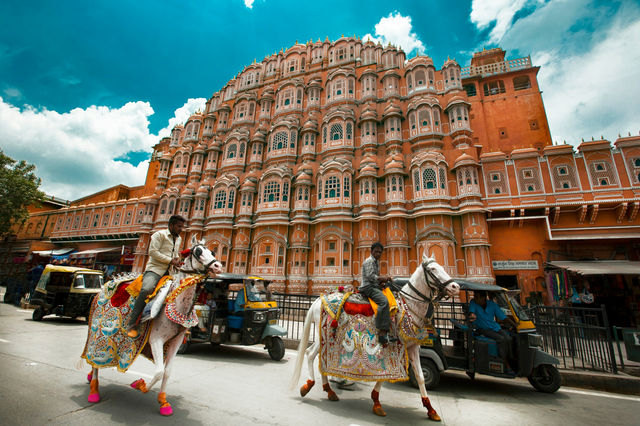
The auto-rickshaw is the city's heartbeat. Shared and private autos are everywhere; agree the fare before getting in (or insist on the meter, though drivers sometimes prefer to negotiate). For a family, a 20-minute hop across the old city typically costs the equivalent of ~£1–2. It is efficient, atmospheric and — once you have ridden one through the Tripolia Bazar — genuinely memorable. Use apps like Ola or Uber for metered pricing and more predictable rates.

Taxis & ride-hailing

Ola and Uber both operate in Jaipur and are the easiest option for families with luggage or for longer journeys such as Jaipur city to Amer Fort. The apps show the price upfront, which removes the negotiation entirely. Air-conditioned cabs are available on both platforms and worthwhile in warm weather. For the full Golden Triangle loop, hiring a private driver for the duration of your India trip is very popular with families — agencies in the UK and India offer this as a package and it removes all transport logistics.

Buses

City buses run on most main routes and are very cheap, but they are crowded and the route system is not easy to navigate without local knowledge. I would not recommend them as a primary transport mode for families on a short visit.

Walking

The old walled city is more walkable than it first appears — the grid layout means you are rarely lost for long. The main bazaar streets are pedestrianised in parts. Wear closed shoes (streets are uneven) and carry water. The best walking is early morning before 9am, when the city is cooler and less congested. Between major sights outside the walls (Amer Fort, Nahargarh), you will need a vehicle.

▸ What you'll do

Insider tips

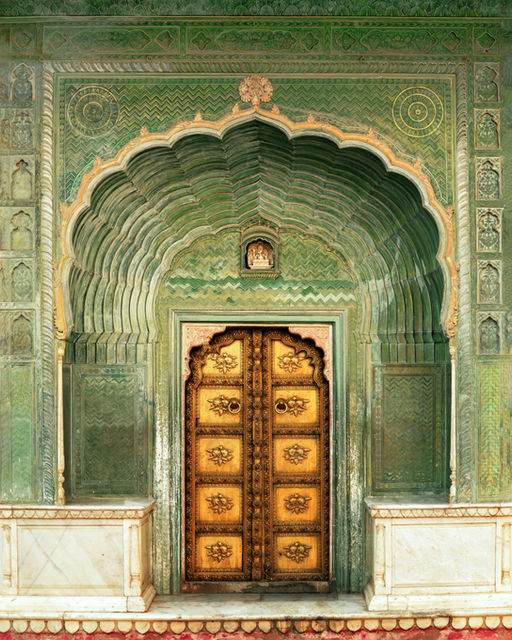
Explore the UNESCO World Heritage Walled City

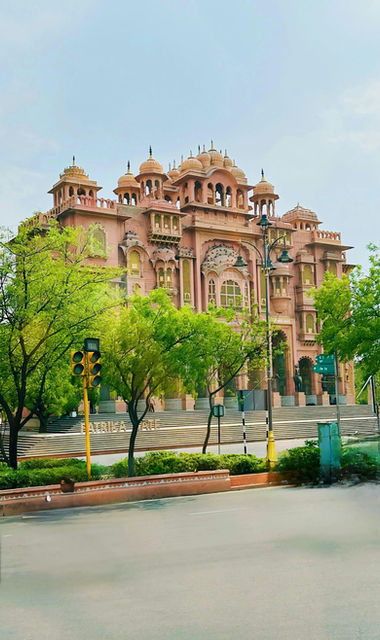
The whole of the old walled city is the UNESCO site — not a single monument but an entire living urban fabric of planned streets, bazaars, temples and palaces. On my first morning I simply walked the main artery from the Ajmeri Gate to the Tripolia Bazar, watching the city wake up: vegetable sellers, chai stalls, tailors at sewing machines, and the constant hum of auto-rickshaws weaving between slower-moving cycle carts. For teenagers, framing this as a live UNESCO lesson — "this city was designed in 1727 and the grid still works" — lands far better than a museum exhibit would.

Amer Fort

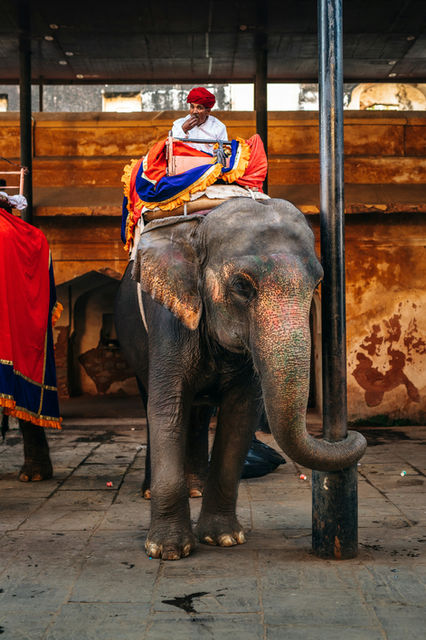
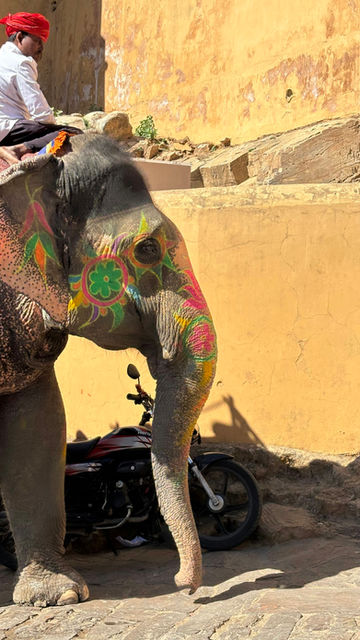
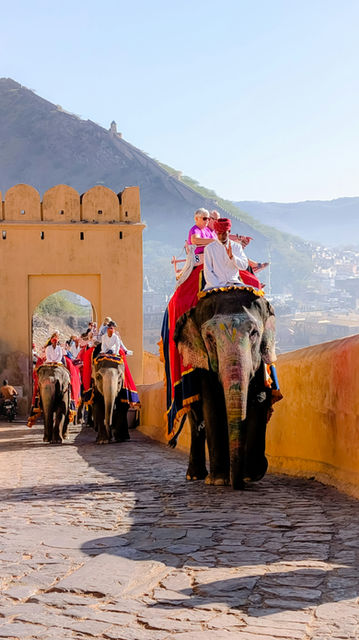
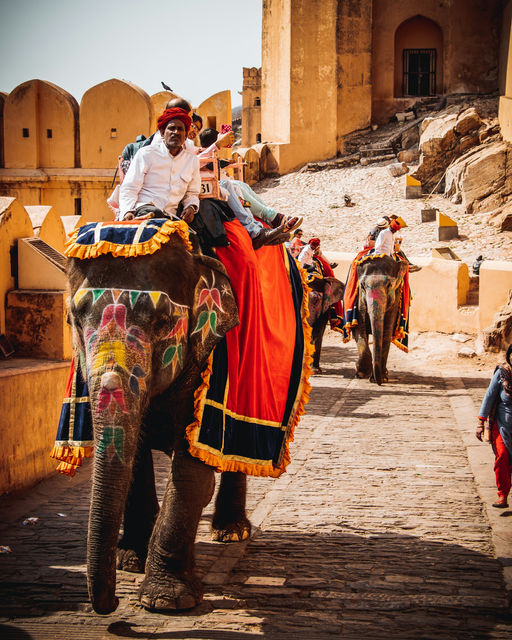
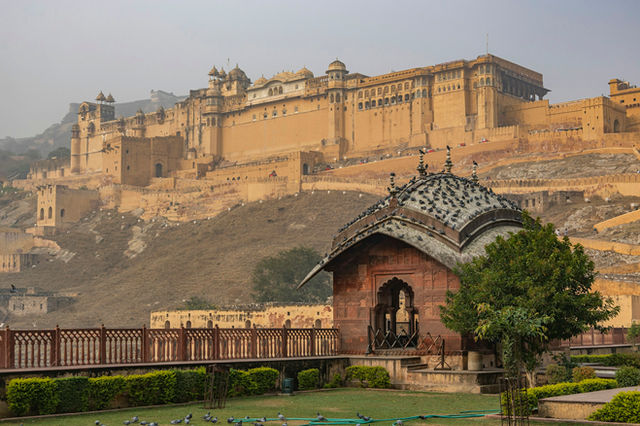
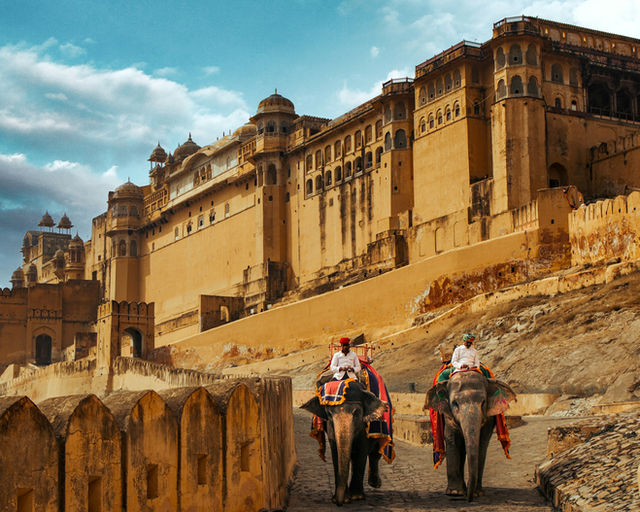
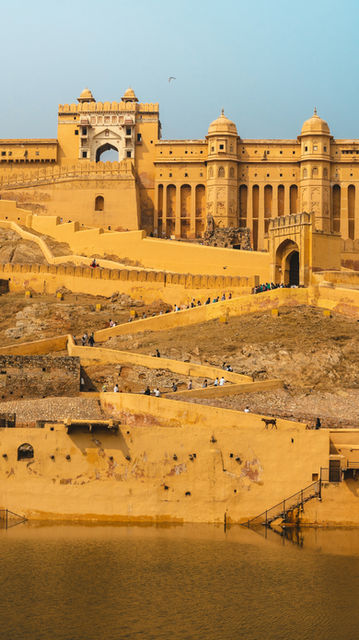
The fort-palace complex at Amer, 11 km north of the city, is the single most spectacular sight in Jaipur — possibly in all of Rajasthan. The approach up the hillside (by jeep, or on elephant for an additional fee — check current availability as elephant rides are subject to welfare guidelines), the painted rooms of the Sheesh Mahal (Hall of Mirrors), and the views over the surrounding lakes and hills make it a half-day minimum. Book entry tickets in advance online; queues without a booking can stretch to an hour in peak season.

Hawa Mahal

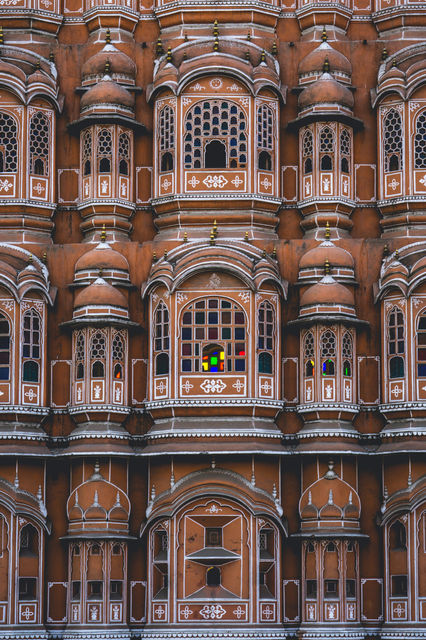
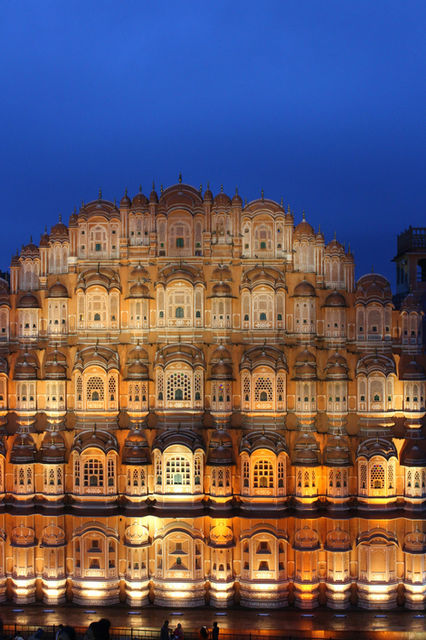
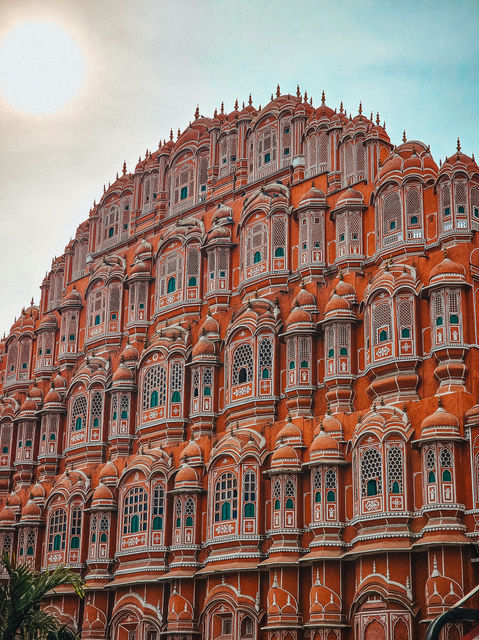
The five-storey "Palace of the Winds" is Jaipur's most photographed facade — 953 latticed sandstone windows designed so ladies of the royal household could watch street processions without being seen. It looks almost impossibly delicate from the street outside. The interior is small but the rooftop view back over the old city is wonderful. Visit in the morning when the pink stonework catches the low sun.

City Palace

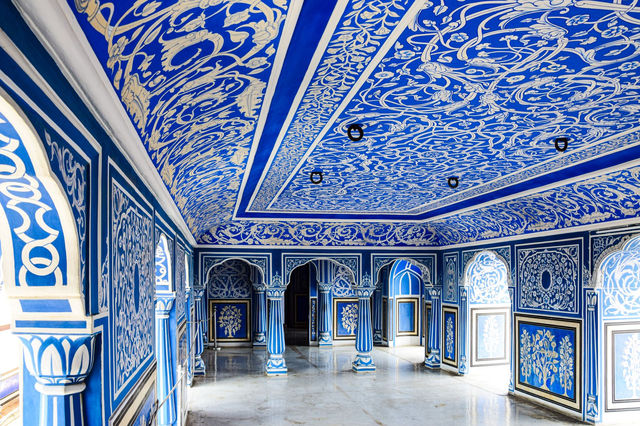
The complex of courtyards, halls and museums at the heart of the old city is where the royal family still resides in part — making it an unusual living palace. The textile galleries and the enormous silver urns (used to carry Ganges water for a royal trip to England) fascinated my children more than I expected. Allow two hours. Combine with the adjacent Jantar Mantar astronomical observatory, which is a UNESCO-inscribed site in its own right: the enormous stone sundials and instruments are genuinely mind-bending, and the audioguide makes it accessible for teens.

Nahargarh Fort

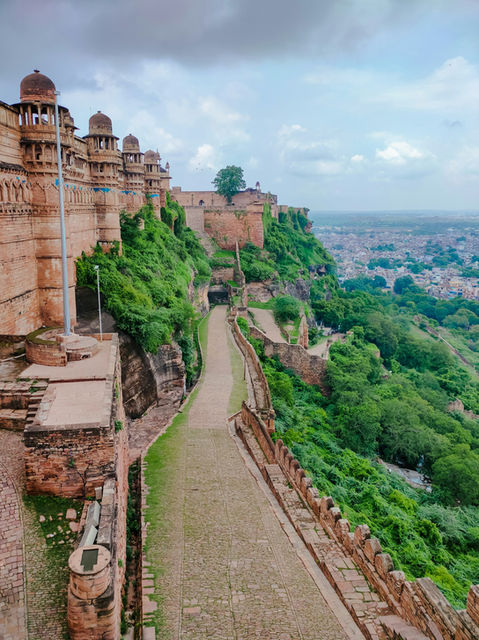
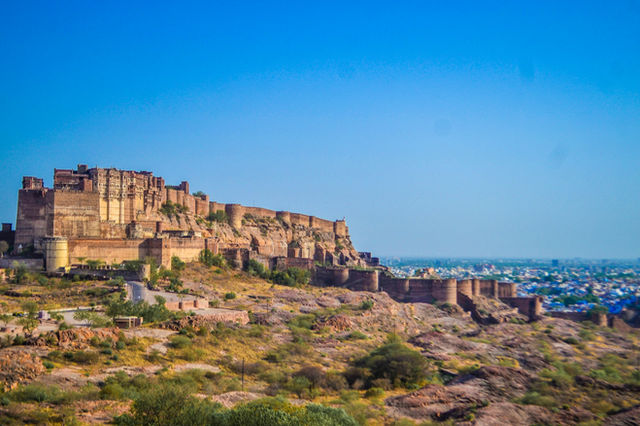
The hilltop fort above the city is less visited than Amer but gives the best panoramic views over Jaipur — especially at sunset. The climb (or short drive) is worth it for the photography alone. There is a cafe at the top where you can sit and watch the city light up as dusk falls. Teenagers who find palace interiors repetitive often love it here for the atmosphere and the views.

Bazaar shopping and textile culture

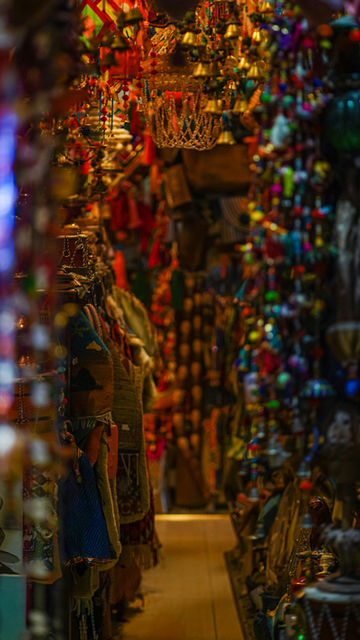
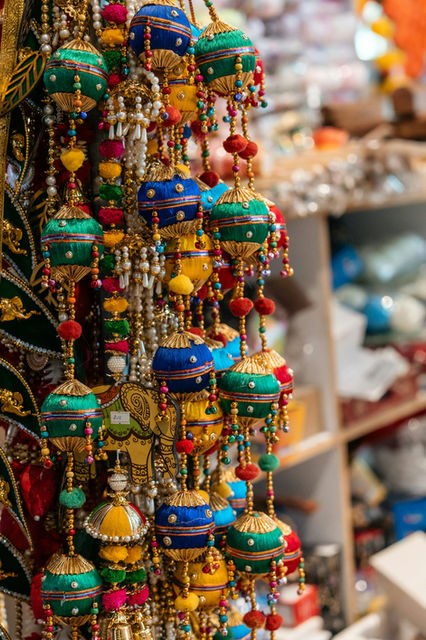
The UNESCO designation recognises Jaipur's commercial traditions as much as its architecture. The Johri Bazaar (jewellery), Bapu Bazaar (textiles and bangles), and Nehru Bazaar (mojari shoes and handicrafts) are extraordinary. Go with curiosity rather than a shopping list, and be prepared for spirited bargaining. For families: block-print workshops in the old city let children try printing fabric themselves — a hands-on cultural experience that sticks in the memory.

Elephant sanctuary and wildlife

Several elephant conservation centres operate in the Jaipur area — some focused on rescue and ethical tourism rather than rides. Visiting one is a genuinely moving experience, and the better ones are transparent about welfare. Check current reviews carefully; the landscape has changed significantly in recent years as welfare standards have evolved. For wildlife more broadly, Ranthambore National Park (tiger reserve, around 3 hours' drive) makes an excellent add-on day trip or overnight excursion from Jaipur for nature-loving families.

Frequently asked

How many days do I need in Jaipur?

Two full days covers the essentials — Amer Fort, Hawa Mahal, City Palace, Jantar Mantar and a wander through the bazaars. Three days is ideal if you want a half-day at Nahargarh Fort, a block-printing workshop and a relaxed pace without feeling rushed. If you are doing the full Golden Triangle (Delhi–Agra–Jaipur), most families allocate two nights each, which works well for Jaipur.

Is the UNESCO World Heritage Site worth visiting for teenagers?

Genuinely, yes — and in a way that surprises most families. The UNESCO designation covers the entire walled city, not a single monument, so teenagers are exploring a living, working city that has functioned on its original 1727 grid for nearly 300 years. Pair that with Jantar Mantar (a separate UNESCO-inscribed astronomical observatory within the same city) and you have a compelling history-of-science story alongside the urban planning narrative. Most teenagers I know who visited came away impressed rather than merely polite about it.

Is Jaipur safe for families?

Yes, for families taking normal precautions. The main issues are petty hassle — persistent rickshaw touts and commission-chasing guides near major sights — rather than genuine safety concerns. Be pleasantly firm, agree prices in advance for everything, and use ride-hailing apps (Ola/Uber) to avoid fare disputes. The walled city streets are busy and chaotic but not dangerous. Keep an eye on belongings in crowded bazaar areas. Solo female travellers should exercise normal awareness, particularly in the evening.

Do I need vaccinations to visit Jaipur?

Consult your GP or a travel clinic at least six to eight weeks before departure. Commonly recommended vaccinations for Rajasthan include hepatitis A, typhoid, and tetanus boosters. Malaria prophylaxis is sometimes recommended for rural Rajasthan; Jaipur city carries lower risk than forested areas, but your GP will advise based on your full itinerary. Routine vaccinations should be up to date. Carry a well-stocked travel health kit including oral rehydration salts.

What is the best way to get from Jaipur to the Taj Mahal in Agra?

Most Golden Triangle families travel Jaipur–Agra by road (around 4–5 hours by private car, passing through Fatehpur Sikri on the way) or by the express train service from Jaipur Junction (around 4 hours). The road option is very popular because you can stop at Fatehpur Sikri, a Mughal ghost city and UNESCO site, en route — adding very little time. If you hire a driver for the full Golden Triangle loop, they will plan this routing automatically.

Can I drink tap water in Jaipur?

No — use bottled water throughout your stay, including for brushing teeth. Reputable hotels and restaurants use filtered or bottled water for cooking and ice, but street ice is best avoided. Carry a reusable bottle that you refill from sealed bottles; this cuts plastic waste without risking your health.

What should families wear in Jaipur?

Light, loose, breathable clothing in natural fabrics (cotton or linen) suits the climate and local customs. Covered shoulders and knees are required for all family members entering temples and religious sites — a lightweight shawl or scarf is easy to carry and can be draped quickly. The local cotton garments (kurtas, salwar kameez) available in the bazaars are excellent value, very comfortable in the heat, and make good souvenirs. Comfortable, closed walking shoes are essential for the uneven stone streets of the old city and the fort paths.

What's on

While you're there

06
NOV
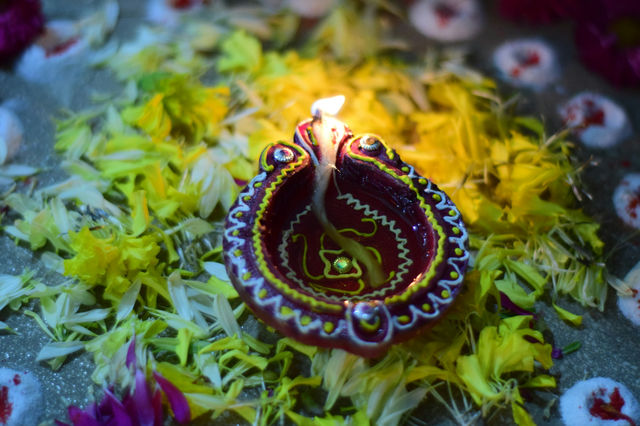
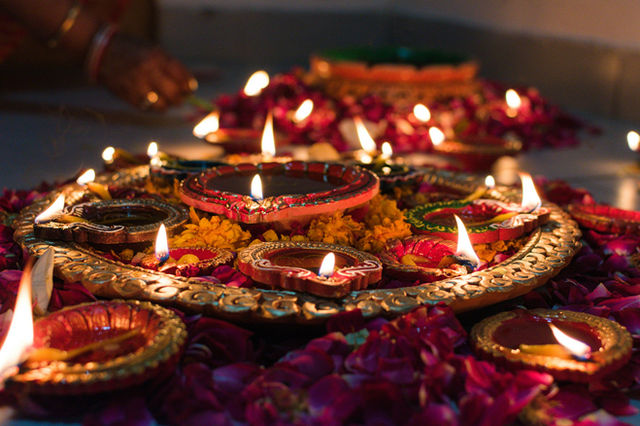
Diwali 2026
Johari Bazar 194، 302003 Jaipur، India · festival
Build a trip around it →
21
MAR
Holi 2027
J104 105، 281001 Mathura، India · festival
Build a trip around it →
Explore

Explore the area

Do

Local attractions & tours

Skip-the-line tickets and small-group tours in Jaipur City — compare across our partners.

Not seeing offers? Try or — some destinations have thinner inventory on Tiqets.

▸ When you'll go

Best time to visit Jaipur City

Seasons overview

Jaipur has a hot semi-arid climate. Winter (November–February) is the sweet spot: clear skies, daytime temperatures of 20–25°C and cool evenings (sometimes dropping to 8–10°C after dark — bring a layer). This is when the city is at its most pleasant and photogenic. Spring (March–April) warms quickly; March is still comfortable but April already pushes above 35°C and the dust haze begins to build.

Summer (May–June) is severe — temperatures regularly hit 42–45°C in May and June, making outdoor sightseeing genuinely uncomfortable and potentially dangerous, especially for children. If you must travel then, stick to very early mornings and evenings and build in substantial breaks during midday. Monsoon (July–September) brings cooler temperatures (30–35°C) and the city looks lush and green — but heavy rains can disrupt road travel and some fort paths become slippery. October is the transition month: still warm but the rain eases off.

Best months for families

I recommend November to February without hesitation for UK families. December and January are the busiest months (book accommodation and fort tickets well ahead), but the weather is reliably good. The Jaipur Literature Festival in late January fills the city with buzz and is excellent for older teenagers.

▸ Ready to book your trip?

Getting there

By air

The main gateway is Jaipur International Airport (JAI), located around 12 km south of the city centre. There are no direct flights from the UK; the most common routing for London families is a connection via Delhi (DEL), Mumbai (BOM), or Dubai (DXB). Total journey time from London is typically 10–14 hours including the connection. Return fares from London in peak winter season typically range from ~£550–£900 per person depending on the carrier, routing and how far ahead you book; connecting via Gulf carriers (Emirates, Qatar, Etihad) often offers the best value. From JAI, taxis to the city centre take 20–30 minutes; pre-book through your hotel or a reputable app to avoid negotiating at the kerb.

By train

If you are combining Jaipur with the Golden Triangle — as most families do — the Shatabdi Express and other express trains connect Jaipur to Delhi (around 4–5 hours) and to Agra (around 4 hours). Indian train tickets should be booked well in advance through the IRCTC website or a reputable agent, especially in peak season. The train journey itself — chai sellers walking the carriages, the flat Rajasthan landscape scrolling by — is part of the experience. Jaipur Junction is the main station, about 3 km from the old city.

Book

Ready to book your trip?

Flights, airport transfers and car hire — search and compare without leaving the page.

▸ Trip extras
Book

More trip extras

Parking, holiday extras, and more — coming soon.

Coming soon

We're lining up parking, holiday extras and activities you'll be able to add to any trip from here.