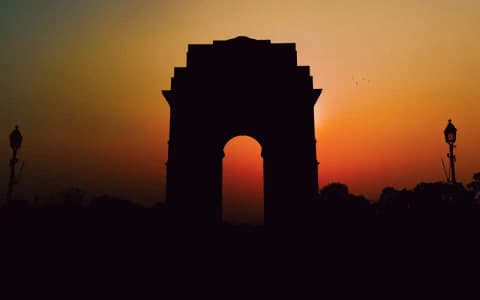
India — hero

Asia

India

A kaleidoscope for the senses: the Taj Mahal at dawn, Rajasthan's pink-walled cities, Himalayan monasteries and the palm-fringed backwaters of the south.

Currency
Indian Rupee (INR)
Language
English, Hindi, Tamil
Best time
October – March for most of India (Tamil Nadu's main rains fall October – December); June – September for the high Himalaya
Visa
E-visa required. Also complete the mandatory Self-Declaration Form on the Air Suvidha portal up to 24 hours before you arrive (Ebola screening)

Still current at: 13 November 2026 Updated: 7 October 2026

Source: UK Foreign, Commonwealth & Development Office — the definitive source. Check it close to your travel dates.

Flight cancelled or delayed because of this? Your rights under UK261 / EU261 →

Why visit

Why India

From the Taj Mahal at sunrise to Rajasthan's hill forts and Kerala's backwaters, India rewards travellers who give it time and plan around its seasons.

  • Taj Mahal at dawn
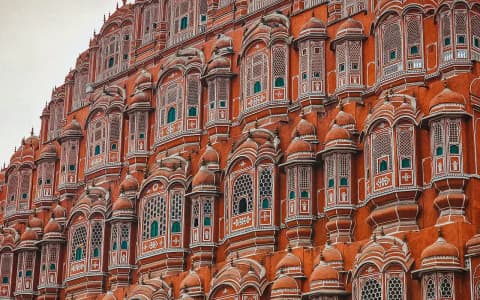
  • Jaipur's pink palaces
  • Kerala backwater cruise
  • Rajasthan camel safari
Read more

India is less a single destination than a collection of very different ones. In a fortnight we can watch dawn break over the Taj Mahal, walk the pink-washed lanes of Jaipur and drift along Kerala's backwaters, and still have barely touched the Himalaya, the temples of Tamil Nadu or the beaches and Portuguese-era churches of Goa.

Most first trips start in the north, on the Golden Triangle of Delhi, Agra and Jaipur. From there it is an easy step west into Rajasthan's forts and desert towns, or east to Varanasi, where evening prayers are held on the ghats beside the Ganges every night. The south moves at a slower pace, with spice-scented hill stations, coconut-fringed lagoons and some of the country's finest vegetarian cooking.

Timing matters more here than in most places. October to March is the comfortable season for most of the plains. From April to June the north and centre are very hot, with Delhi averaging highs of 36–38°C, and the southwest monsoon then brings heavy rain to the west coast from June to September. Tamil Nadu's main rains come later, from October to December.

British visitors need a visa. Most apply online for an e-Tourist visa well before travelling, and we cover the rules, money, health and the FCDO's current advice further down this page.

Where to go

The regions of India

Delhi & the Golden Triangle

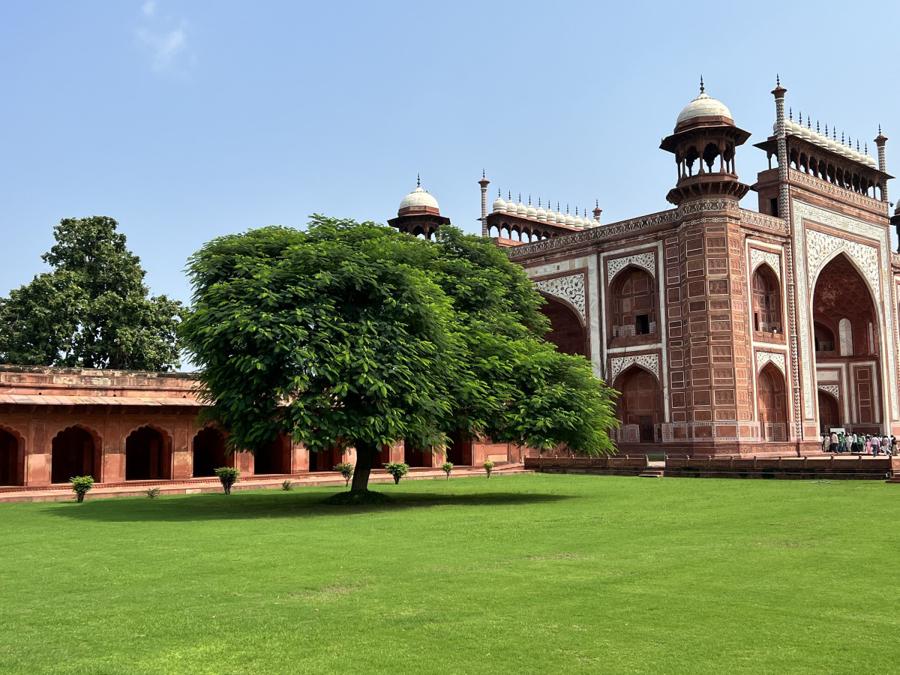
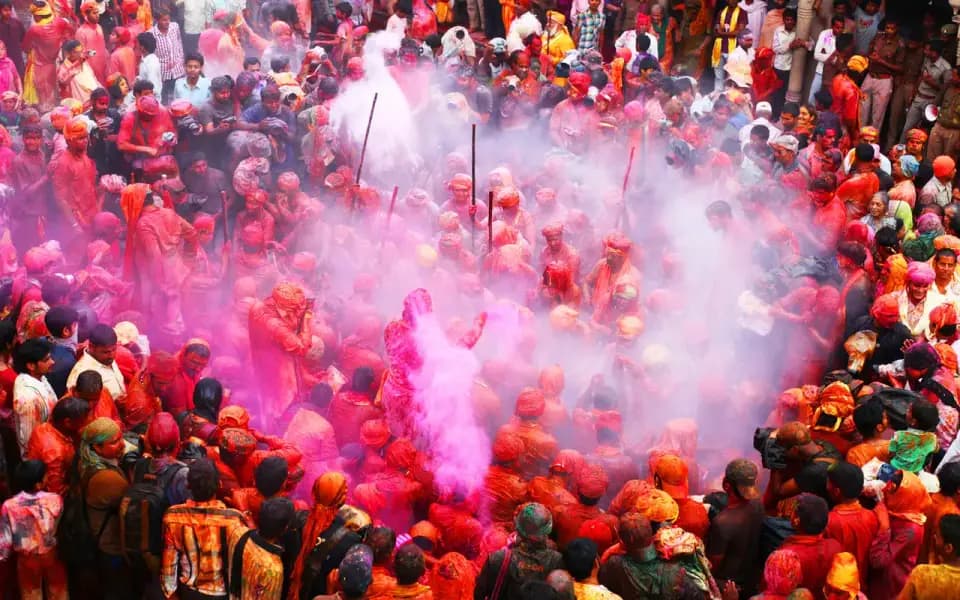
The classic first circuit links three cities a few hours apart. Delhi pairs the Mughal lanes and Red Fort of Old Delhi with the broad avenues of New Delhi. Agra is home to the Taj Mahal and the red sandstone Agra Fort on the Yamuna. Jaipur, Rajasthan's capital, adds the Pink City, Amber Fort and the Jantar Mantar observatory. Most travellers spend a week on the loop, by train, road or a mix of the two. It is at its most comfortable from October to March; from April to June Delhi's average highs run at 36–38°C. Jaipur is especially atmospheric at Diwali, which falls in October or November by the lunar calendar, and the north celebrates Holi in March.

Rajasthan

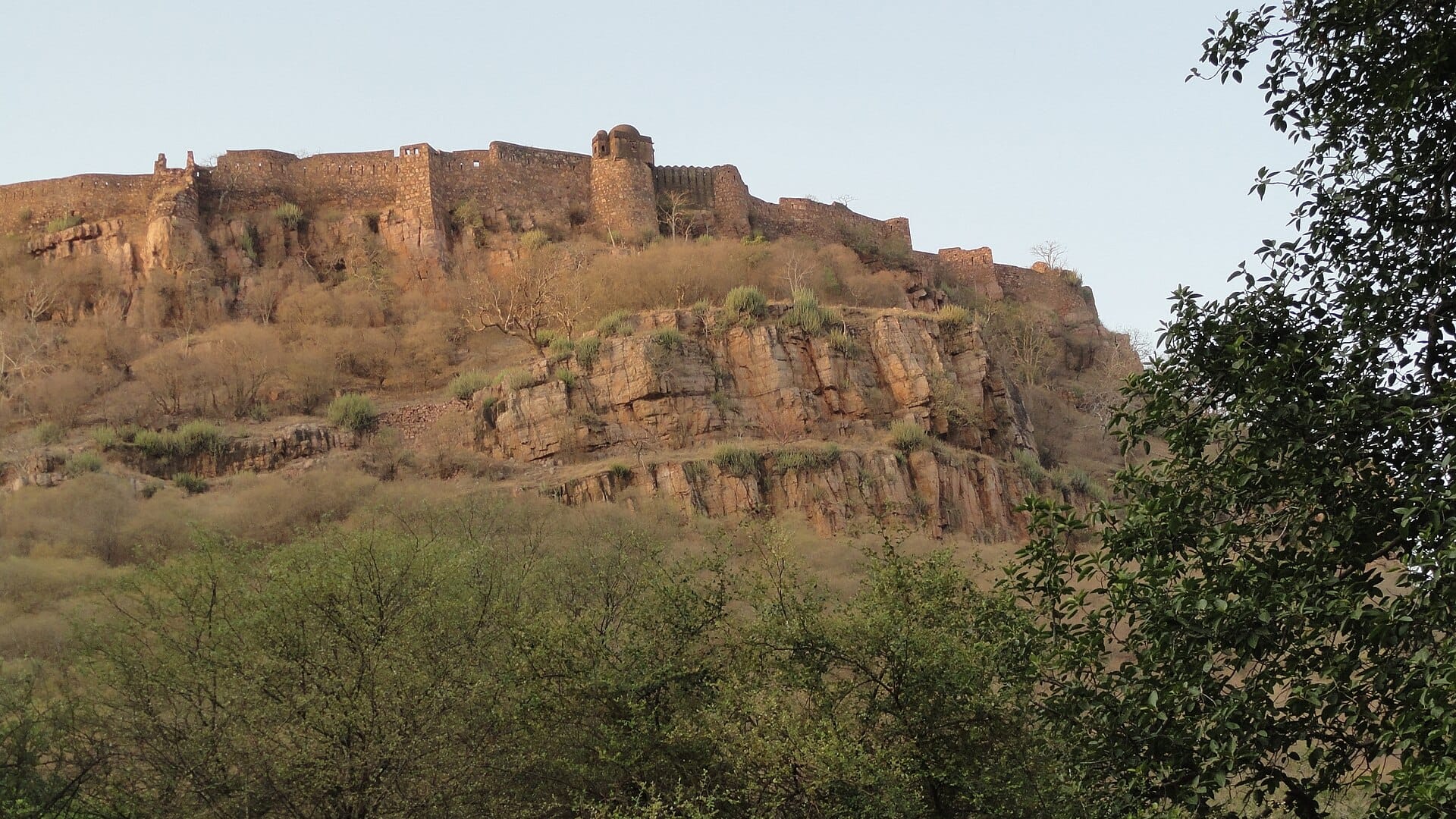
India's largest state is known as the Land of Kings. Beyond Jaipur, the Ministry of Tourism highlights Udaipur's lakes and City Palace, the blue houses and Mehrangarh Fort of Jodhpur, the golden sandstone of desert Jaisalmer and the lake and temples of Pushkar. Mount Abu is the state's only hill station. Palace hotels, step-wells and desert camps make it easy to linger. Note that the FCDO advises against all travel within 10km of the India–Pakistan border, which runs along Rajasthan's western edge, so we keep desert trips to the main towns.

Mumbai & Gujarat

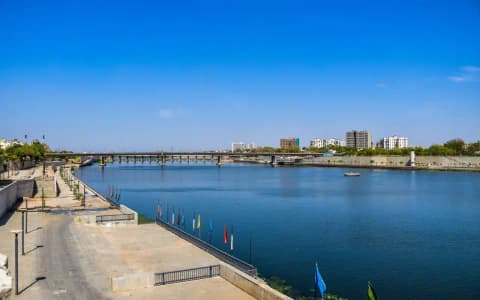
Mumbai is India's commercial capital and, for many UK travellers, its second gateway after Delhi: a city of Victorian Gothic stations, seafront promenades and grand hotels such as the Taj Mahal Palace. North of it, Gujarat is less visited. Ahmedabad, on the Sabarmati River, is the state's largest city and a good base for its old quarters, mosques and textile heritage. Gujarat is one of the states where alcohol is banned, and the FCDO notes that offences there can carry long prison sentences. Mumbai takes the full force of the monsoon from June to September.

Goa

India's smallest state is best known for its beaches, from the busy sands of Baga and Calangute to quieter Palolem in the south. Around 450 years of Portuguese rule left forts, painted houses in Panaji's Fontainhas quarter and the churches and convents of Old Goa, a UNESCO World Heritage Site that includes the Basilica of Bom Jesus. The FCDO notes that opportunistic crime targets the many visitors, and that drinking alcohol in public outside licensed premises is illegal. Beach season runs from roughly November to March, once the monsoon has passed.

Kerala & the south

The south feels very different from the north: greener, slower and shaped by the sea. Kerala's backwaters run through nearly half the length of the state, and houseboat trips are the obvious way to see them. Kochi has Fort Kochi, Mattancherry Palace and the Paradesi Synagogue, while Munnar, at about 1,600m, is a misty tea-country retreat. Across the hills, Tamil Nadu is famed for its towering temple gateways, and Bengaluru and Chennai are the main gateways. The southwest monsoon soaks Kerala from June, while Tamil Nadu's main rains fall from October to December.

The Himalaya

India's mountain north runs from Ladakh in the far north-west to Sikkim in the east. Ladakh, sometimes called Little Tibet, is a high-altitude desert of Buddhist monasteries such as Hemis, Thiksey and Alchi, with Leh as its base and lakes such as Pangong at about 4,350m. Altitude is a real consideration: TravelHealthPro flags the risk of altitude illness above 2,500m and gives Leh, at 3,514m, as an example. Some border areas need special permits. The FCDO advises against all travel to the Union Territory of Jammu and Kashmir, except air travel to and within the city of Jammu, so we do not suggest trips there.

Varanasi & the Ganges plain

East of Delhi, the Ganges plain holds some of Hinduism's most sacred places. Varanasi, one of the world's oldest living cities, is defined by its riverside ghats. The Ganga Aarti, a ceremony of lamps, chants and prayer, is held at Dashashwamedh Ghat every evening, and a dawn boat ride shows the river at its most devotional. Manikarnika Ghat is a cremation ground, and visitors should keep a respectful distance and not take photographs there. The plain shares Delhi's climate: very hot from April to June, wet from July to September.

A pillar, not a footnote

Eat your way through India

The single reason many travellers come back — the food culture worth reshaping a trip around, and the dishes to seek out region by region.

India

Not one cuisine but a subcontinent of them — tandoor-charred in the north, rice-and-coconut in the south.

There is no single Indian meal, only the one in front of you — and the country will happily argue for hours over whose is best. Start in the north, where bread is king: puffed puri, blistered naan pulled from a clay tandoor, flaky paratha, all torn and dragged through dal makhani, black lentils simmered overnight with butter until they turn silky. The northern pantry runs on dairy, dried fruit and slow richness — korma, kebabs, a fragrant biryani layered with rice and spice.

Head south and the plate changes shape entirely. Rice takes over, meals arrive on a banana leaf, and the flavours sharpen with mustard seed, curry leaf, tamarind and coconut: a crisp golden dosa folded over spiced potato, spongy idli dunked in sambhar, a bowl of peppery rasam. Wherever you land there’s a thali to taste it all at once, and a sweet to finish — a syrup-soaked jalebi, a saffron rasmalai — chased with a glass of milky, cardamom-scented chai.

Dishes to seek out
  • biryani (layered spiced rice)
  • masala dosa (crisp rice-lentil crepe)
  • dal makhani (buttered black lentils)
  • tandoori chicken
  • thali (sampler platter)
  • samosa
  • jalebi (syrup-soaked sweet)
Places to go

Cities and regions worth your time

6 destinations in India — pick a base or link them into a route.

Browse by type

Tap a type to filter the list and the map — tap it again or “All” to see everything.

© OpenFreeMap · OSM · terrain Mapterhorn
Things to do

Nature, culture and the outdoors

  1. The Taj Mahal at sunrise

    Agra

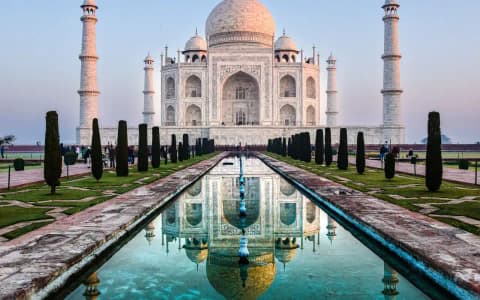
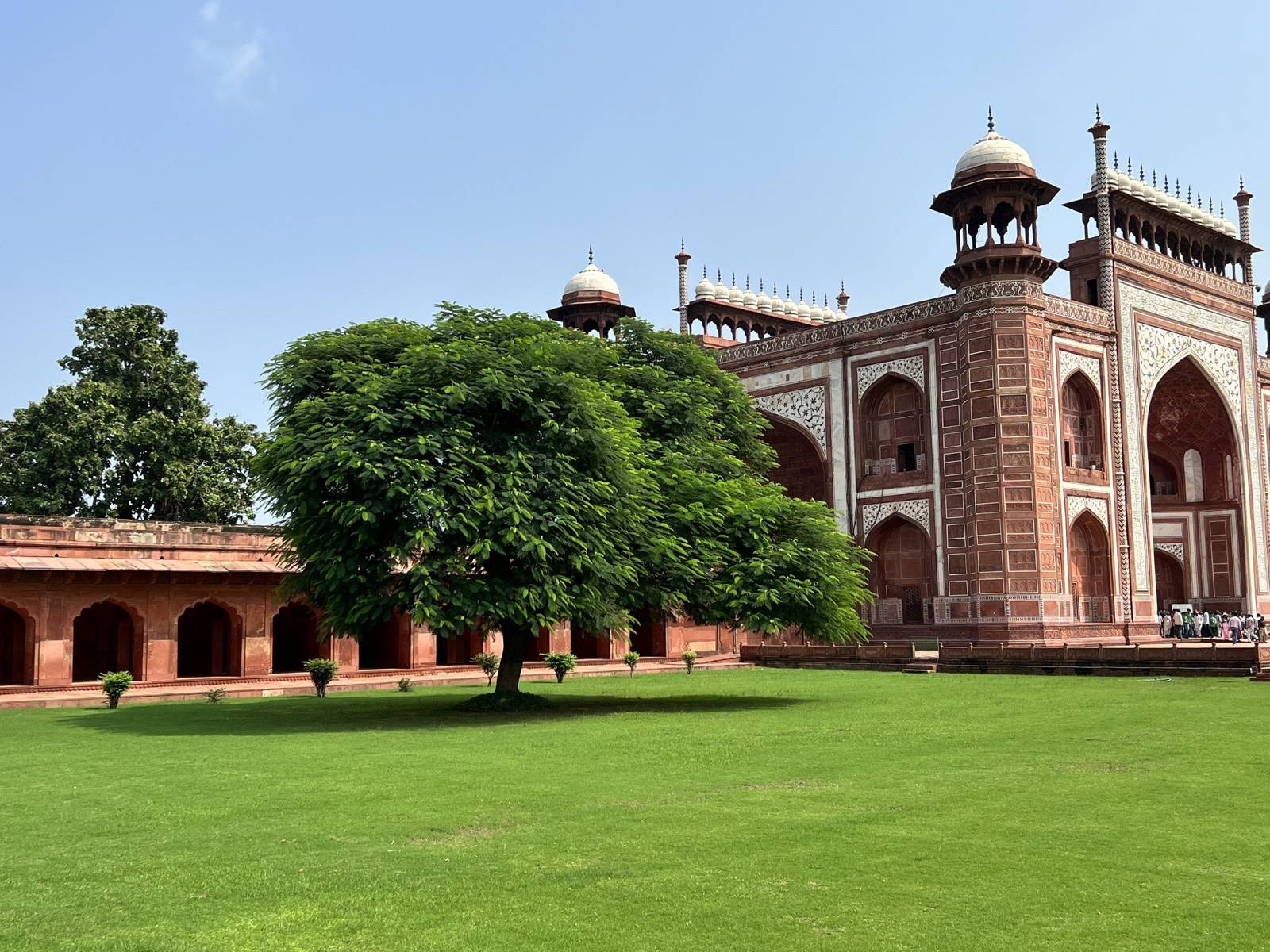
    The Taj Mahal opens 30 minutes before sunrise, and the early light is the best time to see the marble change colour. It is closed on Fridays. Night viewing is offered on the full-moon night and the two nights either side.

  2. Old Delhi and the Red Fort

    Delhi

    Walk from the Lahori Gate of the Red Fort into the bazaars and lanes of Old Delhi, then contrast them with the colonial avenues and gardens of New Delhi.

  3. Jaipur's Pink City and Amber Fort

    Jaipur

    Rajasthan's capital is known for its pink-hued buildings, the Hawa Mahal and the hilltop Amber Fort. Allow at least two days.

  4. The Jantar Mantar observatory

    Jaipur

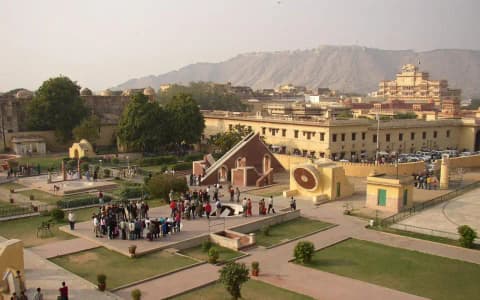
    A collection of giant stone astronomical instruments in the heart of Jaipur's old city, best visited with a guide who can explain how they work.

  5. The churches of Old Goa

    Goa

    The UNESCO-listed churches and convents of Old Goa include the Basilica of Bom Jesus, which holds the remains of St Francis Xavier, and the Sé Cathedral.

  6. Ahmedabad's old city

    Gujarat

    Gujarat's largest city is an easy add-on from Mumbai or Rajasthan. Remember that Gujarat is a dry state.

  7. A houseboat on Kerala's backwaters

    Kerala

    Lagoons, canals and lakes run through nearly half the length of Kerala. An overnight houseboat is the classic way to see village life along the water.

  8. Evening aarti on the Ganges

    Varanasi

    Join the crowds at Dashashwamedh Ghat for the nightly Ganga Aarti, then return at dawn for a boat ride past the ghats.

  9. Ladakh's monasteries

    Ladakh

    Hemis, Thiksey and Alchi are among the Buddhist monasteries around Leh. Plan rest days on arrival, as Leh sits at 3,514m.

Plan your own trip to India
Where to stay

Hand-checked places in India

Browse all India stays →
Plan

Getting there, getting around and where to stay

Getting there from the UK

There are direct flights from London to several Indian cities. British Airways flies from Heathrow to Delhi, Mumbai and Bengaluru, among five Indian cities on its network. Virgin Atlantic flies from Heathrow to Delhi, Mumbai and Bengaluru, and gives a flight time of 9–10 hours to Delhi. India's own airlines also fly from the UK; check their websites for current routes from Heathrow and the regional airports.

The two main gateways are Delhi (DEL), whose Terminal 3 is linked to the city by the Airport Express metro line, and Mumbai (BOM). Bengaluru (BLR) is the most useful arrival point for Kerala and the south. For Goa, Kochi, Chennai or Jaipur, most UK travellers connect through one of these hubs or via the Gulf.

If you arrive on an e-Visa, you must enter through one of the airports or seaports listed on the official Indian e-Visa portal. The list includes Delhi, Mumbai, Bengaluru, Chennai, Kolkata, Kochi, Goa (Dabolim and Mopa), Jaipur and Varanasi.

Flights to Delhi (DEL) →Flights to Mumbai (BOM) →

Getting around

Trains

Indian Railways is the best way to cover long distances and see the country at ground level. Visitors book through IRCTC, the official ticketing site. Register as an international user with a non-Indian mobile number; there is a small registration fee. You can then use the Foreign Tourist Quota, which lets you book up to 365 days ahead. Berths are allocated once the normal booking window opens, and you pay with an international debit or credit card. Classes range from Executive Class and AC First (1A) to AC Chair Car, Sleeper and Second Sitting. Carry the passport you booked with, plus your visa. The FCDO notes that theft on trains is common, so keep valuables secure, and decline food, drink or tickets offered by strangers or touts.

Domestic flights

Flying saves days on longer hops such as Delhi to Goa, Kochi or Leh. A good network links the main cities, and fares tend to rise close to festival dates.

Cars with drivers

Most visitors hire a car with a driver rather than self-drive. India has a high rate of road deaths, so we suggest you avoid travelling at night or in fog, as the FCDO advises. For city journeys, use app-based or prepaid taxis rather than hailing one on the street, especially at night.

Metros

Delhi's metro is the easiest way around the capital. The Airport Express (Orange) Line runs from Terminal 3 to New Delhi railway station in about 25 minutes. Mumbai, Bengaluru, Chennai, Kolkata and several other cities also have metro lines that help you avoid the traffic.

Where to stay

Delhi: Old Delhi vs New Delhi

New Delhi and the areas south of it, around Connaught Place, Lodhi Road and the embassy district, are calmer, greener and better for first-timers. Old Delhi is atmospheric but crowded; most people visit it for the day rather than sleep there. Aerocity, by the airport, suits late arrivals.

Agra: near the Taj Mahal

A hotel within walking distance of the Taj Mahal makes the sunrise visit far easier. Agra is mostly an overnight stop between Delhi and Jaipur.

Jaipur and rural Rajasthan

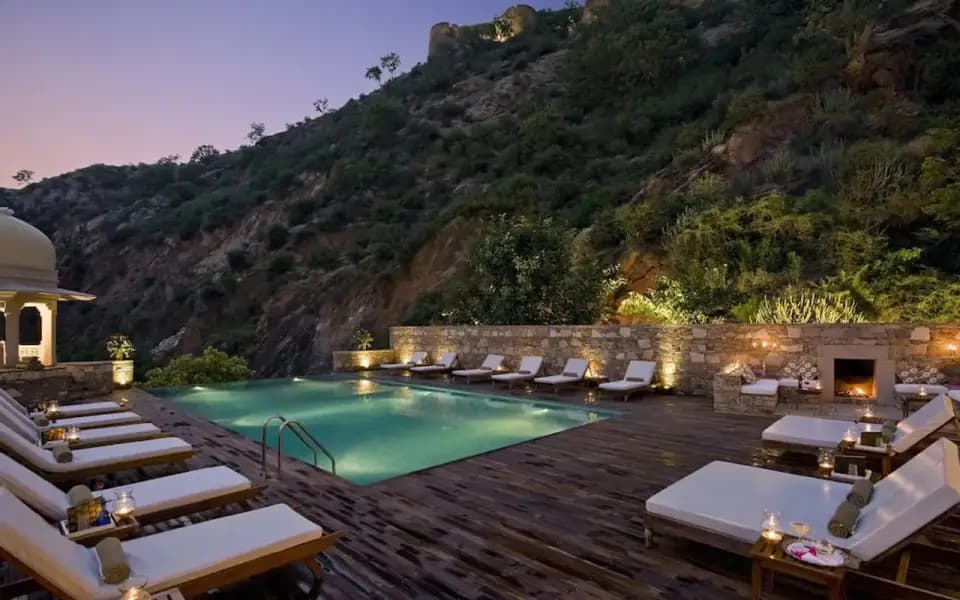
In Jaipur, stay inside or close to the Pink City for walking access, or choose a heritage haveli. Outside the city, palace hotels such as Samode Palace make a memorable base. For tiger country, Sher Bagh sits on the edge of Ranthambhore.

Mumbai: Colaba and Nariman Point

South Mumbai puts you close to the Gateway of India and the seafront. Its landmark hotels include the Taj Mahal Palace and the Oberoi on Marine Drive. The suburbs near the airport are more practical for short stopovers.

Goa: north vs south

North Goa, around Baga and Calangute, is busier and livelier. South Goa, around Palolem, Colva and Benaulim, is quieter and better for a slower beach break. Panaji's Fontainhas quarter suits those who prefer old streets to sand.

Kerala: Fort Kochi, the backwaters and Munnar

Most Kerala trips combine a few nights in Fort Kochi's heritage guesthouses with a houseboat or lakeside stay on the backwaters. Munnar's tea-estate bungalows are cooler in the warmer months.

When to go

Weather & timing in India Right now RIGHT NOW 27°C cloudy

Best Dec–Feb · Shoulder Mar–Apr, Nov

Units

Monthly figures are for North (Delhi); other regions of India vary. See every region, month by month →

Next 7 days · North

Forecast · Met Office · Powered by Met Office data

Typical · climate data

Best time to visit

October – March for most of India (Tamil Nadu's main rains fall October – December); June – September for the high Himalaya

Best for
  • Palaces
  • Cuisine
  • Backwaters
  • Himalayas
At a glance
Sunshine 9.9 hr/day
Rainfall 62 mm/mo
Wettest July · 221.2mm
Driest April · 2.8mm
Part of South Asia →
By season

Units

Spring (Mar–May)

What to expect — Daytime highs average about 34°C with overnight lows near 20°C, and it stays largely dry.

What's best — Warm & dry, then Peak heat. Mar is among the best months here (warm & dry, sunny).

Summer (Jun–Aug)

What to expect — Daytime highs average about 35°C with overnight lows near 27°C — the wettest stretch of the year.

What's best — Peak heat, then Hot.

Autumn (Sep–Nov)

What to expect — Daytime highs average about 30°C with overnight lows near 19°C.

What's best — Shoulder season, then Warm & dry. Oct and Nov are among the best months here (warm & dry, sunny).

Winter (Dec–Feb)

What to expect — Daytime highs average about 21°C with overnight lows near 9°C, and it stays largely dry.

What's best — Warm, then Mild. Dec, Jan and Feb are among the best months here (warm, sunny).

Live forecast map · Windy.com · temperature with wind, °C and km/h

When to go, region by region

India has 5 climate regions

Each month our cards and map show the region with the best weather that month: Jan–Feb North · Mar South · Apr West coast · May–Jun Himalayan · Jul South · Aug–Oct Himalayan · Nov–Dec North.

Region JFMAMJJASOND
NorthDelhi · best Oct–Mar January: great, shown on the cards February: great, shown on the cards March: great April: not ideal May: not ideal June: not ideal July: not ideal August: not ideal September: not ideal October: great November: great, shown on the cards December: great, shown on the cards
West coastMumbai · best Nov–Apr January: great February: great March: great April: great, shown on the cards May: good June: not ideal July: not ideal August: not ideal September: not ideal October: good November: great December: great
SouthChennai · best Jan–Apr January: great February: great March: great, shown on the cards April: great May: not ideal June: not ideal July: good, shown on the cards August: good September: good October: not ideal November: not ideal December: not ideal
Deccan PlateauBangalore · best Dec–Mar January: great February: great March: great April: good May: good June: good July: not ideal August: good September: good October: not ideal November: good December: great
HimalayanSrinagar · best May–Jun, Sep–Oct January: not ideal February: not ideal March: not ideal April: good May: great, shown on the cards June: great, shown on the cards July: good August: good, shown on the cards September: great, shown on the cards October: great, shown on the cards November: good December: not ideal

Great Good Not ideal Shown on our cards that month

Heat, rain and the best months, region by region

For most of India the comfortable season is October to March: dry, sunny and warm by day across the northern plains and Rajasthan, with cool nights in December and January (Delhi averages highs of 18°C and lows of 7°C in January). Goa and Kerala are at their best from November to March, once the monsoon has cleared.

Pre-monsoon heat (April – June)

The north and centre are very hot before the rains arrive. Delhi averages highs of 35.8°C in April and 38.3°C in May and June, and May and June are also muggy. The Deccan plateau is hot too, with Bengaluru reaching 32.6°C in March and 34°C in April. The coasts are hot and humid: Mumbai averages 32.8°C in March, 33.5°C in April and 33°C in May, while Chennai climbs from 33.4°C in April to 34.8°C in May and a very hot 35.3°C in June.

The southwest monsoon (June – September)

According to the India Meteorological Department, the southwest monsoon normally reaches Kerala around 1 June and covers the whole country around 8 July, withdrawing from the entire country around 15 October. The west coast takes the heaviest rain: Mumbai averages 412mm in June, 897mm in July, 460mm in August and 455mm in September. Delhi stays hot as well as wet, with highs of 34.5°C in July, 33.3°C in August and 33°C in September, and 221mm of rain in July. The FCDO warns that the monsoon brings flash floods, landslides and road closures.

The northeast monsoon (October – December)

Tamil Nadu sits in a rain shadow during the southwest monsoon, and IMD describes October to December as its chief rainy season. Chennai averages 208mm in October, 443mm in November and 223mm in December, so the southeast coast is best from January to March. Chennai is also hot from April to September, with highs of 32.6–35.3°C.

The mountains

The Himalaya runs on its own calendar. Winters are very cold, and our Himalayan figures (recorded at Srinagar) show highs of just 1.8°C in January, warming to 26.8–29.2°C from June to August, which is the main season for high-altitude trips.

Average daily high (°C) by month. Measured 2020–2024.
AreaJFMAMJJASOND
North (Delhi) 182329363838353333322721
West coast (Mumbai) 293133343330282828313331
South (Chennai) 283032333535333333312828
Deccan Plateau (Bangalore) 283033343229272827272626
Himalayan (Srinagar) 241218232729292822135

Colours as on the month tiles above. Bold: hot, 32°C or more (go early or late in the day). Outlined: very hot, 35°C or more. Wet: 150 mm of rain or more.

Heat: Average highs of 32°C or more: Delhi April (35.8°C), May (38.3°C) and June (38.3°C), all very hot, then July (34.5°C), August (33.3°C) and September (33°C). Mumbai March (32.8°C), April (33.5°C), May (33°C) and November (32.6°C). Chennai April (33.4°C), May (34.8°C), June (35.3°C, very hot), July (33.3°C), August (33.2°C) and September (32.6°C). Bengaluru March (32.6°C) and April (34°C). Monsoon rain: June–September on the west coast and across the north (Mumbai's wettest month is July, at 897mm); October–December in Tamil Nadu (Chennai's wettest is November, at 443mm). Our Himalayan figures are recorded at Srinagar, in the Union Territory of Jammu and Kashmir, where the FCDO advises against all travel; we use them only as a guide to mountain seasons.

A little context

A little history

To read what you're looking at — the empires and eras that shaped India's food, art and streets.

One of the world's oldest civilisations, from the Bronze-Age cities of the Indus Valley onward
Hindu and Buddhist dynasties gave the temples, the epics and the vegetarian traditions of the south
the Mughal empire raised the Taj Mahal and gave the north its biryani, kebabs and domed architecture
two centuries of British rule ended in independence and partition in 1947, drawing today's borders
Culture

Culture and etiquette

  • Dress modestly, especially at religious sites and in rural areas, as the FCDO advises: cover shoulders and knees. At gurdwaras everyone covers their head; scarves are usually provided. Women may be asked to cover their heads at some mosques and temples.
  • Shoes off before entering temples, gurdwaras, mosques and many homes. Look for a shoe rack or attendant at the entrance. Some temples also ask you to remove leather items.
  • Some temples are open only to Hindus, or restrict access to inner sanctums. Follow the signs and the guidance of staff.
  • Use your right hand for eating, giving and receiving, including money and gifts. The left hand is traditionally considered unclean.
  • Ask before photographing people, and respect signs banning photography inside shrines. Never photograph cremations at the ghats in Varanasi. The FCDO warns that photography near military sites, government buildings, airports and railway stations can be misunderstood.
  • Keep public displays of affection low-key. Society is more conservative than in the UK, and showing affection in public can attract unwanted attention.
  • Greet people with "namaste", palms together. Not everyone will want to shake hands, particularly between men and women.
  • Respect local laws on alcohol. Bihar, Gujarat, Mizoram, Nagaland and Lakshadweep ban alcohol, and drinking in public places is illegal throughout India.
Local events

What's on in India

See all India events →
Practical

Entry, money and health

Entry and visas (British passport holders)

Visa: British citizens need a visa to visit India unless they hold an OCI card. Most tourists use the e-Tourist visa, applied for online at the official portal, indianvisaonline.gov.in. You can apply up to 120 days before travel, and no later than 4 days before arrival; the fee must also be paid at least 4 days ahead. There are three main options:

  • 30 days: valid for 30 days from first arrival; multiple entries; cannot be extended or converted.
  • 1 year: valid for 365 days from the date it is granted; multiple entries.
  • 5 years: valid for five years from the date it is granted; multiple entries.

On the 1-year and 5-year visas, you can stay no more than 180 days in a calendar year. The portal's fee table lists these UK fees: US$10 for the 30-day visa from April to June and US$25 from July to March, US$40 for one year and US$484 for five years, plus a 3% bank charge. You must enter through an airport or seaport listed on the portal.

Passport: it must be valid for at least six months from arrival and have at least two blank pages.

E-arrival card: all foreign nationals must complete the online e-arrival card, up to 72 hours before arrival. It is not a visa.

Permits: some restricted and protected areas need special permits, which the FCDO says to apply for 3 months before arrival.

Visa processing takes substantially longer for people of Pakistani origin. British-Pakistani dual nationals must apply on their Pakistani passport. Check GOV.UK entry requirements before you book.

Money

The currency is the Indian rupee (₹, INR), and rupee imports are restricted. Under Reserve Bank of India rules, a visitor who is not a citizen of Pakistan or Bangladesh may bring in up to ₹25,000 in Indian notes, and only when entering through an airport. There is no limit on foreign currency, but you must declare it to Customs on arrival if your foreign currency notes exceed US$5,000, or if notes and travellers' cheques together exceed US$10,000. The simplest approach is to bring a bank card and withdraw rupees from ATMs in India, keeping some sterling or dollars as a back-up. The FCDO warns that card skimming and cyber fraud are common.

Health

TravelHealthPro recommends hepatitis A, tetanus and typhoid vaccines for most travellers, plus up-to-date UK routine jabs. It suggests others, such as rabies, hepatitis B, Japanese encephalitis and cholera, depending on your trip. Malaria tablets are advised for Mizoram, Odisha and Tripura. The rest of India, including Goa and the Andaman and Nicobar Islands, is low risk; there, avoid bites and be aware of symptoms. Dengue and chikungunya occur, spread by day-biting mosquitoes. Rabies is present, mainly from dogs, so get any bite, scratch or lick assessed urgently. There is no yellow fever in India, but you need a certificate if you arrive within 6 days of leaving a risk area. Air quality can be poor, and altitude illness is a risk above 2,500m, including in Leh. Check the TravelHealthPro India page well before you travel. E-cigarettes and vapes are banned in India, so leave them at home.

UK government travel advice

The FCDO (updated 7 October 2026, still current on 28 October 2026):

  • advises against all travel to the Union Territory of Jammu and Kashmir, except air travel to and from the city of Jammu and travel within the city of Jammu. The advice covers Srinagar, Pahalgam, Gulmarg, Sonamarg and the Jammu–Srinagar highway;
  • advises against all travel within 10km of the India–Pakistan border, except the Wagah–Attari crossing. That crossing is closed for tourist transit, apart from the daily border ceremony;
  • advises against all but essential travel to Manipur, including Imphal, because of ongoing ethnic violence.

We do not suggest stays or bookings in these areas. Elsewhere, the FCDO says the terrorism threat is high, including around festivals such as Diwali. Women travellers should take particular care in isolated areas. Satellite phones and GPS devices are illegal without a licence. Read the full GOV.UK travel advice for India before you book, and check that your travel insurance covers your plans.

Festivals worth planning around

  • Diwali · next: 29 Oct 2027, Jaipur
  • Holi · next: 22 Mar 2027, Mathura
Sources · last checked 28 October 2026

We write this guide from official sources only: GOV.UK, national immigration portals, tourism boards, airports and operators, central banks and met services. Rules change, so check the linked pages before you book.

Before you book

Know before you go

The practical back-matter — safety, earthquakes & tsunamis, drones and the essentials, in one place.

Safety

FCDO advisory in force — see above FCDO advice →

Official UK Foreign, Commonwealth & Development Office guidance is the definitive source — check it close to your travel dates.

Earthquakes & tsunamis

Parts of India lie on active fault zones, especially along the Himalayas and in the north-east, and its coasts and islands were affected by the 2004 Indian Ocean tsunami.

When the shaking starts

  • Drop, cover and hold on: get down low, protect your head and neck, and hold on until the shaking stops.
  • Expect aftershocks, and drop, cover and hold on again each time.
  • Then follow instructions from local authorities and your hotel staff.

Near the coast

  • If you are near the coast and feel shaking that makes it hard to stand, or a rolling quake that lasts a minute or more, move to high ground or as far inland as you can as soon as the shaking stops.
  • Do the same if the sea suddenly pulls back or rises, or you hear a loud, unusual roar from the water.
  • Don't wait for an official warning. Walk or cycle if you can, and stay away until the authorities give the all-clear.

On arrival When you check in, look at your hotel's evacuation map and note the nearest high ground or evacuation route.

Coasts most exposed to tsunami Andaman & Nicobar Islands and the south-east coast (Tamil Nadu, incl. Chennai and Nagapattinam); tsunami hazard also modelled for the Kerala and Gujarat coasts

Official sources to follow
General guidance, not a live alert · Sources checked Nov 2026 FCDO advice for India →

Drone rules (sub-250g)

  • India
    Effectively off-limits to visitors: there is no tourist drone permit, foreign nationals cannot register on the DGCA’s Digital Sky platform to fly, and the import of foreign-made drones is banned. Do not pack one — customs seize drones on arrival regardless of weight. ⚠ Even a sub-250g drone in checked luggage is confiscated at Indian airports — systematic Customs/CISF screening seized batches through Delhi, Hyderabad and Chennai in late 2025. Registration and flight permissions exist only for residents with an Aadhaar-linked identity. Rules checked: Jul 2026

National parks, protected sites and religious/heritage venues often have their own rules and permits — always check the specific site before you fly.

The essentials

Plug & voltage Type C/D/M · 230V
Daily budget Budget-friendly
Region Southern Asia