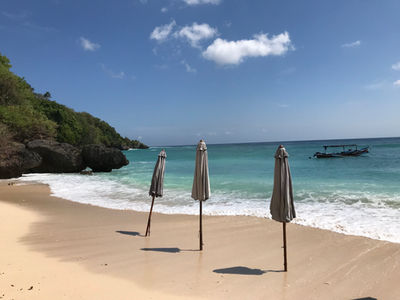
 Dramatic © TMFalkner (CC BY-SA 4.0)
 Padang Padang Beach
A tiny white cove reached through a cliff crevice and cave, fronting a world-class surf break.
Best for surf and cliff scenery
Indonesia's Hindu 'Island of the Gods' — emerald rice terraces and clifftop temples above the surf, balanced against real overtourism and southern traffic.
CEphoto, Uwe Aranas / Wikimedia Commons (CC BY-SA 3.0)
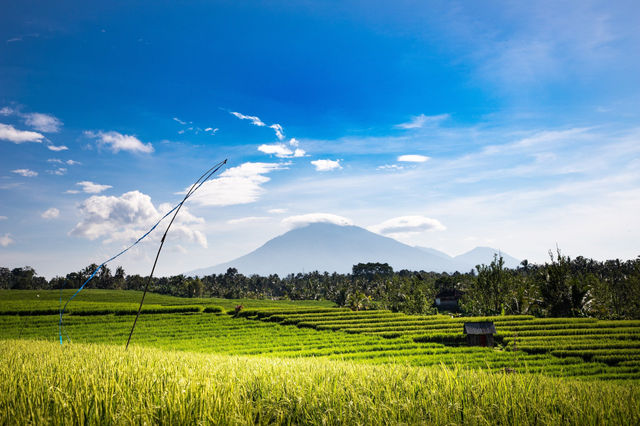
Bali is a volcanic island at the western end of Indonesia's Lesser Sunda chain, roughly 145km east to west, and the country's most visited destination by a wide margin. What sets it apart from its Muslim-majority neighbours is religion: Bali is overwhelmingly Hindu, and that faith is woven into daily life — the woven-palm canang sari offerings placed on pavements each morning, the split candi bentar gateways, the thousands of temples (pura) that give the island its 'Island of the Gods' tag, and a calendar of colourful ceremonies. Geographically the island divides sharply. The cultural interior centres on Ubud, ringed by the emerald rice terraces of Tegallalang and Jatiluwih, art villages, yoga studios and the Sacred Monkey Forest. The volcanic spine rises to Mount Batur (an accessible sunrise trek) and the sacred, still-active Mount Agung. The developed south — the airport, the beaches, the nightlife — sweeps from Kuta and Legian through Seminyak and Canggu to the limestone Bukit Peninsula at Uluwatu, home to world-class surf breaks and a spectacular clifftop temple. The quieter east and north (Sidemen, Amed, Lovina, Munduk) and the offshore Nusa islands (Penida, Lembongan, Ceningan) reward those who escape the crowds. Bali suits almost everyone — surfers, honeymooners, families, budget backpackers and wellness travellers — but it is no longer a secret, and the south in particular has paid the price in traffic and overdevelopment.
The pull of Bali is the combination: few places pack this much variety into one island. You can watch the sun rise from the rim of a live volcano at Batur, walk between rice terraces at Tegallalang or Jatiluwih in the morning, take a Balinese cooking class or a temple ceremony in the afternoon, and end the day with a fire-lit Kecak dance as the sun drops behind Uluwatu's cliff temple. The surf is genuinely world-class — Uluwatu, Padang Padang, Bingin and Canggu draw a serious international crowd, while beach breaks at Kuta and Seminyak suit beginners. The temples alone justify a trip: the sea temple of Tanah Lot at sunset, the mother temple of Besakih on the slopes of Agung, the holy springs of Tirta Empul where pilgrims perform melukat purification, and Pura Lempuyang's 'Gates of Heaven'. Add outstanding, inexpensive food, a long-established wellness and yoga culture around Ubud, and easy day trips to Nusa Penida's clifftop viewpoints, and the appeal is obvious. Bali pairs naturally with the Gili Islands and Lombok (fast boat east) for quieter beaches, or with a few days in Yogyakarta on Java for Borobudur and Prambanan.
Balinese food is a highlight and, away from the tourist strips, very cheap. The signature dish is babi guling — spit-roast suckling pig stuffed with spice paste (base genep), served with crackling, rice and vegetables; Ibu Oka in Ubud is the famous name, though locals argue endlessly about the best warung. Other classics: bebek and ayam betutu (duck or chicken slow-cooked in spices and banana leaf, a speciality of Gilimanuk), nasi campur (a plate of rice with a little of everything — the everyday staple), sate lilit (minced fish or chicken satay pressed onto lemongrass or bamboo skewers), and lawar (a ceremonial mix of vegetables, coconut and minced meat). Because Bali is Hindu rather than Muslim, pork features widely, unlike most of Indonesia. For cheap authentic eating, look for a busy warung (family eatery); the south and Ubud also have a strong international and health-food scene — vegan cafés, poke bowls, brunch spots — reflecting the wellness and expat crowd. The local beer is Bintang, a light lager sold everywhere; arak (a strong rice or palm spirit) is the traditional liquor but treat cocktails made with cheap arak cautiously (see safety). Fresh tropical fruit, Balinese coffee and young coconut are staples. Tap water is not drinkable — stick to bottled or filtered water, including for brushing teeth.
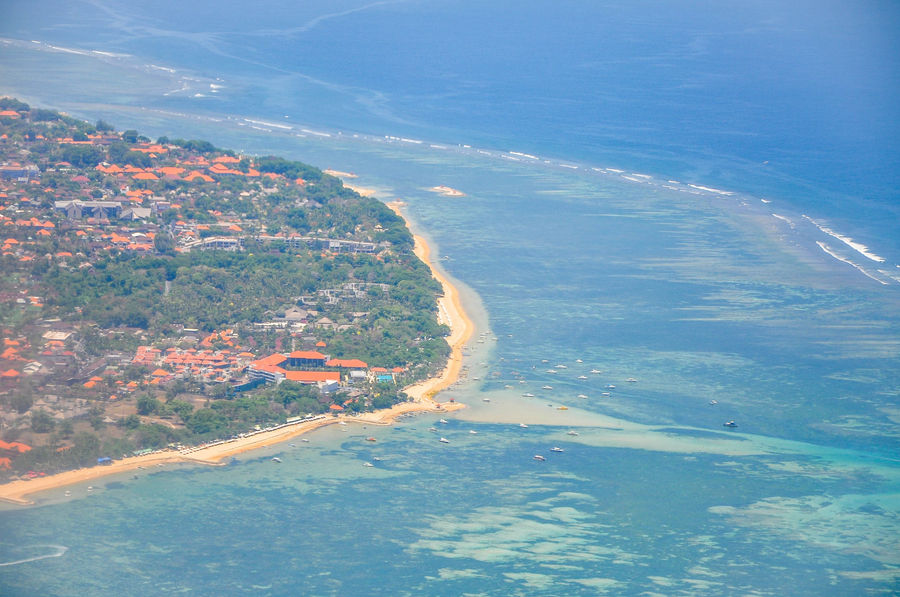
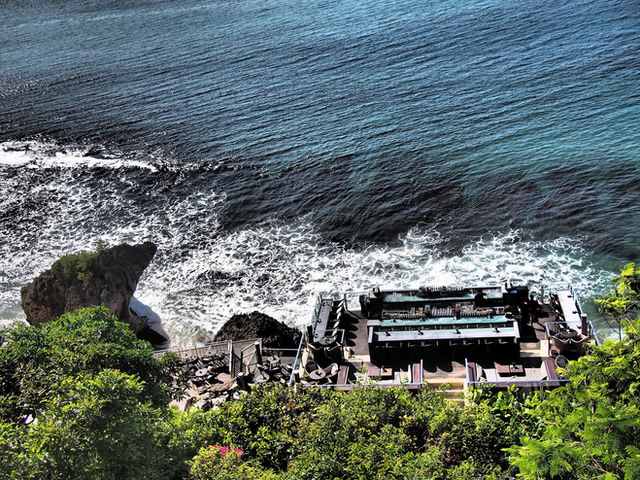
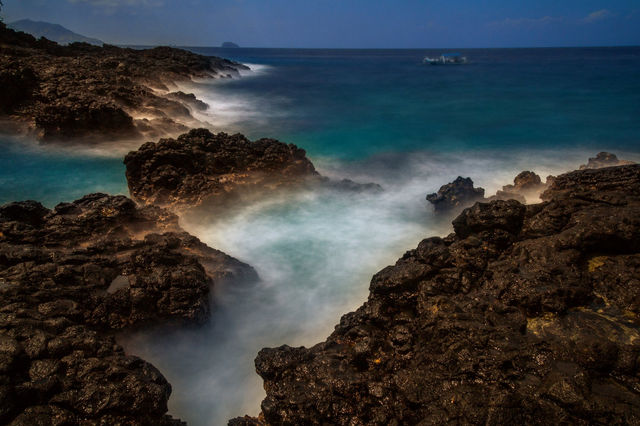
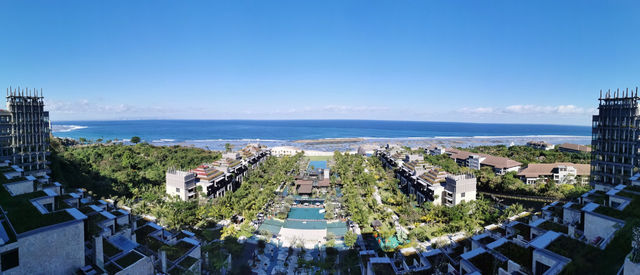
Live map of hotels and villas around Bali — powered by Stay22. Pan, zoom and compare live prices to pick your base.
Pan, zoom and compare live prices — every stay in one map.
Bali has no train or coherent public transport network, so getting around means private drivers, ride-hailing apps or your own two wheels. The default for most visitors is a hired car with driver — booked by the day for around a set daily rate that is very reasonable by Western standards, ideal for temple-and-terrace touring where distances and traffic make self-driving tiring. Ride-hailing apps Grab and Gojek work well and cheaply for short hops and food delivery, though some areas (parts of Ubud, certain beaches) restrict app pick-ups because of local taxi cooperatives, so you may need to walk to a main road. Scooters are everywhere and cheap to rent, and for confident riders they are the most liberating way to explore — but see the safety note: Bali's roads are chaotic and scooter accidents are the single biggest cause of tourist injury, an International Driving Permit plus the motorcycle category is legally required, and helmets are mandatory. Self-drive car hire is possible but rarely worth the stress given how affordable a driver is. Crucially, plan around the traffic: the south (Kuta–Seminyak–Canggu) and the Ubud approach roads clog badly, and journeys routinely take twice as long as the distance suggests, especially late afternoon. For the offshore islands you switch to fast boats.
There is effectively no tourist-useful public transport in Bali. The state-run Trans Metro Dewata bus network covers a few corridors around Denpasar and the south at very low fares, but routes, stops and timetables are not designed for visitors and rarely reach the places you want. Historically, locals used bemos (shared minivans), but these have largely died out on tourist routes. In practice you rely on the ride-hailing apps Grab and Gojek for metered-cheap car and motorbike rides, on metered Blue Bird taxis (the reputable firm — insist on the meter, or use its app to avoid the many imitators), or on a hired driver for longer touring. App fares for short journeys are inexpensive; a full day with a private driver is a modest fixed sum that several people can share. There is no train anywhere on the island. Because journeys are slow and dispersed, budgeting for private transport — a driver for day trips, apps for local hops — is simply part of the cost of a Bali trip rather than an optional extra.
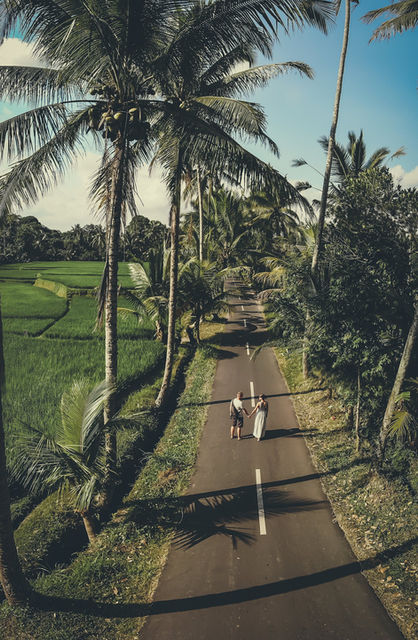
Base yourself outside the tourist cores to enjoy them without the grind — a villa in Penestanan or Nyuh Kuning is a short walk from Ubud but far calmer than the centre, and staying at Bingin or Padang Padang on the Bukit is cheaper and more relaxed than the headline Uluwatu resorts. For the famous sites, go early: Tegallalang rice terraces, Tirta Empul and the Lempuyang gate are all mobbed by mid-morning, so arrive at opening. Reaching Lempuyang before the tour buses saves you a queue that can run to two hours for the reflection photo. Skip the paid 'floating' breakfast and Insta-swing traps in favour of the actual terraces at Jatiluwih, which are UNESCO-listed, larger and far less crowded than Tegallalang. The Campuhan Ridge walk in Ubud is best at dawn, before the heat and the crowds. For the Mount Batur sunrise trek, book a licensed local guide and accept the very early start; the crater-rim breakfast is the payoff. Give Nusa Penida a full day at least (or an overnight) rather than a rushed group tour — Kelingking Beach and the east-coast viewpoints involve slow, rough roads. Time any temple visit to a ceremony if you can; the tourism office and your driver will know what's on. And build slack into every itinerary for traffic — two south-Bali sights in an afternoon is often one too many.
The 7 shores actually worth the trip on Bali — ranked, with the vibe of each and where to stay nearby. Tap a card to fly the map to it.
Dramatic © TMFalkner (CC BY-SA 4.0) A tiny white cove reached through a cliff crevice and cave, fronting a world-class surf break.
Best for surf and cliff scenery
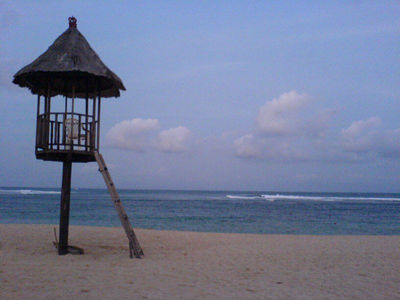 Family © Susanne Koch (CC BY-SA 3.0)
 Groomed white sand and reef-calmed shallows front the big resorts, easy for toddlers to paddle.
Best for families with young kids
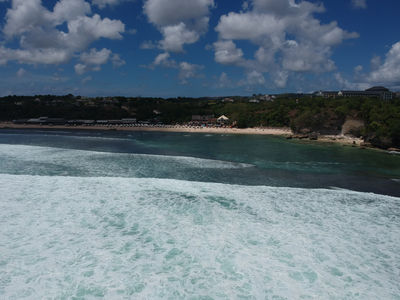 Sunset © Magul (CC BY-SA 4.0)
 Nearly a kilometre of pale sand under limestone cliffs, with warungs facing a fiery west sunset.
Best for sunset drinks and surf
A hidden pocket of sand below a cliff stacked with guesthouses, low tide baring a reef to explore.
Best for escaping the crowds
 Long sandy © Stefan Fussan (CC BY-SA 4.0)
 A long crescent of pale sand where fishing boats land and grilled-seafood tables fill up at dusk.
Best for seafood sunset dinners
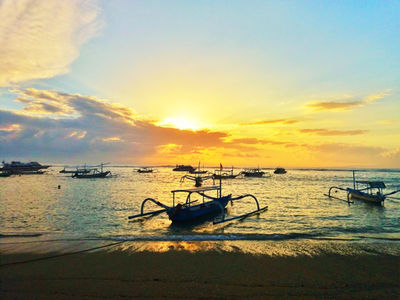 Swimming © Danangtrihartanto (CC BY-SA 4.0)
 Reef-sheltered calm water and a shady 5km beach path make this the gentlest swim on Bali's coast.
Best for calm swimming and cycling
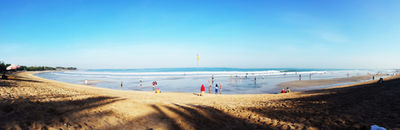 Party © Sanji24 (CC BY-SA 4.0)
 Bali's original party strip: a broad sandy sweep of surf schools, sunset crowds and loud nightlife.
Best for beginner surf and nightlife
Bali · Around the island · 1 island · 7 beaches · 4 hotels nearby
Skip-the-line tickets and small-group tours in Bali — compare across our partners.
We're still curating hand-picked tickets and tours for Bali. In the meantime, the map above and the nearby cities are a great place to start.
Day-by-day itineraries that take in Bali — routes, timings and what to book.
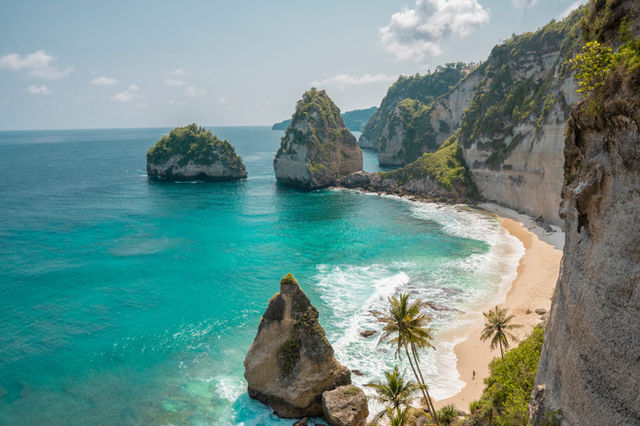 3 Nights
 Discover the magic of Bali with an unforgettable journey to paradise. Sun-kissed beaches, vibrant culture, and lush landscapes await.
Economy
View trip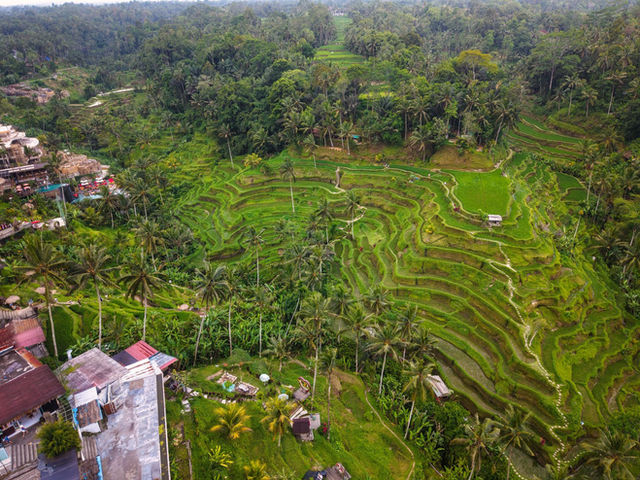 6 Nights
 Discover the diverse spiritual, cultural, and coastal landscapes of Bali on a well-balanced week-long journey anchored by three distinct regional bases. This route loops seamlessly from the emerald rice terraces and jungle temples of Ubud to the vibrant sunset beaches of Seminyak and the calm, reef-protected waters of Nusa Dua.
Price on enquiry
View tripApril – October (dry season)
Bali is tropical and warm year-round, with lowland temperatures typically 27–32°C by day and high humidity; the highlands around Ubud, Munduk and Batur are noticeably cooler, especially at night. There are two seasons. The dry season, roughly April to October, is the best time to visit — sunnier, less humid, calmer seas and the reliable choice for the beaches, surf and volcano treks; July and August are the peak, busiest and priciest, as is the Christmas–New Year fortnight. The wet season runs November to March, driven by the northwest monsoon: expect heavy tropical downpours, usually in intense afternoon bursts rather than all-day rain, higher humidity, more cloud and rougher seas, with January and February the wettest. Wet-season travel is far from a write-off — mornings are often bright, the landscape is at its greenest, crowds thin and prices drop — but pack for rain, expect the odd washed-out day, and note that some rough boat crossings to the Nusa and Gili islands can be cancelled in bad weather. Bali sits just south of the equator and outside the main typhoon belt, so it does not get the cyclones that hit further north.
Bali is generally safe for visitors, with violent crime against tourists rare, but there are real practical hazards. By far the biggest is the road: scooter accidents are the leading cause of serious tourist injury and death here — traffic is dense and unpredictable, riders often lack experience and appropriate cover, and many hire out bikes without checking for a valid International Driving Permit (which insurers will demand if you claim). If you ride, wear a proper helmet, go slowly, and make sure your travel insurance actually covers motorbike use. In the sea, the south and west coasts have strong currents and rip tides — Kuta, Legian, Seminyak and the Bukit beaches can be dangerous; swim between the flags where lifeguards patrol and heed warnings. Petty theft (bag-snatching from scooters, phone theft) occurs in the tourist south; take normal precautions. Two specific health points: methanol poisoning from illicitly made arak or adulterated spirits has caused tourist deaths, so avoid cheap unbranded cocktails and home-made arak; and stick to bottled water. Monkeys at Uluwatu and the Ubud Monkey Forest will snatch sunglasses, phones and hats and can bite — keep loose items stowed. Mount Agung is an active volcano and eruptions have disrupted flights in the past; check status before volcano treks. Standard travel vaccinations and mosquito precautions (dengue is present) are sensible.
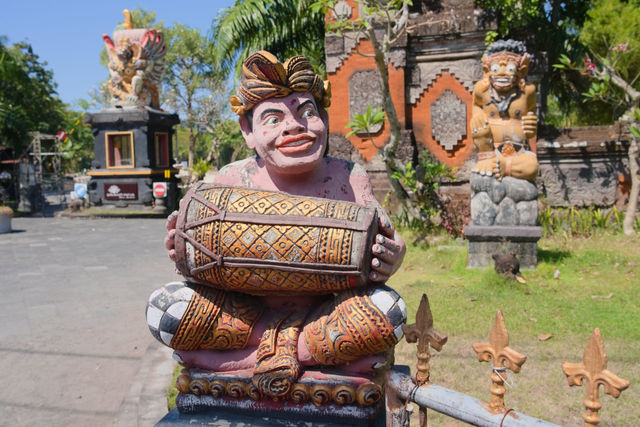
Bali's Hindu culture is visible and living, and a little respect goes a long way. At temples, cover shoulders and knees; a sarong and sash are required and usually provided or rented at the entrance. Menstruating women are, by tradition, asked not to enter temples. Never climb on or pose disrespectfully at shrines or temple gates — the 'Gates of Heaven' photo queue at Lempuyang is a working place of worship, not just a backdrop. Step around, not over, the small palm-leaf canang sari offerings you'll see on pavements and doorsteps. The head is considered sacred and the left hand unclean — use your right hand to give and receive, and avoid touching people (especially children) on the head. Dress modestly away from the beach and beach clubs, particularly in villages and towns. During Nyepi, the Balinese Day of Silence (the Hindu New Year, usually in March), the entire island shuts down for 24 hours — no flights, no going outside, lights kept low — and tourists must observe it inside their accommodation. Balinese people are famously welcoming and unhurried; a smile, patience in traffic, and modest behaviour are appreciated. Bargaining is expected in markets but do it good-naturedly; prices are fixed in shops and restaurants.
£55/day mid-range (budget £25, luxury £250+; villas and beach clubs push the top end high)
112 (general emergency), 110 (police), 118 or 119 (ambulance), 113 (fire), 115 (SAR / Basarnas)
Almost everyone arrives at I Gusti Ngurah Rai International Airport (DPS), on the south coast near Kuta and Denpasar — the island's only commercial airport and a major regional hub. There are no direct flights from the UK; typical routings from London are one-stop via a Gulf or Asian hub — Qatar Airways (Doha), Emirates (Dubai), Singapore Airlines (Singapore), Malaysia Airlines (Kuala Lumpur), Cathay Pacific (Hong Kong) — usually 16–20 hours total. From within Asia and Australia there are dense direct connections. Note the entry admin, all separate: British passport holders need a Visa on Arrival (IDR 500,000, valid 30 days, extendable once for a further 30) or the e-VOA bought online beforehand; every foreign visitor must also pay the one-off Bali tourist levy of IDR 150,000, ideally in advance via the official Love Bali portal (lovebali.baliprov.go.id) to receive a QR voucher; and all arrivals should complete the electronic customs declaration/e-arrival form within about 48 hours of arrival. From the airport, fixed-price official taxis and pre-booked transfers reach Kuta/Seminyak in 20–45 minutes and Ubud or the Bukit in around an hour or more, traffic depending. Fast boats from Sanur, Padang Bai and Serangan link Bali to Nusa Penida, Nusa Lembongan, the Gili Islands and Lombok.
Flights, airport transfers and car hire to DPS — search and compare without leaving the page.
Parking, holiday extras, and more — coming soon.
We're lining up parking, holiday extras and activities you'll be able to add to any trip from here.