Aeolian Islands
A volcanic archipelago off Sicily where one island permanently erupts and UNESCO celebrates the geology that shaped our understanding of volcanoes.
- Island
- April – June, September – October
- 5–7 days
Photo by Joshua Kettle / Unsplash
About Aeolian Islands
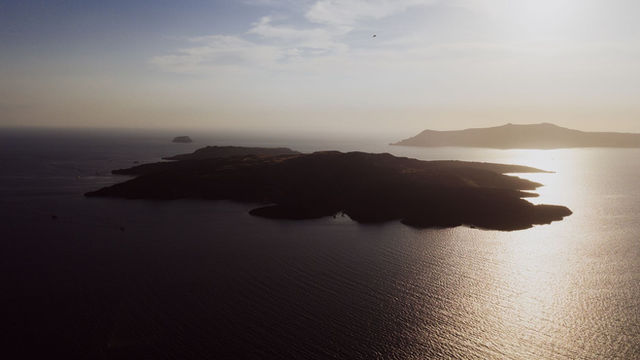
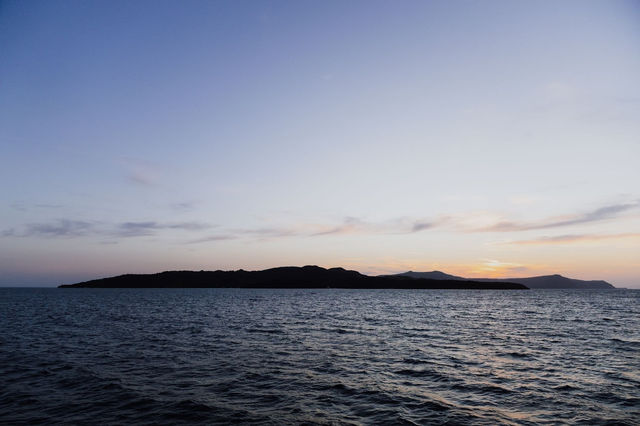
The Aeolian Islands are seven volcanic islands scattered off the north-east coast of Sicily — and they are unlike anywhere else I have visited in Europe. The archipelago earned its UNESCO World Heritage inscription in 2000 as a site of outstanding universal significance to volcanology: scientists have been studying eruption types here since the 18th century, and two of the islands are still actively volcanic today. Stromboli has erupted almost continuously for 2,000 years, producing a lighthouse effect that ancient sailors called the Lighthouse of the Mediterranean. Vulcano gives its name — via Latin — to volcanoes everywhere on Earth.
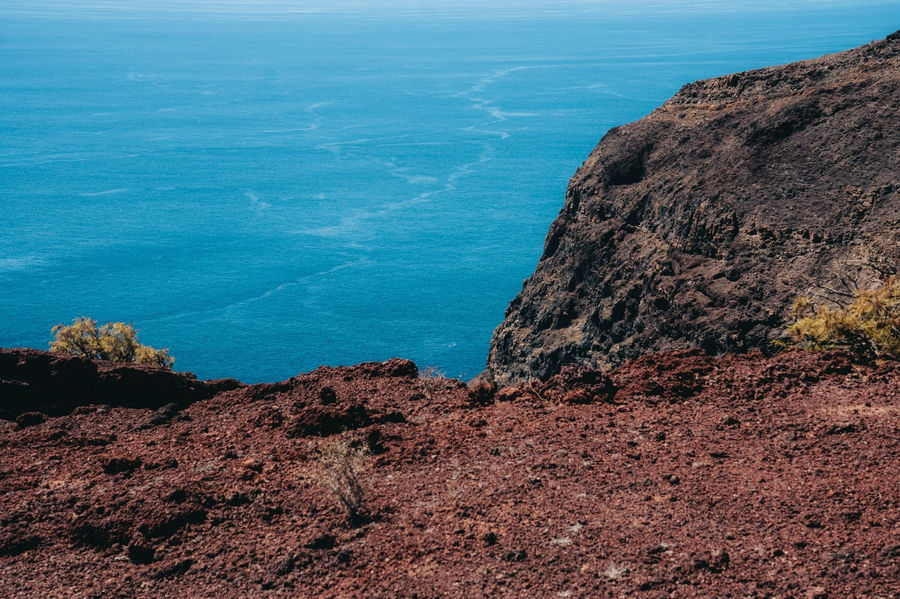
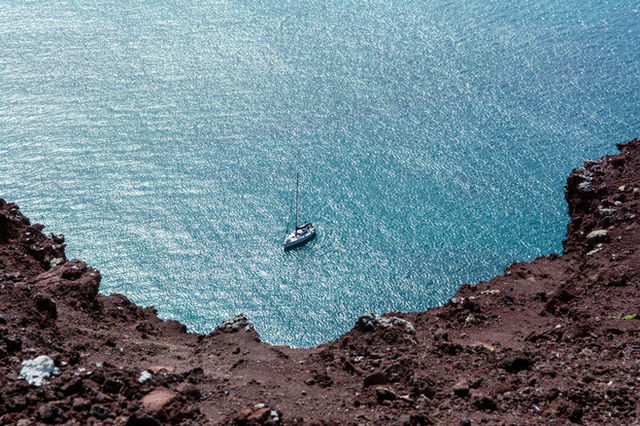
But the Aeolians are not only a geology lesson. They are also extraordinarily beautiful: dramatic cliffs drop into sea so clear it reads turquoise from a distance and becomes glass-transparent up close. The pace of life on the islands is unhurried in the best possible way. On Salina you can walk between two extinct volcanic peaks through terraced vineyards producing the famous Malvasia wine. On Panarea, the prettiest of the seven, whitewashed houses with bougainvillea-draped terraces tumble toward a natural harbour. Lipari, the largest island, has a proper town with a Norman castle, a superb archaeological museum, and enough restaurants and cafes to feel genuinely alive in the evenings.
For families — especially those with teenagers who find the usual beach holidays underwhelming — the Aeolian Islands offer something genuinely memorable. Watching Stromboli erupt from a boat at night is the kind of experience that does not wear off. I always recommend this archipelago to families who want beauty, science, and real adventure woven into the same trip.
Highlights
- Stromboli's nighttime eruptions
- Mud baths and fumaroles on Vulcano
- Boat-hopping between the islands
- Salina's capers and Malvasia wine
- Lipari's castle and pumice cliffs
- Chic aperitivo on Panarea
Food & drink
Traditional dishes
Aeolian cuisine is Sicilian at its core but shaped by the islands' fishing heritage and the volcanic soil that produces intensely flavoured capers, oregano, and olives. The signature preparation is alla eoliana: pasta — typically spaghetti or linguine — tossed with local capers, olives, cherry tomatoes, and fresh swordfish or tuna. Pane cunzato (seasoned bread with local oil, tomato, capers, and oregano) is the classic midday snack. Fresh swordfish and red mullet, grilled simply, are ubiquitous and excellent. On Salina, Malvasia delle Lipari — a naturally sweet dessert wine made from sun-dried Malvasia grapes — is the island's most celebrated product and pairs well with almond pastries.
Where to eat
Eating well on the Aeolians is easy and, outside of Panarea, reasonably affordable by Italian tourist-destination standards. Lipari town has the widest choice, with trattorias in the streets behind the main corso offering fixed-price lunch menus that represent excellent value for families. Bars serving granite di caffè and fresh almond granita are a fixture of island mornings and afternoons — the Sicilian granita culture is fully present here. On Salina, family-run restaurants near Malfa and Leni serve the island's own caper and olive products with everything. I always recommend eating close to the harbour on each island rather than the restaurants aimed directly at tourists near the ferry docks.
Drinks and coffee
The aperitivo culture is strong in Lipari in the evenings — local bars serve Campari spritz and Malvasia-based cocktails as the sun drops over the harbour, and it is genuinely pleasant to sit outside with teenagers who can order granita or fresh juice alongside.
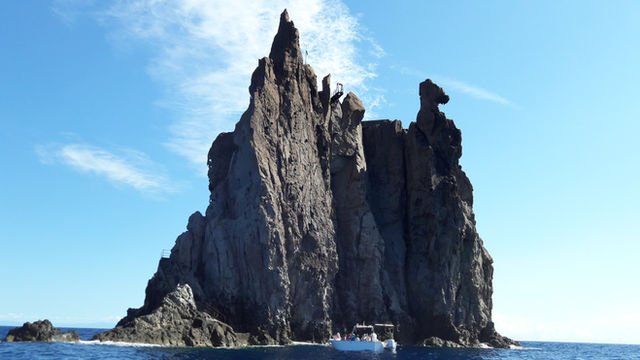
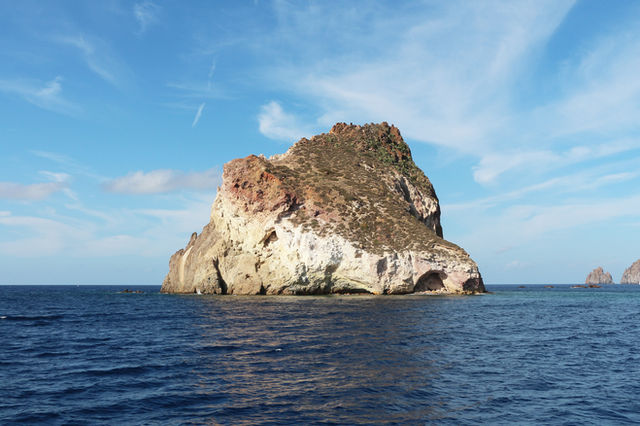
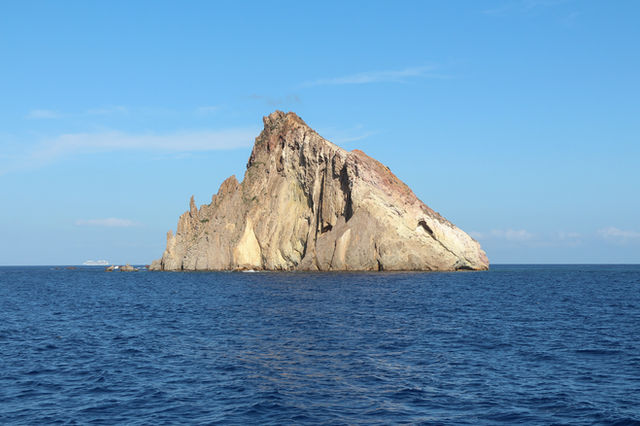
Aeolian Islands in photos
Where you'll stay in Aeolian Islands
<h4>Lipari town</h4><p>Lipari is the practical headquarters of the archipelago — the largest island with the most accommodation, the best transport connections, and a genuine town atmosphere that keeps children and teenagers engaged in the evenings. Family-friendly hotels near the castle and the harbour range from simple pensioni to mid-range options with pools. It is also the best base if you want to take day trips to multiple islands without committing to a ferry schedule from a smaller island.</p><h4>Salina</h4><p>Salina is the greenest and most serene of the islands, with two main villages — Santa Marina and Malfa — and a landscape of vineyards and capers rather than lunar volcanic rock. Mid-range family apartments and agriturismo-style accommodation make it excellent value, and the island's gentle character suits families with younger children or those who want hiking and relaxation rather than nightlife. The ferry connections are reliable and run regularly in season.</p><h4>Stromboli village</h4><p>Staying on Stromboli is an adventure in itself — the village clusters at the base of the permanently erupting volcano, and on clear nights you can watch the summit glow from the beach. Options are limited to small guesthouses and a handful of mid-range hotels, so book well ahead. I recommend a two-night stay rather than basing your whole trip here; it is dramatic but small, and the lack of other islands to explore can feel constraining after a day or two.</p><h4>Panarea</h4><p>Panarea is the smallest and most exclusive of the inhabited islands — car-free, very beautiful, and noticeably more expensive than the others. It suits families looking for a one-night splurge or a quiet couple of days, but the limited ferry connections and higher prices make it a supplement rather than a base island for a full family trip.</p><h4>How to choose</h4><p>Base yourself on <strong>Lipari</strong> for flexibility and practicality, <strong>Salina</strong> for green landscape and calm, or <strong>Stromboli</strong> for the once-in-a-lifetime volcano experience — and plan day trips to fill in the rest of the archipelago from whichever you choose.</p>
Hotels & rentals around Aeolian Islands
Pan, zoom and compare live prices — every stay in one map.
Getting around Aeolian Islands
Island transport
The Aeolian Islands have no metro system, and most islands have limited or no motor vehicle access. Lipari has a local bus service (URSO buses) connecting the town with the main beaches and villages around the island; tickets are inexpensive and the service is reliable in season. Electric golf-cart taxis operate on Lipari and are the easiest way to move luggage between the port and accommodation. Panarea is entirely car-free — everything is on foot or by golf cart.
Hydrofoils between islands
Inter-island hydrofoils are the primary way to explore the archipelago, and the timetables in summer are frequent enough to make day trips easy. Liberty Lines publishes seasonal timetables; the routes from Lipari as a hub reach all other islands within 30 minutes to 2 hours. Tickets can be bought at the port or from the Liberty Lines app. On busy summer days, arrive at the port with some time to spare — boarding is first-come on some crossings.
Boat hire
Hiring a small boat for a day or half-day is practical on Lipari and Salina and is one of the best ways to access sea caves, remote beaches, and snorkelling spots. No licence is required for boats under 40 horsepower. Prices typically run ~£60–£120 per day for a small motorboat depending on the season and island.
Walking
All the main villages are compact and very walkable. Lipari town is comfortably explored on foot in an hour or two. The hiking trails on Salina and Stromboli are well-maintained and clearly marked, though proper shoes are essential on volcanic terrain — flip-flops are genuinely inadequate above the beach.
Insider tips
Night eruption boat trip to Stromboli — the UNESCO centrepiece
This is the experience that defines a visit to the Isole Eolie (Aeolian Islands) UNESCO World Heritage Site, and I cannot overstate how spectacular it is. Evening boat trips from Lipari, Salina, and Stromboli village circle the Sciara del Fuoco — the active lava channel on the north-west flank of the volcano — just after dark, when the glow from each eruption is vivid against the night sky. Stromboli erupts roughly every 15–20 minutes with fountains of incandescent rock; from the water, you are close enough to hear the detonation. It is viscerally exciting for teenagers, and genuinely educational as an observable demonstration of Strombolian eruption dynamics — the type that scientists named after this very island.
Guided summit hike on Stromboli
Hiking to the summit crater rim at 918 metres is possible only with a licensed guide (compulsory above 400m — the regulation is strictly enforced). The hike takes roughly three hours up and two down, departing late afternoon to arrive at the summit for sunset and the first eruptions. I recommend this for teenagers aged 14 and above who are reasonably fit; younger children should stick to the lower-level guided walks and the boat trip instead. Book guides through the official services in Stromboli village at least a day ahead in peak season.
Vulcano mud baths and crater walk
Vulcano is the nearest island to the Sicilian mainland and the most accessible for a half-day excursion. The sulphurous mud pools near the port are entertainingly strange — the warm, mineral-rich mud is applied and then rinsed off in the adjacent sea, and the smell of sulphur is intense enough to be memorable. The crater walk (about 45 minutes up) gives close views of the steaming fumaroles and sweeping panoramas over the archipelago; it is an easy enough climb for older children and a concrete demonstration of geothermal activity that brings the UNESCO geology to life.
Snorkelling and boat hire
The water around the Aeolian Islands is among the clearest in the Mediterranean, and the volcanic rock formations create dramatic underwater topography. Snorkelling from the black-sand beaches of Stromboli and the rocky coves of Lipari is excellent with no equipment beyond a mask and snorkel. Hiring a small boat for a day — widely available on Lipari and Salina — allows you to reach sea caves, pumice cliffs, and swimming spots inaccessible from land. This is one of the activities teenagers tend to remember most enthusiastically.
Lipari Archaeological Museum
The Museo Archeologico Eoliano in Lipari castle is one of the finest prehistoric museums in Italy, and it earns its place on a family itinerary rather than competing with the outdoor experiences. The collection covers 6,000 years of Aeolian history, from obsidian trading routes to Greek theatre masks to ship anchors from ancient maritime trade — all grounded on these specific islands. Allow two hours; the context it provides for the rest of the trip is genuinely enriching, and teenagers find the volcanic obsidian artefacts and ancient marine finds more engaging than a conventional history museum.
Walking the Salina ridge between the twin volcanic peaks
Salina's dramatic double-crater profile — Monte Fossa delle Felci and Monte dei Porri — is visible from most of the archipelago, and walking the ridge between them through fern forests and Malvasia vineyards is one of the loveliest half-days in the islands. The path is well-marked, takes about three to four hours at a gentle pace, and ends near Santa Marina where a cold granita and the ferry home await. Suitable for families with older children comfortable on uneven terrain.
Pumice beaches at Lipari
The north of Lipari near Canneto hosts striking pumice cliffs and beaches of white pumice gravel — a direct consequence of the volcanic geology the UNESCO inscription celebrates. Swimming here among floating pumice fragments is surreal and photogenic, and the landscape looks genuinely otherworldly. It is a short bus ride from Lipari town and makes a memorable half-afternoon alongside a swim.
Frequently asked
How many days do I need in the Aeolian Islands?
Five to seven days is ideal for a proper family visit. Three nights on Lipari as a base, two nights on Salina, and one or two nights on Stromboli covers the main highlights without rushing. If you only have three or four days, base yourself on Lipari and take hydrofoil day trips to Vulcano, Salina, and Stromboli — it is more time on boats but entirely doable.
Is the UNESCO site worth it for teenagers?
Genuinely yes — and I say this as someone who has seen teenagers switch off at plenty of cultural sites. The Aeolian Islands UNESCO inscription is grounded in something viscerally impressive: a volcano that erupts every 20 minutes and lights up the night sky. The scientific story — that Stromboli gave its name to a type of eruption, that vulcanologists have been studying these islands since the 18th century — lands very differently when you are watching molten rock fly from the summit. It is the kind of educational experience that does not feel like education.
When is the best time to visit with a family?
Late May, early June, and September are the sweet spot. The sea is warm enough to swim, temperatures are comfortable for hiking and exploring (22–28°C rather than the 35°C of high summer), the islands are lively without the August peak crowds, and accommodation is noticeably easier to find and cheaper. Avoid the last two weeks of August unless you book six months ahead and accept premium prices.
How do we get from the airport to the islands?
Fly into Catania Fontanarossa (CTA), then take a bus or taxi to Milazzo — roughly 90 minutes. From Milazzo, Liberty Lines hydrofoils run to Lipari in about 55 minutes. The whole journey from Catania airport to Lipari harbour takes around 2.5 to 3 hours. Book your hydrofoil crossings in advance in peak season, particularly for Stromboli.
Is it safe to watch Stromboli erupt?
Yes, when done properly. The guided boat trips that circle the Sciara del Fuoco at night are run by experienced operators and are the safest and most spectacular way to see the eruptions. The guided summit hike (compulsory guide above 400m) is also well-regulated. What you should not do is attempt to hike toward the active vents without a licensed guide, or enter restricted zones — the rules are there because the eruptions, though regular, are not fully predictable in their intensity.
Are there beaches suitable for young children?
The Aeolian Islands are not a classic fine-sand beach destination — most beaches are black volcanic pebble or pumice gravel, and the sea gets deep quickly. That said, the swimming is excellent and the water is unusually clear. For young children, calmer coves on the sheltered side of Lipari and Salina are manageable, and the warm shallow areas near the mud baths on Vulcano are easy for paddling. Bring water shoes — the pebbles are comfortable enough once you are in the water but getting in and out can be awkward in bare feet.
What is the budget for a family trip to the Aeolian Islands?
A mid-range family trip runs roughly ~£120–£180 per person per day including accommodation, meals, and inter-island ferries — more on Panarea, less on Salina or if you self-cater. Return flights from London to Catania for a family of five will typically run ~£800–£1,400 total depending on season and how early you book. Budget for the guided Stromboli hike (~£25–£35 per person) and the night boat trip (~£20–£30 per person) as essential extras.
While you're there
-
 30 JAN Festivals & Celebrations See the event →
Explore the area
Aeolian Islands · Around the island · 1 island
Local attractions & tours
Skip-the-line tickets and small-group tours in Aeolian Islands — compare across our partners.
We're still curating hand-picked tickets and tours for Aeolian Islands. In the meantime, the map above and the nearby cities are a great place to start.
When to visit Aeolian Islands
April – June, September – October
Seasons overview
Summer (June–August) is hot, dry, and intensely sunny — temperatures reach 30–35°C on the islands, the sea is warm enough to swim from May onward, and the light is extraordinary. The trade-off is that July and August bring significant crowds, particularly on Panarea and Lipari, and prices peak sharply. Ferry timetables expand, but booking accommodation well in advance is essential.
Shoulder season (May and September–October) is my preferred window for families. Temperatures sit at a comfortable 22–28°C, the sea remains warm through October, hiking conditions on Stromboli and Salina are far more pleasant, and the islands feel noticeably calmer. Wildflowers colour the hillsides in May; September brings grape harvest on Salina.
Winter (November–March) sees many hotels and restaurants close entirely, ferry services reduce to a skeleton timetable, and the islands can feel almost abandoned. Alicudi and Filicudi in particular become very isolated. The weather is mild by UK standards but can be wet and windy — not a family visit window unless you want total solitude.
Best months for families
Late May, early June, and September are the sweet spot. The sea is warm, the paths are walkable without heat exhaustion, and the islands are lively without the August crush. Easter can be beautiful but book accommodation months ahead.
Know before you go
Safety
The Aeolian Islands are a very safe destination for families — crime is negligible, the islands are small and navigable, and the local population is accustomed to visitors. The main practical safety consideration is the active volcano on Stromboli: the guided summit hike is regulated and safe when done with licensed guides, but hiking above 400m without a guide is prohibited and genuinely dangerous. The boat trips to view the eruption from the sea are the right option for families with younger children or those who prefer not to hike. Ferry crossings can be choppy in windy conditions (the scirocco can close ports temporarily in autumn) — families prone to sea sickness should travel with medication. Heat in July and August is intense; sun protection, hats, and regular shaded stops are essential for younger children on beach and hiking days.
For teenagers, the Aeolian Islands punch well above their weight in educational engagement — the UNESCO inscription provides context that transforms a beach holiday into something genuinely memorable. Watching a real, active volcano erupt, swimming in post-volcanic sea water, and understanding why these specific islands changed humanity's understanding of geology gives older children something substantive to take home. I have yet to meet a teenager who was not moved by the Stromboli night eruption.
Daily budget
~£120–£180/day mid-range per person
Getting there
By air
The most practical gateway for UK families is Catania Fontanarossa (CTA) on Sicily's east coast, served by direct flights from London Heathrow, Gatwick, Stansted, and Luton. Journey time is approximately 2 hours 45 minutes, and fares typically range from ~£80–£200 return per person depending on season and how far ahead you book. Budget carriers including Ryanair, easyJet, and Jet2 fly the route in summer. From Catania airport, a bus or taxi reaches Milazzo — the main hydrofoil and ferry port for the Aeolians — in around 90 minutes.
An alternative is Reggio Calabria (REG) on the Italian mainland, though flight options from the UK are more limited and typically require a connection. Palermo (PMO) is also an option, with bus connections to Milazzo in around 3 hours.
By ferry and hydrofoil
From Milazzo, Liberty Lines operates high-speed hydrofoils (aliscafi) to the islands year-round; Siremar and NGI run slower but cheaper car ferries. Lipari is approximately 55 minutes by hydrofoil from Milazzo; Stromboli is around 2 hours 30 minutes. Fares are modest — typically ~£8–£18 per person each way by hydrofoil. In summer, inter-island hydrofoils connect all seven islands, making island-hopping straightforward. Timetables and tickets are available via Liberty Lines and Siremar websites — book specific crossings for Stromboli in peak season as boats fill quickly.
By train (mainland connection)
Travelling from Rome or Naples by Trenitalia intercity train to Milazzo (via Messina) is feasible as part of a wider Italy itinerary, though journey times from Rome are around 6–7 hours. The scenic coastal rail route through Calabria and into Sicily on the Messina train ferry is an experience in itself, and older teenagers often find it an appealing alternative to a second flight within Italy.
Ready to book your trip?
Flights, airport transfers and car hire — search and compare without leaving the page.
More trip extras
Parking, holiday extras, and more — coming soon.
We're lining up parking, holiday extras and activities you'll be able to add to any trip from here.