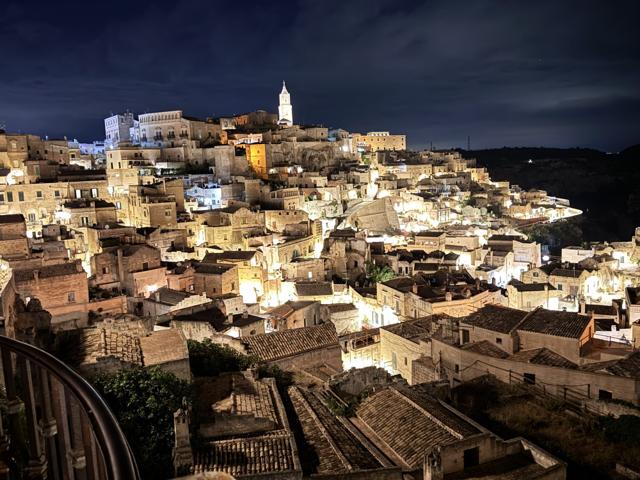
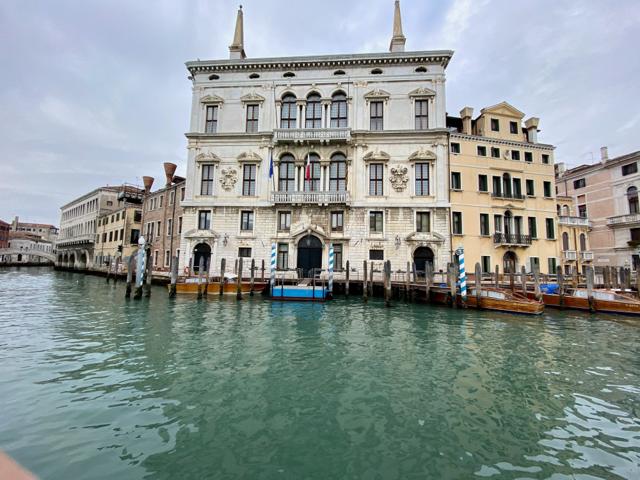
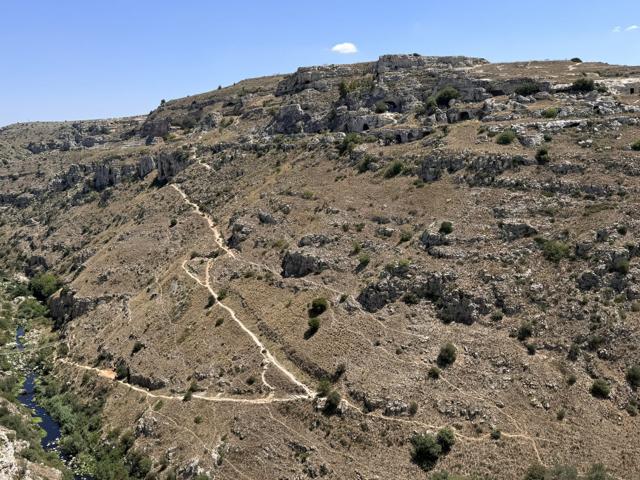
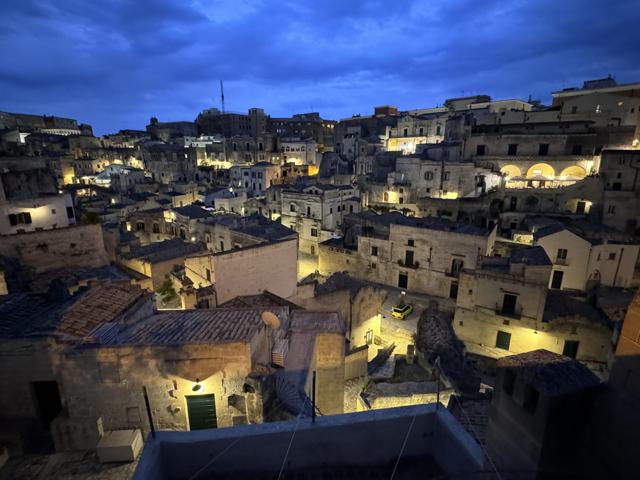
Italy — hero

Europe

Italy

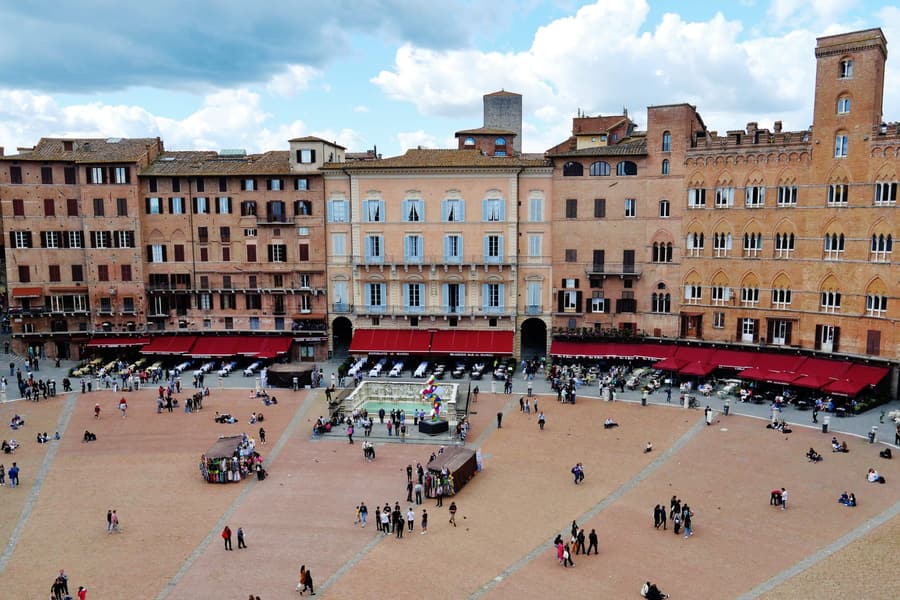
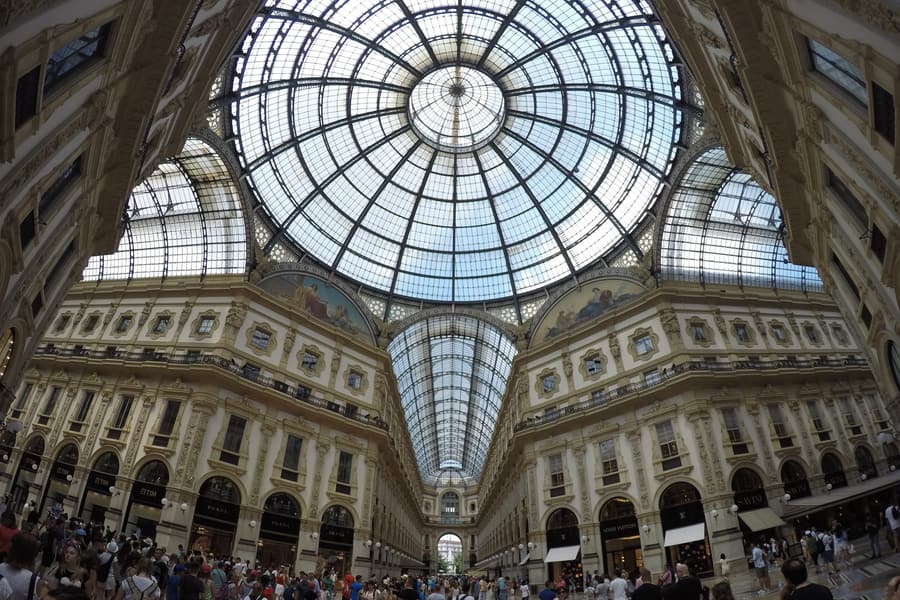
The world's greatest open-air museum: Rome's ancient Forum, Florence's Renaissance art, Amalfi's cliffs and Tuscan farmhouses, all fuelled by peerless food and wine.

Currency
Euro (EUR)
Language
Italian
Best time
April – June, September – October
Visa
Visa-free for up to 90 days in any 180 (Schengen). Since April 2026 your first entry is registered in the EU Entry/Exit System (fingerprints and a photo at the border, free). Passport must be under 10 years old on arrival and valid 3 months after you leave. ETIAS is not needed yet.

The FCDO has no advisory against travel to Italy.

Still current at: 13 November 2026 Updated: 3 November 2026

Source: UK Foreign, Commonwealth & Development Office — the definitive source. Check it close to your travel dates.

Flight cancelled or delayed because of this? Your rights under UK261 / EU261 →

Why visit

Why Italy

The world's greatest open-air museum: Rome's ancient Forum, Florence's Renaissance art, Amalfi's cliffs and Tuscan farmhouses, all fuelled by peerless food and wine.

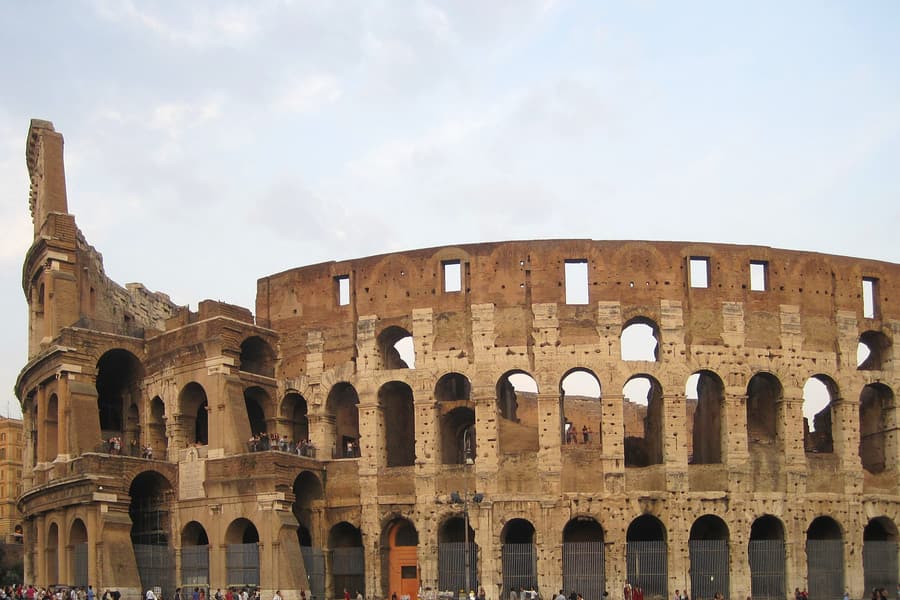
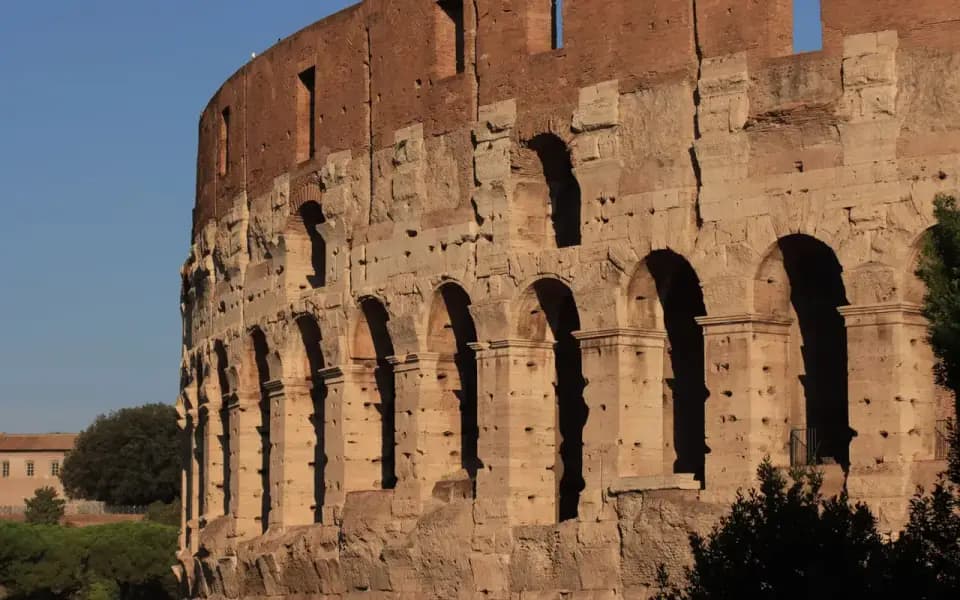
  • Rome's Colosseum
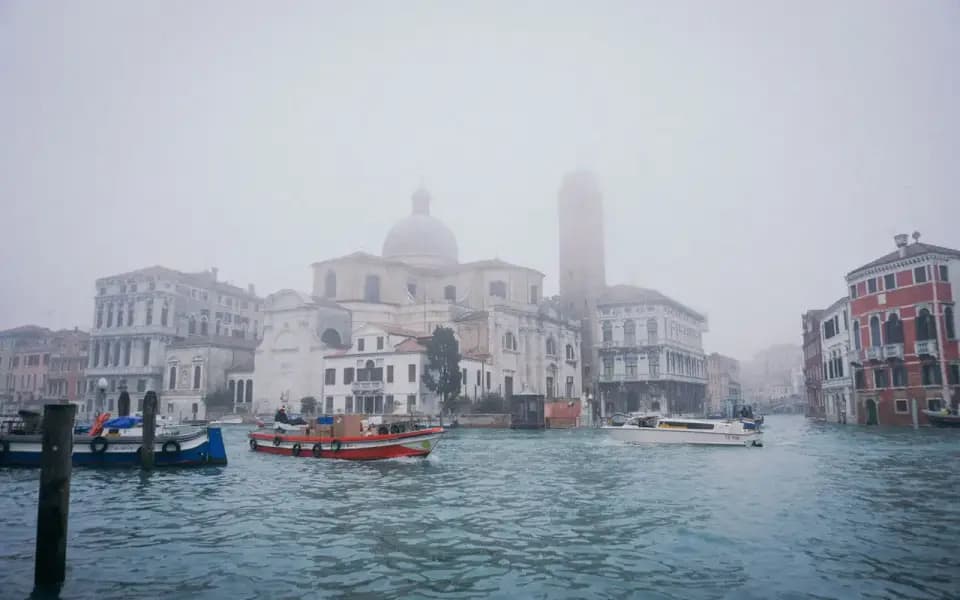
  • Venice canal rides
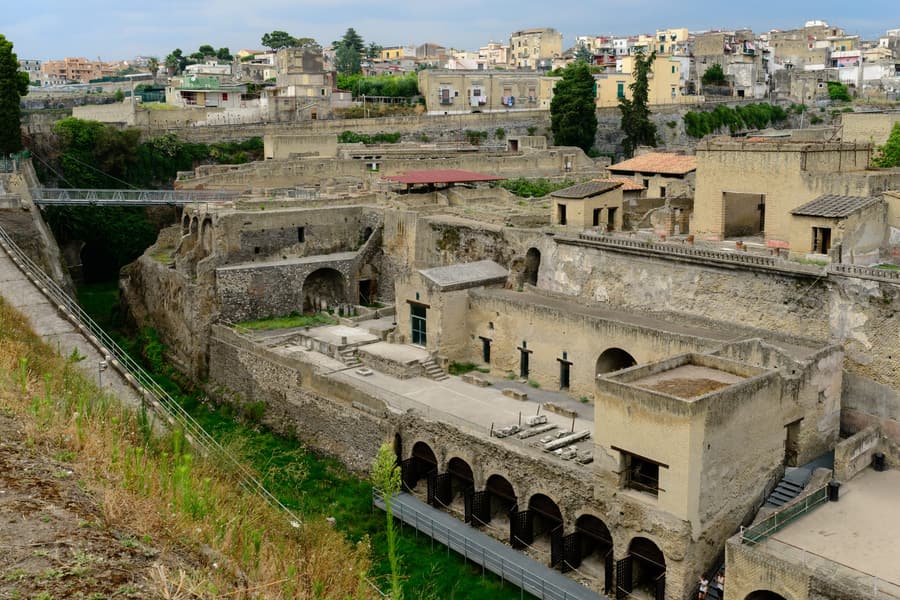
  • Pompeii ruins
  • Leaning Tower of Pisa
Read more

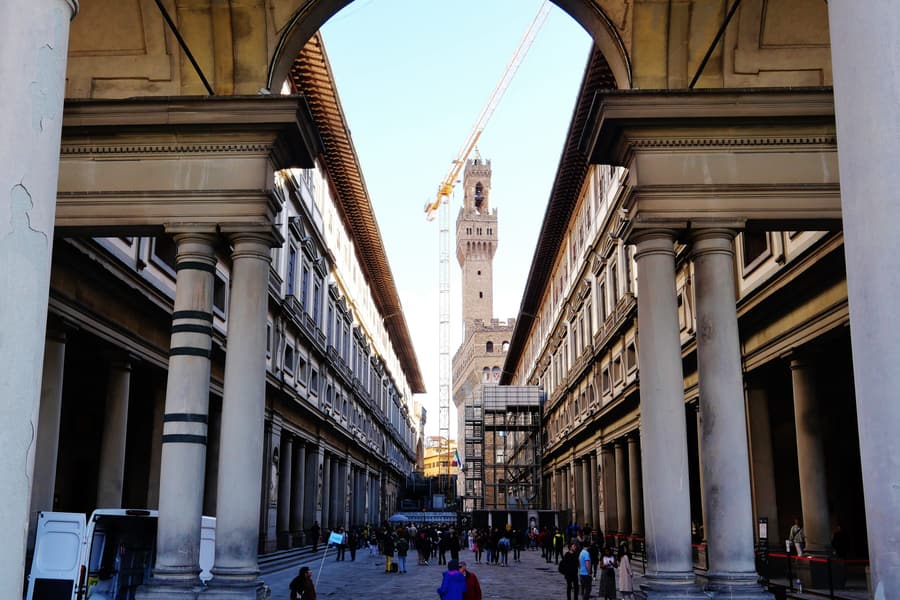
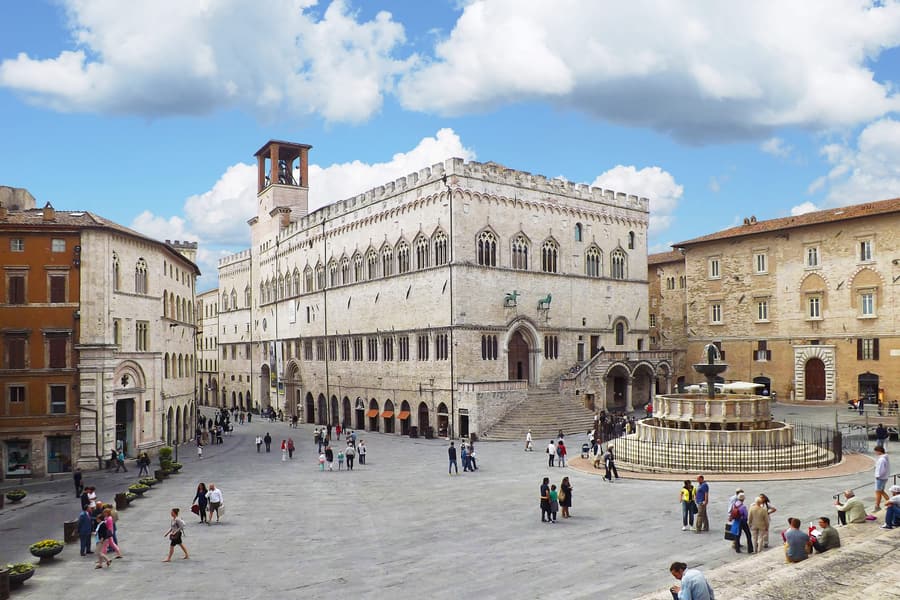
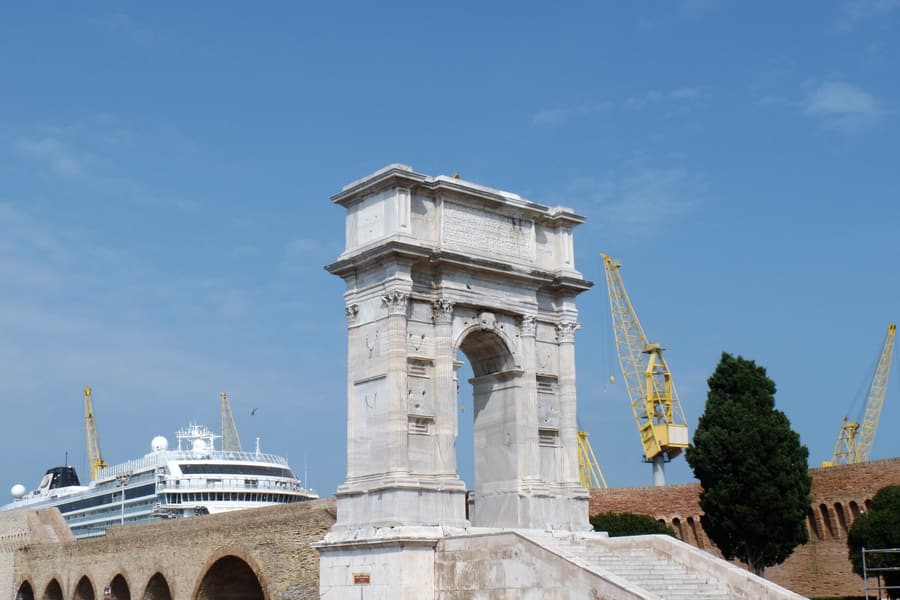
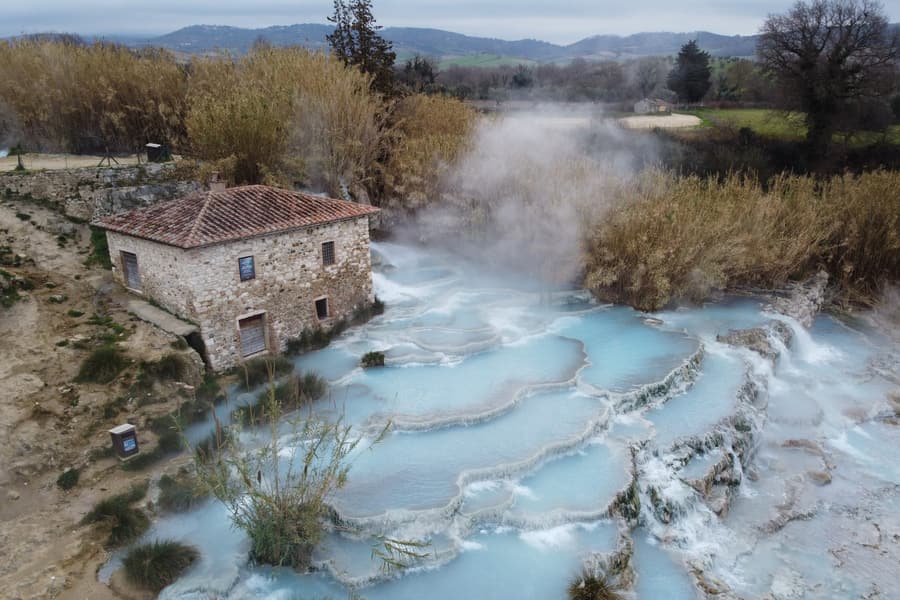
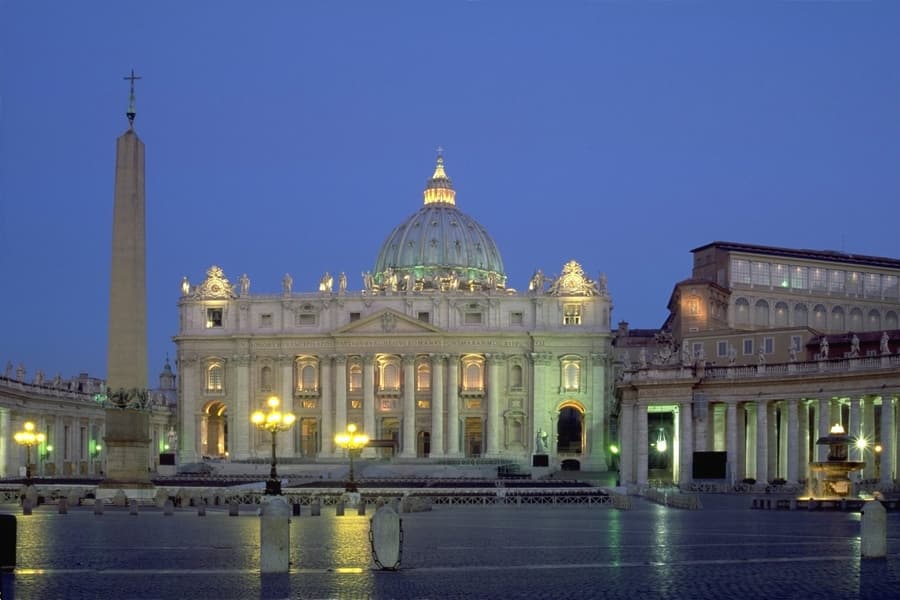
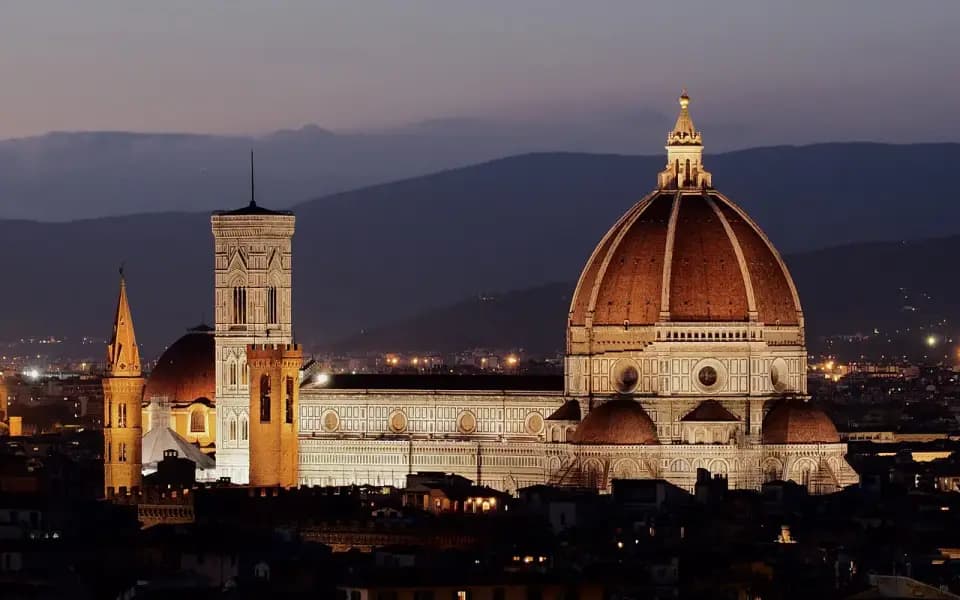
Italy is the world's premier open-air museum, an unmatched blend of Renaissance masterpieces, ancient ruins and living culinary identity. From Rome's Forum to Florence's galleries, every corner of the country layers art, history and beauty into daily life.

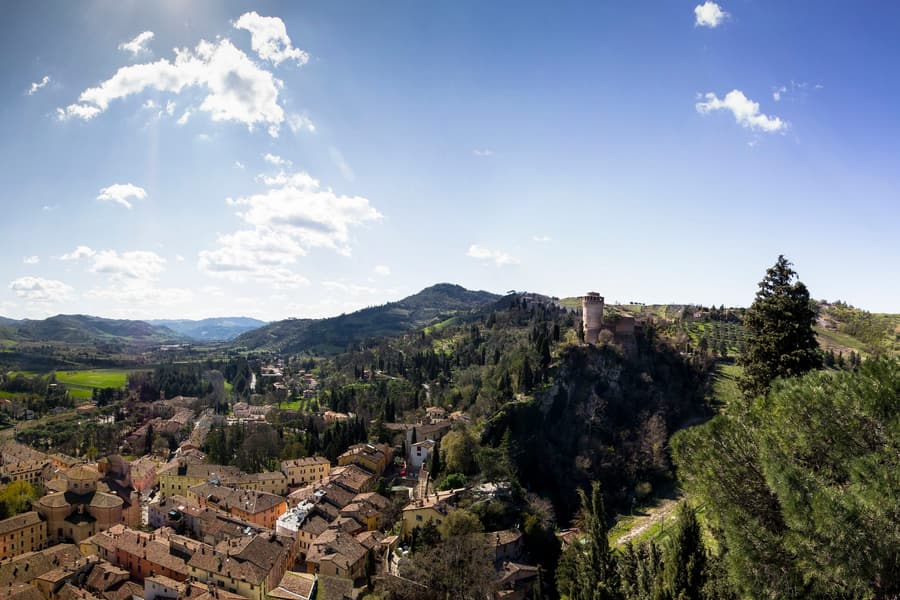
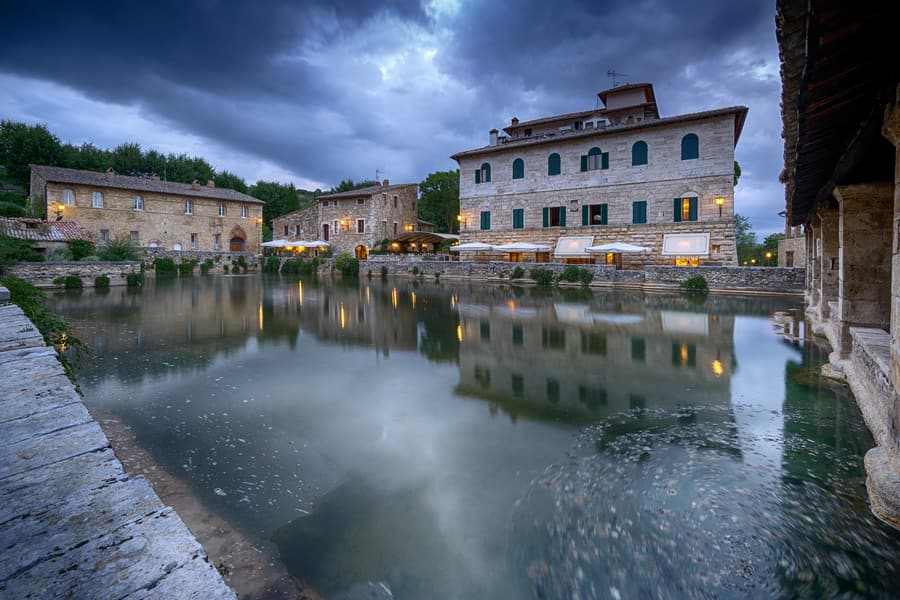
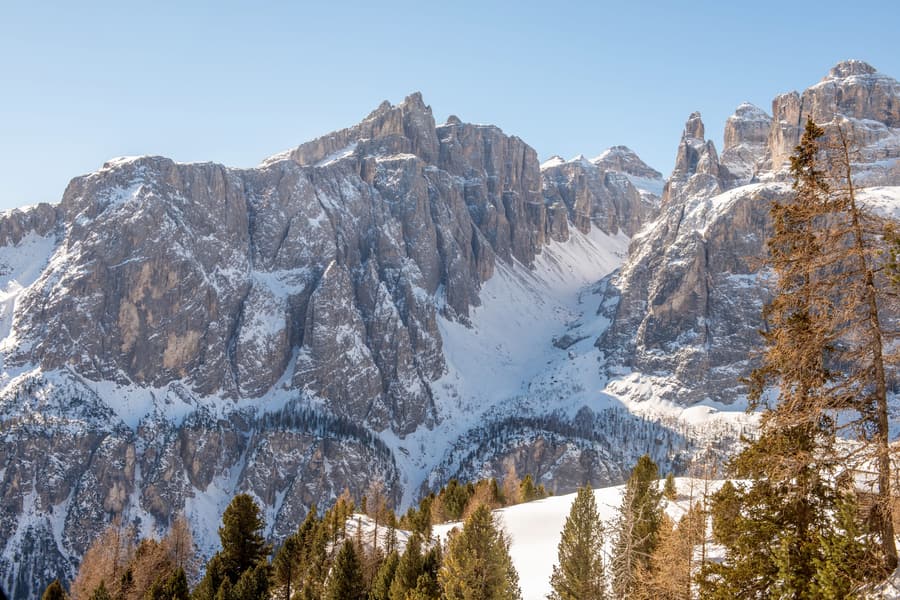
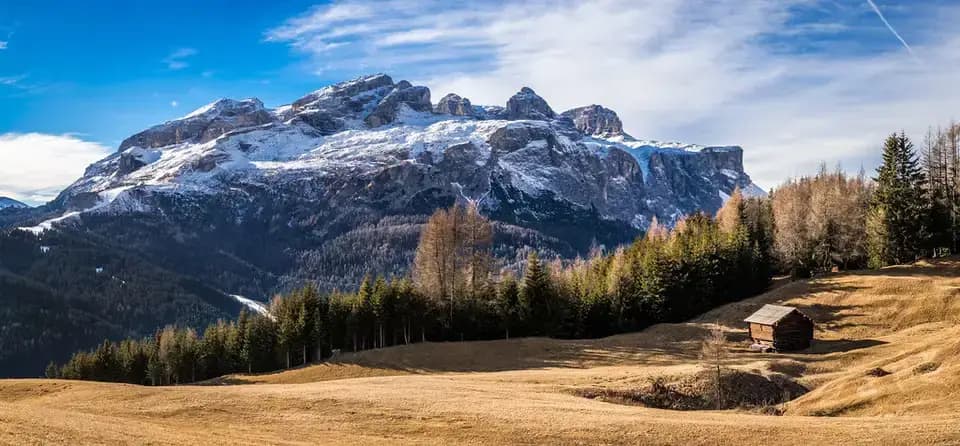
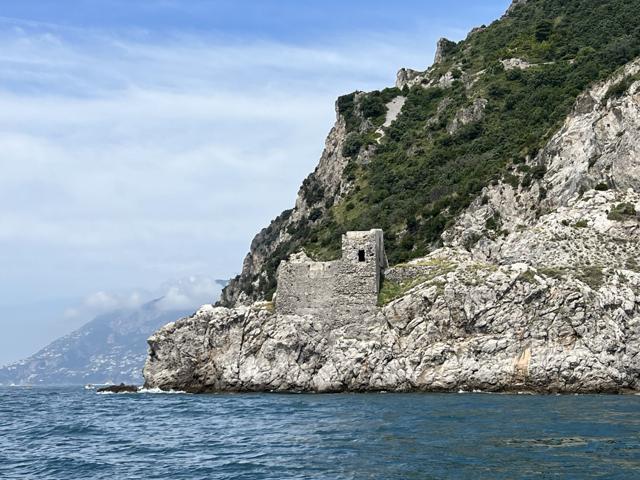
Yet its true magic lies in its extraordinary variety: every region has its own dialect, cuisine and character. Sicily's Baroque hill towns, Tuscany's cypress-lined farmhouses, the Amalfi Coast's vertiginous cliffs and Venice's canals each feel like a different world.

For 2026, Italy champions slow travel and regional discovery, steering visitors from crowded hubs toward the Tuscan countryside and Sicilian towns. Ride high-speed rail, feast on world-beating food and wine, and savour la dolce vita at its own pace.

A pillar, not a footnote

Eat your way through Italy

The single reason many travellers come back — the food culture worth reshaping a trip around, and the dishes to seek out region by region.

Italy

Not one cuisine but twenty, each certain it’s the best — and each ready to argue the point over lunch.

There is no such thing as Italian food, and every Italian will tell you so. Cross a single valley and the butter turns to olive oil, the rice to durum wheat, the ragù to something the next town over would barely recognise. The whole country runs on its markets — the pre-dawn clatter of crates, tomatoes still warm from the vine, the fishmonger calling out the morning’s catch — and on the unshakeable conviction that Nonna’s version is the only correct one.

The magic is how little it takes. Rome spins gold from pecorino and black pepper in a bowl of cacio e pepe; a Florentine bistecca is charred, salted and left gloriously alone; Venetians drift bar to bar grazing cicchetti with a spritz in hand; Naples treats its pizza as something close to scripture; Sicily laces Arab-Norman sweetness through everything it touches. Sit down, order the thing the region is proud of, and let the arguing begin — you’ll be planning the next meal before this one’s finished.

Dishes to seek out
  • cacio e pepe
  • bistecca alla fiorentina
  • cicchetti (Venetian small bites)
  • Neapolitan pizza
  • sfogliatella (shell pastry)
  • gelato
Explore

Explore Italy by region

Italy's own tourist board browses the country three ways, and so do we — by area (North, Centre, South, Islands), by region (all 21 of them), or by the kind of trip you want. Pick an area or a region to frame the map and filter the pins.

Browse by area

Italy's own North / Centre / South / Islands split — tap one to frame the map and narrow the regions below.

Browse by region

Tap a region to frame the map, shade its provinces and filter the pins — tap again or “All regions” to reset.

© OpenFreeMap · OSM · terrain Mapterhorn · boundaries © EuroGeographics (Eurostat GISCO)

The twenty-one regions

italia.it's own regional grid — Trentino and South Tyrol are listed separately, exactly as they list them.

Fourteen ways to travel

Italy's experience themes — curated cuts across the whole map.

Things to do

Nature, culture and the outdoors

More tickets & tours in Italy

Day trips and sights outside the cities we cover, booked through our partners.

Plan your trip

Curated Italy itineraries

Browse all Italy trips →
Guides

All our Italy guides

Where to stay

Hand-checked places in Italy

Browse all Italy stays →
When to go

Weather & timing in Italy Right now RIGHT NOW 19°C partly cloudy

Best Apr–Jun · Shoulder Feb, Jul, Oct

Units

Monthly figures are for North (Milan); other regions of Italy vary. See every region, month by month →

Next 7 days · North

Forecast · Met Office · Powered by Met Office data

Typical · climate data

Best time to visit

April – June, September – October

Best for
  • Renaissance Art
  • Cuisine
  • Lakes & Amalfi
  • Vineyards
At a glance
Sunshine 9.0 hr/day
Rainfall 100 mm/mo
Wettest May · 167.3mm
Driest January · 54.1mm
Part of Mediterranean Europe →
By season

Units

Spring (Mar–May)

What to expect — Daytime highs average about 19°C with overnight lows near 9°C, with plenty of rain.

What's best — Cool & crisp, then Mild, then Shoulder season. Apr is among the best months here (mild, sun and cloud).

Summer (Jun–Aug)

What to expect — Daytime highs average about 29°C with overnight lows near 19°C, with plenty of rain.

What's best — Warm, then Shoulder season, then Wet. Jun is among the best months here (warm, sun and cloud).

Autumn (Sep–Nov)

What to expect — Daytime highs average about 19°C with overnight lows near 11°C — the wettest stretch of the year.

What's best — Wet, then Cool & crisp.

Winter (Dec–Feb)

What to expect — Daytime highs average about 9°C with overnight lows near 1°C.

What's best — Cold, then Cool & crisp.

Live forecast map · Windy.com · temperature with wind, °C and km/h

When to go, region by region

Italy has 4 climate regions

Each month our cards and map show the region with the best weather that month: Jan–Feb South · Mar Alps · Apr–Jun South · Jul–Aug Alps · Sep–Dec South.

Region JFMAMJJASOND
NorthMilan · best Apr, Jun January: not ideal February: not ideal March: not ideal April: great May: good June: great July: good August: good September: good October: good November: not ideal December: not ideal
CentralRome · best Apr–May, Sep–Oct January: not ideal February: good March: good April: great May: great June: good July: not ideal August: not ideal September: great October: great November: good December: not ideal
SouthPalermo · best Apr–Jun, Sep–Oct January: not ideal, shown on the cards February: good, shown on the cards March: good April: great, shown on the cards May: great, shown on the cards June: great, shown on the cards July: good August: not ideal September: great, shown on the cards October: great, shown on the cards November: good, shown on the cards December: good, shown on the cards
AlpsBolzano · best Mar–Apr, Jun January: not ideal February: good March: great, shown on the cards April: great May: good June: great July: good, shown on the cards August: good, shown on the cards September: good October: good November: not ideal December: not ideal

Great Good Not ideal Shown on our cards that month

A little context

A little history

To read what you're looking at — the empires and eras that shaped Italy's food, art and streets.

Rome left the grid, the aqueducts and the piazzas you still walk
rival medieval city-states and the Renaissance are why every region cooks, paints and builds in its own way
unified only in 1861, so twenty proud regional identities and cuisines survive intact
a Norman-Arab south and a Venetian lagoon north pull the country between two worlds
Formula 1

Grand Prix weekend in Italy

Formula 1 season calendar: every race →

Local events

What's on in Italy

See all Italy events →
Before you book

Know before you go

The practical back-matter — safety, earthquakes & tsunamis, drones and the essentials, in one place.

Safety

No FCDO advisory against travel FCDO advice →

Official UK Foreign, Commonwealth & Development Office guidance is the definitive source — check it close to your travel dates.

Earthquakes & tsunamis

All of Italy is seismic, several volcanoes in the south are active, and some coasts have a history of tsunamis, so visitors should know where official alerts come from.

When the shaking starts

  • Drop, cover and hold on: get down low, protect your head and neck, and hold on until the shaking stops.
  • Expect aftershocks, and drop, cover and hold on again each time.
  • Then follow instructions from local authorities and your hotel staff.

Near the coast

  • If you are near the coast and feel shaking that makes it hard to stand, or a rolling quake that lasts a minute or more, move to high ground or as far inland as you can as soon as the shaking stops.
  • Do the same if the sea suddenly pulls back or rises, or you hear a loud, unusual roar from the water.
  • Don't wait for an official warning. Walk or cycle if you can, and stay away until the authorities give the all-clear.

Around volcanoes

  • Keep out of exclusion zones around active volcanoes: they can change at short notice, so check the latest local advice before you go.

On arrival When you check in, look at your hotel's evacuation map and note the nearest high ground or evacuation route.

Coasts most exposed to tsunami Eastern Sicily, Calabria, Puglia and the Aeolian Islands; minor events on Ligurian, Tyrrhenian and Adriatic coasts

Official sources to follow
General guidance, not a live alert · Sources checked Nov 2026 FCDO advice for Italy →

Drone rules (sub-250g)

  • Italy
    Register on D-Flight / as an EU operator (an EU ID is valid) and carry third-party insurance (EU minimum ~€1M) — mandatory even sub-250g. Cities and heritage sites (Rome, Florence, Venice, Amalfi) show as no-fly on D-Flight and need prior authorisation; police do confiscate. ⚠ Check D-Flight for every launch — historic centres, Cinque Terre and other protected/heritage zones are marked no-fly and need a separate ENAC clearance. Rules checked: Jul 2026

National parks, protected sites and religious/heritage venues often have their own rules and permits — always check the specific site before you fly.

The essentials

Plug & voltage Type C/F/L · 230V
Daily budget Mid-range
Region Southern Europe