← Italy
ITALY · CITY

Ivrea

A 20th-century Italian 'industrial city' shaped by the Olivetti typewriter company — and a wild orange-throwing carnival.

  • City
  • April to June and September to October — mild; February for the carnival
  • ~approx 1 day
  • Olivetti Modernist City
  • Battle of the Oranges
  • Red-Towered Castle
  • Piedmont Hills

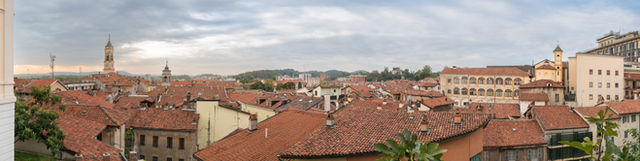
Sleek 20th-century glass-and-concrete factory buildings lining an ordinary street, the red towers of a medieval castle above the rooftops, and, come Carnival, teams on foot hurling oranges at cartloads of "guards" until the squares run with juice.

Ivrea is an unusual UNESCO town — a Piedmont river-town with a red-towered castle and an old core, made world-famous by the modernist "industrial city" the Olivetti company built here, and by a carnival where whole crowds pelt each other with oranges.

Type
town
Ideal length
~approx 1 day
Getting around
on foot; a bike or car for the wider area
Neighbourhoods
3 areas
Best season / months
April to June and September to October — mild; February for the carnival
Language
Italian (some English)
Currency
euro (€)
Budget level
moderate — affordable by Italian standards
Good for
  • Design and architecture
  • History
  • Festivals
  • Quieter Italy
▸ Discover

About Ivrea

Ivrea sits on the Dora Baltea river in Piedmont, northwest Italy, where the Alpine foothills meet the plain below the Aosta valley. It has a compact medieval old town — a castle with distinctive red towers, a cathedral, and Roman remains — but its UNESCO fame is modern: along Via Jervis and around it stands the pioneering "industrial city" built by Olivetti, the typewriter-and-computer company, a showcase of 20th-century modernist architecture and enlightened factory-town planning. Each winter the town erupts in the Battle of the Oranges, one of Italy's most extraordinary carnivals. Ringed by morainic hills and vineyards, it's a distinctive, under-touristed stop.

Why go

Ivrea offers something no other Italian town does — a UNESCO site devoted to 20th-century industrial modernism, the remarkable company town Olivetti built as a model of humane, design-led industry, set against a genuine medieval core with a red-towered castle. Add the spectacular, centuries-old Battle of the Oranges carnival, the Piedmont food-and-wine culture, and the lakes and Alpine foothills nearby, and it makes a fascinating, offbeat destination for lovers of design, history and the unexpected.

Don't miss

  • The Olivetti modernist buildings — the 20th-century industrial city
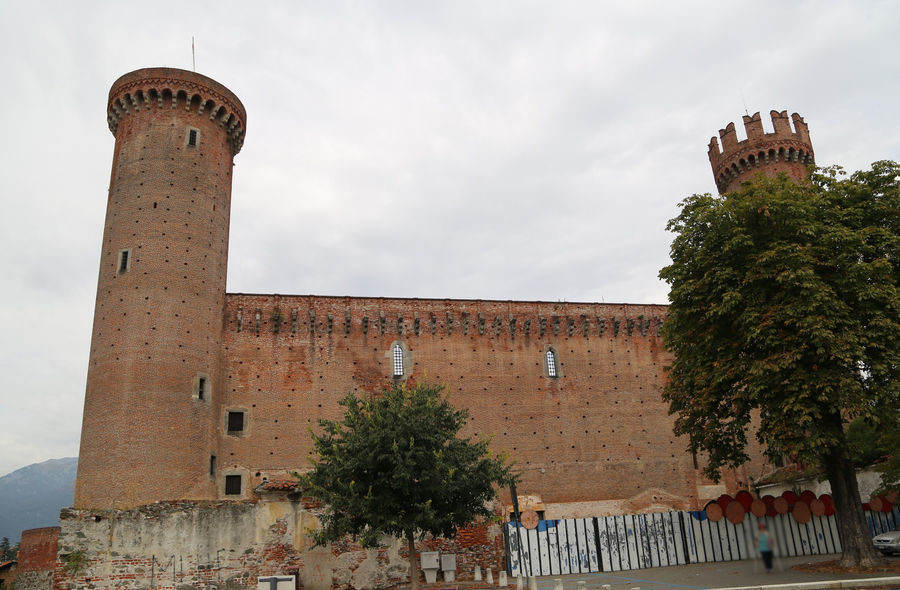
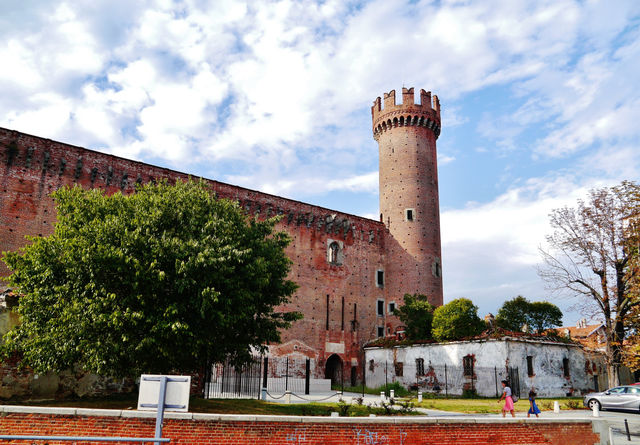
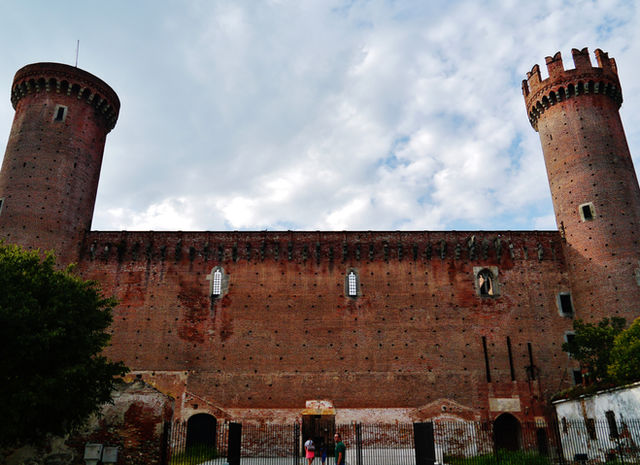
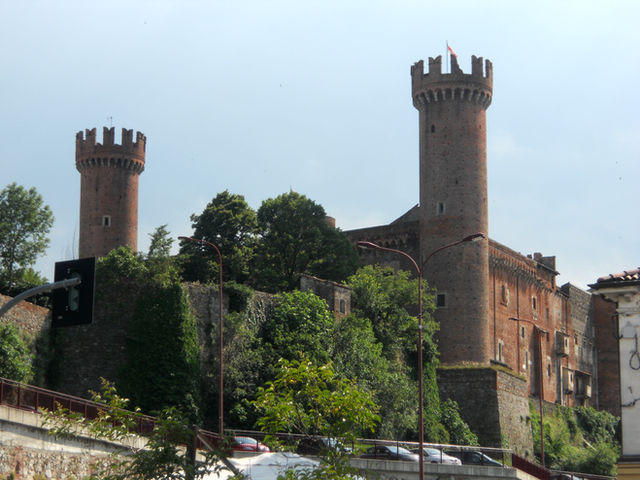
  • The Castello dalle Rosse Torri — the red-towered castle
  • The old town and cathedral — the medieval core
  • The Battle of the Oranges — the winter carnival
  • The Dora Baltea river and hills — the setting

Signature experiences

Olivetti's model city — Ivrea's UNESCO listing is unlike any other in Italy — the "industrial city of the 20th century" that Olivetti built, a pioneering company town where sleek modernist factories, offices, housing and social buildings expressed a belief that industry should serve people and design should be everywhere. Walk the open-air architecture route along Via Jervis, past the glass factory façades and the workers' amenities, and visit the interpretation centre. It's a fascinating, humane vision of modern work, and the reason design lovers come. **The medieval town and castle** — Beneath the modern fame, Ivrea keeps a genuine old town — the Castello dalle Rosse Torri, its distinctive red brick towers rising over the rooftops, the cathedral with Roman foundations, and narrow streets and squares that climb from the river. It's a compact, atmospheric core, quickly seen, that grounds the town's long history before Olivetti — Roman colony, medieval stronghold, river crossing on the road to the Alps. **The Battle of the Oranges** — Ivrea's Carnival is legendary — the Battle of the Oranges, where organised teams on foot re-enact a medieval revolt by pelting "the tyrant's guards" (riding on carts) with tonnes of oranges over several days, until the squares are ankle-deep in pulp and everyone is stained orange. It's chaotic, historic, deeply local and genuinely spectacular; spectators wear a red cap to signal they're not fair game. If you visit in February, it's unmissable — and unlike any other carnival in Italy. **Piedmont food, hills and lakes** — Ivrea sits in the Canavese, a Piedmont corner of vineyards, morainic hills and small lakes. The food is northern-Italian hearty — risottos, agnolotti, polenta, game and the local salami — with the crisp white Erbaluce di Caluso and Canavese reds from the surrounding vines. Beyond the town, the hills, lakes and the mouth of the Aosta valley toward the Alps make for easy trips. Between the architecture and the castle, settle into a trattoria for the regional table.

Neighbourhoods

Ivrea neighbourhood by neighbourhood — the character of each and who it suits.

  • The Old Town and Castle

    The medieval core on the rise above the river — the red-towered castle, the cathedral, narrow streets and the old squares. The historic heart.

    Why go
    The castle, the cathedral and the old-town streets.
    Best for
    Historywalkingthe castlecafés
    Known for
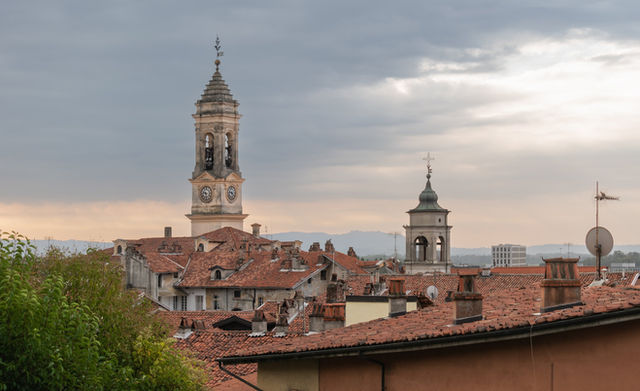
    The Castello dalle Rosse Torri (the "castle with red towers"), the cathedral (Duomo) and its Roman-era foundations, the old squares, and the medieval lanes.
  • The Olivetti Modernist Quarter

    The 20th-century industrial city along and around Via Jervis — sleek modernist factory buildings, offices, workers' housing and social buildings, the UNESCO-listed showcase of design-led industry. The town's world-famous modern face.

    Why go
    The Olivetti architecture and the story of the model factory town.
    Best for
    Modernist architecturedesign historythe industrial museum
    Known for
    The Olivetti factory and office buildings along Via Jervis, the workers' housing and social services buildings, the open-air architecture route, and the interpretation centre telling the Olivetti story.
  • The Dora Baltea Riverside

    The river running through the town, with bridges, embankments and — during Carnival — the squares where the orange battle rages, plus paths out toward the hills and lakes. The watery, festive edge.

    Why go
    The river walks, the carnival squares and the route to the hills and lakes.
    Best for
    River strollsthe carnivalcyclingthe wider setting
    Known for
    The Dora Baltea and its bridges, the piazzas that host the Battle of the Oranges, the riverside paths, and the routes out to the morainic hills, vineyards and small lakes.

Views & hidden gems

Best views

  • The Castello's red towers over the old town
  • The Olivetti glass factory façades along Via Jervis
  • The Dora Baltea and its bridges
  • The morainic hills and vineyards around the town

Hidden gems

  • The Olivetti open-air architecture route and interpretation centre
  • The Roman-era remains beneath and around the cathedral
  • The small lakes and hills of the Canavese just outside town
  • A glass of Erbaluce di Caluso at a local enoteca
  • The carnival's quieter traditions beyond the orange battle (the historical parades)

Food & drink

Ivrea eats Piedmontese, hearty and northern. The regional table brings agnolotti (stuffed pasta), risottos, polenta with game or cheese, bagna càuda (a warm anchovy-garlic dip) in season, and local salami, with the crisp white Erbaluce di Caluso and Canavese reds from the surrounding hills. During Carnival, the traditional dish is fagioli grassi (a rich bean-and-pork stew) served free from cauldrons in the streets. Eat in the old-town trattorias and taste the Canavese wines at the enotecas.

  • Agnolotti — Piedmontese stuffed pasta, often in a meat sauce
  • Polenta — with game, sausage or cheese, a northern staple
  • Bagna càuda — a warm anchovy-and-garlic dip for vegetables (cooler months)
  • Erbaluce di Caluso — the crisp local white wine
  • Canavese salami and cured meats — the local charcuterie
  • Fagioli grassi — the rich bean-and-pork stew of Carnival
Dietary notes

Vegetarians manage with polenta and cheese, risottos, vegetable agnolotti and salads, though game, salami and anchovy run through the regional cooking — ask. Vegan is doable with polenta and vegetable dishes on request. Halal and kosher are effectively unavailable. Gluten-free is helped by polenta and risotto (naturally wheat-free), but agnolotti and breads are wheat — confirm.

Ivrea in photos

▸ Where you'll stay

Where you'll stay in Ivrea

Stay in or near the old town to walk to the castle, the cathedral and the Olivetti route — the centre holds comfortable hotels and B&Bs, with more options out toward the hills. Ivrea is small and affordable, and easily walked. Book well ahead for the February Carnival, when the town fills and rooms are scarce; at other times it's an easy, uncrowded stop.

  • Budget
    Near the centre / station budget hotels and B&Bs, cheap and central.
  • Mid-range
    The old town / riverside comfortable hotels near the castle and the Olivetti quarter.
  • Luxury
    The best town hotels / hill agriturismos high-end rooms in town or country stays in the Canavese, the top of a modest range.
Stay

Hotels & rentals around Ivrea

Pan, zoom and compare live prices — every stay in one map.

▸ Getting around

Getting around Ivrea

The old town and the Olivetti quarter are compact and walkable — the architecture route, castle and cathedral are all on foot. A bike or car helps for the riverside paths, the hills and the lakes; a car is a liability in the narrow old town.

The old town, the Olivetti quarter and the riverside are all a short walk apart (~approx); the hills and lakes beyond need a bike or car — plan those as a half-day.

▸ Plan your days

Suggested itineraries

Ready-made day plans for Ivrea — from a single day to a long weekend.

One day

Start in the old town with the red-towered castle and the cathedral, then walk the Olivetti modernist route along Via Jervis, taking in the factory and social buildings and the interpretation centre for the company-town story. Have a Piedmontese lunch of agnolotti and Erbaluce wine, stroll the Dora Baltea riverside, and if you're here in February, spend the afternoon and evening amid the Battle of the Oranges.

Two days

With an overnight, add the Canavese. Explore the Olivetti architecture and museums more fully, then head into the surrounding morainic hills, vineyards and small lakes for a wine tasting and the countryside, or up toward the Aosta valley and the Alps. Round off with a hearty Piedmont dinner in the old town.

▸ What you'll do

Insider tips

  • Walk the Olivetti open-air architecture route along Via Jervis — the town's UNESCO claim to fame.
  • Time a February visit for the Battle of the Oranges if you can, and book accommodation far ahead.
  • Wear a red cap at Carnival to stay out of the orange crossfire as a spectator.
  • Pair the town with the Canavese hills, lakes and vineyards, or a trip up toward the Aosta valley.
What's on

While you're there

02
SEP
Venice Film Festival 2026
Via Pietro Buratti 5, 30126 Venezia Venice, Italy · cultural
Build a trip around it →
30
JAN
Venice Carnival 2027
Piazza San Marco 40, 30124 Venezia Venice, Italy · festival
Build a trip around it →
Explore

Explore the area

© OpenFreeMap · OSM · terrain Mapterhorn
Do

Local attractions & tours

Skip-the-line tickets and small-group tours in Ivrea — compare across our partners.

We're still curating hand-picked tickets and tours for Ivrea. In the meantime, the map above and the nearby cities are a great place to start.

▸ Budget

What it costs in Ivrea

Backpacker
roughly €45–70 a day.
Mid-range
roughly €85–150 a day.
Luxury
€210 a day and up.
Cash vs card
Cards and contactless work widely, but carry a little cash for small trattorias and markets.
Tipping
Tipping is modest in Italy — a cover charge (coperto) is usually on the bill; round up or leave small change.
▸ When you'll go

When to visit Ivrea

April to June and September to October — mild; February for the carnival

Spring

What to expect — Mild and green, warming through the season with the odd shower, the hills and vineyards fresh. One of the best times.

What's best — Comfortable weather for the old town and the Olivetti route, green Canavese hills, and café terraces reopening — a lovely, quiet season.

Summer

What to expect — Warm, occasionally hot, with pleasant evenings and the nearby lakes and hills a draw; the town quieter than the tourist centres. Comfortable.

What's best — Warm days for the architecture and the river, the lakes and Alpine foothills within reach, and long light — an easy, uncrowded time.

Autumn

What to expect — Crisp and colourful, cooling toward winter, with the grape harvest and the hearty Piedmont food season arriving. One of the best times.

What's best — The Canavese wine harvest, golden light on the hills, the rich autumn cooking, and thin crowds — a rewarding, flavourful window.

Winter

What to expect — Cold, damp and often foggy on the plain, with short days — but the town's wildest moment, the Battle of the Oranges Carnival, falls in February. Chilly and, at Carnival, chaotic.

What's best — The extraordinary Battle of the Oranges, the traditional Carnival parades and street food, and the snowy Alps close by — book far ahead for Carnival and wrap up warm (and wear a red cap in the crowds).

▸ Know before you go

Know before you go

Honest swaps

Skip assuming Ivrea is only medieval → its UNESCO fame is the modern Olivetti city, so walk the architecture route.

Skip a generic lunch → try Piedmontese agnolotti and Erbaluce wine in a local trattoria.

Skip a summer-only visit if you can → the February Battle of the Oranges is the town at its most unforgettable.

Skip standing unprotected at Carnival → wear the red cap to mark yourself as a spectator, not a target.

Crowds & timing

Ivrea is quiet most of the year but packed for the February Carnival — book far ahead for that.

The Olivetti buildings are mostly seen from the street on the open-air route; the interpretation centre has set hours — check.

Local rules & etiquette

At the Battle of the Oranges, wear a red cap (berretto frigio) to signal you're a spectator; without it, you may be a fair target. Dress respectfully inside the cathedral, a working church.

Italian mealtimes run later; kitchens often close mid-afternoon.

Money

Cards work widely; carry a little cash for small trattorias and markets.

Use bank ATMs and avoid the standalone tourist machines with poor rates.

After dark

The old-town squares and the riverside hold the evening aperitivo and dining scene.

The town is gentle and early-ish outside Carnival; evenings are dinner, wine and a stroll rather than clubs.

Carnival nights, of course, are a different matter — parades, music and street food into the night.

▸ Ready to book your trip?

Getting there

Turin (TRN) is the nearest airport, around 45 minutes away; Ivrea sits on the rail line from Turin toward Aosta, with trains into the station a short walk from the centre.

Book

Ready to book your trip?

Flights, airport transfers and car hire — search and compare without leaving the page.

▸ Trip extras
Book

More trip extras

Parking, holiday extras, and more — coming soon.

Coming soon

We're lining up parking, holiday extras and activities you'll be able to add to any trip from here.