

← Italy
ITALY · CITY

Naples

Italy's most exuberant, chaotic and soulful city — the home of pizza, beneath the shadow of Vesuvius.

  • City
  • April to June and September to October — warm, before and after the summer heat
  • ~approx 2–3 days, more with Pompeii and the islands
  • Birthplace of Pizza
  • Vesuvius Backdrop
  • Baroque Chaos
  • Bay Views

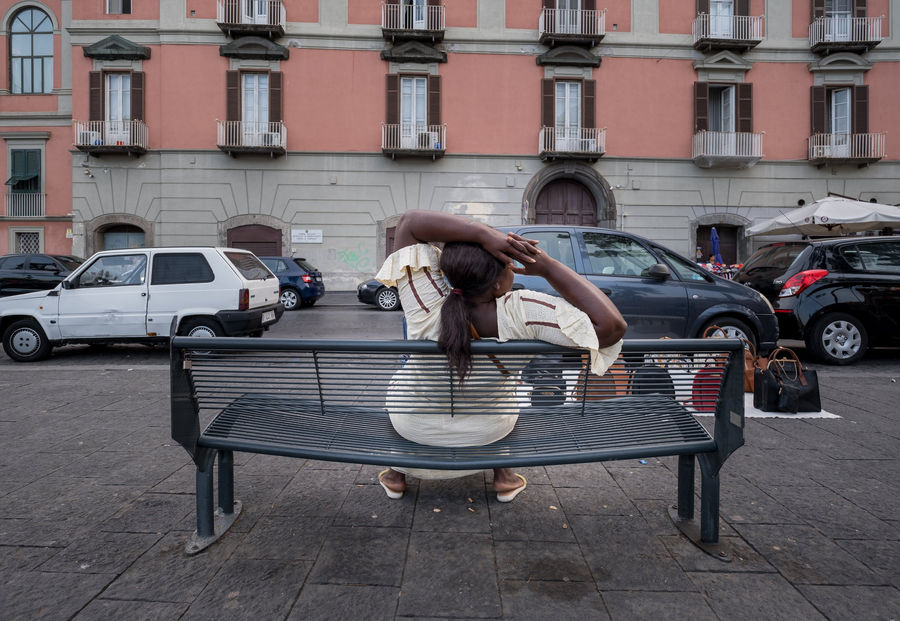
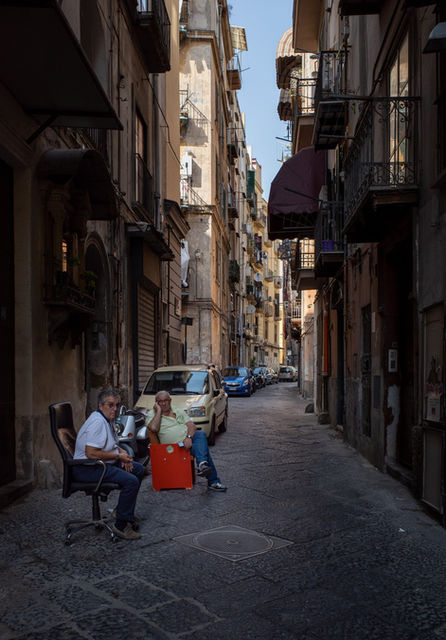
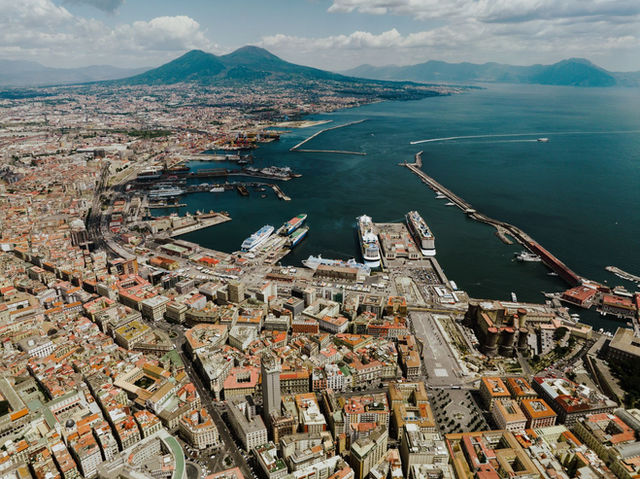
Scooters weaving down a laundry-strung alley, the smell of a Margherita blistering in a wood oven, and Vesuvius sitting quiet and enormous across a bright blue bay.

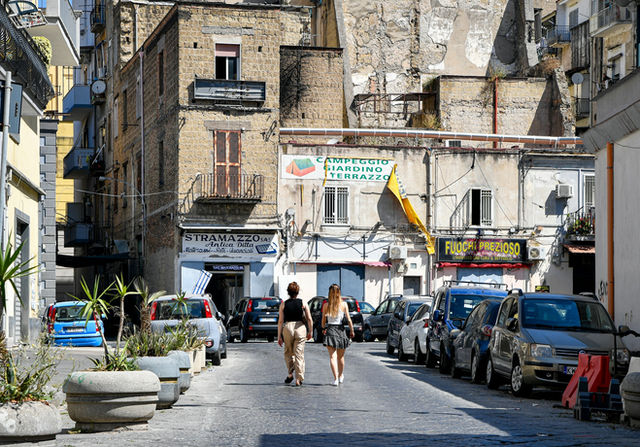
Naples is loud, ancient and gloriously unpolished — a city stacked between a volcano and a bay, where the pizza was invented, the streets are hung with laundry, and life happens at full volume in the open. It rewards anyone who leans into the chaos.

Type
metropolis
Ideal length
~approx 2–3 days, more with Pompeii and the islands
Getting around
a metro, funiculars up the hills, and a lot of walking
Neighbourhoods
6 areas
Best season / months
April to June and September to October — warm, before and after the summer heat
Language
Italian (with a strong Neapolitan dialect)
Currency
euro (€)
Budget level
low to moderate — cheaper than Rome or the north
Good for
  • Food
  • History
  • First-timers
  • Culture
▸ Discover

About Naples

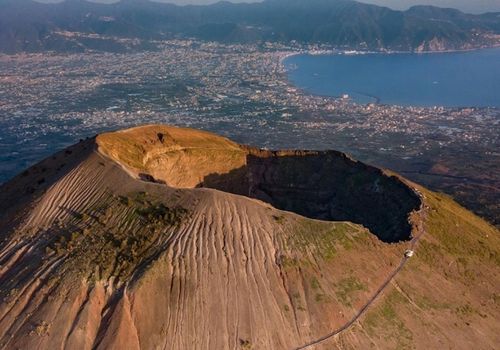
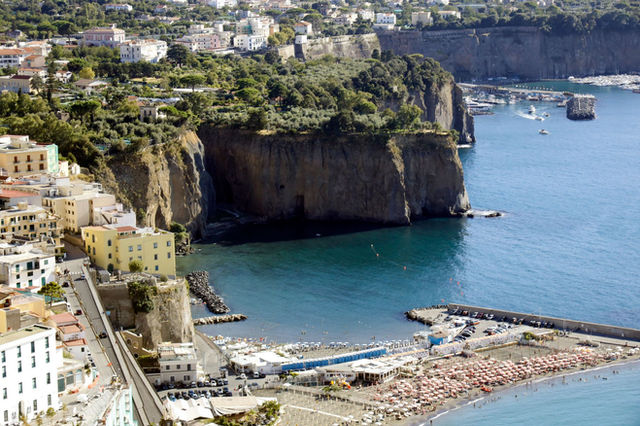
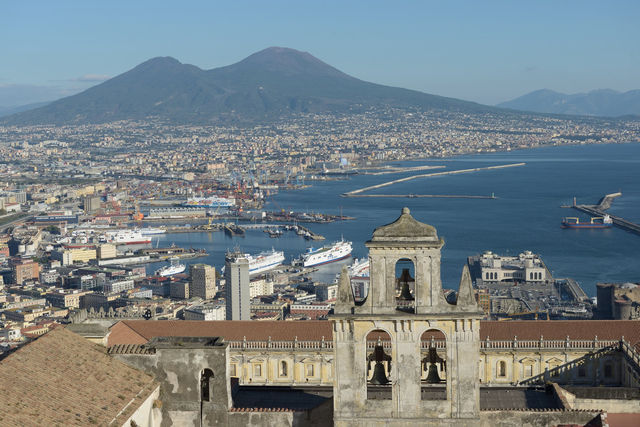
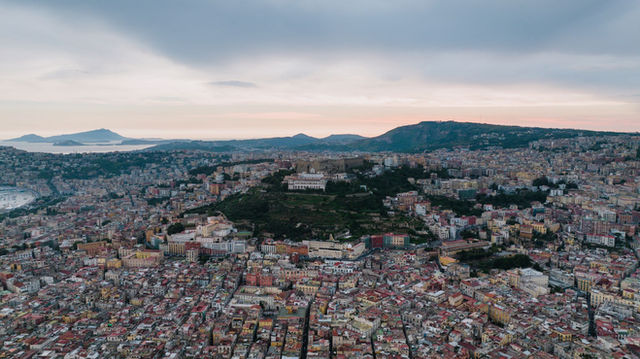
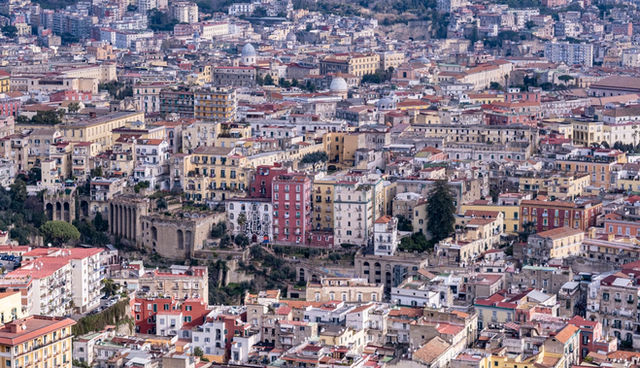
Naples curves around a wide bay in Italy's south, with Mount Vesuvius looming across the water and the islands of Capri and Ischia out beyond. The city climbs from the seafront up into hills, but its soul is the centro storico — the tight, ancient Greco-Roman grid of Spaccanapoli, so dense and vertical it barely sees the sun. Above it sit hilltop districts reached by funicular; below, the port and the castles line the bay. It is chaotic, layered and intensely alive, and the metro and funiculars connect the levels.

Why go

This is Italy at its rawest and most authentic — the food capital of the south, the birthplace of pizza, and a living museum that predates Rome. The archaeology is world-class, Pompeii and Herculaneum are a short train away, and the street life is theatre. Naples doesn't tidy itself up for you, and that honesty is exactly the draw.

Don't miss

  • The centro storico and Spaccanapoli — the ancient street that splits the old town
  • The Veiled Christ in the Sansevero Chapel — a marble carving that stops people cold
  • The Naples National Archaeological Museum — the great Pompeii finds
  • Napoli Sotterranea — the Greek-Roman city tunnelled beneath the streets
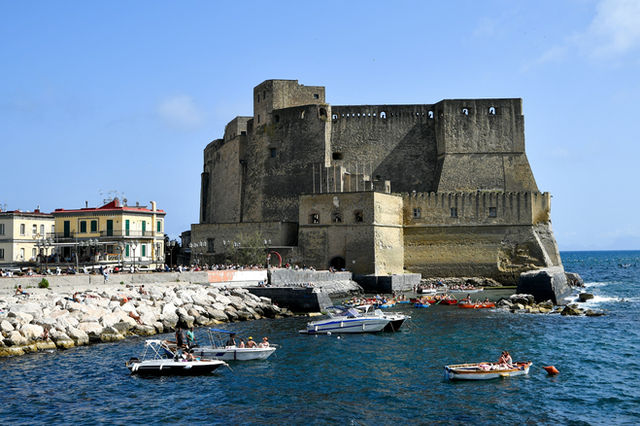
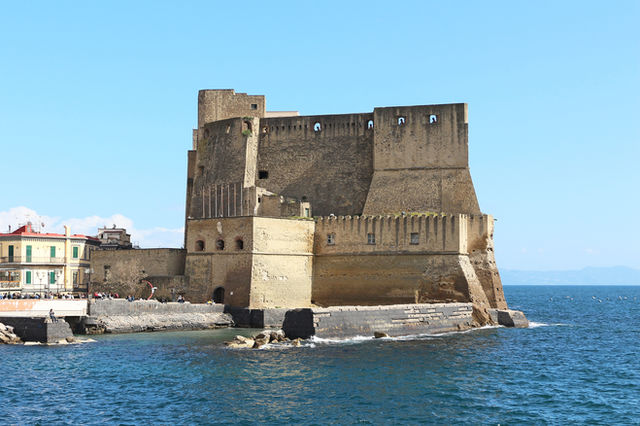
  • The seafront castles — Castel dell'Ovo on the bay and Castel Nuovo by the port

Signature experiences

Pizza at the source — Naples invented the pizza, and it takes the fact seriously — a proper Neapolitan pie is soft, blistered and folded, not crisp. Join the queue at one of the historic pizzerias on Via dei Tribunali, order a Margherita or a Marinara, and eat it the local way, sometimes folded into a wallet a portafoglio and eaten on the street. **The ancient city, above and below** — Naples is stacked on its own history. See the treasures of Pompeii and Herculaneum at the Archaeological Museum, then go underground on a Napoli Sotterranea tour into the Greek-Roman aqueducts and wartime shelters beneath the streets. Add the Sansevero Chapel, where the Veiled Christ is carved from a single block of marble that looks like wet cloth. **The bay and the volcano** — The setting is half the point. Walk the Lungomare at Chiaia with Vesuvius across the water, ride the funicular up to Vomero for the full panorama from Castel Sant'Elmo, and sit on the rocks at Castel dell'Ovo as the light goes. Pompeii, Herculaneum and the volcano itself are all a short train ride away. **Street food and the friggitoria** — Beyond pizza, Naples fries. Grab a paper cone of crocchè, frittatine and fried pizza from a friggitoria, a coffee taken standing at the bar, and a sfogliatella still warm from the oven. It is a city best eaten walking.

Neighbourhoods

Naples neighbourhood by neighbourhood — the character of each and who it suits.

  • Centro Storico

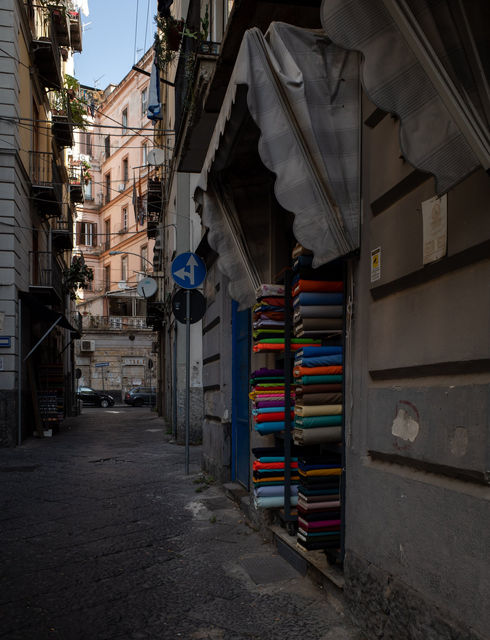
    The ancient heart — the Greek-Roman grid, tight and vertical, hung with washing and shrines, where the churches and the best pizza sit side by side.

    Why go
    The densest, most atmospheric run of Naples, and where the city is most itself.
    Best for
    Foodchurchesstreet lifefirst-time wandering
    Known for
    The long straight cut of Spaccanapoli, the nativity-figure workshops of Via San Gregorio Armeno, the Duomo, the Sansevero Chapel, and the pizzerias of Via dei Tribunali.
  • Quartieri Spagnoli

    The Spanish Quarters climbing the hillside off the main shopping street — a grid of narrow lanes, once rough, now buzzing, and devoted to a certain footballer.

    Why go
    Classic Naples atmosphere and the giant Maradona mural.
    Best for
    Street foodatmospheremuralscheap eats
    Known for
    The steep laundry-strung lanes, the huge Maradona mural and shrine, the street-food friggitorie, and the market energy just off Via Toledo.
  • Chiaia

    The elegant seafront district west of the centre — smart shops, aperitivo bars and a long promenade along the bay, a world away from the old-town crush.

    Why go
    The seafront walk, the aperitivo scene, and a calmer, dressier Naples.
    Best for
    Shoppingaperitivoseafront strolls
    Known for
    The Lungomare promenade along the Riviera di Chiaia, the Villa Comunale gardens, the boutiques, and the bars that fill on warm evenings.
  • Santa Lucia and the Waterfront

    The bayfront strip below the Royal Palace, anchored by a castle on a little island and the grand civic buildings behind it.

    Why go
    The postcard bay view and the run of landmarks along the water.
    Best for
    Viewscastlesa seafront evening
    Known for
    Castel dell'Ovo jutting into the bay, the Borgo Marinari harbour of restaurants beneath it, the Royal Palace and Piazza del Plebiscito, and the Galleria Umberto I and Teatro San Carlo nearby.
  • Vomero

    The airy hilltop district above the city, reached by funicular — leafy, residential, and holding the best long view over the bay.

    Why go
    The panorama from the castle and monastery, and a breather from the heat below.
    Best for
    Viewsa quieter afternoona museum
    Known for
    Castel Sant'Elmo and the Certosa di San Martino monastery, the sweeping bay-and-Vesuvius view, and the three funiculars that climb up from the centre.
  • Sanità

    A dense, once-notorious neighbourhood north of the centre that has turned itself around through its catacombs and community projects — gritty, real, and increasingly visited.

    Why go
    The catacombs, the street art, and a Naples that feels undiscovered.
    Best for
    Catacombsstreet foodoff-the-trail wandering
    Known for
    The Catacombs of San Gennaro and San Gaudioso, the Palazzo dello Spagnolo staircase, the sfogliatella bakeries, and a community that runs its own tours.

Views & hidden gems

Best views

  • Castel Sant'Elmo on the Vomero hill — the whole bay, the city and Vesuvius in one sweep
  • The Lungomare at Chiaia — Castel dell'Ovo and the volcano across the water
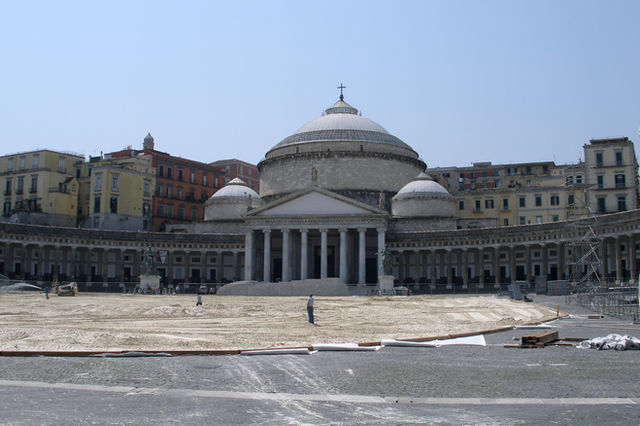
  • Piazza del Plebiscito — the grand colonnaded square by the Royal Palace
  • The Certosa di San Martino terraces — a monastery balcony over the rooftops

Hidden gems

  • The Catacombs of San Gennaro in the Sanità — early-Christian burial galleries under the hill
  • The Galleria Borbonica — a Bourbon-era royal escape tunnel and wartime shelter
  • The Palazzo dello Spagnolo and Palazzo Sanfelice — dramatic double-ramp baroque staircases
  • The Cappella Sansevero beyond the Veiled Christ — the eerie "anatomical machines" downstairs
  • Toledo metro station — the mosaic-and-light "art station" that is a sight in itself

Food & drink

Naples is one of Italy's great eating cities, and it does it cheaply. Pizza is the headline, born here and still best here, but the city also runs on fried street food, seafood off the bay, and a serious sweet tooth. The pastries are famous — the crisp, shell-shaped sfogliatella and the rum-soaked babà — and the coffee is strong, quick and taken standing. Eat where the queues of locals are, drink the coffee at the bar, and finish with a limoncello from the Sorrento lemons down the coast.

  • Pizza Margherita — soft, blistered, tomato-mozzarella-basil, the Naples original
  • Sfogliatella — a crisp shell of layered pastry filled with sweet ricotta
  • Babà — a rum-soaked sponge, a Neapolitan obsession
  • Ragù napoletano — a slow-cooked meat-and-tomato sauce over pasta
  • Frittatine and crocchè — fried street-food classics from the friggitoria
  • Espresso — short, strong, and taken standing at the bar
Dietary notes

Vegetarians eat well — the Margherita, pasta, fried vegetables and pastries are everywhere — though a true vegan scene is thinner than in the north, best found in the centro storico's newer spots. Halal food turns up around the market and immigrant districts near the station; kosher options are limited and worth arranging ahead. Gluten-free pizza and pasta are increasingly offered, but confirm at traditional pizzerias.

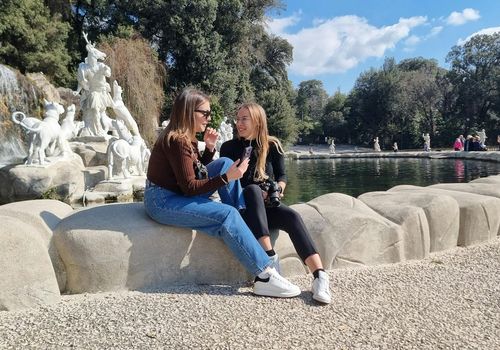
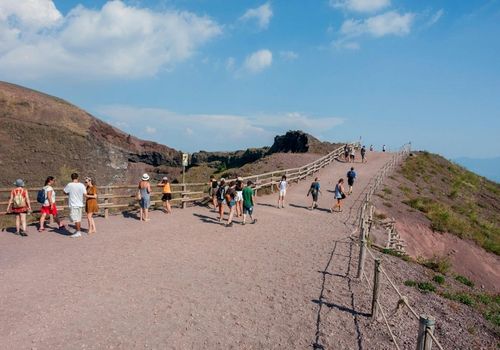
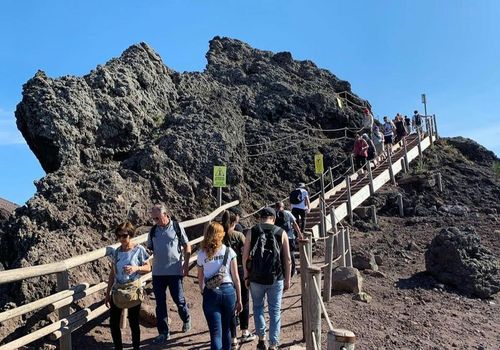
Naples in photos

▸ Where you'll stay

Where you'll stay in Naples

Base yourself by what you want your days to feel like. The centro storico drops you into the loud, atmospheric heart, steps from the pizza and the churches, but it is noisy and can feel intense. Chiaia and the seafront trade a little grit for elegance, a promenade and the aperitivo scene, at a higher price. Vomero on the hill is calm, green and cooler, with the best views, but a funicular ride from the action. Near the station is cheap and handy for Pompeii trains, but the least charming.

  • Budget
    Around the centro storico / Via dei Tribunali hostels and simple rooms in the thick of it, cheap and central, loud at night.
  • Mid-range
    Chiaia boutique stays near the seafront and the shops, calmer, walkable to the centre.
  • Luxury
    Santa Lucia / the waterfront bayfront hotels with Castel dell'Ovo and Vesuvius views, steps from the Royal Palace.
Stay

Hotels & rentals around Naples

Pan, zoom and compare live prices — every stay in one map.

▸ Getting around

Getting around Naples

Metro Line 1 loops the centre and the hills (its Toledo and other "art stations" are worth a look), Line 2 runs east–west, and three funiculars climb to the Vomero hill. The old town is best walked, if steep and chaotic; a car is a genuine liability in the tangled lanes and traffic. Buy a ticket that covers metro, funiculars and buses.

The centro storico, the port and Chiaia are walkable or one metro stop apart (~approx). For Vomero take a funicular from the centre or Chiaia; for Pompeii and the coast, the Circumvesuviana from Napoli Centrale.

▸ Plan your days

Suggested itineraries

Ready-made day plans for Naples — from a single day to a long weekend.

One day

Start in the centro storico, walking Spaccanapoli past the churches and the nativity workshops of San Gregorio Armeno, and stop for the Veiled Christ in the Sansevero Chapel. Have a proper pizza on Via dei Tribunali, spend the afternoon at the Archaeological Museum or underground with Napoli Sotterranea, and end on the seafront at Castel dell'Ovo as the light drops.


Two days

Give day two to the bay and the heights. Ride the funicular up to Vomero for Castel Sant'Elmo and the panorama, come down through Chiaia for a seafront walk and aperitivo, then take an evening in the Sanità for the catacombs, street food and murals.

Three days

Use day three for the archaeology beyond the city. Take the Circumvesuviana to Pompeii or the smaller, better-preserved Herculaneum for the morning, and if there's time and energy, carry on to Sorrento or a boat to Capri to close on the coast.

▸ What you'll do

Insider tips

  • The Circumvesuviana train to Pompeii, Herculaneum and Sorrento is cheap but basic, crowded and pickpocket-prone — keep your bag on your lap and buy the right stop.
  • Book the Veiled Christ (Sansevero Chapel) and the Archaeological Museum online ahead in peak season; both can sell out or queue.
  • Naples rewards a good walking shoe — the old town is steep, cobbled and slick when wet, and much of it is quicker on foot than by transport.
  • A single transport ticket covers the metro, funiculars and buses for a set time — validate it, and consider a day pass if you're hopping the hills.
What's on

While you're there

02
SEP
Venice Film Festival 2026
Via Pietro Buratti 5, 30126 Venezia Venice, Italy · cultural
Build a trip around it →
30
JAN
Venice Carnival 2027
Piazza San Marco 40, 30124 Venezia Venice, Italy · festival
Build a trip around it →
Explore

Explore the area

© OpenFreeMap · OSM · terrain Mapterhorn
Do

Local attractions & tours

Skip-the-line tickets and small-group tours in Naples — compare across our partners.

Plan

Trips in Naples

Day-by-day itineraries that take in Naples — routes, timings and what to book.

▸ Budget

What it costs in Naples

Backpacker
roughly €50–75 a day.
Mid-range
roughly €120–190 a day.
Luxury
€350 a day and up.
Cash vs card
Cards are widely taken, but keep cash for street food, small pizzerias, market stalls and the coffee bar, where card minimums or cash-only are common.
Tipping
Not expected as a rule; a service charge (coperto) is often on the bill, and rounding up or leaving small change for good service is plenty.
▸ When you'll go

When to visit Naples

April to June and September to October — warm, before and after the summer heat

Spring

What to expect — Mild and increasingly bright, warming through May, with the bay at its freshest and the crowds still moderate. Occasional rain early on.

What's best — Comfortable walking weather, warm-enough seafront evenings, and Pompeii and the islands before the summer heat and queues.

Summer

What to expect — Hot, humid and busy, the old town airless in the afternoons, and the islands and coast packed. Many Neapolitans head to the beaches.

What's best — Long beach days, boat trips to Capri and Ischia, warm swimming, and the city's evening life spilling outdoors. If the heat is too much, come in June or September.

Autumn

What to expect — Warm easing to mild, the summer crowds gone, and the light golden over the bay. Reliable weather into October, wetter as it turns.

What's best — Comfortable sightseeing, quieter archaeology, the food at its best with the harvest, and warm-enough days for the coast.

Winter

What to expect — Cool, sometimes wet, and low-season quiet, but rarely truly cold. December is festive with the famous nativity-figure workshops in full production.

What's best — The nativity (presepe) craft season on Via San Gregorio Armeno, thin crowds, low prices, and a snow-capped Vesuvius across a clear bay.

▸ Know before you go

Know before you go

Honest swaps

Skip the tourist-menu restaurants near the port → eat pizza where the locals queue on Via dei Tribunali or Via dei Tribunali's back lanes.

Skip an expensive taxi to Pompeii → take the cheap Circumvesuviana train from Napoli Centrale straight to the ruins.

Skip the crowded midday Capri day trip → go early or late in the season, or swap busy Capri for quieter Procida or Ischia.

Skip the overpriced seafront cafés at Santa Lucia → have your coffee standing at a back-street bar for a fraction of the price.

Crowds & timing

The Archaeological Museum and the Sansevero Chapel get busy midday; go at opening and book the Veiled Christ's timed ticket ahead.

Pompeii is punishing in summer midday heat and crowds — start early, bring water and a hat, and give it half a day at least.

Local rules & etiquette

Cross the road with purpose — Naples traffic negotiates with pedestrians who commit, and hesitating is more dangerous than walking steadily.

Keep your phone and bag close in crowds and on the Circumvesuviana; petty theft is real, though violence against tourists is not the risk it is made out to be.

Dress to cover shoulders and knees to enter churches, and keep your voice down inside them.

Money

Cards are fine in most places, but carry cash for the coffee bar, street food and small pizzerias.

Decline dynamic currency conversion and let cards charge in euros; use bank ATMs over independent tourist machines.

After dark

The centro storico and the piazzas around the university and Bellini fill with a young, loud drinking crowd on the streets.

Chiaia and the seafront run smarter, with cocktail bars and aperitivo along the Riviera di Chiaia.

The Vomero hill has its own local nightlife around Piazza Vanvitelli, calmer and residential.

▸ Ready to book your trip?

Getting there

Naples' airport is Naples International (NAP, Capodichino), close to the centre. The Alibus shuttle runs to Napoli Centrale station and the port (~approx 20–30 min). Napoli Centrale on Piazza Garibaldi is the main rail hub, with fast trains to Rome and the south and the Circumvesuviana line to Pompeii, Herculaneum and Sorrento.

Book

Ready to book your trip?

Flights, airport transfers and car hire — search and compare without leaving the page.

▸ Trip extras
Book

More trip extras

Parking, holiday extras, and more — coming soon.

Coming soon

We're lining up parking, holiday extras and activities you'll be able to add to any trip from here.