← Malta
MALTA · CITY

Valletta

A tiny fortified baroque capital built by the Knights of Malta — golden bastions above a dazzling Mediterranean harbour.

  • City
  • April to June and September to November — warm and clear, before and after the summer heat
  • ~approx 1–2 days
  • Fortress City of the Knights
  • Caravaggio & Baroque
  • Grand Harbour Views
  • Honey Stone

Golden bastions dropping to a blue harbour full of boats, a cannon firing at noon from a garden over the water, and the cool dark of a church where a Caravaggio hangs where he painted it.

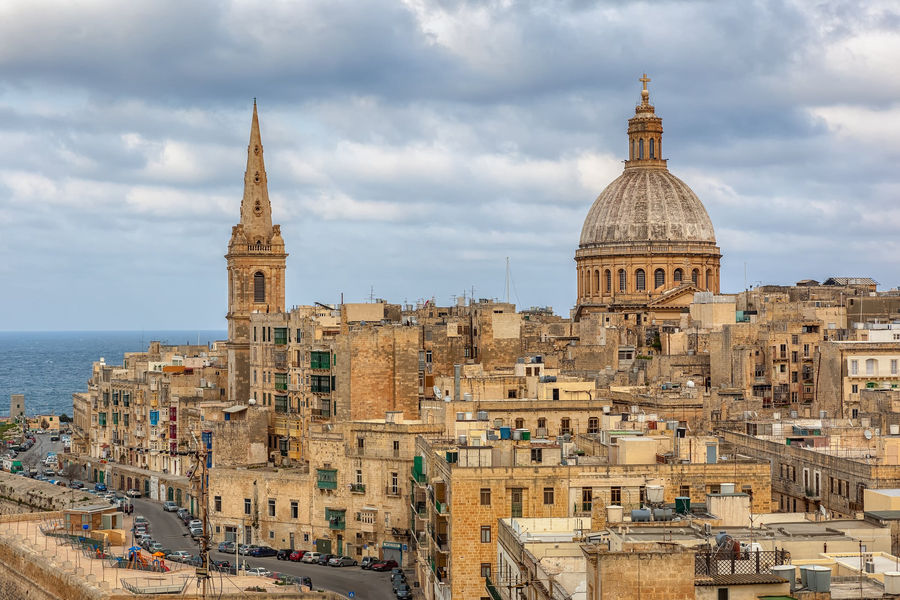
Valletta is a tiny walled capital built by crusader knights on a rocky spur between two great harbours — a grid of honey-limestone streets, baroque churches and bastions barely half a mile long. Small enough to cross in fifteen minutes, it packs in a Caravaggio, a golden cathedral and some of the finest harbour views in the Mediterranean.

Type
city
Ideal length
~approx 1–2 days
Getting around
an entirely walkable, if steep, small city
Neighbourhoods
3 areas
Best season / months
April to June and September to November — warm and clear, before and after the summer heat
Language
Maltese and English (both official)
Currency
euro (€)
Budget level
moderate
Good for
  • History
  • Culture
  • Couples
  • Mediterranean short breaks
▸ Discover

About Valletta

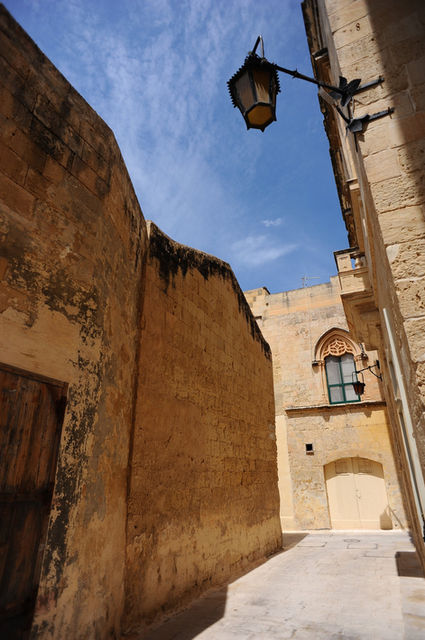
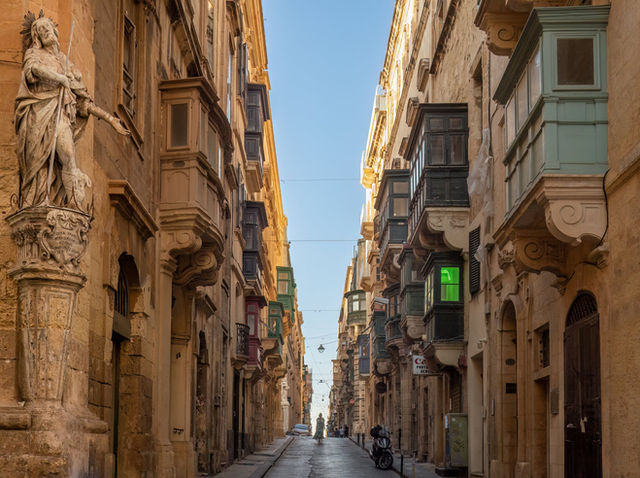
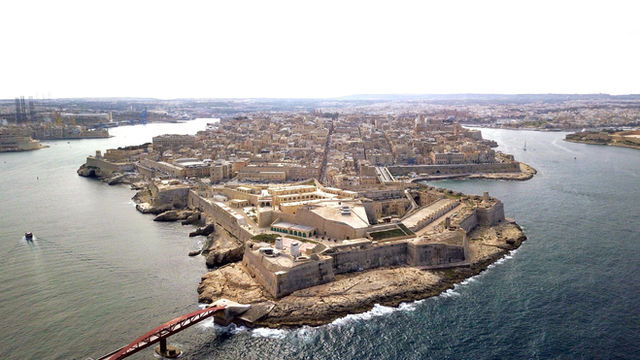
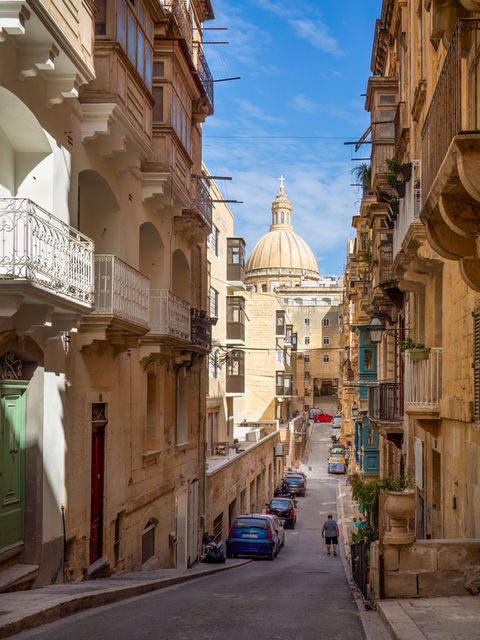
Valletta occupies a narrow peninsula on Malta's northeast coast, hemmed by the Grand Harbour on one side and Marsamxett Harbour on the other, both ringed with fortifications. Built from scratch by the Knights of St John after the great siege of 1565, it is a planned grid of steep, straight streets in golden limestone, dense with baroque churches, palaces and gardens, and wrapped in massive bastion walls. It is astonishingly compact — the whole city walkable in minutes — with the Three Cities and the resort towns just across the harbours.

Why go

Valletta is one of the most concentrated historic cities anywhere — a UNESCO-listed fortress capital where every street holds a church, a palace or a harbour view, all in warm golden stone. It has a genuine Caravaggio masterpiece hanging in situ, a spectacular double-harbour setting, the whole dramatic story of the Knights of St John, and a warm Mediterranean climate that draws visitors most of the year. Tiny, sunny and easy, it is a rewarding short break and the natural base for Malta.

Don't miss

  • St John's Co-Cathedral — the golden interior and Caravaggio's masterpiece
  • The Upper Barrakka Gardens — the Grand Harbour view and the saluting battery
  • The Grandmaster's Palace — the Knights' seat of power
  • Fort St Elmo — the fortress of the great siege
  • The Grand Harbour and the Three Cities across it

Signature experiences

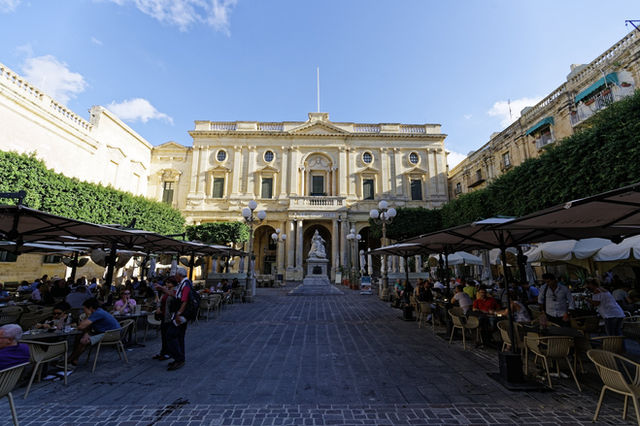
Caravaggio in the cathedral — St John's Co-Cathedral looks plain outside and overwhelms inside — a baroque explosion of gilded carving, painted vaults and an inlaid marble floor of knights' tombs. In its oratory hangs Caravaggio's vast Beheading of St John the Baptist, his largest work and the only one he signed, painted here on the island and hanging where he left it. Standing before it, in the very place it was made, is the city's quiet high point. **The Grand Harbour** — Valletta's setting is half its glory. From the Upper Barrakka Gardens, terraced high on the bastions, the whole Grand Harbour spreads below — the fortified Three Cities, the boats, the ramparts — and a cannon of the saluting battery fires at noon over the water. Take a traditional dgħajsa boat across, or a harbour cruise, to see the golden walls rise from the sea as attackers once did. **The city of the Knights** — Valletta is the Knights of St John made stone — built after they held off the Ottomans in the great siege of 1565, and named for their Grandmaster. Their story is everywhere: the Grandmaster's Palace and its armoury, Fort St Elmo where the siege was fiercest, the auberges of the different national orders, and the tombs beneath the cathedral floor. It is one of Europe's most coherent historical cities. **Small, golden and walkable** — More than any single sight, Valletta's pleasure is its compactness — a whole capital of baroque streets and harbour views you can cross on foot in a quarter of an hour, the honey limestone glowing in the sun. Wander the grid, drop into the churches, and end at a bastion garden as the light turns the stone amber.

Neighbourhoods

Valletta neighbourhood by neighbourhood — the character of each and who it suits.

  • Valletta (the Walled City)

    The tiny fortress capital itself — a steep grid of honey-stone streets packed with baroque churches, palaces and gardens, wrapped in bastion walls, all walkable in minutes.

    Why go
    The single densest run of history in the Mediterranean, all on foot.
    Best for
    First-time sightseeingchurchesharbour gardens
    Known for
    St John's Co-Cathedral with its Caravaggio, the Grandmaster's Palace, the Upper Barrakka Gardens, Fort St Elmo, and the pedestrian Republic Street.
  • The Grand Harbour and the Three Cities

    The great fortified harbour on the city's south side and the older knightly towns across it — Vittoriosa, Senglea and Cospicua — quieter, salty and full of history.

    Why go
    The harbour views, the boat crossing, and the older Three Cities.
    Best for
    Harbour tripsquiet historywaterfront walks
    Known for
    The Grand Harbour and its bastions, the traditional dgħajsa harbour boats, the fortified Three Cities, and the maritime and Inquisitor's museums.
  • Sliema and the Marsamxett Side

    The modern resort strip across the northern harbour — hotels, shopping, the seafront promenade, and the ferry back to the capital, where much of the nightlife and beach life is.

    Why go
    Hotels, the promenade, the Valletta skyline view, nightlife.
    Best for
    Hotelsseafront strollsnightlife
    Known for
    The Sliema promenade and shopping, the ferry across to Valletta, the rock-cut lido swimming, and the bars and clubs of neighbouring St Julian's.

Views & hidden gems

Best views

  • The Upper Barrakka Gardens — the Grand Harbour and the Three Cities below
  • The Lower Barrakka Gardens and the bastion walks — quieter harbour views
  • Fort St Elmo's tip — the two harbours and the open sea
  • The Sliema ferry crossing — the golden city rising from the water

Hidden gems

  • The saluting battery below the Upper Barrakka — the noon cannon fired over the harbour
  • The Three Cities by traditional dgħajsa boat — the quiet, older knightly towns
  • The Casa Rocca Piccola — a lived-in noble palace open to visitors
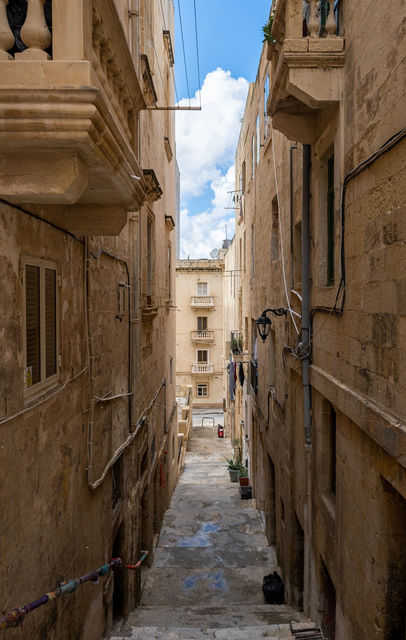
  • The steep side stairs of Valletta — the "streets" that are really flights of steps
  • A pastizzi shop for a hot ricotta pastry between the sights

Food & drink

Maltese food is Mediterranean with its own island twist, shaped by Sicily, North Africa and the sea. The everyday staple is the pastizzi, a flaky pastry filled with ricotta or mushy peas, sold cheap from hole-in-the-wall shops. The national dish is rabbit (fenek), stewed slowly in wine and garlic for a fenkata feast; ftira sandwiches, bragioli beef olives and fresh fish fill the tables. The oddly beloved local soft drink is Kinnie, bittersweet and orange-and-herb; the local lager is Cisk.

  • Pastizzi — flaky pastries filled with ricotta or mushy peas
  • Fenek — rabbit slow-stewed in wine and garlic, the national dish
  • Ftira — a Maltese bread sandwich with tuna, olives, capers and tomato
  • Bragioli — beef olives stuffed and braised in sauce
  • Ġbejniet — small Gozitan sheep's cheese, fresh or peppered
  • Kinnie and Cisk — the bittersweet local soft drink and the island lager
Dietary notes

Vegetarians manage with the ricotta and pea pastizzi, ftira, vegetable dishes and the growing modern spots, though the classics are rabbit- and meat-heavy. Vegan options are increasing in Valletta and Sliema. Halal food is found in a few spots given the island's location; kosher is very limited. Gluten-free is understood in newer restaurants, harder around the pastry-and-bread staples — confirm.

Valletta in photos

▸ Where you'll stay

Where you'll stay in Valletta

Valletta itself is the atmospheric choice — sleeping inside the golden walls, quiet and characterful once the day-trippers leave, in restored townhouses and boutique hotels. Sliema and St Julian's across the harbour hold the bigger resort hotels, the shopping and the nightlife, a short ferry or bus from the capital. The Three Cities offer a quieter, historic waterfront stay. Valletta is small, so a room there puts everything at your feet.

  • Budget
    Sliema / St Julian's budget hotels and hostels near the seafront and nightlife, a ferry from Valletta.
  • Mid-range
    Valletta boutique townhouse hotels inside the walls, walkable to every sight.
  • Luxury
    Valletta / the harbour grand restored-palazzo hotels with harbour views in the capital.
Stay

Hotels & rentals around Valletta

Pan, zoom and compare live prices — every stay in one map.

▸ Getting around

Getting around Valletta

Valletta itself is tiny and entirely walkable, if steep — a car is pointless and largely restricted inside. The island's buses all hub at Valletta's gate; ferries cross to Sliema and the Three Cities; and traditional boats offer a scenic harbour hop. Rent a car only for exploring the wider island.

Valletta's sights are all a few minutes' walk apart (~approx). The Three Cities are a short boat or bus ride across the Grand Harbour; Sliema and St Julian's are a ferry or bus across Marsamxett Harbour.

▸ Plan your days

Suggested itineraries

Ready-made day plans for Valletta — from a single day to a long weekend.

One day

Start on Republic Street and see St John's Co-Cathedral and its Caravaggio, then the Grandmaster's Palace. Take in the Upper Barrakka Gardens and the noon cannon over the Grand Harbour, walk out to Fort St Elmo, and cross the harbour by boat to the Three Cities for a quieter afternoon and a waterfront dinner.

Two days

Give day two to the harbours and the island. Explore the Three Cities' fortifications and museums in the morning, take a Grand Harbour cruise, and spend the afternoon in Sliema or out to the rest of Malta — the old capital Mdina, the megalithic temples or the blue coast — returning for an evening in Valletta.

▸ What you'll do

Insider tips

  • Valletta is tiny and walkable — don't bother with transport within it, but note the steep stepped streets.
  • Book St John's Co-Cathedral ahead in season and mind the dress code and no-heels rule to protect the floor.
  • Time the noon saluting-battery cannon at the Upper Barrakka Gardens for a bit of theatre with the view.
  • Cross to the Three Cities by traditional boat for the quieter, older side of the harbour and the best golden-city view.
Explore

Explore the area

© OpenFreeMap · OSM · terrain Mapterhorn
Do

Local attractions & tours

Skip-the-line tickets and small-group tours in Valletta — compare across our partners.

We're still curating hand-picked tickets and tours for Valletta. In the meantime, the map above and the nearby cities are a great place to start.

▸ Budget

What it costs in Valletta

Backpacker
roughly €50–75 a day.
Mid-range
roughly €110–170 a day.
Luxury
€300 a day and up.
Cash vs card
Malta uses the euro, and cards and contactless are widely taken; keep a little cash for pastizzi shops, the harbour boats and small cafés.
Tipping
Around 10% is usual in sit-down restaurants if service isn't added; round up for cafés and the boat crossings.
▸ When you'll go

When to visit Valletta

April to June and September to November — warm and clear, before and after the summer heat

Spring

What to expect — Warm and increasingly sunny, the island green and flowering, the sea warming and the crowds still light. The best all-round weather.

What's best — Comfortable sightseeing, green countryside, warm-enough days, and the city before the summer heat and crowds. Holy Week brings solemn processions.

Summer

What to expect — Hot, dry and intense, the honey stone baking and the resorts and beaches packed. Little rain and long, bright days.

What's best — Warm swimming, the harbour and sea at their best, festas with fireworks in the villages, and long balmy evenings — though midday is for shade. Spring and autumn are gentler.

Autumn

What to expect — Hot easing to warm, the sea still swimmable into November, and the summer crowds thinning. Comfortable, with the odd autumn storm.

What's best — Warm days and swimmable sea with fewer people, comfortable city walking, and the harbour light golden.

Winter

What to expect — Mild and often sunny by northern standards, cooler and sometimes wet, with short but frequently bright days. Low season and quiet.

What's best — Gentle winter sun, near-empty sights, low prices, and the golden city at its most peaceful — a warm-weather escape when the north is grey.

▸ Know before you go

Know before you go

Honest swaps

Skip the tourist-menu restaurants on Republic Street → eat rabbit and ftira in a back-street or a Three Cities waterfront spot.

Skip a taxi around the tiny city → Valletta is walkable end to end in fifteen minutes; save wheels for the rest of Malta.

Skip only seeing Valletta → cross the harbour to the quieter, older Three Cities by traditional dgħajsa boat.

Skip the pricey harbour-view café at the Barrakka → the view from the free gardens is the same.

Crowds & timing

St John's Co-Cathedral and the Barrakka are busiest midday, especially when cruise ships are in — go early or late, and book the cathedral ahead.

Summer and cruise days pack the small streets; spring and autumn, and early mornings, are far calmer.

Local rules & etiquette

St John's Co-Cathedral enforces dress codes and no stiletto heels (to protect the marble tomb floor) — cover shoulders and knees.

The city's steep side "streets" are really flights of steps — wear sensible shoes.

Malta is warm and welcoming; English is official, so language is rarely a barrier.

Money

Malta is on the euro; cards work widely, but carry a little cash for pastizzi shops and the harbour boats.

Use bank ATMs and decline dynamic currency conversion.

After dark

Valletta has grown a smart evening scene — wine bars, restaurants and the odd late spot in the old streets, gentle and atmospheric.

St Julian's and Paceville across the harbour hold the loud, late clubbing scene.

A harbour-view dinner or a bastion-garden stroll suits the capital better than a big night out.

▸ Ready to book your trip?

Getting there

Malta International Airport (MLA) lies just south of Valletta, linked by bus and taxi to the capital (~approx 20–30 min). Malta has no railways; a good bus network radiates from just outside Valletta's gate, and ferries cross the harbours to Sliema and the Three Cities.

Book

Ready to book your trip?

Flights, airport transfers and car hire — search and compare without leaving the page.

▸ Trip extras
Book

More trip extras

Parking, holiday extras, and more — coming soon.

Coming soon

We're lining up parking, holiday extras and activities you'll be able to add to any trip from here.