← Mexico
MEXICO · CITY

Mexico City

One of the world's great megacities: Aztec ruins beneath Spanish baroque, extraordinary food, and a cultural energy that never stops.

  • City
  • 5–7 days
▸ Where you'll stay

Where you'll stay in Mexico City

<h4>Centro Histórico</h4><p>Staying in the historic centre puts you within walking distance of the Zócalo, the Templo Mayor ruins, and the Metropolitan Cathedral — the UNESCO heart of the city. The area has improved enormously over the past decade and family-friendly hotels have multiplied. It is busiest during the day and quieter at night, which suits families well. I'd look for mid-range hotels on or just off the main pedestrian streets, where traffic noise is minimal.</p><h4>Roma and Condesa</h4><p>These adjacent neighbourhoods are my personal favourites for families combining culture with livability. Tree-lined streets, abundant parks (Parque México in Condesa is excellent for younger teens), independent cafés, and a dense selection of family-friendly restaurants at every price point. Mid-range hotels and apartment rentals are both easy to find, and the metro connects quickly to the centro histórico. This is also one of the safest areas in the city.</p><h4>Polanco</h4><p>Polanco is Mexico City's most upmarket neighbourhood — leafy, low-traffic and very safe, adjacent to Chapultepec Park and the extraordinary Anthropology Museum. Family-friendly hotels here tend towards the upper mid-range, but the trade-off is being able to walk to two of the city's greatest sights (the museum and the park). Families who prioritise safety, calm streets, and proximity to green space often find it worth the slight premium.</p><h4>Coyoacán</h4><p>Further south and more bohemian, Coyoacán is where Frida Kahlo lived and where the cobblestone streets and market squares feel like a different, quieter city. It is a longer journey to the centro histórico by metro or Uber, but families who want a neighbourhood feel — with plazas, craft markets, and excellent street food — love staying here. Good for families on a second visit or those who are comfortable navigating the metro.</p><h4>How to choose</h4><p>For a first visit with teenagers, I'd recommend Roma or Condesa: safe, lively, excellent food, good metro access, and a neighbourhood energy that keeps even resistant teens engaged. For families prioritising the UNESCO sites and history, centro histórico puts you right in it. For those who want maximum comfort and proximity to museums, Polanco delivers — just budget accordingly.</p>

Stay

Hotels & rentals around Mexico City

Pan, zoom and compare live prices — every stay in one map.

▸ Getting around

Getting around Mexico City

Metro/subway

Mexico City's metro is one of the world's great urban rail systems — 12 lines, over 195 stations, fares around 5 pesos (roughly 20 pence) per journey. It is fast, frequent, and covers virtually all the major sights: the Zócalo (Zócalo station, Line 2), Chapultepec and the Anthropology Museum (Auditorio station, Line 7), Coyoacán (Viveros station, Line 3). I strongly recommend using it at least once — it is an experience in itself and gives a genuine sense of the city's scale. That said, it can be very crowded during rush hours (7–9am, 6–8pm), and pickpocketing does occur on the busiest lines; keep bags in front of you, phones in pockets. Front carriages are reserved for women and children — a welcome option for families.

Buses

The city's bus network is extensive but complex; route information is inconsistent and stops are not always marked clearly. For families, I'd use buses mainly for specific routes you've researched — for example, the Metrobús (Bus Rapid Transit on dedicated lanes) is excellent and user-friendly, with clear route maps and prepaid card ticketing. Lines 1, 4 and 7 cover most tourist corridors. Avoid unmarked minibuses (peseros/combis) unless you know exactly where you're going.

Taxis and ride-hailing

Uber is the easiest option for families in Mexico City and I use it almost exclusively for cross-city journeys and airport runs. It is inexpensive by UK standards, app-based, and avoids any fare negotiation. DiDi is a local competitor that is also reliable and slightly cheaper. Street taxis (sitio taxis from official ranks) are safe; avoid hailing random taxis off the street — this is the main safety advice I give every family visiting the city, as unofficial taxis are associated with robbery. Hotel-ordered taxis are always safe.

Walking

Within individual neighbourhoods, Mexico City is surprisingly walkable. The centro histórico, Roma, Condesa, and Coyoacán each reward slow exploration on foot. The altitude (2,240m) catches many visitors off guard — pace yourselves for the first day or two if anyone in your family is not accustomed to altitude. Pavements in the centro histórico and Polanco are generally good; in some areas they are uneven and require attention. The city's pedestrianised streets (calles peatonales) in the centro are genuinely pleasant to walk.

Cycling

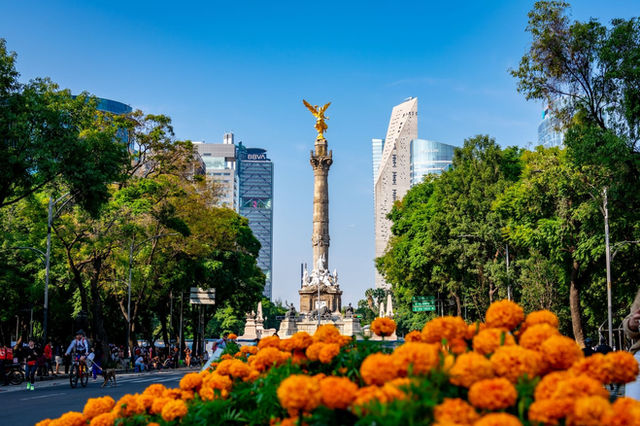
Mexico City has invested heavily in cycling infrastructure. The ECOBICI bike-share scheme operates across the central neighbourhoods (Roma, Condesa, Polanco, centro) with 480+ stations. A weekly tourist pass is very affordable and covers unlimited 45-minute rides. The separated cycle lanes (ciclovías) along Reforma and through Condesa are well-maintained and genuinely safe. Sunday mornings the main avenues close to motor traffic entirely (Paseo de la Reforma becomes a car-free cycling and walking route) — a highlight for active families.

▸ What you'll do

Insider tips

Historic Centre and Zócalo (UNESCO World Heritage Site)

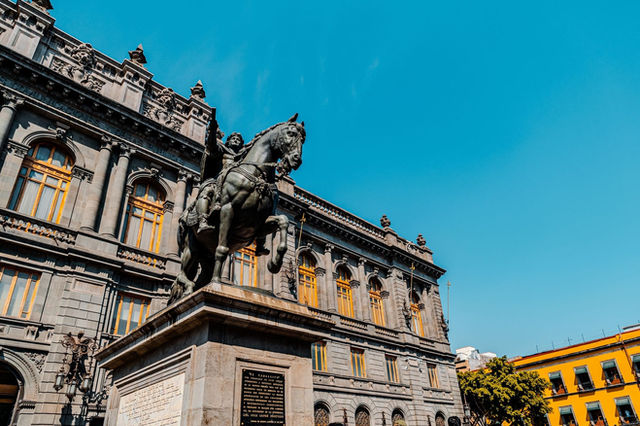
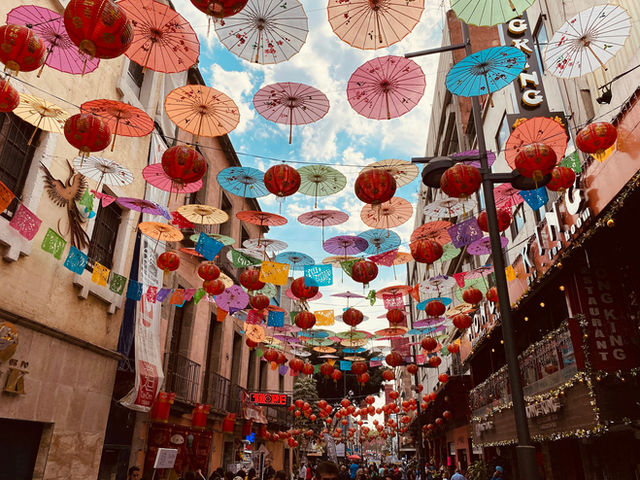
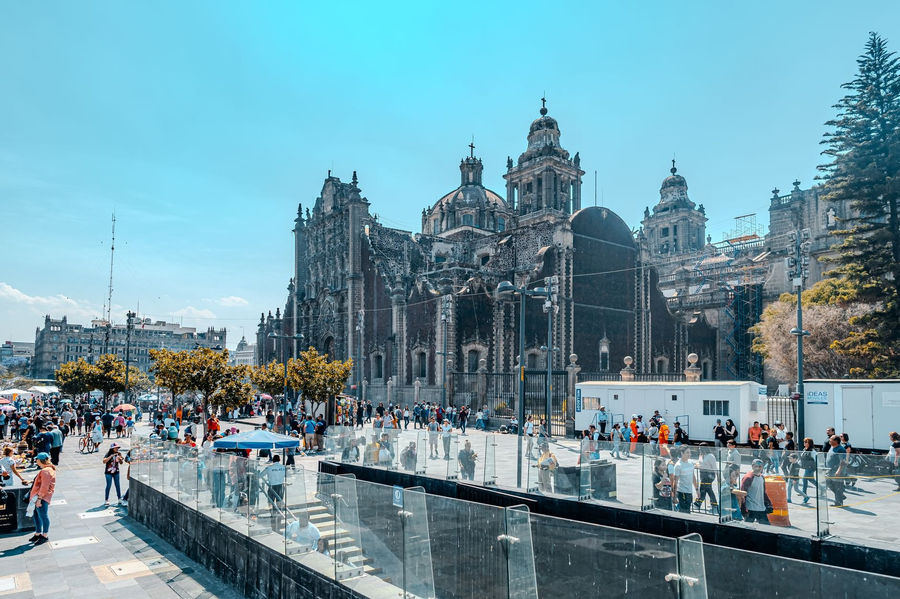
The starting point for any visit is the Zócalo — the vast central plaza that has been the heart of this city for 700 years, first as the ceremonial core of Tenochtitlan and now as the symbolic centre of Mexico. Walking around it, I found the accumulated layers of history almost overwhelming in the best way: the Metropolitan Cathedral (the largest in Latin America, built directly over Aztec temples), the National Palace with Diego Rivera's extraordinary murals depicting Mexican history floor to ceiling, and the Templo Mayor ruin right at the corner. The Templo Mayor archaeological site deserves a dedicated morning — you can walk through the excavated Aztec ceremonial complex and visit the adjoining museum, which houses some of the finest pre-Columbian artefacts in the world. Book timed-entry tickets online in advance; queues without them can be long. Teenagers with any interest in history tend to find this genuinely compelling — it is not dry classroom history, it is a civilisation literally underfoot.

Xochimilco Floating Gardens (UNESCO World Heritage Site)

Xochimilco is the other half of the UNESCO designation, and it is not to be missed. The network of ancient canals — remnants of the chinampas (raised garden islands) that fed the Aztec capital — is still in active agricultural use today, the only surviving example of this system anywhere on earth. Hiring a trajinera (a flat-bottomed, brightly painted boat) for a few hours is one of the most joyful family experiences in Mexico: you drift through the waterways while other boats pull alongside selling food, drinks, and music. Weekends are more festive; weekdays are quieter. The journey from central Mexico City takes 40–50 minutes by metro and bus or around 30 minutes by Uber. Plan a weekend morning to hit it before the afternoon crowds.

Museo Nacional de Antropología

This is simply one of the best museums in the world. The National Anthropology Museum in Chapultepec Park houses the largest collection of pre-Columbian artefacts on the planet, displayed across two levels surrounding a spectacular courtyard. The Mexica (Aztec) room with the famous Sunstone calendar, the Maya galleries, and the Monte Albán Zapotec collections are extraordinary. Allocate a full morning — it is genuinely unmissable, and teenagers who arrive sceptical invariably leave impressed. Entry is inexpensive by UK standards; check for free-entry Sundays.

Chapultepec Park and Castle

Adjacent to the Anthropology Museum, Chapultepec is the green lung of Mexico City — a vast urban park with two lakes, multiple museums, a zoo, and the Chapultepec Castle perched on a hill above it all. The castle (a former imperial palace and military academy with sweeping views over the city) is worth the climb, and the park itself is ideal for a slower afternoon between museum visits. Families with younger teens appreciate having somewhere to decompress after intensive sightseeing.

Palacio de Bellas Artes and the Historic Streets

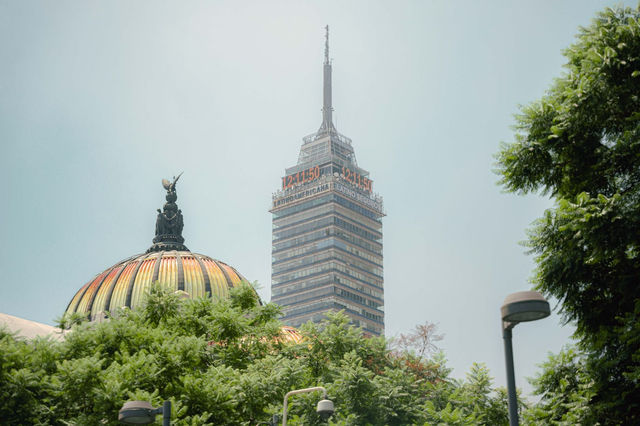
The ornate Palacio de Bellas Artes — an art nouveau and art deco landmark housing murals by Rivera, Orozco, and Siqueiros — is a short walk from the Zócalo and free to enter the ground floor. The pedestrianised streets of the centro histórico (particularly Madero and Donceles) reward slow exploration: colonial architecture at every turn, bookshops, street food stands, and the occasional hidden courtyard. The funicular to the Palacio de Minería courtyard is a teen-pleaser.

Frida Kahlo Museum (Casa Azul)

In Coyoacán, the cobalt-blue house where Frida Kahlo was born and died is one of the most visited museums in the city — and rightly so. The museum is intimate and human-scale, with original artworks, her studio, and personal belongings that make her life feel vivid and immediate. Book tickets online well in advance — same-day tickets are rarely available, and walk-up queues can mean a very long wait. Good for teenagers interested in art, feminism, identity, or Mexican culture; less engaging for very young children.

Street Food and Markets

No visit to Mexico City is complete without diving into the food markets. The Mercado de Coyoacán and the Mercado Jamaica are both excellent for street food eaten standing up or at shared tables — a taco, a tlayuda, a bowl of pozole. The Mercado de Medellín in Roma serves both fresh produce and cooked food, and has an excellent section of Caribbean and international groceries. Street food in the centro histórico is outstanding and very affordable. Teens who are adventurous eaters will love exploring; for those who need a gentler introduction, the food court-style markets are perfect.
Frequently asked

How many days do I need in Mexico City?

I recommend a minimum of five full days for a first family visit — this allows a day in the centro histórico (Zócalo, Templo Mayor, National Palace), a morning at Chapultepec and the Anthropology Museum, a day in Coyoacán (Frida Kahlo Museum and market), a morning at Xochimilco, and a free afternoon for wandering Roma or Condesa. Seven days is better if you want to avoid the feeling of rushing.

Is Mexico City safe for families?

Broadly yes, with sensible precautions. Stay in Roma, Condesa, Polanco, or the centro histórico; use Uber or DiDi rather than hailing taxis off the street; apply standard big-city awareness in crowded places. Millions of foreign families visit every year without incident. The neighbourhoods recommended for tourists are genuinely pleasant and well-monitored.

Is the UNESCO site worth visiting with teenagers?

The Historic Centre and Xochimilco are among the best UNESCO sites in the world for teenagers, in my experience. The Templo Mayor is not a distant ruin or a dry exhibit — it is an excavated Aztec ceremonial complex in the middle of a living city, with a superb adjacent museum explaining the culture in depth. Teenagers who engage with the question "how did the Spanish build a cathedral literally on top of an Aztec temple?" tend to find it stays with them. Xochimilco is more experiential — the boat ride and floating gardens appeal across all ages.

How do I get from the airport to the centre?

Uber is the easiest option: open the app at arrivals, the journey to Roma or the centro takes 20–40 minutes depending on traffic, and the fare will be a fraction of London airport taxis. The Metro (Line 5, Terminal Aérea station inside the terminal) is very cheap and faster if you travel light and avoid rush hour. Avoid unofficial taxi offers inside the terminal.

When is the best time of year to visit?

October to December is the sweet spot for UK families: the rainy season is ending, air quality is excellent, temperatures are pleasant (15–22°C during the day), and late October brings the extraordinary Día de los Muertos celebrations — one of the most moving cultural events in the world and perfectly appropriate for older children and teenagers. March is also excellent if you travel outside Mexican school holidays (Semana Santa in late March/April brings very high prices and domestic crowds).

Is Mexican food in Mexico City suitable for kids?

In my experience, yes — though the range of chilli heat varies and it is worth asking "¿es picante?" (is it spicy?) before ordering for younger children. Quesadillas (cheese-filled folded tortillas), arroz con leche, tamales, and most market soups are mild and universally liked. Tacos al pastor is a crowd-pleaser across all ages. The food markets are excellent for letting everyone choose their own, which helps with fussy eaters.

Do I need to speak Spanish?

A basic knowledge of Spanish helps and is warmly received, but it is not essential in the tourist areas. In hotels, Ubers, major museums, and the restaurants of Roma and Condesa, English is widely understood. In markets and smaller taquería stands, a few Spanish phrases (plus pointing and numbers) go a long way. Teenagers who have done GCSE Spanish will find plenty of opportunities to practise and will likely surprise themselves.

What's on

While you're there

31
OCT
Day of the Dead 2026
Portal De Flores 7, 68000 Oaxaca, Oaxaca, Mexico · cultural
Build a trip around it →
Explore

Explore the area

Do

Local attractions & tours

Skip-the-line tickets and small-group tours in Mexico City — compare across our partners.

Not seeing offers? Try or — some destinations have thinner inventory on Tiqets.

▸ When you'll go

Best time to visit Mexico City

Seasons overview

Mexico City sits at 2,240 metres altitude, which gives it a remarkably temperate climate year-round — locals call it the city of eternal spring. Temperatures hover between 12°C and 26°C in most months, rarely becoming oppressively hot. The key distinction is between the dry season (November–April) and the rainy season (May–October). During the rainy season, afternoons bring heavy downpours — typically from 3pm to 6pm — but mornings are usually clear and bright. These showers cool the city down and pass quickly. The dry season brings crisper air and lower humidity, though December and January nights can be surprisingly chilly (dipping to 6–8°C).

Spring (March–May) is technically the warmest and driest stretch, but also the most polluted, as the lack of rain allows smog to build in the valley. Autumn (September–October) combines the tail of the rainy season with vivid green landscapes. Winter (December–February) is peak tourist season: cool, clear days with excellent air quality. Summer (June–August) sees school-holiday crowds from Mexican domestic tourism.

Best months for families

I recommend October to December as the sweet spot for UK families: the rains are tapering off, the city is green and fresh, air quality is excellent, and the Día de los Muertos celebrations in late October and early November are one of the most moving cultural experiences anywhere in the world — and genuinely appropriate for curious teenagers. March and April are also excellent if you travel outside Mexican school holidays (Semana Santa in late March/April is very busy and prices spike).

▸ Ready to book your trip?

Getting there

By air

The main gateway is Benito Juárez International Airport (MEX), located around 13 km east of the city centre. Direct flights from London Heathrow operate with British Airways and Aeromexico; journey time is approximately 11–12 hours. Fares from London typically range ~£500–£900 return per adult in economy, depending on season and how early you book; expect to pay more during school holidays. From the airport, the Metro Line 5 connects to the city centre (the Terminal Aérea stop is inside the terminal) — fast, cheap, and a good introduction to the system, though with luggage it can be cramped during peak hours. Taxis and Uber are both available from the airport; Uber is generally cheaper and avoids negotiation. Agree any taxi fare before getting in, or use the official taxi counters inside arrivals.

A newer option is Felipe Ángeles International Airport (NLU), around 50 km north of the city, opened in 2022. A dedicated suburban rail line (the Tren Suburbano) connects it to Buenavista station in under an hour. Some airlines have shifted routes here, so check which airport your flight serves before booking onward transport.

By bus (from other Mexican cities)

If you are combining Mexico City with other Mexican destinations, the long-distance bus network is excellent. TAPO (Terminal de Autobuses de Pasajeros de Oriente) and Terminal Norte are the two main bus terminals, both connected to the metro. ADO and ETN operate comfortable first-class services to Oaxaca (~6 hours), Puebla (~2 hours), and beyond. Families travelling from Cancún or the Yucatán who want to avoid a return flight may find the bus a practical option for one leg.

Book

Ready to book your trip?

Flights, airport transfers and car hire — search and compare without leaving the page.

▸ Trip extras
Book

More trip extras

Parking, holiday extras, and more — coming soon.

Coming soon

We're lining up parking, holiday extras and activities you'll be able to add to any trip from here.