Mexico City and the centre
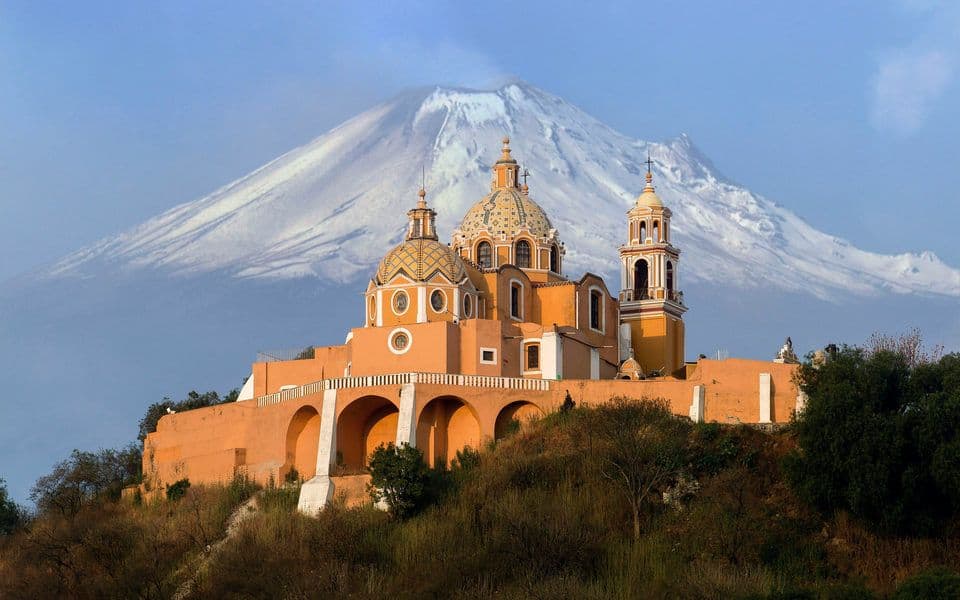
a capital of museums, markets and neighbourhoods, with the pyramids of Teotihuacán an easy day out and Puebla, home of mole poblano, to the east. See our Mexico City guide.
Americas
Pyramids, cenotes and colonial cities, and a cuisine on UNESCO's heritage list, from Mexico City and Oaxaca to the Yucatán coast.
FCDO advises against all but essential travel to parts of Mexico
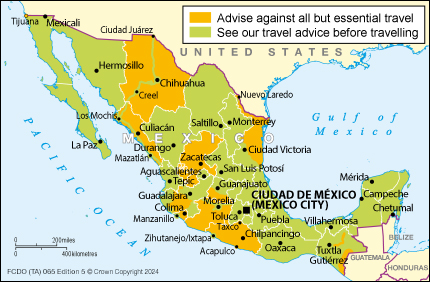
Source: UK Foreign, Commonwealth & Development Office — the definitive source. Check it close to your travel dates.
Flight cancelled or delayed because of this? Your rights under UK261 / EU261 →
Pyramids, cenotes and colonial cities, and a cuisine on UNESCO's heritage list, from Mexico City and Oaxaca to the Yucatán coast.
Mexico is far bigger than the beach resorts most of us picture. In one trip we can stand on a pyramid outside the capital, eat our way through Oaxaca's markets and swim off the Caribbean coast, and at the turn of October and November the whole country stops to remember its dead. The distances are long, so we plan by region and fly between them.
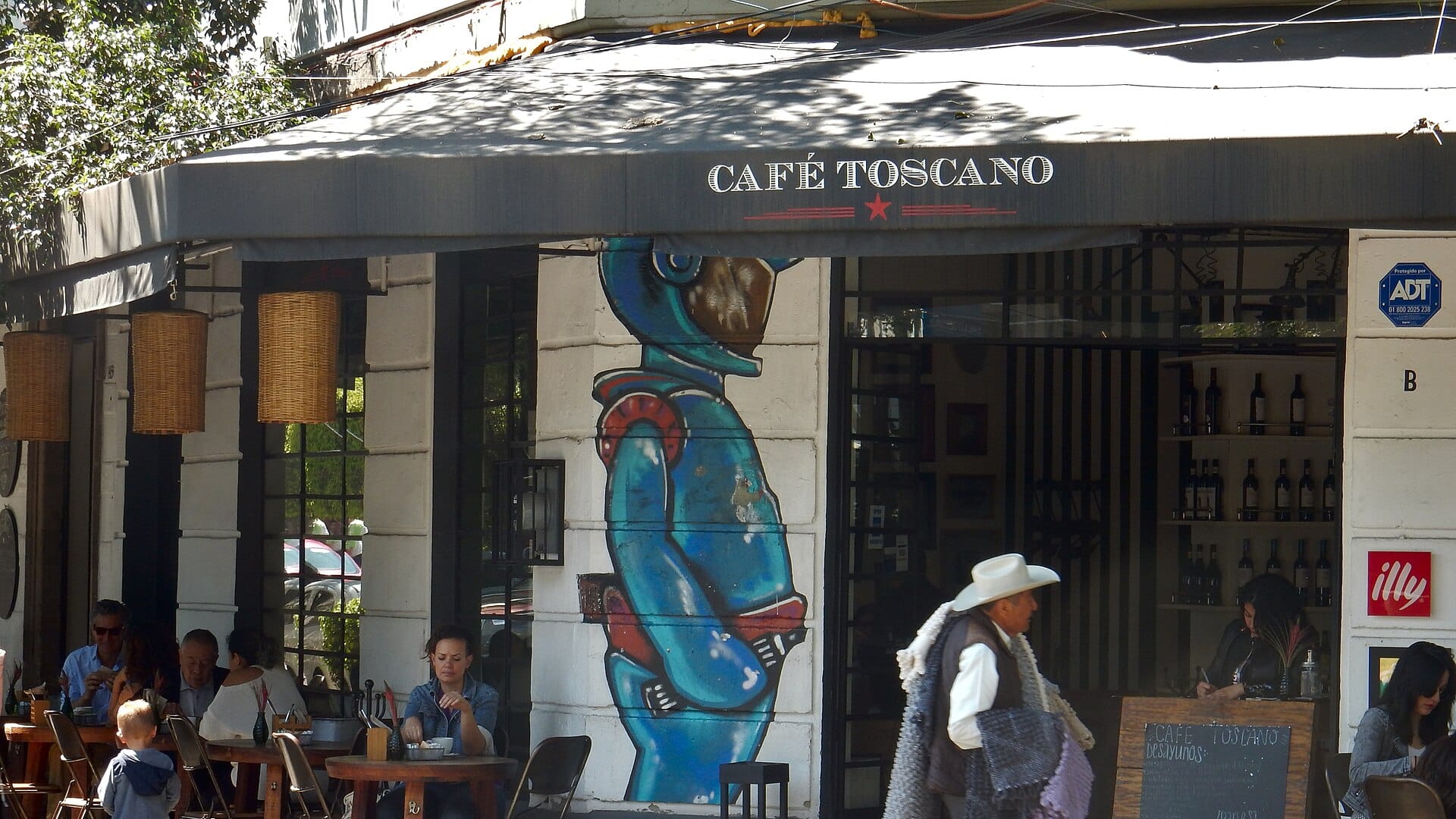
a capital of museums, markets and neighbourhoods, with the pyramids of Teotihuacán an easy day out and Puebla, home of mole poblano, to the east. See our Mexico City guide.
a low colonial city in a highland valley, with the Zapotec hilltop city of Monte Albán above it, craft and mezcal villages around it and the country's best-known Día de Muertos. See our Oaxaca guide and the caves of Yagul and Mitla.
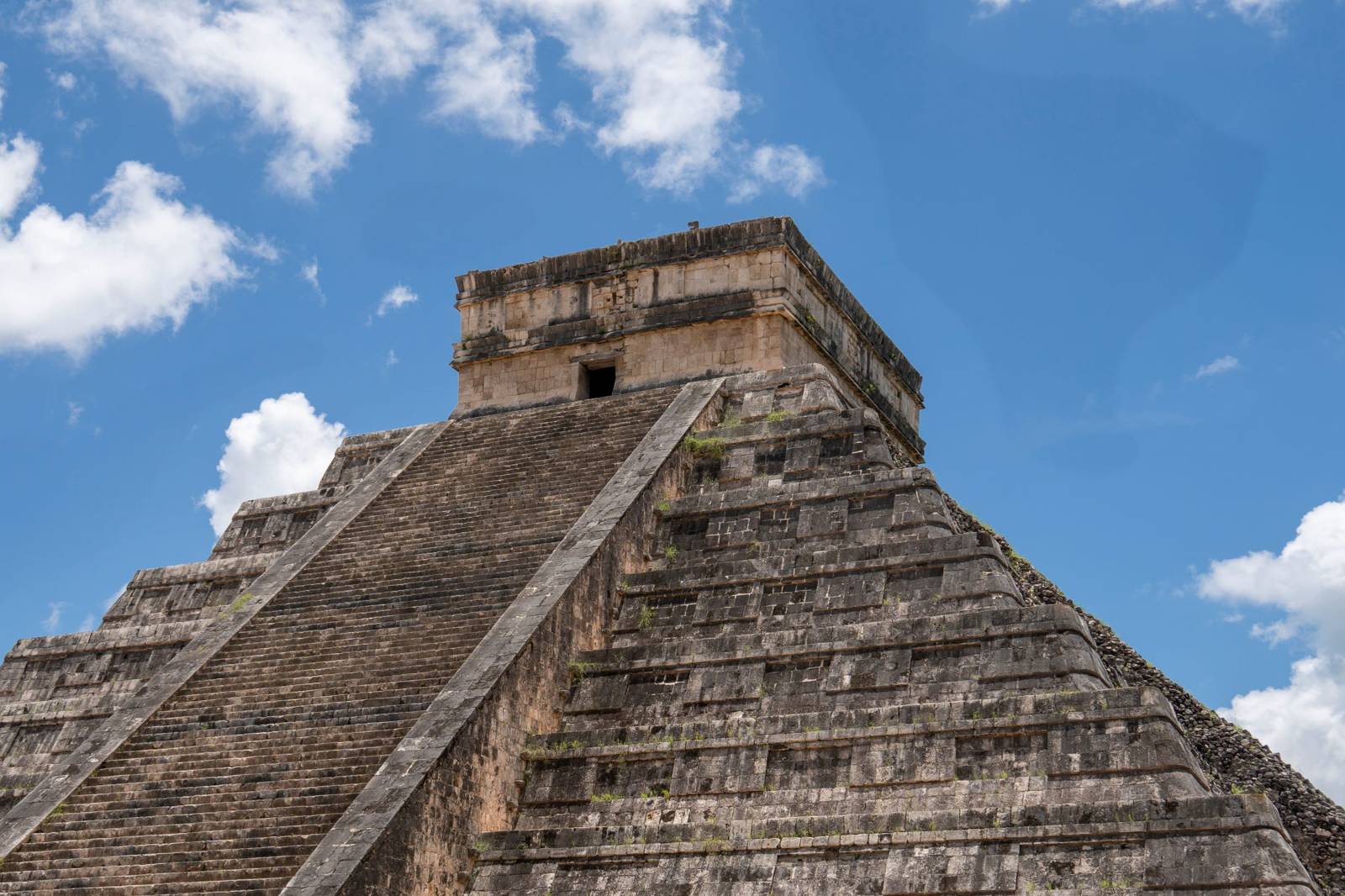
Cancún, Playa del Carmen and Tulum on the Caribbean, cenotes inland, and Maya cities at Chichén Itzá and Uxmal. Mérida is the region's colonial capital and walled Campeche sits on the Gulf coast.
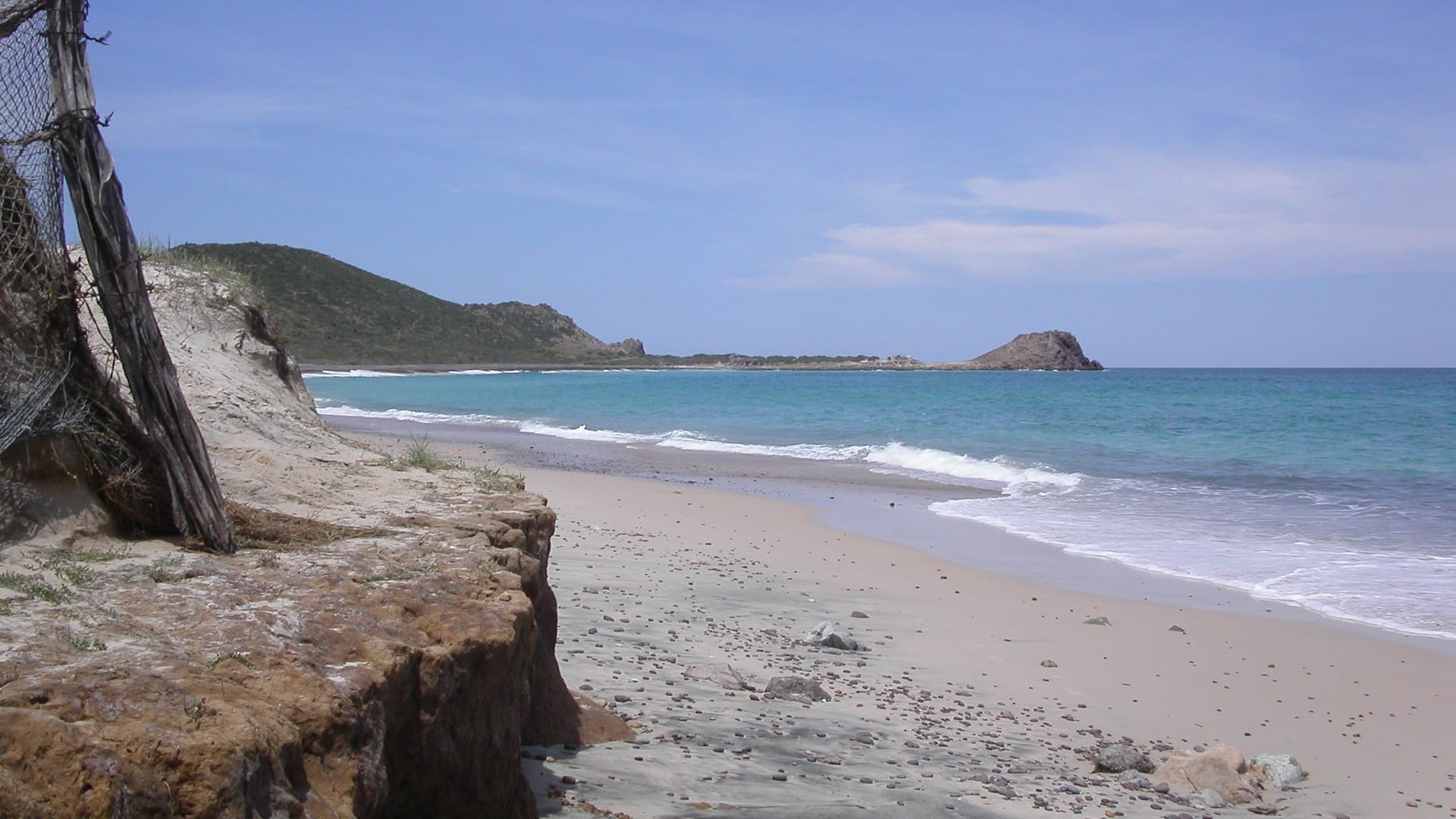
Puerto Vallarta and the Riviera Nayarit to the north, Mazatlán, and Zihuatanejo and Ixtapa further south. Much of this coast falls under FCDO warnings (see below), so we check the state before we book.
desert, two seas and the resorts of Los Cabos in Baja California Sur. The northern state, Baja California, is a different place, with FCDO warnings for Tijuana and Tecate.
silver-boom cities of painted façades and tiled domes. Guanajuato and San Miguel de Allende are the classic pair; Morelia is the base for Pátzcuaro; Zacatecas is in a state where FCDO advises against all but essential travel.





The single reason many travellers come back — the food culture worth reshaping a trip around, and the dishes to seek out region by region.
One of the world's great cuisines — corn, chilli and centuries of patience, best eaten standing at a taco stall.
Find the taco stall with the longest queue and the trompo of al pastor pork turning out front, a pineapple on top. The taquero shaves the meat onto a small corn tortilla with salsa, coriander, onion and lime: two bites, then order more. UNESCO lists traditional Mexican cuisine as intangible heritage, and the street stall is where most of us meet it.
It starts with corn, dried, cooked with lime and ground into masa for tortillas and tamales. Around it sit dried chillies, tomatillos, herbs and chocolate, which Oaxaca grinds into its moles and Puebla into mole poblano. In the Yucatán, cochinita pibil is pork marinated in achiote and slow-cooked until it falls apart. Drink an agua fresca with lunch, and in Oaxaca sip mezcal slowly.
12 destinations in Mexico — pick a base or link them into a route.
Tap a type to filter the list and the map — tap it again or “All” to see everything.
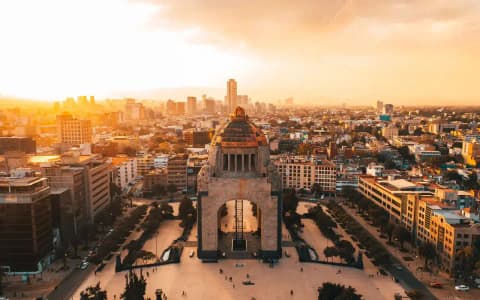
One of the world's great megacities: Aztec ruins beneath Spanish baroque, extraordinary food, and a cultural energy that never stops.
5–7 days
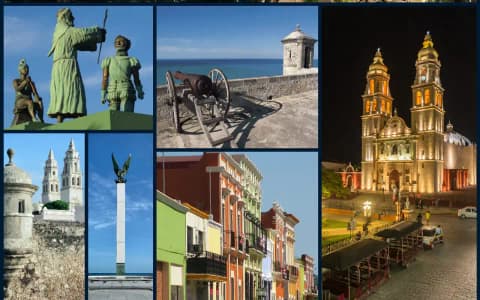
A pastel-painted, walled Caribbean colonial town on Mexico's Gulf coast, once besieged by pirates.
about 1–2 days
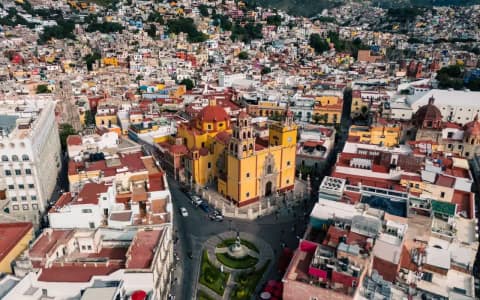
Mexico's most colourful colonial city: underground tunnels, silver-mining history, Diego Rivera's birthplace and a UNESCO-listed historic core.
about 2–3 days
A stately colonial city of rose-pink stone in central Mexico, spanned by a graceful old aqueduct.
about 2 days
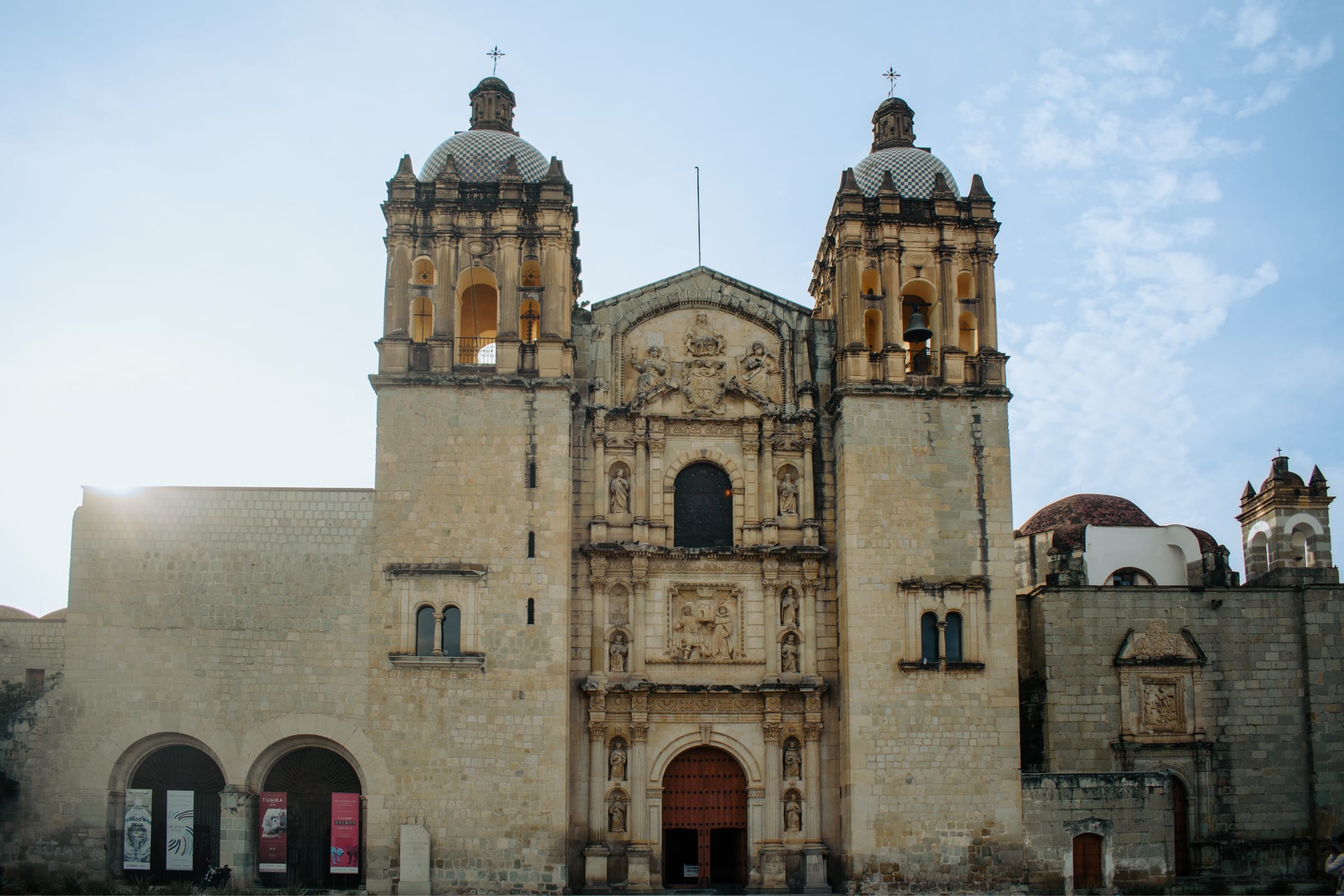
Oaxaca's food and craft city: Zapotec ruins, colonial baroque and mole negro in a UNESCO-listed valley.
3–4 days (5–7 with valley trips)
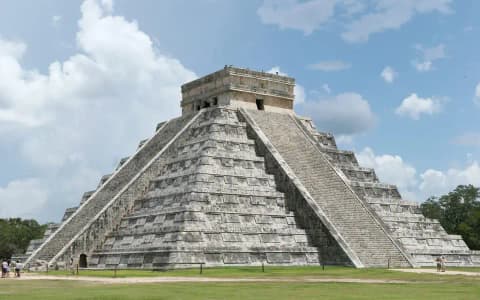
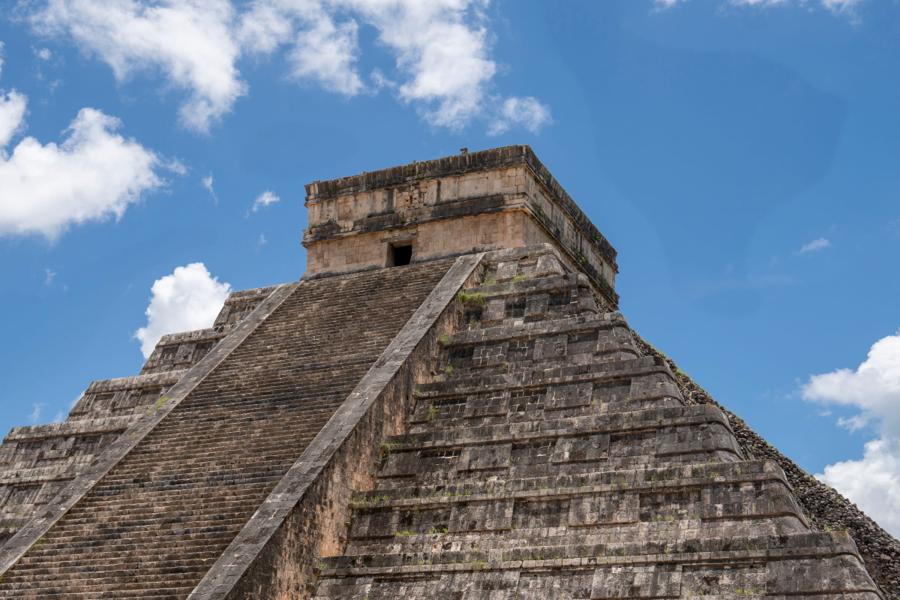
The Maya-Toltec metropolis of Yucatán, crowned by the great pyramid of El Castillo and its serpent shadow.
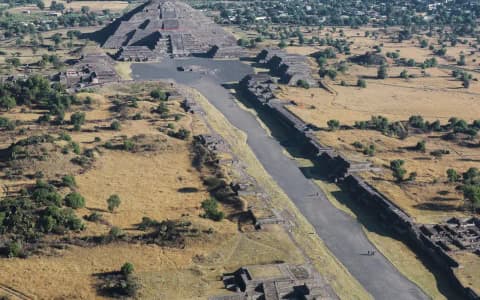
The 'City of the Gods' near Mexico City — colossal pyramids along a grand ancient avenue.
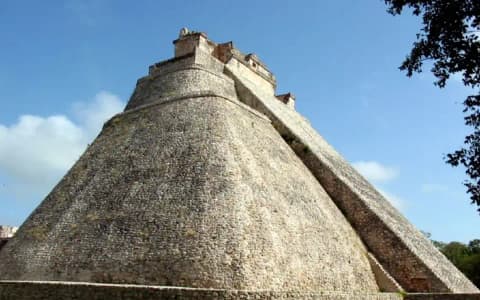
The finest of the Maya Puuc cities — intricately carved facades and the great oval Pyramid of the Magician.
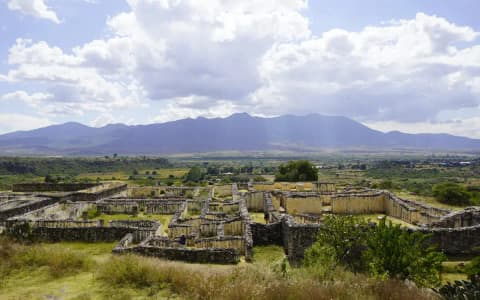
Oaxacan valley caves holding some of the earliest evidence of plant domestication in the Americas.
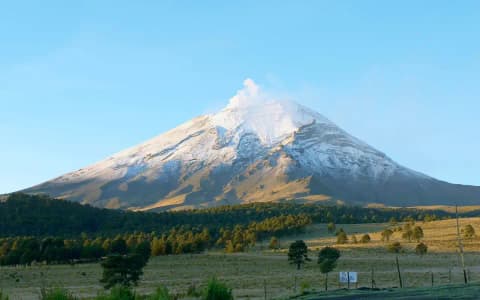
A colonial Mexican city of tiled facades, baroque churches and one of the country's great cuisines.
about 2 days
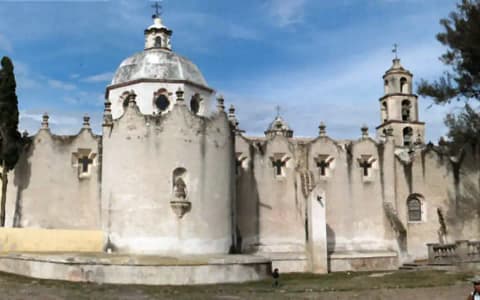
A romantic colonial arts town in Mexico's highlands, crowned by a pink neo-Gothic parish church.
about 2–3 days
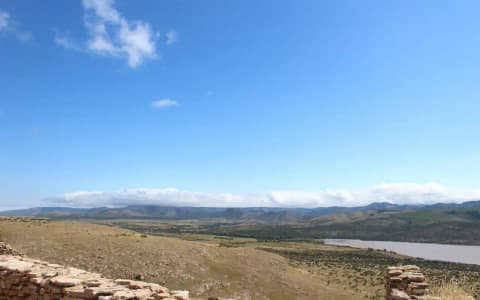
A silver-rich colonial city of pink stone spilling through a narrow Mexican ravine, crowned by a cable-car ridge.
about 2 days

Warm, waist-deep turquoise water reaches far offshore, so kids can wade out and adults just float.

Powder-white sand runs for miles beneath swaying palms and a clifftop Maya ruin at the north end.

Big Caribbean rollers crash on open sand below the hilltop lookout and the giant Cancún letters.
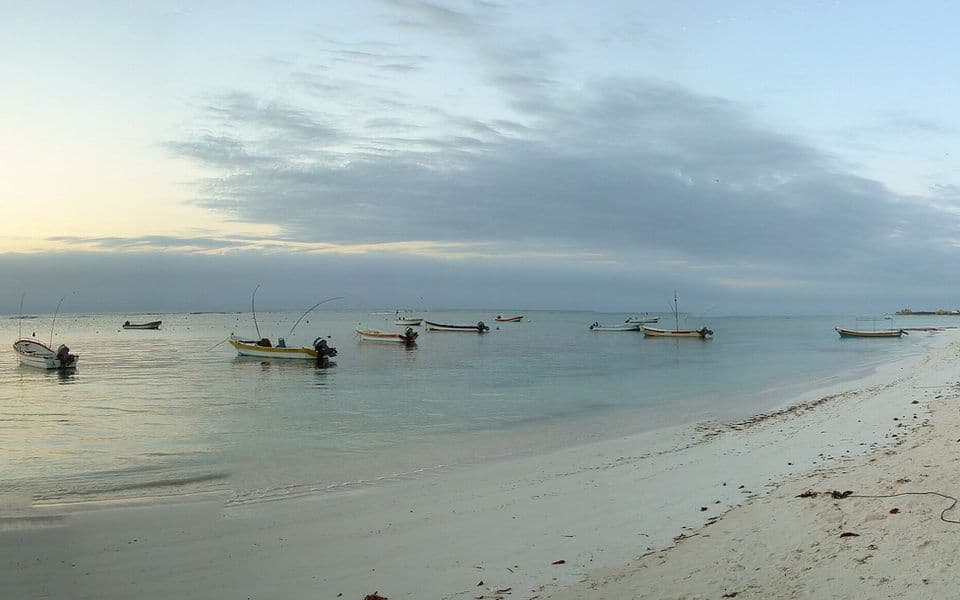
Green sea turtles graze the seagrass just past the shallows, seen on a mandatory guided snorkel.
A soft, palm-backed crescent of pale sand and glassy shallows, fronted mostly by low-key resorts.

A sheltered cove of shallow, gentle water and soft sand that suits toddlers and snorkelers alike.
Lively beach clubs, music and boat traffic spill onto the sand a block off busy Fifth Avenue.
Day trips and sights outside the cities we cover, booked through our partners.
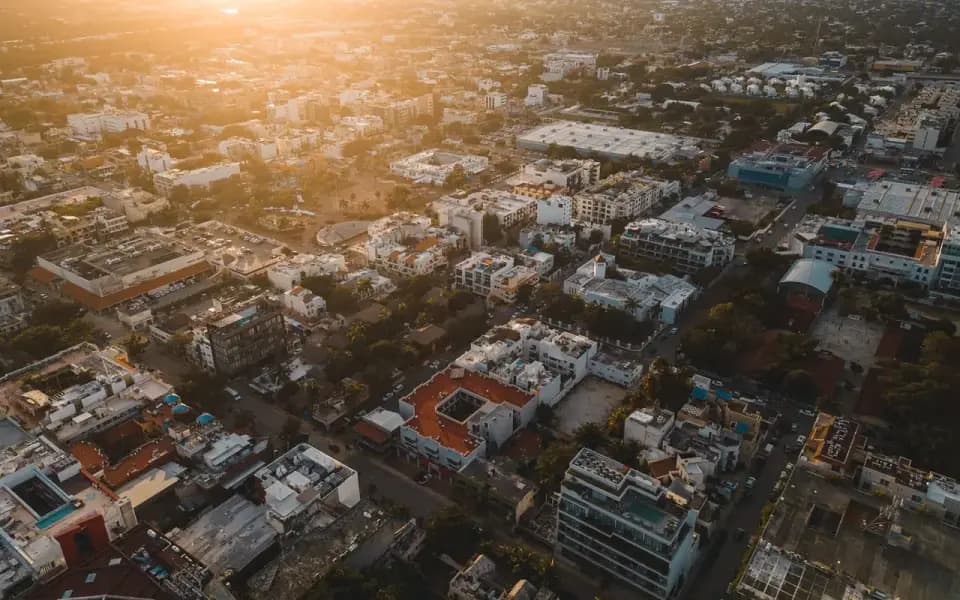 6 Nights
One base, six nights, no repacking — Playa del Carmen as the hub for Tulum's cliff-top ruins, Chichén Itzá, a cenote swim, a Cozumel reef day and the sea turtles at Akumal.
Price on enquiry
View tripBritish Airways and Aeroméxico both fly non-stop from London Heathrow to Mexico City. Virgin Atlantic flies Heathrow to Cancún on Wednesdays, Fridays and Sundays from 18 October 2026 to 11 April 2027, about 10–11 hours, and British Airways flies to Cancún from London Gatwick. Compare flights to Mexico City and flights to Cancún.
Domestic flights are the practical way to cover the distances; Aeroméxico flies to Oaxaca from both of Mexico City's airports, Benito Juárez (MEX) and Felipe Ángeles (NLU). For buses, FCDO advises first-class coaches on toll roads (cuota), which have fewer incidents than buses on the free (libre) roads. In cities we use authorised sitio taxis, a taxi ordered by the hotel or the pre-paid desks at airports, never a car hailed in the street.
For a first trip we split the time between a city and a coast: Mexico City or Oaxaca for food and culture, then the Riviera Maya or the Pacific for the sea. Our stays include Maison Lezard in Mexico City, Chablé Yucatán in the Yucatán, Maroma on the Riviera Maya, Ser Casasandra on Holbox, One&Only Mandarina and Naviva on the Riviera Nayarit, and Amanvari on Baja's East Cape.
Best Dec–Feb · Shoulder May, Oct
Units
Monthly figures are for Central (Mexico City); other regions of Mexico vary. See every region, month by month →
Forecast · Met Office · updated 13 Nov · Powered by Met Office data
Typical · climate data
November – April (dry season in the centre and on both coasts)
Units
What to expect — Daytime highs average about 28°C with overnight lows near 12°C, and it stays largely dry.
What's best — Warm & dry, then Warm. Mar, Apr and May are among the best months here (warm & dry, sunny).
What to expect — Daytime highs average about 24°C with overnight lows near 13°C — the wettest stretch of the year.
What's best — Shoulder season, then Wet.
What to expect — Daytime highs average about 23°C with overnight lows near 11°C, with plenty of rain.
What's best — Shoulder season, then Warm, then Warm & dry. Oct and Nov are among the best months here (warm, sun and cloud).
What to expect — Daytime highs average about 23°C with overnight lows near 8°C, and it stays largely dry.
What's best — Warm, then Warm & dry. Dec, Jan and Feb are among the best months here (warm, sunny).

When to go, region by region
Each month our cards and map show the region with the best weather that month: Jan–Mar Central · Apr Yucatan / Caribbean · May–Jun Pacific coast · Jul–Sep Yucatan / Caribbean · Oct–Dec Central.
Great Good Not ideal Shown on our cards that month
November to April is the dry season in the centre and on both coasts, and the best time for a first trip. Mexico City, at altitude, has average highs of about 22–28°C all year; most of its rain falls between June and September, at about 150–250 mm a month. Cancún and the Yucatán are warm all year, with average highs of about 27°C in winter and 31°C in August, and summer nights that stay at about 25°C. The Caribbean side is driest in March and April and wettest in June and from September to November. On the Pacific, Puerto Vallarta gets little rain from November to May and gets about 215–235 mm a month from July to September. The north is the hot one: Monterrey averages highs of about 32–34°C from May to August, so in summer we go out early and late in the day. Mexico's Servicio Meteorológico Nacional starts the tropical-cyclone season on 15 May in the Pacific and 1 June in the Atlantic, and FCDO says hurricanes normally run from June to November and can hit both coasts, so September and October on either coast need flexible plans.
| Area | J | F | M | A | M | J | J | A | S | O | N | D |
|---|---|---|---|---|---|---|---|---|---|---|---|---|
| Central (Mexico City) | 23 | 25 | 28 | 28 | 28 | 26 | 23 | 23 | 23 | 23 | 24 | 22 |
| Yucatan / Caribbean (Cancún) | 27 | 27 | 28 | 30 | 31 | 30 | 31 | 31 | 31 | 30 | 28 | 27 |
| North (Monterrey) | 20 | 22 | 27 | 29 | 32 | 34 | 34 | 34 | 31 | 27 | 23 | 22 |
| Pacific coast (Puerto Vallarta) | 26 | 26 | 26 | 27 | 29 | 30 | 31 | 31 | 30 | 30 | 29 | 27 |
Colours as on the month tiles above. Bold: hot, 32°C or more (go early or late in the day). Outlined: very hot, 35°C or more. Wet: 150 mm of rain or more.
To read what you're looking at — the empires and eras that shaped Mexico's food, art and streets.
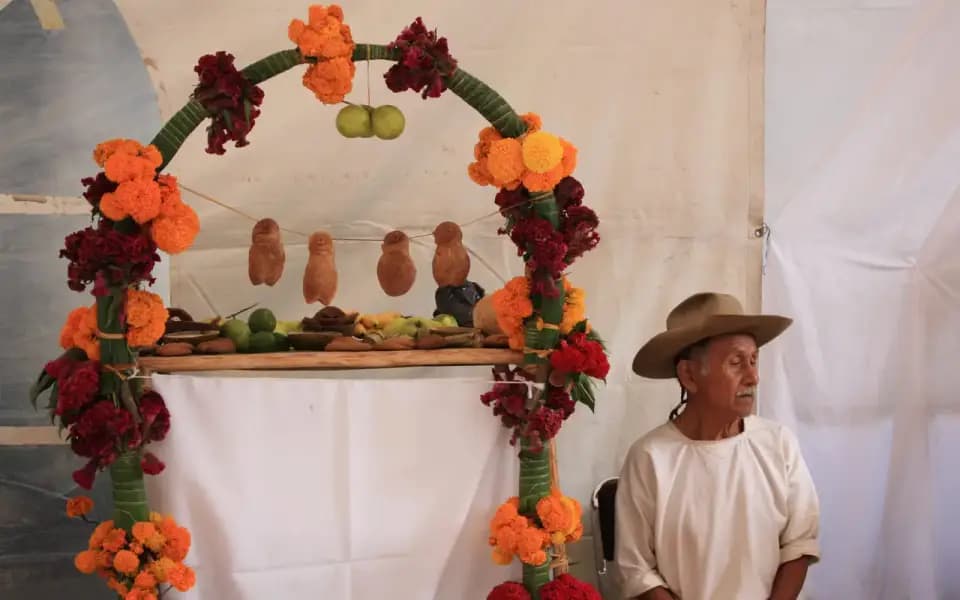
Mexico's Day of the Dead is on UNESCO's list of intangible heritage as the indigenous festivity dedicated to the dead. Families build ofrendas (altars) of marigolds, candles, pan de muerto and the dead person's favourite food, and keep vigil at the graves. The days follow a sequence: 28 October for those who died by accident or violence, 30 and 31 October for children who died unbaptised, 1 November (All Saints) for children and 2 November for adults. In 2026, Mexico City holds its Gran Desfile on Saturday 31 October at 14:00, from the Diana Cazadora along Paseo de la Reforma to the Zócalo, where a monumental ofrenda stands from 29 October to 2 November. In Oaxaca the Gran Comparsa leaves the Fuente de las Ocho Regiones at 18:00 on 31 October, and the cemeteries of Santa Cruz Xoxocotlán hold their night vigil the same evening. On Lake Pátzcuaro the cemetery on Janitzio island is closed to the general public this year for restoration, with a viewing walkway instead. Our Day of the Dead page has the details. These are family occasions at family graves: we ask before taking photographs and keep out of the way.
UNESCO lists traditional Mexican cuisine as intangible heritage: maize, beans and chilli, the nixtamal that turns corn into masa, and the cooks and markets that keep it going. Every region has its own table, from Oaxaca's moles and tlayudas to the Yucatán's cochinita pibil and Puebla's chiles en nogada. Spanish is the main language, and a few words of greeting go a long way.
 29 OCT
 31 OCT
British citizens visiting as tourists do not need a visa. FCDO says you get a stamp in your passport showing how many days you can stay, and you must show it to leave, so we check it before walking away from the desk; replacing a lost stamp costs about 700 pesos. At some airports adults can use e-gates instead: keep the printed e-gate ticket, as you must show it when you leave. Arriving by land, you must fill in an immigration form online first. Your passport must be valid for your whole stay (the Mexican Embassy recommends at least 180 days), and officers may ask to see an onward ticket, where you are staying and that you have enough money. Visitors to Quintana Roo (Cancún, Tulum, Playa del Carmen) must pay the state's entry tax, Visitax, online, and show proof at the airport before leaving. The currency is the Mexican peso (MXN), issued by the Banco de México. FCDO advises using ATMs in daylight inside shops or malls. The emergency number is 911.
FCDO advises against all but essential travel to parts of Mexico. As of 28 October 2026 (advice last updated 20 October 2026) that covers: the cities of Tijuana (except airside transit, the Cross Border Xpress and toll road 1D/Vía Rápida to the border) and Tecate in Baja California; Chihuahua state, except Chihuahua city, the Ciudad Juárez crossing on toll roads 45/45D, and the Copper Canyon railway and Creel; Sinaloa, except Los Mochis, Mazatlán, road 32 between El Fuerte and Los Mochis, toll road 15D and the Copper Canyon railway; Tamaulipas, except the listed highways and the area south of them; all of Zacatecas state; Guanajuato south-west of road 45D; Michoacán, except Morelia (by toll roads 15D, 126 and 43, and 48D to the airport) and Pátzcuaro (by toll roads 14D and 15 from Morelia, including boat trips to the lake islands); Jalisco south and south-west of Lake Chapala to the Colima border, and eleven northern municipalities; Colima state, except Manzanillo reached by sea or air; Guerrero state, except Zihuatanejo/Ixtapa reached by air (and FCDO separately names Acapulco); and in Chiapas, within 40 km of the Guatemalan border and on Federal Highway 199 between Rancho Nuevo and the Chancalá junction. FCDO also notes protests blocking road access to Oaxaca airport. Travel against FCDO advice can invalidate your insurance. Read the full FCDO advice for Mexico before booking.
We write this guide from official sources only: GOV.UK, national immigration portals, tourism boards, airports and operators, central banks and met services. Rules change, so check the linked pages before you book.
The practical back-matter — safety, earthquakes & tsunamis, drones and the essentials, in one place.
Official UK Foreign, Commonwealth & Development Office guidance is the definitive source — check it close to your travel dates.
There is a risk of earthquakes in most parts of Mexico, especially Oaxaca and Guerrero, and the volcanoes Popocatépetl and Colima are active.
On arrival When you check in, look at your hotel's evacuation map and note the nearest high ground or evacuation route.
Coasts most exposed to tsunami Mexico's coastlines; the national tsunami centre monitors all of them
National parks, protected sites and religious/heritage venues often have their own rules and permits — always check the specific site before you fly.