← Morocco
MOROCCO · CITY

Casablanca

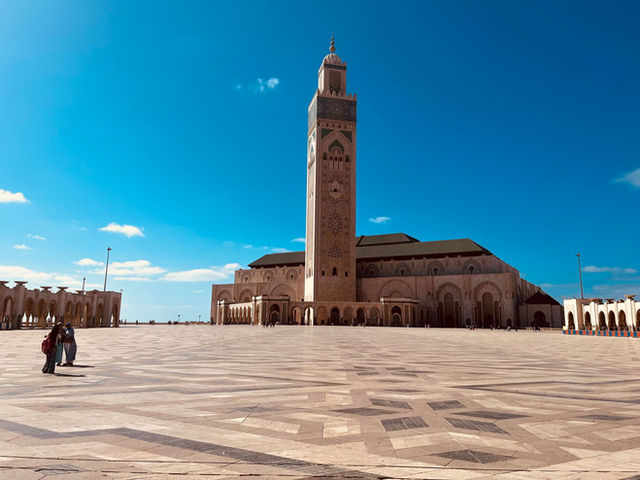
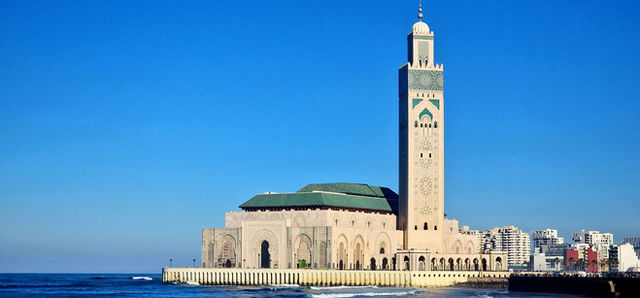
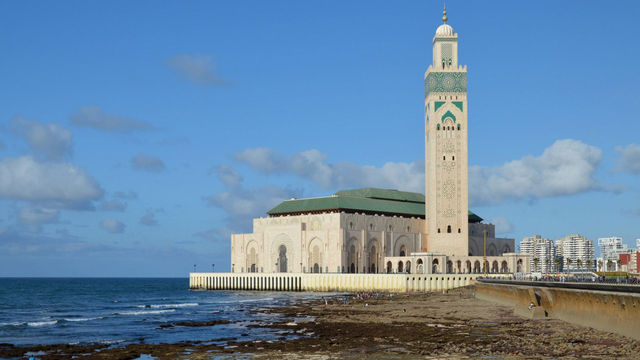
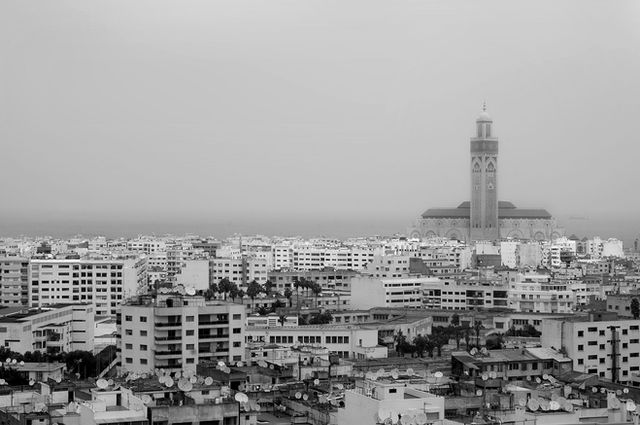
Morocco's cosmopolitan port and business hub, crowned by the vast, ocean-side Hassan II Mosque.

  • City
  • April to June and September to November — warm and coastal, before and after the summer humidity
  • ~approx 1 day
  • Giant Mosque on the Atlantic
  • Art Deco Downtown
  • Ocean Corniche
  • Working City

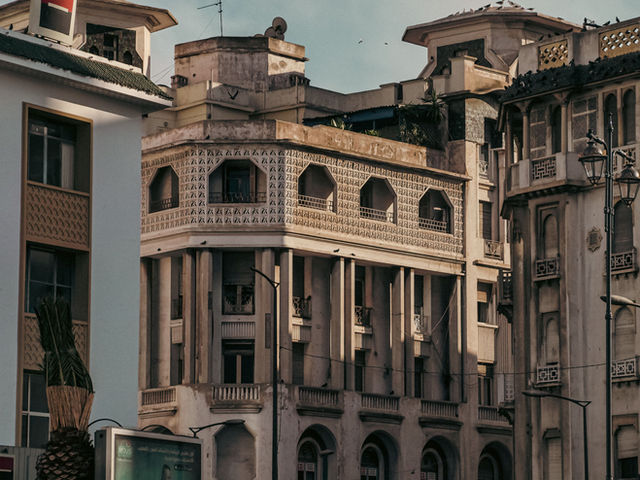
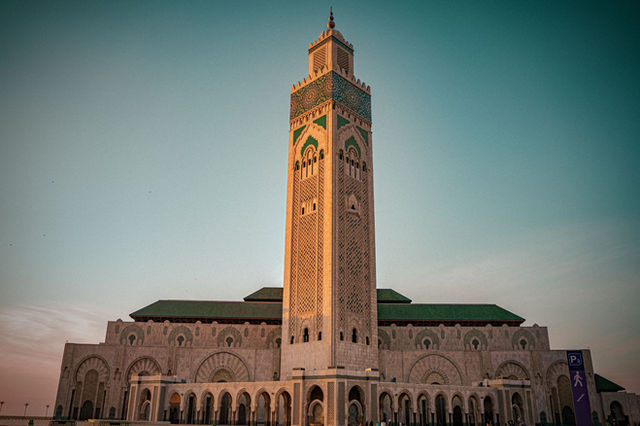
A vast minaret catching the last light over the Atlantic surf, a boulevard of peeling white 1930s facades, and a laser from the mosque tower pointing the way to Mecca as the call to prayer rolls out to sea.

Casablanca is Morocco's biggest city and its business engine — not a romantic medina but a real, modern Atlantic metropolis, with one of the world's largest mosques rising over the ocean and a downtown of faded Art Deco. It rewards travellers who want the country's contemporary side, not the postcard.

Type
metropolis
Ideal length
~approx 1 day
Getting around
trams, taxis and a walkable downtown
Neighbourhoods
4 areas
Best season / months
April to June and September to November — warm and coastal, before and after the summer humidity
Language
Arabic and Amazigh (Berber); French widely used
Currency
Moroccan dirham (DH)
Budget level
low to moderate — a little dearer than inland Morocco
Good for
  • Modern cities
  • Architecture
  • Food
  • Coast
▸ Discover

About Casablanca

Casablanca sprawls along Morocco's Atlantic coast, the country's largest city and economic capital. It is a modern place, largely built up in the twentieth century — a French-colonial downtown of Mauresque and Art Deco architecture, a small old medina, the seafront Corniche at Ain Diab, and the huge Hassan II Mosque on the shore. This is Morocco at work rather than on show, cosmopolitan and fast, and most visitors give it a day on the way through. Taxis, trams and trains move it.

Why go

Casablanca shows you the Morocco the guidebooks skip — a genuine working metropolis, not a preserved medina. Its one unmissable sight, the Hassan II Mosque, is astonishing, one of the largest in the world and, unusually, open to non-Muslim visitors on guided tours. The Art Deco downtown is a faded architectural treasure, the seafood is superb, and the seafront and nightlife give a taste of modern Moroccan city life. It is a real place, not a stage set.

Don't miss

  • The Hassan II Mosque — one of the world's largest, on the Atlantic shore
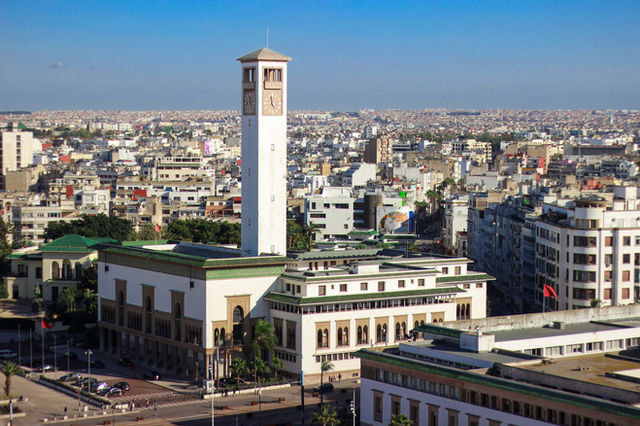
  • The Art Deco downtown — faded Mauresque and 1930s facades
  • The Corniche at Ain Diab — the seafront promenade and beach clubs
  • The Habous quarter — the French-built "new medina" of crafts and bookshops
  • The Central Market — the city's bustling food hall

Signature experiences

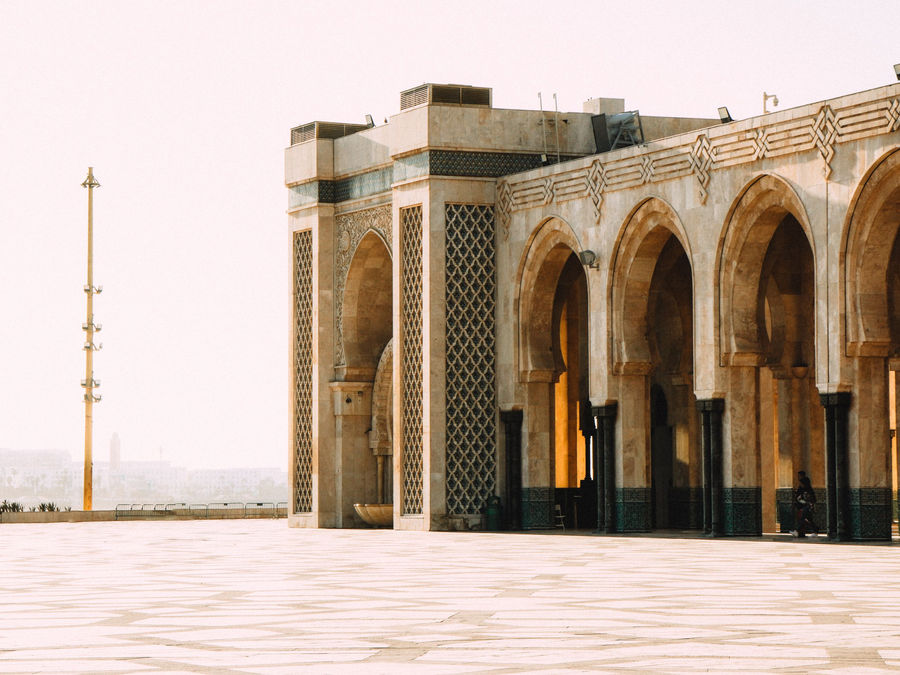
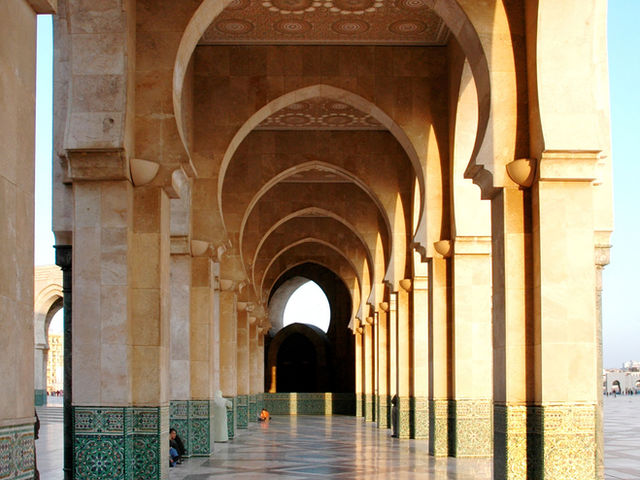
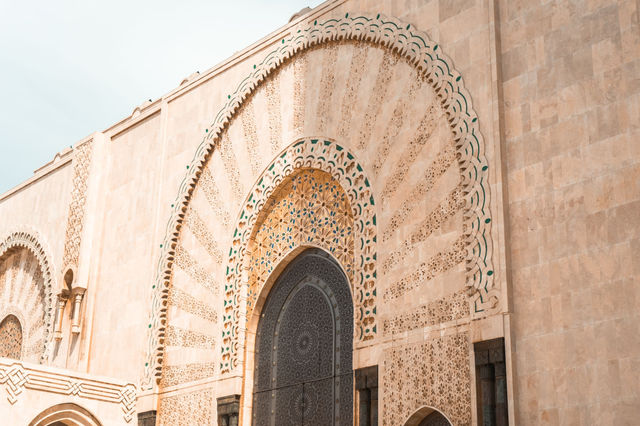
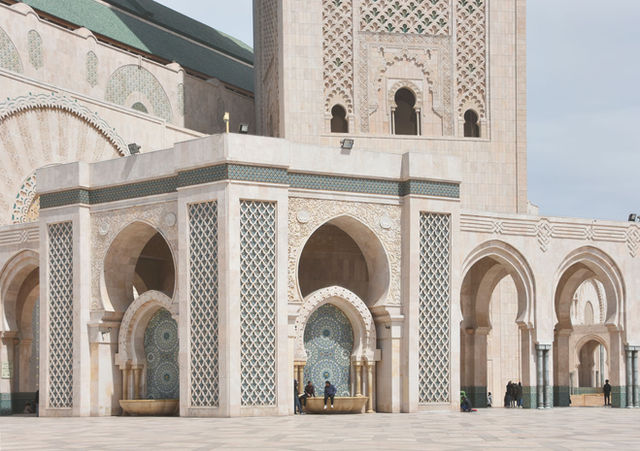
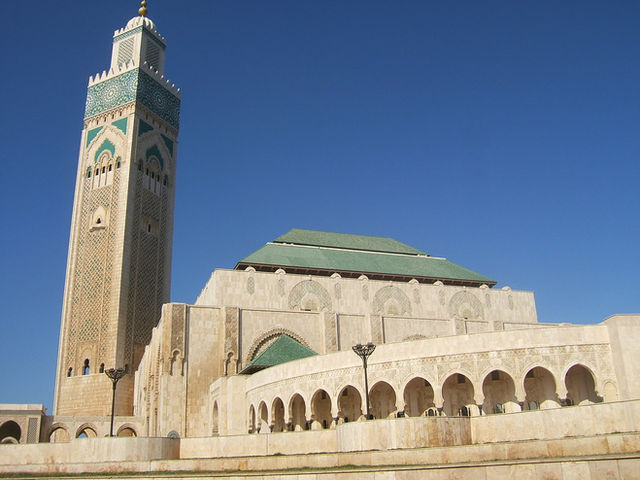
The Hassan II Mosque — This is Casablanca's one essential sight and a genuine wonder — a mosque built partly over the Atlantic, its minaret among the tallest in the world, its hall vast enough for tens of thousands. Unusually for Morocco, non-Muslims can go inside on a guided tour, walking beneath the retractable roof and the carved cedar and marble. Time it for the ocean crashing below the platform and the light on the tilework. **Art Deco Casablanca** — The downtown is a faded twentieth-century treasure — block after block of Mauresque and Art Deco buildings from the French era, balconies and cinemas and grand facades, many peeling but full of character. Walk Place Mohammed V and the surrounding boulevards with an eye up, and the city's other, architectural life opens up. **The seafront and the seafood** — Casablanca faces the Atlantic, and it eats from it — the Central Market and the Corniche restaurants do superb grilled fish and shellfish. Stroll the Corniche at Ain Diab as the sun drops into the ocean, and settle in for a seafood dinner; this is the city at its most relaxed. **A city, not a set** — Casablanca is famous for a film it had nothing to do with — the 1942 classic was shot entirely in Hollywood, not here, and the themed "Rick's Café" is a much later homage rather than a real location. Take the honest version instead: the working, cosmopolitan modern Morocco of the Habous crafts, the downtown cafés and the seafront, which is the real draw.

Neighbourhoods

Casablanca neighbourhood by neighbourhood — the character of each and who it suits.

  • The Hassan II Mosque and Waterfront

    The stretch of Atlantic shore dominated by the giant mosque — a monumental modern square and esplanade over the crashing sea.

    Why go
    The mosque, the ocean, and the scale of it all.
    Best for
    The mosque tourthe seafrontphotography
    Known for
    The Hassan II Mosque and its towering minaret, the vast esplanade, the ocean crashing beneath the mosque platform, and the walk along the shore.
  • The Downtown

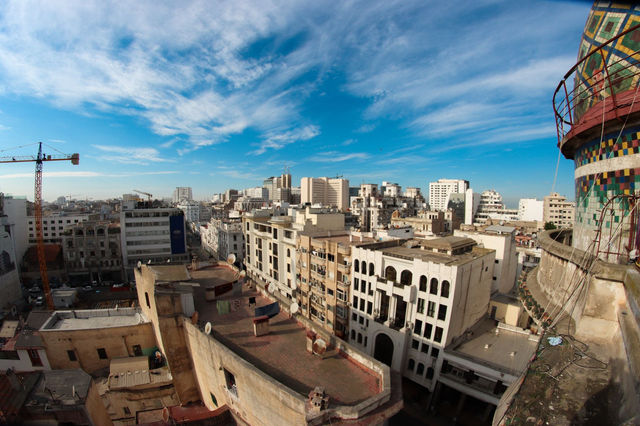
    The colonial-era centre — grand boulevards of white Mauresque and Art Deco buildings, faded but still handsome, around the main squares and the market.

    Why go
    The architecture, the market, and the city's civic heart.
    Best for
    Art Deco walksthe marketcafés
    Known for
    Place Mohammed V and its administrative palaces, the Art Deco and Mauresque facades, the Central Market's food stalls, and the old cinemas and cafés.
  • Habous

    The "new medina" built by the French in a traditional Moroccan style — orderly arcaded lanes of craft shops, bakeries and bookshops, a tidier take on the old-city idea.

    Why go
    The crafts, the pastries and the bookshops in a calmer setting.
    Best for
    ShoppingcraftsMoroccan sweets
    Known for
    The arcaded streets, the craft and carpet shops, the Arabic bookshops, the famous pastry and almond-sweet stalls, and the royal palace nearby.
  • Ain Diab and the Corniche

    The seafront leisure strip west of the centre — a promenade of beach clubs, cafés and restaurants where Casablanca comes to relax by the ocean.

    Why go
    The seafront scene, the seafood and the nightlife.
    Best for
    Seafront diningbeach clubsnightlife
    Known for
    The Corniche promenade, the beach clubs and pools, the seafood restaurants, and the bars and clubs that make it the city's nightlife heart.

Views & hidden gems

Best views

  • The Hassan II Mosque esplanade — the minaret over the crashing Atlantic
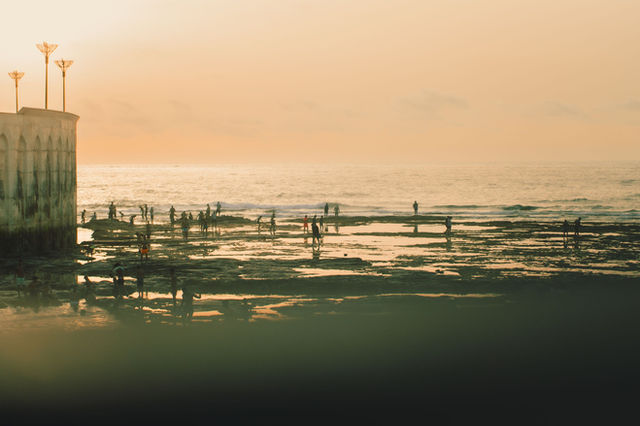
  • The Corniche at sunset — the ocean and the mosque along the shore
  • Place Mohammed V — the grand colonial square and its fountain
  • A downtown rooftop café — over the Art Deco roofscape

Hidden gems

  • The Villa des Arts — a restored Art Deco villa turned gallery, quiet and free
  • The Habous pastry and almond-sweet stalls — Moroccan sweets at the source
  • The old Cathedral of the Sacré-Cœur — a deconsecrated Art Deco church, striking and empty
  • The Jewish Museum of Casablanca — the only one of its kind in the Arab world
  • The Central Market's fish stalls — pick your catch and have it grilled

Food & drink

Casablanca eats well and cosmopolitanly — Moroccan classics alongside French bistro cooking and, above all, superb Atlantic seafood. The Central Market is the place to see it, where you can buy fish and have it grilled on the spot. Beyond the tagines and couscous common to all Morocco, the city's edge is its French-influenced patisseries, its bistros and its seafood restaurants. Mint tea remains the ritual drink; alcohol is more available here than in most of the country, in the seafront bars and hotels.

  • Grilled Atlantic seafood — fresh fish and shellfish, a coastal speciality
  • Tagine — slow-cooked stew, sweet or savoury, as across Morocco
  • Couscous — the Friday dish, steamed with vegetables and meat
  • French-Moroccan patisserie — the city's colonial-influenced sweets
  • Almond sweets from Habous — kaab el ghzal and honeyed pastries
  • Mint tea — the sweet, poured-high ritual drink
Dietary notes

Vegetarians manage with vegetable tagines, salads, bread and the cosmopolitan restaurant scene, though meat stock is common — ask. Vegan is doable in the modern spots. Halal is the default across the city. Kosher food has a genuine presence here given Casablanca's Jewish community and history, more so than elsewhere in Morocco, though still limited — arrange ahead. Gluten-free is easier in the international restaurants than in traditional kitchens.

Casablanca in photos

▸ Where you'll stay

Where you'll stay in Casablanca

Base yourself by purpose. The downtown puts you among the Art Deco streets, the market and the transport, central and good value, though worn in parts. The Corniche at Ain Diab is the seafront leisure choice, with ocean-view hotels and the nightlife, a taxi from the centre. Business hotels cluster in the modern districts. Most visitors stay one night near the downtown or the mosque before moving on.

  • Budget
    The downtown budget hotels near Place Mohammed V and the market, central and cheap.
  • Mid-range
    Downtown or near the mosque comfortable hotels within reach of the sights and transport.
  • Luxury
    The Corniche / Ain Diab seafront hotels with ocean views, pools and the nightlife at hand.
Stay

Hotels & rentals around Casablanca

Pan, zoom and compare live prices — every stay in one map.

▸ Getting around

Getting around Casablanca

A modern tram network and cheap red petit taxis cover the city; the downtown is walkable, and the Corniche is a short taxi ride west. Agree the taxi meter or fare before setting off. A car isn't needed for a short visit. Trains handle the onward journeys across Morocco.

The downtown, market and Habous are linked by tram and short taxi hops (~approx). The mosque is a short ride or a long walk northwest of the centre; the Corniche at Ain Diab is a taxi ride west along the shore.

▸ Plan your days

Suggested itineraries

Ready-made day plans for Casablanca — from a single day to a long weekend.

One day

Start with the guided tour of the Hassan II Mosque in the morning, then walk the Art Deco downtown around Place Mohammed V and browse the Central Market. Spend the afternoon in the Habous quarter for crafts and pastries, and end with a seafood dinner and a stroll along the Corniche at Ain Diab as the sun sets over the Atlantic.

▸ What you'll do

Insider tips

  • Book or check the Hassan II Mosque tour times in advance — it's the one fixed thing to plan around, and non-Muslims can only enter on the guided visits.
  • Casablanca is a transport hub — its main stations link the whole country, making it a natural start or end point rather than a long stay.
  • Carry small dirham notes for taxis and tips, and agree the fare or meter before setting off.
  • Give the Art Deco downtown a slow walk with your eyes up — the architecture is the underrated pleasure here.
What's on

While you're there

28
MAY
Fes Festival of World Sacred Music 2027
99 Zkak Rouah, 30 Fez, Morocco · music festival
Build a trip around it →
Explore

Explore the area

© OpenFreeMap · OSM · terrain Mapterhorn
Do

Local attractions & tours

Skip-the-line tickets and small-group tours in Casablanca — compare across our partners.

We're still curating hand-picked tickets and tours for Casablanca. In the meantime, the map above and the nearby cities are a great place to start.

Plan

Trips in Casablanca

Day-by-day itineraries that take in Casablanca — routes, timings and what to book.

▸ Budget

What it costs in Casablanca

Backpacker
roughly €30–50 a day.
Mid-range
roughly €70–130 a day.
Luxury
€250 a day and up.
Cash vs card
Cash in dirham is needed for taxis, the market, street food and tips; cards work in bigger hotels and restaurants. The dirham is a closed currency — change on arrival.
Tipping
Small tips are expected for service and help; keep small notes and tip modestly and often.
▸ When you'll go

When to visit Casablanca

April to June and September to November — warm and coastal, before and after the summer humidity

Spring

What to expect — Mild and pleasant, warming gently, the Atlantic keeping the coast cooler than inland. Comfortable for walking the city. Occasional rain early on.

What's best — Comfortable coastal weather, green surroundings, and the seafront before the summer crowds and humidity.

Summer

What to expect — Warm and humid rather than baking, the ocean tempering the heat, and the Corniche and beach clubs at their busiest. Hazy coastal mornings.

What's best — Beach-club days on the Corniche, warm seafront evenings, and the ocean breeze keeping the city cooler than the interior.

Autumn

What to expect — Warm and pleasant, the summer humidity easing, and the light golden along the coast. Reliable into November.

What's best — The best all-round coastal weather, comfortable city walking, and the seafood at its best.

Winter

What to expect — Mild but wet — Casablanca gets the Atlantic's winter rain — with cool, grey days and the odd storm rolling in off the sea. Low season and quiet.

What's best — Gentle temperatures, low prices, dramatic Atlantic surf below the mosque, and a quieter city — pack for rain.

▸ Know before you go

Know before you go

Honest swaps

Skip "Rick's Café" expecting a piece of the 1942 film → the movie was shot in Hollywood, not here; enjoy the homage for what it is, or spend the evening on the real Corniche instead.

Skip searching for a Marrakech-style medina → Casablanca's draw is modern and architectural; give it the mosque, the Art Deco and the seafront.

Skip the tourist-menu restaurants near the mosque → eat grilled fish at the Central Market or a Corniche seafood spot.

Skip a rushed airport stopover → the Hassan II Mosque tour alone justifies a few hours in the city.

Crowds & timing

The Hassan II Mosque admits non-Muslims only on scheduled guided tours at set times — check the timetable and arrive early, as it books up.

The Corniche and beach clubs are busiest on summer weekends; weekdays are calmer.

Local rules & etiquette

Dress modestly for the mosque tour — cover shoulders and knees, and remove shoes as directed; it is an active place of worship.

Ask before photographing people, and expect a small tip for help or access.

Casablanca is more relaxed than inland Morocco, but respectful dress and behaviour still matter, especially during prayer times and Ramadan.

Money

Carry cash in dirham for taxis, the market and tips; cards are for bigger venues only.

Agree taxi fares or insist on the meter, and change money at banks or ATMs rather than informal dealers.

After dark

Ain Diab and the Corniche are the nightlife heart — beach clubs, bars and restaurants along the ocean.

The downtown has cafés and a few bars, quieter and more local after dark.

Alcohol is more available here than most of Morocco, mainly in hotels and the seafront venues.

▸ Ready to book your trip?

Getting there

Casablanca's Mohammed V Airport (CMN) is Morocco's main international hub, south of the city, linked to the centre by a direct train to Casa-Voyageurs and Casa-Port stations (~approx 40 min). Those stations also connect Casablanca by fast train to Rabat, Tangier, Fes and Marrakech, making it the country's transport crossroads.

Book

Ready to book your trip?

Flights, airport transfers and car hire — search and compare without leaving the page.

▸ Trip extras
Book

More trip extras

Parking, holiday extras, and more — coming soon.

Coming soon

We're lining up parking, holiday extras and activities you'll be able to add to any trip from here.