← Morocco
MOROCCO · CITY

Rabat

Morocco's dignified capital — a walled Kasbah above the ocean, an unfinished Almohad tower and airy boulevards.

  • City
  • April to June and September to November — warm and coastal, before and after the summer humidity
  • ~approx 1–2 days
  • Blue-and-White Kasbah
  • Royal Capital
  • Atlantic Calm
  • Storks on Roman Ruins

Whitewashed lanes tumbling down to a river mouth in blue and white, storks clattering their bills on a crumbling minaret, and the Atlantic breeze cooling a café terrace above the surf.

Rabat is Morocco's capital, and it feels like it — orderly, green and relaxed, an easy-going Atlantic city where a blue-and-white kasbah sits over a river mouth, storks nest on Roman ruins, and the pace is a world calmer than Fes or Marrakech. It is the country's most livable and underrated city.

Type
city
Ideal length
~approx 1–2 days
Getting around
a tram, taxis and a walkable centre
Neighbourhoods
4 areas
Best season / months
April to June and September to November — warm and coastal, before and after the summer humidity
Language
Arabic and Amazigh (Berber); French widely used
Currency
Moroccan dirham (DH)
Budget level
low to moderate
Good for
  • History
  • Relaxed travel
  • First-timers
  • Coast
▸ Discover

About Rabat

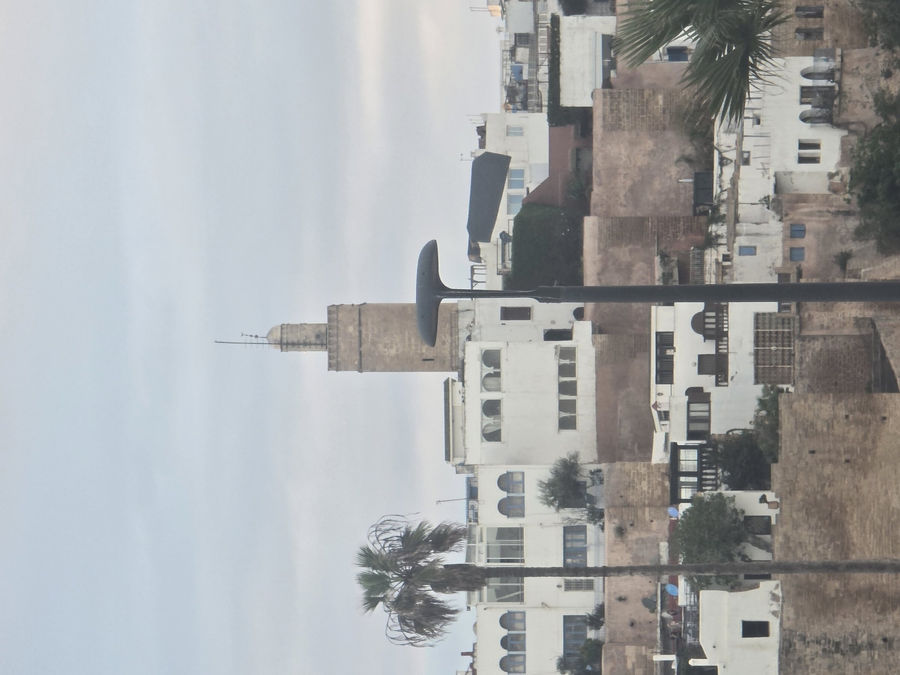
Rabat sits where the Bou Regreg river meets the Atlantic, on Morocco's coast, facing its twin city of Salé across the water. As the political capital it is planned, clean and green, with wide avenues and gardens, but it keeps a real historic heart — a walled medina, the picturesque Kasbah of the Udayas over the river mouth, and the great monuments of the Hassan Tower and the royal mausoleum. It is compact, calm and coastal, and easy to get around by tram, taxi and on foot.

Rabat’s historic core is inscribed on the UNESCO World Heritage List (as “Rabat, Modern Capital and Historic City: a Shared Heritage”, 2012).

Why go

Rabat gives you Morocco without the hard sell — the monuments, the medina and the kasbah are all here, but the hassle, the crowds and the intensity are not. It is the country's most relaxed city, walkable and green, with a lovely riverside, an Atlantic edge, and a run of historic sights from Roman ruins to a royal mausoleum. It makes an easy, gentle introduction to the country, or a calm break from the bigger medinas.

Don't miss

  • The Kasbah of the Udayas — the blue-and-white fortress over the river mouth
  • The Hassan Tower and Mausoleum of Mohammed V — the unfinished minaret and royal tombs
  • The Chellah — Roman and medieval ruins with nesting storks
  • The Medina — the walled old town and its souks
  • The Andalusian Gardens — the tranquil courtyard garden in the kasbah

Signature experiences

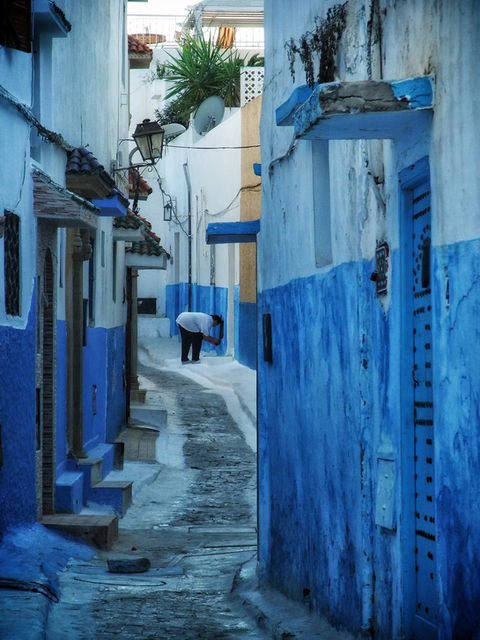
The kasbah over the river — The Kasbah of the Udayas is Rabat's picture-postcard — a hilltop fortress of steep lanes painted blue below and white above, tumbling down to where the river meets the Atlantic. Wander up through the Almohad gate, get pleasantly lost in the lanes, and end at the Andalusian Gardens and the café terrace looking across the water to Salé. It is small, gorgeous and blissfully low-pressure. **Monuments of a capital** — Rabat wears its history grandly. The Hassan Tower is the stump of a minaret meant to top the world's largest mosque, abandoned in the twelfth century and left as a field of columns; beside it, the marble Mausoleum of Mohammed V holds the royal tombs under a guard of honour. It is the city at its most ceremonial, and free to visit. **Storks on Roman ruins** — At the Chellah, on the city's edge, Roman ruins and a medieval Muslim necropolis lie tangled together in overgrown gardens, and storks nest noisily on the old minaret and walls. It is atmospheric and quiet, a layered, romantic ruin in the middle of a modern capital. **Easy-going Atlantic Morocco** — More than any single sight, Rabat's pleasure is its calm — a walkable, green, coastal capital where you can browse a low-key medina, sit at a café without a hard sell, and watch the surf off the kasbah. It is the country at its most relaxed, and a gentle place to feel your way into Morocco.

Neighbourhoods

Rabat neighbourhood by neighbourhood — the character of each and who it suits.

  • The Kasbah of the Udayas

    The old fortress quarter on the headland above the river mouth — steep whitewashed lanes painted blue and white, an Andalusian garden, and the Atlantic below.

    Why go
    The prettiest corner of the city, the river-mouth view, and the garden.
    Best for
    Wanderingphotographythe garden
    Known for
    The blue-and-white lanes, the Almohad gate, the Andalusian Gardens and their café, and the platform looking over the river mouth to Salé and the sea.
  • The Medina

    The walled old town below the kasbah — a manageable, low-pressure medina of souks and craft streets, far calmer than the big-city labyrinths.

    Why go
    The souks, the crafts and an easy taste of medina life.
    Best for
    Soukscraftsa gentle wander
    Known for
    The Rue des Consuls carpet street, the covered souks, the craft and leather shops, and the old walls and gates.
  • The Hassan and the Mausoleum

    The monumental quarter on the hill above the river — the great unfinished minaret and the marble mausoleum of the royal family, in a formal setting.

    Why go
    The Hassan Tower and the mausoleum, the city's grandest monuments.
    Best for
    Monumentshistoryphotography
    Known for
    The twelfth-century Hassan Tower and its field of columns, the Mausoleum of Mohammed V with its guarded gates and marble tombs, and the views over the river.
  • The Ville Nouvelle

    The modern capital — wide French-planned avenues, ministries, gardens, cafés and the everyday life of a working government city.

    Why go
    Cafés, gardens, modern comforts and the tram.
    Best for
    Cafésgardensa modern base
    Known for
    The tree-lined avenues, the cathedral and colonial architecture, the modern museum of art, the gardens, and the tram lines linking the city.

Views & hidden gems

Best views

  • The Kasbah of the Udayas platform — the river mouth, Salé and the Atlantic
  • The blue-and-white kasbah lanes — Rabat's signature image
  • The Chellah with nesting storks — Roman columns and a medieval minaret
  • The Hassan Tower and its field of columns above the river

Hidden gems

  • The Andalusian Gardens in the kasbah — a shaded, fragrant courtyard and café
  • The Chellah's overgrown ruins — storks, gardens and layered history, few crowds
  • The Mohammed VI Museum of Modern and Contemporary Art — a strong, quiet gallery
  • The Bou Regreg riverside and the boats across to Salé
  • Rue des Consuls — the carpet-and-craft street, calmer bargaining than the big cities

Food & drink

Rabat eats the Moroccan classics — tagines, couscous, harira and grilled meats — with an Atlantic seafood accent and a relaxed, capital-city café culture. The medina and the Ville Nouvelle both have good, unpressured places to eat, and the seafood off the coast is fresh and cheap. Mint tea is the ritual, poured sweet and high; the city's calm makes lingering over it easy. French-influenced cafés and patisseries add to the mix, a legacy of the colonial capital.

  • Tagine — slow-cooked stew, sweet or savoury, as across Morocco
  • Couscous — the Friday dish, steamed with vegetables and meat
  • Grilled Atlantic seafood — fresh fish from the coast
  • Harira — a hearty tomato, lentil and chickpea soup
  • Moroccan pastries — almond sweets and honeyed briouats
  • Mint tea — the sweet, poured-high ritual drink
Dietary notes

Vegetarians manage with vegetable tagines, couscous, salads and bread, though meat stock is common — ask. Vegan is doable from the same base and in the modern cafés. Halal is the default across the city. Kosher food is very limited and needs arranging ahead. Gluten-free is harder given the bread-and-couscous base; rice and tagines help — confirm at each place.

Rabat in photos

▸ Where you'll stay

Where you'll stay in Rabat

The medina and kasbah edge is the atmospheric choice — riads and guesthouses near the old town and the river, walkable to the sights. The Ville Nouvelle offers modern hotels, cafés and the tram, quiet and convenient. Rabat's calm means even the central areas are relaxed, and it makes a comfortable, low-stress base. Most visitors stay a night or two on the way along the coast.

  • Budget
    The medina simple guesthouses and dars in or beside the old town, cheap and central.
  • Mid-range
    The medina edge / Ville Nouvelle riads by the kasbah or modern hotels near the tram.
  • Luxury
    The Ville Nouvelle / riverside grander hotels with comfort and river or city views.
Stay

Hotels & rentals around Rabat

Pan, zoom and compare live prices — every stay in one map.

▸ Getting around

Getting around Rabat

A modern two-line tram (crossing the river to Salé) and cheap blue petit taxis cover the city, and the centre, medina and kasbah are walkable. Agree the taxi meter or fare first. A car isn't needed. The train handles onward travel along the coast.

The kasbah, medina and Hassan Tower are all a short walk or tram-and-taxi apart (~approx). The Chellah is a short taxi ride southeast of the centre; the tram links the Ville Nouvelle, the medina edge and Salé.

▸ Plan your days

Suggested itineraries

Ready-made day plans for Rabat — from a single day to a long weekend.

One day

Start at the Kasbah of the Udayas for the blue-and-white lanes, the Andalusian Gardens and the river-mouth view, then wander down into the medina and Rue des Consuls. Cross to the Hassan Tower and the Mausoleum of Mohammed V, and end the afternoon among the storks and Roman ruins of the Chellah before a relaxed seafood dinner.

▸ What you'll do

Insider tips

  • Rabat rewards a slow pace — walk the kasbah, the medina and the riverside rather than dashing between monuments.
  • The tram is cheap, modern and links the main areas and the twin city of Salé across the river.
  • The grand monuments (Hassan Tower, Mausoleum, Chellah) are free or nearly so — this is a cheap city to sightsee.
  • Carry small dirham notes for the medina, taxis and tips, and change money on arrival as the dirham can't be bought abroad.
What's on

While you're there

28
MAY
Fes Festival of World Sacred Music 2027
99 Zkak Rouah, 30 Fez, Morocco · music festival
Build a trip around it →
Explore

Explore the area

© OpenFreeMap · OSM · terrain Mapterhorn
Do

Local attractions & tours

Skip-the-line tickets and small-group tours in Rabat — compare across our partners.

We're still curating hand-picked tickets and tours for Rabat. In the meantime, the map above and the nearby cities are a great place to start.

▸ Budget

What it costs in Rabat

Backpacker
roughly €25–45 a day as a rough guide.
Mid-range
roughly €60–110 a day as a rough guide.
Luxury
from around €220 a day.
Cash vs card
Cash in dirham is needed for the medina, taxis, food and tips; cards work in bigger hotels and restaurants. The dirham is a closed currency — change on arrival.
Tipping
Small tips are expected for service and help; keep small notes and tip modestly and often.
▸ When you'll go

When to visit Rabat

April to June and September to November — warm and coastal, before and after the summer humidity

Spring

What to expect — Mild and pleasant, warming gently, the Atlantic keeping the coast fresh and the gardens green. Comfortable for walking. Occasional early rain.

What's best — Ideal coastal weather, the gardens and Chellah at their greenest, storks nesting, and the city before the summer.

Summer

What to expect — Warm and humid rather than baking, the ocean tempering the heat, and the coast and cafés busy. Hazy mornings off the sea.

What's best — Warm seafront evenings, the ocean breeze keeping the capital cooler than the interior, and long relaxed café days.

Autumn

What to expect — Warm and comfortable, the summer humidity easing, and the light golden along the coast. Reliable into November.

What's best — The best all-round coastal weather, comfortable walking, and the seafood and café culture at their most pleasant.

Winter

What to expect — Mild but wet — Rabat catches the Atlantic winter rain — with cool, grey days and the odd storm. Low season and quiet.

What's best — Gentle temperatures, low prices, a quiet capital, and dramatic surf off the kasbah — pack for the rain.

▸ Know before you go

Know before you go

Honest swaps

Skip the bigger-city medinas' hard sell → Rabat's smaller medina and Rue des Consuls give the crafts with far gentler bargaining.

Skip a taxi between the sights → the kasbah, medina and Hassan Tower are walkable, and the tram covers the rest cheaply.

Skip rushing Rabat as a stopover → its calm is the point; give it a slow day rather than an hour.

Skip the tourist-menu spots by the monuments → eat seafood or a tagine in the medina or Ville Nouvelle where locals do.

Crowds & timing

The kasbah and Chellah are loveliest early or late, when the light is soft and the crowds thin.

The Mausoleum and Hassan Tower are open and free; go outside the midday coach window for the calmest visit.

Local rules & etiquette

Dress modestly — cover shoulders and knees — especially at the mausoleum, an active place of reverence with a guard of honour.

Ask before photographing people, and expect a small tip for help or access.

Rabat is relaxed, but respectful dress and behaviour still matter, especially at prayer times and during Ramadan.

Money

Carry cash in dirham for the medina, taxis and tips; cards are for bigger venues only.

Agree the taxi meter or fare before setting off, and change money at banks or ATMs.

After dark

Rabat is a quiet, early-to-bed capital — an after-dinner riverside or café stroll more than a nightlife.

The Ville Nouvelle and the Bouregreg marina have the bars and later restaurants.

The kasbah and medina quiet down after dusk; the evening is for a relaxed dinner and mint tea.

▸ Ready to book your trip?

Getting there

Rabat has a small airport, Rabat-Salé (RBA), across the river, but many visitors arrive via Casablanca's Mohammed V Airport and a fast train (~approx 1 hour). Rabat's central Rabat-Ville station puts you in the heart of the Ville Nouvelle, on the fast line linking Casablanca, Tangier and Fes.

Book

Ready to book your trip?

Flights, airport transfers and car hire — search and compare without leaving the page.

▸ Trip extras
Book

More trip extras

Parking, holiday extras, and more — coming soon.

Coming soon

We're lining up parking, holiday extras and activities you'll be able to add to any trip from here.