
← Norway
NORWAY · CITY

Trondheim

  • City
  • May to September for long days and river life; late July for Olavsfest
  • ~approx 2–3 days
  • Viking First Capital
  • Nidaros Cathedral
  • Wooden Wharves
  • Student River City

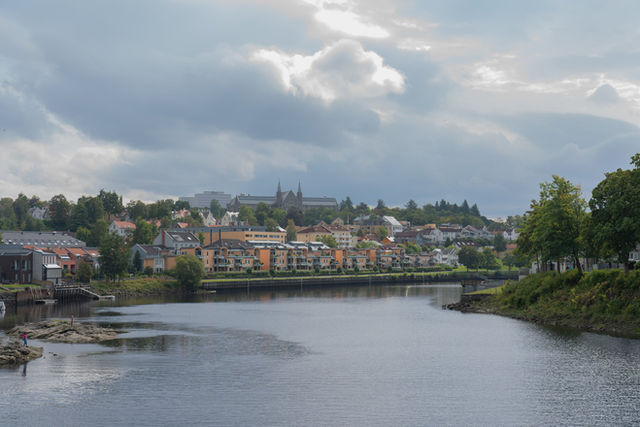
The green-copper spire of Nidaros Cathedral over the rooftops, the red gate-portals of the Old Town Bridge framing a row of stilted wooden wharves down the Nidelva, and students freewheeling home along the river as the long northern evening goes gold.

Trondheim is Norway's old crowning city, laid out on a river peninsula where the Nidelva meets the fjord, and built around the great Gothic cathedral where its kings were made. It is Viking-old and student-young at once — a compact, cycle-flat town of painted wooden houses, riverside wharves and cafés, gentler on the wallet and the nerves than Oslo or Bergen.

Type
city
Ideal length
~approx 2–3 days
Getting around
mostly on foot and by bike; a flat, compact centre, with AtB local buses for the rest
Neighbourhoods
6 areas
Best season / months
May to September for long days and river life; late July for Olavsfest
Language
Norwegian, with fluent, near-universal English
Currency
Norwegian krone (kr / NOK)
Budget level
high — Norway is among Europe's priciest countries, though the student scene softens it
Good for
  • First-timers
  • History
  • Cathedrals
  • Cafés
  • Cycling
  • Couples
▸ Discover

About Trondheim

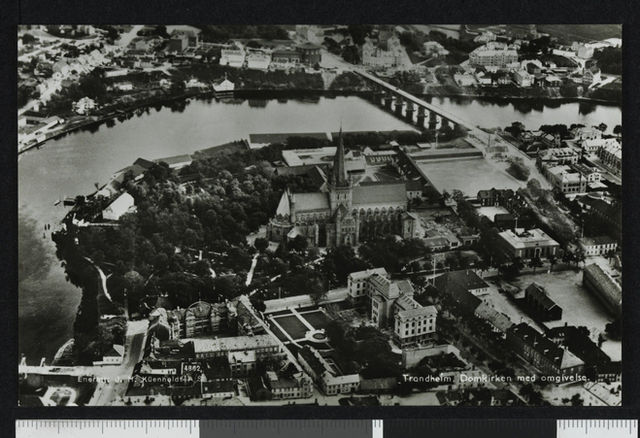
Trondheim sits where the Nidelva river loops around a low peninsula before spilling into the Trondheimsfjord, in the central Norwegian region of Trøndelag. The compact old centre, Midtbyen, fills that peninsula — a grid of wide avenues laid out after old fires, gathered around the Torvet main square and, at the river's edge, the cathedral. The Nidelva curls around the eastern and southern sides, lined by the colourful old wharves and crossed by the Old Town Bridge to the wooden lanes of Bakklandet on the far bank. Behind Bakklandet the ground climbs to the Kristiansten fortress, and across the water to the west the university hill of Gløshaugen holds Norway's big technical campus. Founded by the Vikings as Nidaros and the country's first capital, Trondheim is now Norway's third city and a major rail hub, still crowned by its cathedral but powered by its students.

Why go

Trondheim gives you the single most important church in Norway, a whole quarter of preserved wooden lanes and stilted river wharves, and Viking-deep history — all in a flat, walkable, cycle-friendly town that a big student population keeps lively and, by Norwegian standards, affordable. It is the coronation city and the burial place of St Olav, the northern terminus of the classic Oslo mountain railway and the gateway to the north, and it wears all of that lightly.

Don't miss

  • Nidaros Cathedral (Nidarosdomen) — the northernmost medieval cathedral in the world, over St Olav's grave
  • The Old Town Bridge (Gamle Bybro) and its red "Portal of Happiness" gates
  • Bakklandet — the wooden lanes and cafés on the east bank of the Nidelva
  • The Bryggene wharves — rows of colourful stilted warehouses along the river
  • Kristiansten Fortress on the hill, for the view back over the whole city

Signature experiences

Nidaros Cathedral and the Archbishop's Palace — Norway's single most important church rises over the river at the south end of Midtbyen: the northernmost medieval cathedral in the world, a great Gothic pile built over the burial place of St Olav, King Olav II, whose grave made this the goal of northern pilgrims and the coronation church of Norwegian monarchs. Stand under the ornate west front, studded with row upon row of carved statues, then go inside for the soaring nave and the rose window, and out to the neighbouring Archbishop's Palace, the oldest secular building in the Nordic countries, with its museum of cathedral stonework and the crown jewels. It is the reason Trondheim exists, and it still anchors the whole city. **Bakklandet and the Old Town Bridge** — Cross the Nidelva on the Gamle Bybro, the Old Town Bridge, through its red-painted wooden gate-portals — the "Portal of Happiness" (Lykkens Portal) — and you land in Bakklandet, the loveliest quarter in Trondheim. Narrow cobbled lanes of small painted timber houses run along the east bank, thick with coffee houses, tiny shops and riverside terraces. The bridge itself gives the classic view: the stilted wharves marching down the river on both banks, mirrored in the water. Wander the lanes with no plan, stop for a cinnamon bun and a coffee, and let the day go slowly — this is a walking, sitting, watching kind of city. **Up to Kristiansten for the view** — From Bakklandet a short steep climb leads up to Kristiansten Fortress, a compact 17th-century star fort on the hill that once defended the town from the east. The ramparts give the widest view in Trondheim: the whole peninsula laid out below, the cathedral spire and the river wharves, the fjord opening out beyond. If the walk up feels steep, the Trampe bicycle lift — the quirky Sykkelheisen that pushes cyclists up the Brubakken hill by Bakklandet, reputedly the only one of its kind in the world — hints at just how sharply the ground rises here. **The city's museums and music** — Trondheim keeps its stories in some fine museums. The Ringve Music Museum, in a manor and gardens out on the Lade peninsula, holds instruments from around the world; Rockheim, the national museum of pop and rock down by the harbour, tells the story of Norwegian popular music in a landmark box over the water. In the centre, the Stiftsgården — one of the largest wooden palaces in Scandinavia and a royal residence — opens for tours in summer, and the Archbishop's Palace museum sits beside the cathedral. Between them they cover the whole arc, from medieval stone to electric guitars. **Café life along the river** — For all its Viking weight, everyday Trondheim runs on coffee and the water. The student population fills a café and food scene that is, for Norway, genuinely affordable, and the best of it clusters in Bakklandet and along the Nidelva. Take a bench by the river, hire a bike and glide the flat lanes and the riverside paths, or simply drift between the wharves and the wooden lanes with a paper cup in hand. In the long light of a Trøndelag summer evening — near-endless in June, if never quite the true midnight sun of the far north — the river city is at its most likeable.

Neighbourhoods

Trondheim neighbourhood by neighbourhood — the character of each and who it suits.

  • Midtbyen (the centre)

    The compact old town on the river peninsula, a grid of wide avenues laid out after the fires, gathered around the Torvet main square and running down to the cathedral at the water's edge.

    Why go
    The heart of Trondheim and the greatest concentration of sights — the cathedral, the palace, the market square and the river wharves all within a short flat walk.
    Best for
    First-time sightseeinghistoryshoppingcafés
    Known for
    Nidaros Cathedral and the neighbouring Archbishop's Palace, the Torvet main square with its statue of the city's founder, the Stiftsgården wooden royal palace, and the shops and cafés along the grid.
  • Bakklandet

    A beloved district of narrow lanes and small wooden houses on the east bank of the Nidelva, reached over the Old Town Bridge — Trondheim at its most picturesque, and its most café-dense.

    Why go
    The prettiest wandering in the city, cobbled and low and full of little shops, coffee houses and riverside terraces.
    Best for
    Caféswooden-house lanesslow strollingthe bridge view
    Known for
    The Old Town Bridge (Gamle Bybro) at its foot, the painted timber houses of Øvre Bakklandet, the Trampe bicycle lift up the steep Brubakken hill, and cafés looking back across the river to the wharves.
  • Bryggene (the wharves)

    The rows of tall, colourful old wooden warehouses on stilts that line both banks of the Nidelva, once storing the goods of a trading port and now the city's signature riverside frontage.

    Why go
    The classic Trondheim postcard — best seen from the Old Town Bridge or the water — and a working stretch of restored timber now holding flats, bars and offices.
    Best for
    Photographyriverside walksthe water-level view
    Known for
    The stilted warehouse rows along the Nidelva, the reflections at dusk, and the view of them framed by the red portals of the Old Town Bridge.
  • Solsiden

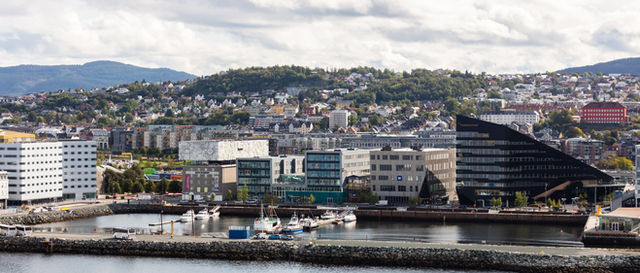
    A former shipyard basin on the east side, redeveloped into a bright dining, shopping and nightlife quarter around a small marina — the city's modern going-out corner.

    Why go
    The liveliest concentration of restaurants, bars and terraces, especially on a warm evening by the water.
    Best for
    Diningevenings outwaterside terracesshopping
    Known for
    The old dock basin turned marina, the restaurant and bar terraces around it, a shopping centre, and a young, busy after-work crowd.
  • Kristiansten

    The hill rising above Bakklandet on the east bank, crowned by the 17th-century Kristiansten Fortress — a compact star fort that guards and overlooks the whole town.

    Why go
    The best high view over Trondheim, the cathedral and the fjord, reached by a short steep walk up from Bakklandet.
    Best for
    Viewsa short climbhistoryphotography
    Known for
    Kristiansten Fortress and its ramparts, the panorama over Midtbyen and the river, and the wooden-house streets climbing the slope beneath it.
  • Around NTNU / Gløshaugen

    The university hill west of the river, home to Norway's big technical and science campus (NTNU) and the student life that shapes the whole city.

    Why go
    Green campus grounds, museums and the youngest, most local end of Trondheim's eating and drinking.
    Best for
    Student barscheaper eatscampus greenlocal life
    Known for
    The NTNU Gløshaugen campus and its landmark main building, university museums, the student-driven café and bar scene, and easy walks down into Bakklandet and the centre.

Views & hidden gems

Best views

  • Kristiansten Fortress ramparts — the definitive high view over the cathedral, the river and the fjord
  • The Old Town Bridge (Gamle Bybro) — the red portals framing the stilted wharves down the Nidelva
  • The riverbank below Bakklandet — the wharves reflected in the water at dusk
  • The cathedral's ornate west front up close — rows of carved statues across the whole facade

Hidden gems

  • The Trampe bicycle lift up Brubakken — the world's only bike lift, a genuine local curiosity to ride or watch
  • The quiet upper lanes of Bakklandet, away from the busiest café row — painted timber and hollyhocks
  • Ringve's gardens on the Lade peninsula — a botanical setting around the music museum, out of the centre
  • The Stiftsgården's plain street front hiding one of Scandinavia's largest wooden palaces
  • The riverside path along the Nidelva — a flat, leafy walk between the bridges that locals use to unwind

Food & drink

Trondheim eats well and, for Norway, kindly. A large student population keeps the café and casual-food scene busy and comparatively affordable, and the best of it gathers in Bakklandet's coffee houses and around the centre. The region, Trøndelag, is one of Norway's serious larders — good farm produce, cheeses and cured meats from the inland valleys, and fresh seafood off the fjord and coast — and the city has a food hall gathering local producers under one roof, plus a run of ambitious kitchens for its size. Eating out anywhere in Norway is expensive, so the sensible mix is the same as elsewhere: café lunches and bakery snacks by day, one good dinner in the evening, and a supermarket top-up for the rest.

  • Fresh seafood — cod, salmon and shellfish off the Trondheimsfjord and the Trøndelag coast
  • Trøndelag farm produce — cured meats, cheeses and dairy from the inland valleys
  • Skillingsboller / cinnamon buns — the big sugared buns that fuel every café stop
  • Brunost — Norwegian brown whey cheese, sliced thin on waffles and bread
  • Waffles (vafler) — heart-shaped, with brown cheese or jam, a café staple
  • Craft coffee — the student city takes its roasting and brewing seriously
Dietary notes

Vegetarian and vegan food is easy in the centre and around the university, where the student cafés and modern kitchens mark it clearly, though the traditional dishes lean to fish and meat. Gluten-free is well understood. Halal and kosher options are limited and concentrated in the centre; self-catering from the Rema 1000 and Kiwi supermarkets is how many travellers keep the daily cost down.

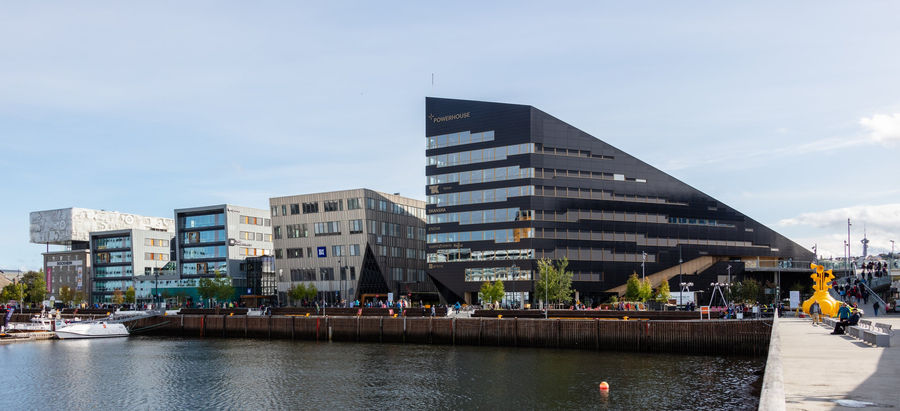
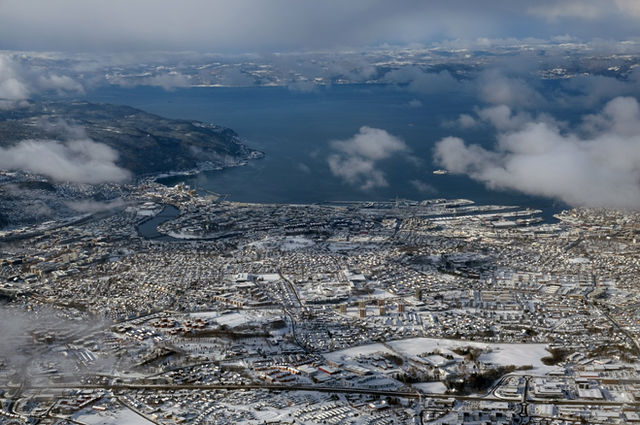
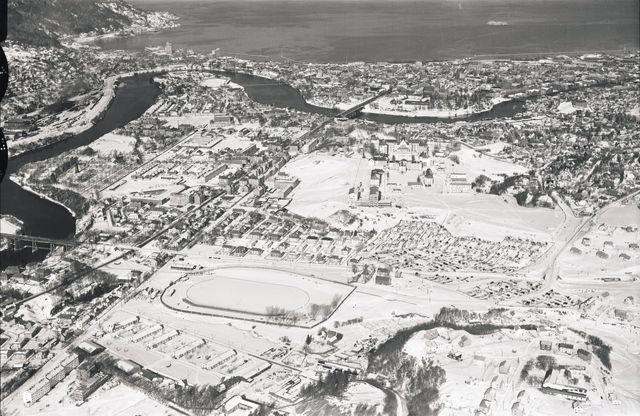
Trondheim in photos

▸ Getting around

Getting around Trondheim

The centre is small, flat and best walked or cycled — Trondheim is a genuinely cycle-friendly city, with a curious bike lift for its one steep hill. AtB runs the local buses for anything further out; tap a contactless card or use the app. A car is a liability in the compact centre — nowhere sensible to park and everything within walking distance.

Everything central is on foot or by bike — Midtbyen, the cathedral, the wharves and the Torvet are minutes apart, and the Old Town Bridge drops you straight into Bakklandet, a flat five-minute walk from the centre. Kristiansten is a short steep climb up from Bakklandet; Solsiden a few minutes along the east bank. Only Ringve on the Lade peninsula and the airport really need a bus or a longer ride.

▸ Plan your days

Suggested itineraries

Ready-made day plans for Trondheim — from a single day to a long weekend.

One day

Start at Nidaros Cathedral when it opens, before the day-trippers, for the west front, the nave and the Archbishop's Palace beside it. Walk up through Midtbyen to the Torvet main square and past the Stiftsgården wooden palace, then head down to the river and cross the Old Town Bridge into Bakklandet. Wander the wooden lanes with a coffee and a bun, and end the day among the wharves and the riverside terraces as the light goes long.
Two days

Give day two to the views and the museums. Climb from Bakklandet up to Kristiansten Fortress for the wide panorama over the city, the river and the fjord, then come back down for the Rockheim music museum by the harbour or the Ringve instrument collection out on the Lade peninsula. Spend the evening around Solsiden, the old dock basin, for dinner and a drink by the marina.

Three days

Use day three to slow down and spread out. Hire a bike and follow the flat riverside paths along the Nidelva, loop out toward the Lade peninsula and its green, or take a trip onto the Trondheimsfjord by boat. Back in town, fill in the museums you missed, browse the food hall for a local lunch, and finish with a last slow evening in Bakklandet.

▸ What you'll do

Insider tips

  • The centre is small and dead flat — a bike or simply your feet beat any other way of getting around, and hiring a bike opens up the riverside paths.
  • Ride or at least go and watch the Trampe bicycle lift by Bakklandet — a genuine one-of-a-kind, and it explains the steepness better than any map.
  • Buy the separate cathedral tickets you actually want (church, tower, palace) rather than assuming one covers all — and check seasonal hours before turning up.
  • Værnes airport (TRD) is linked to the centre by frequent train and airport bus in ~approx 35–40 minutes — simpler and cheaper than a taxi from that far out.
Explore

Explore the area

Interactive area map
Map coordinates coming soon

This place is missing lat/lng — waiting on the next Wix sync.

Do

Local attractions & tours

Skip-the-line tickets and small-group tours in Trondheim — compare across our partners.

We're still curating hand-picked tickets and tours for Trondheim. In the meantime, the map above and the nearby cities are a great place to start.

▸ Budget

What it costs in Trondheim

Backpacker
roughly kr 700–1,200 a day.
Mid-range
roughly kr 1,800–3,200 a day.
Luxury
kr 4,500 a day and up.
Cash vs card
Norway is effectively cashless — contactless cards and phones tap through everything, including cafés and buses. You rarely need cash at all.
Tipping
Not expected; service is included. Round up or leave ~5–10% for good restaurant service if you wish.
▸ When you'll go

When to visit Trondheim

May to September for long days and river life; late July for Olavsfest

Spring

What to expect — Cool and brightening, greening fast, with the days lengthening quickly through April and May. Snow lingers inland and the river runs high with melt, the café terraces reopening as it warms.

What's best — Fewer visitors, the city at its freshest and greenest, and the long light building toward summer before the season proper begins.

Summer

What to expect — The warmest, longest and busiest season — daylight late into the night (near-endless in June, though not the true midnight sun of the far north), river life in full swing, and every terrace open. Warm by Norwegian standards rather than hot.

What's best — Long light for the river and the fortress, Olavsfest around the cathedral in late July, the wharves and Bakklandet at their liveliest, and the widest choice of tours and trains.

Autumn

What to expect — Cooler, darker and wetter as the light draws in and the crowds thin from September. The riverbanks and hills turn gold, and the café life moves back indoors.

What's best — Autumn colour along the Nidelva and up at Kristiansten, quiet museums, cosy cafés, and lower shoulder-season rates.

Winter

What to expect — Dark and cold, with short days and snow likely — a proper northern winter, if milder on the coast than deep inland. The city keeps working and turns cosy.

What's best — A snow-dusted cathedral and wooden lanes, candlelit cafés, Christmas markets on the Torvet, and the lowest room rates of the year.

▸ Know before you go

Know before you go

Honest swaps

Skip driving into the centre → Trondheim is a flat, compact walking and cycling city; leave the car and use your feet, a bike and the buses.

Skip a taxi up to the fortress → walk up from Bakklandet for the same view and a proper leg-stretch, or watch the Trampe bike lift do the climbing.

Skip pricey harbourside restaurants for lunch → eat café lunches and bakery buns in Bakklandet, then spend on one good dinner.

Skip trying to "do" the cathedral in ten minutes → give it time for the west front, the nave and the Archbishop's Palace next door; it is the whole point of the city.

Crowds & timing

The cathedral and Bakklandet are busiest late morning to mid-afternoon, especially when a coastal ship or a cruise calls — go early or in the evening for the wharf and the lanes to yourself.

Olavsfest, the St Olav Festival around the cathedral in late July (28 July–3 August in 2026), is the year's big event and fills the city — book beds well ahead for those dates.

Cathedral opening hours and services vary by season and there are separate tickets for the church, the tower climb and the palace — check before you go.

Local rules & etiquette

Bring a warm and waterproof layer whatever the season — this is central Norway, and the weather turns quickly even in summer.

Respect the cathedral as a working church: quiet, no flash where signed, and dress and behave appropriately during services.

Cyclists have real priority here and the centre is full of them; stay out of the bike lanes on foot and look before you cross one.

Alcohol is heavily taxed and sold in bars and, for wine and spirits, only through the state Vinmonopolet shops, which close early and all day Sunday.

Money

Tap-to-pay everywhere; cash is close to obsolete. Decline "pay in your home currency" (dynamic currency conversion) on card terminals — always choose Norwegian kroner.

After dark

Solsiden, the old dock basin, is the mainstream night out — restaurants, bars and terraces around the marina, busiest at the weekend.

Bakklandet and the riverside are quieter and more atmospheric in the evening, good for a walk and a waterside drink.

The university side around NTNU has the cheaper, more local student bars.

Live music and culture run at the concert house and smaller venues, with Olavsfest the summer cultural set-piece around the cathedral.

▸ Ready to book your trip?

Getting there

The gateway is Trondheim Airport, Værnes (TRD), east of the city, connected to the centre in ~approx 35–40 minutes by frequent train and by airport bus — cheap, regular and easy. Trondheim is also a major rail hub: the Dovre line from Oslo, one of Norway's great scenic routes over the mountains, and the Nordland line running north toward Bodø meet at the central station a short walk from the centre. The coastal ship (Hurtigruten / Havila) calls here too, docking near the middle of town.

Book

Ready to book your trip?

Flights, airport transfers and car hire — search and compare without leaving the page.

▸ Trip extras
Book

More trip extras

Parking, holiday extras, and more — coming soon.

Coming soon

We're lining up parking, holiday extras and activities you'll be able to add to any trip from here.