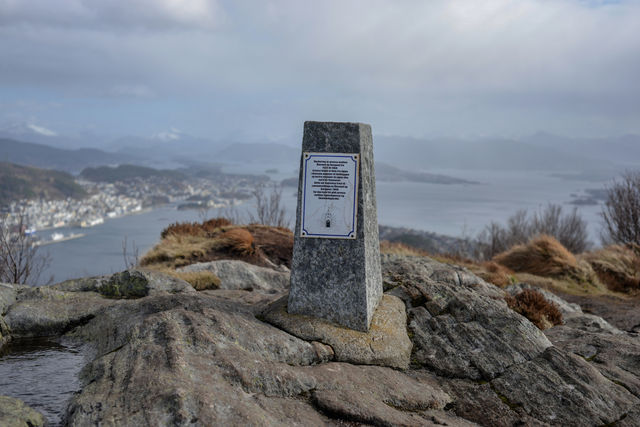
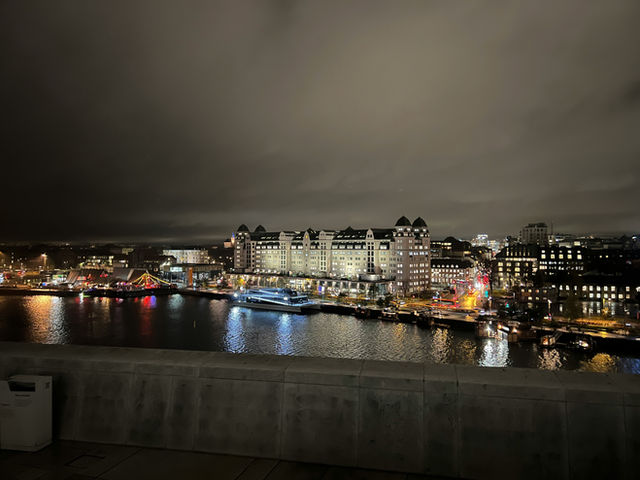
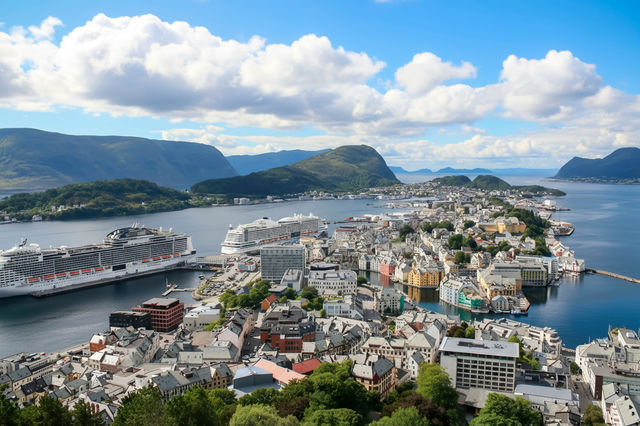
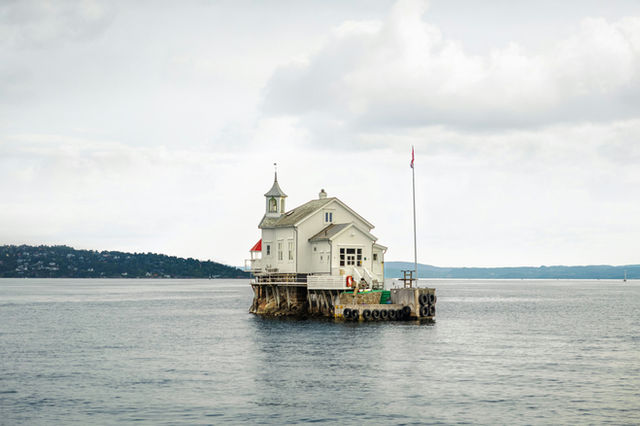
Norway — hero
← All destinations Country

Norway

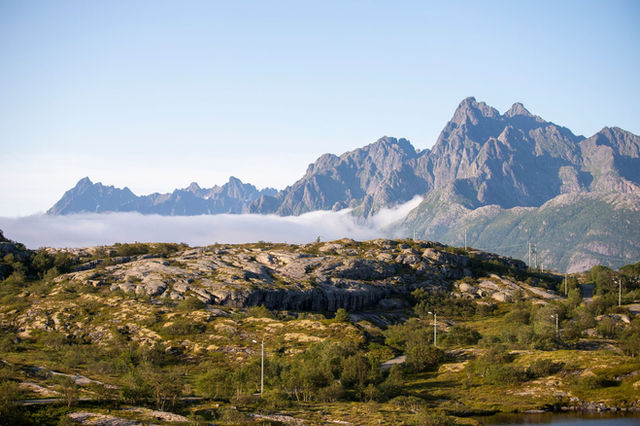
UNESCO fjords, the Northern Lights and the Arctic wild. Norway is the planet's most dramatic scenery, travelled the sustainable way.

  • Currency kr Norwegian Krone (NOK)
  • Language Norwegian Nynorsk, Norwegian Bokmål, Sami
  • Best time June – August (fjords), November – February (northern lights)
  • Visa Visa-free (up to 90 days; Schengen)
Why visit

Why Norway

UNESCO fjords, the Northern Lights and the Arctic wild. Norway is the planet's most dramatic scenery, travelled the sustainable way.

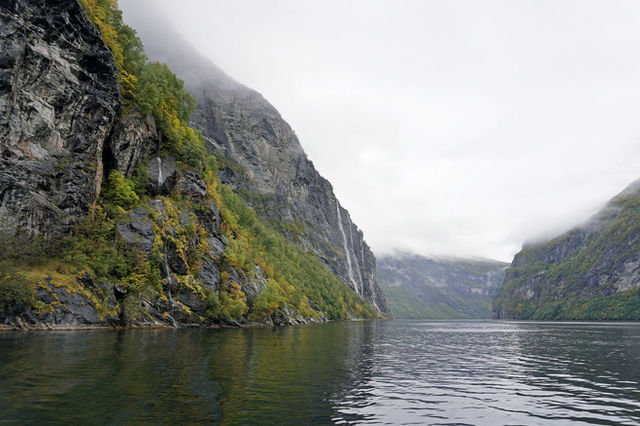
  • Geirangerfjord cruise
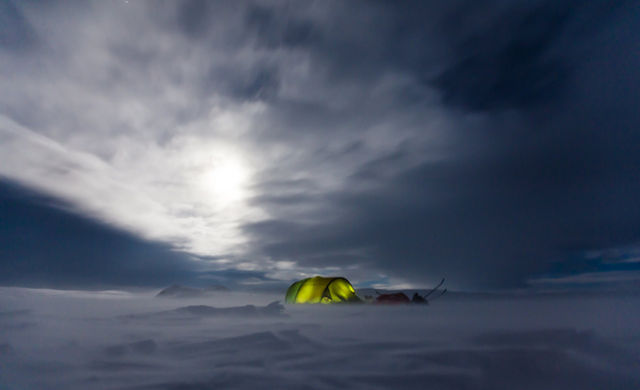
  • Northern Lights in Tromsø
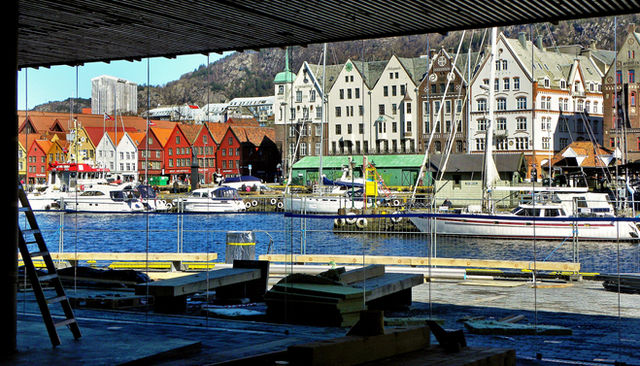
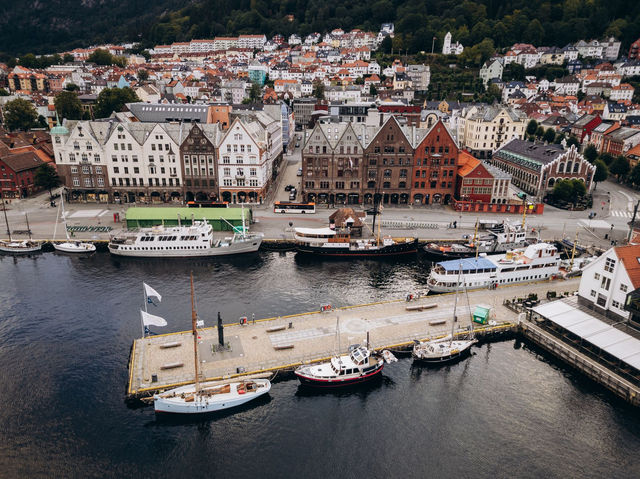
  • Bergen's Bryggen wharf
  • Flåm scenic railway
Read more

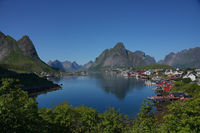
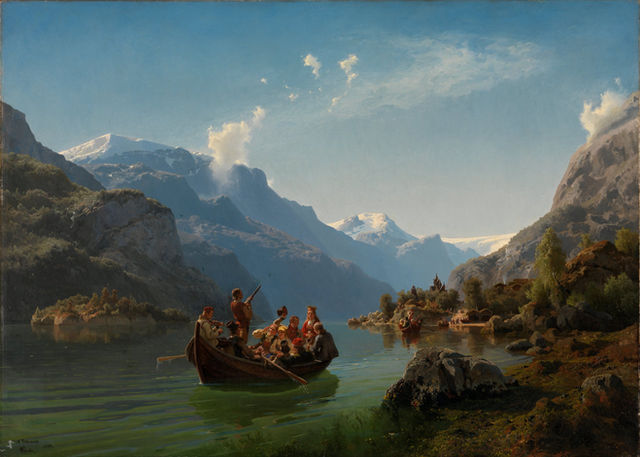
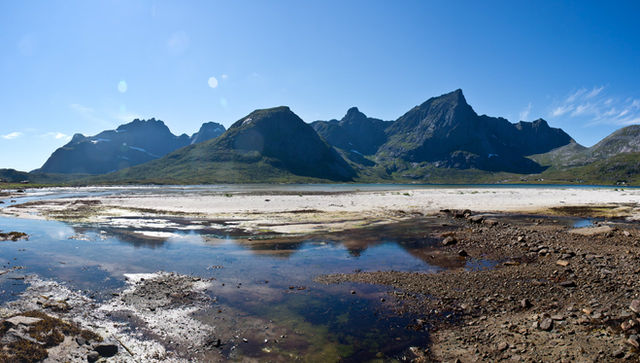
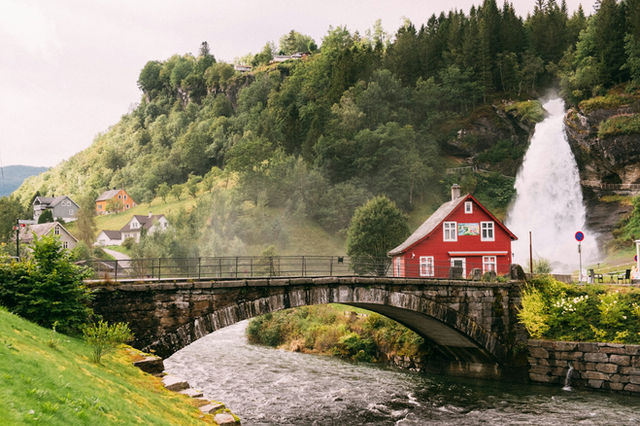
Norway is nature at its most theatrical: UNESCO-listed fjords where sheer cliffs plunge into mirror-still water, the aurora dancing over the Arctic North, and a coastline of impossible drama. Oslo anchors it all with world-class design, food and art.

A global leader in sustainability, Norway travels light: electric ferries glide between fjords, and smart visitor management keeps the wild places wild. It is a natural home for soft adventure, from fjord cruises to dog-sledding and reindeer encounters.

In 2026 Norway champions regenerative, low-impact travel, dispersing visitors to lesser-known fjords and design-forward cities. Here the Midnight Sun and the Northern Lights feel authentically, thrillingly earned.

A pillar, not a footnote

Eat your way through Norway

The single reason many travellers come back — the food culture worth reshaping a trip around, and the dishes to seek out region by region.

Norway

The world's cleanest cold water turned into salmon and cod — and a surprising national weakness for cinnamon buns.

The sea does most of the work here, in water so cold and clean the fish tastes of little but itself. On a harbour in the north you'll eat skrei — the migrating winter cod — poached and served with its own liver and roe; further south, a side of gravlaks, salmon buried in salt, sugar and dill until it turns silky, sliced thin over a sweet mustard sauce.

Inland and upland, Norway eats to keep the cold out: fårikål, mutton and cabbage stewed slow with peppercorns until the whole house smells of autumn; thin slices of cured reindeer; a heart-shaped waffle folded warm around brown, caramel-sweet brunost cheese. And for all its reputation for restraint, this is a country that stops everything mid-morning for coffee and a cinnamon bolle — the daily ritual it quietly refuses to skip.

Dishes to seek out
  • gravlaks (cured salmon)
  • skrei (winter cod)
  • fårikål (mutton & cabbage)
  • brunost (brown cheese)
  • kjøttkaker (meat cakes)
  • cured reindeer
  • kanelboller (cinnamon buns)
Places to go

Cities and regions worth your time

11 destinations in Norway — pick a base or link them into a route.

Browse by type

Tap a type to filter the list and the map — tap it again or “All” to see everything.

© OpenFreeMap · OSM · terrain Mapterhorn
Things to do

Nature, culture & hidden gems

  • Bryggen (Hanseatic Wharf)

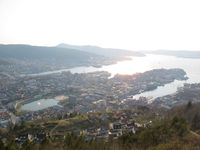
    Bergen's UNESCO-listed Hanseatic wharf — a leaning row of pointed-gable wooden merchant houses over the harbour, with a warren of timber passages behind.

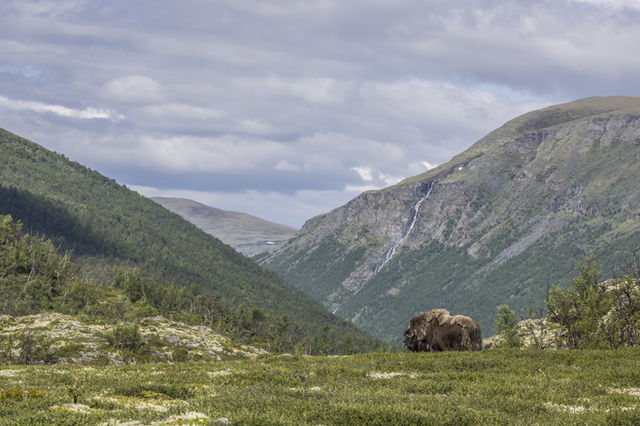
  • Dovrefjell (Musk Ox Country)

    A high central-Norway plateau national park famous for musk-ox safaris — shaggy Ice-Age survivors roaming the open tundra below Snøhetta.

  • Hardangerfjord

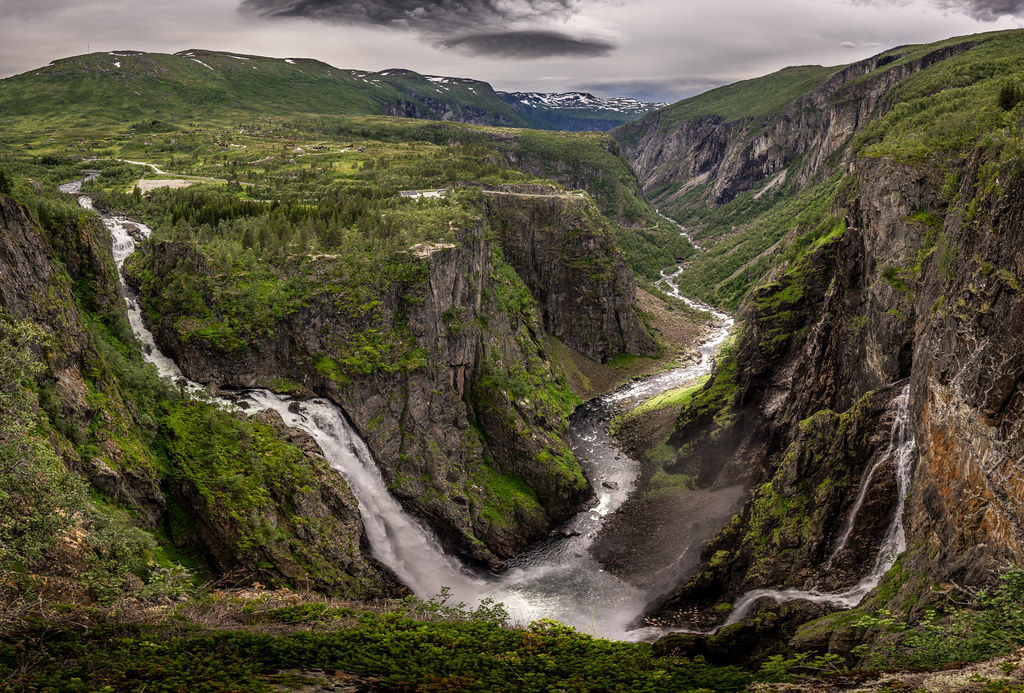
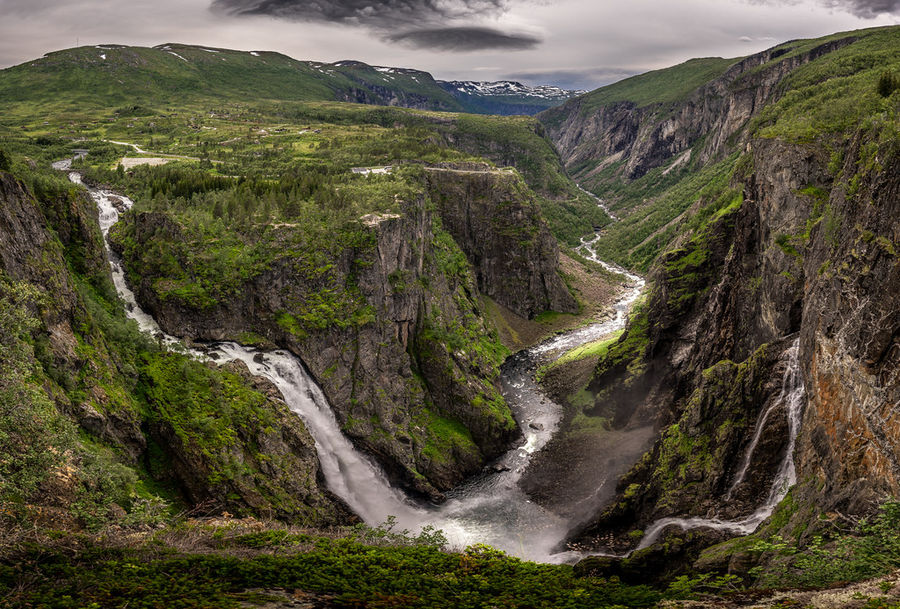
    Norway's second-longest fjord and its orchard country — blossom-covered hillsides, the mighty Vøringsfossen waterfall, and the Folgefonna glacier.

  • Hardangervidda National Park

    Northern Europe's largest mountain plateau and Norway's biggest national park — tundra, wild reindeer and long hut-to-hut hiking and ski routes.

  • Jostedalsbreen & Nigardsbreen Glacier

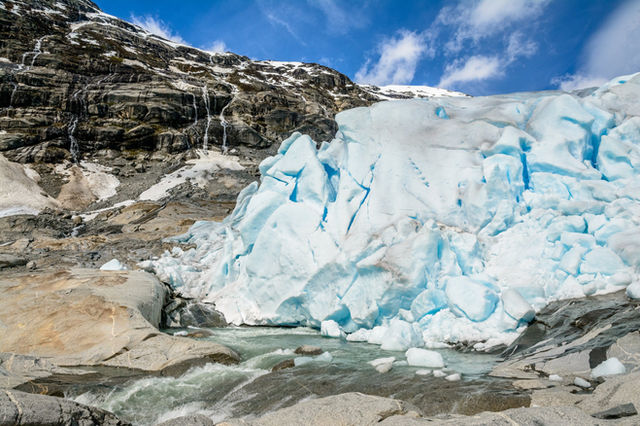
    Mainland Europe's largest glacier — its Nigardsbreen arm is Norway's premier spot for guided blue-ice glacier walks.

  • Jotunheimen National Park

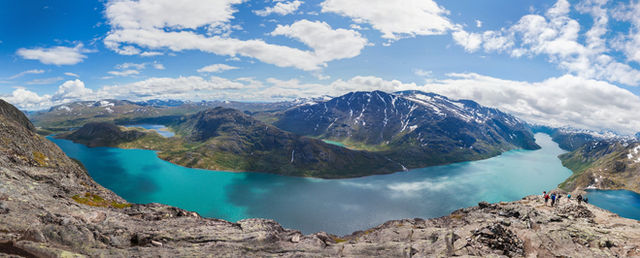
    Norway's greatest mountain range and national park — home to the country's highest peaks, glaciers and the knife-edge Besseggen ridge walk.

  • Kjeragbolten

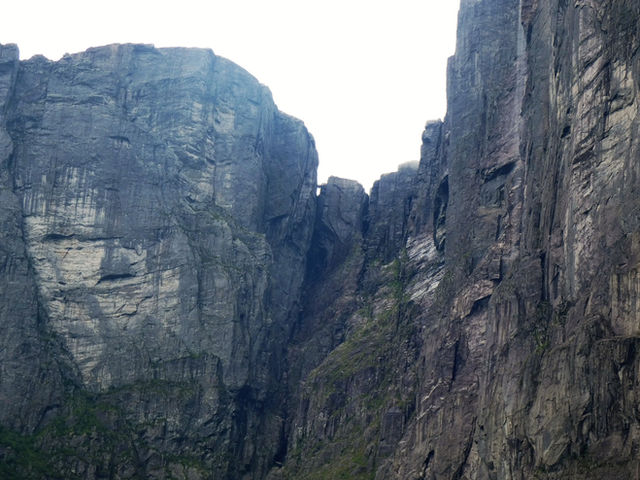
    A boulder wedged in a mountain crevasse above the Lysefjord, suspended over a near-1,000-metre drop — the daredevil's photo, reached by a hard day hike.

  • MUNCH (Munch Museum)

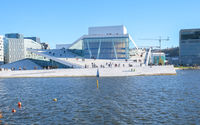
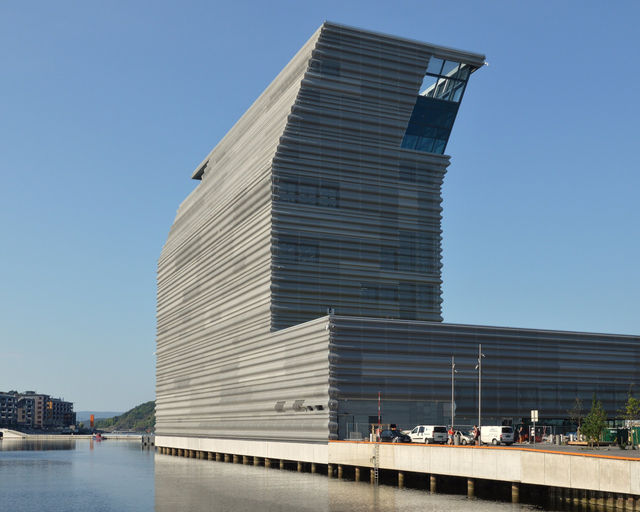
    Oslo's waterfront tower museum holding the world's largest Edvard Munch collection — including a version of 'The Scream'.

  • Museum of the Viking Age

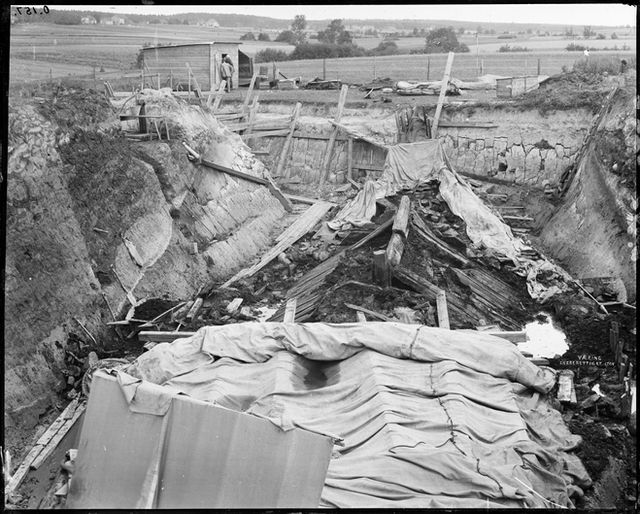
    Bygdøy's rebuilt Viking museum — home to the Oseberg, Gokstad and Tune ships. Closed for expansion; reopening planned for late 2027.

  • Nærøyfjord

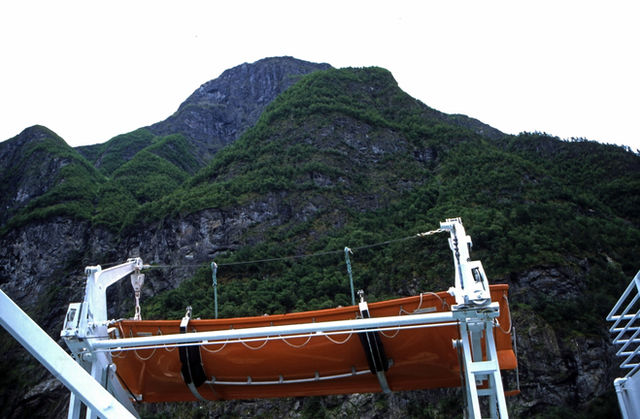
    A slender UNESCO-listed arm of the Sognefjord, barely a few hundred metres wide under thousand-metre walls — the boat leg of 'Norway in a Nutshell'.

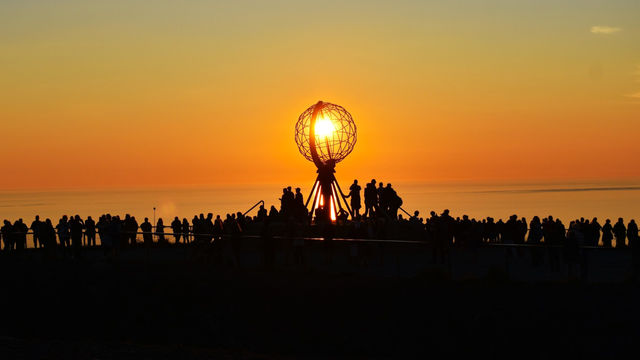
  • Nordkapp (North Cape)

    The great slate cliff on Magerøya long billed as mainland Europe's northernmost point — a windswept plateau over the Barents Sea with a globe monument.

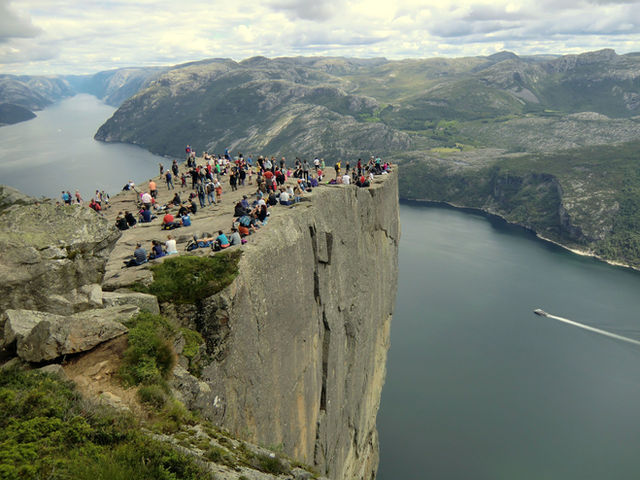
  • Preikestolen (Pulpit Rock)

    The flat cliff plateau that juts some 600 metres straight above the Lysefjord — Norway's most famous hike and one of its most photographed sights.

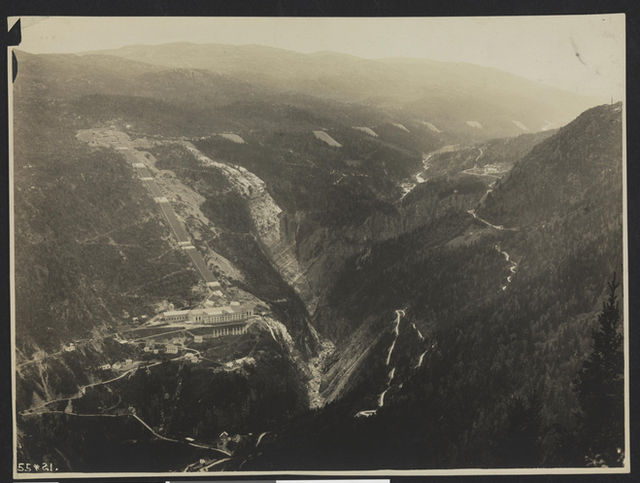
  • Rjukan–Notodden Industrial Heritage

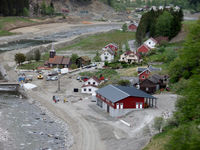
    A UNESCO site in Telemark marking the birth of hydroelectric industry — and the Vemork plant of the wartime 'heavy water' sabotage.

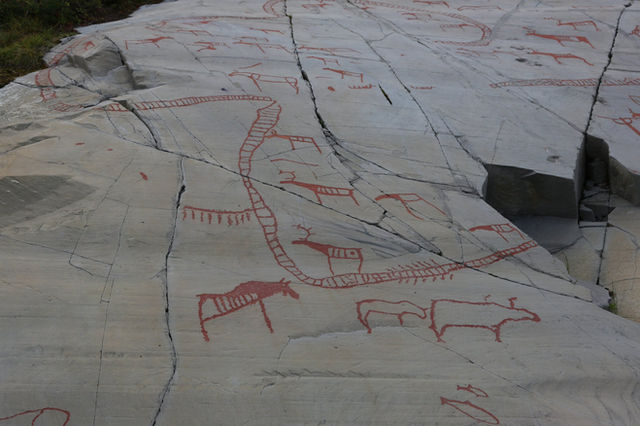
  • Rock Art of Alta

    The largest prehistoric rock-carving site in northern Europe — thousands of UNESCO-listed petroglyphs over roughly 5,000 years, in Arctic Alta.

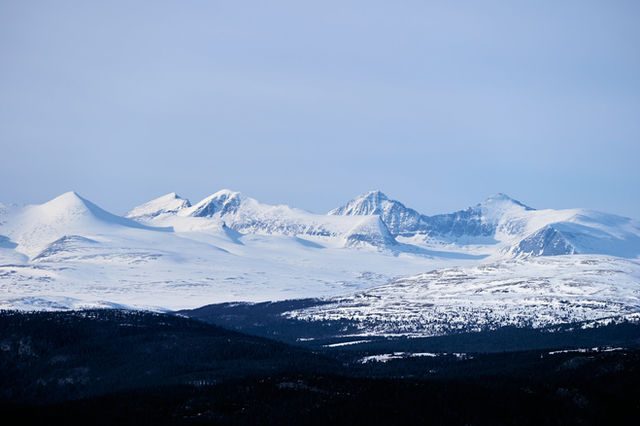
  • Rondane National Park

    Norway's first national park (1962) — rounded 2,000 m peaks, wild reindeer and classic hut-to-hut trekking in the eastern mountains.

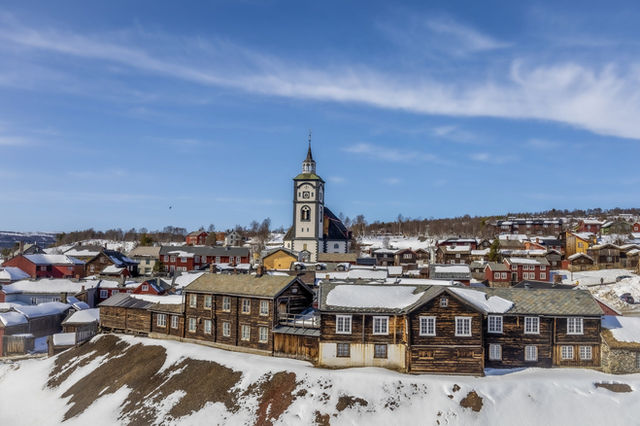
  • Røros Mining Town

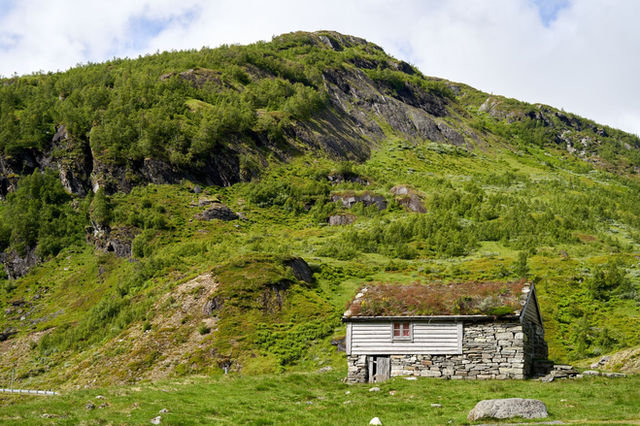
    A UNESCO-listed 17th-century copper-mining town of blackened timber houses and turf roofs on a high, cold Trøndelag plateau.

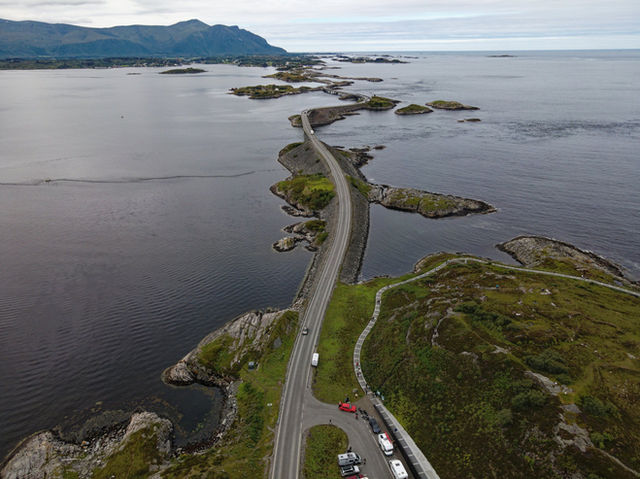
  • The Atlantic Road (Atlanterhavsveien)

    A short, spectacular coastal highway island-hopping on causeways and bridges — its curving Storseisundet Bridge appears to launch straight into the sea.

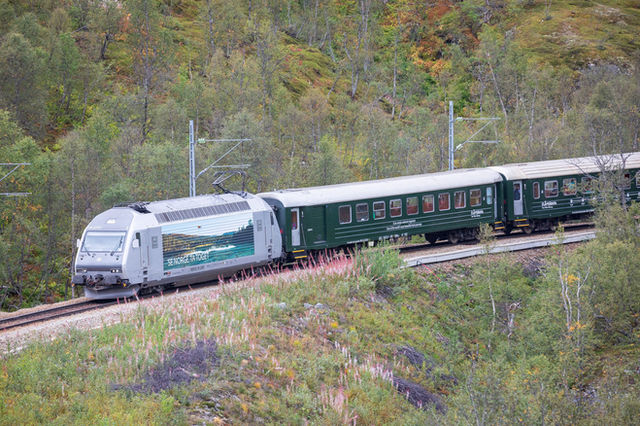
  • The Flåm Railway (Flåmsbana)

    One of the world's steepest standard-gauge railways, dropping from Myrdal to the fjord at Flåm past waterfalls and spiralling tunnels in under an hour.

  • The Fram Museum

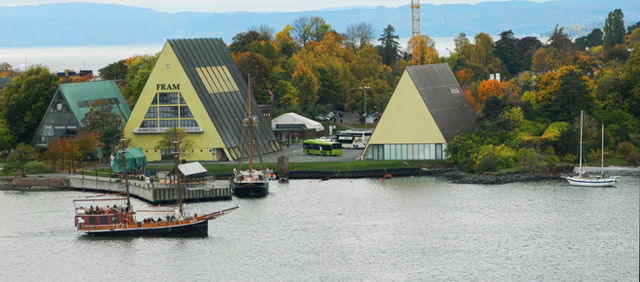
    Bygdøy's polar-exploration museum built around the Fram — the ship that sailed farther north and south than any other. Board it and explore.

  • The Kon-Tiki Museum

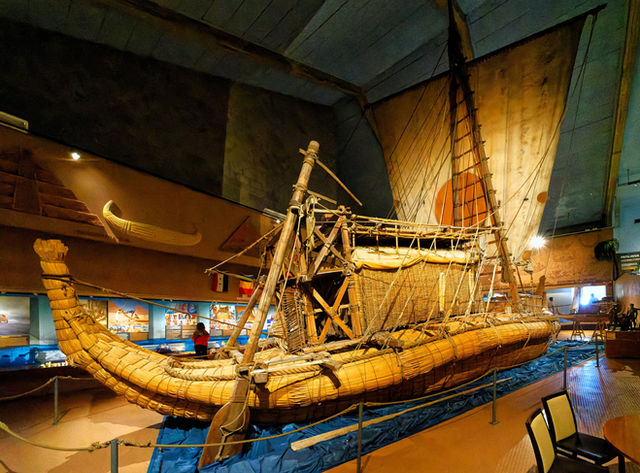
    Bygdøy's museum of adventurer Thor Heyerdahl — home to the original Kon-Tiki balsa raft that crossed the Pacific in 1947, and the reed boat Ra II.

  • The Seven Sisters Waterfall

    Seven streams plunging side by side down a sheer cliff into the UNESCO Geirangerfjord, facing the single 'Suitor' fall across the water.

  • The Vega Archipelago

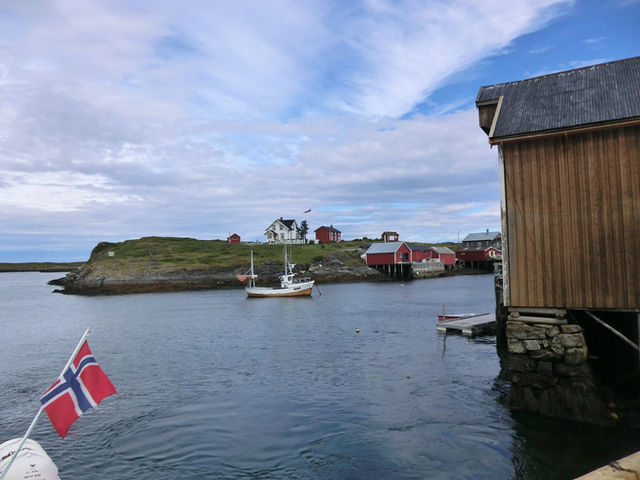
    A UNESCO archipelago off the Helgeland coast, honoured for a thousand-year tradition of gathering eider down from sheltered nesting ducks.

  • Trollstigen (the Troll's Ladder)

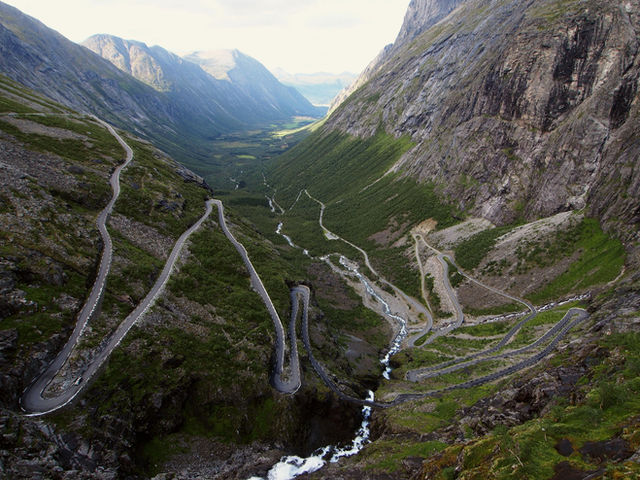
    A dramatic mountain road of eleven tight hairpins climbing past a waterfall, with a cantilevered viewing platform over the switchbacks — a Norwegian Scenic Route.

  • Trolltunga

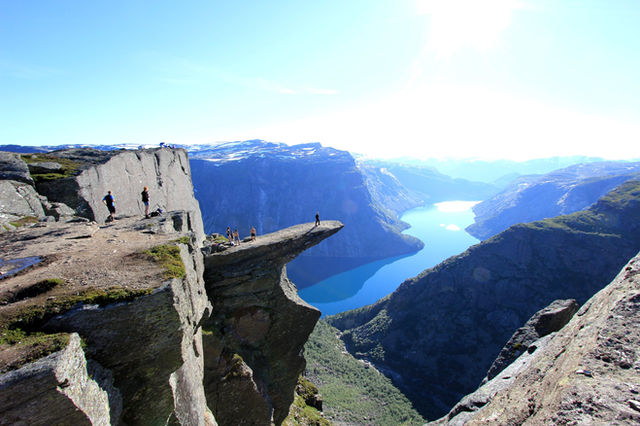
    The thin 'Troll's Tongue' of rock jutting horizontally 700 metres above a glacial lake near Odda — one of Norway's iconic (and most demanding) hikes.

  • Urnes Stave Church

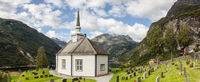
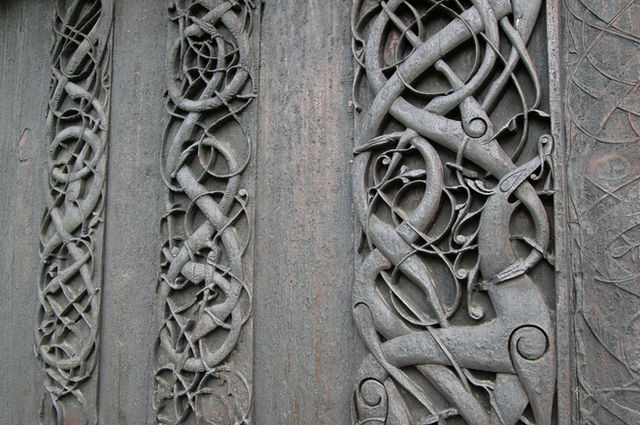
    Norway's oldest stave church — a UNESCO site above the Sognefjord, famous for its 12th-century 'Urnes style' Viking-Christian wood carvings.

  • Vigeland Sculpture Park

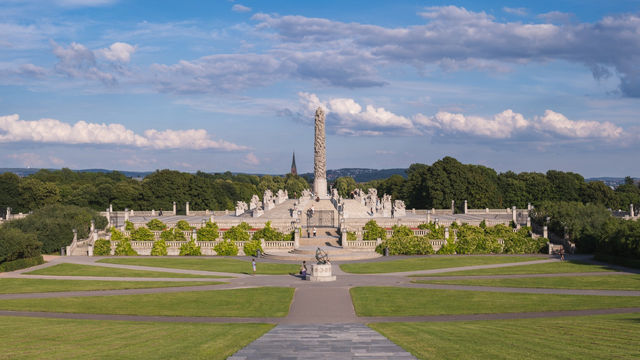
    The world's largest sculpture park by one artist — Gustav Vigeland's 200+ figures in Frogner Park, crowned by the towering Monolith. Free and open.

Plan your trip

Curated Norway itineraries

Browse all Norway trips →
Where to stay

Hand-checked places in Norway

Browse all Norway stays →
When to go

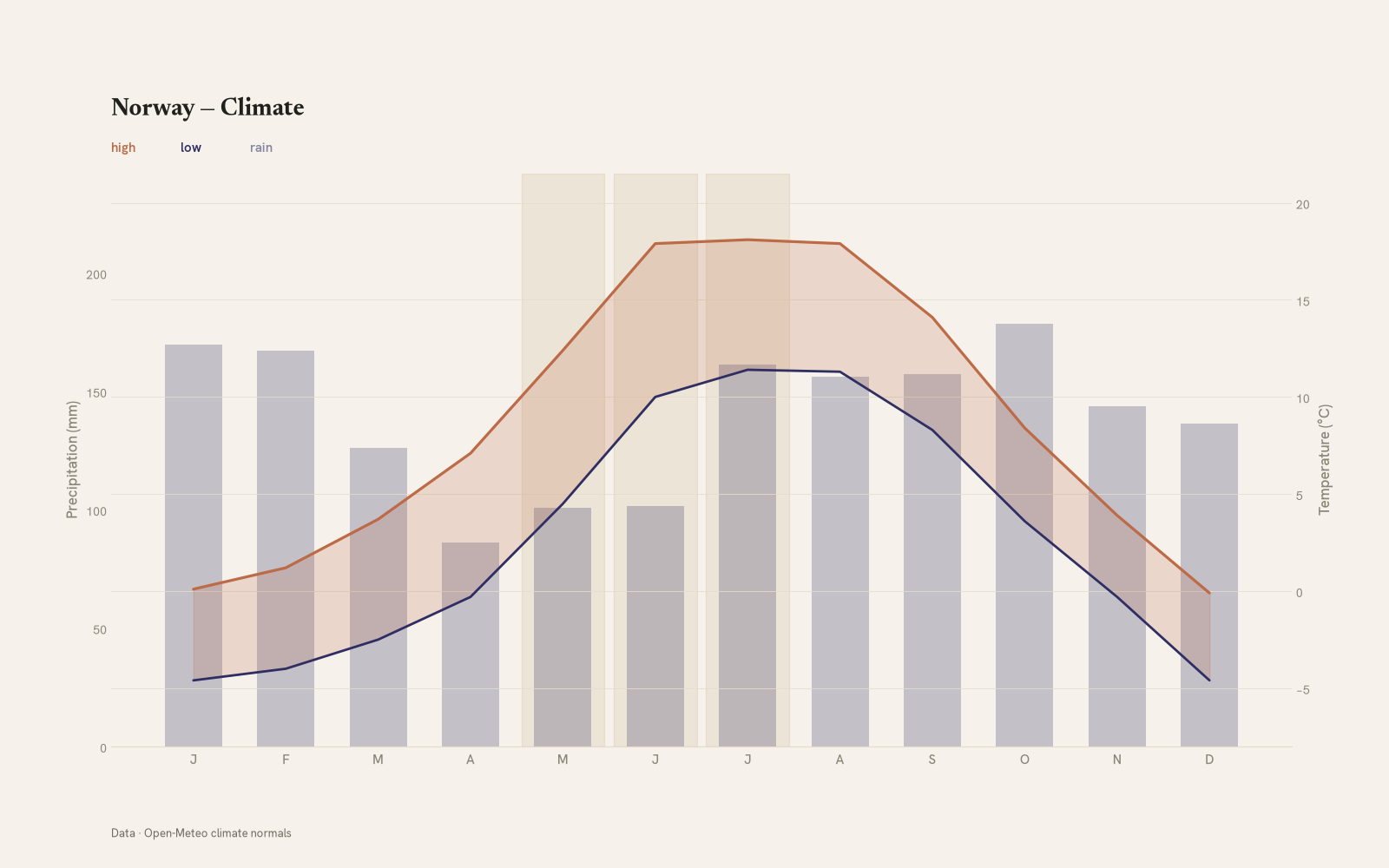
Weather & timing in Norway RIGHT NOW 20° clear

Best May–Jul · Shoulder Apr, Aug–Sep

  1. Jan / -4°
  2. Feb / -2°
  3. Mar 12° /
  4. Apr 18° /
  5. May 24° / 14°
  6. Jun 28° / 18°
  7. Jul 30° / 20°
  8. Aug 28° / 18°
  9. Sep 24° / 14°
  10. Oct 18° /
  11. Nov 12° /
  12. Dec / -2°

Best time to visit

June – August (fjords), November – February (northern lights)
Best for
  • Fjords
  • Aurora
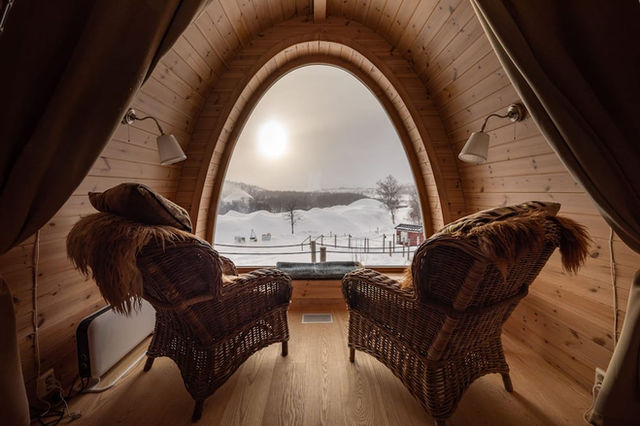
  • Cabin Culture
  • Midnight Sun
At a glance
Sunshine 7 hr/day (est.)
Rain days 8 days/mo (est.)
Wettest December · 60mm
Driest June · 10mm
Part of Nordic →
By season
Spring (Mar–May)

What to expect — Daytime highs average about 18°C with overnight lows near 8°C, and it stays largely dry.

What's best — May is among the best time to visit — good weather with manageable crowds. Apr also works well.

Summer (Jun–Aug)

What to expect — Daytime highs average about 29°C with overnight lows near 19°C, and it stays largely dry.

What's best — Jun and Jul are among the best time to visit — good weather with manageable crowds. Aug also works well.

Autumn (Sep–Nov)

What to expect — Daytime highs average about 18°C with overnight lows near 8°C.

What's best — Sep is comfortable, with thinner crowds.

Winter (Dec–Feb)

What to expect — Daytime highs average about 7°C with overnight lows near -3°C.

What's best — Cold and quiet; some mountain roads and sights run reduced hours.

A little context

A little history

To read what you're looking at — the empires and eras that shaped Norway's food, art and streets.

The Viking age left the sagas, the longships and the medieval wooden stave churches
centuries of union with Denmark then Sweden ended in full independence only in 1905
life clung to the coast, so the deep western fjords and Bergen's Hanseatic wharf shaped a fishing-and-trading culture
North Sea oil since the 1970s turned a poor fishing nation into one of the world's wealthiest
Before you book

Know before you go

The practical back-matter — safety, drones and the essentials, in one place.

Safety

Low risk FCDO advice →

Official UK Foreign, Commonwealth & Development Office guidance is the definitive source — check it close to your travel dates.

Drone rules (sub-250g)

  • Norway
    Register as an operator at flydrone.no (an existing EASA registration is valid) — and, unusually, foreign visitors must also register their use of a camera or sensor with the National Security Authority (NSM) before flying. Rural flying is otherwise open, well clear of the 5 km airport zones. ⚠ Svalbard is almost entirely off-limits to visitor drones; national-security no-fly zones and airport buffers apply on the mainland — register your camera use with NSM and check the flydrone.no map. Rules checked: Jul 2026

National parks, protected sites and religious/heritage venues often have their own rules and permits — always check the specific site before you fly.

The essentials

Plug & voltage Type C/F · 230V
Daily budget Expensive
Region Northern Europe