← Norway
NORWAY · CITY

Tromsø

  • City
  • late September to March for the aurora; June to July for the midnight sun and hiking
  • ~approx 3–4 days (to allow spare aurora nights)
  • Gateway to the Arctic
  • Paris of the North
  • Aurora Capital
  • Island City

A green ribbon of aurora unrolling over the fjord behind the white triangle of the Arctic Cathedral, the cable car lights climbing the mountain across the water, and the crunch of hard snow underfoot outside a warm café on Storgata.

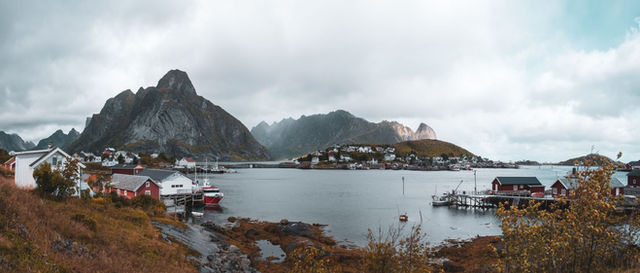
Tromsø is a small wooden city on an island far above the Arctic Circle, where painted 19th-century townhouses look out on snow peaks and dark winter water. It is the busiest, most accessible base on earth for the Northern Lights — and, in summer, a place where the sun simply refuses to set.

Type
city
Ideal length
~approx 3–4 days (to allow spare aurora nights)
Getting around
mostly on foot in the centre; local buses, and the Fjellheisen cable car across the bridge
Neighbourhoods
5 areas
Best season / months
late September to March for the aurora; June to July for the midnight sun and hiking
Language
Norwegian, with fluent, near-universal English
Currency
Norwegian krone (kr / NOK)
Budget level
very high — among the most expensive cities in Europe
Good for
  • Aurora hunters
  • Winter adventure
  • Wildlife
  • Nature
  • Couples
▸ Discover

About Tromsø

Tromsø sits about 350 kilometres north of the Arctic Circle, built mostly on the island of Tromsøya between the Norwegian mainland and the larger islands out to the west, all stitched together by bridges and an undersea tunnel. The compact centre fills the eastern side of the island, facing the sound: a tight grid of wooden houses and cafés around the Storgata pedestrian street, running down to a working harbour where whale-watching boats and fjord cruisers tie up. Across the water on the mainland side rise the Arctic Cathedral and the Fjellheisen cable car up Mount Storsteinen; north along the island spreads the Arctic University campus and its botanic garden. This is the unofficial capital of Arctic Norway — the "Gateway to the Arctic" for a century of polar expeditions, and, for its handsome timber townhouses, the "Paris of the North."

Why go

Nowhere else gives you this much Arctic on a plate. Tromsø sits directly under the auroral oval, so it is one of the most reliable and easily reached places in the world to see the Northern Lights — and you fly straight into a walkable little city with cafés, museums and a mountain cable car, not a remote outpost. Add dog-sledding, whale-watching, Sami culture and, in summer, a sun that never sets, and a handful of days here delivers the full polar experience with almost none of the hardship.

Don't miss

  • The Northern Lights — chased by minibus into the clear-sky dark on a winter night
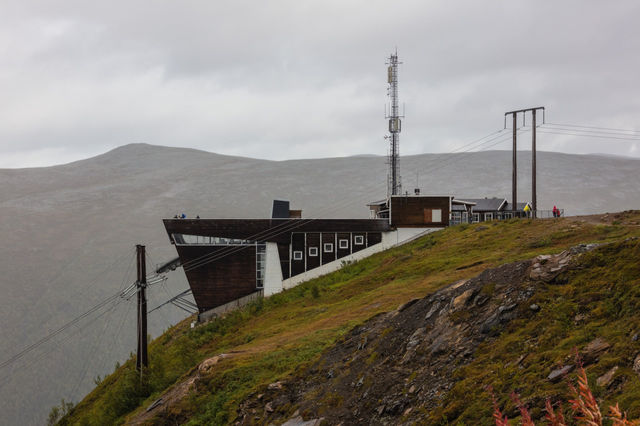
  • The Fjellheisen cable car up Mount Storsteinen for the panorama over city and fjords
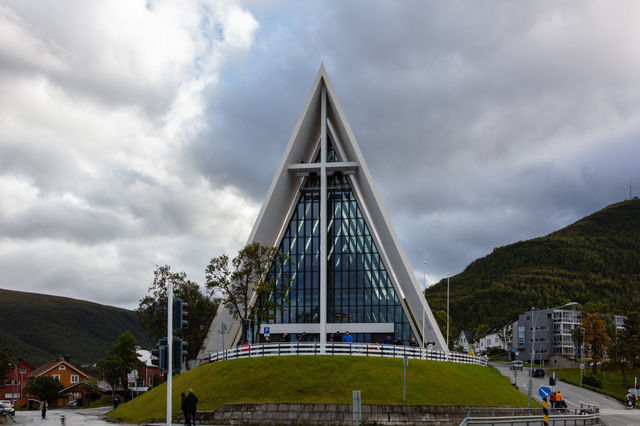
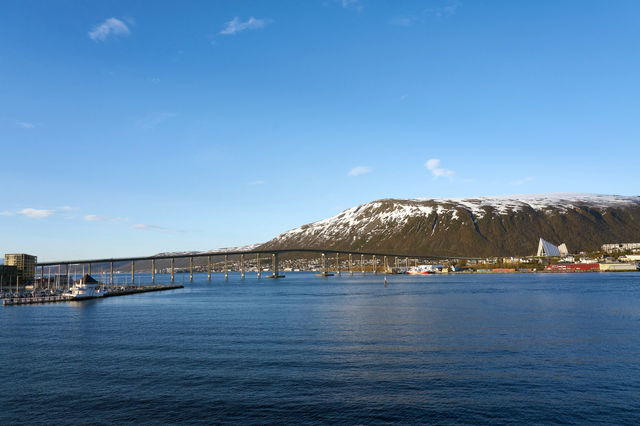
  • The Arctic Cathedral (Ishavskatedralen) — the white triangular church across the bridge
  • Winter whale-watching for orcas and humpbacks off the coast
  • The Polar Museum (Polarmuseet) on Arctic exploration and hunting

Signature experiences

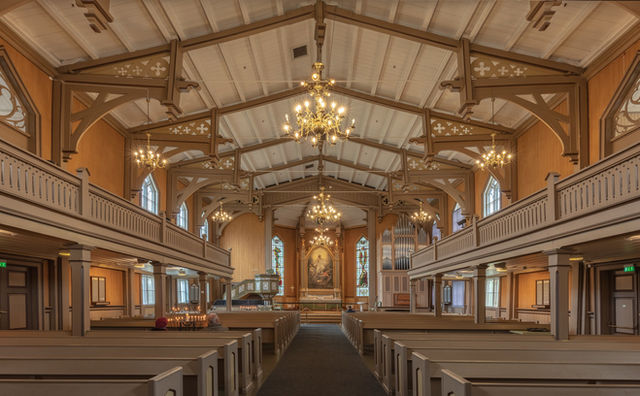
Chasing the aurora — The Northern Lights are why most people come, and the smart way to see them is to hand the problem to a guide. Aurora-chasing minibus tours pick you up in the centre after dark and drive — sometimes for hours, sometimes across the border into Finland — to wherever the sky is clearest that night, away from the city glow. Guides carry warm suits, hot drinks and cameras that pull the colour out of a faint band the eye reads as pale grey. The season runs roughly late September to late March, and the golden rule is simple: the lights need darkness, a clear sky and patience, so give yourself two or three nights rather than pinning everything on one. **Up the mountain on the Fjellheisen** — Across the bridge on the mainland side, the Fjellheisen cable car climbs in a few minutes from Tromsdalen to a platform on Mount Storsteinen, around 421 metres up, for the definitive view over the island city, the bridges and the surrounding fjords and peaks. It is a prime spot in every season — the midnight sun wheeling low over the water in summer, the whole city glittering under snow in winter, and, on a clear dark night, the aurora overhead with the lights of Tromsø laid out below. There is a café at the top and marked trails on for the fit. **Out on the water for whales** — In the cold months the fjords and coast north of Tromsø fill with orcas and humpbacks following the herring, and winter whale-watching boats run out to find them — the best sightings tend to be up the coast around Skjervøy, so the longer trips are the serious ones. It is properly Arctic: wrap up, watch black dorsal fins cut the grey water against snow mountains, and accept that wildlife keeps its own timetable. In summer the same quays send fjord cruises out under the midnight sun instead. **Dog-sledding, reindeer and Sami culture** — Beyond the city the valleys hold husky and reindeer camps, and a half-day out is one of the great Arctic experiences — mushing a team of huskies across the snow, or riding a reindeer sled and sharing a fire and a meal with Sami herders who explain a culture built on following the reindeer. It is hands-on and memorable, and one of the few ways to feel the land the way the people who have always lived here do. Tours run from the centre with transport laid on. **The polar city itself** — Between the big excursions, Tromsø rewards a slow wander. The Polar Museum, in an old customs warehouse on the water, tells the hard story of Arctic exploration and hunting that made the city's name. The wooden Tromsø Cathedral is a rare timber cathedral; the Arctic Cathedral across the bridge runs atmospheric midnight-sun and evening organ concerts under its soaring white roof. And the Mack brewery — one of the world's northernmost — pours its beer in the old Ølhallen hall, the right place to end a cold day.

Neighbourhoods

Tromsø neighbourhood by neighbourhood — the character of each and who it suits.

  • Sentrum

    The compact island city centre, a tight grid of painted wooden houses and cafés around the Storgata pedestrian street, walkable end to end in a few minutes.

    Why go
    The heart of Tromsø — its shops, cafés, bars and museums, and the base from which every tour picks you up.
    Best for
    First-time wanderingcafésnightlifemuseums
    Known for
    The Storgata main street, the wooden Tromsø Cathedral (Domkirke), the Polar Museum down by the water, the Mack brewery and its Ølhallen beer hall, and the cluster of aurora-tour pickup points.
  • The harbour & waterfront

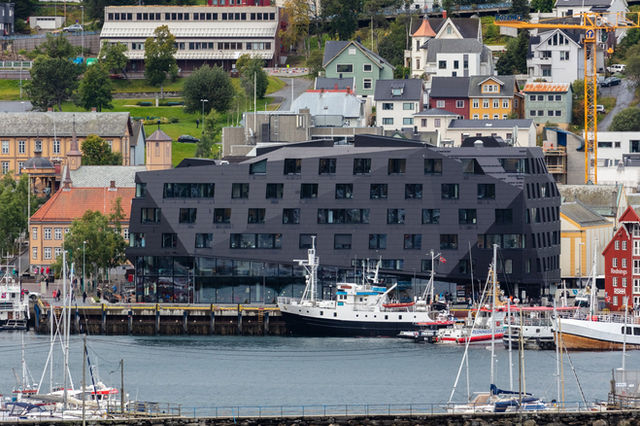
    The working quay along the eastern shore, where whale-watching boats and fjord cruisers depart and the arctic experience centre sits at the water's edge.

    Why go
    The departure point for the sea — whales, fjords and coastal ships — and the city's polar-heritage waterfront.
    Best for
    Boat tripsharbour walkspolar historysunset over the sound
    Known for
    The Polaria arctic aquarium and experience centre, the departure quays for whale and fjord boats, the Hurtigruten and Havila coastal-ship berth, and the Fram-era polar-expedition heritage.
  • Tromsdalen & the mainland side

    The mainland shore across the Tromsø Bridge, rising steeply from the water — home to the city's two great landmarks and its best high viewpoint.

    Why go
    The Arctic Cathedral and the cable car, plus the prime spot to watch the aurora or the midnight sun over the whole city.
    Best for
    The cathedralthe cable-car viewaurora viewingphotography
    Known for
    The white triangular Arctic Cathedral (Ishavskatedralen) and its organ concerts, the Fjellheisen cable car up Mount Storsteinen (~421 m), and the panorama back over Tromsøya and the fjords.
  • Around the university (north of the island)

    The northern spread of Tromsøya around the Arctic University of Norway, greener and more residential, with the botanic garden and a big domed planetarium-cinema.

    Why go
    A calmer, local Tromsø of campus, gardens and museums away from the tour crowds.
    Best for
    Gardensscience and culturequiet walkslocal life
    Known for
    The Arctic University of Norway (UiT), the Arctic-Alpine Botanic Garden — among the world's northernmost — and the university museum's Arctic and Sami collections.
  • The outer islands & fjord shore

    The larger islands and mainland fjords beyond the bridges and tunnel, all snow peaks, water and open sky, reached by road for tours.

    Why go
    Where the dog-sledding, reindeer camps and dark-sky aurora chasing actually happen, out beyond the city glow.
    Best for
    Dog-sleddingSami cultureaurora away from lightswild scenery
    Known for
    The husky and reindeer camps of the surrounding valleys, the Sami reindeer-herding culture, the dark-sky viewpoints tour guides drive to, and the coast up toward Skjervøy for winter whales.

Views & hidden gems

Best views

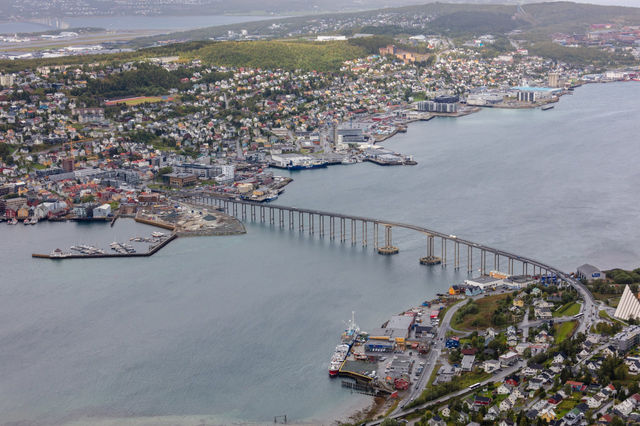
  • Mount Storsteinen, from the top of the Fjellheisen cable car — the definitive panorama over the island, the bridges and the fjords
  • The Arctic Cathedral across the Tromsø Bridge — the white triangle framed against water, mountains or aurora
  • The Tromsø Bridge itself — the classic walk across, looking back at the wooden city on its island
  • The harbour at the "blue hour" of the polar twilight — the low, saturated light unique to the far north

Hidden gems

  • The Arctic-Alpine Botanic Garden by the university — free, open all hours, and among the world's northernmost gardens
  • The Ølhallen beer hall at the Mack brewery — the city's oldest pub, and a warm local refuge
  • An organ concert in the Arctic Cathedral — the acoustics and the midnight light do half the work
  • The quieter aurora spots a short drive out, away from the busiest tour pull-ins, where a guide who knows the coast can find you clear sky and dark

Food & drink

Tromsø eats what the cold sea and the tundra give it. Winter cod — skrei — runs at its prime in the first months of the year, alongside king crab, stockfish (air-dried cod), reindeer off the fell, and cloudberries from the summer bogs. The seafood restaurants along the harbour are the natural splurge; the café culture is strong and, like everything here, very expensive. Local Mack beer is the city's own, poured in the Ølhallen hall. One honest note: whale meat appears on some menus, and it is a controversial choice — worth knowing before you order. Because eating out is so dear, many travellers mix one good harbour dinner with café lunches and self-catering from the supermarkets.

  • Skrei — winter Arctic cod at its seasonal peak, the city's prize catch
  • King crab — vast, sweet Barents Sea crab, a Tromsø indulgence
  • Reindeer — served as steak or stew, the meat of the fell and the Sami herds
  • Stockfish (tørrfisk) — air-dried cod, the trade that built the far north
  • Cloudberries (multer) — tart amber berries, often with cream as a dessert
  • Mack beer — brewed in the city, poured cold in the old Ølhallen
Dietary notes

Vegetarian and vegan food is available in the centre — modern Norwegian cafés and kitchens mark it clearly — though the traditional plates are heavily fish and meat. Gluten-free is well understood. Halal and kosher options are limited and concentrated in the centre; self-catering from the Rema 1000 and Kiwi supermarkets is how many travellers keep the very high costs down.

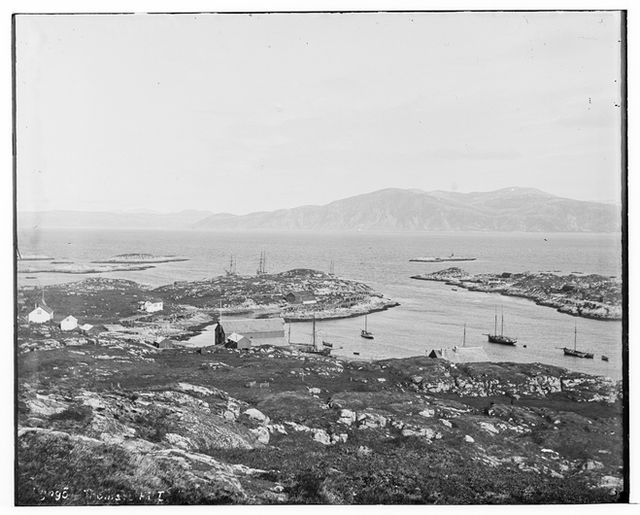
Tromsø in photos

▸ Getting around

Getting around Tromsø

The centre is small and best walked. Local buses cover the wider island and the mainland side; tap a contactless card. For the Fjellheisen, take a bus or short taxi across the Tromsø Bridge to the cable-car base, then ride up. Nearly every excursion — aurora, whales, huskies — includes pickup and transport, so you rarely need your own wheels. A hire car is only worth it for independent aurora chasing, and Arctic winter driving is not for the unpractised.

Everything in Sentrum and along the harbour is a few minutes on foot. The mainland side — the Arctic Cathedral and the cable car — is a short bus or taxi over the bridge. The university and botanic garden are a bus ride north on the island; the outer islands and fjord camps are tour-transport or hire-car territory.

▸ Plan your days

Suggested itineraries

Ready-made day plans for Tromsø — from a single day to a long weekend.

One day

Walk Sentrum in the morning — Storgata, the wooden cathedral and the Polar Museum down on the water — then cross the Tromsø Bridge to the Arctic Cathedral and ride the Fjellheisen cable car up Mount Storsteinen for the panorama over the city and fjords. Warm up with an early dinner in the centre, then, if it is winter, join an evening aurora-chasing minibus out into the dark.
Two days

Give day two to the sea or the snow. In winter, take a whale-watching boat out along the coast for orcas and humpbacks, or head to a husky camp for a half-day of dog-sledding; in summer, take a midnight-sun fjord cruise instead. Back in town, visit Polaria on the waterfront, wander the harbour, and end with a drink in the Ølhallen at the Mack brewery.

Three days

Use day three for culture and a spare aurora night. Head north on the island to the Arctic-Alpine Botanic Garden and the university's Arctic and Sami collections, or drive out to a reindeer camp to share a fire with Sami herders. Keep the evening free — a third night gives the Northern Lights another chance if the earlier skies stayed cloudy.

▸ What you'll do

Insider tips

  • A Tromsø visitor card can bundle the cable car, museums and some transport — check what your days actually include before buying, as the big costs are the tours, not the sights.
  • The airport (TOS) is only ~ 10–15 minutes from the centre by the Flybussen airport bus or taxi — one of the easiest airport transfers anywhere.
  • Book your aurora, whale and husky excursions before you arrive in peak winter — the best operators fill fast, and the clear-sky nights go first.
  • Pack for the cold you're not used to: layers you can shed indoors, a windproof outer, warm boots and ice grips — Arctic winter kit is the difference between enjoying the outings and enduring them.
Explore

Explore the area

Interactive area map
Map coordinates coming soon

This place is missing lat/lng — waiting on the next Wix sync.

Do

Local attractions & tours

Skip-the-line tickets and small-group tours in Tromsø — compare across our partners.

We're still curating hand-picked tickets and tours for Tromsø. In the meantime, the map above and the nearby cities are a great place to start.

▸ Budget

What it costs in Tromsø

Backpacker
roughly kr 1,200–1,800 a day.
Mid-range
roughly kr 3,000–5,000 a day.
Luxury
kr 7,000 a day and up.
Cash vs card
Norway is effectively cashless — contactless cards and phones tap through everything, including tours, buses and the cable car. You rarely need cash at all.
Tipping
Not expected; service is included. Round up or leave ~5–10% for good restaurant service if you wish.
▸ When you'll go

When to visit Tromsø

late September to March for the aurora; June to July for the midnight sun and hiking

Spring

What to expect — Cold and snowy well into April, but with the daylight flooding back fast and the aurora season still running through late March. Late spring brings long, bright days and thawing valleys.

What's best — The tail of the aurora season with far more daylight for daytime adventure, reliable snow for husky and reindeer trips, and lengthening light on the peaks.

Summer

What to expect — The midnight sun — roughly late May to late July the sun never sets, and the light runs around the clock. Mild rather than warm, green, and busy with cruise ships and hikers.

What's best — Endless daylight for hiking and fjord cruises, the Fjellheisen and the Arctic Cathedral concerts in the midnight sun, and whale-free but crowd-happy long days. Note: no aurora — the sky is simply never dark.

Autumn

What to expect — Cooling and darkening quickly, the first snows on the tops, and — from roughly late September — the aurora season reopening as the nights lengthen. Crowds thin from the summer peak.

What's best — The earliest aurora nights with milder weather than deep winter, autumn colour on the fells, quieter tours, and the start of the cold-water whale season building.

Winter

What to expect — The classic Tromsø trip — cold, dark and snowy, with the Polar Night from roughly late November to mid-January when the sun never rises (a blue twilight, not total dark). This is peak aurora and peak whale season, and the busiest, most atmospheric time to come.

What's best — The strongest odds on the Northern Lights, winter whale-watching, husky and reindeer sledding on real snow, and the eerie blue light of the Polar Night — but expect deep cold and short (or absent) daylight.

▸ Know before you go

Know before you go

Honest swaps

Skip fixing your whole trip to one aurora night → book two or three nights of chasing; clear sky and active lights rarely line up on demand.

Skip a self-driven aurora hunt in an unfamiliar Arctic winter → a guided minibus chase drives to the clear sky, carries warm suits and cameras, and knows the roads.

Skip a short harbour whale trip if the whales are up the coast → the longer runs toward Skjervøy are where the winter orcas and humpbacks actually are.

Skip pricey harbour seafood for every meal → do one good king-crab or skrei dinner and keep the rest to café lunches and self-catering.

Crowds & timing

The winter aurora season is peak season — book beds and the popular tours (aurora, whales, huskies) well ahead, especially around New Year.

Cruise ships crowd the centre and the cable car on summer days; go early or late for the Fjellheisen and the harbour.

Aurora tours sell out on clear-forecast nights; a flexible few days lets you rebook around the weather rather than a single fixed date.

Local rules & etiquette

Dress for real Arctic cold — proper layers, an insulated outer shell, warm boots, and ice grips (spikes) for the hard-packed, icy pavements are close to essential in winter.

The aurora is never guaranteed on any single night; treat it as a wildlife sighting, not a scheduled show, and enjoy the trip out whatever the sky does.

Whale-watching and mountain trips are genuine cold-weather outings — follow the guides on kit and safety, and take the warm suits they offer.

Alcohol is heavily taxed and sold in bars and, for spirits and wine, only through the state Vinmonopolet shops, which close early and all day Sunday.

Money

Tap-to-pay everywhere; cash is close to obsolete. Decline "pay in your home currency" (dynamic currency conversion) on card terminals — always choose Norwegian kroner.

After dark

Sentrum around Storgata holds the bars and the nightlife — compact, walkable and lively at weekends.

In winter, "after dark" is most of the day — the evening is when the aurora tours roll out, so plan nights around the sky, not the bars.

The Ølhallen beer hall and the harbour pubs are the warm, local end of a night out.

Live music and the Arctic Cathedral's organ concerts run through the year; the midnight-sun concerts are the summer set-piece.

▸ Ready to book your trip?

Getting there

The gateway is Tromsø Airport (TOS), on the west side of the island, only ~ 10–15 minutes from the centre by the Flybussen airport bus or a taxi — remarkably quick and easy. There is no railway to Tromsø: beyond flying, the city is reached by the coastal ship (Hurtigruten and Havila both call here) or by long-distance bus. Most visitors fly in, often via Oslo.

Book

Ready to book your trip?

Flights, airport transfers and car hire — search and compare without leaving the page.

▸ Trip extras
Book

More trip extras

Parking, holiday extras, and more — coming soon.

Coming soon

We're lining up parking, holiday extras and activities you'll be able to add to any trip from here.