← Peru
PERU · CITY

Arequipa

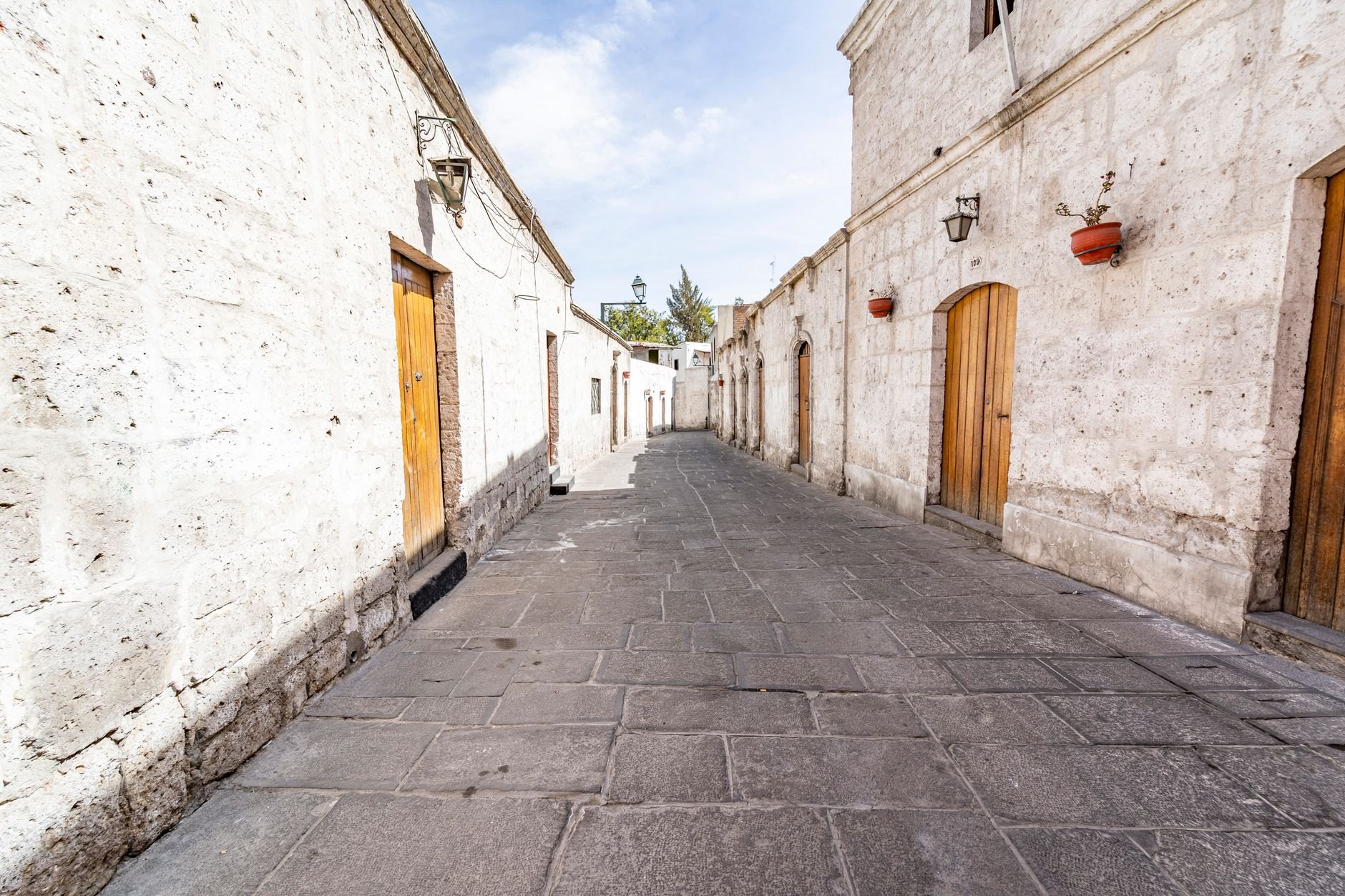
Peru's 'White City' — a colonial centre built of pale volcanic stone beneath three towering volcanoes.

  • City
  • May to November — the dry season; sunny year-round at altitude
  • ~approx 2 days (plus Colca)
  • The White City
  • Sillar Stone
  • Santa Catalina Convent
  • Volcano Backdrop

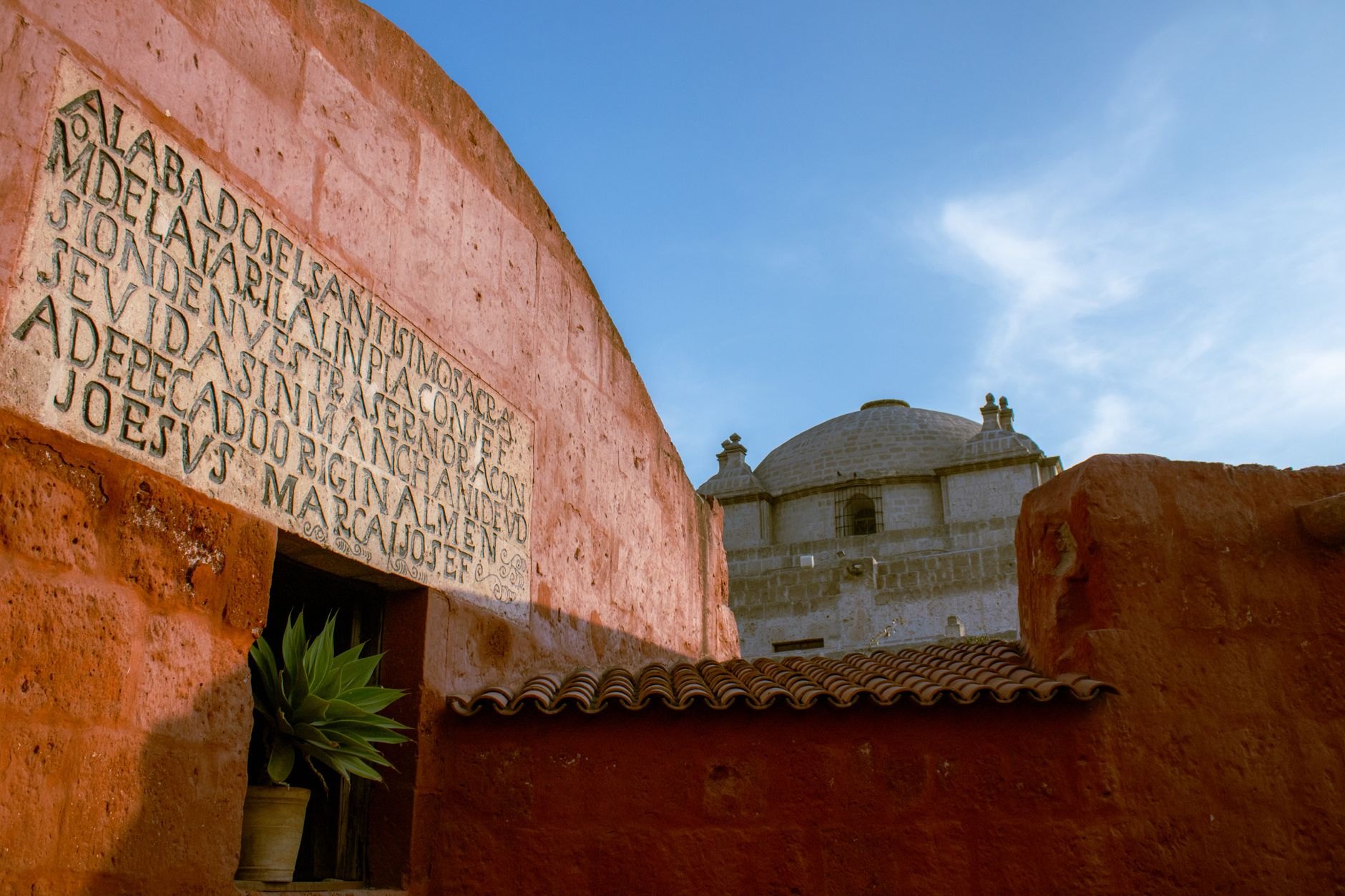
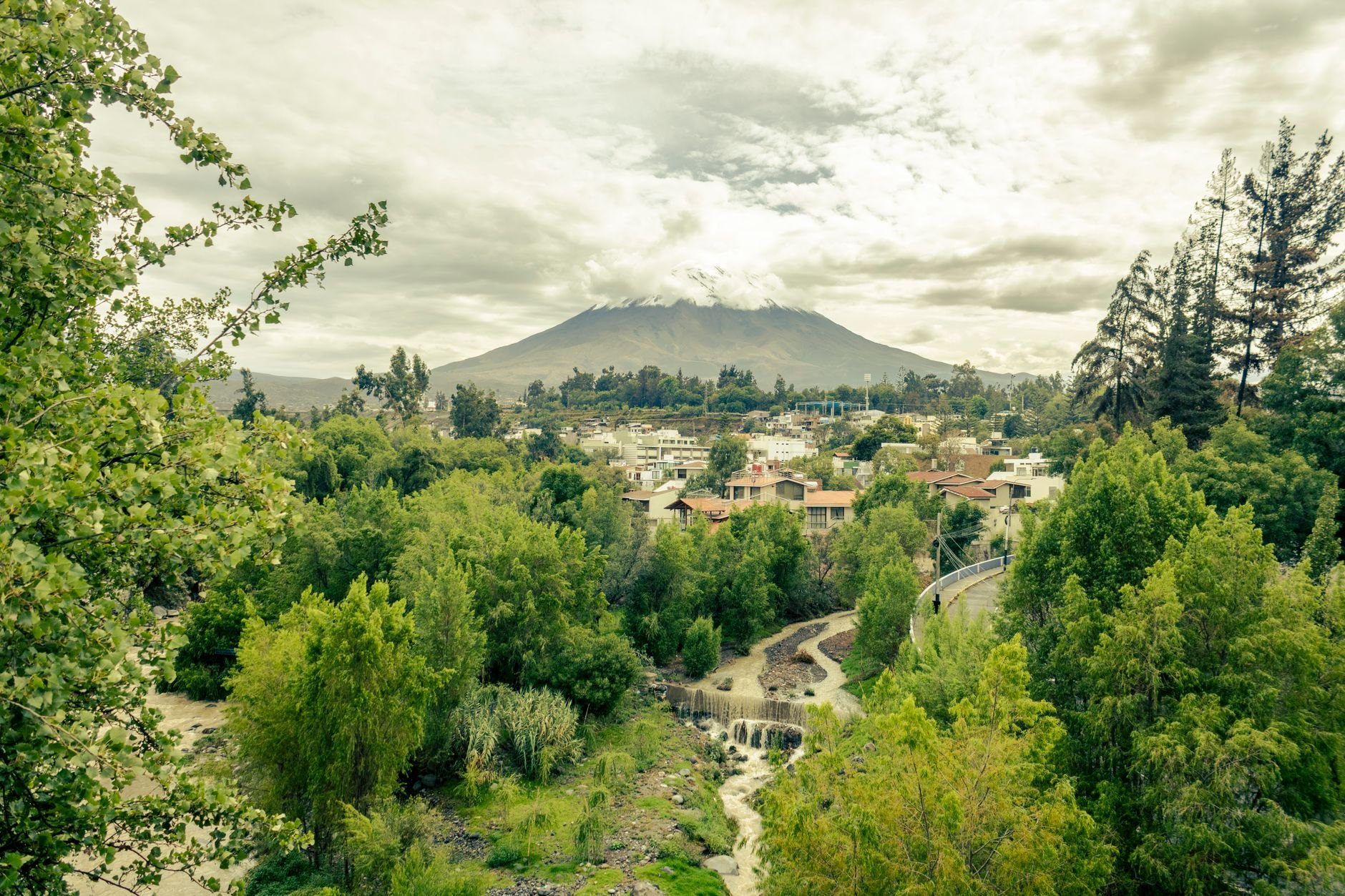
Baroque façades carved from bright white volcanic stone glowing against a deep-blue Andean sky, the perfect cone of El Misti volcano floating over the rooftops, and the painted blue-and-orange lanes of a convent that is a secret city all its own.

Arequipa is Peru's "White City" — a graceful colonial city built from pale volcanic sillar stone, set beneath three snow-topped volcanoes, home to a dazzling convent-within-a-city and one of the country's great regional kitchens, and the gateway to the deep Colca Canyon.

Type
city
Ideal length
~approx 2 days (plus Colca)
Getting around
on foot in the centre; taxis and buses beyond
Neighbourhoods
3 areas
Best season / months
May to November — the dry season; sunny year-round at altitude
Language
Spanish (some Quechua; some English in tourist spots)
Currency
Peruvian sol (S/)
Budget level
low to moderate — affordable
Good for
  • History
  • Architecture
  • Food
  • Andes and canyon trips
  • Culture
▸ Discover

About Arequipa

Arequipa sits at high altitude in the Andes of southern Peru, in a valley ringed by three volcanoes — El Misti, Chachani and Pichu Pichu. Peru's second city, it was built largely from sillar, a pale volcanic stone that gives its colonial centre a luminous white glow and earned it the name "White City." The UNESCO historic centre gathers around a grand arcaded Plaza de Armas and cathedral, with the extraordinary Santa Catalina Monastery — a walled convent the size of a small town — as its jewel. Around it are old barrios with volcano views, a proud and distinctive cuisine, and, a few hours off, the immense Colca Canyon. Elegant, sunny and independent-minded, it's one of Peru's most rewarding cities.

Why go

Arequipa is one of Latin America's most beautiful colonial cities — a UNESCO centre of luminous white sillar-stone architecture beneath a backdrop of snow-capped volcanoes, crowned by the Santa Catalina Monastery, a colourful, walled convent-city that is one of Peru's unmissable sights. It has a grand plaza and cathedral, atmospheric old barrios with volcano viewpoints, a regional cuisine widely rated Peru's finest (the picanterías are legendary), and the great Colca Canyon and its condors within reach. Sunny, cultured and proud, it's a highlight of any Peru trip.

Don't miss

  • Santa Catalina Monastery — the convent-city of painted lanes
  • The Plaza de Armas and Cathedral — the white colonial heart
  • The sillar architecture — the White City's volcanic stone
  • The volcano views — El Misti over the rooftops
  • The Colca Canyon and condors — the great canyon nearby

Signature experiences

Santa Catalina Monastery — Arequipa's jewel is the Santa Catalina Monastery, a walled convent founded in the 16th century that grew into a self-contained citadel — a maze of narrow lanes, plazas, cloisters and cells painted in deep blue, russet and ochre, where cloistered nuns lived for centuries. Wandering its silent, colour-washed streets, kitchens and courtyards is like stepping into a miniature secret city, and it's one of the most extraordinary sights in Peru. Give it a couple of unhurried hours; it's the essential Arequipa experience. **The White City in sillar** — Arequipa's colonial centre glows because it's built from sillar, a pale volcanic stone quarried from the surrounding mountains, carved into ornate Baroque façades — nowhere finer than the intricately worked front of the Jesuit church of La Compañía. Around the grand arcaded Plaza de Armas and its cathedral, the white streets and palaces have a luminous quality unique in Peru. Wander the centre, look up at the carved stone, and, at the Juanita museum, see the remarkably preserved "ice mummy" of an Inca girl found on a nearby volcano. **Arequipan food** — Arequipa is proud of its cuisine, widely rated among Peru's best, and its picanterías — traditional, hearty restaurants — are institutions. The signature is rocoto relleno (a stuffed, fiery red pepper), alongside adobo (a spiced pork stew, a Sunday-breakfast tradition), chupe de camarones (river-prawn chowder), ocopa (potatoes in a herb-and-peanut sauce), and the queso helado dessert. Eat in a proper picantería, ideally at lunch, for the full regional table, and drink a chicha or a Peruvian beer. The food is a genuine highlight. **Volcanoes and the Colca Canyon** — Arequipa's setting is dramatic — three volcanoes ring the city, El Misti's perfect cone the most striking, and adventurous visitors climb them or the surrounding peaks. But the great excursion is the Colca Canyon, a few hours north — one of the world's deepest, a landscape of terraced valleys and Andean villages, where giant condors ride the morning thermals at the famous Cruz del Cóndor viewpoint. A day or overnight trip to Colca is a highlight of the region, and a stunning complement to the city.

Neighbourhoods

Arequipa neighbourhood by neighbourhood — the character of each and who it suits.

  • The Historic Centre

    The luminous white colonial core around the Plaza de Armas — arcaded streets, churches, palaces and the great convent, all in pale sillar stone. The elegant heart.

    Why go
    The plaza, the cathedral, Santa Catalina and the sillar streets.
    Best for
    Sightseeingthe conventcaféswandering
    Known for
    The arcaded Plaza de Armas and the Cathedral, the Santa Catalina Monastery, the Jesuit church of La Compañía and its carved façade, the sillar-stone palaces, and the Juanita "ice mummy" museum.
  • Yanahuara and the Old Barrios

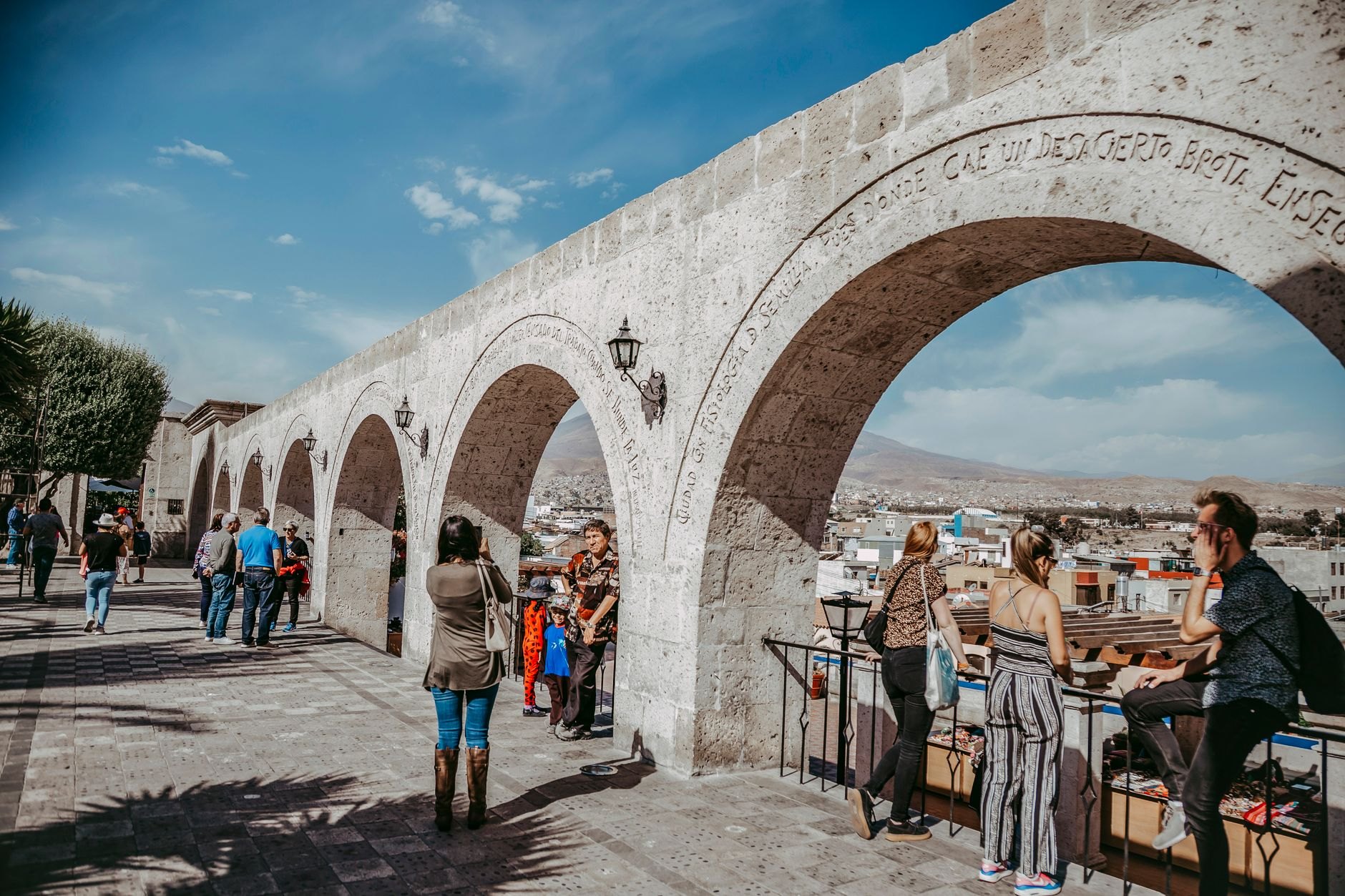
    The old residential districts just across or around the Chili river — Yanahuara and San Lázaro — with sillar arches framing volcano views, colonial churches and quiet lanes. The atmospheric, view-rich neighbourhoods.

    Why go
    The Yanahuara viewpoint, the old barrios and the volcano views.
    Best for
    Viewpointsquieter wanderingphotographypicanterías
    Known for
    The Yanahuara viewpoint (a mirador of sillar arches framing El Misti), the old San Lázaro barrio's lanes, the colonial churches, and the traditional picantería restaurants.
  • The Volcanoes and Colca Canyon

    The Andean surroundings — the three volcanoes ringing the city, the high altiplano, and the deep Colca Canyon a few hours north, home to soaring condors. The natural, high-Andes hinterland.

    Why go
    The volcano climbs and viewpoints, and the Colca Canyon and condors.
    Best for
    Volcano views and climbsColca Canyoncondorstrekking
    Known for
    El Misti, Chachani and Pichu Pichu volcanoes, the Colca Canyon (one of the world's deepest) and its condor viewpoints, the altiplano and vicuñas, and the Andean villages.

Views & hidden gems

Best views

  • The Yanahuara viewpoint — sillar arches framing El Misti
  • Santa Catalina's painted blue-and-orange lanes
  • The carved sillar façade of La Compañía
  • Condors soaring at the Colca Canyon's Cruz del Cóndor

Hidden gems

  • The Juanita "ice mummy" at the Museo Santuarios Andinos
  • A traditional picantería lunch (rocoto relleno, adobo)
  • The old San Lázaro barrio's narrow lanes
  • The rooftop views of the cathedral and volcanoes
  • The Colca villages and hot springs on an overnight trip

Food & drink

Arequipa's cuisine is one of Peru's finest, and its picanterías are the place to taste it. The signatures are rocoto relleno (a stuffed, spicy red pepper), adobo arequipeño (a spiced pork stew, the classic Sunday breakfast), chupe de camarones (a rich river-prawn chowder), ocopa (potatoes in a creamy herb-and-chilli-and-peanut sauce), and solterito salad. The dessert is queso helado (a cinnamon-spiced frozen custard). Drink chicha (fermented or fresh maize), a Peruvian beer, or a pisco sour. Eat at a picantería at lunch for the full spread.

  • Rocoto relleno — a stuffed, fiery red pepper baked with cheese
  • Adobo arequipeño — a spiced pork stew, the Sunday-breakfast classic
  • Chupe de camarones — a rich river-prawn chowder
  • Ocopa — potatoes in a creamy herb, chilli and peanut sauce
  • Queso helado — a cinnamon-spiced frozen dessert
  • Chicha and pisco sour — the local drinks
Dietary notes

Vegetarians manage with ocopa, solterito, stuffed peppers (some meat-free), potato and cheese dishes and soups (check the stock), though meat and river prawns feature — ask. Vegan is workable with care at the more modern places. Halal and kosher are effectively unavailable. Gluten-free is manageable with many potato and rice-based dishes, but confirm sauces and breaded items. Note the altitude — eat lightly and hydrate on arrival.

Arequipa in photos

▸ Getting around

Getting around Arequipa

The historic centre is compact and walkable — the plaza, Santa Catalina and the sillar streets are all on foot. Taxis (agree the fare or use an app) and buses cover the wider city and Yanahuara; a car or tour is needed for the volcanoes and the Colca Canyon.

The historic centre and the old barrios (Yanahuara, San Lázaro) are a short walk or taxi apart (~approx); the volcanoes and Colca Canyon are drives out — plan Colca as a day or overnight trip.

▸ Plan your days

Suggested itineraries

Ready-made day plans for Arequipa — from a single day to a long weekend.

One day

Start on the arcaded Plaza de Armas with the Cathedral and the carved sillar façade of La Compañía, then give the morning to the Santa Catalina Monastery and its painted lanes. See the Juanita ice-mummy museum, and have a long picantería lunch of rocoto relleno and adobo. In the afternoon, cross to the Yanahuara viewpoint for El Misti framed in sillar arches and wander the old barrio, ending with a pisco sour on the plaza.

Two days

Give day two to the Andes and the canyon. Take a trip to the Colca Canyon — the terraced valleys, the Andean villages and hot springs, and the Cruz del Cóndor viewpoint for the morning condors (best as an overnight to catch the early condors) — and take in the altiplano and vicuñas on the way. Return to Arequipa for a last picantería dinner.

▸ What you'll do

Insider tips

  • Give Santa Catalina Monastery unhurried time — it's the city's unmissable jewel.
  • Eat lunch at a traditional picantería for Arequipa's celebrated cuisine (rocoto relleno, adobo).
  • Take a day or overnight to the Colca Canyon for the deep valleys and the morning condors.
  • Respect the altitude on arrival — rest, hydrate, and go easy before heading higher.
What's on

While you're there

24
JUN
Inti Raymi 2027
Don Bosco, Cusco, Cusco, Peru · cultural
Build a trip around it →
Explore

Explore the area

Interactive area map
Map coordinates coming soon

This place is missing lat/lng — waiting on the next Wix sync.

Do

Local attractions & tours

Skip-the-line tickets and small-group tours in Arequipa — compare across our partners.

We're still curating hand-picked tickets and tours for Arequipa. In the meantime, the map above and the nearby cities are a great place to start.

▸ Budget

What it costs in Arequipa

Backpacker
roughly €20–40 a day.
Mid-range
roughly €45–90 a day.
Luxury
€160 a day and up.
Cash vs card
Carry soles for taxis, picanterías, markets and small shops; cards work in hotels and better restaurants.
Tipping
Tipping is appreciated — around 10% in restaurants, small change for guides and help.
▸ When you'll go

When to visit Arequipa

May to November — the dry season; sunny year-round at altitude

Spring

What to expect — The tail of the dry season easing toward the wetter months, warm sunny days and cool nights at altitude, with rain building later. Generally pleasant.

What's best — Warm, mostly dry days for the city and the volcanoes, clear light on the white stone, and fewer crowds late in the shoulder — a good window; the Colca is best while dry.

Summer

What to expect — The wet season (roughly December to March), with sunny mornings and afternoon rain in the highlands, greener surroundings; Arequipa itself is fairly dry, but Colca sees more rain. Warm days, cool nights.

What's best — Greener landscapes and lower crowds, and Arequipa's own generally dry, sunny climate — but the Colca and the mountains are wetter, so plan trips around the rain.

Autumn

What to expect — The rains easing into the dry season by around April–May, with clear, sunny days and cool nights, and the landscape still green. One of the best times.

What's best — Clear skies, comfortable sunny days, green-then-golden surroundings, good condor-viewing at Colca, and the Arequipa anniversary festivities (August) approaching — a rewarding window.

Winter

What to expect — The heart of the dry season (roughly May to September) — sunny, clear days and cold nights at altitude; the best and busiest time for the city and the canyon. Bright and dry.

What's best — Clear blue skies and the volcanoes at their sharpest, the best conditions for Colca and the condors, comfortable sunny days, and festivals — the ideal time, if the busiest; pack for cold nights.

▸ Know before you go

Know before you go

Honest swaps

Skip a rushed convent visit → give Santa Catalina a couple of unhurried hours; it's a city in itself.

Skip a tourist-menu dinner → eat lunch at a traditional picantería for the real Arequipan cuisine.

Skip a city-only trip → give the Colca Canyon and its condors a day or overnight.

Skip charging around on arrival → the altitude is real; take the first day easy and hydrate.

Crowds & timing

The dry-season winter months are busiest and best; book ahead, especially for Colca trips.

The Cruz del Cóndor viewpoint is best in the morning, when the condors ride the thermals.

Local rules & etiquette

Arequipa sits at high altitude — take it easy on arrival, hydrate, and go higher (Colca) gradually.

Dress respectfully inside the churches, the cathedral and Santa Catalina.

Bargain politely in markets, and agree taxi fares or use apps.

Money

Carry soles for taxis, picanterías and markets; cards cover hotels and better restaurants; use bank ATMs.

Agree Colca-trip prices and inclusions up front, and carry cash for the canyon.

After dark

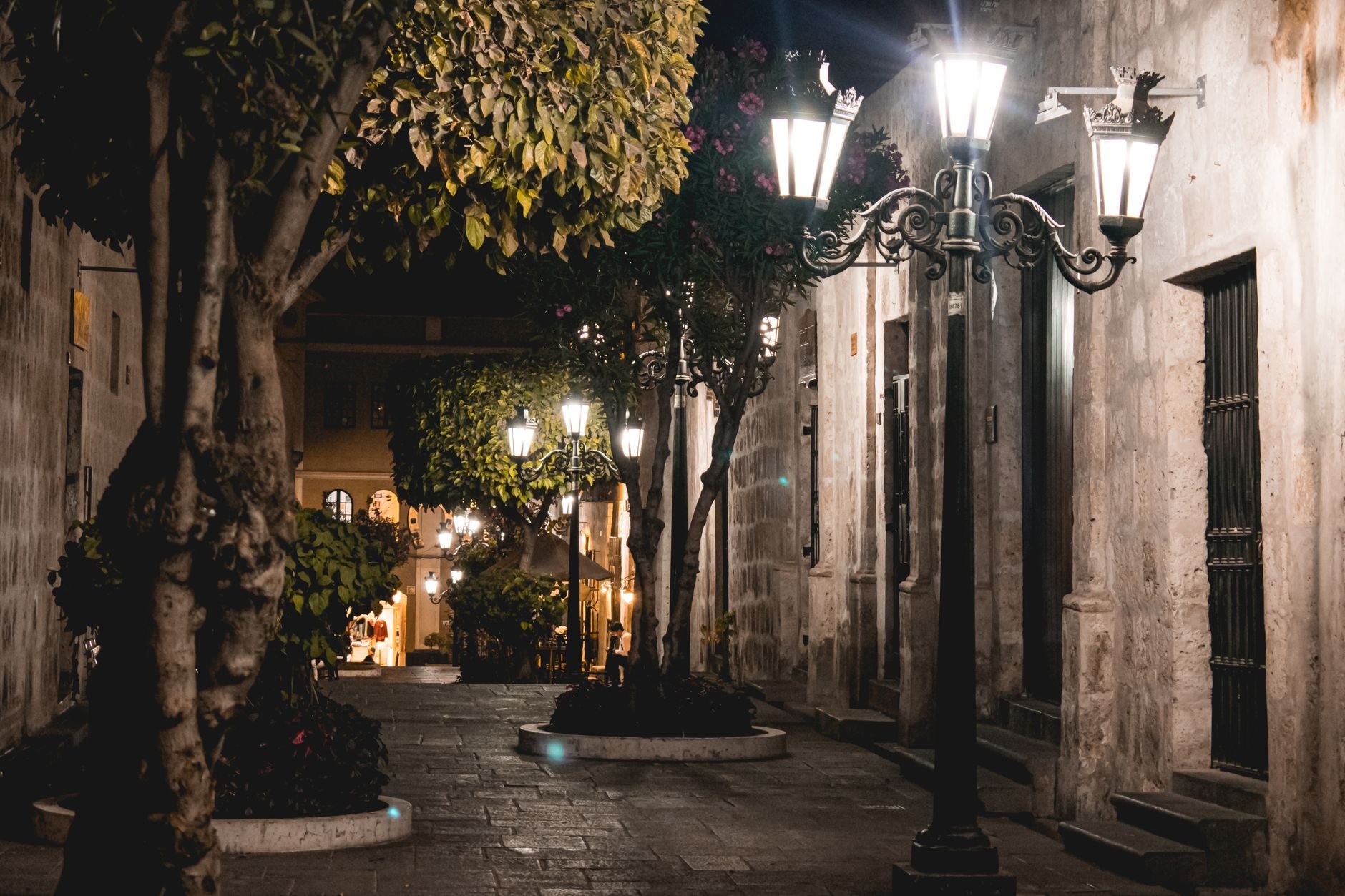
The streets around the Plaza de Armas hold the bars, restaurants and nightlife.

Arequipa has a lively enough night scene (with a student edge) but is easygoing — the evening is a pisco sour, dinner and a plaza stroll.

The lit cathedral and plaza after dark are lovely.

▸ Ready to book your trip?

Getting there

Arequipa's Rodríguez Ballón Airport (AQP) is northwest of the city, a short taxi from the centre, with flights from Lima and Cusco; long-distance buses also serve the city.

Book

Ready to book your trip?

Flights, airport transfers and car hire — search and compare without leaving the page.

▸ Trip extras
Book

More trip extras

Parking, holiday extras, and more — coming soon.

Coming soon

We're lining up parking, holiday extras and activities you'll be able to add to any trip from here.