Peru — hero

Americas

Peru

Cradle of the Inca and a global food capital. Stand before Machu Picchu, wander the Sacred Valley, and eat your way through Lima's world-class kitchens.

Currency
Peruvian Sol (PEN)
Language
Aymara, Quechua, Spanish
Best time
May – October
Visa
Visa-free (up to 90 days)

Still current at: 13 November 2026 Updated: 6 November 2026

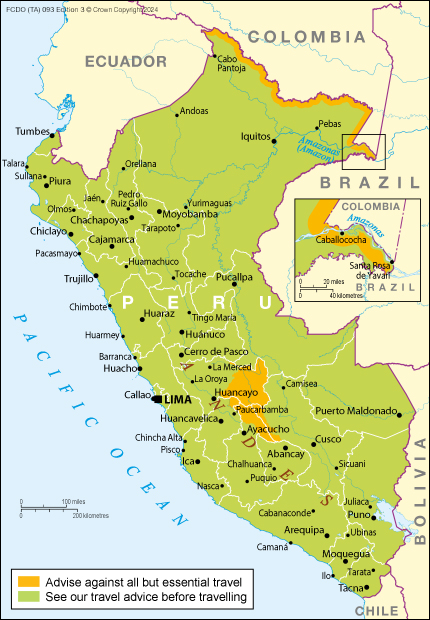
See which areas are affected

FCDO's detailed advisory map (PDF) FCDO (TA) 093 Edition 3 © Crown Copyright

Source: UK Foreign, Commonwealth & Development Office — the definitive source. Check it close to your travel dates.

Flight cancelled or delayed because of this? Your rights under UK261 / EU261 →

Why visit

Why Peru

Cradle of the Inca and a global food capital. Stand before Machu Picchu, wander the Sacred Valley, and eat your way through Lima's world-class kitchens.

  • Machu Picchu citadel
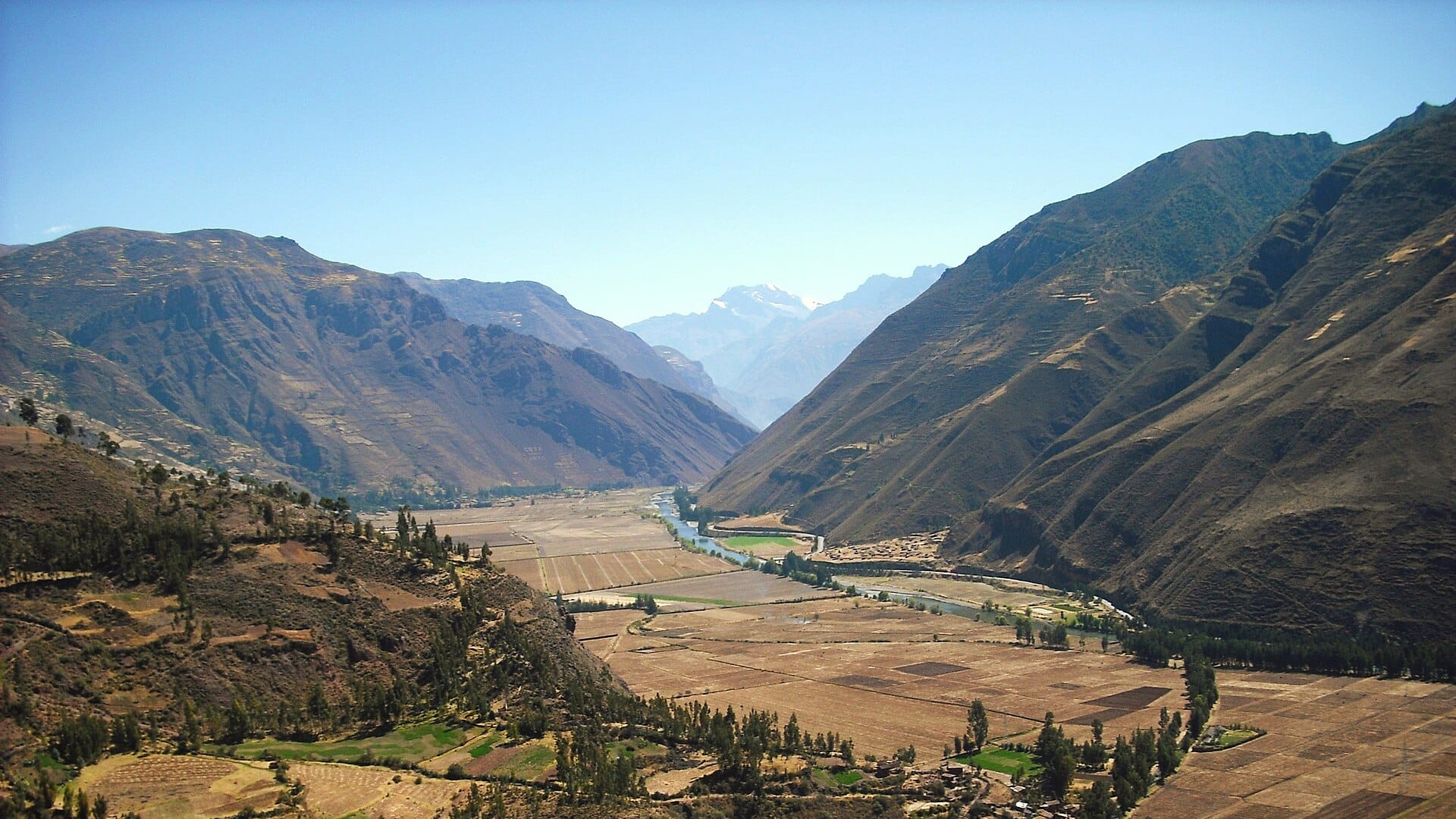
  • Sacred Valley
  • Lake Titicaca
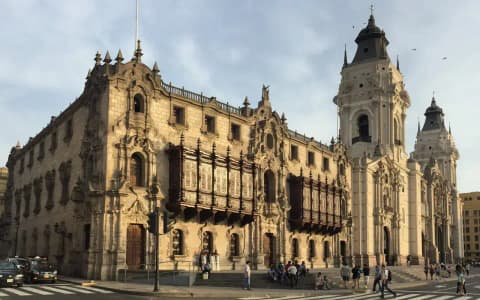
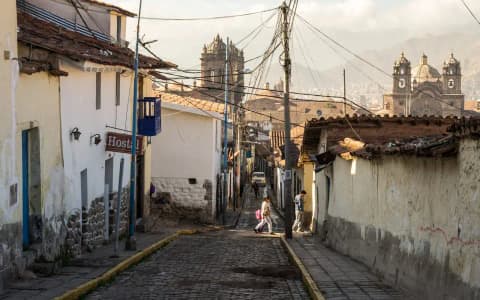
  • Cusco old town
Read more

Peru is the cradle of the Inca Empire and one of Latin America's most exciting destinations. Its centrepiece, the cloud-wreathed citadel of Machu Picchu, is only the beginning of a country layered with living history.

Beyond the ruins lies extraordinary range: Lima is a bona fide culinary capital, the Sacred Valley hums with Andean tradition, and the Amazon Basin unfolds into some of the planet's richest wildlife.

For 2026, Peru pairs cultural heritage with regenerative, community-led travel: the new Machu Picchu access rules protect the site, while village homestays, gentle Andean hikes and Amazon canopy walks reward the mindful traveller.

A pillar, not a footnote

Eat your way through Peru

The single reason many travellers come back — the food culture worth reshaping a trip around, and the dishes to seek out region by region.

Peru

Ceviche cured in lime, potatoes in a hundred shapes, a pisco sour to close — coast, Andes and Amazon on a plate.

At a Lima cevichería the cook squeezes lime over just-landed fish and it seems to cook before your eyes — ceviche, the raw catch turned firm and bright with citrus, red onion and a knock of chilli, eaten at noon while it’s at its freshest. Peru folds desert coast, high Andes and Amazon into one country, and the food carries all three at once, layered with wave after wave of arrivals — Spanish, African, Chinese, Japanese, Italian — all stirred into what locals call comida criolla.

The foundations run deep and ancient: hundreds of native potatoes, corn in every colour, quinoa off the altiplano. From that base come lomo saltado, beef stir-fried Chinese-style with tomato, onion and chips; anticuchos, marinated beef-heart skewers smoking over a street grill; and ají de gallina, shredded chicken in a warm, spiced walnut-and-cheese sauce over yellow potato. In the highlands, cooks still bury meat and tubers over fire-heated stones for pachamanca. Raise a foaming pisco sour to the lot.

Dishes to seek out
  • ceviche (lime-cured raw fish)
  • lomo saltado (Chinese-style beef stir-fry)
  • anticuchos (grilled beef-heart skewers)
  • ají de gallina (chicken in spiced nut sauce)
  • causa (layered potato terrine)
  • pachamanca (earth-oven feast)
  • pisco sour
Places to go

Cities and regions worth your time

4 destinations in Peru — pick a base or link them into a route.

Browse by type

Tap a type to filter the list and the map — tap it again or “All” to see everything.

© OpenFreeMap · OSM · terrain Mapterhorn
Plan your own trip to Peru
Guides

All our Peru guides

Where to stay

Hand-checked places in Peru

Browse all Peru stays →
When to go

Weather & timing in Peru Right now RIGHT NOW 24°C cloudy

Best Jun–Aug · Shoulder May, Sep–Oct

Units

Monthly figures are for Coast (Lima); other regions of Peru vary. See every region, month by month →

Next 7 days · Coast

Forecast · Met Office · Powered by Met Office data

Typical · climate data

Best time to visit

May – October

Best for
  • Machu Picchu
  • Amazon
  • Cuisine
  • Sacred Valley
At a glance
Sunshine 10.4 hr/day
Rainfall 4 mm/mo
Wettest December · 11.2mm
Driest July · 0.4mm
Part of Andean →
By season

Units

Spring (Sep–Nov)

What to expect — Daytime highs average about 19°C with overnight lows near 15°C, and it stays largely dry.

What's best — Mild, then Warm. Sep, Oct and Nov are among the best months here (mild, sunny).

Summer (Dec–Feb)

What to expect — Daytime highs average about 24°C with overnight lows near 19°C, and it stays largely dry.

What's best — Warm, then Warm & dry. Dec, Jan and Feb are among the best months here (warm, sunny).

Autumn (Mar–May)

What to expect — Daytime highs average about 23°C with overnight lows near 19°C, and it stays largely dry.

What's best — Warm & dry, then Warm. Mar, Apr and May are among the best months here (warm & dry, sunny).

Winter (Jun–Aug)

What to expect — Daytime highs average about 19°C with overnight lows near 15°C, and it stays largely dry.

What's best — Mild. Jun, Jul and Aug are among the best months here (mild, sunny).

Live forecast map · Windy.com · temperature with wind, °C and km/h

When to go, region by region

Peru has 3 climate regions

Each month our cards and map show the region with the best weather that month: Jan–Dec Coast.

Region JFMAMJJASOND
CoastLima · best all year January: great, shown on the cards February: great, shown on the cards March: great, shown on the cards April: great, shown on the cards May: great, shown on the cards June: great, shown on the cards July: great, shown on the cards August: great, shown on the cards September: great, shown on the cards October: great, shown on the cards November: great, shown on the cards December: great, shown on the cards
AndeanCusco · best Apr–Oct January: not ideal February: not ideal March: not ideal April: great May: great June: great July: great August: great September: great October: great November: good December: good
AmazonIquitos · best Jan, Jun–Oct January: great February: good March: good April: good May: good June: great July: great August: great September: great October: great November: good December: good

Great Good Not ideal Shown on our cards that month

A little context

A little history

To read what you're looking at — the empires and eras that shaped Peru's food, art and streets.

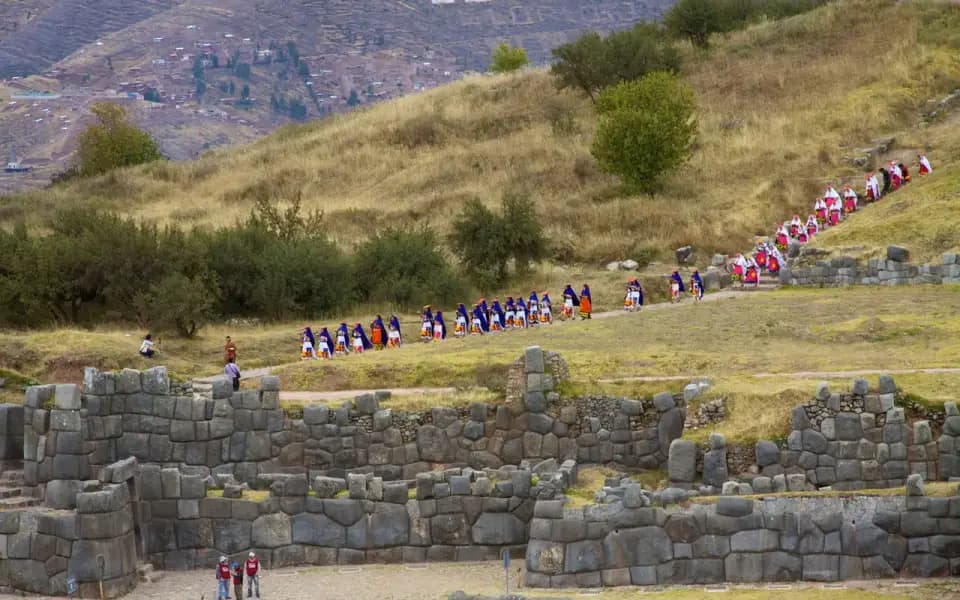
The Inca ruled an empire from Cuzco, leaving Machu Picchu and stonework no mortar can better
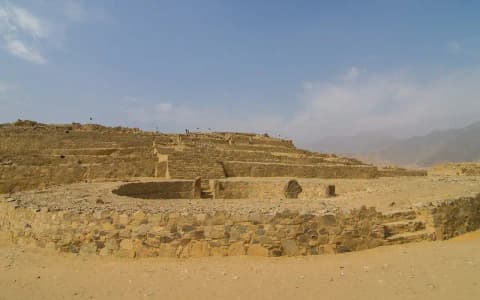
older cultures — Chavín, Nazca, Moche — left desert lines and tombs long before them
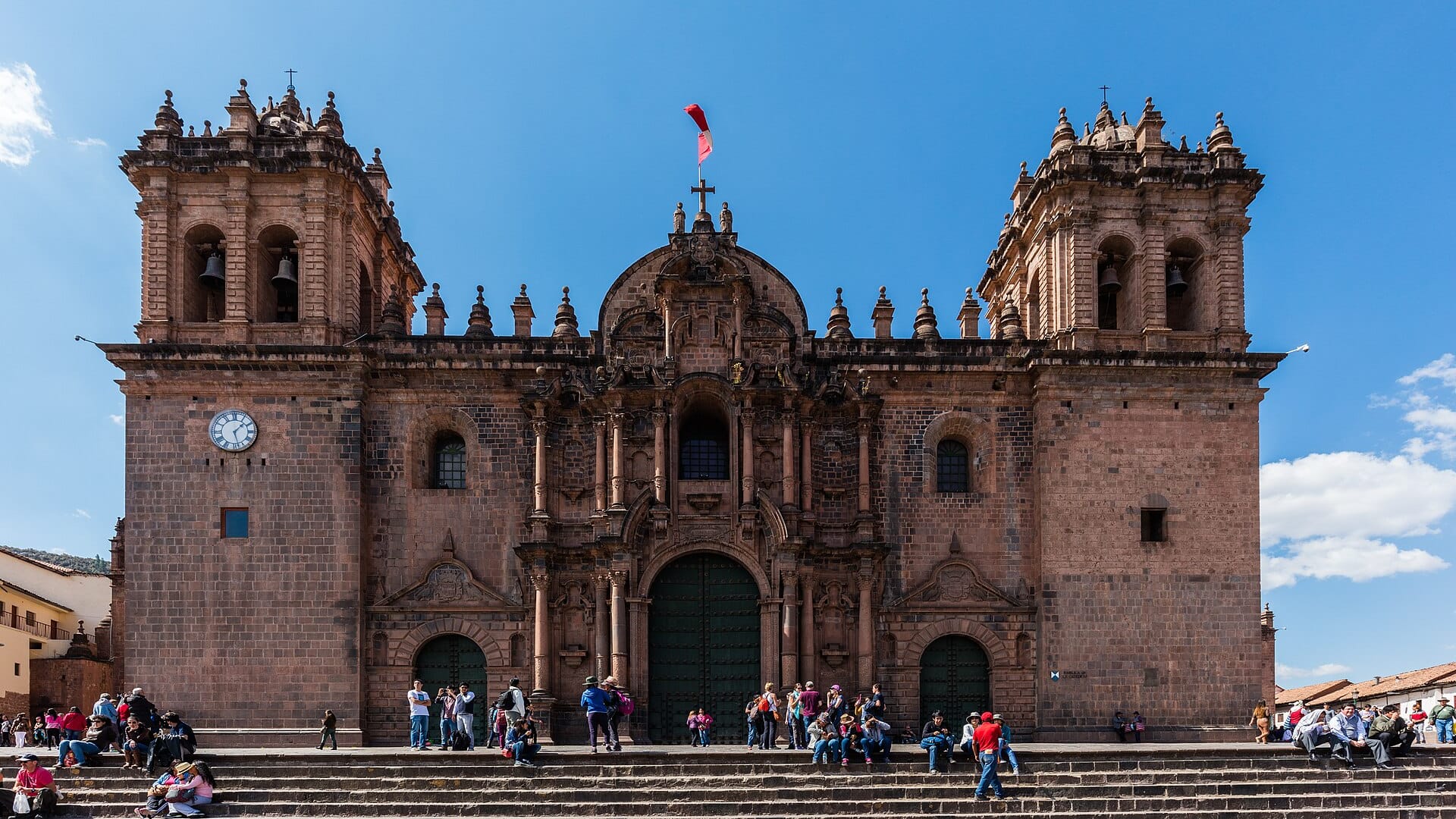
Pizarro's 1532 conquest layered Spanish churches straight onto Inca foundations, still visible in Cuzco's walls
native potatoes, corn and quinoa from these lands underpin a cuisine the world now chases
Local events

What's on in Peru

See all Peru events →
Before you book

Know before you go

The practical back-matter — safety, earthquakes & tsunamis, drones and the essentials, in one place.

Safety

FCDO advisory in force — see above FCDO advice →

Official UK Foreign, Commonwealth & Development Office guidance is the definitive source — check it close to your travel dates.

Earthquakes & tsunamis

Peru is in an active earthquake zone with frequent tremors, has active volcanoes in the south, and its Pacific coast is covered by a national tsunami warning system.

When the shaking starts

  • Drop, cover and hold on: get down low, protect your head and neck, and hold on until the shaking stops.
  • Expect aftershocks, and drop, cover and hold on again each time.
  • Then follow instructions from local authorities and your hotel staff.

Near the coast

  • If you are near the coast and feel shaking that makes it hard to stand, or a rolling quake that lasts a minute or more, move to high ground or as far inland as you can as soon as the shaking stops.
  • Do the same if the sea suddenly pulls back or rises, or you hear a loud, unusual roar from the water.
  • Don't wait for an official warning. Walk or cycle if you can, and stay away until the authorities give the all-clear.

Around volcanoes

  • Keep out of exclusion zones around active volcanoes: they can change at short notice, so check the latest local advice before you go.

On arrival When you check in, look at your hotel's evacuation map and note the nearest high ground or evacuation route.

Coasts most exposed to tsunami Pacific coastline (the 'litoral peruano')

Official sources to follow
General guidance, not a live alert · Sources checked Nov 2026 FCDO advice for Peru →

Drone rules (sub-250g)

  • Peru
    A sub-250g camera drone can be flown — registration with the DGAC is generally only required above 2kg or for commercial use — but the geo-zone, altitude and no-flying-over-crowds rules still apply, and the scenic spots are the catch. Keep 4km from airports, military and government sites. ⚠ The Ministry of Culture bans drones over every archaeological site — Machu Picchu, the Nazca Lines, the Sacred Valley, Cusco — without special authorisation that is very hard to get; SERNANP likewise bans them in protected reserves such as Manu and Huascarán. Rules checked: Jul 2026

National parks, protected sites and religious/heritage venues often have their own rules and permits — always check the specific site before you fly.

The essentials

Plug & voltage Type A/B/C · 220V
Daily budget Budget-friendly
Region South America