

Poland
Hearty Slavic comfort food — pierogi, sour soups and smoked mountain cheese, with a shot of vodka.
Slide your tray along the counter of a bar mleczny, the no-frills 'milk bar' where a plate of pierogi still costs a few złoty, and you've found the beating heart of Polish eating: generous, unpretentious and built for a cold climate. The dumplings are the national obsession — half-moons pinched around cottage cheese and potato, minced meat, or sweet wild forest berries in summer — boiled soft or fried crisp at the edges and slicked with butter and onion.
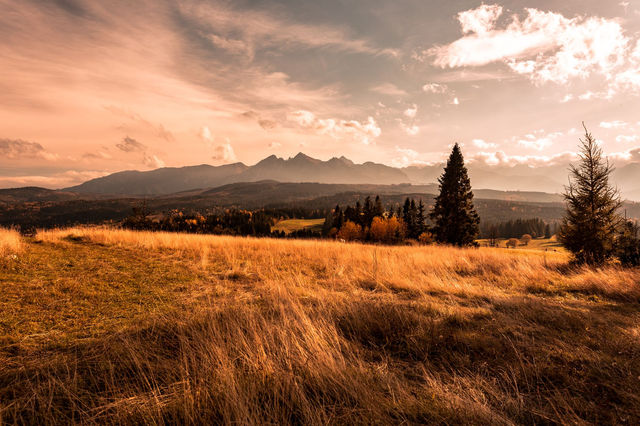
Beyond them the table runs deep and soulful. Bigos, the hunter's stew, simmers cabbage and half a butcher's counter of meats for days until it tastes of everything; żurek, a tart soup of soured rye, comes with sausage and a halved egg, sometimes poured into a hollowed loaf. Up in the Tatra mountains they grill oscypek, a hard smoked sheep's cheese, and serve it hot with cranberry. Chase it all, as Poles do, with an icy żubrówka, vodka scented with wild bison grass.
- pierogi (stuffed dumplings)
- bigos (hunter's stew)
- żurek (sour rye soup)
- kotlet schabowy (breaded pork cutlet)
- gołąbki (cabbage rolls)
- oscypek (smoked sheep's cheese)
- pączki (rose-jam doughnuts)