← Portugal
PORTUGAL · CITY

Sintra

A misty hillside of fairy-tale palaces and romantic gardens above Lisbon — the fantastical Pena Palace crowns it all.

  • City
  • April – June, September – October
  • ~approx 1–2 days
  • Romantic Palaces
  • Misty Wooded Hills
  • Twin Chimneys
  • Atlantic Cliffs

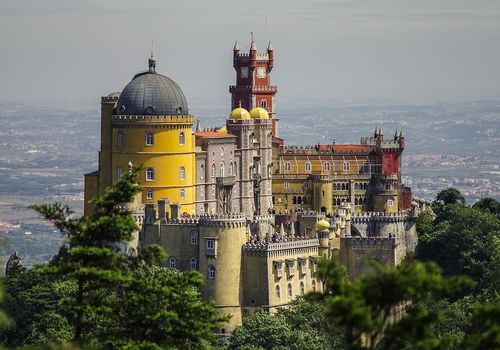
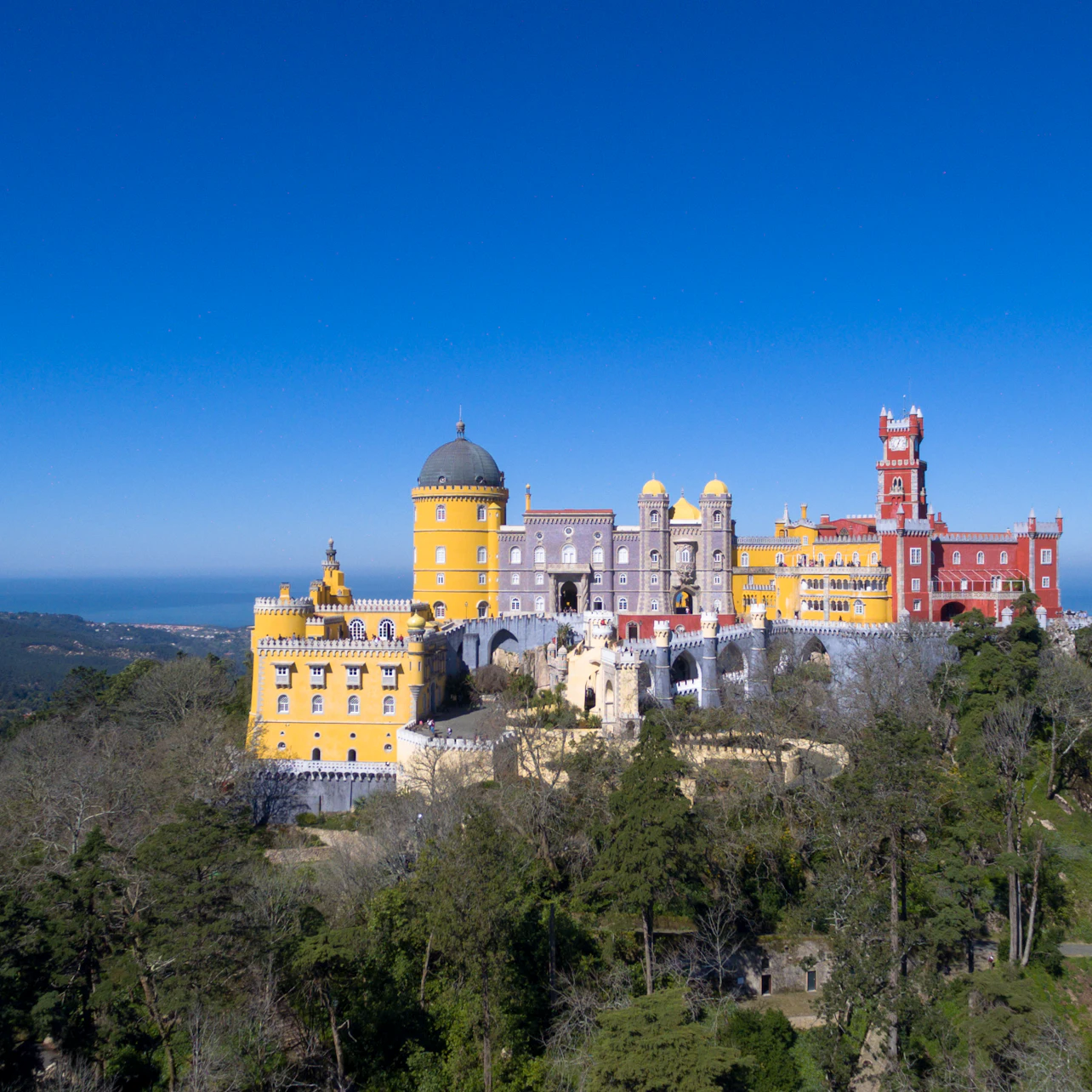
A yellow-and-red palace floating above the treeline one minute, swallowed by fog the next, while below in the old town the twin white chimneys of the royal kitchen mark the square.

Sintra is a small hill town where nineteenth-century kings and eccentrics built fairy-tale palaces into a green, damp mountain half an hour from Lisbon. The valley catches sea mist, so the towers keep drifting in and out of cloud.

Type
town
Ideal length
~approx 1–2 days
Getting around
on foot in the old town, plus the 434 and 435 local buses up the hill; the train from Lisbon to arrive
Neighbourhoods
a handful — 4 areas
Best season / months
May, June and September — warm but not peak-crush, and the hills still green
Language
Portuguese (English widely spoken in the tourist core)
Currency
euro (€)
Budget level
moderate — cheaper than Lisbon to eat, but the palace tickets and bus passes add up
Good for
  • First-timers
  • Couples
  • History
  • Architecture
  • Gardens
  • Day-trippers
▸ Discover

About Sintra

Sintra sits at the foot of the Serra de Sintra, a low granite range that pulls moisture off the Atlantic and keeps the hills cool and forested when Lisbon bakes. The town has two halves that matter: the old centre, Sintra-Vila, folded into the valley around the National Palace, and the ridge above it where the Pena Palace and the Moorish Castle stand. Everything else — Quinta da Regaleira, the Monserrate estate, the market village of São Pedro — strings out along a couple of winding roads west and south of the centre. It is compact enough to be done as a day trip from Lisbon, and most people do exactly that. Stay the night and you get the town after the buses leave, which is a different, quieter place.

Why go

Nowhere else in Europe packs this many outright fantasy palaces into one wooded hillside. This is Romanticism built at full scale — a king's summer folly in clashing colours, a Moorish rampart running along the ridge, a garden with an initiation well spiralling into the ground. And it is all within reach of a Lisbon train, which is exactly why it needs handling with care.

Don't miss

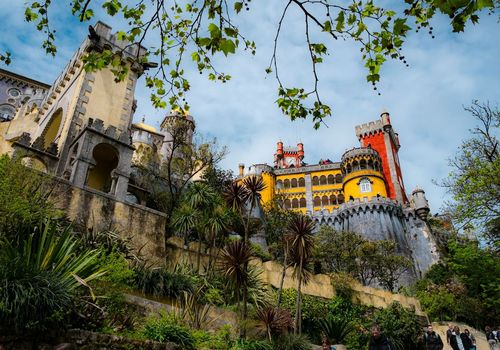
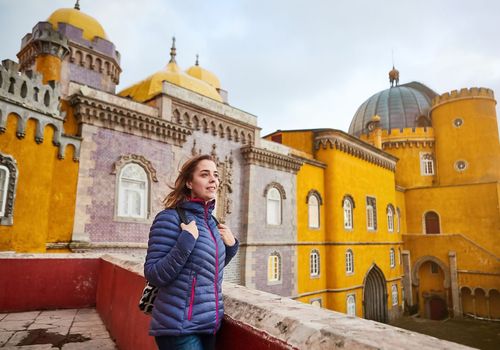
  • Pena Palace — the candy-coloured hilltop castle
  • Quinta da Regaleira — the spiral Initiation Well
  • Moorish Castle — ridge ramparts with valley views
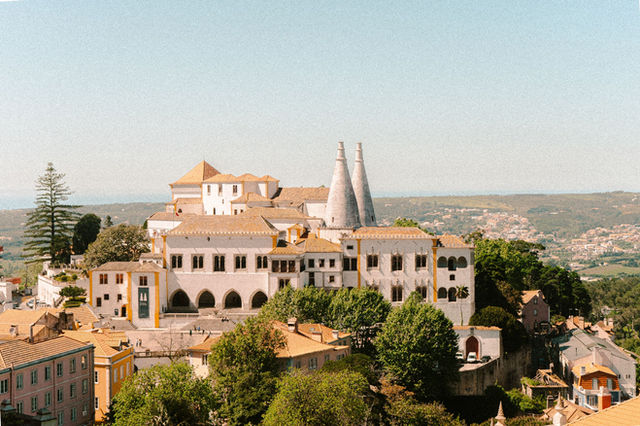
  • National Palace of Sintra — the twin conical chimneys
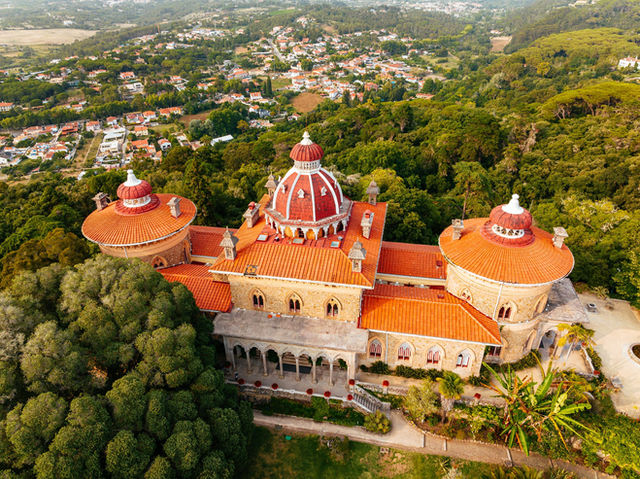
  • Monserrate Palace — Moorish-Gothic villa and gardens

Signature experiences

Palace-hopping up the ridge — This is the whole point of Sintra, and it lives on the Serra. Ride or climb up to the Pena Palace, garish and glorious against the sky, then walk the wooded park below it. Cross to the Moorish Castle and trace its ramparts along the crest with the whole valley and, on a clear day, the sea laid out beneath you. Two very different castles, ~approx a fifteen-minute walk apart along the ridge. **The Regaleira and its underground** — Down in the valley near the Vila, Quinta da Regaleira is a garden built as a puzzle: grottoes, hidden tunnels and the Initiation Well, a moss-lined spiral staircase plunging into the earth like an inverted tower. Go early, before the queue to descend the well backs up the path. **Pastry and the old square** — Sintra has its own sweets, sold from the same shop windows for generations. Buy a warm travesseiro — a long flaky puff of almond cream — and the little queijadas, dense cinnamon-and-cheese tarts, and eat them under the twin chimneys of the National Palace with a bica coffee. **Out to the edge of the continent** — West of the Serra the land runs out at Cabo da Roca, the westernmost point of mainland Europe: a lighthouse, a stone marker and cliffs dropping straight into the Atlantic surf. It's windswept and often foggy, and all the better for it — time it for late afternoon light.

Neighbourhoods

Sintra neighbourhood by neighbourhood — the character of each and who it suits.

  • Sintra-Vila

    The historic centre, tucked into the bottom of the valley — cobbled lanes, tiled shopfronts and pastry windows around a small main square. Pretty, and on a summer afternoon completely overrun.

    Why go
    The old-town base for everything else, and home to the palace you can actually walk to.
    Best for
    Wanderingpastriesthe walkable iconsa slower evening once the crowds thin
    Known for
    The National Palace of Sintra with its twin conical chimneys over the square, Quinta da Regaleira and its Initiation Well a short walk west, the pastry shops selling travesseiros and queijadas, and the tourist bus stops that fan out from here.
  • Serra de Sintra

    The forested ridge above the town, cool and often cloud-wrapped, where the headline palaces sit. Steep, green and a world away from the valley in feel.

    Why go
    The two sights people come for, both strung along the high ground.
    Best for
    The marquee palacesridge-top viewsforest walks between them
    Known for
    The Pena Palace and its rambling park of exotic trees, the Moorish Castle's ramparts snaking along the crest, the High Cross viewpoint at the top of the range, and the 434 bus grinding up the switchbacks to reach them.
  • Monserrate

    The greener, quieter western estate country, reached along a winding road out of the Vila — fewer coaches, more garden.

    Why go
    The palace-and-garden most people skip, which is exactly why it's the calm one.
    Best for
    Gardensa breather from the crowdsromantic-era architecture
    Known for
    Monserrate Palace and its subtropical park, the Seteais palace-turned-hotel with its neoclassical arch and lawn views, and the leafy stretch of road that the 435 bus works between here and the centre.
  • São Pedro de Sintra

    The market village up the hill south of the centre, where locals actually eat and the coaches don't stop. Ordinary in the best way.

    Why go
    Real Sintra life and the famous fair, away from the palace circuit.
    Best for
    Local restaurantsthe monthly marketan unhurried lunch
    Known for
    The São Pedro fair spilling across the square on its market days, the tavernas and grill houses along the main street, and the quieter road back down to the Vila.

Views & hidden gems

Best views

  • The Moorish Castle ramparts — the whole valley, the Pena Palace opposite, and the sea beyond on a clear day
  • The Cruz Alta (High Cross) — the highest point of the Pena park, the top of the Serra
  • Cabo da Roca clifftop — the Atlantic drop at the end of the mainland
  • The main square of Sintra-Vila — the classic framing of the National Palace's twin chimneys

Hidden gems

  • Monserrate's gardens — the estate most day-trippers skip, quiet and lush, and open year-round
  • The Initiation Well at Quinta da Regaleira — go down the spiral, not just around the rim
  • The Seteais terrace and its neoclassical arch — grand views over the hills toward the sea, and the gardens are free to walk even though the palace is now a hotel
  • The São Pedro back streets — where Sintra eats when the coaches have gone
  • The Convento dos Capuchos — a tiny cork-lined hermitage deep in the woods, far off the main circuit, open daily and rarely busy

Food & drink

Sintra's food splits in two: the sweet stuff it's famous for, and honest Portuguese cooking you find once you climb away from the palace queues. The pastry shops around the Vila square are the draw — this is the home of the travesseiro and the queijada, and the windows are stacked with both. For a real meal, walk up to São Pedro, where the grill houses do charcoal-cooked fish and meat for locals, not tour groups. The wider region backs it up: bacalhau in a dozen forms, fresh Atlantic fish from the nearby coast, and the light reds of the old Colares vineyards grown in the sandy soil down toward the sea. Skip the overpriced café terraces ringing the busiest square and head a few streets uphill.

  • Travesseiro de Sintra — a long, flaky puff pastry filled with almond-and-egg cream
  • Queijada de Sintra — a small dense tart of fresh cheese, sugar and cinnamon
  • Bacalhau — salt cod, done grilled, baked or shredded a hundred ways
  • Grilled Atlantic fish — sardines, sea bass or bream off the charcoal
  • Colares wine — light reds and whites from vines in coastal sand, still made at the Colares cooperative cellar
  • Ginjinha — the sour-cherry liqueur, a Lisbon-region staple
Dietary notes

Vegetarian options are workable but not the default in the traditional grill houses — fish and meat lead most menus, though the Vila's tourist cafés carry salads and vegetable dishes. Vegan is thin outside the Lisbon-oriented spots. Gluten-free is understood in the tourist core but the famous pastries are wheat-based, so the sweets are off-limits. There's no significant dedicated halal or kosher scene in the town itself — Lisbon, ~approx forty minutes by train, is where to look.

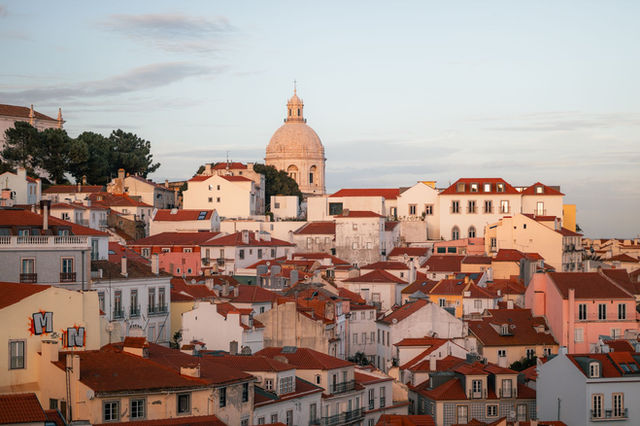
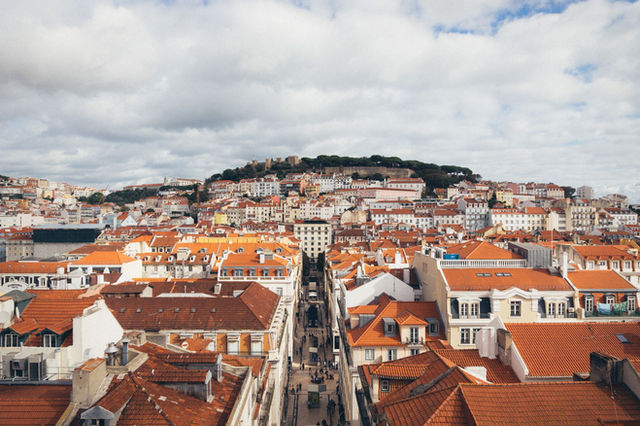
Sintra in photos

▸ Where you'll stay

Where you'll stay in Sintra

Base yourself by what you want your evenings to be. Staying in or just above Sintra-Vila puts you in the old town after the day-trippers leave — the best reason to overnight here — but rooms are limited and prices reflect the address. The area around the train line and Estefânia, the newer part of town near the station, is more practical and better value, with an easy walk or short bus into the centre. For quiet and greenery, the estate country out toward Monserrate and São Pedro trades walkability for calm. Many people skip the overnight entirely and stay in Lisbon, treating Sintra as a day out — honest, but you miss the town at its best.

  • Budget
    Estefânia / near the station walkable to the centre, closest to the train, least atmospheric
  • Mid-range
    Sintra-Vila in the old town for the after-hours quiet, limited rooms, pay for the location
  • Luxury
    Monserrate / Seteais side estate-country calm and gardens, but you'll rely on buses or a car
Stay

Hotels & rentals around Sintra

Pan, zoom and compare live prices — every stay in one map.

▸ Getting around

Getting around Sintra

In the old town it's on foot — the centre is small and walkable end to end. To reach the hilltop palaces, the 434 "Circuito da Pena" bus loops from the station through the Vila to the Moorish Castle and Pena and back; the 435 links the station and Vila with Quinta da Regaleira, Seteais and Monserrate (both Scotturb tourist routes). A car is a genuine liability up here — the roads to Pena are steep, narrow and often one-way, and parking is scarce; leave it below or don't bring one. For Cabo da Roca, the Carris Metropolitana 1624 coastal bus runs from Sintra station toward Cascais by way of the cape (service thins out in winter).

Sintra-Vila to Regaleira is a walk of ~approx 10 minutes; the Vila up to Pena and the Moorish Castle is the 434 bus or a steep ~approx 30–40 minute climb through the park; Monserrate is best reached on the 435; São Pedro is a short uphill walk or bus from the centre.

▸ Plan your days

Suggested itineraries

Ready-made day plans for Sintra — from a single day to a long weekend.

One day

Take an early train from Lisbon into Sintra and get ahead of the crowd: from the station, ride the 434 bus straight up to the Pena Palace before mid-morning, walk its park, then cross the ridge to the Moorish Castle for the ramparts and the valley view. Drop back down to Sintra-Vila for a travesseiro under the National Palace's twin chimneys, then walk west to Quinta da Regaleira for the Initiation Well before the queue builds. If there's light left, take the 435 out to Monserrate for its quiet gardens, then head back to the station.

Two days

Give day one to the Serra — Pena Palace, the Moorish Castle and the ridge views — at an early start, and spend the evening in Sintra-Vila once the day-trippers have gone, which is when the old town is worth staying for. On day two, slow down: Quinta da Regaleira and its underground in the morning, the 435 bus out to Monserrate and the Seteais terrace, lunch up in São Pedro de Sintra away from the crowds, and — if you've a car or the coastal bus — an afternoon run out to Cabo da Roca for sunset at the edge of the continent.

▸ What you'll do
What's on

While you're there

28
AUG
MEO Kalorama 2026 — Lisbon, August 2026
Avenida Da Liberdade 41, 1250-144 Lisboa, Lisbon, Portugal · festival
Build a trip around it →
01
JUN
Festas de Lisboa 2027
Rua Das Flores De Santa Cruz 3, 1100-244 Lisboa, Lisbon, Portugal · festival
Build a trip around it →
Explore

Explore the area

© OpenFreeMap · OSM · terrain Mapterhorn
Do

Local attractions & tours

Skip-the-line tickets and small-group tours in Sintra — compare across our partners.

Plan

Trips in Sintra

Day-by-day itineraries that take in Sintra — routes, timings and what to book.

▸ Budget

What it costs in Sintra

Backpacker
roughly €35–60 a day
Mid-range
roughly €120–200 a day
Luxury
€300 a day and up
Cash vs card
Cards and contactless work almost everywhere in the tourist core; carry a little cash for the São Pedro market, small tavernas and the odd bus fare.
Tipping
Discretionary and modest — rounding up or leaving small change is normal; there's no expected percentage.
▸ When you'll go

When to visit Sintra

April – June, September – October

Spring

What to expect — Cool, green and often damp, with the hills at their freshest and mist common on the ridge. Crowds building toward summer but not yet at their worst, especially midweek.

What's best — The forests and palace gardens are lush, the light is soft for photos, and you can still get a palace time-slot without booking weeks ahead.

Summer

What to expect — Warm and dry in the valley, cooler and sometimes foggy up top, and the busiest months by far. The Vila square and the 434 bus jam solid from mid-morning; palace slots sell out well in advance.

What's best — Long days and reliable weather for the ridge views. If crowds bother you, come in late May or September instead, or start at opening and be up the hill before the Lisbon trains disgorge.

Autumn

What to expect — Mild, with the summer crush easing and the hills holding their green. Rain returns as the season turns, and the mountain draws cloud more often.

What's best — Comfortable walking weather, thinner queues, and the moody fog that makes the palaces look their most romantic.

Winter

What to expect — Cool, wet and frequently cloud-wrapped, with short days and the fewest visitors. Some outlying sights keep shorter hours; the valley stays green.

What's best — The town nearly to yourself, palaces without the scrum, and the mist doing its best work — bring a waterproof and don't count on a clear-sky ridge view.

▸ Know before you go

Know before you go

Honest swaps

Skip driving up to Pena Palace → the road is narrow, one-way in stretches and parking is a nightmare; take the 434 bus or walk up through the park instead.

Skip buying palace tickets at the gate on a summer day → book a timed slot online in advance, because Pena in particular sells out.

Skip the café terraces crowding the Vila's main square → walk up to São Pedro de Sintra for a proper local meal at a fair price.

Skip trying to see every palace in one day → pick Pena plus one other and do it well; cramming the lot means queuing more than seeing.

Crowds & timing

The mountain jams between ~approx 10:30 and 15:00, when the Lisbon day-trippers, independent travellers and coach tours all arrive at once — be at your first palace at opening or leave it for late afternoon.

The 434 bus up to Pena and the Moorish Castle can mean a long wait in high season; walking up through the Pena park is often faster than queuing for the bus.

An overnight in the Vila buys you the town in early morning and evening, either side of the day-trip tide — the single best reason to stay.

Local rules & etiquette

The palaces run on strict timed entry — turn up in your window, not whenever you like, or you may be turned away.

Interior capacity at Pena is capped and enforced; arriving late for your slot can mean missing the palace rooms even with a ticket.

The forest paths and palace parks close earlier than you'd think, especially in winter — check the day's last-entry before a late start.

▸ Ready to book your trip?

Getting there

Most people come from Lisbon by train — the CP suburban Linha de Sintra from Rossio station in central Lisbon runs to Sintra in ~approx 40 minutes, with services also from Oriente. There's no airport at Sintra; the nearest is Lisbon (LIS), from which you reach the train via the city's metro and rail. Sintra's own station sits a short walk from the Vila or a stop on the tourist buses.

Book

Ready to book your trip?

Flights, airport transfers and car hire — search and compare without leaving the page.

▸ Trip extras
Book

More trip extras

Parking, holiday extras, and more — coming soon.

Coming soon

We're lining up parking, holiday extras and activities you'll be able to add to any trip from here.