Barcelona
Gaudí's city on the Mediterranean — a place of extraordinary modernist architecture, a world-class food scene, pounding nightlife and beaches within walking distance of the old town.
- City
- April – June, September – October
- BCN
- 4–5 days
About Barcelona
Why go
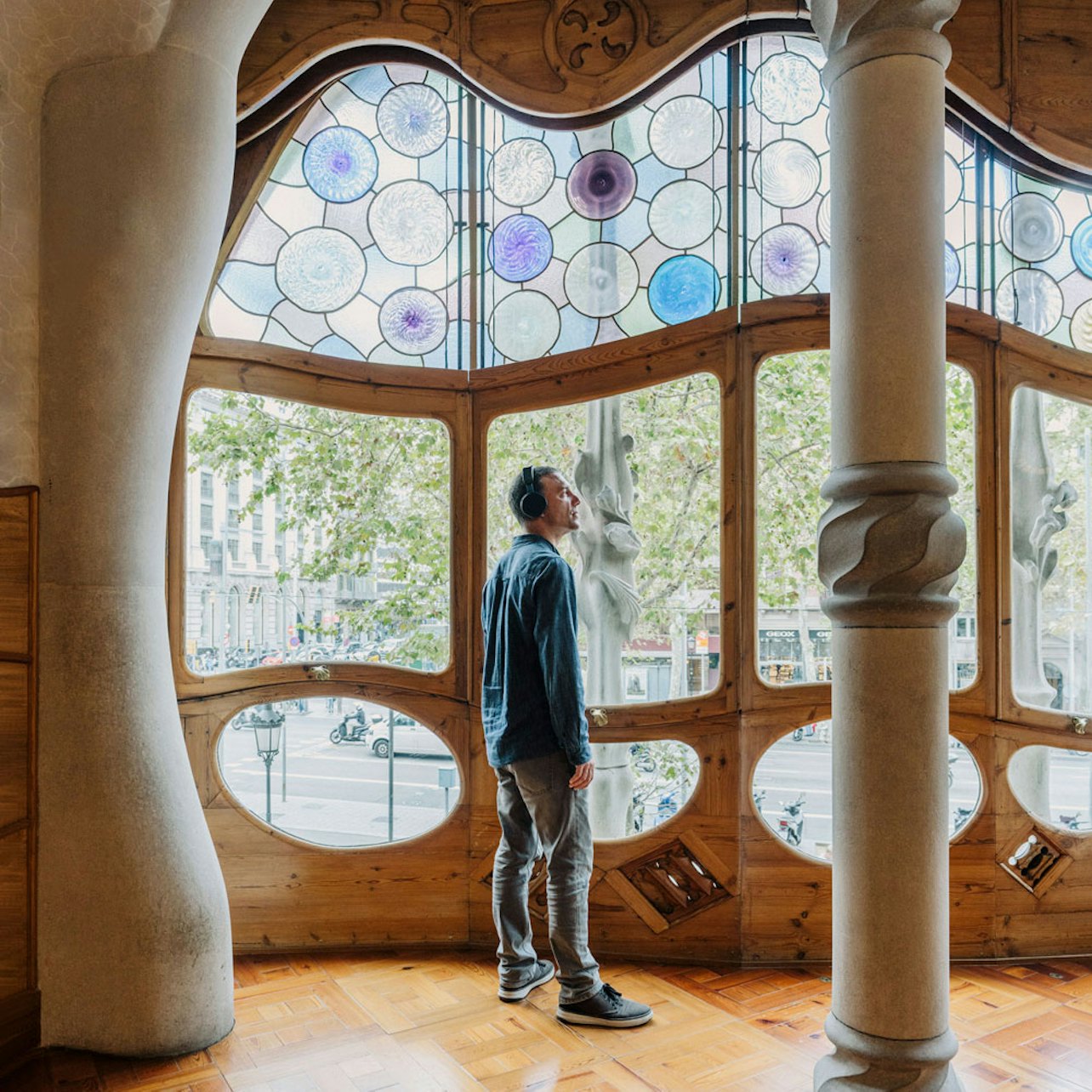
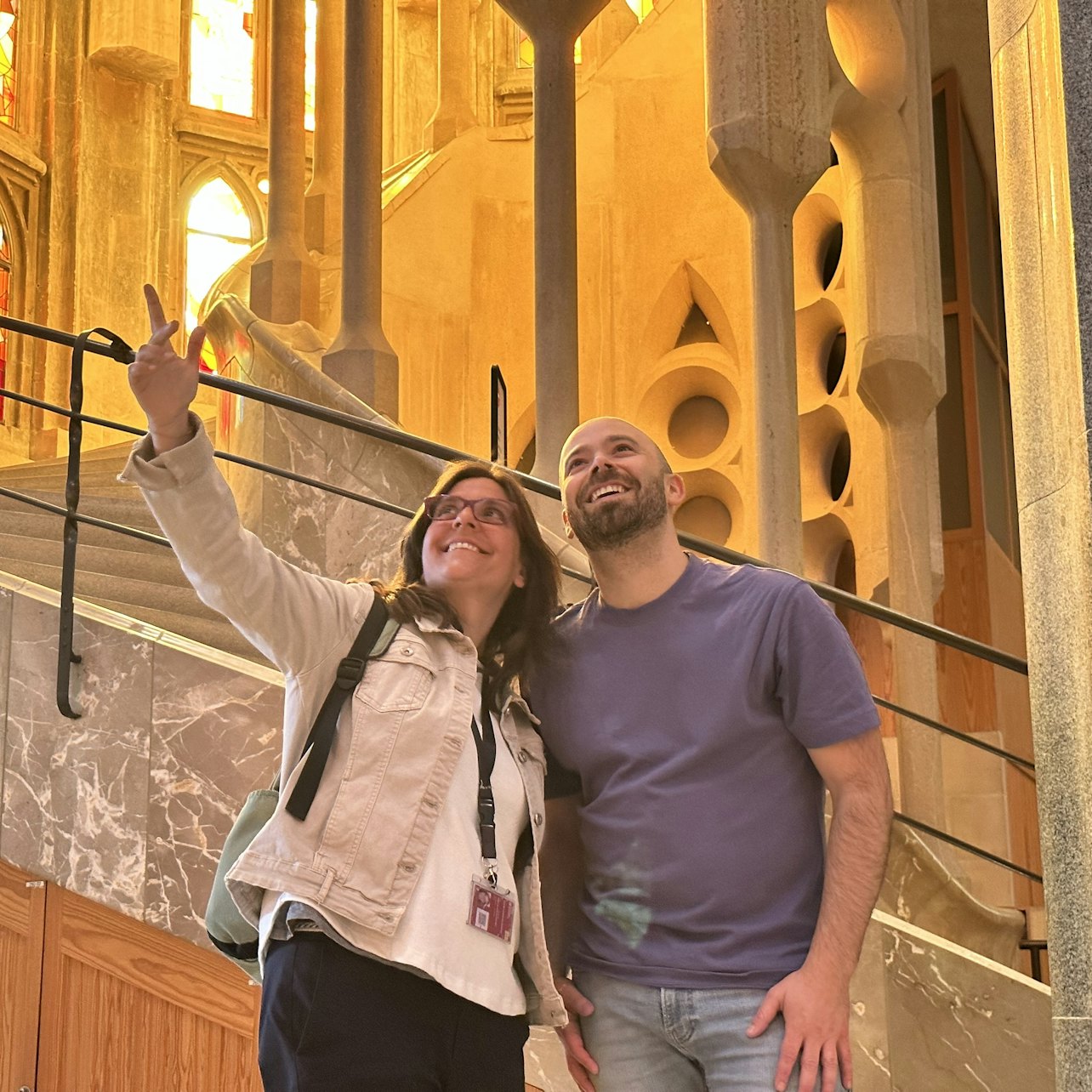
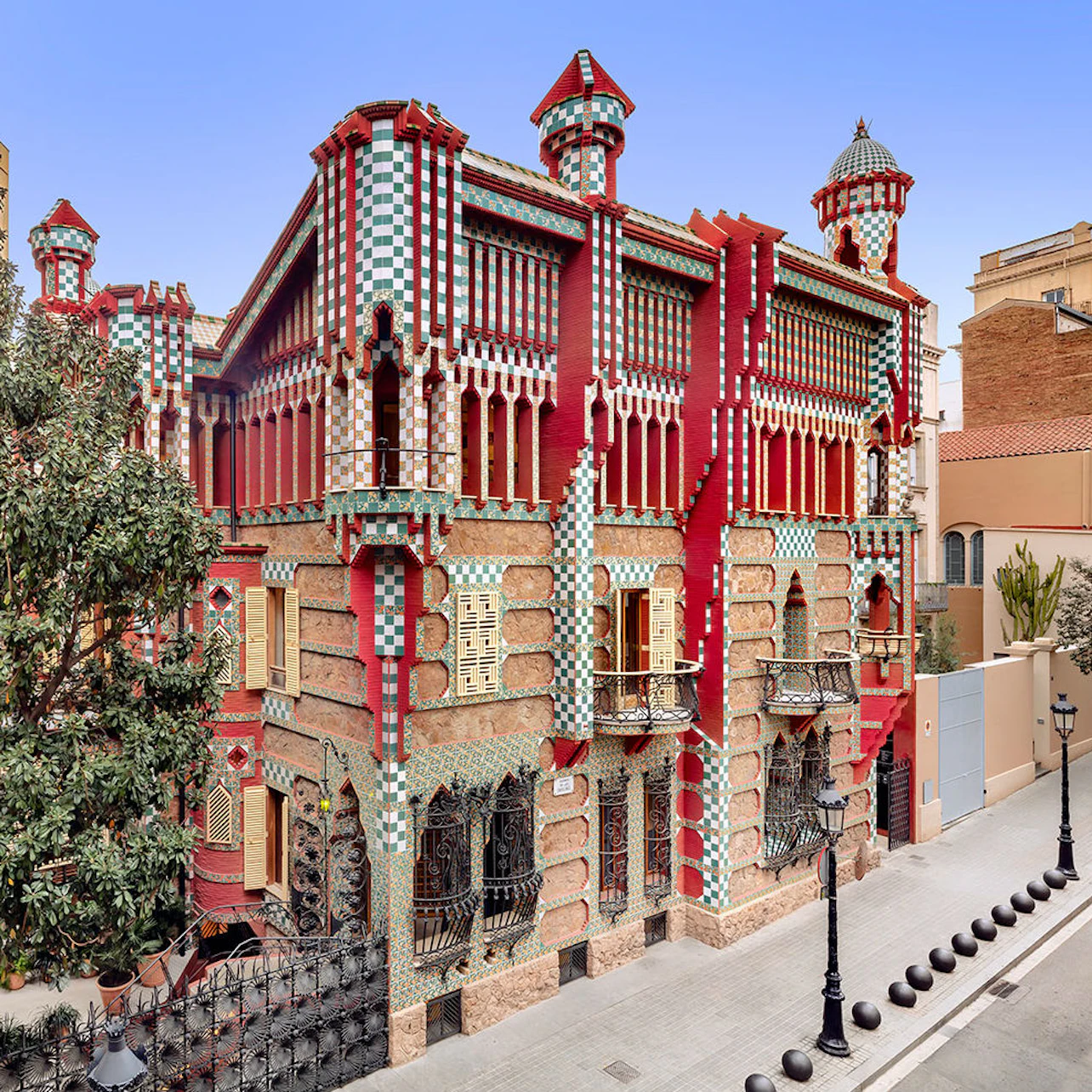
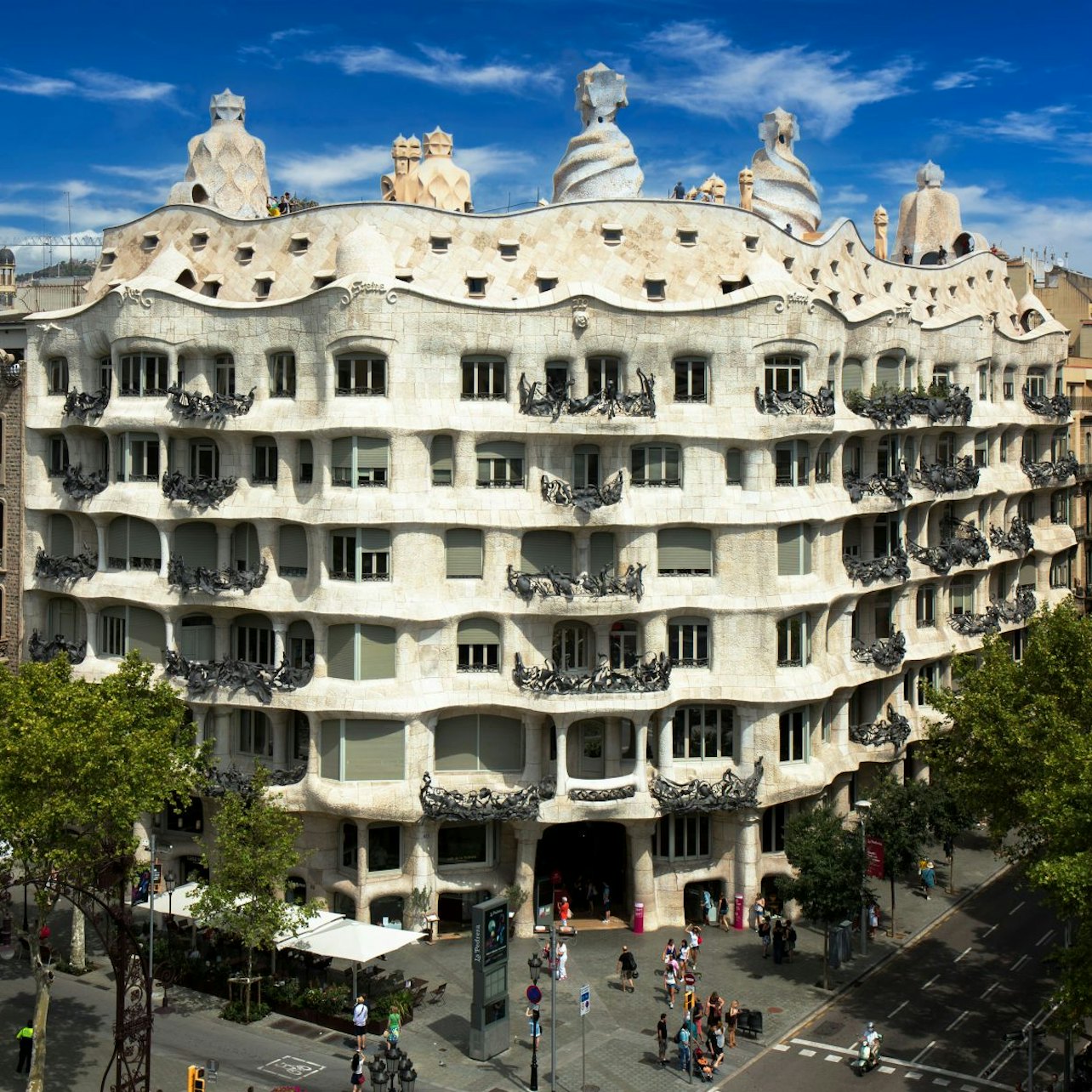
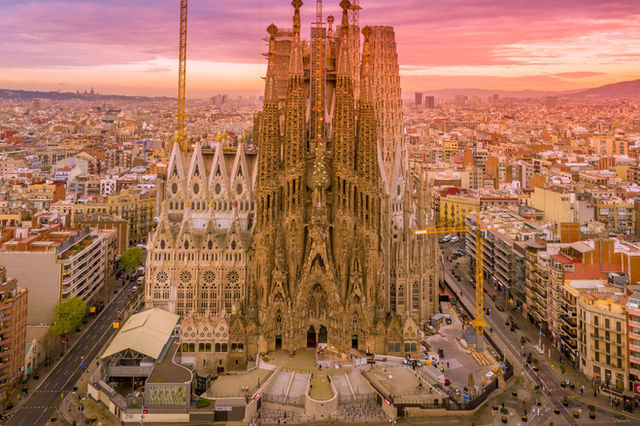
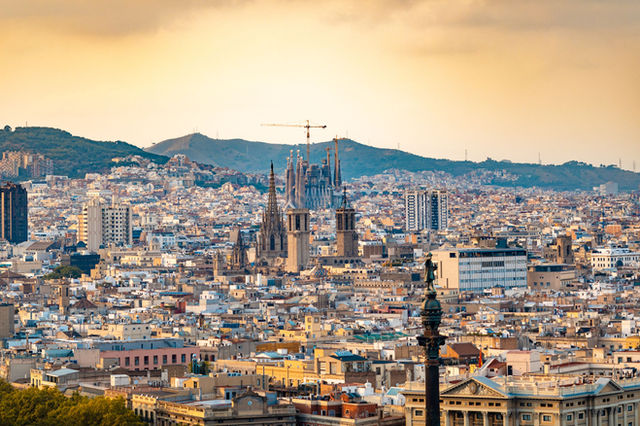
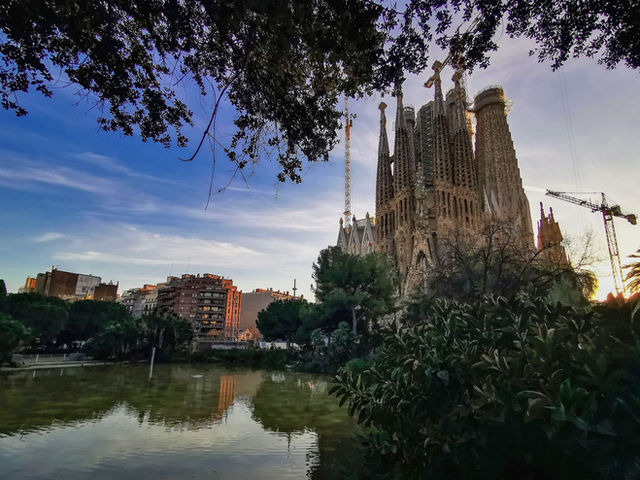
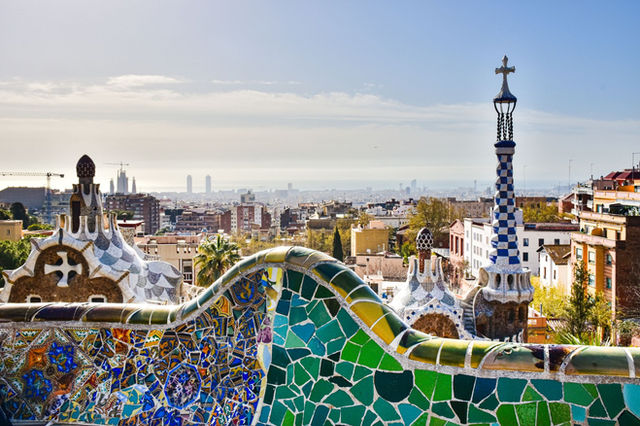
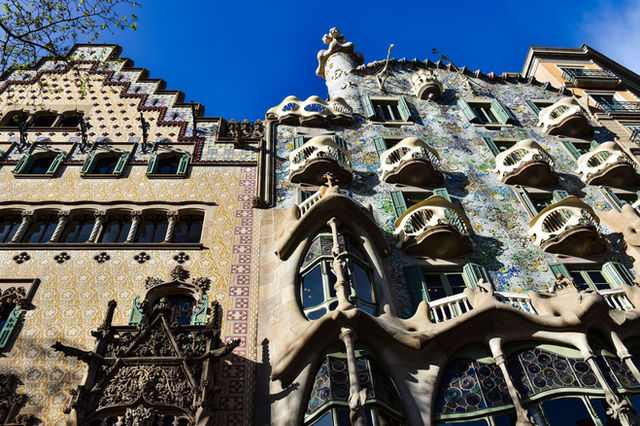
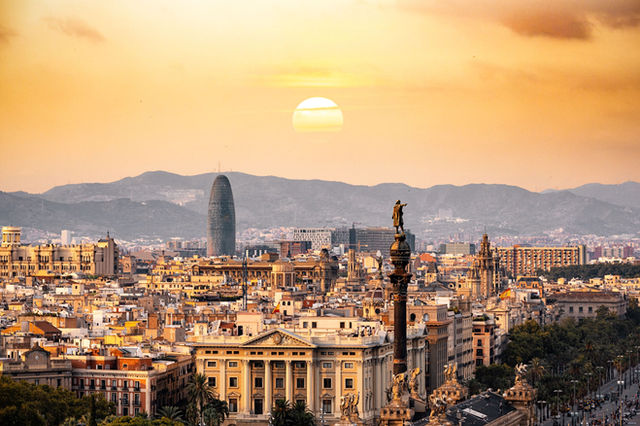
Barcelona offers a rare and very compelling combination: world-class art and architecture (Gaudí, Picasso, Miró), a vibrant food culture (from tapas at El Born market bars to Michelin-starred tasting menus), a genuine Mediterranean beach, and a city that knows how to have fun in the evenings without sacrificing culture or community. The Sagrada Família alone — increasingly close to completion, with its forest of towers now rising and the nave fully enclosed — is one of the most extraordinary architectural experiences on earth and essential on any visit. The neighbourhood of Gràcia (a former independent village with charming plazas and a strongly local character), the Gothic Quarter's covered market Mercat de la Boqueria, and the transformed industrial waterfront at Poblenou give a city of layers that reveals itself over multiple visits. A significant advantage for families is the combination of beach, parks (Montjuïc, Park Güell), exceptional public transport and a child-friendly dining culture.
Highlights
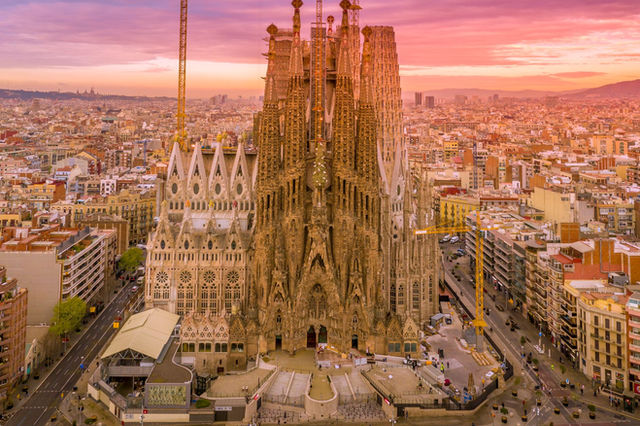
- Sagrada Família — Gaudí's unfinished masterpiece
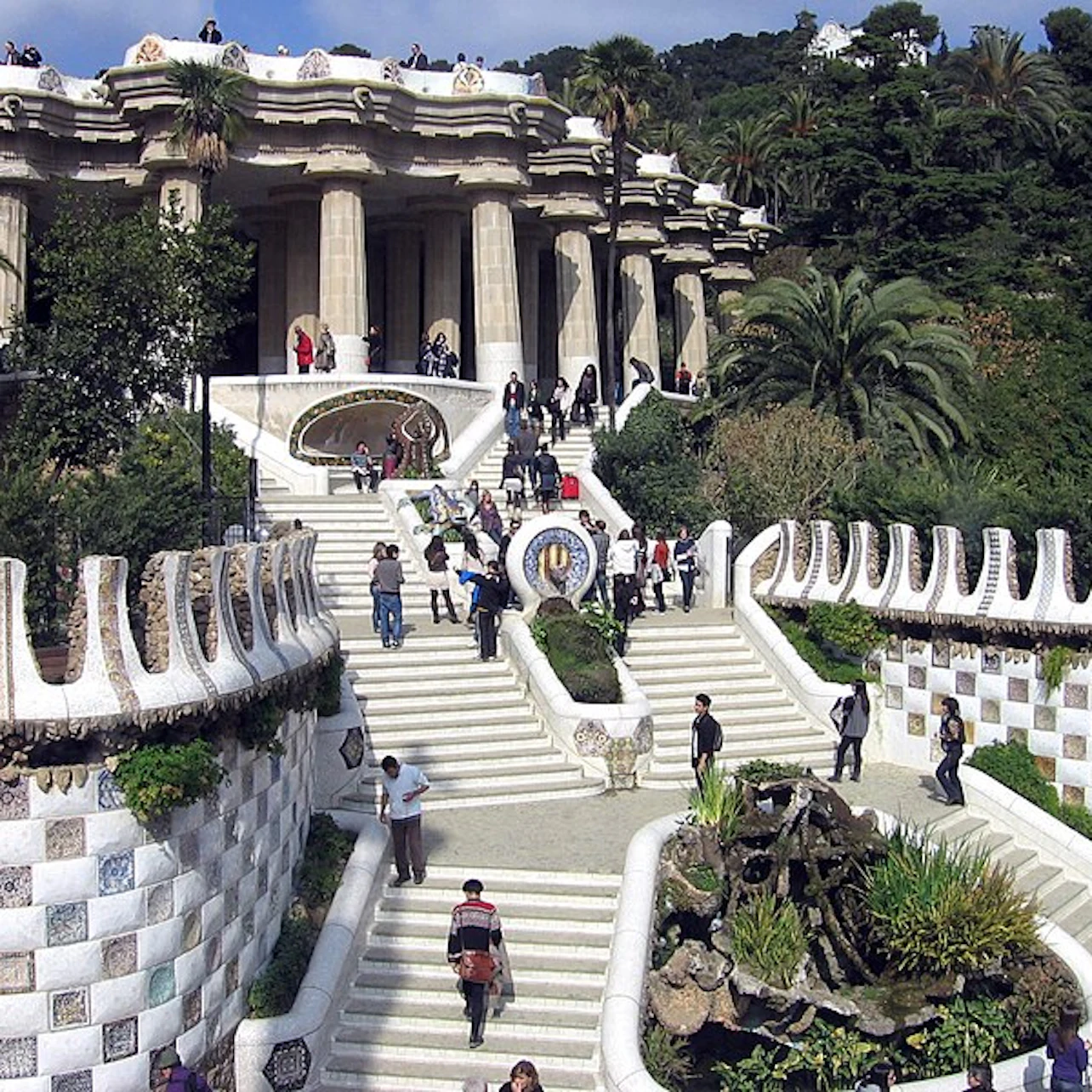
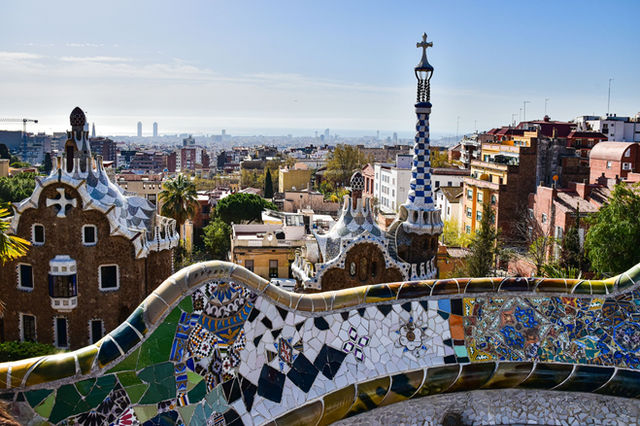
- Park Güell mosaics and city views
- La Boqueria market tapas
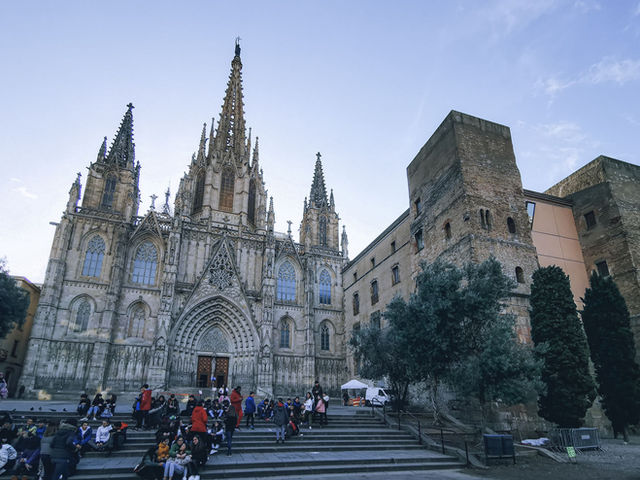
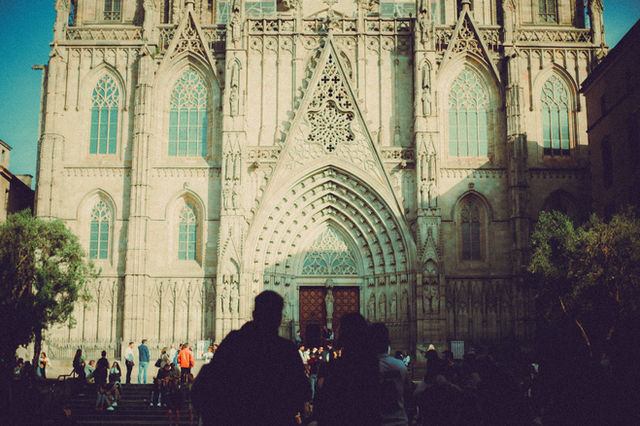
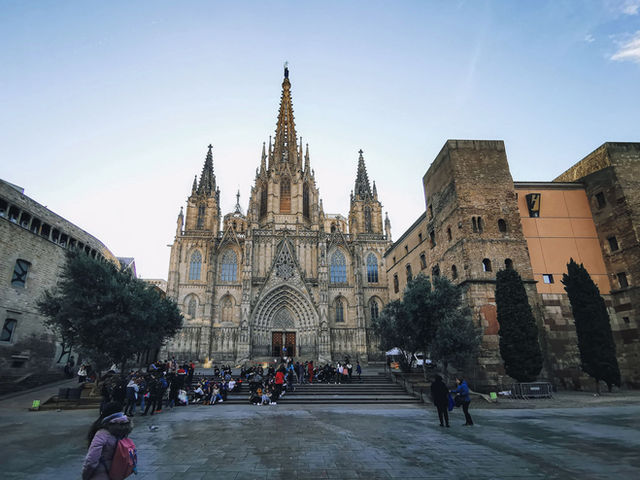
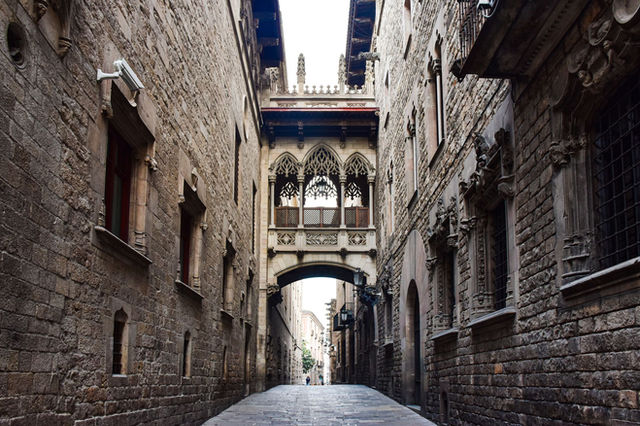
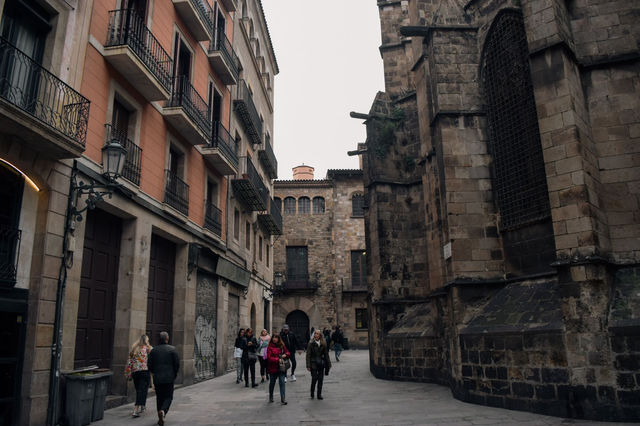
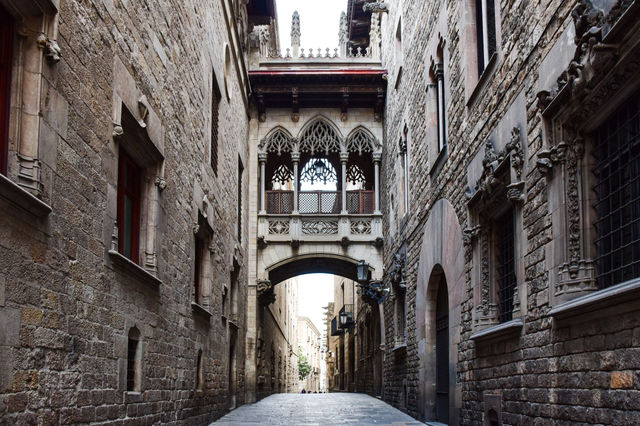
- Gothic Quarter evening wander
- Barceloneta beach and chiringuito drinks
- Palau de la Música Catalana concert
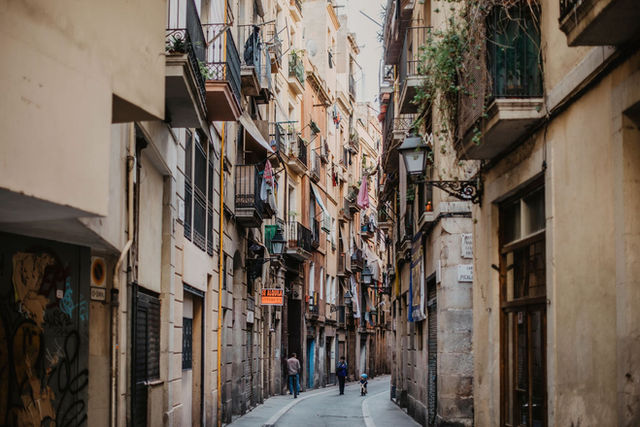
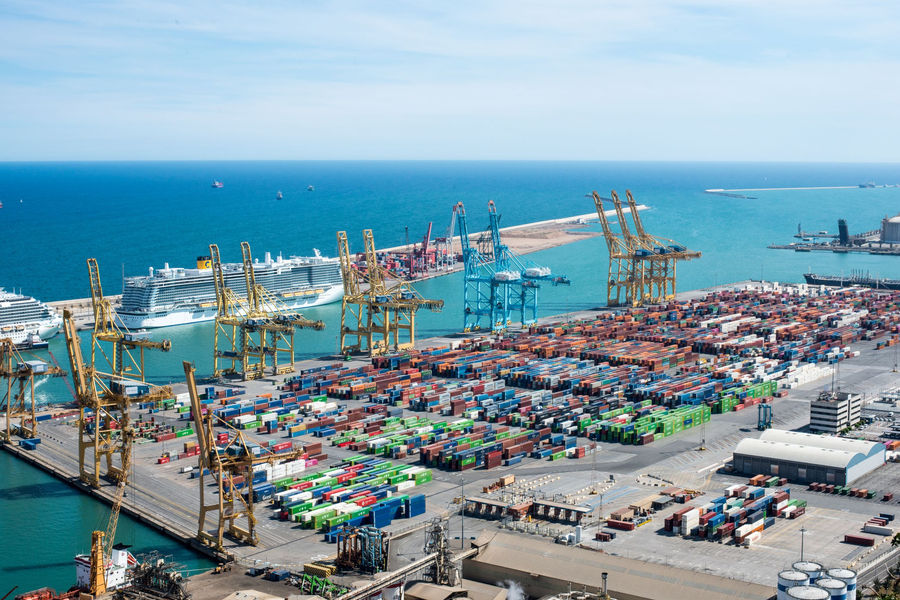
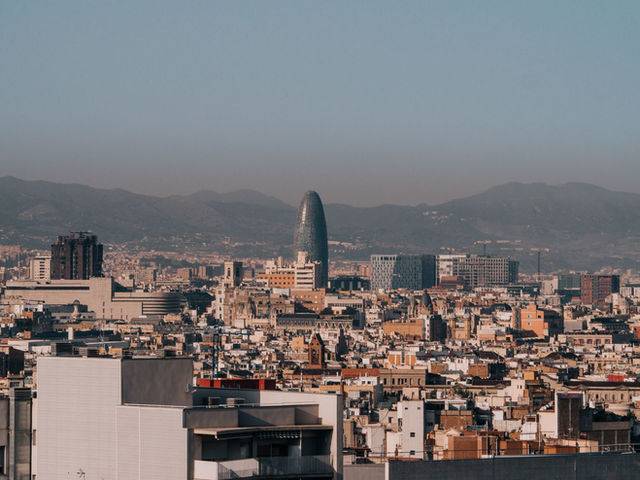
Barcelona in photos
Neighbourhoods
Neighbourhood-by-neighbourhood guides to Barcelona are on the way.
Where you'll stay in Barcelona
Live map of hotels and villas around Barcelona — powered by Stay22. Pan, zoom and compare live prices to pick your base.
Hotels & rentals around Barcelona
Pan, zoom and compare live prices — every stay in one map.
Getting around Barcelona
Metro/subway
The TMB Metro (11 lines) reaches all major tourist districts and is efficient for longer cross-city journeys. Buy a T-Casual 10-trip card (€11.35, Zone 1) — valid on Metro, buses and suburban FGC trains — rather than individual tickets (€2.55 each).
Buses
TMB buses cover the entire city including hilly areas the Metro doesn't reach. Bus H10 along the coast and bus 24 up to Parc Güell are useful tourist routes. The T-Casual is valid on all TMB buses.
Taxis & ride-hailing
Barcelona taxis are black and yellow, metered and reliable. Free Now and Cabify operate in the city. Taxis are a reasonable option late at night when Metro frequency drops.
Cycling
Barcelona has over 200 km of dedicated cycle lanes; the coastal cycle path from Barceloneta north is outstanding. Tourist bike hire is available throughout the centre; Bicing public share-bikes require a local card but tourist operators offer daily hire from around €12.
Walking
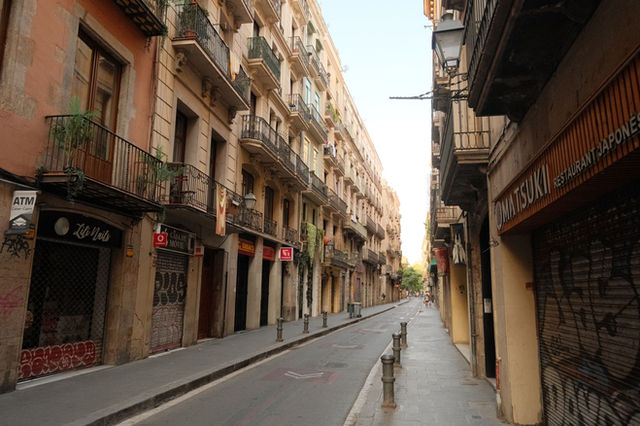
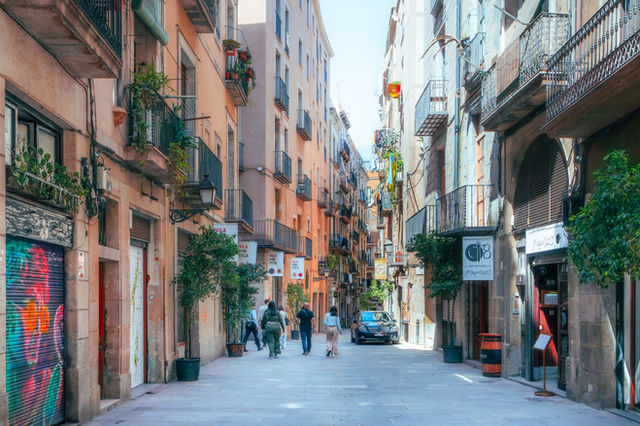
The Gothic Quarter and El Born are almost entirely pedestrianised and best explored on foot. The Eixample grid is flat and walkable, though distances between Gaudí sites are larger than they appear on a compact map.
Networks
Barcelona's public transport is integrated under ATM: TMB Metro (11 lines) and buses, FGC commuter rail (useful for Montserrat), Renfe Cercanías suburban trains, and trams. Most visitors need only the TMB Metro and buses for city sightseeing.
Ticketing
The T-Casual 10-trip card (€11.35, Zone 1) is the best value for most visitors — valid on Metro, all TMB buses, FGC within Zone 1 and trams. Buy at station ticket machines or via the TMB app. Validate on entry (Metro gates) and on boarding (buses — tap the yellow reader).
Passes
The T-Día unlimited day pass costs €10.60 — worthwhile if you expect five or more journeys in a single day. Hola BCN! tourist passes (2 to 5 days) offer unlimited travel and are good value for an active first visit. All passes and tickets are Barcelona-area Zone 1 unless otherwise specified.
Peak hours
Rush hours (08:00–09:30 and 17:30–19:30) are crowded, especially on L1 (Fira/airport corridor) and L3 (Paral·lel to Diagonal tourist corridor). Night buses (N-lines) cover the main corridors from 22:30 to 05:30 when the Metro is closed.
Insider tips
Book Gaudí sites far ahead
The Sagrada Família requires advance online booking — in peak season (June–September), preferred time slots can sell out weeks ahead. The Tower access tickets (for the view from the towers) fill fastest of all. The Parc Güell Monumental Zone also requires a timed ticket; the surrounding wooded park is free.
Escape the summer beach crowds
Barceloneta beach in July and August is dramatically overcrowded. Take bus T4 south from Barceloneta for 30 minutes to Castelldefels for a relaxed, less crowded Mediterranean beach day with significantly cheaper food and drinks on the promenade.
Neighbourhood eating
The Gràcia neighbourhood — north of Eixample, just below Parc Güell — offers Barcelona's best combination of authentic local restaurants at real prices. Bar Calders and La Pepita are good entry points for vermouth and pintxos at local pricing.
Market alternative
Instead of La Boqueria (tourist prices and aggressive vendors by 09:30), go to the Mercat de Sant Antoni (Eixample, Monday–Saturday) or Mercat de Santa Caterina (El Born). Both serve genuine Barcelona neighbourhood shopping with a small attached food hall where locals actually eat.
Frequently asked
How many days do I need in Barcelona?
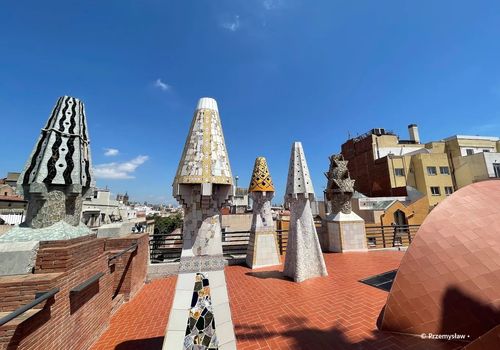
Four to five days covers Sagrada Família, Park Güell, Casa Batlló or Casa Milà, the Gothic Quarter, El Born, Barceloneta beach and several neighbourhood meals. Six to seven days allows a day trip to Montserrat (by FGC train, 1h) and the Penedès wine region.
Is Sagrada Família finished?
Nearly — the central Torre de Jesucrist (Tower of Jesus Christ), the tallest of the 18 towers at 172 metres, is the last major element under construction with completion expected by 2026. The building is already visually extraordinary and full services have been held in the completed nave since 2010.
When is Barcelona most crowded?
July and August are peak. Additional peaks occur during Mobile World Congress (February), Primavera Sound (June) and Sónar Festival (June) — accommodation prices spike sharply during all three events. The Festa de la Mercè (late September) is busy but genuinely worth visiting for.
Is Barcelona good for families with children?
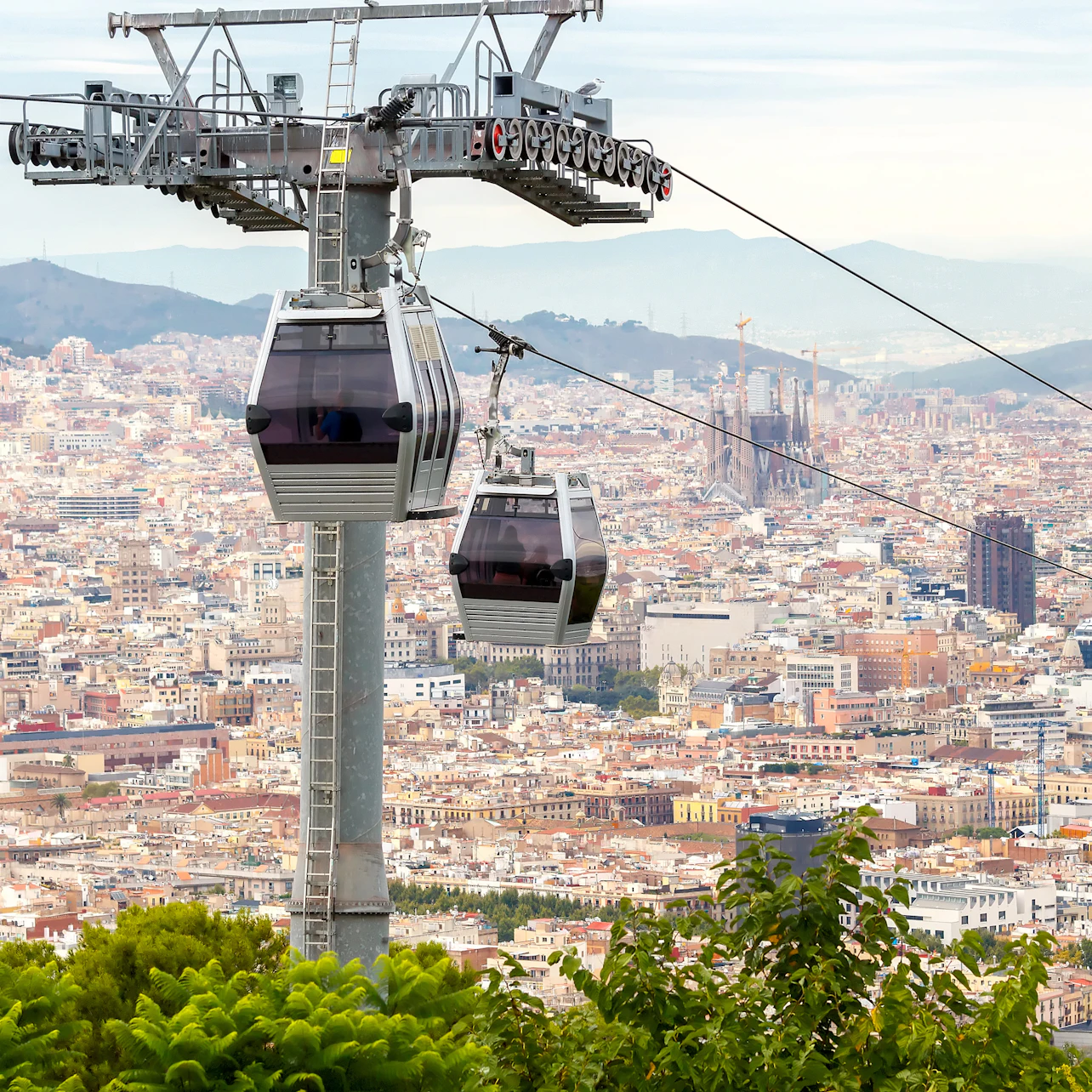
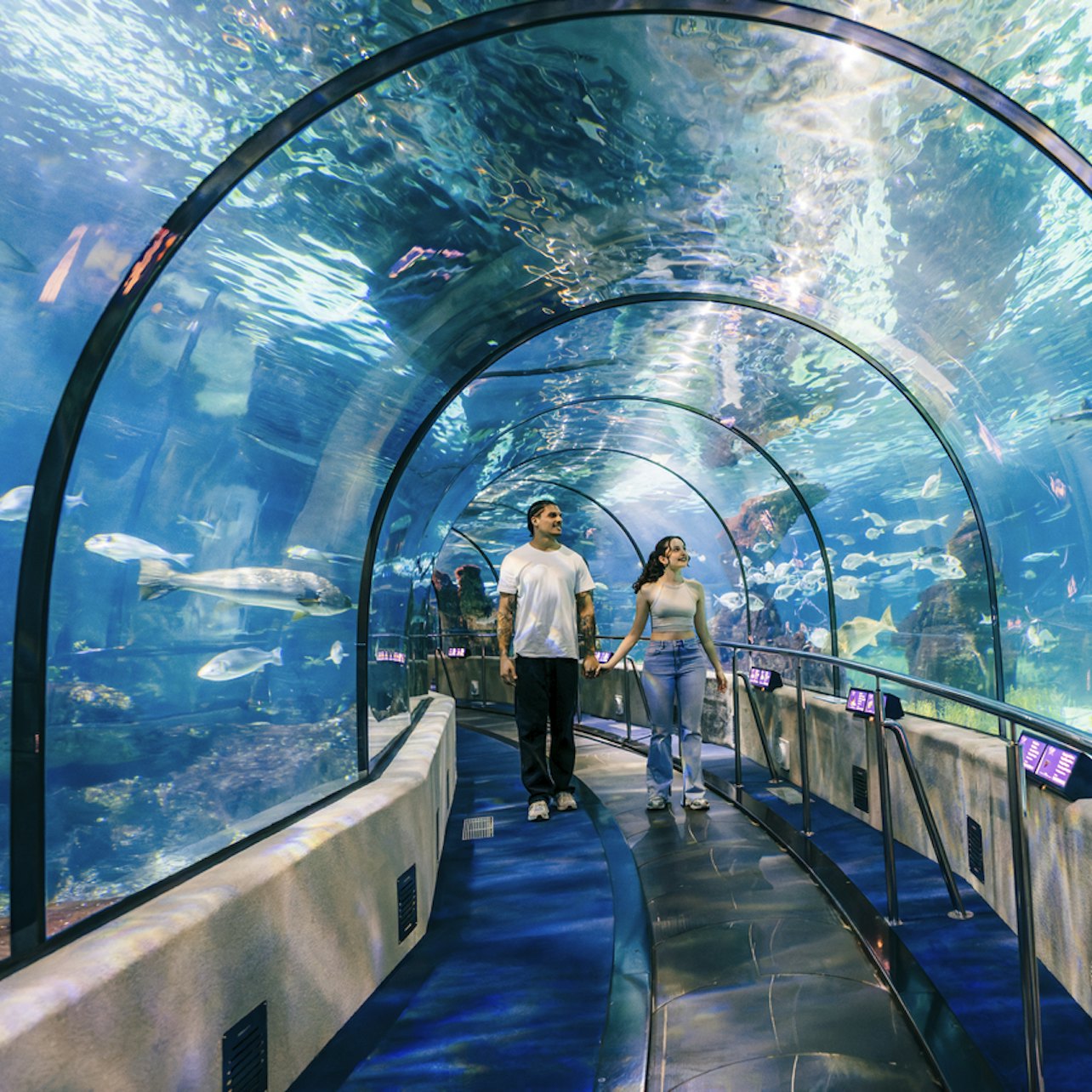
Excellent — the beach, Montjuïc cable cars and castle, Camp Nou stadium tour, L'Aquàrium (Barceloneta), CosmoCaixa science museum and Park Güell (free outer zone) all work well for children. The late dinner culture can be challenging for younger children but most restaurants are genuinely family-welcoming.
Should we visit La Boqueria?
A brief visit is worthwhile if you arrive at 08:00 when it opens and the working-market atmosphere still exists. By 09:30 it has shifted predominantly to tourist-mode with inflated prices. Don't plan to shop or eat there; treat it as a visual experience and eat at one of the alternatives nearby.
While you're there
Explore the area
Local attractions & tours
Skip-the-line tickets and small-group tours in Barcelona — compare across our partners.
Best time to visit Barcelona
April – June, September – October
Spring (April–June)
The optimal shoulder season: warm at 18–24°C, mostly sunny with occasional short showers, beach swimmable from late May. Crowds are manageable and accommodation is reasonably priced. Late April and May are the most comfortable overall.
Summer (July–August)
Peak season at 28–33°C — the beach is at its best but the city is extremely crowded and pickpocketing incidents are at their highest. Accommodation prices peak; book far ahead. Hot, humid evenings make outdoor dining very pleasant.
Autumn (September–October)
Arguably the best overall season — warm at 20–26°C, beach still swimmable into October, crowds thinning rapidly after mid-September. The Festa de la Mercè (late September) is Barcelona's main city festival with free concerts and events citywide.
Winter (December–February)
Mild at 10–15°C; quieter, significantly cheaper accommodation and flights, Christmas lights along Passeig de Gràcia, and virtually no queues at Gaudí sites. One of the best times to visit major attractions without crowds.
Best months
Late May and September to early October are the sweet spots: good weather, manageable crowds and reasonable accommodation prices. Avoid mid-July to August unless specifically drawn by the beach and don't mind crowds.
Getting there
By air
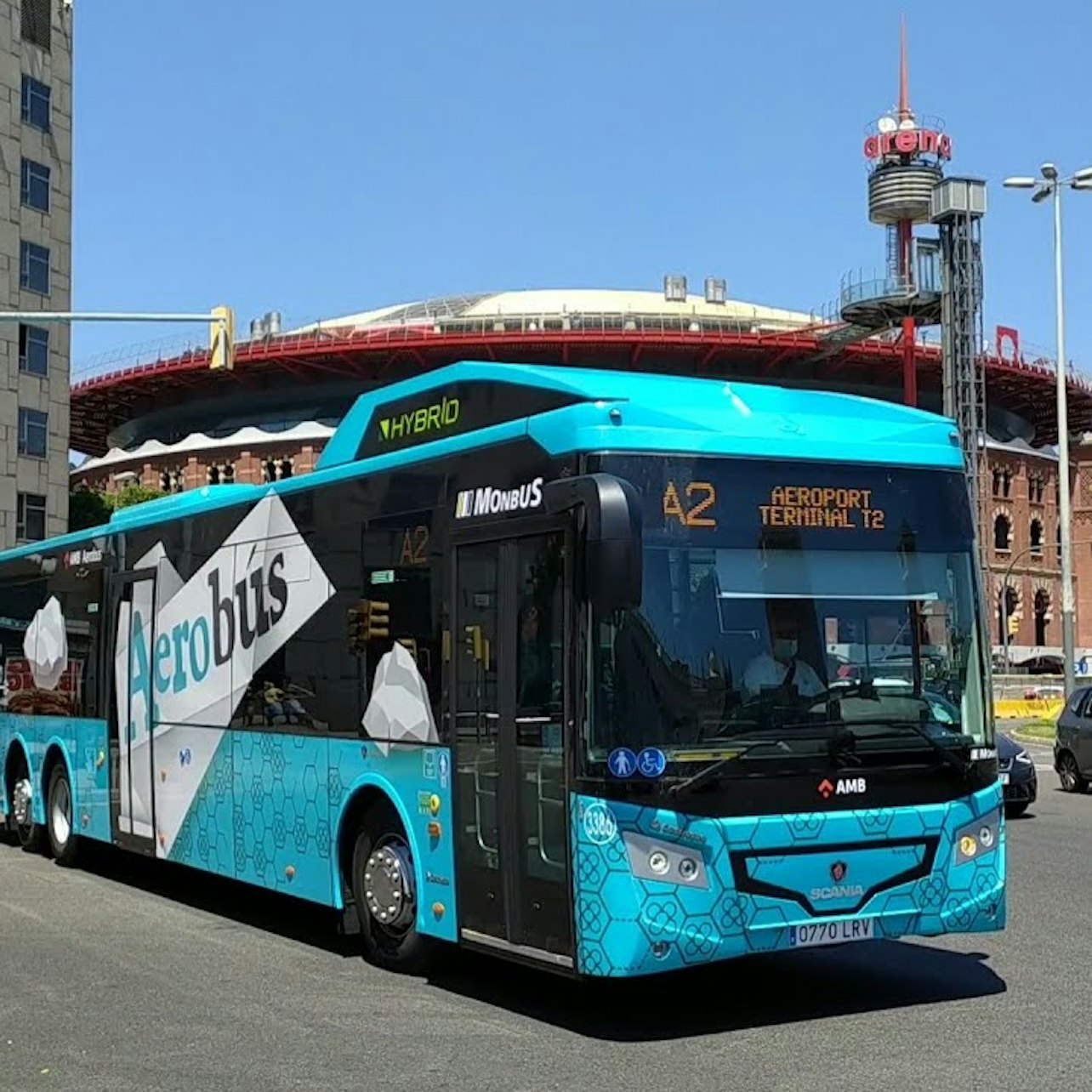
Barcelona–El Prat Airport (BCN), 14 km south-west, serves direct flights from London Heathrow (BA, Vueling), Gatwick (easyJet), Stansted (Ryanair) and most other UK airports. The Aerobús coach links both terminals to Plaça de Catalunya in 40–45 minutes (€6.75 single, €10.75 return) — the most practical airport transfer for most visitors. The Metro L9 Sud line requires a change at Torrassa and takes longer; it is a poor choice for anyone with significant luggage. Taxis from BCN to the city centre are metered and typically cost €30–35.
By train
Barcelona Sants is the main intercity station. Spain's AVE high-speed rail runs to Madrid in 2h30, Valencia in 1h35 and Seville in approximately 5h30. From France, TGV and Ouigo services arrive via the Pyrenees tunnel; Paris to Barcelona takes around 6h30 by high-speed rail.
- Girona–Costa Brava Airport (GRO)
- Reus Airport (REU)
Ready to book your trip?
Flights, airport transfers and car hire to BCN — search and compare without leaving the page.
More trip extras
Parking, holiday extras, and more — coming soon.
We're lining up parking, holiday extras and activities you'll be able to add to any trip from here.