← Sri Lanka
SRI LANKA · CITY

Anuradhapura

Sri Lanka's ancient royal capital — vast white stupas and monasteries around the oldest recorded tree on Earth.

  • City
  • May to September (dry zone) — but the site is year-round; avoid heaviest rains
  • ~approx 1–2 days
  • Ancient Sinhalese Capital
  • Great Stupas
  • Sacred Bodhi Tree
  • Vast Water Tanks

The vast white dome of a stupa rising over the treetops, saffron-robed monks and white-clad pilgrims moving quietly beneath, and, at the sacred Bodhi tree, prayer flags and lamps around a fig grown from a cutting of the tree the Buddha sat under.

Anuradhapura is Sri Lanka's first and greatest ancient capital — a sprawling sacred city of colossal brick stupas, monastery ruins and reservoirs spanning a thousand years, still a living centre of Buddhist pilgrimage around the oldest planted tree on earth.

Type
city
Ideal length
~approx 1–2 days
Getting around
by bicycle or tuk-tuk among the spread-out ruins
Neighbourhoods
3 areas
Best season / months
May to September (dry zone) — but the site is year-round; avoid heaviest rains
Language
Sinhala and Tamil; some English
Currency
Sri Lankan rupee (Rs)
Budget level
low — very affordable
Good for
  • History
  • Pilgrimage and reflection
  • Cyclists
  • Cultural Triangle trips
▸ Discover

About Anuradhapura

Anuradhapura lies in the dry-zone plains of north-central Sri Lanka, part of the "Cultural Triangle." For over a thousand years, from the 4th century BC, it was the island's capital and the heart of Sinhalese Buddhist civilisation — and it left an extraordinary landscape of monumental stupas (dagobas), monastery complexes, palaces, bathing pools and giant man-made reservoirs (tanks) that fed its rice. The sprawling ruins, a UNESCO site, sit among trees and tanks, best explored by bicycle; a modern town spreads alongside, and the sacred hill of Mihintale, where Buddhism came to the island, is close by. It is at once a great archaeological site and a living, revered pilgrimage centre.

Why go

Anuradhapura is one of Asia's most important ancient cities — a UNESCO sacred site where some of the largest brick structures of the ancient world still stand, monastery ruins spread for miles, and pilgrims still worship at the Sri Maha Bodhi, a sacred fig grown from a cutting of the Bodhi tree of the Buddha's enlightenment, and the oldest historically documented planted tree on earth. Add the engineering wonder of its ancient reservoirs, the calm of cycling among ruins and tanks, and the nearby hill of Mihintale, and it's a profound, atmospheric stop in the Cultural Triangle.

Don't miss

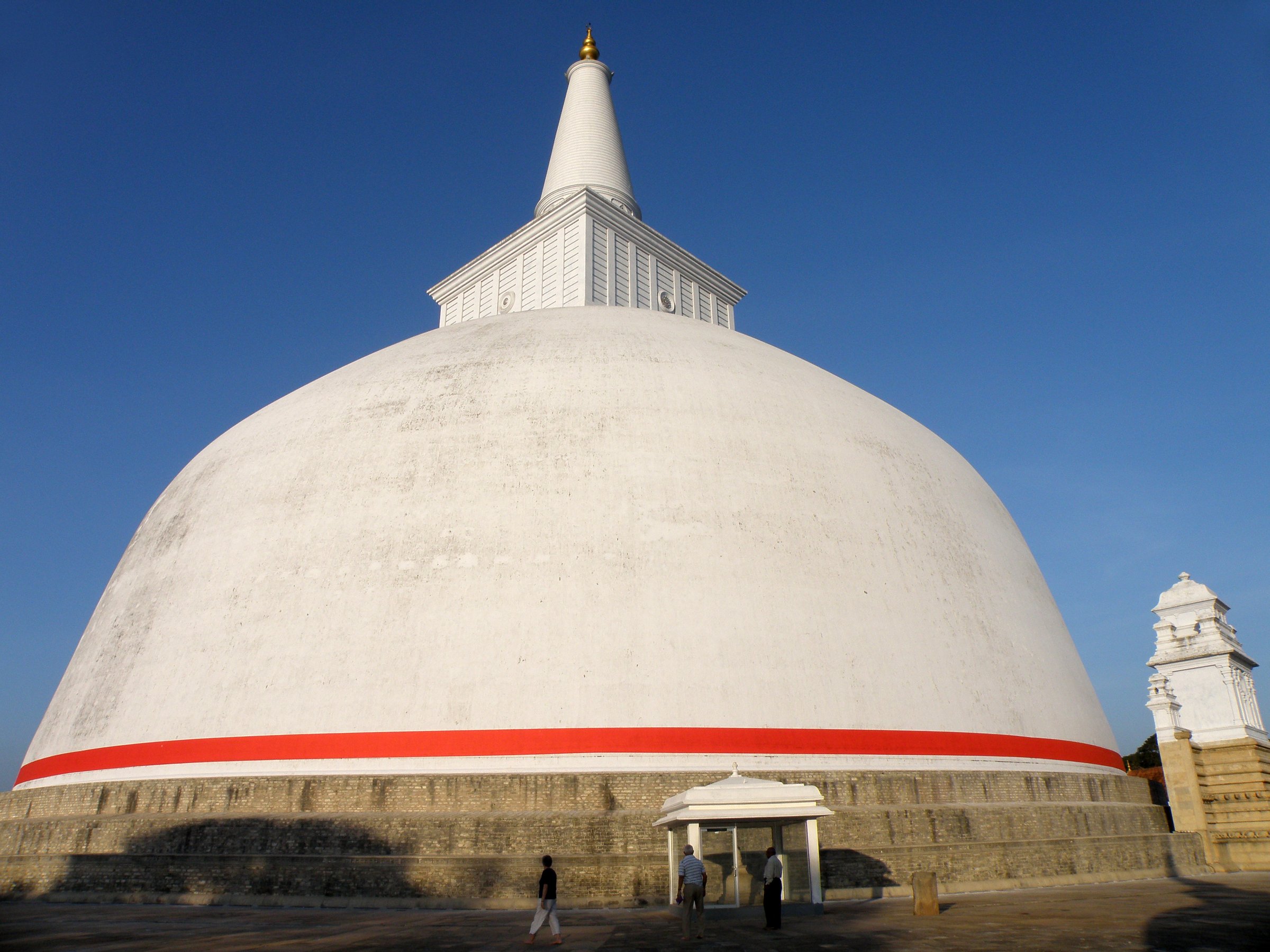
  • The Ruwanwelisaya — the great white restored stupa
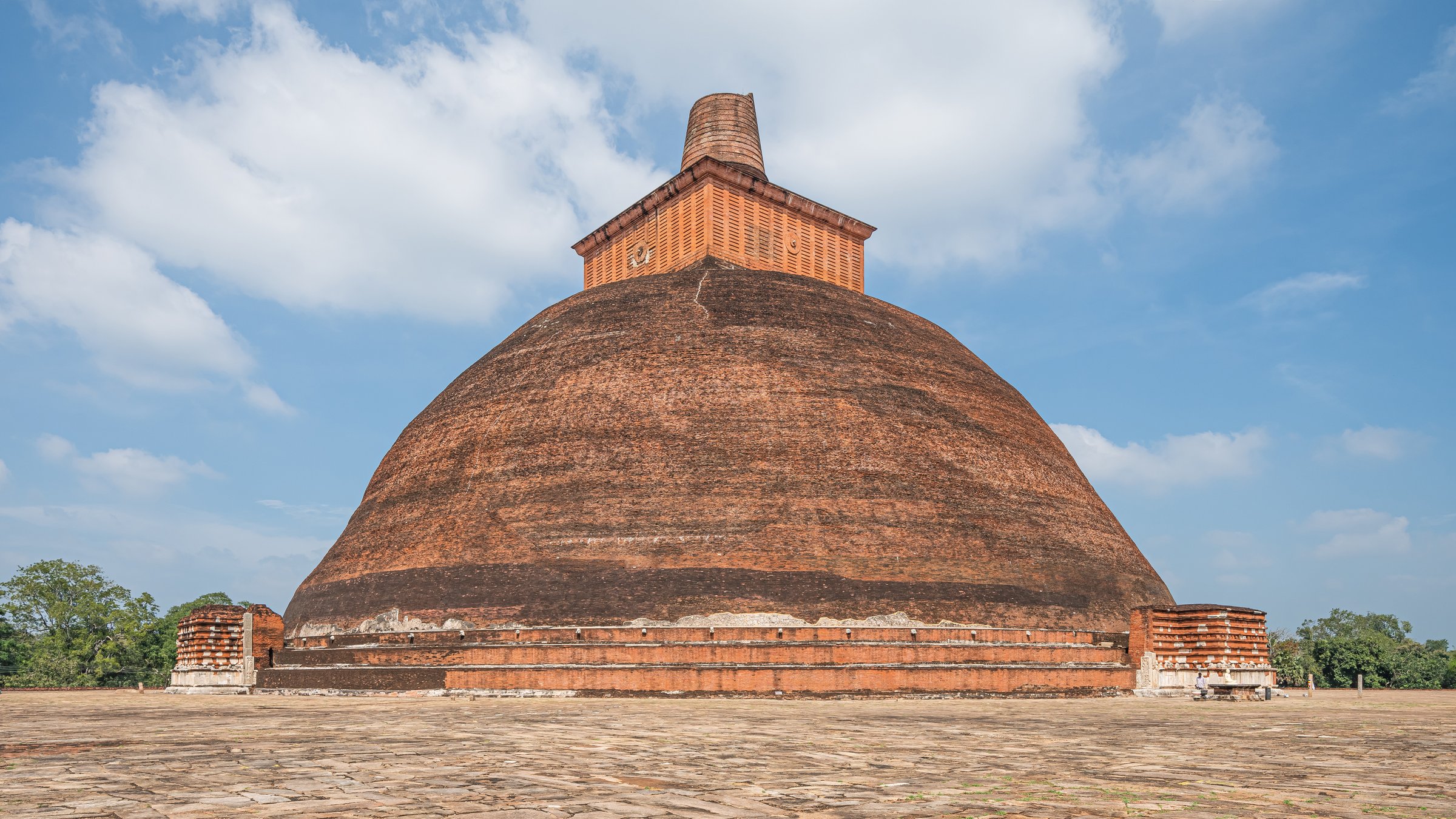
  • Jetavanaramaya — one of the tallest ancient brick monuments
  • The Sri Maha Bodhi — the sacred, ancient Bodhi tree
  • The Abhayagiri complex — the vast monastery ruins
  • The ancient tanks — the giant reservoirs (and nearby Mihintale)

Signature experiences

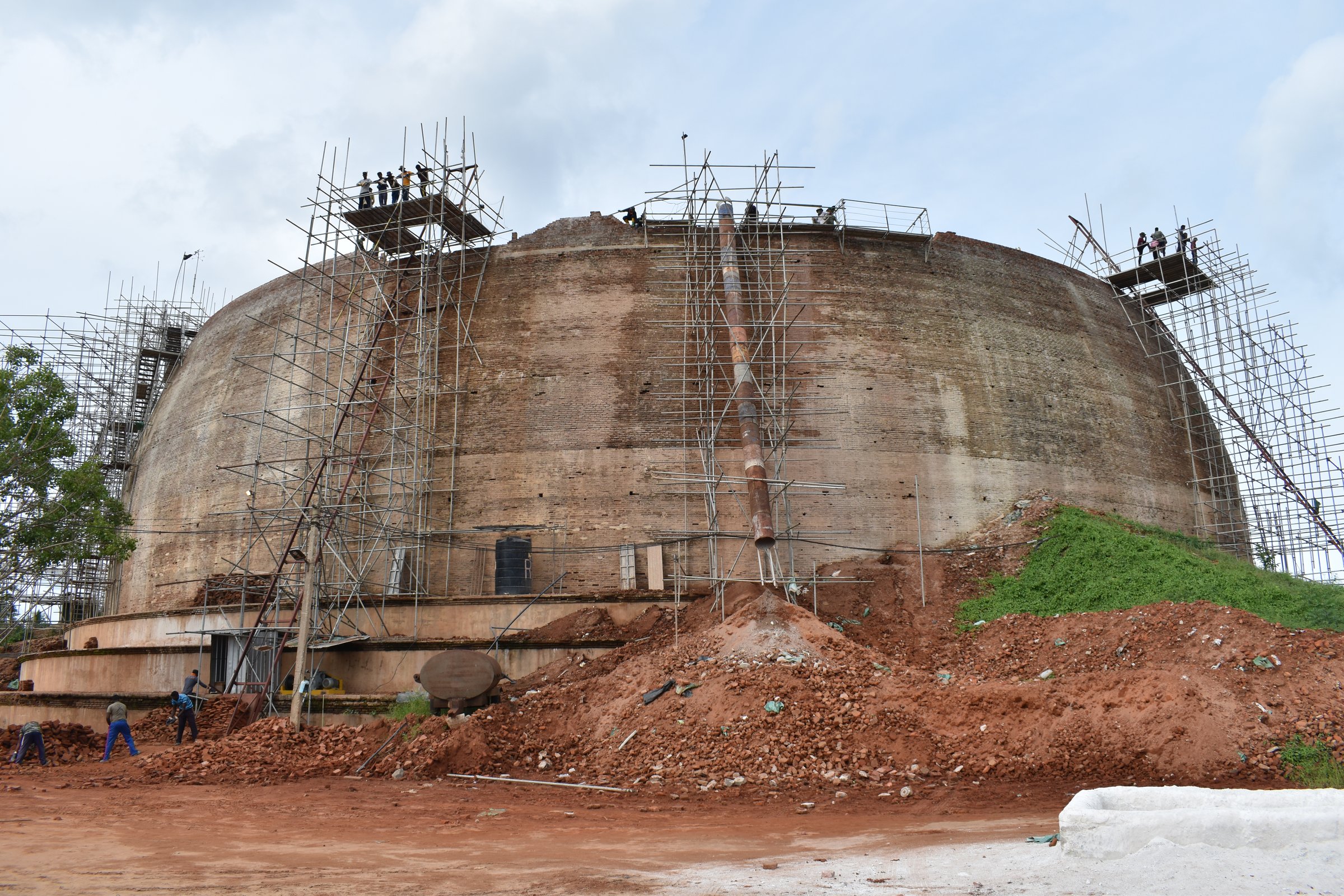
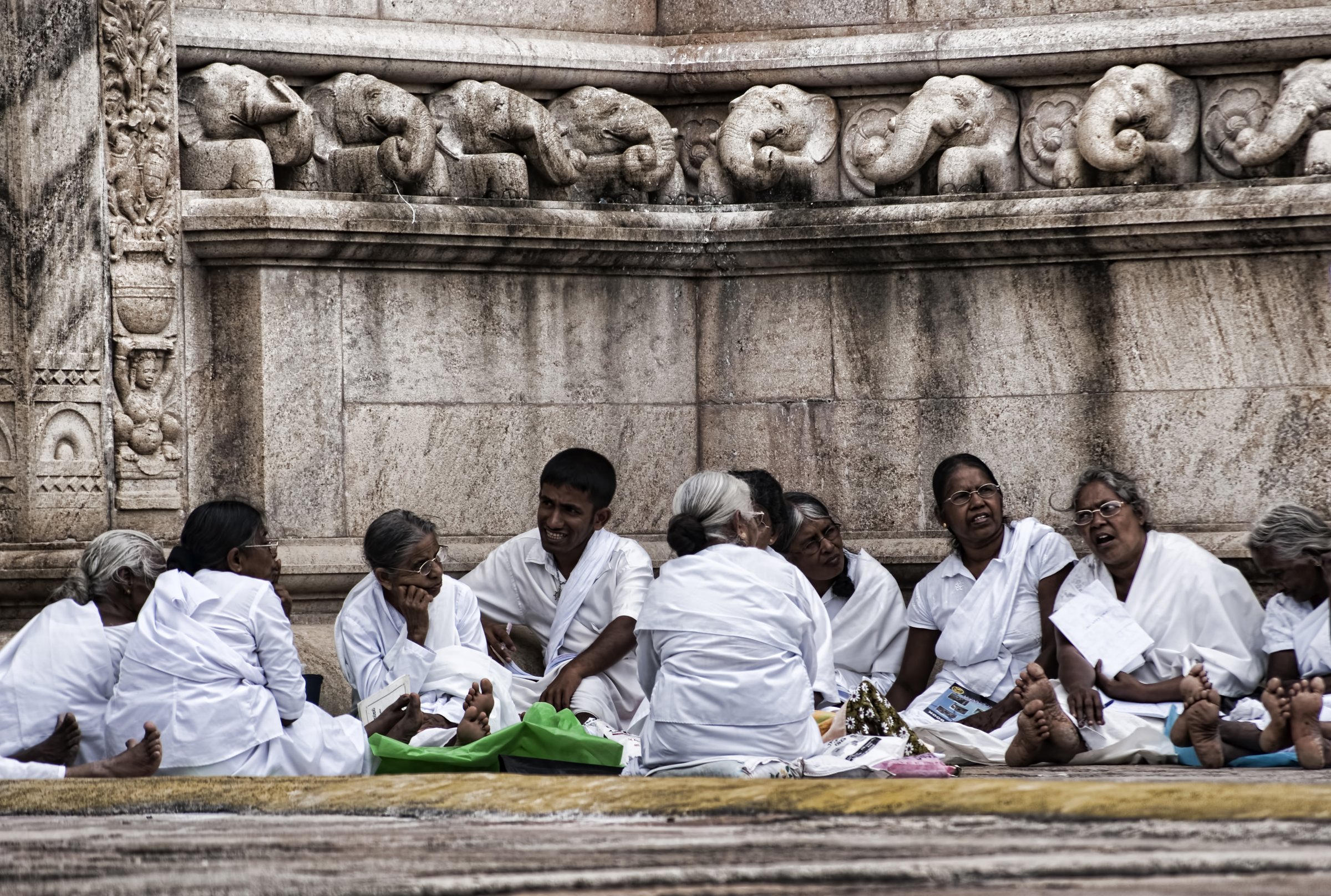
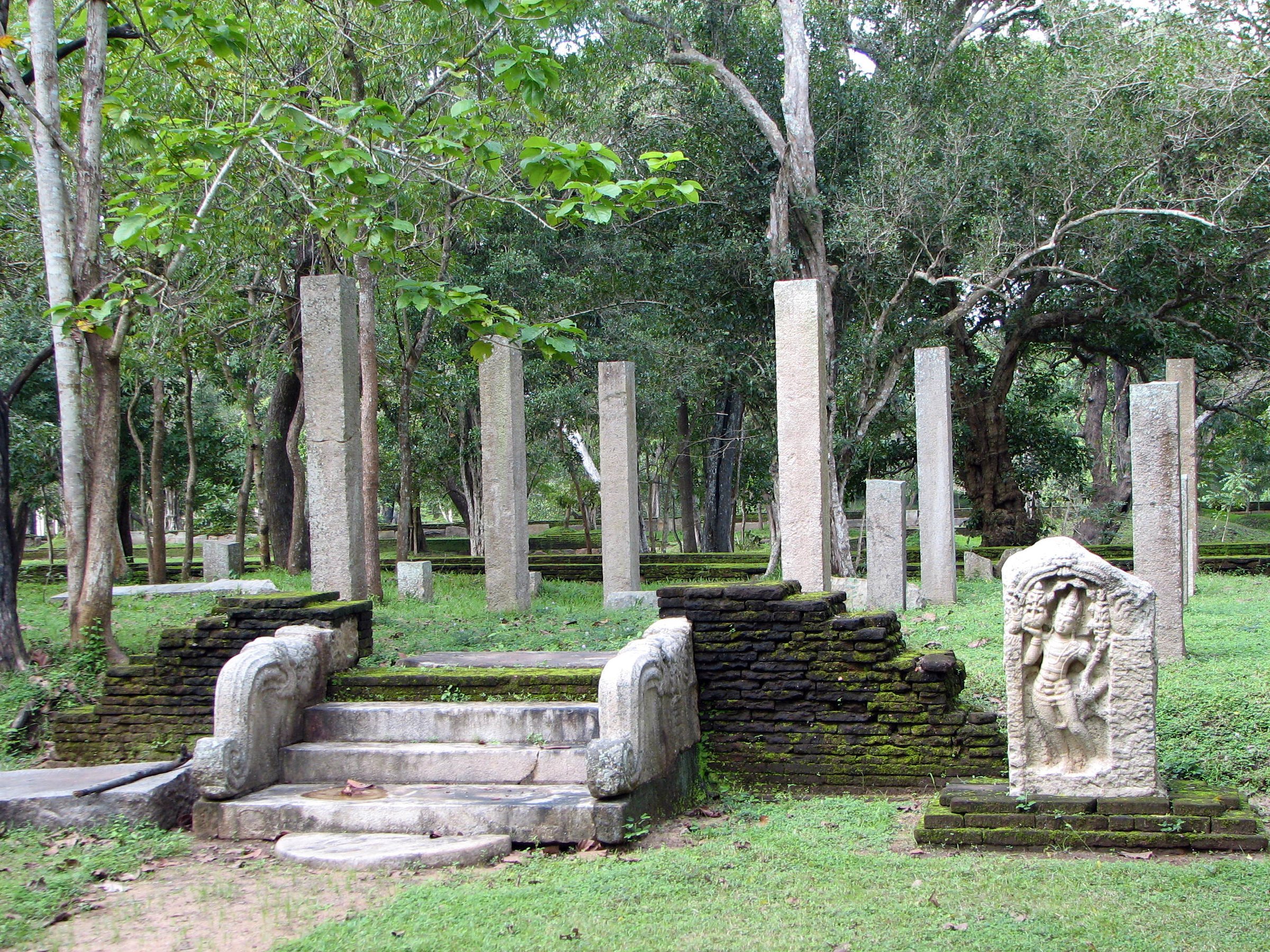
The great stupas — Anuradhapura's colossal dagobas are its wonders — the gleaming white restored dome of the Ruwanwelisaya, ringed by a wall of stone elephants and thronged with white-clad worshippers; the vast, weathered brick mass of Jetavanaramaya, once among the tallest structures in the ancient world; and the sprawling Abhayagiri. Circling them barefoot among the pilgrims, you feel both the scale of ancient Sinhalese engineering and the living devotion that still surrounds them. They are the heart of the sacred city. **The sacred Bodhi tree** — At the Sri Maha Bodhi, pilgrims gather around a sacred fig said to have grown from a cutting of the very tree under which the Buddha attained enlightenment — brought to the island over two thousand years ago and tended ever since, making it the oldest historically documented planted tree in the world. Draped in prayer flags and ringed by lamps and offerings, it is a place of deep reverence; approach it quietly and respectfully. For many visitors it's the most moving spot in the city. **Cycling the ruins** — The sacred city is huge and spread among trees and tanks, and the loveliest way to see it is by bicycle — pedalling from stupa to monastery to bathing pool along shaded lanes, past the exquisite carved Moonstone and guardstones, the twin bathing ponds and the rock temple of Isurumuniya with its famous "lovers" carving. Go early, before the heat, and let the ruins and the birdsong and the tank breezes unfold at their own slow pace. It's a gentle, contemplative day. **Tanks, sunsets and Mihintale** — Anuradhapura's greatness rested on water — the giant man-made reservoirs (tanks) its ancient engineers built to feed the rice, which still ring the city and draw birdlife and glorious sunsets. And a short drive east, the sacred hill of Mihintale, reached by a grand stairway, marks where Buddhism was first brought to the island; its stupas and rock shrines and the view from the summit make a fine half-day. Between the ruins, a tank sunset and a Mihintale climb round out the visit.

Neighbourhoods

Anuradhapura neighbourhood by neighbourhood — the character of each and who it suits.

  • The Sacred City

    The vast spread of ancient ruins and sacred sites — the great stupas, monastery complexes, the Bodhi tree, palaces and bathing pools, among trees and tanks. The monumental, revered heart.

    Why go
    The stupas, the Bodhi tree and the monastery ruins.
    Best for
    The ruinspilgrimagecyclinghistory
    Known for
    The Ruwanwelisaya and Jetavanaramaya stupas, the Sri Maha Bodhi sacred tree, the Abhayagiri and Mahavihara monastery complexes, the Twin Ponds (Kuttam Pokuna), the Isurumuniya rock temple and the Moonstone carvings.
  • The New Town

    The modern city beside the ruins — the market, bus and train stations, hotels and everyday life, where visitors base and eat. The practical, living side.

    Why go
    The hotels, market and transport.
    Best for
    Hotelsmarketslocal foodtransport
    Known for
    The market and shops, the bus and railway stations, the hotels and guesthouses, and the everyday restaurants serving rice and curry.
  • The Tanks and Mihintale

    The great ancient reservoirs (wewa) that ring the city, and the sacred hill of Mihintale a short drive east where Buddhism was introduced to the island. The watery, spiritual edge.

    Why go
    The tank sunsets and the pilgrimage hill of Mihintale.
    Best for
    Reservoir viewssunsetsMihintale's stairways and stupas
    Known for
    The Tissa Wewa and Nuwara Wewa reservoirs, the birdlife and sunsets over the tanks, and Mihintale's long stairway, stupas and the site where a monk converted the king.

Views & hidden gems

Best views

  • The Ruwanwelisaya stupa, white and gleaming among pilgrims
  • The brick mass of Jetavanaramaya over the trees
  • A tank (Tissa Wewa or Nuwara Wewa) at sunset
  • The summit of Mihintale over the plains

Hidden gems

  • The Isurumuniya rock temple and its "lovers" carving
  • The exquisite carved Moonstone and guardstones at the monastery ruins
  • The Twin Ponds (Kuttam Pokuna) — elegant ancient bathing pools
  • The Abhayagiri complex, quieter than the main stupas
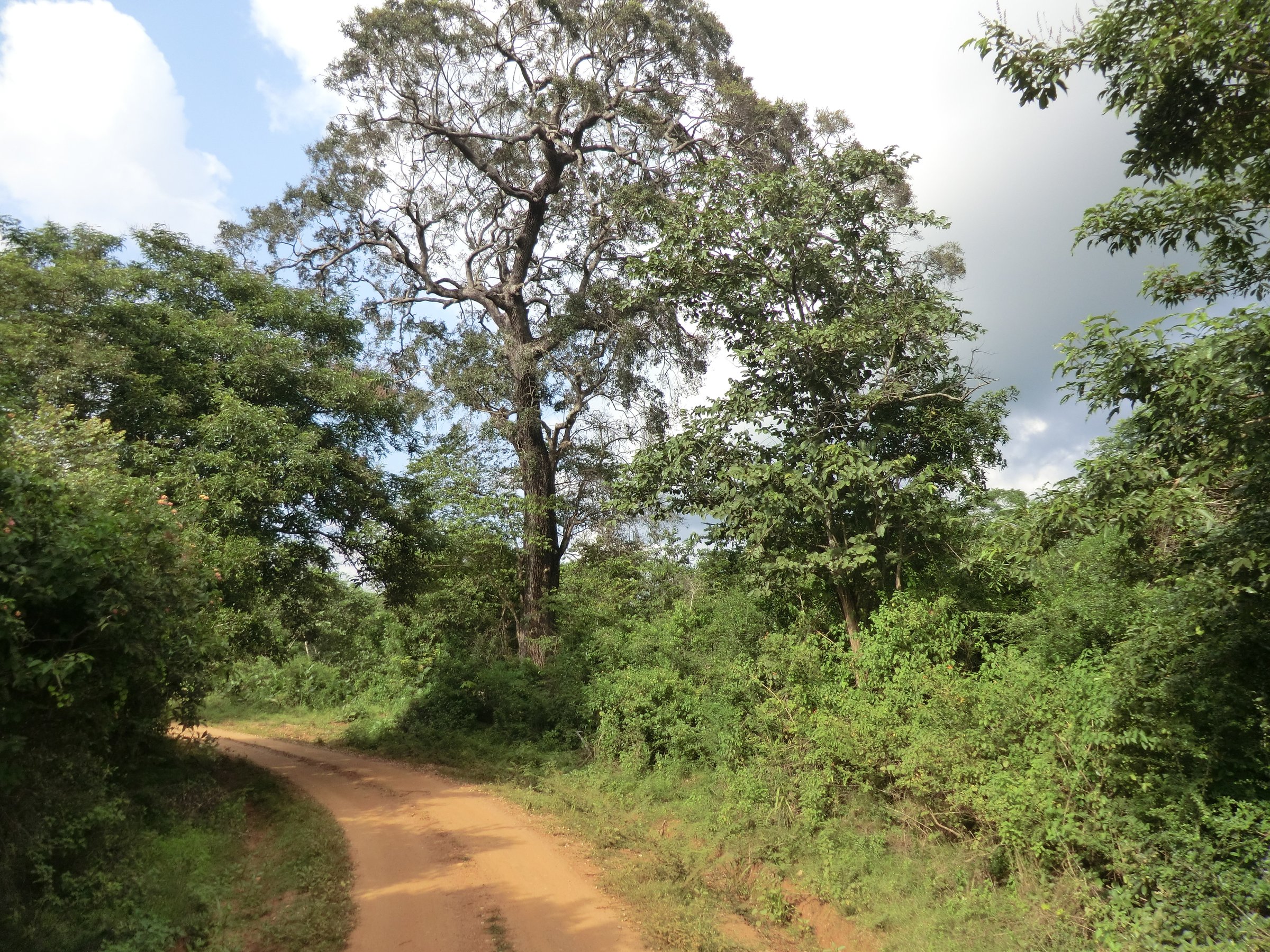
  • The tanks at dawn for birdlife, before the heat

Food & drink

Anuradhapura eats classic Sri Lankan — rice and curry above all, a spread of vegetable, dhal and coconut curries with sambols and papadum, plus hoppers, string hoppers and kottu roti. Dry-zone specialities include curd (buffalo-milk yoghurt) with treacle (kithul), and freshwater fish and produce from the tanks and paddies. The new-town restaurants and the hotels do the eating; simple, cheap and flavourful. Cool it with king coconut water or Ceylon tea.

  • Rice and curry — a spread of coconut curries, sambols and papadum
  • Curd and treacle — buffalo-milk yoghurt with kithul palm syrup
  • Hoppers (appa) — bowl-shaped fermented rice pancakes
  • Kottu roti — chopped flatbread stir-fried with vegetables and egg
  • String hoppers — steamed rice-noodle nests with curry
  • King coconut and Ceylon tea — the local drinks
Dietary notes

Vegetarians eat very well — rice and curry is largely vegetable-based, with dhal, jackfruit and sambols, and this is a Buddhist pilgrimage city where meat-free food is easy. Vegan is workable (watch for Maldive fish flakes in sambols and curd for dairy). Halal is available in the town; kosher unavailable. Gluten-free is manageable with rice-based dishes, but kottu and short eats are wheat — confirm.

Anuradhapura in photos

▸ Where you'll stay

Where you'll stay in Anuradhapura

Stay in the new town or by the tanks, near the sacred city, to cycle the ruins early and see a reservoir sunset — Anuradhapura has guesthouses, mid-range hotels and a few tank-side resorts, all affordable. The ruins are spread out, so a bicycle or tuk-tuk is essential wherever you stay. Many visit as part of a Cultural Triangle trip with Sigiriya and Polonnaruwa. Book ahead around Poya (full-moon) pilgrimage days.

  • Budget
    The new town guesthouses and budget hotels near the market and ruins.
  • Mid-range
    Near the tanks / sacred city comfortable hotels and guesthouses close to the ruins.
  • Luxury
    Tank-side resorts higher-end stays with pools and reservoir views, the top of a modest range.
Stay

Hotels & rentals around Anuradhapura

Pan, zoom and compare live prices — every stay in one map.

▸ Getting around

Getting around Anuradhapura

The sacred city is large and spread out, best explored by bicycle (widely hired) or a hired tuk-tuk for the day; the new town is walkable. A car or driver helps for Mihintale and Cultural Triangle links. Distances between ruins are real — plan for wheels.

The sacred city, the new town and the tanks are all a short bike or tuk-tuk ride apart (~approx); Mihintale is a short drive east — plan it as a half-day.

▸ Plan your days

Suggested itineraries

Ready-made day plans for Anuradhapura — from a single day to a long weekend.

One day

Hire a bicycle and start early at the Sri Maha Bodhi sacred tree and the great white Ruwanwelisaya stupa, then ride to the towering brick Jetavanaramaya and the sprawling Abhayagiri complex, stopping at the Twin Ponds and the carved Moonstone. Break through the midday heat, see the Isurumuniya rock temple in the afternoon, and end with a sunset over Tissa Wewa or Nuwara Wewa.

Two days

With an overnight, add Mihintale and a slower pace. Climb the grand stairway of Mihintale, where Buddhism reached the island, for the stupas and the summit view, and revisit any ruins you missed by bike in the cool hours. Anuradhapura pairs naturally with Polonnaruwa and Sigiriya as a two- or three-day Cultural Triangle circuit.

▸ What you'll do

Insider tips

  • Hire a bicycle and cycle the ruins early — the site is huge, shadeless and best in the cool morning.
  • Dress modestly and remove shoes at the stupas and the Bodhi tree; carry socks for the hot ground.
  • Add a Mihintale climb and a tank sunset to round out the sacred landscape.
  • Combine Anuradhapura with Polonnaruwa and Sigiriya on a Cultural Triangle trip.
Explore

Explore the area

© OpenFreeMap · OSM · terrain Mapterhorn
Do

Local attractions & tours

Skip-the-line tickets and small-group tours in Anuradhapura — compare across our partners.

We're still curating hand-picked tickets and tours for Anuradhapura. In the meantime, the map above and the nearby cities are a great place to start.

▸ Budget

What it costs in Anuradhapura

Backpacker
roughly €20–40 a day.
Mid-range
roughly €45–90 a day.
Luxury
€160 a day and up.
Cash vs card
Carry Sri Lankan rupees for tuk-tuks, market food, bike hire and entries; cards work in bigger hotels only.
Tipping
Tipping is customary and appreciated — round up or add around 10%; small notes for guides and tuk-tuks.
▸ When you'll go

When to visit Anuradhapura

May to September (dry zone) — but the site is year-round; avoid heaviest rains

Spring

What to expect — Hot and dry in the dry-zone plains, heating toward a fierce early summer; the ruins offer little shade. Demanding by midday.

What's best — Generally dry and clear for the ruins and tanks, with pilgrim festivals around the full moons — but the heat is strong, so cycle early and rest at midday.

Summer

What to expect — Warm and largely dry in the north-central dry zone (this side of the island sees less of the southwest monsoon), though hot. Good for the site.

What's best — Relatively dry, good conditions for cycling the ruins (early and late), and pilgrim festivals — carry sun protection and plenty of water in the heat.

Autumn

What to expect — The inter-monsoon and then the northeast monsoon can bring rain to the dry zone from around October, with warm, humid days. Wetter than summer here.

What's best — Green surroundings and full tanks after rain, atmospheric skies over the stupas, and fewer visitors — carry rain gear and watch the forecast.

Winter

What to expect — The northeast monsoon can bring rain early in the season, easing to warm, drier weather; comfortable when dry. Variable.

What's best — Warm days for the ruins between any showers, the tanks full and full of birdlife, and pleasant pilgrim-season atmosphere — check the forecast, as the dry zone gets its rain now.

▸ Know before you go

Know before you go

Honest swaps

Skip walking the vast site in the heat → hire a bicycle or tuk-tuk and start early.

Skip a rushed coach stop → give the sacred city a full, slow day, ideally by bike.

Skip only the main stupas → seek out the quieter Abhayagiri, the Twin Ponds and Isurumuniya.

Skip a site-only visit → add a tank sunset and the sacred hill of Mihintale.

Crowds & timing

Poya (full-moon) days and pilgrim festivals bring crowds of white-clad worshippers — moving to see, but busy; book ahead.

The ruins are best early morning and late afternoon, cooler and softer-lit.

Local rules & etiquette

This is a sacred, living pilgrimage city — dress modestly (cover shoulders and knees), remove shoes and hats at the stupas and the Bodhi tree, and behave with reverence.

Never pose with your back to a Buddha image or the stupas for photos — it's deeply disrespectful.

Buy the sacred-city ticket and carry it; keep to the pilgrim etiquette around the Bodhi tree.

Money

Carry rupees for tuk-tuks, bike hire, market food and entries; cards cover bigger hotels only.

Agree tuk-tuk fares up front, and use bank ATMs.

After dark

Anuradhapura is a quiet, early pilgrimage city — the evening is a tank sunset, dinner in the new town, and rest.

The stupas are lit and worshipped into the evening on Poya days, a moving sight.

There's little nightlife; the day here starts and ends early.

▸ Ready to book your trip?

Getting there

Colombo's Bandaranaike airport (CMB) is the gateway, with Anuradhapura around four hours away by car or train (the northern line reaches the town). Most come as part of a Cultural Triangle route.

Book

Ready to book your trip?

Flights, airport transfers and car hire — search and compare without leaving the page.

▸ Trip extras
Book

More trip extras

Parking, holiday extras, and more — coming soon.

Coming soon

We're lining up parking, holiday extras and activities you'll be able to add to any trip from here.