← Sri Lanka
SRI LANKA · CITY

Kandy

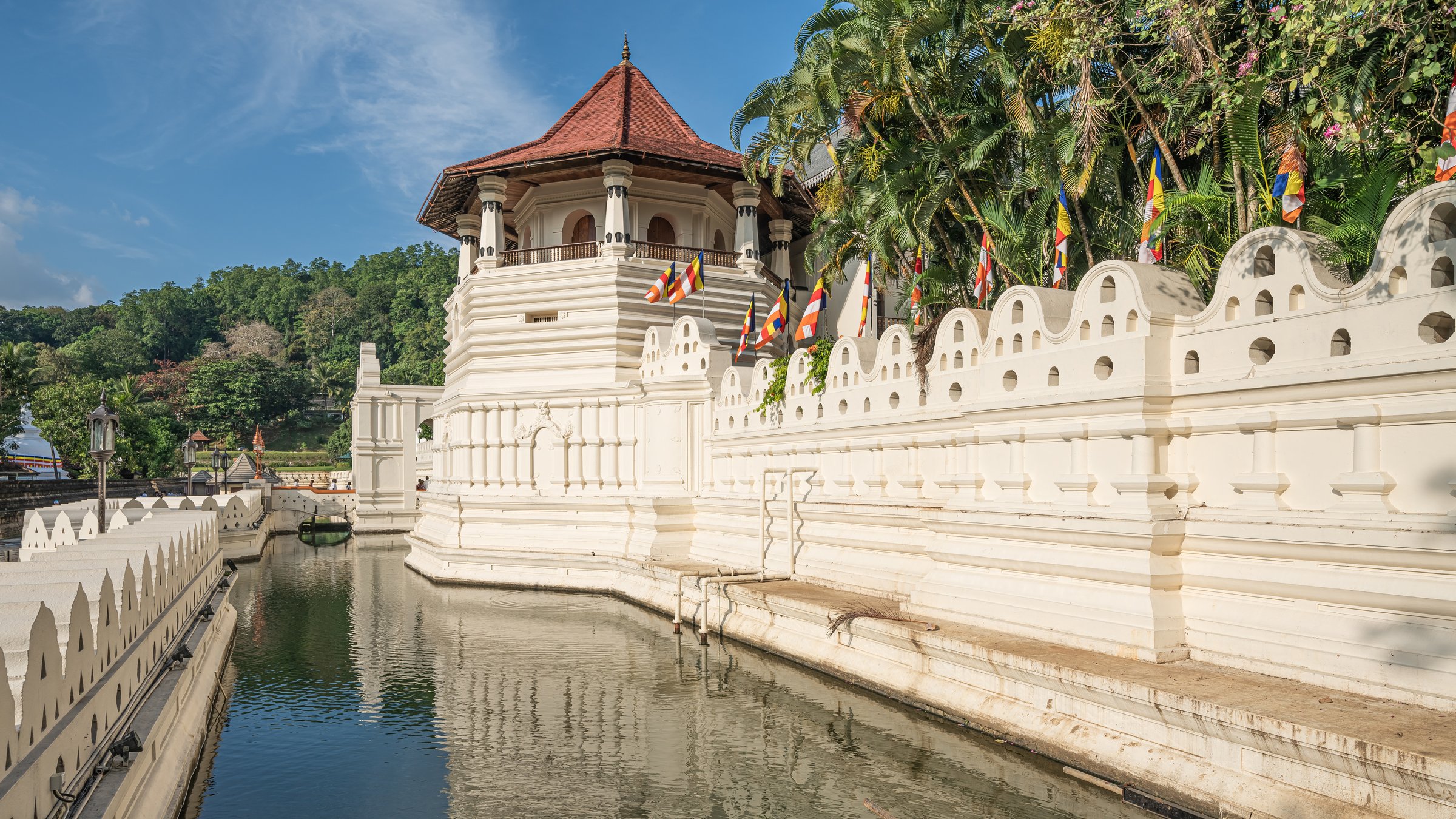
Sri Lanka's hill-country cultural capital, home to the revered Temple of the Sacred Tooth Relic beside a serene lake.

  • City
  • December to April for the driest weather; the festival falls in July or August
  • ~approx 1–2 days
  • The Sacred Tooth Temple
  • Lakeside Hill City
  • Tea-Country Gateway
  • Last Sinhalese Capital

Drummers and a moonlit lake outside a temple that guards a tooth of the Buddha, mist rising off green hills at dawn, and the smell of cinnamon and frying hoppers drifting from a market lane.

Kandy is Sri Lanka's cultural and spiritual heart — a hill city built around a lake and a golden temple that holds a relic of the Buddha's tooth. The last capital of the old Sinhalese kingdom, cradled in green hills and cooled by altitude, it is the gateway to the tea country and the island's proudest keeper of tradition.

Type
city
Ideal length
~approx 1–2 days
Getting around
a walkable centre; tuk-tuks and buses for the rest
Neighbourhoods
3 areas
Best season / months
December to April for the driest weather; the festival falls in July or August
Language
Sinhala and Tamil (English widely used)
Currency
Sri Lankan rupee (Rs)
Budget level
low — very affordable
Good for
  • Culture
  • History
  • Nature
  • First-timers to Sri Lanka
▸ Discover

About Kandy

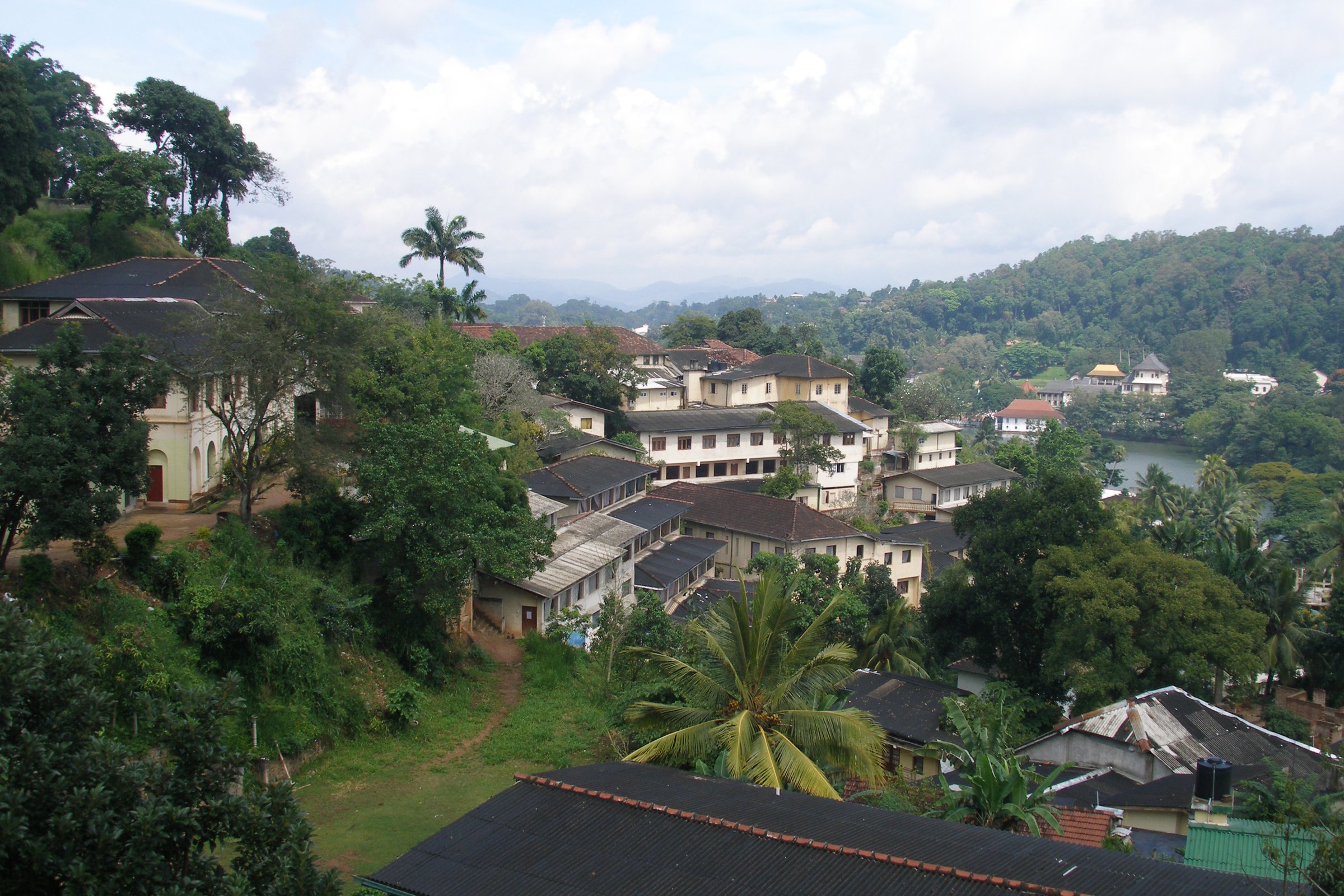
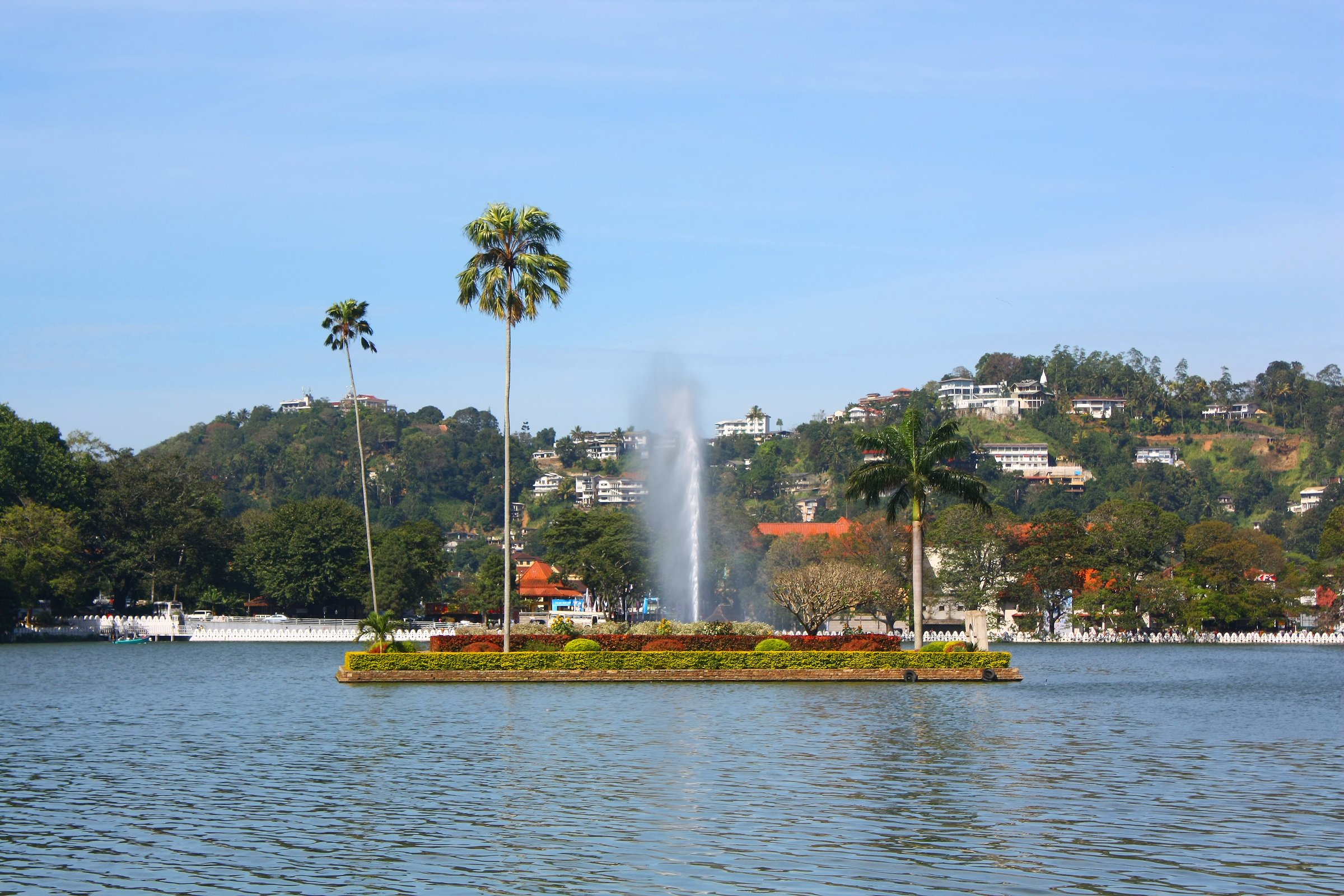
Kandy sits in the central highlands of Sri Lanka, wrapped in forested hills around a small artificial lake, at a cool, comfortable altitude. It was the last stronghold of the Sinhalese kings, holding out against colonial powers until the nineteenth century, and it remains the island's cultural capital — home to the Temple of the Sacred Tooth Relic, the great Esala Perahera festival, and a strong sense of tradition. The compact centre gathers around the lake and temple; the tea plantations and botanical gardens spread through the hills beyond. It is walkable at its core, with the highlands close.

Kandy’s historic core is inscribed on the UNESCO World Heritage List (as “Sacred City of Kandy”, 1988).

Why go

Kandy is the spiritual and cultural centre of Sri Lanka, and its Temple of the Sacred Tooth is the island's holiest place — a working shrine of drums, offerings and devotion, not a museum. The city's lake-and-hills setting is lovely and cool, its festival one of Asia's great spectacles, and it sits at the gateway to the tea country and the scenic hill-train line. It rewards travellers who want the island's heart, not just its beaches.

Don't miss

  • The Temple of the Sacred Tooth Relic — Sri Lanka's holiest shrine
  • Kandy Lake — the walkable heart of the city
  • The Royal Botanical Gardens at Peradeniya — vast and beautiful
  • A Kandyan cultural dance and drum performance
  • The Esala Perahera festival — elephants, dancers and fire (if timed)

Signature experiences

The Temple of the Sacred Tooth — Kandy's heart is the Sri Dalada Maligawa, the golden temple that enshrines a relic said to be a tooth of the Buddha — the most sacred object in Sri Lankan Buddhism. Time your visit for a puja, the daily ceremony when drummers play and the shrine is opened, and the devotion is palpable; the relic itself is never on show, but the reverence around it is the point. Dress modestly, and treat it as the living place of worship it is. **The lake and the city** — The small artificial lake, made by the last Kandyan king, is the walkable centre of the city — circle it in an hour, past the temple and the palace grounds, and you take the measure of Kandy. The market, the food and the everyday life lie just west; the Buddha statue on the hill above gives a view over it all. It is a compact, human-scaled city to explore on foot. **The Perahera and Kandyan tradition** — Kandy keeps the island's traditions most proudly, from the drumming and the elaborate Kandyan dance — performed nightly for visitors and central to the culture — to the great Esala Perahera. For ten nights in July or August, the streets fill with a procession of costumed dancers, fire-twirlers, drummers and richly caparisoned elephants carrying a replica of the relic — one of Asia's most spectacular festivals. Even outside it, a cultural-dance show gives a taste. **The tea country gateway** — Kandy is where the hill country begins. The vast Peradeniya botanical gardens are a beautiful half-day just outside town, and from Kandy's station runs one of the world's great train journeys — climbing slowly through tea plantations and misty hills toward Nuwara Eliya and Ella. Even a short leg of it, watching the tea estates roll by, is a highlight of any Sri Lanka trip.

Neighbourhoods

Kandy neighbourhood by neighbourhood — the character of each and who it suits.

  • The Lake and the Temple

    The sacred, ceremonial heart of the city — the lake, the golden Tooth Temple on its shore, and the old royal palace grounds, the focus of Kandyan devotion and history.

    Why go
    The Sacred Tooth Temple and the lakeside setting.
    Best for
    The templelakeside walksculture
    Known for
    The Temple of the Sacred Tooth Relic, Kandy Lake and its walkable shore, the old royal palace and museums, and the cultural-dance hall nearby.
  • The City Centre

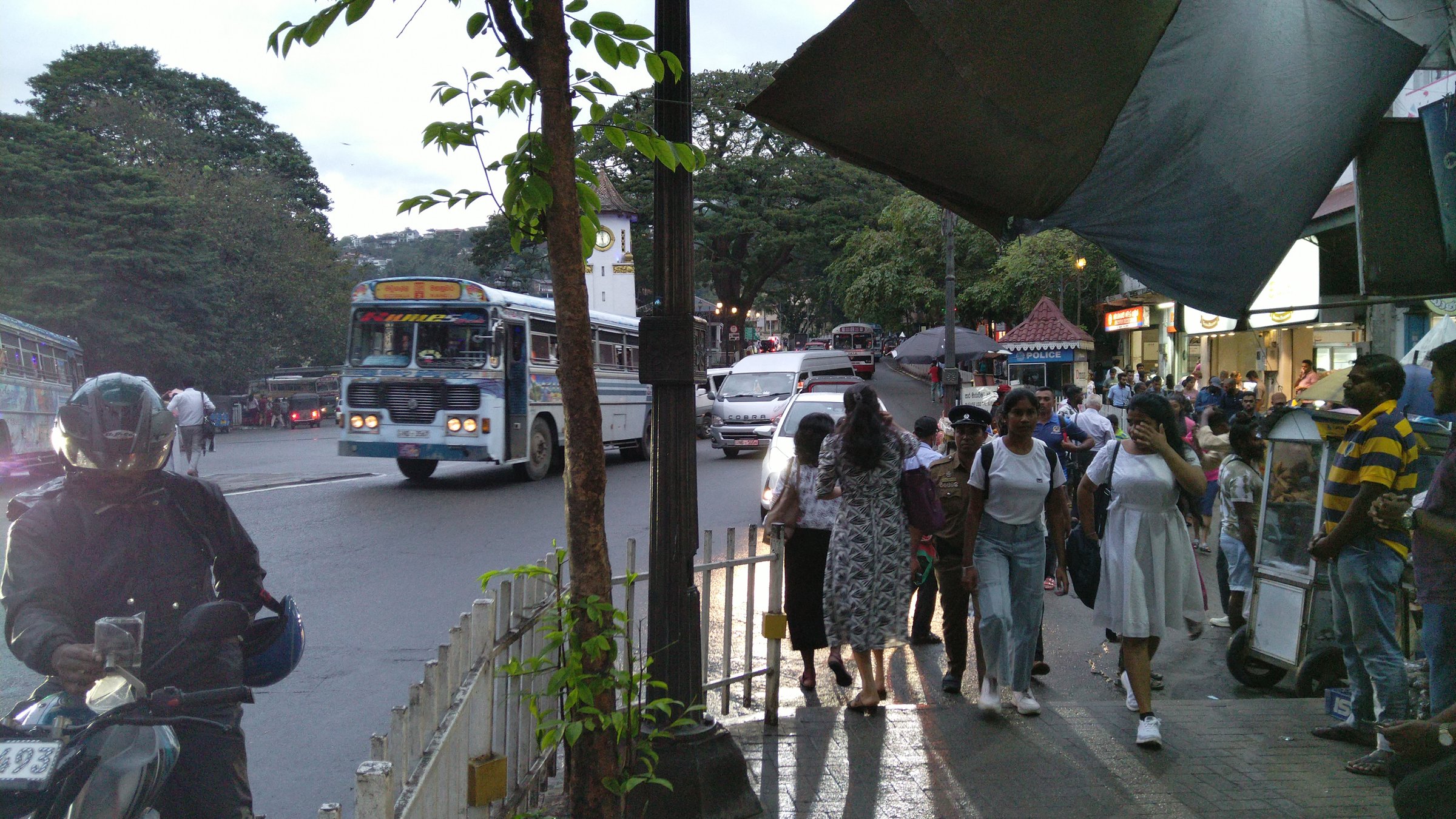
    The busy commercial heart just west of the lake — markets, shops, the bus station and the everyday bustle of a Sri Lankan city.

    Why go
    The market, the food, and the local buzz.
    Best for
    Marketsstreet foodlocal life
    Known for
    The central market and its spices and produce, the shops and eateries, the clock tower, and the transport hubs.
  • The Hills and Peradeniya

    The green slopes and valleys ringing the city — the great botanical gardens, the viewpoints, the temples on the hills, and the tea country beyond.

    Why go
    The botanical gardens, the viewpoints, and the tea-country gateway.
    Best for
    Gardensviewpointsnaturetea trips
    Known for
    The Royal Botanical Gardens at Peradeniya, the Bahirawakanda Buddha statue viewpoint, the hillside temples, and the start of the scenic hill-train line into the tea country.

Views & hidden gems

Best views

  • The Bahirawakanda Buddha statue — over the lake and the city
  • Kandy Lake at dusk — the temple and hills reflected
  • The Peradeniya botanical gardens — avenues, orchids and a giant fig
  • The hill-train window — tea estates and mist beyond the city

Hidden gems

  • The Udawattakele forest reserve — a rainforest sanctuary right behind the temple
  • The three ancient devales (shrines) beside the Tooth Temple
  • A tea factory and estate visit in the hills around the city
  • The quieter hillside temples like Gadaladeniya and Lankatilaka
  • The central market's spice stalls — cinnamon, cardamom and Ceylon tea

Food & drink

Sri Lankan food is fragrant, fiery and coconut-rich, and Kandy is a fine place to eat it. The staple is rice and curry — a spread of small, spiced dishes of vegetables, dhal, fish or meat around rice — eaten with the hand. Hoppers (bowl-shaped rice-flour pancakes), stringy string hoppers, and the chopped-roti kottu are the beloved standbys, and pol sambol (coconut relish) sharpens everything. Ceylon tea is, of course, the drink — grown in the hills all around — alongside fresh king-coconut water and wood-apple juice.

  • Rice and curry — a spread of spiced vegetable, dhal, fish or meat dishes
  • Hoppers (appa) — bowl-shaped, crisp-edged rice-flour pancakes, often with egg
  • String hoppers — steamed rice-noodle nests, with curry and sambol
  • Kottu roti — chopped flatbread stir-fried with vegetables, egg and spice
  • Pol sambol — a fiery grated-coconut, chilli and lime relish
  • Ceylon tea — grown in the surrounding hills, the island's pride
Dietary notes

Vegetarians and vegans do very well — Sri Lankan rice and curry is often vegetable- and coconut-based, and dhal, sambols and jackfruit dishes are naturally plant-based, though some use dried fish (Maldive fish), so ask. Halal food is common given the Muslim community; kosher is very limited. Gluten-free suits much of the rice-based cuisine, though kottu and some rotis use wheat — confirm.

Kandy in photos

▸ Where you'll stay

Where you'll stay in Kandy

The area around the lake and temple is the central, atmospheric base — walkable to the shrine, the lake and the market, though the centre can be busy and noisy. The surrounding hills hold quieter, greener guesthouses and boutique hotels with views over the city and valleys, a short tuk-tuk from the centre. Many prefer a hillside stay for the cool air and the outlook. Everything is cheap by western standards.

  • Budget
    Near the centre / lake guesthouses and budget rooms, walkable to the temple, cheap and central.
  • Mid-range
    The hillsides above the city boutique guesthouses with valley views, a short tuk-tuk in.
  • Luxury
    The hills / countryside colonial-style boutique hotels and estates with sweeping views and gardens.
Stay

Hotels & rentals around Kandy

Pan, zoom and compare live prices — every stay in one map.

▸ Getting around

Getting around Kandy

The lakeside centre is walkable, if busy — a car is a liability in the congested streets. Tuk-tuks are the cheap, ubiquitous way to get around; agree the fare or use a metered app. Buses and trains handle the hills and the tea country. The botanical gardens and hillside sights are a short tuk-tuk ride.

The lake, the temple and the city centre are all a short walk apart (~approx). Peradeniya and the hill viewpoints are a tuk-tuk or bus ride out; the tea country is reached by the hill train or road.

▸ Plan your days

Suggested itineraries

Ready-made day plans for Kandy — from a single day to a long weekend.

One day

Start at the Temple of the Sacred Tooth for a morning puja, then walk the lake and the old palace grounds. Visit the central market for spices and street food, head up to the Bahirawakanda Buddha for the city view, and end with a Kandyan cultural-dance and drum performance in the evening.

Two days

Give day two to the hills and the gardens. Spend the morning at the Peradeniya Royal Botanical Gardens, visit a tea estate and factory in the surrounding hills, or take a leg of the scenic hill train toward the tea country, returning for a lakeside dinner.

▸ What you'll do

Insider tips

  • Time your Tooth Temple visit for a puja ceremony, and dress modestly — it's a working shrine, not a sightseeing stop.
  • Book the hill train's reserved seats ahead — the Kandy-to-Ella line is one of the world's great rides and fills fast.
  • If you can align with the Esala Perahera in July or August, it's extraordinary — but plan and book far ahead, as the city fills.
  • Carry small rupee notes for tuk-tuks, entries and the market, and agree fares before setting off.
Explore

Explore the area

© OpenFreeMap · OSM · terrain Mapterhorn
Do

Local attractions & tours

Skip-the-line tickets and small-group tours in Kandy — compare across our partners.

We're still curating hand-picked tickets and tours for Kandy. In the meantime, the map above and the nearby cities are a great place to start.

▸ Budget

What it costs in Kandy

Backpacker
roughly €18–30 a day.
Mid-range
roughly €45–85 a day.
Luxury
€180 a day and up.
Cash vs card
Kandy runs largely on cash — carry rupees for the market, food, tuk-tuks and entries; cards work in bigger hotels and restaurants. ATMs are available in the centre.
Tipping
Modest tips are appreciated for good service, drivers and guides; round up and carry small notes.
▸ When you'll go

When to visit Kandy

December to April for the driest weather; the festival falls in July or August

Spring

What to expect — Warm and increasingly showery as the year's first inter-monsoon rains arrive, the hills green and the air fresh at altitude. Comfortable between the downpours.

What's best — Green hills, comfortable highland temperatures, and the New Year festivities in April — with rain never far away, so carry a cover.

Summer

What to expect — Warm and, in the highlands, relatively dry and pleasant compared to the wet southwest coast, though showers still come. This is when the great festival falls.

What's best — The Esala Perahera in July or August — Kandy's spectacular ten-night procession of elephants, dancers and fire — plus comfortable hill weather. Book far ahead for the festival.

Autumn

What to expect — The second monsoon brings wetter, showery weather to the hills, green and misty, with warm days and cooler evenings. Unsettled but lush.

What's best — Green, misty landscapes, the tea country at its most atmospheric, fewer crowds and lower prices between the rains. Pack a waterproof.

Winter

What to expect — The drier, clearer season for the central hills — warm days, cool comfortable evenings, and the best weather for the temple, the gardens and the hill train. The peak months.

What's best — The best all-round weather, clear hill views, comfortable sightseeing, and the ideal time for the scenic train into the tea country. Book ahead, as this is high season.

▸ Know before you go

Know before you go

Honest swaps

Skip a rushed temple visit at a random hour → time it for a puja ceremony, when the drums play and the shrine is opened, for the real experience.

Skip the tourist-menu restaurants near the lake → eat rice and curry or hoppers at a local spot for far better food and value.

Skip a taxi to the botanical gardens → a cheap tuk-tuk or bus reaches Peradeniya easily.

Skip only seeing the city → take at least a leg of the hill train or a tea-estate visit; it's the region's highlight.

Crowds & timing

The Tooth Temple is busiest at puja times (which is also when it's most worth seeing) and on poya full-moon days — go with patience and modest dress.

The Esala Perahera fills the city entirely — book accommodation and any grandstand seat months ahead if you want to attend.

Local rules & etiquette

The Tooth Temple demands modest dress — cover shoulders and knees, remove shoes and hats, and behave with reverence in this holiest of sites.

Never turn your back on a Buddha image for a photo, and don't point your feet at one; treat monks with respect.

Poya (full-moon) days are Buddhist holidays when alcohol isn't sold and some sites are especially busy — plan around them.

Money

Carry rupees for the market, food, tuk-tuks and entries; cards are for bigger venues.

Use bank ATMs, agree tuk-tuk fares before you set off (or use a metered app where available), and change money at banks.

After dark

Kandy is a quiet, early city — the cultural-dance show, a lakeside stroll and a rice-and-curry dinner are the evening.

A few hotel bars and restaurants have the limited nightlife; this is not a party town.

On poya days and around the temple, evenings are especially calm and devotional.

▸ Ready to book your trip?

Getting there

Kandy has no airport — most visitors arrive from Colombo (whose airport, CMB, is the international gateway) by road in three to four hours, or on the scenic train. Kandy's railway station is central, on the main line to Colombo and the start of the celebrated hill line to Ella.

Book

Ready to book your trip?

Flights, airport transfers and car hire — search and compare without leaving the page.

▸ Trip extras
Book

More trip extras

Parking, holiday extras, and more — coming soon.

Coming soon

We're lining up parking, holiday extras and activities you'll be able to add to any trip from here.