← Syria
SYRIA · CITY

Aleppo

One of the world's oldest cities — a towering medieval citadel above the greatest covered souks of the Levant.

  • City
  • April to May and October to November — mild, before and after the summer heat
  • ~approx 2 days
  • Ancient Citadel
  • Covered Souks
  • Silk Road Trade
  • Levantine Cuisine

A massive fortress rising on a hill above a stone city, the cool dark of a vaulted market lined with soap and spice, and the scent of laurel and Aleppo pepper drifting out of a merchant's khan.

One of the oldest continuously inhabited cities on earth, and for centuries the great caravan capital between the Mediterranean and Mesopotamia. Aleppo is defined by its citadel on a mound, its miles of covered stone souks, and a food culture regarded as the finest in the Levant.

Type
metropolis
Ideal length
~approx 2 days
Getting around
a walkable old-city core; taxis for the wider metropolis
Neighbourhoods
4 areas
Best season / months
April to May and October to November — mild, before and after the summer heat
Language
Arabic; some English and, historically, Armenian and French in the Christian quarter
Currency
Syrian pound (£S)
Budget level
low — but access and everyday practicalities are the real question, not price
Good for
  • History
  • Silk Road heritage
  • Architecture
  • Food
▸ Discover

About Aleppo

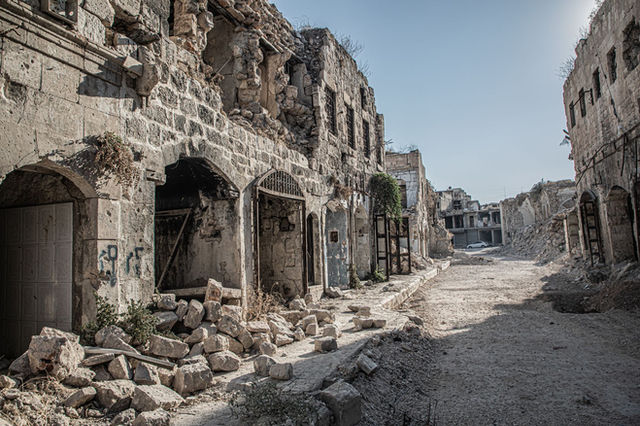
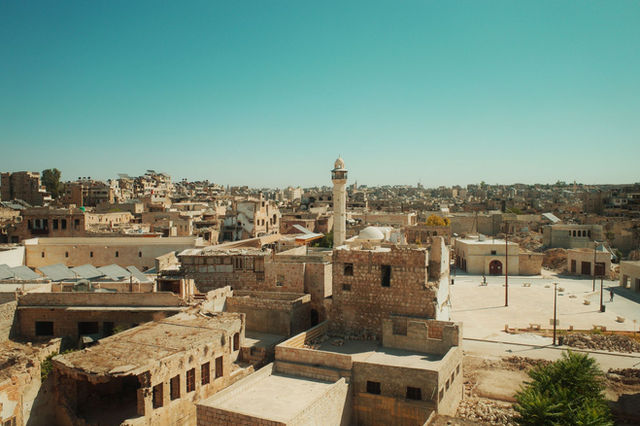
Aleppo sits in northern Syria on the old trade road between the coast and the Euphrates — a crossroads city that has been settled for some four thousand years and served as a hub of the Silk Road caravans. Its historic core, a UNESCO World Heritage site, is organised around the great Citadel on its natural mound, with the covered medieval markets (Al-Madina Souq) and the Great Umayyad Mosque spread below it, the Christian quarter of Al-Jdeideh to the northeast, and a later Ottoman and Mandate-era downtown beyond. Much of the Old City was damaged in the fighting of the 2010s and is under long-term restoration; the account here centres on the city's enduring heritage rather than its present-day state, which must be checked against current advice.

Why go

Aleppo is a monument to the age of the caravan cities: the largest covered historic market in the world, a citadel that is one of the oldest and most impressive in the Middle East, and a dense stone townscape of khans, mosques, churches and courtyard mansions built by the merchants who grew rich on the trade in silk, spice and soap. It is also a culinary capital — Aleppan cooking, its kibbeh and its cherry kebab, is celebrated across the Arab world — and the home of the original laurel-oil soap. Its heritage significance is immense and internationally recognised.

Don't miss

  • The Citadel of Aleppo — the great fortress on its mound
  • Al-Madina Souq — the vast covered medieval market
  • The Great Umayyad Mosque — the historic Friday mosque
  • Al-Jdeideh — the old Christian quarter of courtyard mansions
  • The khans and Aleppo soap — the Silk Road trade legacy

Signature experiences

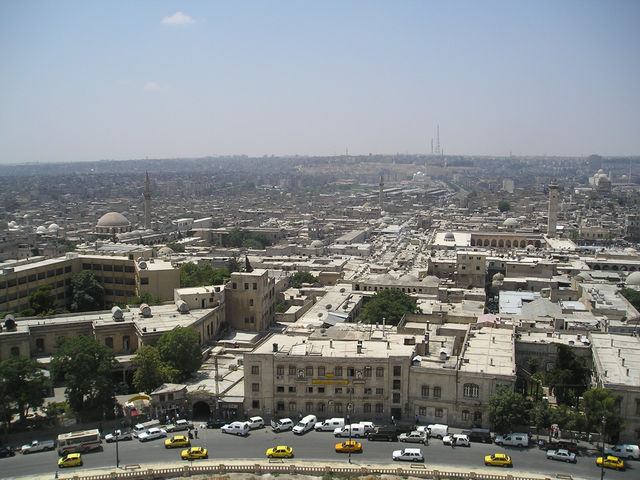
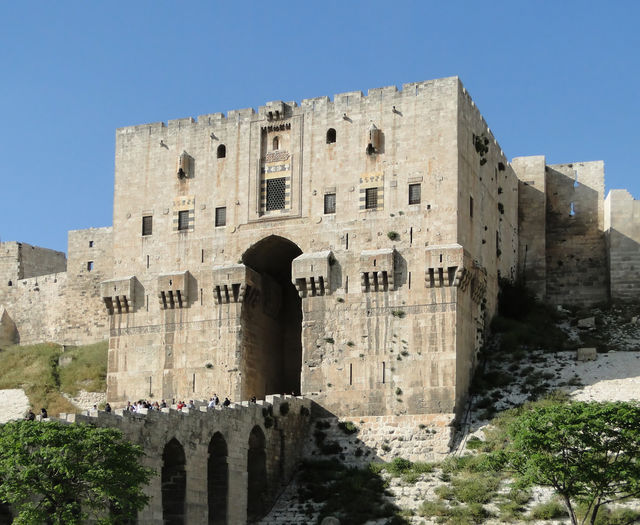
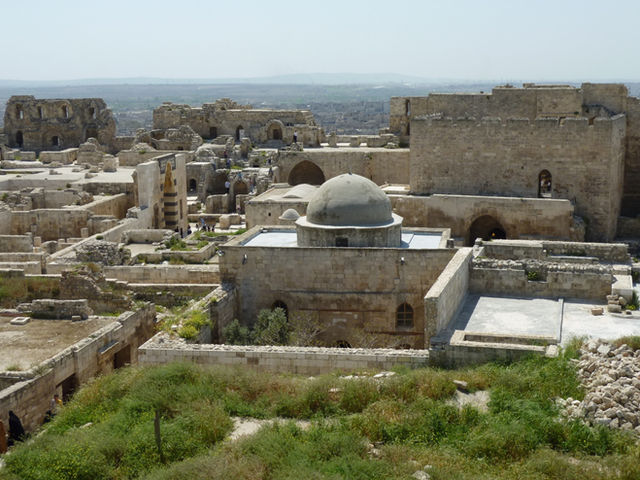
The citadel and the old city — Aleppo is read from its fortress down. The Citadel on its mound is one of the oldest and largest castles in the world, and from its ramparts the whole stone city spreads below — the domes of the Great Mosque, the flat roofs of the souk, the minarets. It is the fixed point around which everything else is arranged. **The covered souks and khans** — Below the citadel lie miles of vaulted market lanes, the greatest surviving example of a covered medieval bazaar. Historically this was where the caravans unloaded silk and spice into the merchants' khans, and where Aleppo's famous laurel-and-olive-oil soap was cut and stacked to cure — a trade that gave the city its wealth and its smell. **Aleppan cooking** — Aleppo is widely held to be the culinary capital of the Levant, and its kitchen is a heritage in itself: dozens of kinds of kibbeh, the sweet-and-sour cherry kebab (kebab karaz), the walnut-and-pepper muhammara, and the fiery-fruity Aleppo pepper that flavours it all. The food is as much a reason the city matters as its stones.

Neighbourhoods

Aleppo neighbourhood by neighbourhood — the character of each and who it suits.

  • The Citadel

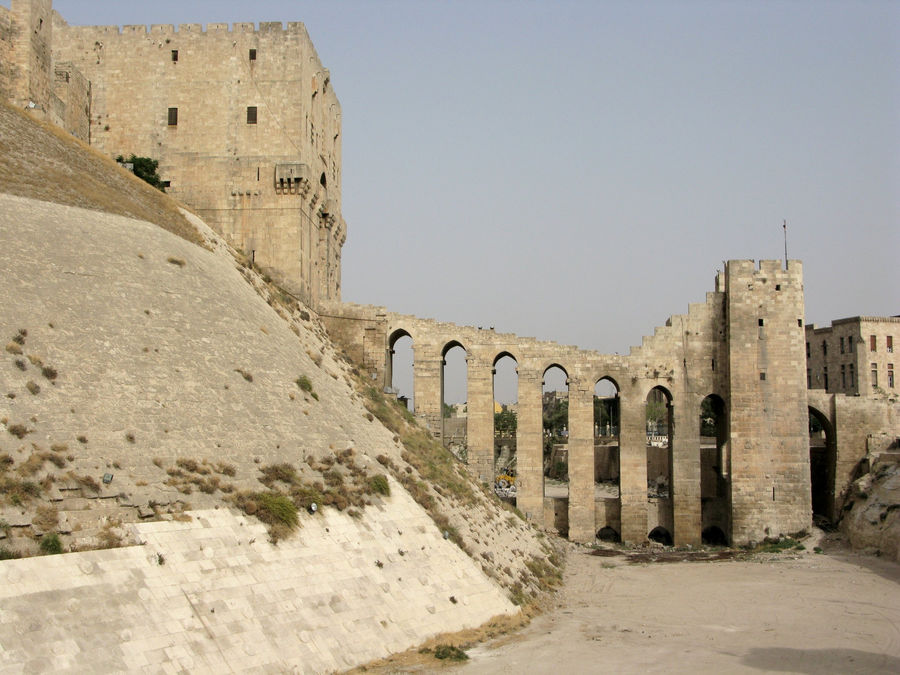
    The fortified heart of the city — a vast medieval castle on a steep, moated mound rising over the old town, the emblem of Aleppo for a thousand years.

    Why go
    The single greatest landmark, and the view over the whole historic city.
    Best for
    The headline historyfortress architecturethe panorama
    Known for
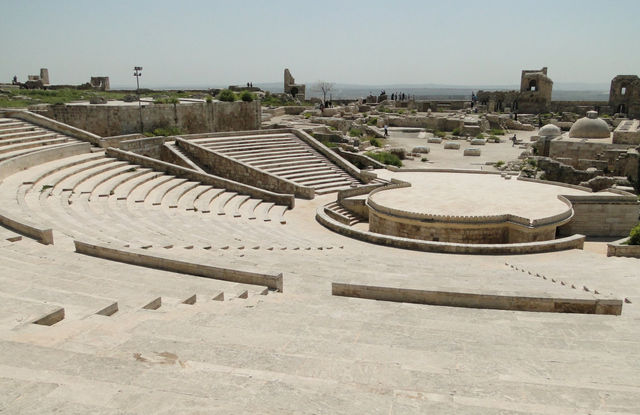
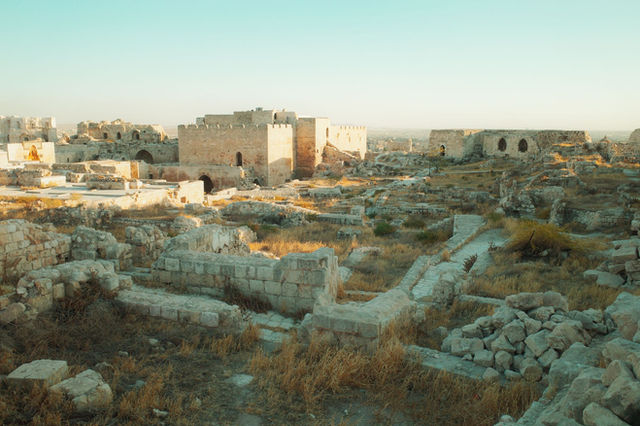
    The Citadel of Aleppo with its arched bridge and gatehouse, the throne hall and mosques within its walls, the moat and ramparts, and the sweep of the Old City laid out below.
  • Al-Madina Souq

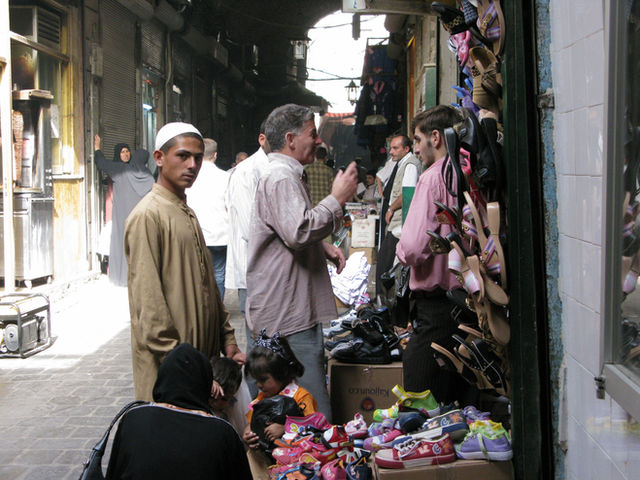
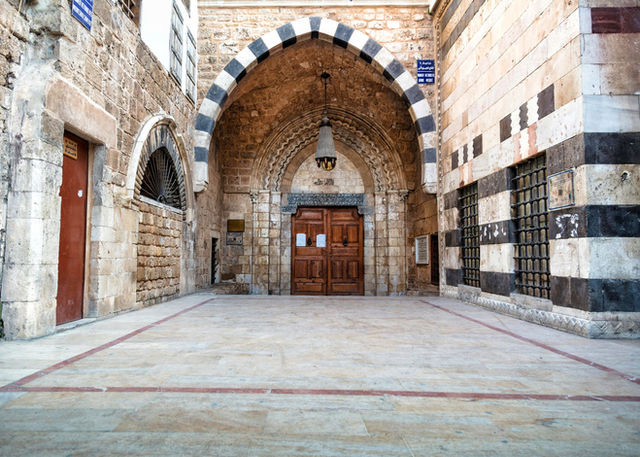
    The covered market quarter below the citadel — miles of stone-vaulted lanes and merchants' khans, the commercial engine of the city since medieval times, wrapped around the great mosque.

    Why go
    The largest covered historic market anywhere and the mosque at its centre.
    Best for
    The souksthe khansmosque architecture
    Known for
    The vaulted Al-Madina Souq, the Great Umayyad Mosque and its historic courtyard, the trading khans (caravanserais) of the silk and soap merchants, and the traditional Aleppo laurel-soap workshops.
  • Al-Jdeideh

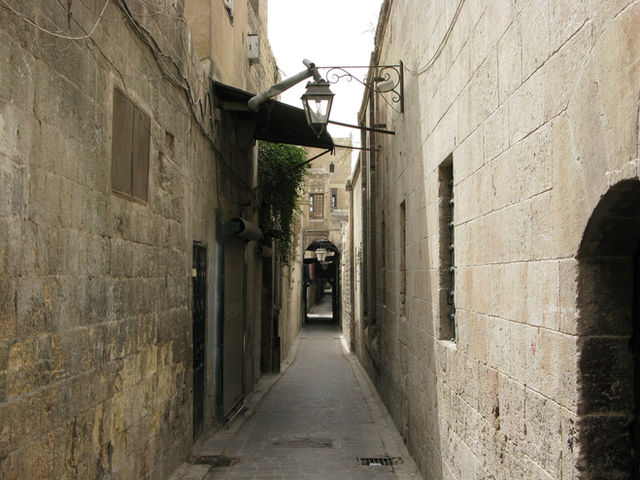
    The historic Christian quarter northeast of the old walls — a maze of narrow lanes, courtyard mansions and old churches, long the city's most refined residential district.

    Why go
    The finest courtyard architecture and the Armenian and Syriac Christian heritage.
    Best for
    Courtyard houseschurchesthe old mansions
    Known for
    The courtyard mansions (some formerly boutique hotels and restaurants), the cluster of Armenian, Maronite and Syriac churches, the narrow stone lanes, and the Beit Ghazaleh and Beit Achiqbash heritage houses.
  • Bab al-Faraj

    The later Ottoman and Mandate-era downtown just outside the old walls — the 19th- and early-20th-century city of clocktower, hotels and the national museum.

    Why go
    The more recent layer of the city and its museum.
    Best for
    The modern heritagethe museumorientation
    Known for
    The Bab al-Faraj clocktower, the National Museum of Aleppo and its ancient-Near-Eastern collection, the historic Baron Hotel, and the broad avenues of the Mandate-era centre.

Views & hidden gems

Best views

  • The Citadel ramparts, over the roofs and minarets of the Old City
  • The stone-vaulted lanes of Al-Madina Souq
  • The carved courtyards of the Al-Jdeideh mansions

Hidden gems

  • The old soap workshops and their curing rooms, stacked with cubes of green laurel soap
  • The historic hammams such as Hammam Yalbugha beneath the citadel
  • The Beit Ghazaleh and other courtyard houses of Al-Jdeideh, with their carved stone
  • The Baron Hotel, where travellers and writers once stayed on the road east

Food & drink

Aleppo's kitchen is its second great heritage. The city is famous across the Arab world for the sheer variety of its kibbeh, for kebab karaz — grilled meatballs in a tart cherry sauce — and for muhammara, the roasted-pepper-and-walnut dip, all lifted by the distinctive dried Aleppo pepper. Around them run mezze, stuffed vegetables (mahshi), grilled meats and the pastries and sweets of a rich Ottoman table. The old markets sold the spice, the nuts and the soap that defined the city. Coffee with cardamom and, historically, arak accompanied the meal.

  • Kibbeh — bulgur-and-meat croquettes in dozens of Aleppan varieties
  • Kebab karaz — grilled meatballs in a sour cherry sauce, an Aleppo signature
  • Muhammara — roasted red pepper, walnut and pomegranate dip
  • Mahshi — vegetables stuffed with rice and meat
  • Aleppo pepper — the city's fruity-hot dried chilli, used throughout
  • Cardamom coffee — the standard close to a meal
Dietary notes

The mezze table is naturally friendly to vegetarians — muhammara, hummus, stuffed vine leaves, salads and grains — though many mains are meat-based; ask about stock. Nearly all food is halal by default. Kosher and certified gluten-free are not catered to and should not be assumed. Confirm anything essential in advance.

Aleppo in photos

▸ Where you'll stay

Where you'll stay in Aleppo

Historically the most characterful stays were the restored courtyard mansions of Al-Jdeideh, the old Christian quarter, within walking distance of the souk and citadel, with more standard hotels in the Mandate-era centre around Bab al-Faraj. Given the Old City's restoration, current lodging options and their condition change and must be checked against present advice — the neighbourhood pointers below describe the city's traditional geography rather than a recommendation to travel now.

  • Budget
    Around the Mandate-era centre (Bab al-Faraj) traditionally the plainer, cheaper hotels near the museum.
  • Mid-range
    The edges of the old town mid-range hotels within reach of the souk and citadel.
  • Luxury
    Al-Jdeideh the restored courtyard mansions, the city's finest heritage lodging.
Stay

Hotels & rentals around Aleppo

Pan, zoom and compare live prices — every stay in one map.

▸ Getting around

Getting around Aleppo

The Old City core — citadel, souk, Al-Jdeideh — is compact and walkable; taxis cover the wider metropolis. Movement within the city depends on current conditions.

The citadel, souk and Al-Jdeideh are within walking distance of one another (~approx); the Mandate-era centre is a little further, an easy taxi.

▸ Plan your days

Suggested itineraries

Ready-made day plans for Aleppo — from a single day to a long weekend.

One day

Begin at the Citadel for the fortress and the view over the Old City, then descend into Al-Madina Souq for the covered market, the khans and the Great Umayyad Mosque. Spend the afternoon in Al-Jdeideh among the courtyard mansions and churches, ending with Aleppan food — kibbeh, kebab karaz and muhammara. (Access to individual sites must be checked against current advice.)

Two days

A second day goes deeper into the layers: the National Museum around Bab al-Faraj for the ancient Near East, the historic hammams and soap workshops of the old town, and more of the Al-Jdeideh lanes, before a last walk up to the citadel at dusk. (Subject to current access.)

▸ What you'll do

Insider tips

  • The state of individual monuments — the Great Mosque, the souk, specific khans and houses — changes as restoration proceeds; verify what is open before relying on it.
  • Aleppo laurel soap is the city's signature craft product and traditional souvenir, where workshops are operating.
  • Photography near official or military sites is sensitive throughout Syria — err on the side of not.
Explore

Explore the area

© OpenFreeMap · OSM · terrain Mapterhorn
Do

Local attractions & tours

Skip-the-line tickets and small-group tours in Aleppo — compare across our partners.

We're still curating hand-picked tickets and tours for Aleppo. In the meantime, the map above and the nearby cities are a great place to start.

▸ Budget

What it costs in Aleppo

Backpacker
a low daily figure, but currency and access are the real variables.
Mid-range
a modest daily figure by international standards.
Luxury
still low by western standards.
Cash vs card
Syria runs largely on cash and the currency situation is volatile; foreign cards generally do not work — this must be researched carefully in advance.
Tipping
Small tips and rounding up are customary in restaurants.
▸ When you'll go

When to visit Aleppo

April to May and October to November — mild, before and after the summer heat

Spring

What to expect — Mild and green, the most comfortable season, with wildflowers on the surrounding plains before the summer heat.

What's best — The gentlest temperatures for the stone city and the citadel, and the countryside at its greenest.

Summer

What to expect — Hot and dry on the northern Syrian plain, with strong midday sun; the vaulted souks and thick-walled houses stay cool.

What's best — You feel exactly why the markets are covered and the houses built around shaded courtyards. Spring or autumn is the easier visit.

Autumn

What to expect — The heat breaks into a second mild window — warm days, cooling nights, clear light on the stone.

What's best — Comfortable walking weather and the harvest season in the surrounding country.

Winter

What to expect — Cold and often wet, with chilly nights and the occasional snow — northern Syria genuinely gets cold. Short days.

What's best — Crisp light on the citadel and the quietest, most local feel, with warm interiors and hot food.

▸ Know before you go

Know before you go

Before you go — official advisories

Most governments currently advise against all travel to Syria; check your own government's current advice first — this guide describes the city's heritage and does not assess present-day safety or access.

Entry, permits, movement and the situation on the ground change constantly and must be verified against current official guidance before any travel.

Large parts of the Old City were damaged and are under restoration; which sites are accessible or intact changes over time.

Honest swaps

Skip assuming Aleppo is only its citadel → the covered souks and the Al-Jdeideh courtyards are just as much the city, where they can be visited.

Local rules & etiquette

Dress modestly, especially at mosques and in the markets, and ask before photographing people or sensitive sites.

Restoration works and closed zones shift; respect barriers and local guidance.

Money

Syria is a cash economy with a volatile currency and foreign cards do not work; the money situation is one of the most important things to research in advance.

▸ Ready to book your trip?

Getting there

Aleppo has an international airport (ALP) east of the city and sits on Syria's road and rail network toward Damascus and the coast; all routes and their availability change with the current situation and must be verified.

Book

Ready to book your trip?

Flights, airport transfers and car hire — search and compare without leaving the page.

▸ Trip extras
Book

More trip extras

Parking, holiday extras, and more — coming soon.

Coming soon

We're lining up parking, holiday extras and activities you'll be able to add to any trip from here.