← United Kingdom
UNITED KINGDOM · CITY

Bath

England's most beautiful Georgian city — honey-stone crescents around steaming Roman baths, in a green Somerset bowl.

  • City
  • May to September for the best weather; spring and early autumn for fewer crowds
  • ~approx 1–2 days
  • Roman Baths
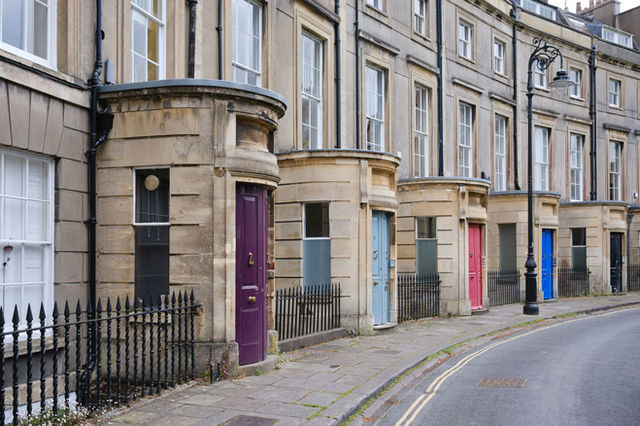
  • Georgian Crescents
  • Honey-Stone Elegance
  • Jane Austen & Bridgerton

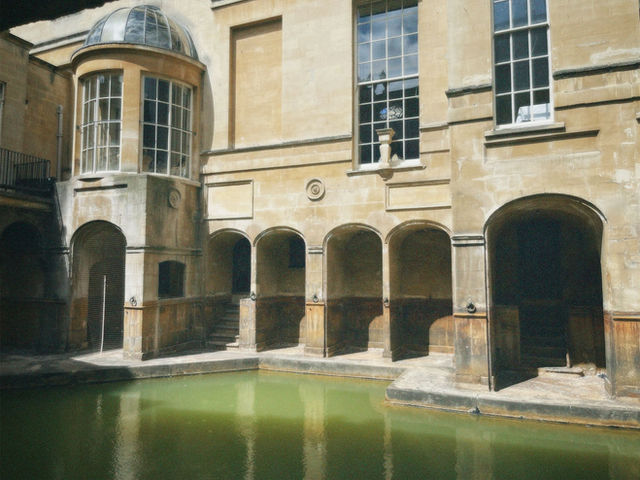
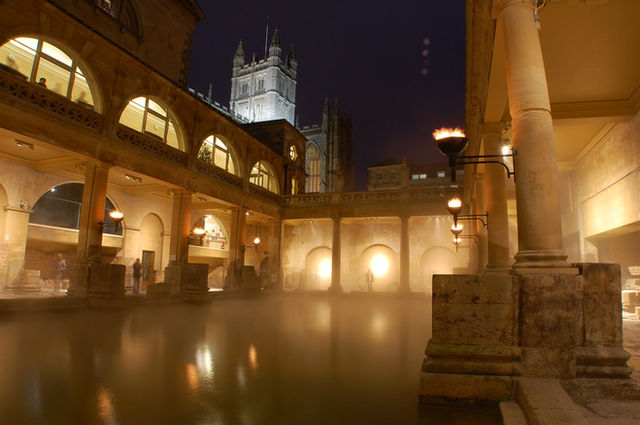
Steam rising off a green Roman pool ringed by columns, a perfect curve of honey-coloured Georgian townhouses catching the low sun, and the hills folding green right up to the edge of town.

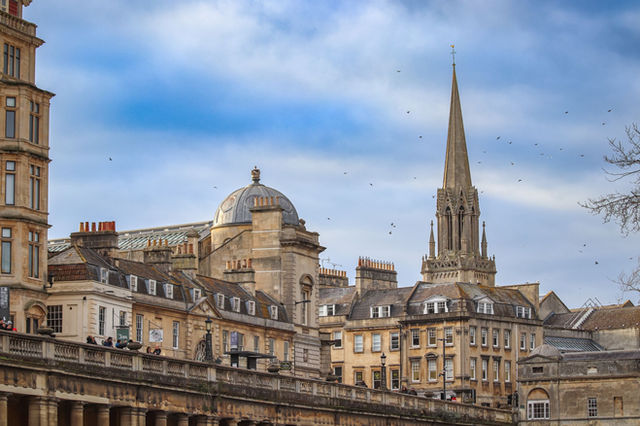
Bath is a small English city built almost entirely of golden stone, where Romans bathed in a hot spring and Georgians raised the most elegant streets in Britain around it. Compact, walkable and unfailingly handsome, it wears its two great eras — Roman and Regency — with quiet confidence.

Type
city
Ideal length
~approx 1–2 days
Getting around
an entirely walkable, if hilly, centre
Neighbourhoods
3 areas
Best season / months
May to September for the best weather; spring and early autumn for fewer crowds
Language
English
Currency
pound sterling (£)
Budget level
high — a popular, compact heritage city
Good for
  • History
  • Architecture
  • Couples
  • Culture
▸ Discover

About Bath

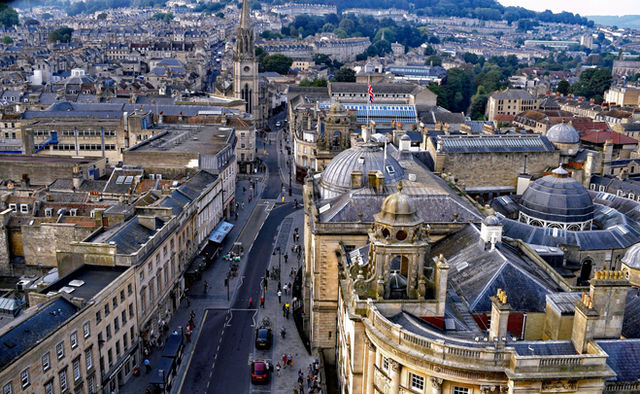
Bath sits in a green bowl of hills in southwest England, on the River Avon, built where Britain's only natural hot springs bubble up. The Romans built a bathing temple here; eighteenth-century Bath grew into a fashionable spa resort, its architects laying out crescents, terraces and squares in a uniform golden limestone that makes the whole city feel of one piece. The compact centre holds the abbey, the baths and the shops; the great set-piece streets climb the slopes above. It is small, walkable and lovely throughout.

Why go

Bath packs two of Britain's finest heritage draws into one small, strollable city — the remarkably preserved Roman Baths, and a Georgian townscape so complete the whole place is a World Heritage site. You can still bathe in the thermal waters at a modern rooftop spa, walk the crescent that everyone photographs, and trace Jane Austen and, more recently, Bridgerton through the streets they used. It is an easy, elegant short break, close to London and the West Country.

Don't miss

  • The Roman Baths — the ancient thermal bathing complex
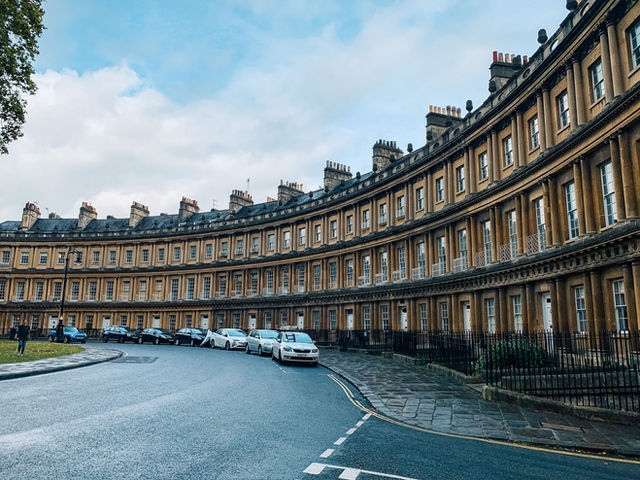
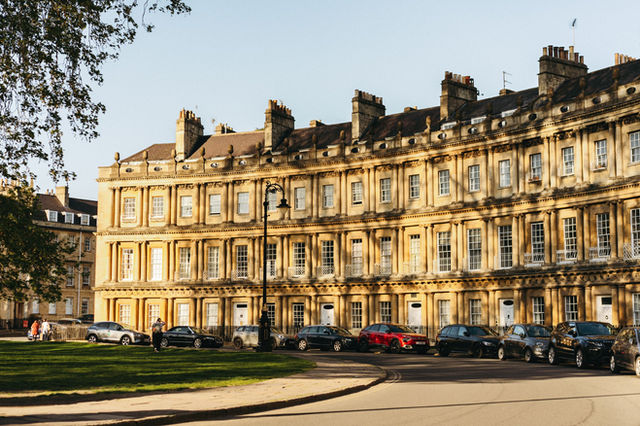
  • The Royal Crescent — the great sweep of Georgian townhouses
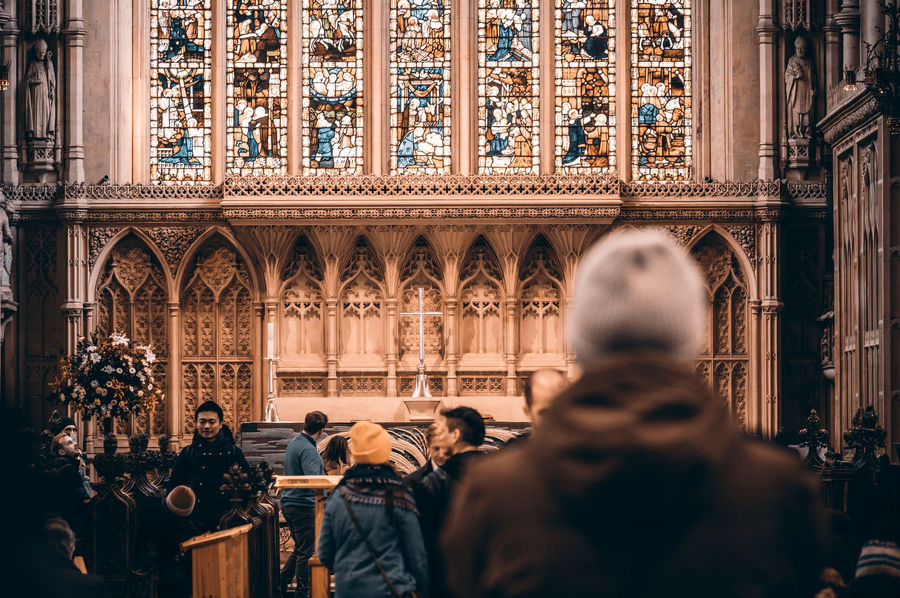
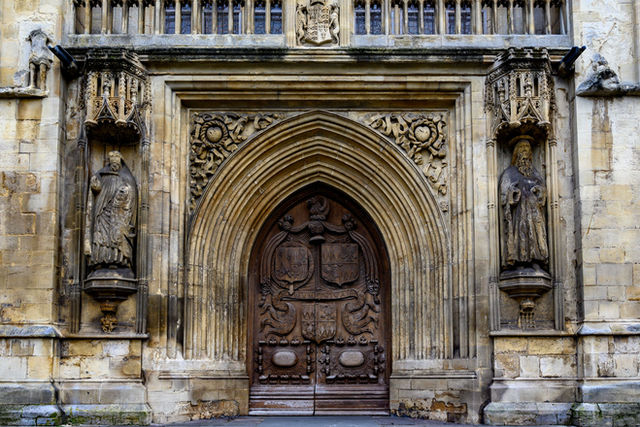
  • Bath Abbey — the fan-vaulted church at the city's heart
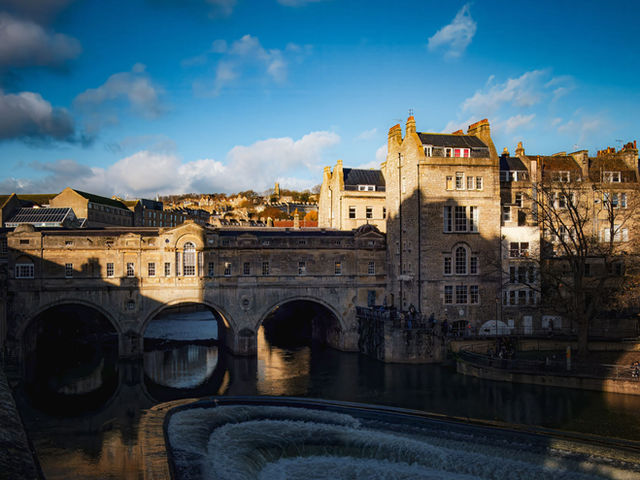
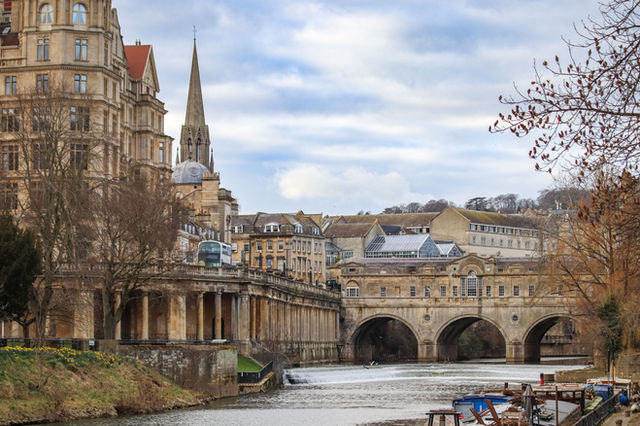
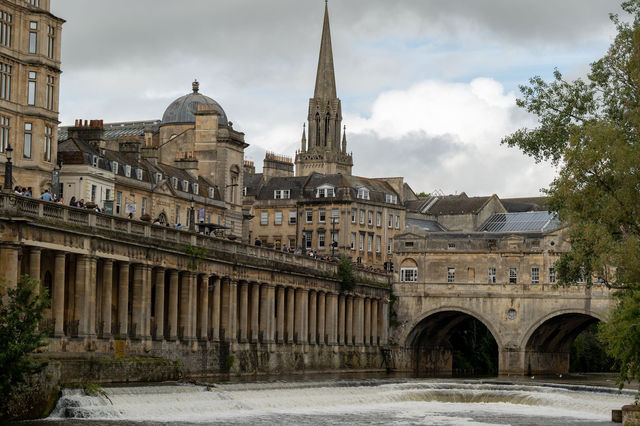
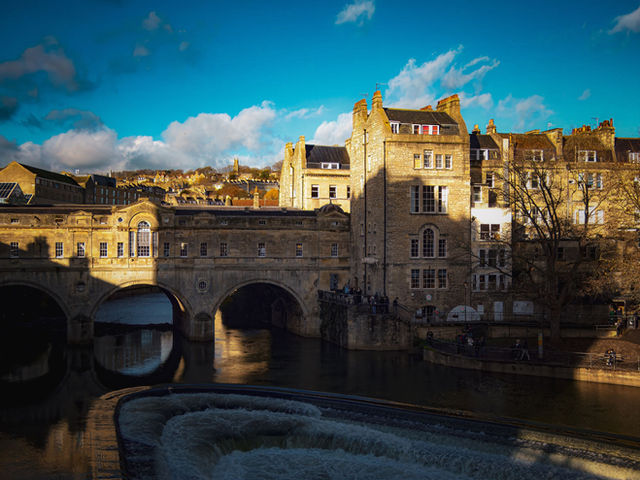
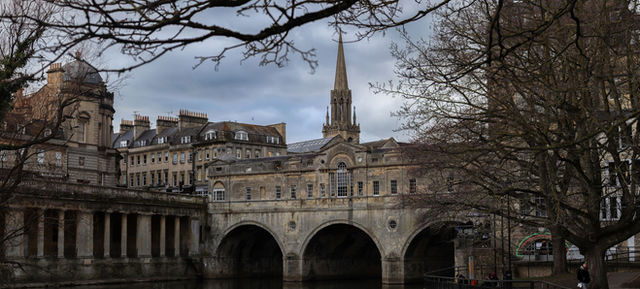
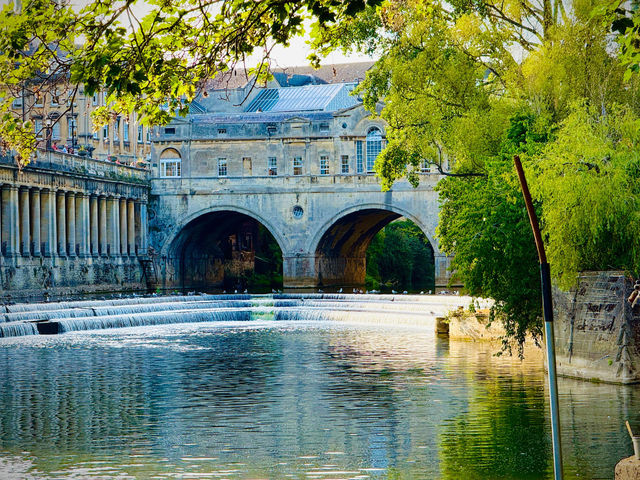
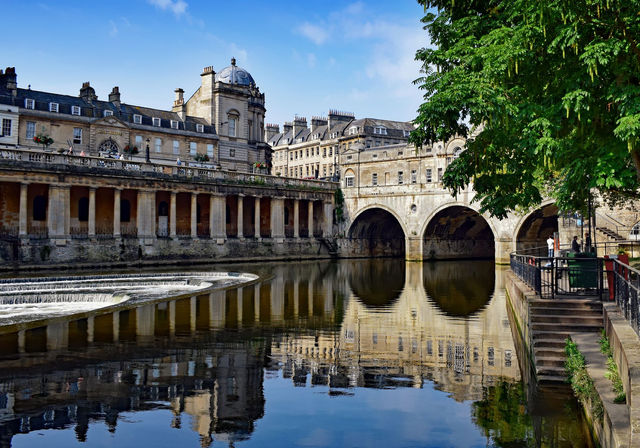
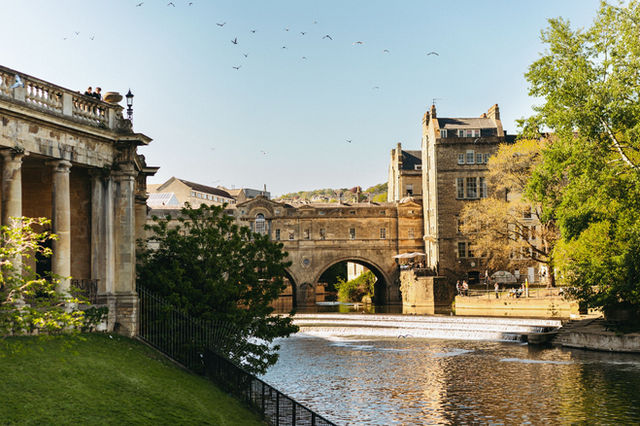
  • Pulteney Bridge — the shop-lined bridge over the weir
  • The Thermae Bath Spa — bathing in the thermal waters, rooftop pool and all

Signature experiences

The Roman Baths — At the city's heart, the Romans built a temple and bathing complex around the hot spring, and it survives astonishingly well — the steaming green Great Bath ringed by columns, the ancient plumbing still carrying spring water, and the excavated temple beneath. It is one of the finest Roman sites in northern Europe, and the audio-guided walk brings it vividly to life. You can't swim here — but you can taste the mineral water in the elegant Pump Room next door. **Georgian Bath** — The eighteenth-century city is the other marvel — climb from the centre to the Circus, a perfect ring of townhouses, and on to the Royal Crescent, a majestic sweep of thirty houses facing a lawn and the hills. It is town planning as theatre, all in the same golden stone, and the walk between the set-pieces is the pleasure. One house on the Crescent is a museum of Georgian life. **Bathing in the spring** — Bath means bathing, and you still can — at the modern Thermae Bath Spa, fed by the same hot spring, where the rooftop pool lets you soak in the warm mineral water with the abbey and the hills laid out around you. It is the one place in Britain to bathe in natural thermal waters, and doing it at dusk is the memory you keep. **On the page and on screen** — Bath is thick with story. Jane Austen lived here and set two novels in the city, and a festival and centre celebrate her; more recently, the Royal Crescent, the Assembly Rooms and the Georgian streets have starred in Bridgerton, and the set-jetting crowds have followed. Enjoy the trail, but the streets are just as lovely without the fandom, and the honey-stone crescents were the real stars all along.

Neighbourhoods

Bath neighbourhood by neighbourhood — the character of each and who it suits.

  • The City Centre

    The compact heart around the abbey and the baths — the Roman and medieval core, ringed by Georgian shopping streets, where most of the sights sit close together.

    Why go
    The single densest run of Bath's landmarks, all on foot.
    Best for
    First-time sightseeingthe bathsshopping
    Known for
    The Roman Baths and the Pump Room, Bath Abbey, the Thermae Bath Spa, Pulteney Bridge and the weir, and the Georgian shopping streets.
  • The Georgian Upper Town

    The grand set-piece streets climbing the northern slope — the Circus, the Royal Crescent and the Assembly Rooms, the showpiece of eighteenth-century town planning.

    Why go
    The Royal Crescent, the Circus, and the finest Georgian architecture in Britain.
    Best for
    Architecturethe crescentelegant strolls
    Known for
    The Royal Crescent and its lawn, the circular Circus, the Assembly Rooms, and the Jane Austen and Bridgerton filming streets around them.
  • The River and Bathwick

    The green edge along the Avon and the canal — the elegant Great Pulteney Street quarter over the river, the weir, and the towpaths out into the hills.

    Why go
    The riverside, the grand Pulteney Street, and the walks.
    Best for
    River walksthe canala quieter side
    Known for
    Great Pulteney Street and the Holburne Museum, the Kennet and Avon canal towpath, the weir below Pulteney Bridge, and the walks up to the hilltop skyline viewpoint.

Views & hidden gems

Best views

  • The Royal Crescent and its lawn — the classic Georgian sweep
  • Pulteney Bridge and the weir — the shop-lined bridge over the horseshoe falls
  • Alexandra Park on the hill — the whole golden city from above
  • The Thermae rooftop pool — the abbey and hills from the warm water

Hidden gems

  • The Bath Skyline walk — a National Trust circuit through hills and woods above the city
  • Sally Lunn's — one of the oldest houses in Bath, home of the famous bun
  • The Holburne Museum — art in a grand house at the end of Great Pulteney Street
  • The Kennet and Avon canal towpath — a green walk out of the city
  • The Georgian Garden and the hidden squares behind the crescents

Food & drink

Bath eats well in a West Country way, with a strong café-and-tearoom tradition and a genteel spa-town air. The local specialities are baked goods — the sweet, brioche-like Bath bun, and the even older Sally Lunn bun, served warm at the historic house that claims it. West Country cheddar, cream teas with scones, clotted cream and jam, and local ales and ciders round it out. The city has a good modern-restaurant scene too, and a proper afternoon tea is a Bath institution.

  • Sally Lunn bun — a large, light, brioche-like bun, sweet or savoury
  • Bath bun — a rich, sweet bun topped with sugar
  • Cream tea — scones with clotted cream and jam, and a pot of tea
  • West Country cheddar — the strong local cheese
  • Bath Oliver — a plain baked biscuit, traditionally with cheese
  • Local ale or West Country cider — from a Georgian pub
Dietary notes

Vegetarians and vegans do well — Bath has a strong veggie-and-vegan café scene and most menus cater comfortably. Halal food is found around the university and a few restaurants; kosher options are limited and best sought in larger cities. Gluten-free is widely understood in cafés and tearooms. The genteel food culture makes catering to most needs straightforward.

Bath in photos

▸ Where you'll stay

Where you'll stay in Bath

The compact centre puts you steps from the baths, the abbey and the shops, walkable to everything, at the top of the price range. The Georgian upper town around the Circus and Crescent is elegant and quieter, a short uphill walk from the centre. Over the river, the Bathwick and Great Pulteney Street quarter is grand and calm. Everywhere central is walkable; prices are high and rise on summer weekends and around events.

  • Budget
    Near the station / city fringe budget hotels and guesthouses, a short walk to the centre.
  • Mid-range
    The centre or upper town townhouse hotels and B&Bs in Georgian buildings, walkable to the sights.
  • Luxury
    The Royal Crescent / Great Pulteney Street grand hotels in the finest Georgian addresses.
Stay

Hotels & rentals around Bath

Pan, zoom and compare live prices — every stay in one map.

▸ Getting around

Getting around Bath

The compact centre is entirely walkable, if hilly — a car is a liability, with scarce, costly parking and narrow streets. Use the park-and-ride if driving, and local buses for the outskirts and the hills. The train handles the wider region. Everything central is on foot.

The centre, the Georgian upper town and the riverside are all a short, if uphill, walk apart (~approx). The station and bus station sit together at the southern edge of the centre.

▸ Plan your days

Suggested itineraries

Ready-made day plans for Bath — from a single day to a long weekend.

One day

Start at the Roman Baths and Bath Abbey in the centre, then walk up through the Georgian streets to the Circus and the Royal Crescent, looking in at the No. 1 Royal Crescent museum. Come back down for Pulteney Bridge and the weir, and end the day with a thermal soak at the Thermae Bath Spa's rooftop pool as the light goes.

Two days

Give day two to the walks and the wider city. Do part of the Bath Skyline circuit for the view over the golden city, wander the grand Great Pulteney Street to the Holburne Museum, follow the Jane Austen and Bridgerton trail through the streets, and finish with a cream tea or a canal-side walk.

▸ What you'll do

Insider tips

  • Book the Roman Baths and the Thermae spa online ahead, especially in summer and around events, as both cap numbers and queue.
  • Use the train (a short hop from Bristol and about ninety minutes from London) or the park-and-ride — parking in the centre is scarce and dear.
  • Wear comfortable shoes for the hills and the Skyline walk, and pack for rain whatever the forecast.
  • Early morning gives you the Royal Crescent and the honey-stone streets without the crowds or the Bridgerton fans.
What's on

While you're there

07
AUG
Edinburgh Festival Fringe 2026
6 Waterloo Place, Edinburgh, EH1 3EG, United Kingdom · cultural
Build a trip around it →
07
AUG
Edinburgh International Festival 2026 — Edinburgh, August 2026
6 Waterloo Place, Edinburgh, EH1 3EG, United Kingdom · performing arts festival
Build a trip around it →
07
AUG
The Royal Edinburgh Military Tattoo 2026: A Call to Gather — Edinburgh, August 2026
6 Waterloo Place, Edinburgh, EH1 3EG, United Kingdom · music & spectacle
Build a trip around it →
15
AUG
Anansi the Spider at Regent's Park Open Air Theatre — London, August 2026
King Charles I Island, Westminster, London, WC2N 5DS, United Kingdom · family theatre (open-air)
Build a trip around it →
30
AUG
Notting Hill Carnival 2026
34 Ladbroke Gardens, Kensington and Chelsea, London, W11 2PX, United Kingdom · festival
Build a trip around it →
Explore

Explore the area

© OpenFreeMap · OSM · terrain Mapterhorn
Do

Local attractions & tours

Skip-the-line tickets and small-group tours in Bath — compare across our partners.

We're still curating hand-picked tickets and tours for Bath. In the meantime, the map above and the nearby cities are a great place to start.

▸ Budget

What it costs in Bath

Backpacker
roughly £65–95 a day as a rough guide.
Mid-range
roughly £160–250 a day as a rough guide.
Luxury
from around £400 a day.
Cash vs card
Bath is effectively cashless — cards and contactless tap through almost everything, including buses. Keep the odd coin for a market stall.
Tipping
Around 10% is usual at sit-down restaurants if service isn't added; no need to tip in pubs or for counter service.
▸ When you'll go

When to visit Bath

May to September for the best weather; spring and early autumn for fewer crowds

Spring

What to expect — Cool and changeable, brightening through May, the hills greening and the gardens out. Rain is always possible, but the light lengthens fast.

What's best — Blossom and green hills, comfortable walking of the Skyline and the streets, and the city before the summer crowds.

Summer

What to expect — Mild rather than hot, long days, and the busiest, priciest season, with the Roman Baths and the Crescent at their most crowded. Showers still gatecrash.

What's best — Long light for the Skyline walk and the riverside, festivals and open-air events, and warm-enough evenings. Come in spring or early autumn to dodge the peak.

Autumn

What to expect — Cooling, crisp and often golden, the summer crowds thinning and the honey stone glowing in the low sun. Shortening, sometimes wet days later.

What's best — Comfortable walking, autumn colour on the hills, cosy Georgian pubs, and quieter sights.

Winter

What to expect — Cold, grey and often wet, with short days, but December brings one of Britain's best Christmas markets around the abbey. Deep winter is quiet.

What's best — The Christmas market in the abbey churchyard, the thermal spa at its most inviting in the cold, festive lights on the golden stone, and lower midweek prices.

▸ Know before you go

Know before you go

Honest swaps

Skip driving into the centre → Bath is small, hilly and car-hostile; use the park-and-ride or the train and walk.

Skip the mediocre chain restaurants near the abbey → find a good gastropub or a West Country kitchen in the back streets.

Skip queuing for a table at the busiest tearoom → plenty of quieter spots do an excellent cream tea.

Skip trying to swim in the Roman Baths → you can't, but the Thermae Bath Spa lets you bathe in the same thermal water.

Crowds & timing

The Roman Baths are busiest midday; go at opening or book a late slot, and consider the atmospheric evening torchlit sessions in summer.

The Royal Crescent and the Bridgerton streets draw crowds by day — early morning gives you the golden stone to yourself.

Local rules & etiquette

The Crescent and the Circus are lived-in homes (and a museum) — admire from the lawn and pavement, and don't intrude on doorsteps.

Bath Abbey is an active church — dress respectfully and mind service times.

The streets are hilly and the stone slick when wet — comfortable shoes help.

Money

The city is effectively cashless — tap a card for transport, sights and shops.

Use the park-and-ride if driving, and book the popular sights and the spa online ahead.

After dark

The centre has the pubs, wine bars and restaurants — a genteel evening rather than a big night out.

The riverside and a few late bars keep a gentle buzz; students add some life near the universities.

A Georgian pub and a candlelit dinner suit the city better than clubbing.

▸ Ready to book your trip?

Getting there

Bath has no airport of its own — most visitors arrive by train to Bath Spa station, about ninety minutes from London Paddington and a short hop from Bristol, whose airport (BRS) is the nearest. The station sits right in the centre, a few minutes' walk from the abbey and the baths.

Book

Ready to book your trip?

Flights, airport transfers and car hire — search and compare without leaving the page.

▸ Trip extras
Book

More trip extras

Parking, holiday extras, and more — coming soon.

Coming soon

We're lining up parking, holiday extras and activities you'll be able to add to any trip from here.