From the Gironde estuary to the Basque border the coast is essentially one beach, backed by the Landes forest — the largest planted forest in Europe, sown in the nineteenth century to stop the dunes moving inland. It did not stop the Dune du Pilat, which is 100 m high, still migrating, and climbable. Behind it the Arcachon basin drains twice a day to expose the oyster beds and the fishermen's villages on stilts at Cap Ferret. Further north, La Rochelle's towers guard a harbour that has been fortified since the twelfth century.
© OpenFreeMap · OSM · terrain Mapterhorn · boundaries © EuroGeographics (Eurostat GISCO)
Headline places
What you come to The Atlantic Coast for.
-
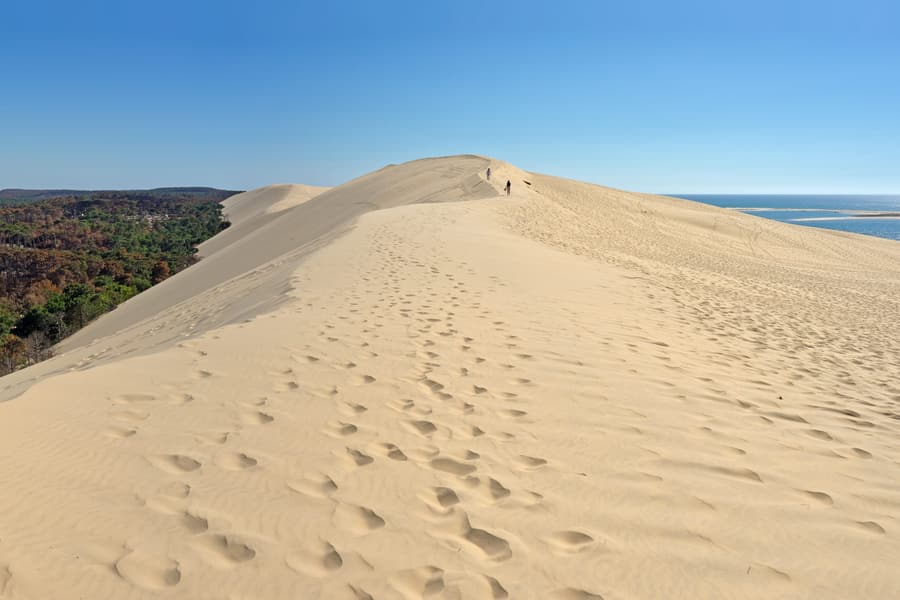 Dune du Pilat The tallest sand dune in Europe — 100 m, and still moving inland
 -
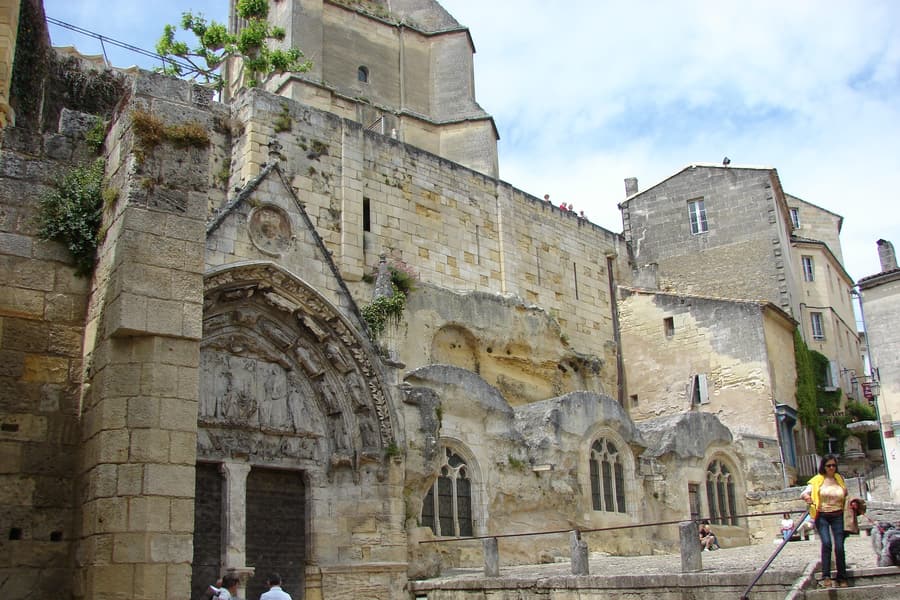 Saint-Émilion's Monolithic Church Hollowed out of solid limestone over three centuries
 -
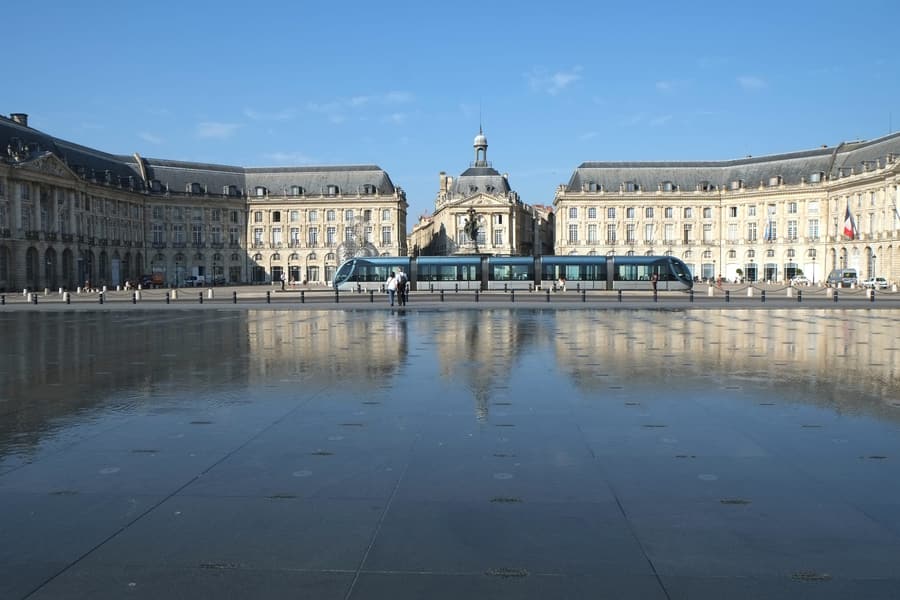 Place de la Bourse & the Water Mirror The largest reflecting pool in the world, two centimetres deep
 -
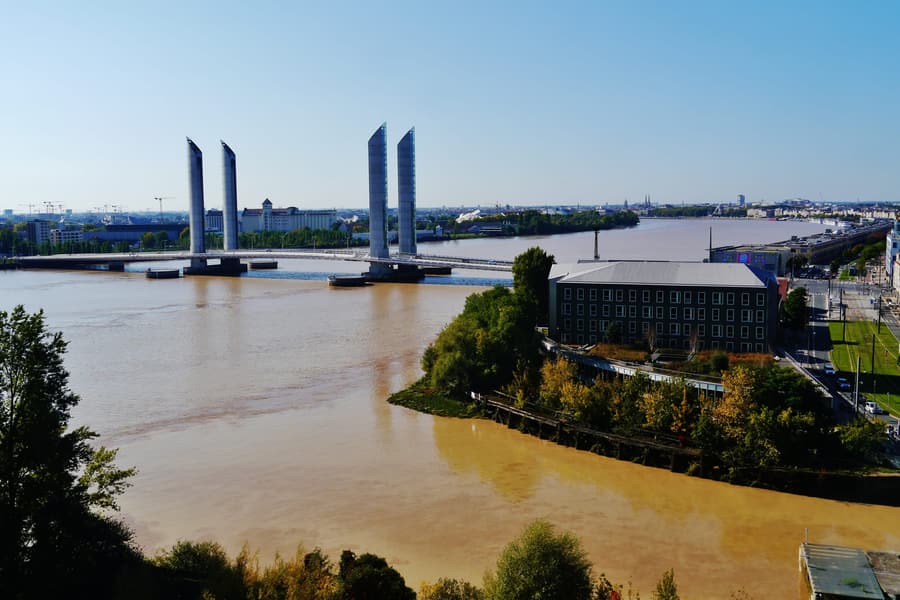 La Cité du Vin Wine as a world subject, in a building shaped like liquid in a glass
 -
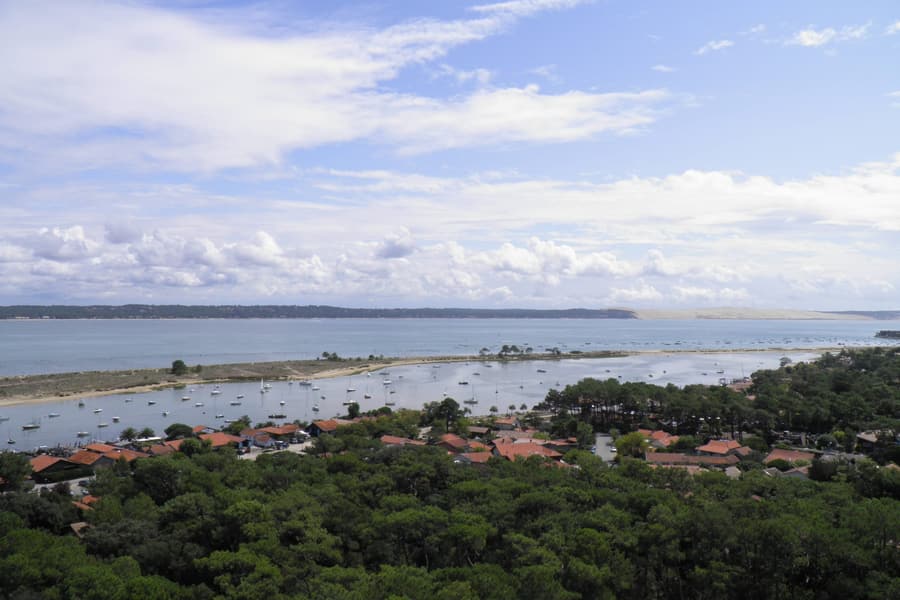 Cap Ferret Oyster shacks on stilts on one side, Atlantic surf on the other
 -
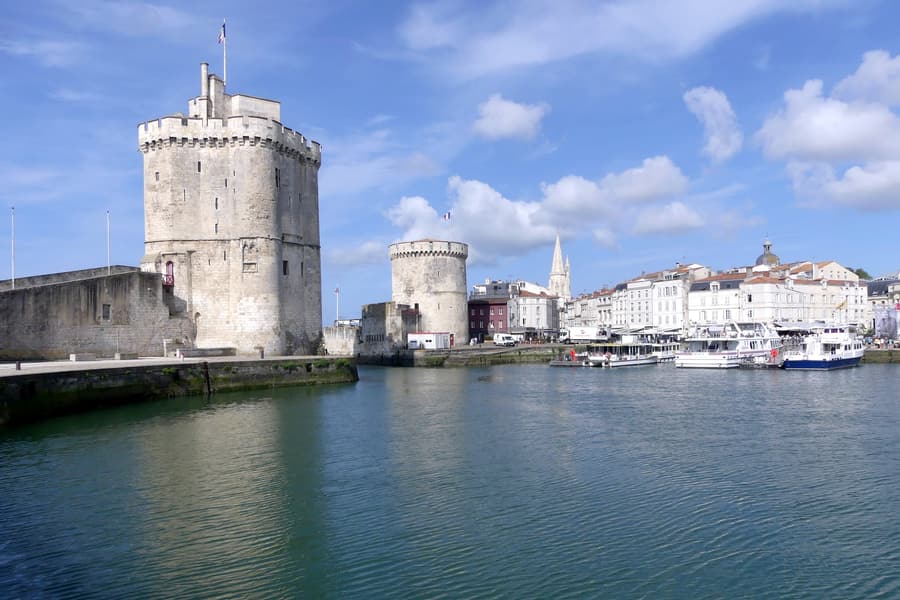 The Towers of La Rochelle Three medieval towers that chained the harbour shut at night
 - The Médoc Margaux, Pauillac, Saint-Julien — the D2 past the first growths
Cities & bases
Where to sleep inside the area.
-
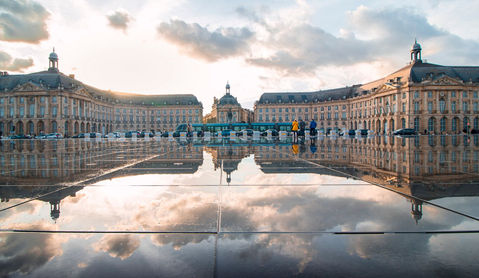 Bordeaux An eighteenth-century city on a river, with 6,000 châteaux behind it
 -
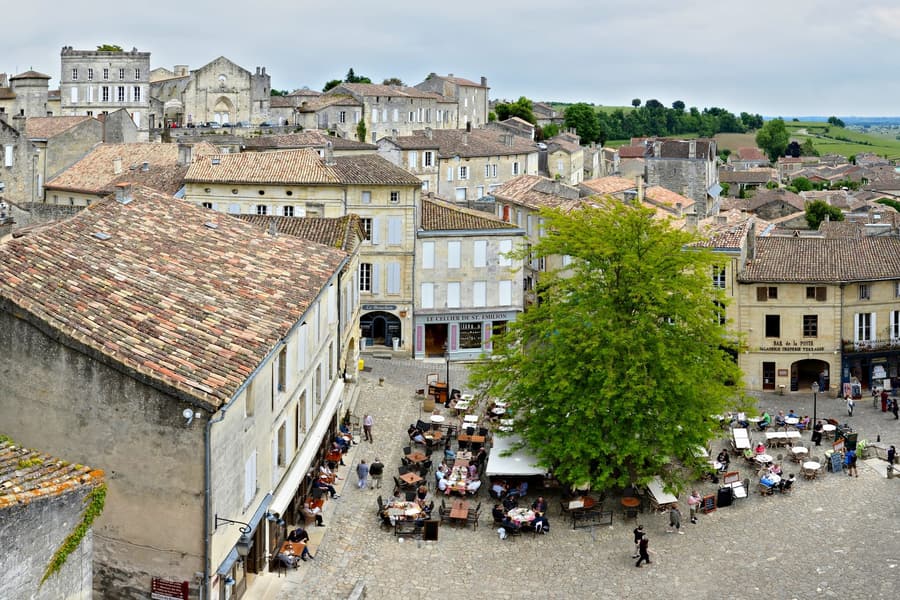 Saint-Émilion A monolithic church cut into rock, ringed by grand cru vineyards
 - Arcachon Oysters, a Winter Town of villas, and Europe's tallest dune next door
-
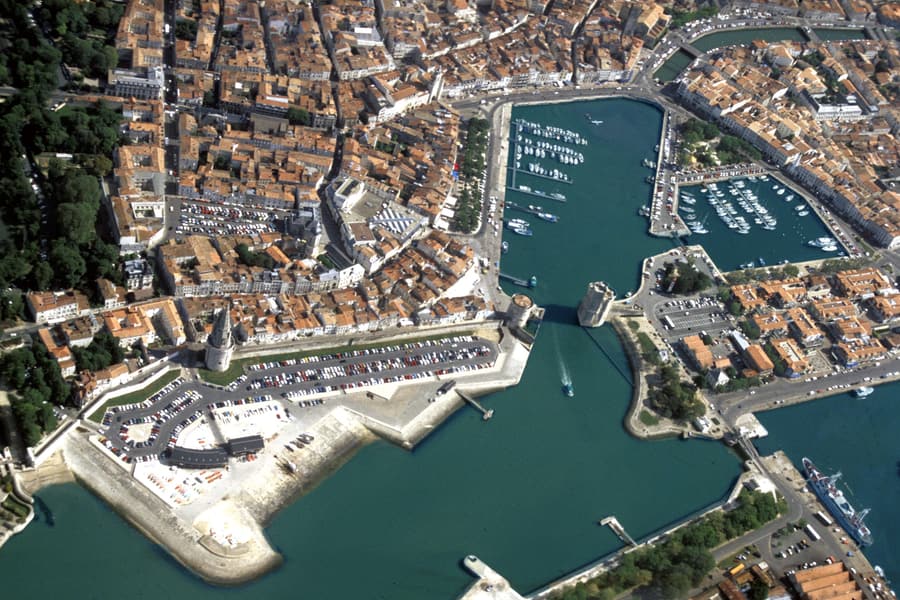 La Rochelle Three harbour towers, arcaded streets and the bridge to Île de Ré
 - Hossegor A pine-backed beach break that hosts the world tour
Islands
The region it sits in
Tourism areas and administrative regions are different geographies — both are true, and both are browsable here.