Bordeaux is 350 hectares of eighteenth-century city on a bend of the Garonne — the largest urban UNESCO site in the world when it was inscribed in 2007. It spent most of the twentieth century black with soot and most of the twenty-first being cleaned, and the pale limestone that came out from under it is the reason the place looks the way it does now. Behind the city are around 6,000 wine châteaux across 110,000 hectares of vineyard.
The wine, obviously — but the city itself is the surprise. A tram network that runs on ground-level power supply so there are no overhead wires in the historic centre, a 3,450 m² water mirror on the quay that fills and drains all day, and the longest pedestrian shopping street in Europe. It is also the gateway to the Atlantic beaches, the Dune du Pilat and Saint-Émilion, all within an hour.
Things to do
- Place de la Bourse & the Miroir d'Eau — Two centimetres of water over granite, reflecting the façade, draining and misting every twenty minutes. Best at dusk.
- La Cité du Vin — Wine as a world subject rather than a Bordeaux one, in a building shaped like liquid swirling in a glass. Ends with a tasting in the belvedere.
- Saint-Émilion — Forty minutes east: a monolithic church cut into solid rock, and grand cru vineyards you can walk into.
- The Médoc route — The D2 north past Margaux, Saint-Julien and Pauillac. Book two châteaux, not five.
- Bassins des Lumières — Immersive projection across the water of a concrete U-boat pen. Extraordinary regardless of the exhibition.
- Marché des Capucins — Sunday morning, oysters and white wine at nine, standing up, with everybody else.
Tickets & tours
-
 Bassins des Lumières: Matisse & Frida Kahlo Exhibition From £13.59 · 4.6/10
 -
 Bordeaux CityPass From £18.69 · 4.7/10
 -
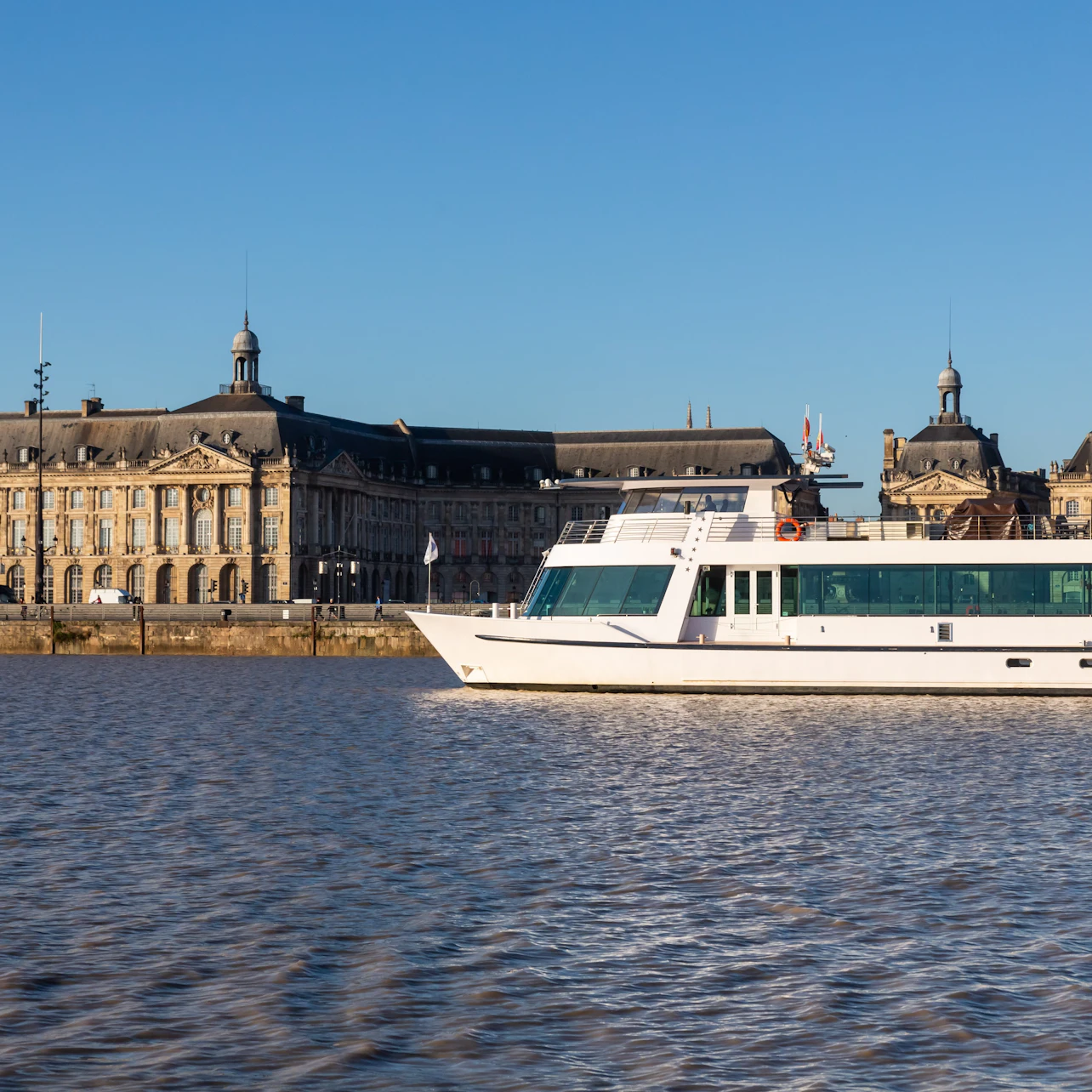 Bordeaux: Guided Cruise on the Garonne From £12.74 · 4.5/10
 -
 Bordeaux: Guided Cruise on the Garonne with a Drink and a Canelé From £16.14 · 4.5/10
 -
 Bordeaux: VR Experience "Life Chronicles" From £25.06 · 4.5/10
 -
 Bordeaux: VR Experience "Horizon of Khufu" From £25.06 · 4.7/10
 -
 ECLIPSO Bordeaux: Les Derniers Remparts - Carcassonne 1304 VR Experience From £25.06 · 4.7/10
 -
 La Cité du Vin: Permanent Exhibition + Belvedere From £19.54 · 4.6/10
Where to base yourself
The Bordeaux neighbourhoods worth knowing before you book.
- Coming soon Saint-Pierre & the Golden Triangle (1st) The eighteenth-century core — Place de la Bourse, the Grand Théâtre, and the shopping. Where to stay first time.
- Coming soon Chartrons The old wine-merchant quarter along the river: antique shops, the Sunday quayside market and the Cité du Vin at the far end.
- Coming soon Saint-Michel Around the basilica — North African, Portuguese, cheap and lively, with the flea market and the best kebab in the south-west.
- Coming soon Bacalan / Bassins des Lumières A Second World War submarine base turned into the largest digital art centre in the world. Ten minutes on tram B.
- Coming soon La Bastide The right bank, with the botanical garden and the best view back at the eighteenth-century façade.
3 days in Bordeaux
- Day 1 The eighteenth century
Walk the quays from Place des Quinconces to the water mirror, then into the Golden Triangle and the cathedral. Afternoon in the Musée d'Aquitaine or up the Pey-Berland tower. Dinner around Place du Parlement.
- Day 2 Wine, two ways
Cité du Vin in the morning by tram, then the Chartrons for the merchant houses and a tasting in a real cellar. Late afternoon at the Bassins des Lumières.
- Day 3 Saint-Émilion or the coast
Either east to Saint-Émilion for the church and the vines, or west to Arcachon for oysters and the Dune du Pilat — 100 m of sand and a two-hour round trip from the car park.
Day trips
Worth the train or the drive from Bordeaux.
-
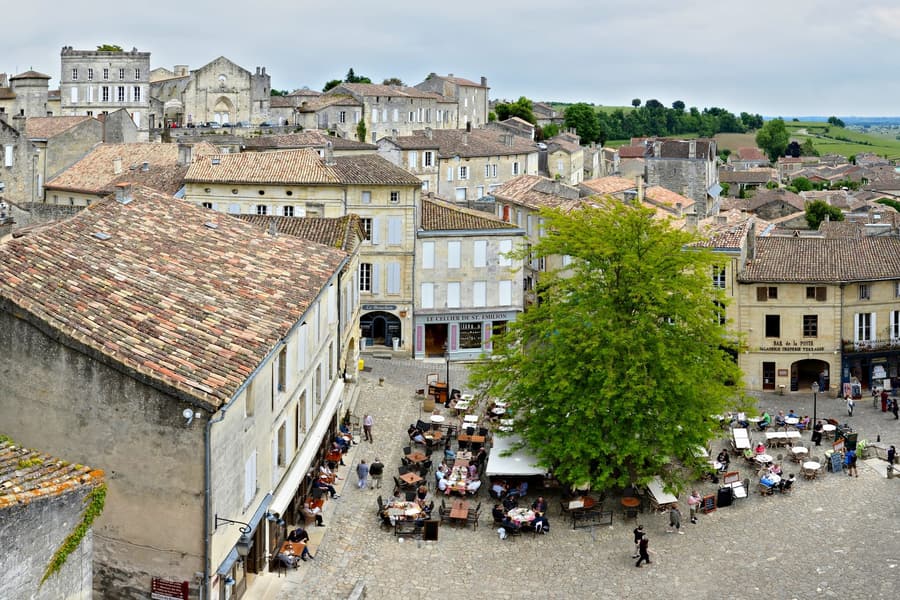 Saint-Émilion 40 min by train. The monolithic church and the grand crus.
 - Arcachon 50 min. Oysters, the Ville d'Hiver villas and the basin.
-
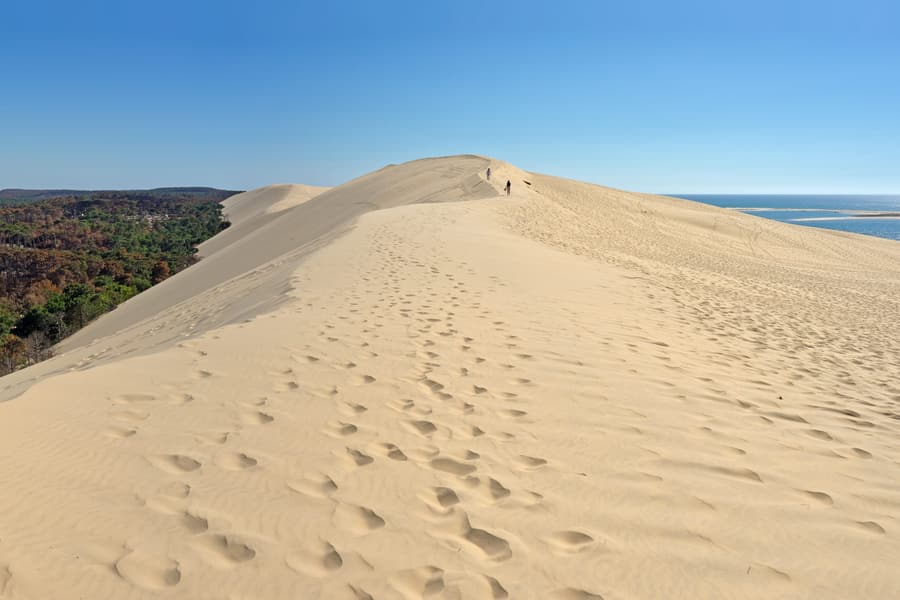 Dune du Pilat Europe's tallest dune, 100 m and still moving inland.
 -
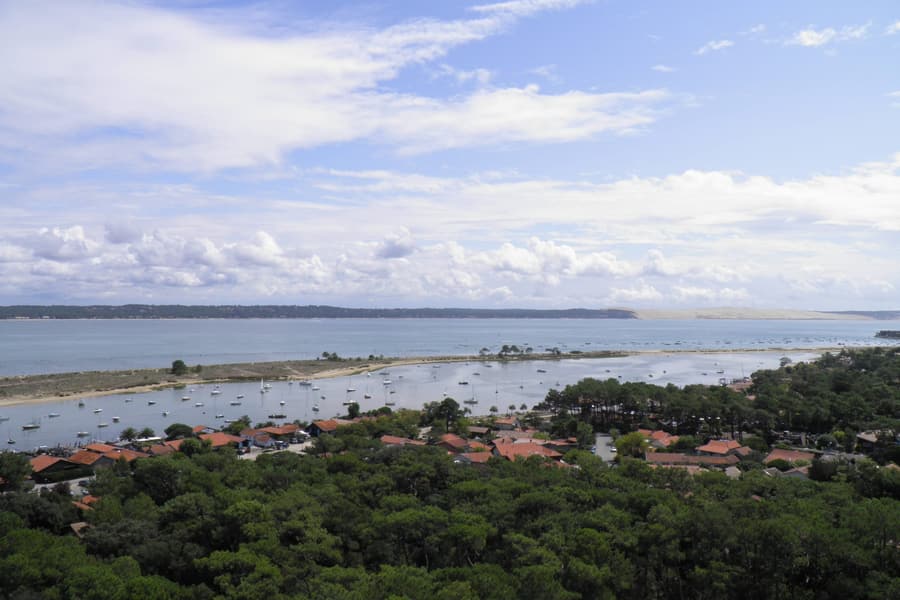 Cap Ferret Oyster shacks on stilts on one side, Atlantic surf on the other.
 - The Médoc The D2 past Margaux, Saint-Julien and Pauillac.
-
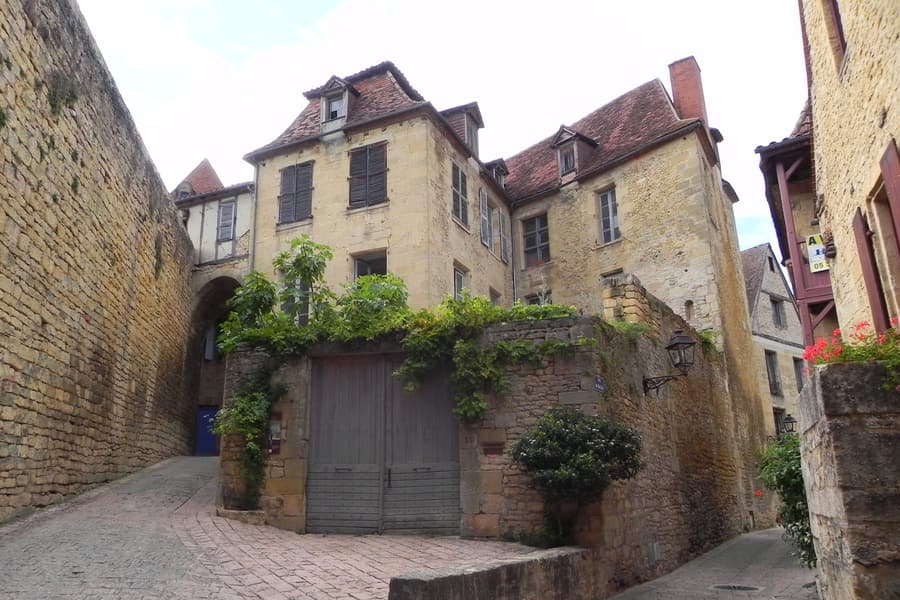 Sarlat-la-Canéda Two hours east into the Dordogne — golden stone and the Saturday market.
 -
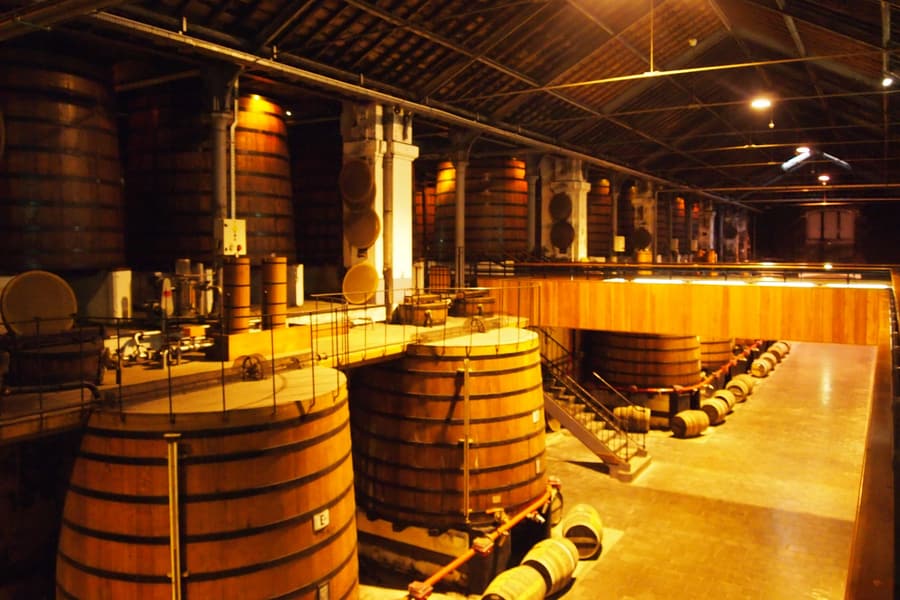 Cognac 90 minutes north, for the other drink and the angels' share.
Practical
- Best time to go
- May–June and September–October. The vendanges run late September into October and the châteaux are at their busiest and best. July and August are hot and the city thins out. The Bordeaux Fête le Vin is in late June, every other year.
- Getting there
- TGV Paris–Bordeaux in 2h04 — one of the great value rail journeys in Europe. Bordeaux–Mérignac airport is 30 min by the Liane 1+ bus or the new tram extension. Toulouse is two hours by road, Biarritz two hours by rail.
- Getting around
- Three tram lines and a flat, walkable centre. The V³ bike share is good and the riverside is entirely traffic-free. A car is only worth it for the Médoc — and if you are tasting, it is worth it for someone else to drive.
- Eat & drink
- Entrecôte à la bordelaise, lamprey, oysters from Arcachon with a hot sausage on the side (the local pairing, and it works), and the canelé — a small fluted cake, burnt-black outside and custard inside, invented here. Marché des Capucins on a Sunday morning is the institution.
- Know before you go
- The famous châteaux of the Médoc mostly require an appointment days ahead, and the first growths need weeks. Saint-Émilion is far easier to walk into. The city's own wine bars pour more interestingly than most cellar-door tastings anyway.
In the area
The tourism areas this town sits inside.
More of Nouvelle-Aquitaine
- Saint-Émilion A monolithic church cut into rock, ringed by grand cru vineyards
- Arcachon Oysters, a Winter Town of villas, and Europe's tallest dune next door
-
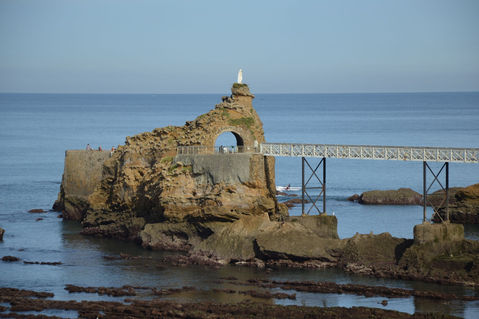 Biarritz An imperial resort that became Europe's first surf town
 -
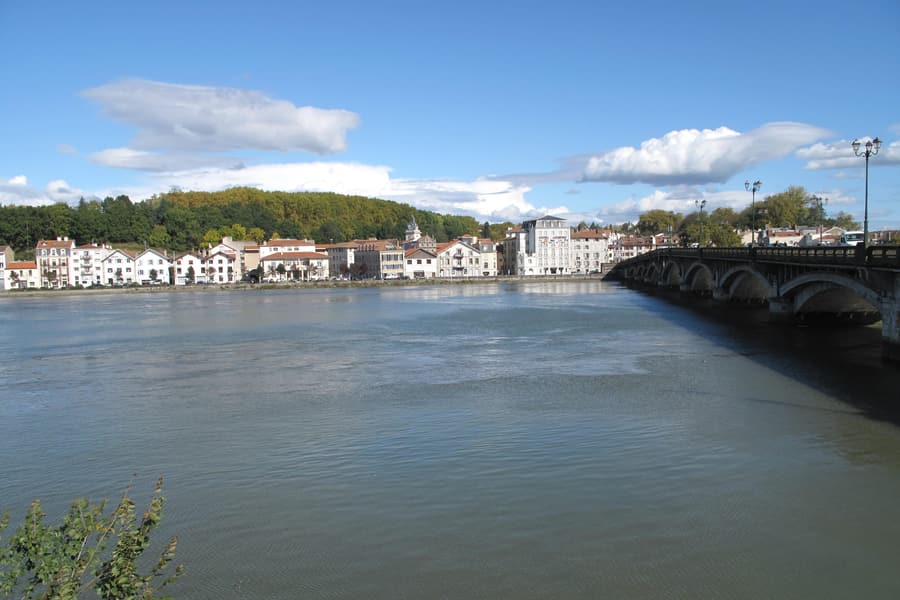 Bayonne Basque ham, chocolate since the 1600s, and a five-day summer fête
 -
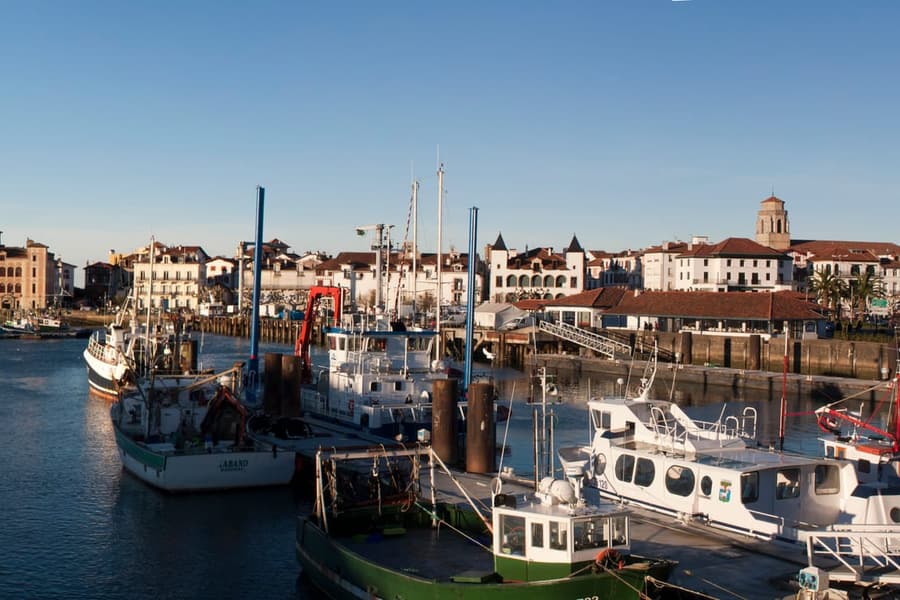 Saint-Jean-de-Luz A sheltered Basque bay, and the church where Louis XIV married
 - Sarlat-la-Canéda Golden stone, a Saturday market, and the Dordogne's best base
-
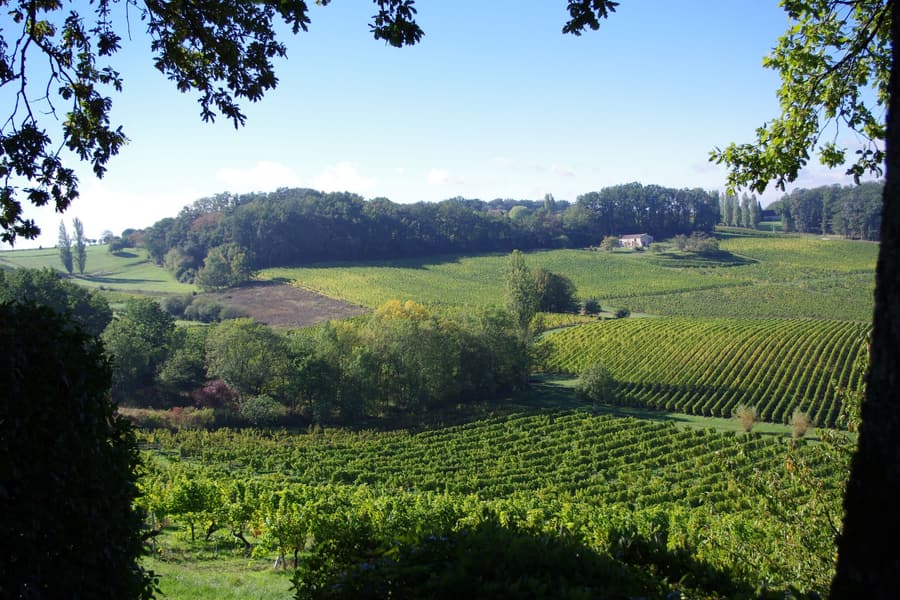 Bergerac A riverside old town and the Dordogne's own wine appellations
 -
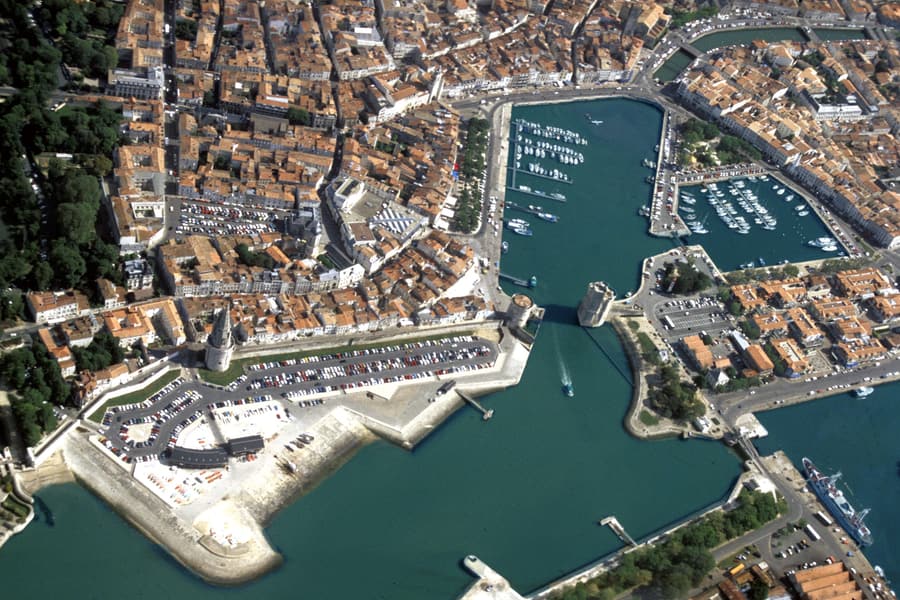 La Rochelle Three harbour towers, arcaded streets and the bridge to Île de Ré
 - Cognac The Charente, the angels' share, and every house name you know
-
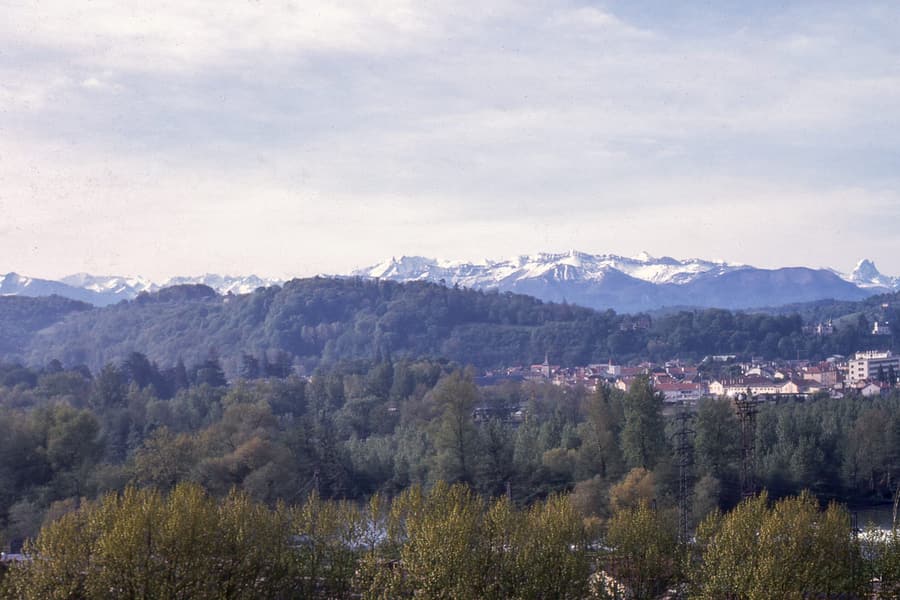 Pau A boulevard with the whole Pyrenean chain laid out in front of it
 - Hossegor A pine-backed beach break that hosts the world tour