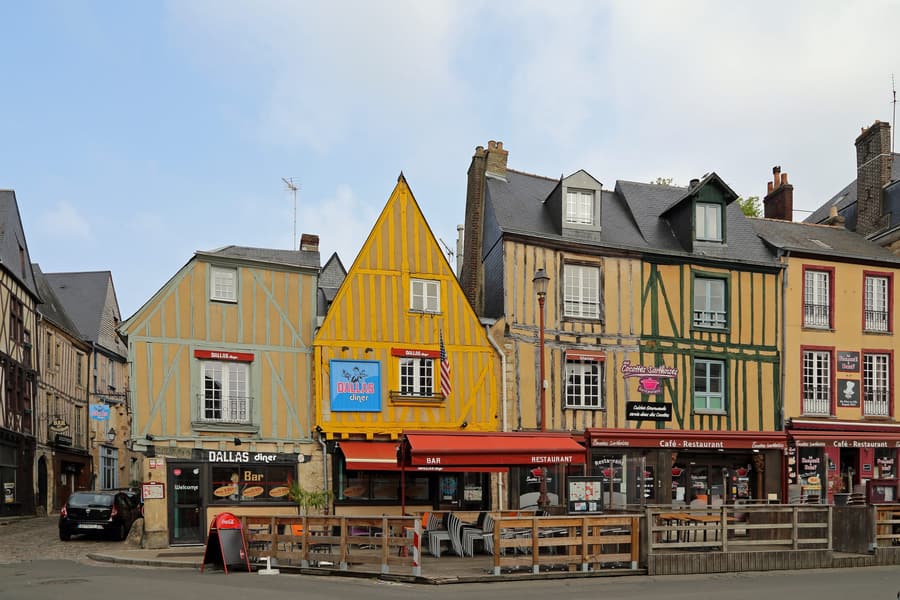
The Loire between Sully-sur-Loire and Chalonnes is listed by UNESCO as a cultural landscape — not for one building but for the whole river valley and the way five centuries of French royalty built along it. Chambord has 440 rooms and a double-helix staircase attributed to Leonardo; Chenonceau is arched across the Cher on five spans; Villandry's gardens are laid out as geometry you can eat. Leonardo da Vinci died at Amboise and is buried there. The valley floor is flat, which is why the Loire à Vélo cycle route works — 900 km of signed, mostly traffic-free riding.
© OpenFreeMap · OSM · terrain Mapterhorn · boundaries © EuroGeographics (Eurostat GISCO)
Headline places
What you come to Loire Valley for.
-
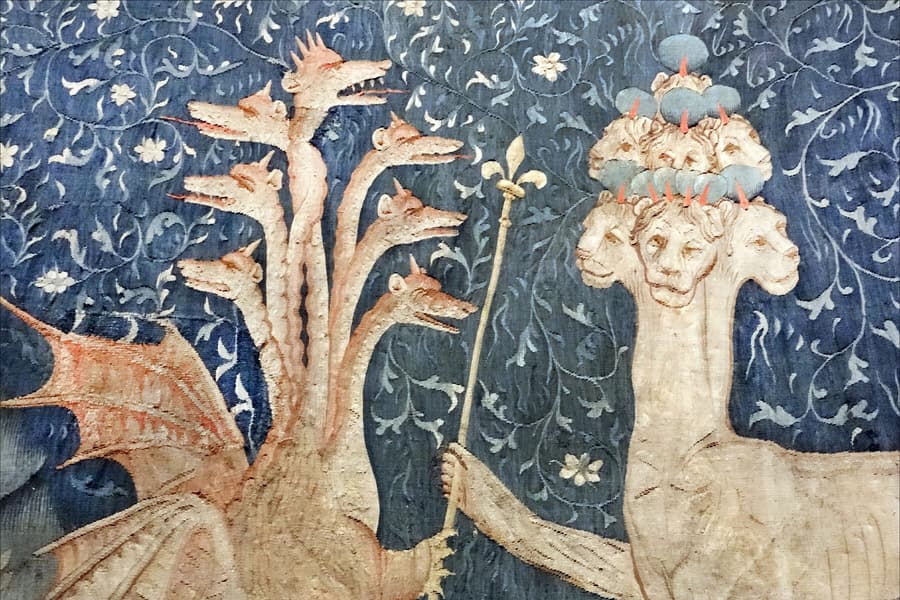 The Apocalypse Tapestry 100 metres of fourteenth-century weaving, the largest to survive anywhere
 -
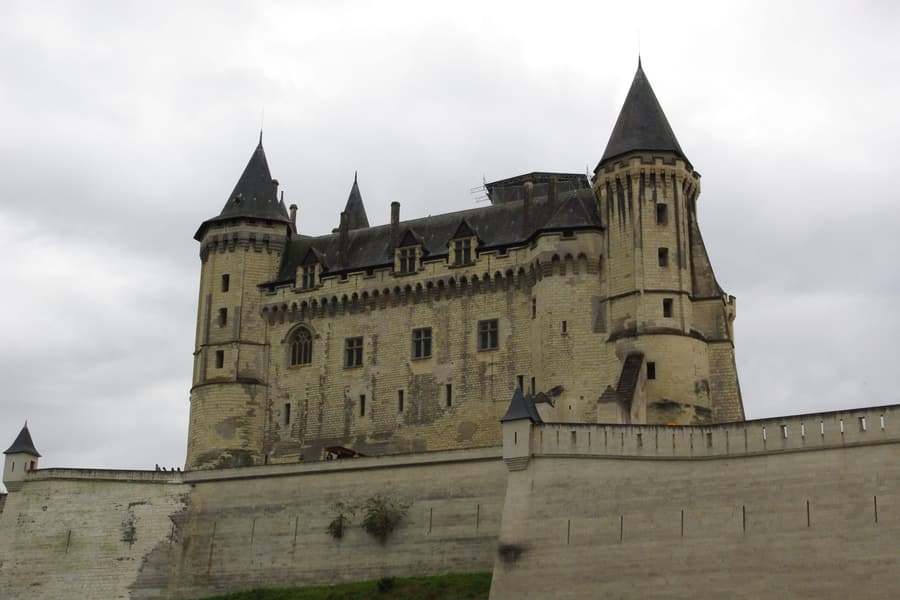 Château de Saumur The white fortress from the Très Riches Heures, above the Loire
 -
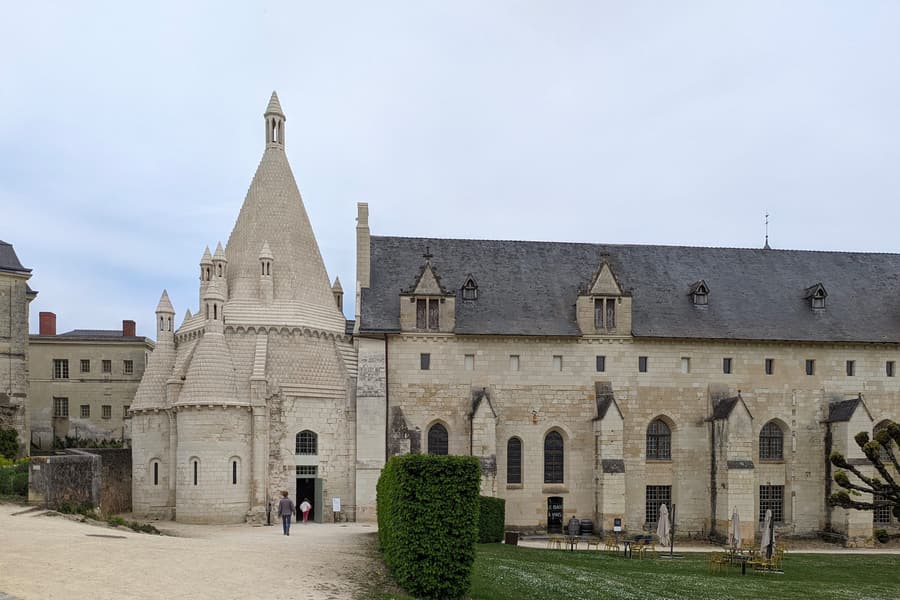 Fontevraud Abbey The largest monastic city in Europe, and Eleanor of Aquitaine's tomb
 -
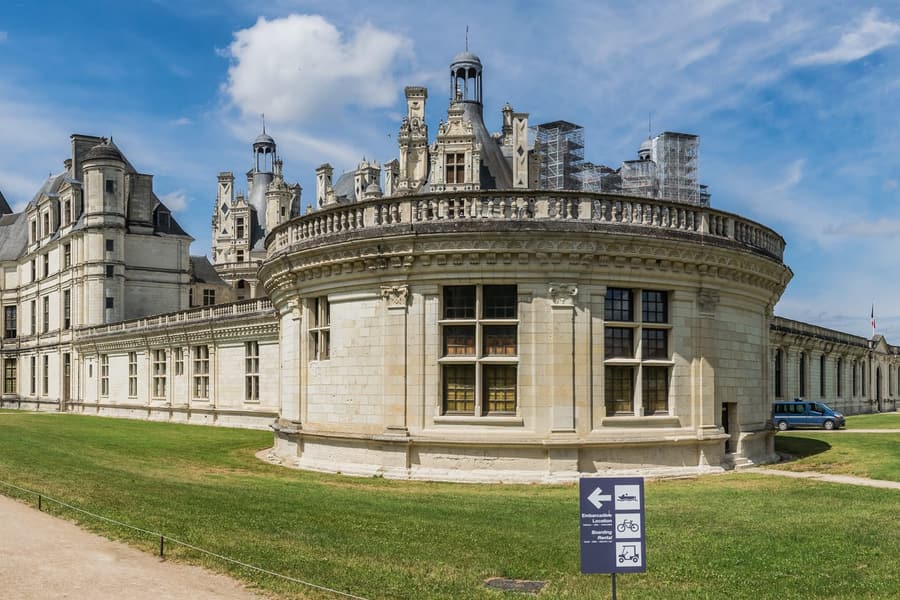 Château de Chambord 440 rooms, 282 fireplaces and a double-helix staircase
 -
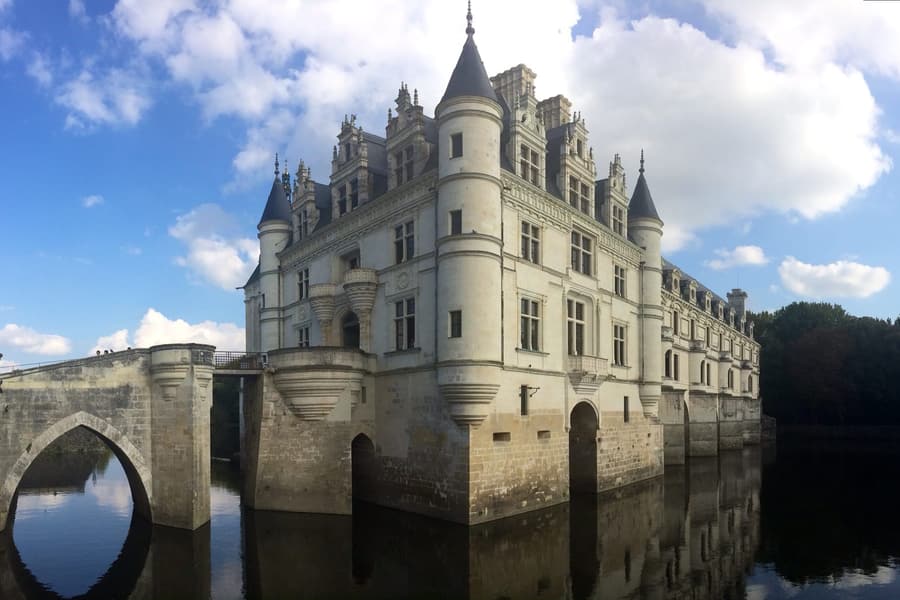 Château de Chenonceau Arched across the Cher on five spans — the Ladies' Château
 -
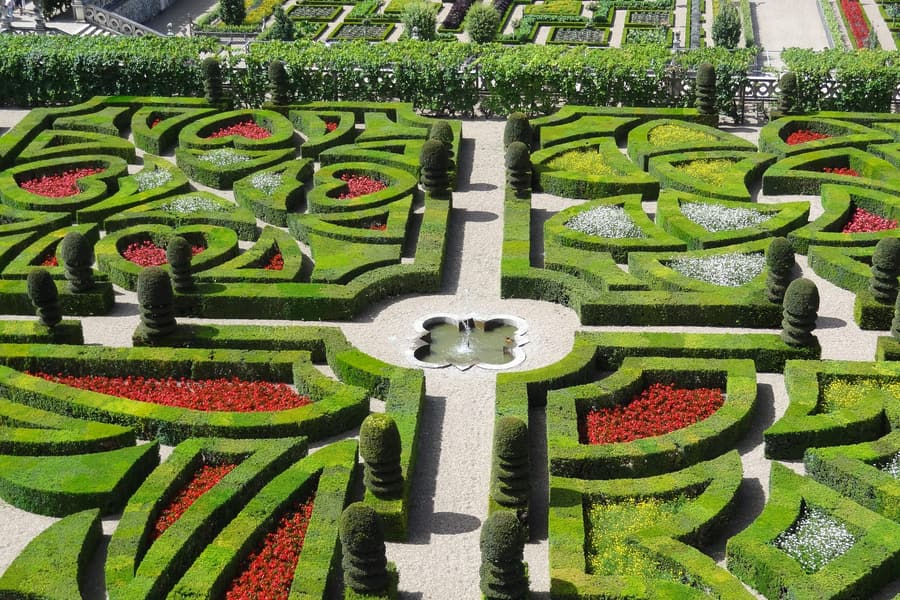 Château de Villandry Renaissance gardens laid out as geometry, including an edible one
 -
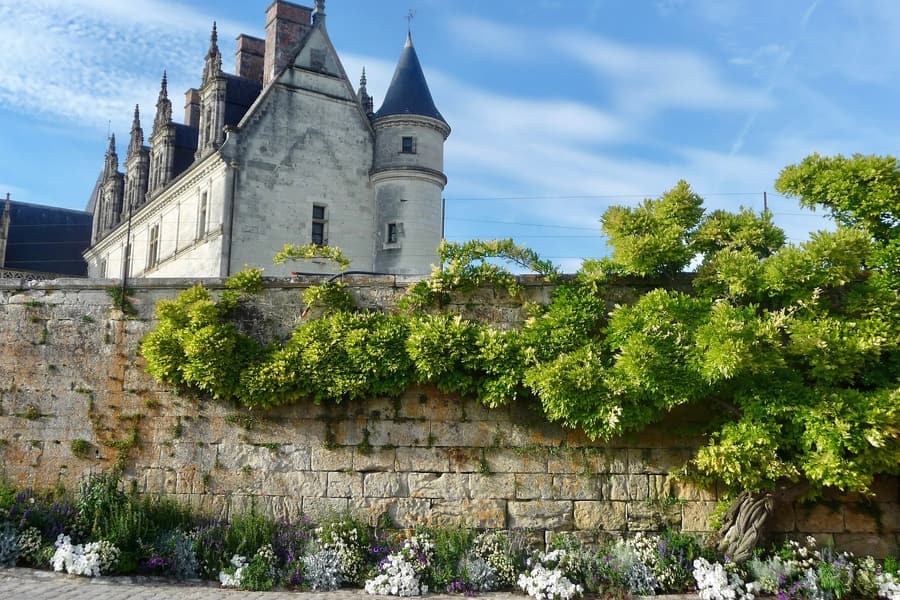 Château Royal d'Amboise A terrace over the Loire, and Leonardo da Vinci's grave in the chapel
 -
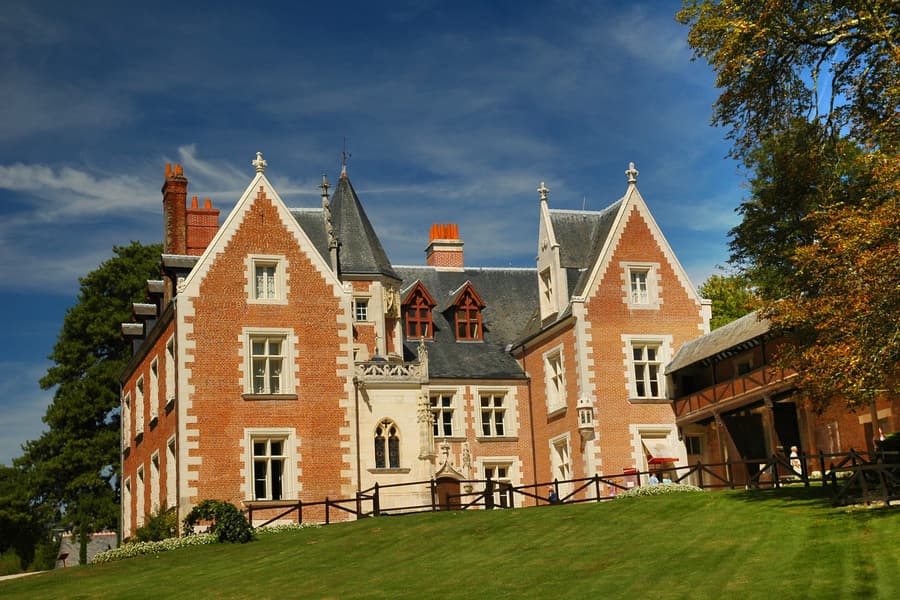 Château du Clos Lucé Leonardo's last house, with his machines built from the drawings
 -
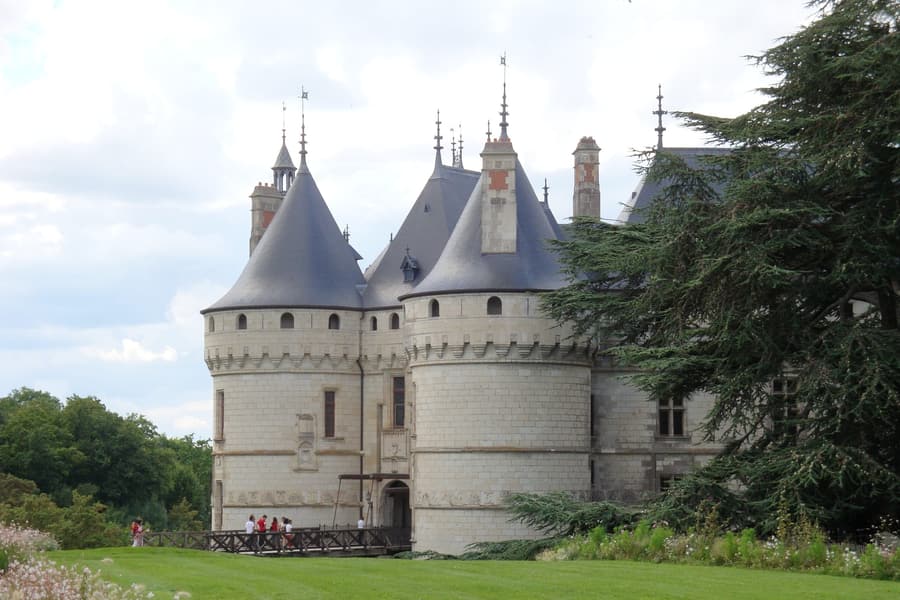 Château de Chaumont-sur-Loire A river fortress that runs an international garden festival every summer
 -
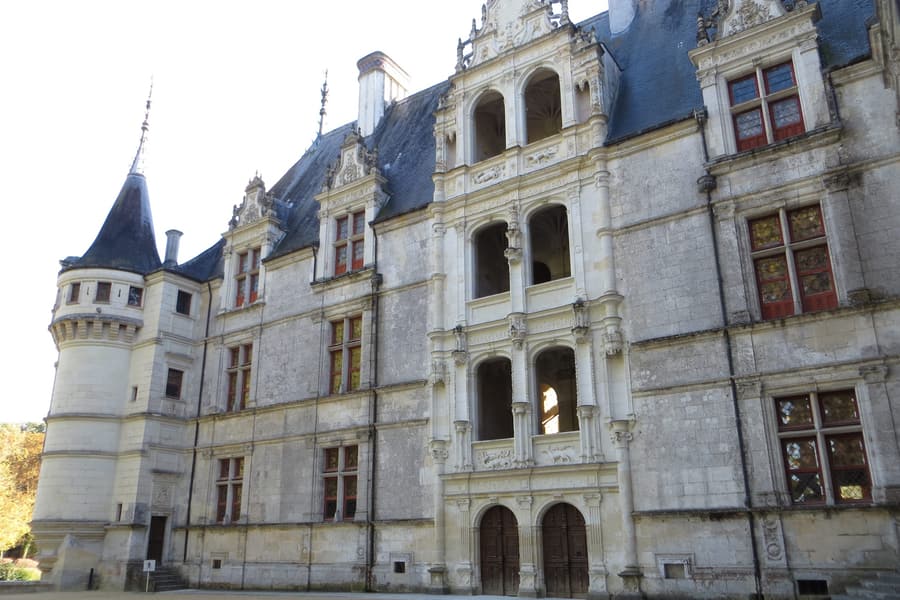 Château d'Azay-le-Rideau Built on an island in the Indre, and reflected in it
 -
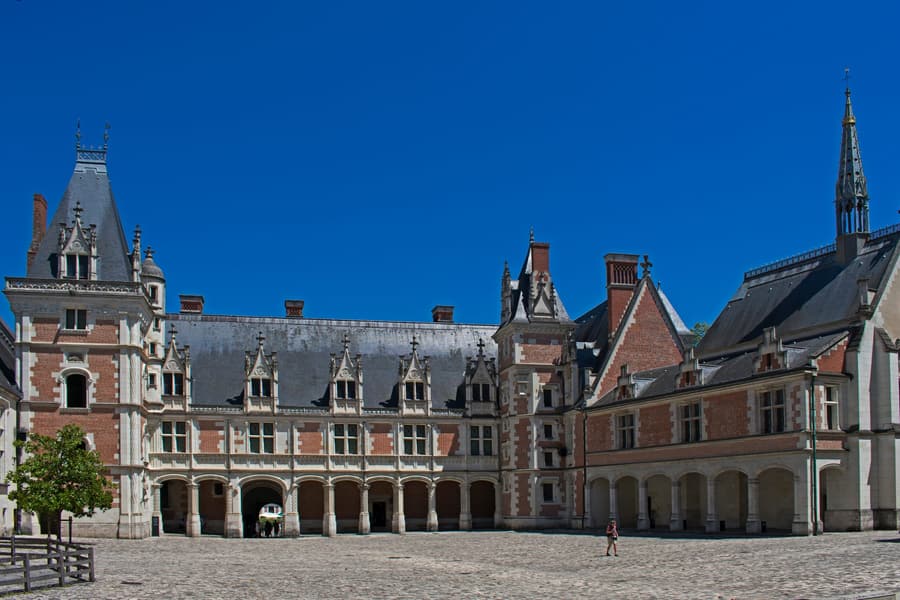 Château Royal de Blois Four centuries of architecture round one courtyard
 -
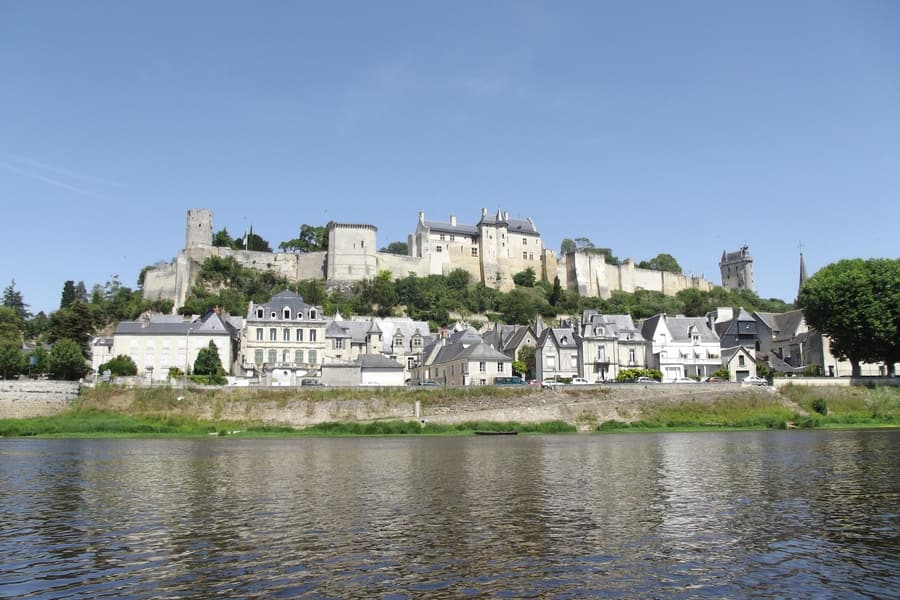 Forteresse Royale de Chinon Where Joan of Arc recognised the Dauphin in a crowded hall
 -
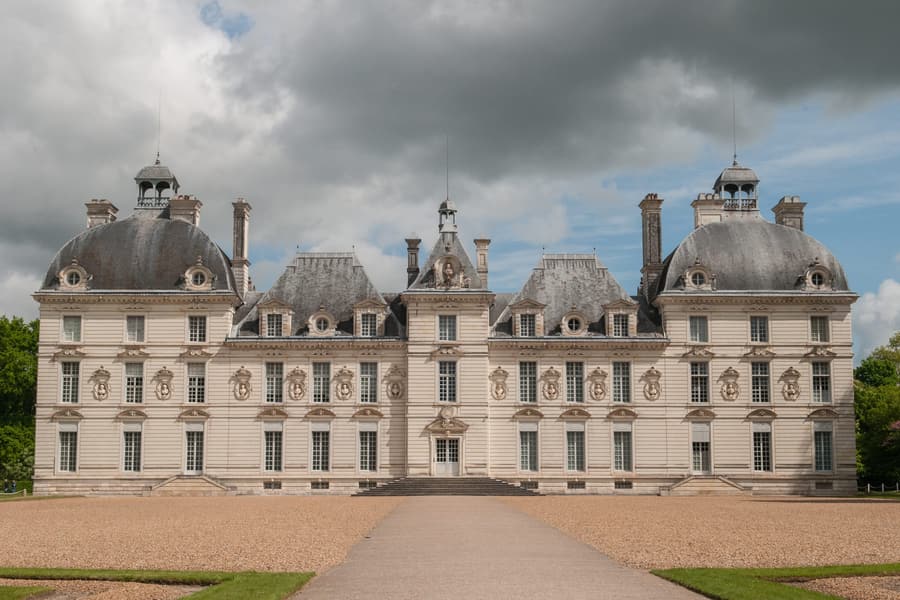 Château de Cheverny Still lived in by the same family — and the model for Hergé's Marlinspike
 -
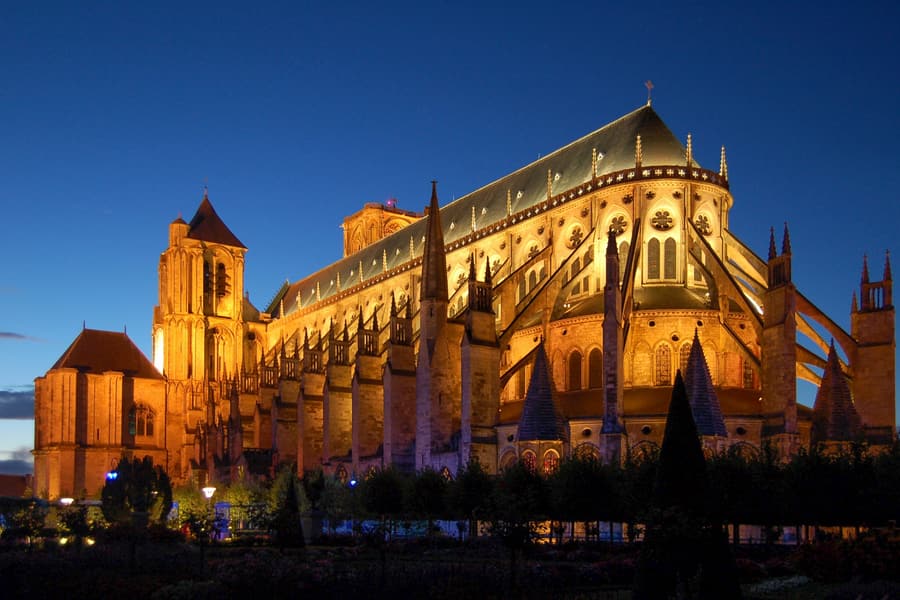 Bourges Cathedral No transept, five doorways, and an interior of extraordinary width
 -
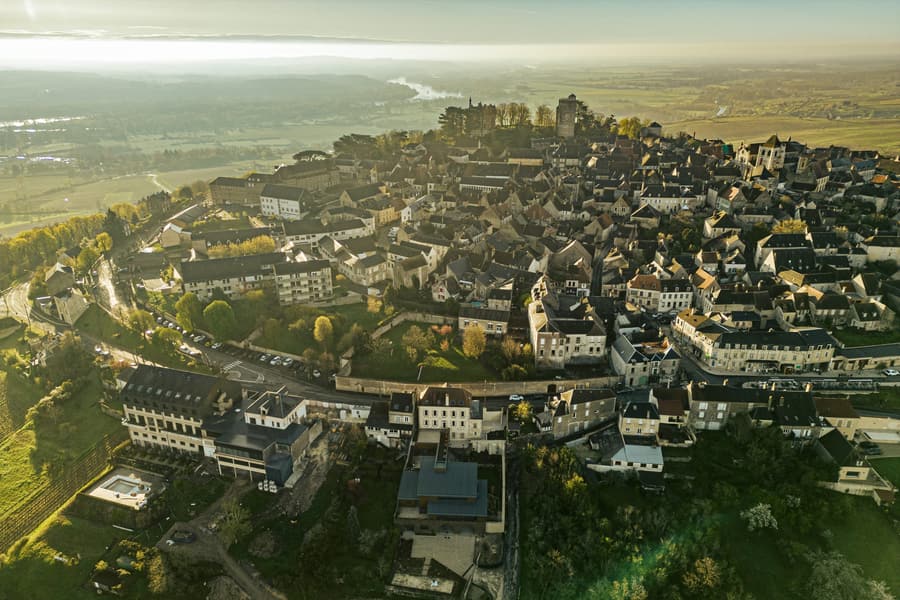 Sancerre A hilltop above the upper Loire, and the sauvignon blanc benchmark
Cities & bases
Where to sleep inside the area.
-
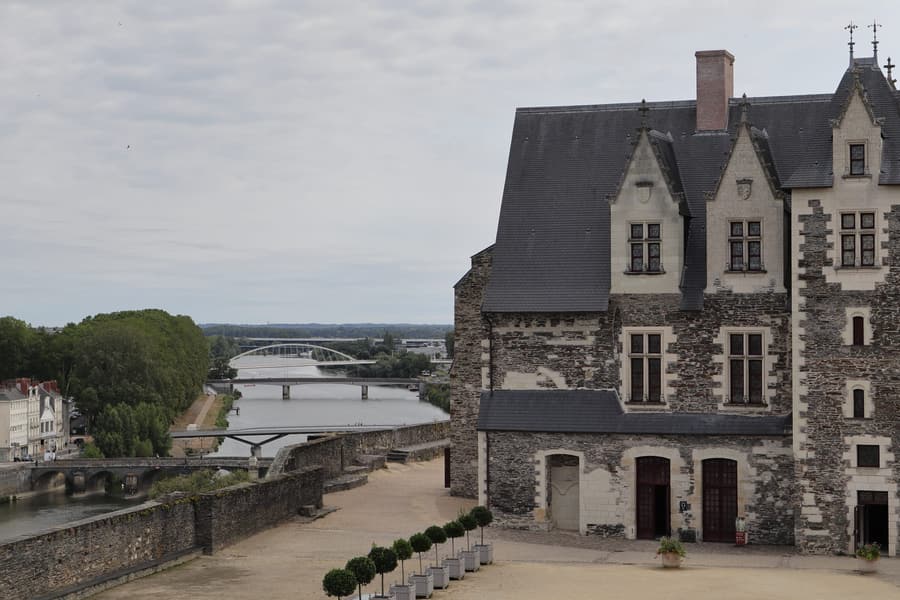 Angers A striped fortress holding 100 metres of fourteenth-century tapestry
 -
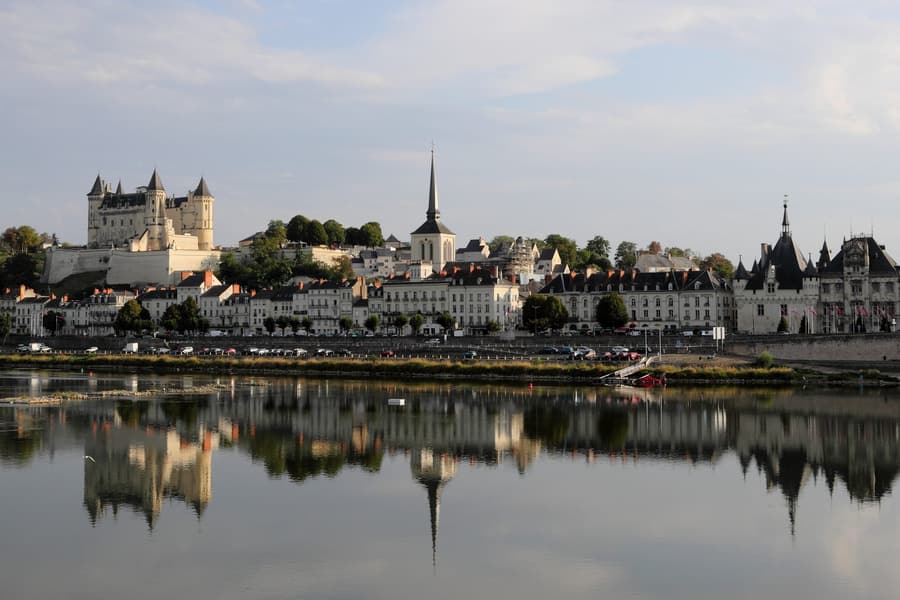 Saumur A white château above troglodyte cellars, and the Cadre Noir
 -
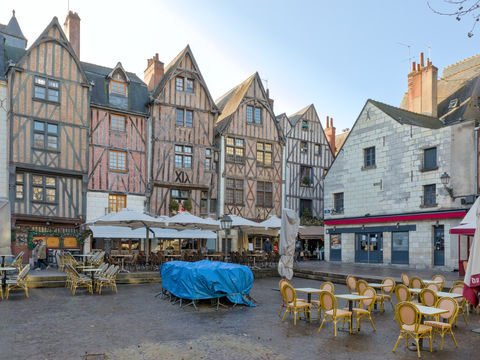 Tours The Loire Valley's natural base — and the best rail links between châteaux
 -
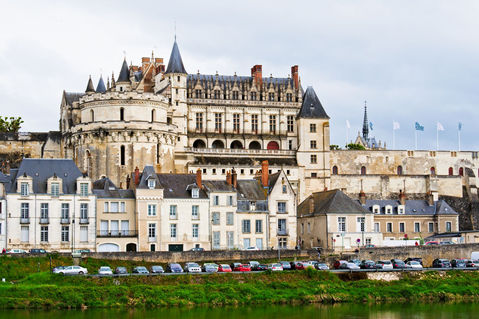 Amboise A royal château above the river, and Leonardo da Vinci's grave
 -
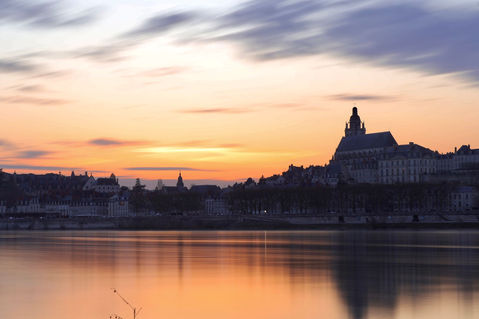 Blois Four architectural centuries in one courtyard, twenty minutes from Chambord
 -
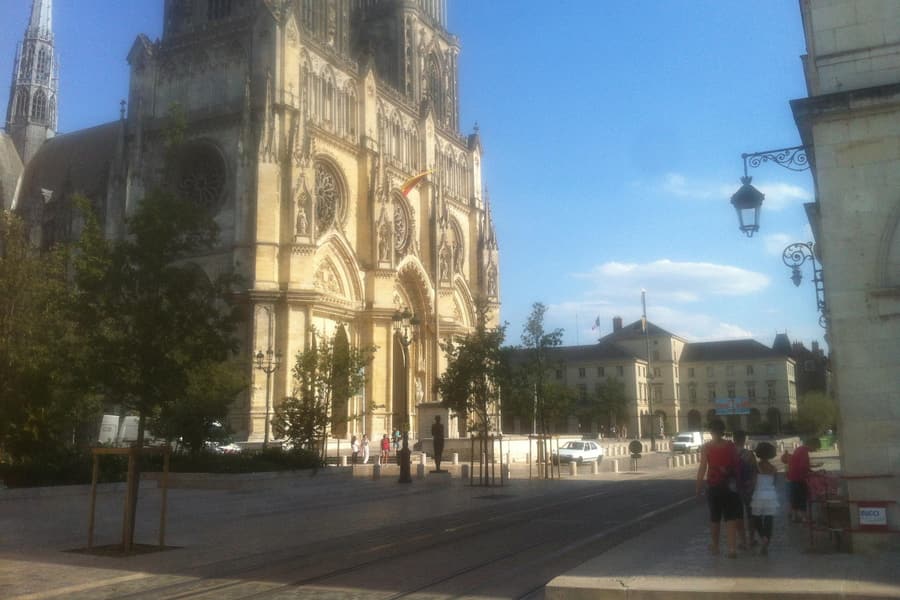 Orléans Joan of Arc's city, and the top of the UNESCO river stretch
 -
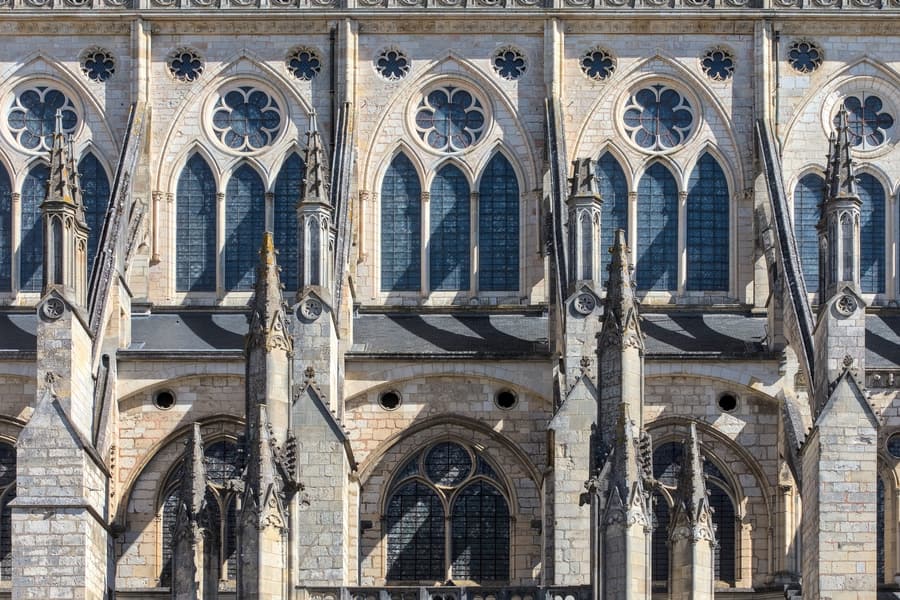 Bourges A cathedral of extraordinary width, and Jacques Cœur's merchant palace
 -
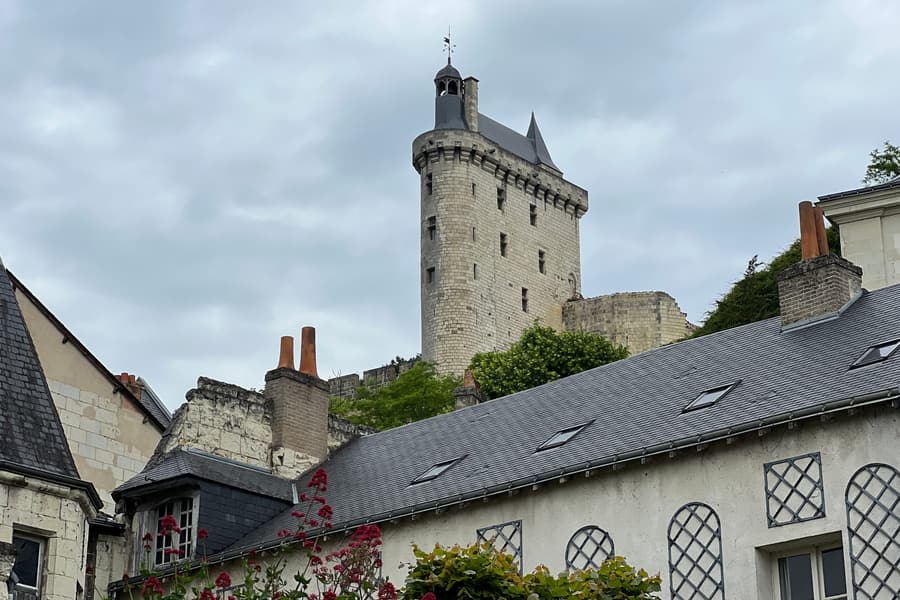 Chinon A Plantagenet fortress above red-wine vineyards
Practical
- Best time to go
- April–June for the gardens and the son-et-lumière season, September–October for the vendanges and empty châteaux. Chambord and Chenonceau are busiest between 11am and 3pm in July and August — go at opening or after 4pm. Chaumont's International Garden Festival runs late April to early November.
- Getting there
- TGV Paris–Tours in 1h05 or Paris–Blois in 1h30 on a regional train. Tours is the best rail base and has the most onward connections between châteaux; Blois is closest to Chambord and Cheverny. Nantes and Paris airports both work. A car opens up the small châteaux; the train and bike cover the famous ones.
- Getting around
- La Loire à Vélo — 900 km of signed, largely traffic-free and almost entirely flat cycle route along the river. Bike hire in Tours, Amboise, Blois and Orléans with one-way drop-off, and trains that take bikes. It is genuinely the best way to do this valley. Otherwise a car, or the château shuttle buses from Tours and Blois in season.
- Eat & drink
- River fish with beurre blanc, rillettes de Tours, goat's cheese (Sainte-Maure, Selles-sur-Cher, Valençay — all AOP and all on the same board), and tarte Tatin, which was invented at Lamotte-Beuvron in the Sologne. The wines run the whole valley: Sancerre and Pouilly-Fumé upstream, Vouvray and Chinon in the middle, Muscadet at the sea.
- Know before you go
- Do not attempt more than two châteaux a day — they are each half a day if you include the grounds, and three becomes a forced march. Several close for lunch out of season. Chambord's estate is 5,440 hectares, the size of inner Paris, so allow travel time inside it as well as to it.
The regions this area crosses
Tourism areas and administrative regions are different geographies — both are true, and both are browsable here.