The Pyrenees wall France off from Spain for 430 km and stay wild in a way the Alps no longer are: brown bears, vultures, and valleys with no through road. The Cirque de Gavarnie is a 1,500 m amphitheatre with Europe's tallest waterfall down one wall, and the Pyrénées–Mont Perdu site straddles the border. Lourdes below it receives around six million pilgrims a year. The Tour de France has been climbing the Tourmalet since 1910, and the col is open to anyone on a bike from roughly June to October.
© OpenFreeMap · OSM · terrain Mapterhorn · boundaries © EuroGeographics (Eurostat GISCO)
Headline places
What you come to The Pyrenees for.
-
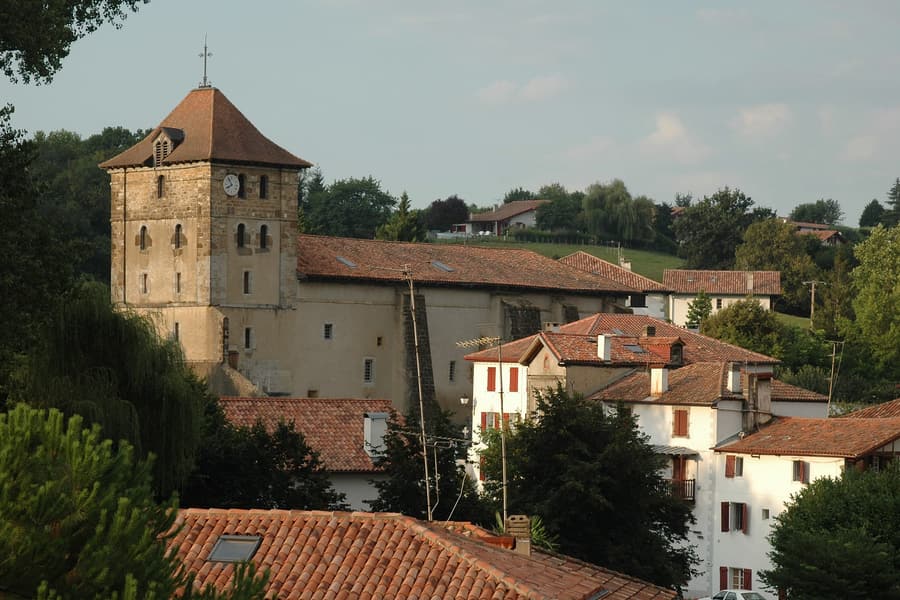 Espelette Red peppers drying on every house front from August
 -
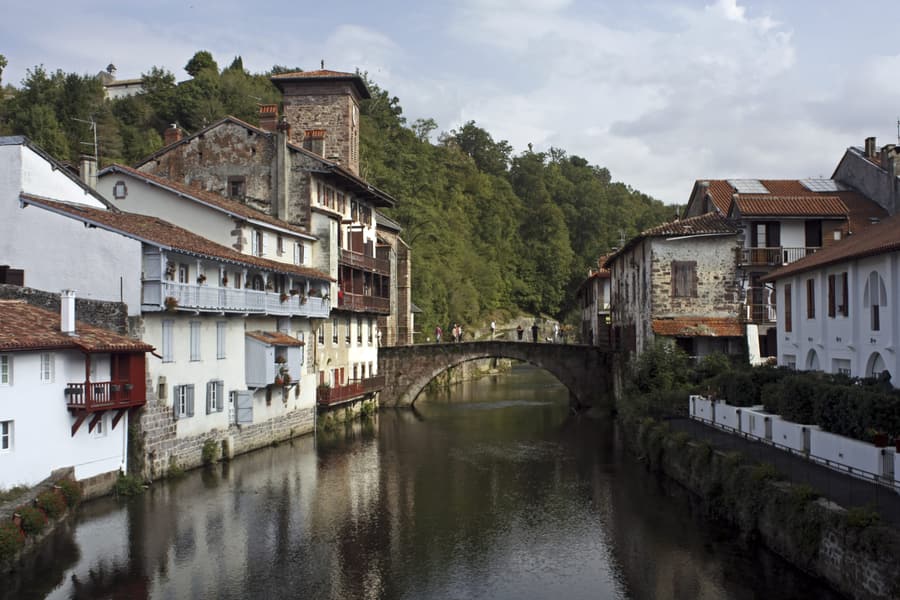 Saint-Jean-Pied-de-Port Where most Camino walkers start, at the foot of the Roncesvalles pass
 -
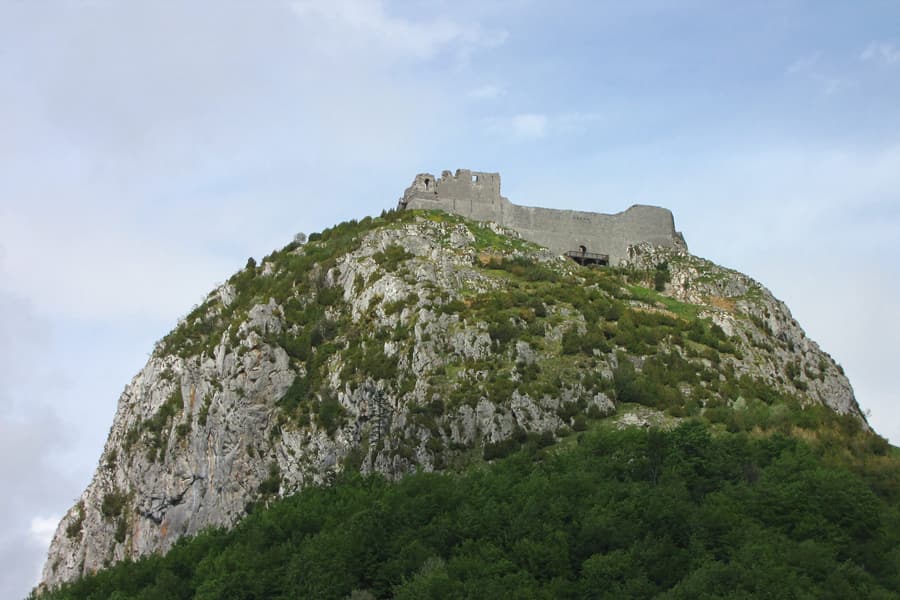 Château de Montségur Where the Cathar siege ended in 1244 — a 1,200 m climb to the ruin
 -
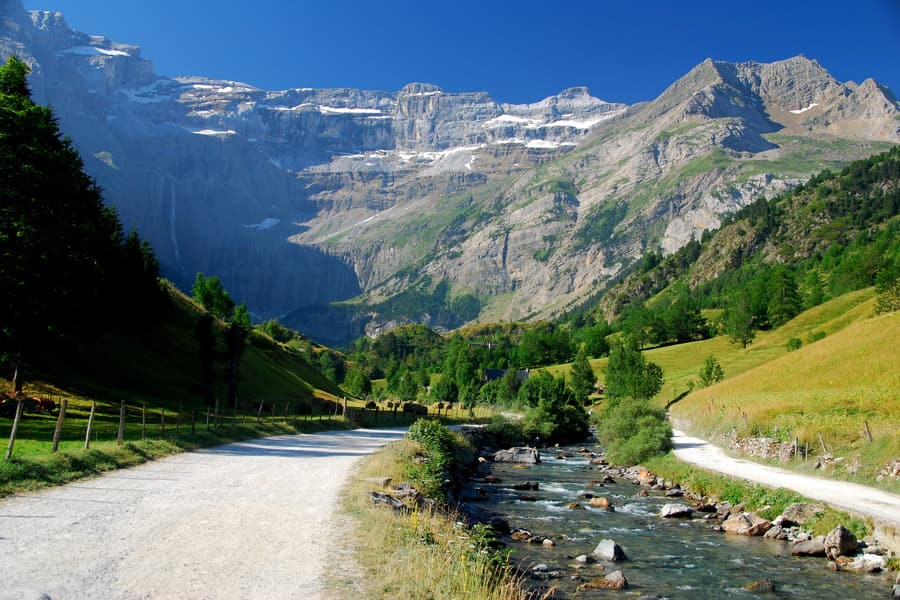 Cirque de Gavarnie A 1,500 m rock amphitheatre with Europe's tallest waterfall down one wall
Cities & bases
Where to sleep inside the area.
-
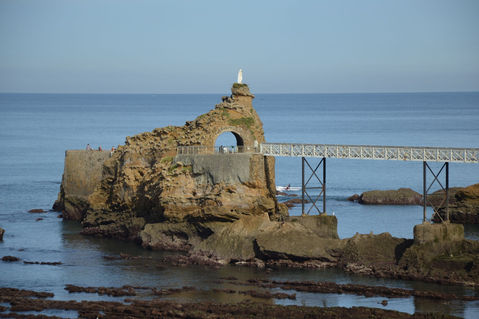 Biarritz An imperial resort that became Europe's first surf town
 -
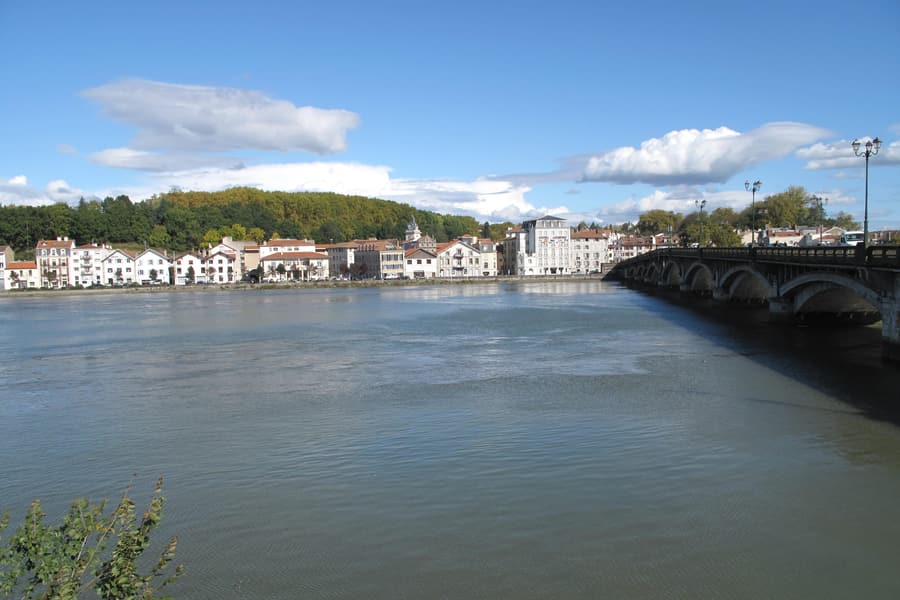 Bayonne Basque ham, chocolate since the 1600s, and a five-day summer fête
 -
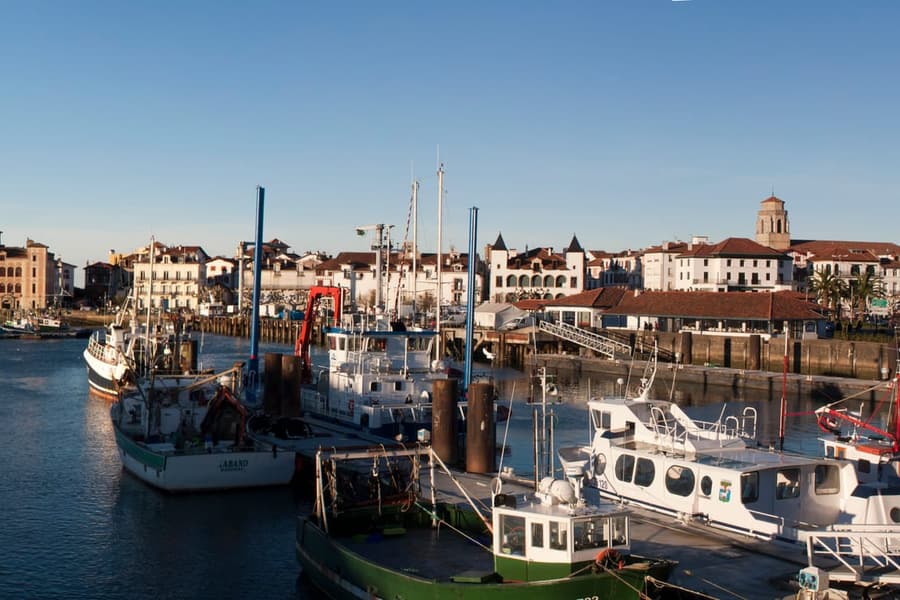 Saint-Jean-de-Luz A sheltered Basque bay, and the church where Louis XIV married
 -
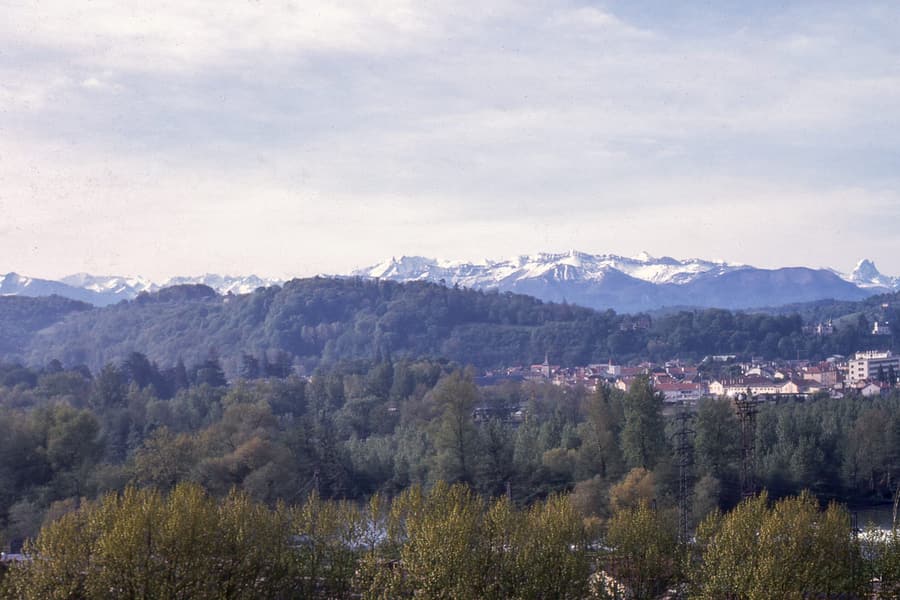 Pau A boulevard with the whole Pyrenean chain laid out in front of it
 -
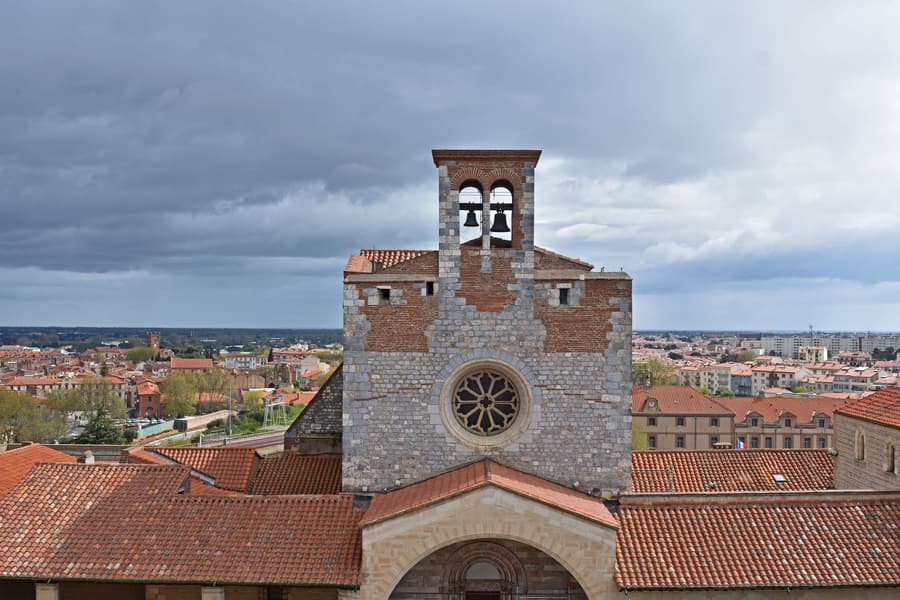 Perpignan Catalan France — a palace of the Kings of Majorca, and sardanes
 -
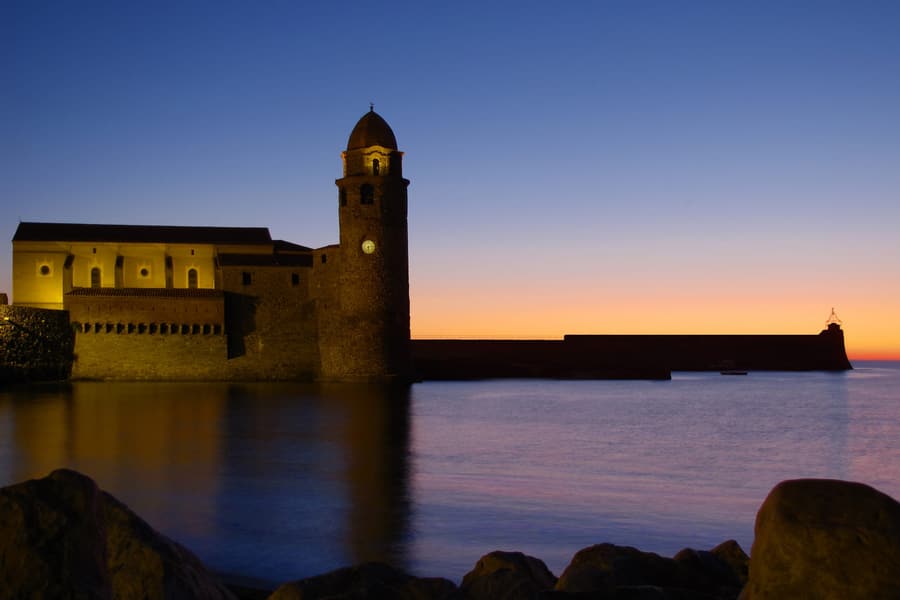 Collioure The bay where Matisse and Derain invented Fauvism
 - Lourdes Six million pilgrims a year, at the foot of the Pyrenees
The regions this area crosses
Tourism areas and administrative regions are different geographies — both are true, and both are browsable here.